Plan and listen to Palazzo Del Te with Audiala.
Audio guide in your pocket, itinerary in your browser. Built for the way you actually visit.
Introduction
Palazzo Del Te, located just beyond the historic walls of Mantua, Italy, is a masterwork of Renaissance and Mannerist architecture. Commissioned in 1524 by Federico II Gonzaga as a retreat from court life and designed by the brilliant architect and painter Giulio Romano, the palace stands as a testament to the sophistication of the Gonzaga court and the innovative spirit of its time. Today, Palazzo Del Te is not only a preserved architectural marvel but also a vibrant cultural center hosting exhibitions and events that celebrate Mantua’s Renaissance legacy. This guide provides detailed visitor information—including current visiting hours, ticket options, accessibility, and must-see highlights—to help you plan a rewarding visit to one of Italy’s most celebrated historical sites (Britannica, Wikipedia, Italyscapes, Wild About Travel).
Origins and Patronage
Palazzo Del Te was conceived as a pleasure villa for Federico II Gonzaga, transforming the marshy Isola del Te into a locus of art and leisure. The site’s name may derive from the Lombard word for a linden grove or the Latin "attegia" (hut). Giulio Romano, Raphael’s gifted pupil, was selected for his dual proficiency in architecture and painting, ensuring a harmonious fusion of structure and decoration (Wikipedia, Italyscapes).
Construction and Artistic Flourishing
Work began in 1524 and was largely completed within a decade. The main structure arose swiftly, while the following years were devoted to lavish fresco decoration by Romano and assistants such as Benedetto Pagni and Rinaldo Mantovano. The palace quickly became an emblem of Gonzaga prestige, famously hosting Emperor Charles V in 1530, who subsequently made Federico II Duke of Mantua (Britannica).
Decline and Preservation
After the War of the Mantuan Succession (1628–1631), the palace suffered plundering and neglect. Despite these challenges, its architectural and artistic treasures endured. Today, it houses the Museo Civico del Palazzo Te and remains a cornerstone of Mantua’s cultural identity (Wikipedia, Italyscapes).
Architectural Significance
Mannerist Innovations
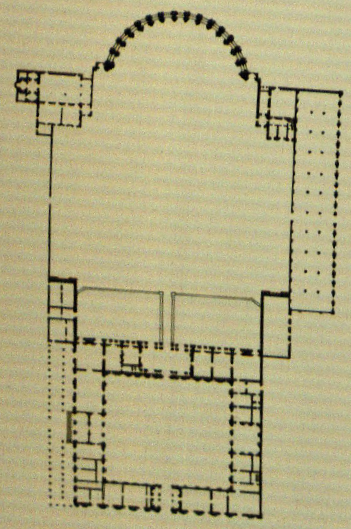
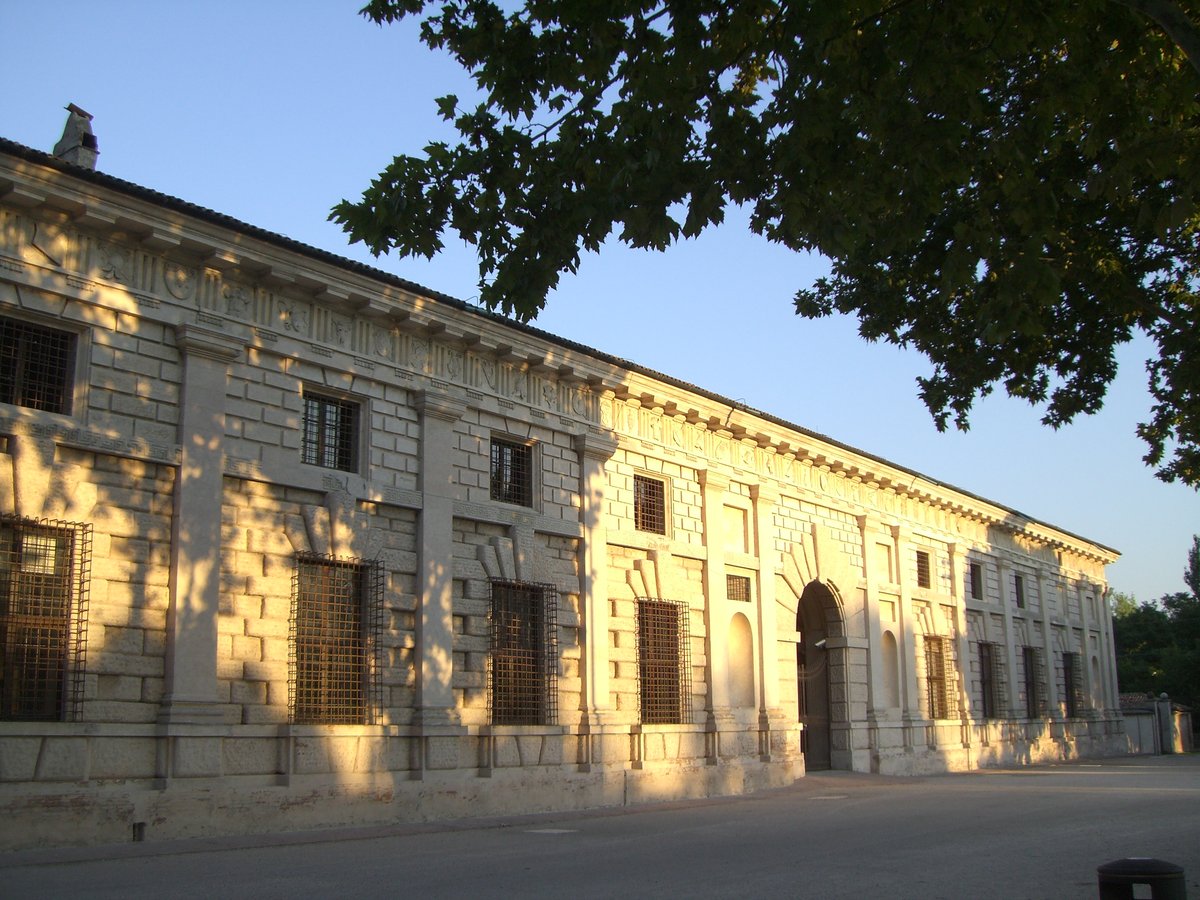
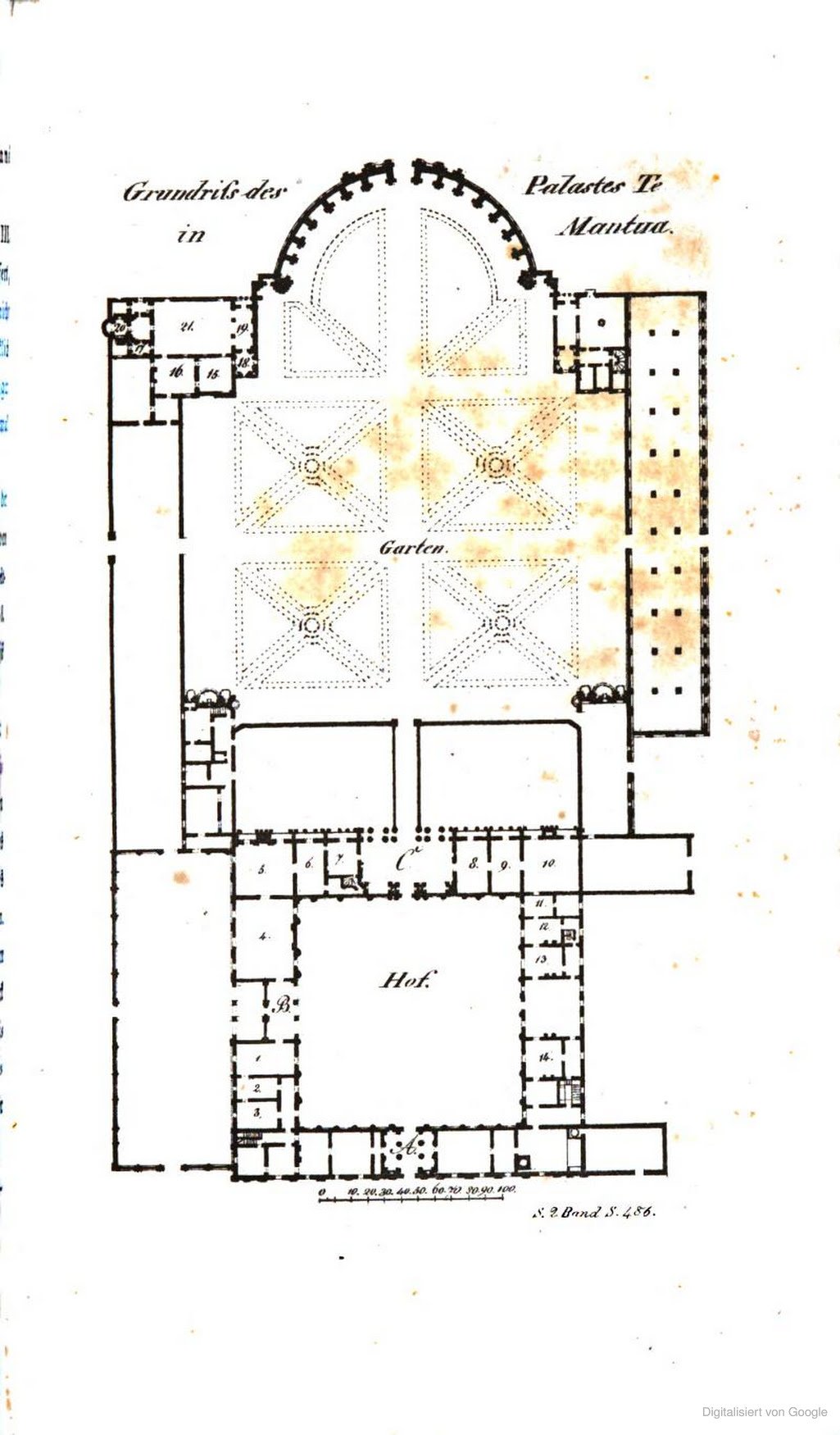
Giulio Romano’s design for Palazzo Del Te exemplifies Mannerism, characterized by playful manipulation of classical forms, unexpected irregularities, and a theatrical interplay of space and ornamentation. The palace’s square layout, with its grand cortile (courtyard), rusticated facades, and giant pilasters, creates a dynamic visual rhythm. Architectural features such as oversized keystones, broken pediments, and deliberate asymmetry signal a break from High Renaissance harmony and foreshadow the Baroque (Britannica, Wild About Travel).
Key Interior Spaces
Palazzo Del Te’s interiors are celebrated for their immersive fresco cycles, each room presenting a unique mythological or allegorical narrative:
- Sala dei Giganti (Hall of the Giants): Renowned for its all-encompassing fresco, this room plunges visitors into the chaos of the giants’ defeat by the Olympian gods, dissolving architectural boundaries with dizzying illusionism (Britannica, Wikipedia).
- Sala di Amore e Psiche (Chamber of Cupid and Psyche): Lush frescoes depict the myth of Cupid and Psyche, blending sensuality, playfulness, and allegory—reflecting the palace’s original function as a site of pleasure and spectacle (Britannica).
- Sala dei Cavalli (Hall of the Horses): Life-size equestrian frescoes honor the Gonzaga family’s passion for horses and reinforce their social stature (Britannica).
- Sala del Sole e della Luna (Chamber of the Sun and Moon): Allegorical frescoes evoke cosmic order and Federico II’s fascination with astrology (The Geographical Cure).
- Loggia delle Muse and Camera dei Venti (Chamber of the Winds): These spaces further explore mythological and celestial themes, displaying Romano’s creative mastery (The Geographical Cure).
Gardens and Outdoor Areas
The palace’s formal gardens and exedra, designed in harmony with the architecture, reflect Renaissance ideals of order and nature. Restored to their historical layout, the gardens are perfect for leisurely strolls and seasonal events (Fondazione Palazzo Te, Garda Outdoors).
Visiting Palazzo Del Te
Visiting Hours
- Tuesday to Sunday: 9:00 AM – 7:30 PM (last entry one hour before closing)
- Monday: 1:00 PM – 7:30 PM
- Closed on Mondays except public holidays; hours may vary during special events—check the official website for updates.
Ticket Information
- Full Price: €15
- Concessions: €11 (various categories)
- Special Concessions: €7
- Family Ticket: €40
- Combined Tickets: The Mantova e Sabbioneta Card (€25, valid for 72 hours, includes multiple sites)
- Where to Buy: Official Palazzo Te Ticket Office, at the palace, or authorized resellers
- Advance Booking: Highly recommended, especially during peak seasons
Accessibility
Palazzo Del Te is committed to accessibility:
- Step-free access to most major areas
- Accessible restrooms
- Wheelchair access (some limitations in historic sections)
- Guide dogs welcome; dog-sitting service available by reservation
- Contact the ticket office in advance for tailored assistance
Visitor Services and Amenities
- Restrooms and cloakroom
- Museum shop selling books and souvenirs
- Digital museum maps (with many ticket types)
- Audio guides (€5; free for blind/visually impaired visitors)
- Guided tours in multiple languages (advance booking for groups and foreign languages)
- Family-friendly facilities; pets in carriers only inside
- Photography without flash permitted (restrictions in special exhibitions)
- Nearby cafés and trattorias; food and drinks not permitted inside
Highlights and Must-See Rooms
- Courtyard of Honor (Cortile d’Onore): A stunning Mannerist cloister with Doric columns and inventive architectural motifs (JSTOR Daily).
- Loggia of the Muse: The palace’s entrance, adorned with mythological frescoes and trompe l’oeil effects (The Geographical Cure).
- Appartamento del Giardino Segreto (Secret Garden Apartment): Overlooking a tranquil, secluded garden.
- The Exedra and Gardens: Restored Renaissance gardens with geometric beds and fountains (Fondazione Palazzo Te).
- MACA Museum and Tempio Leon Battista Alberti: Admission included with your ticket for a broader cultural experience (Centro Palazzo Te).
Travel Tips and Nearby Attractions
- Arriving: 20 minutes’ walk from Mantua’s historic center; accessible by local bus or free shuttle.
- Parking: Free at Campo Canoa (with shuttle); paid parking nearby. Beware of ZTL restrictions in the city center.
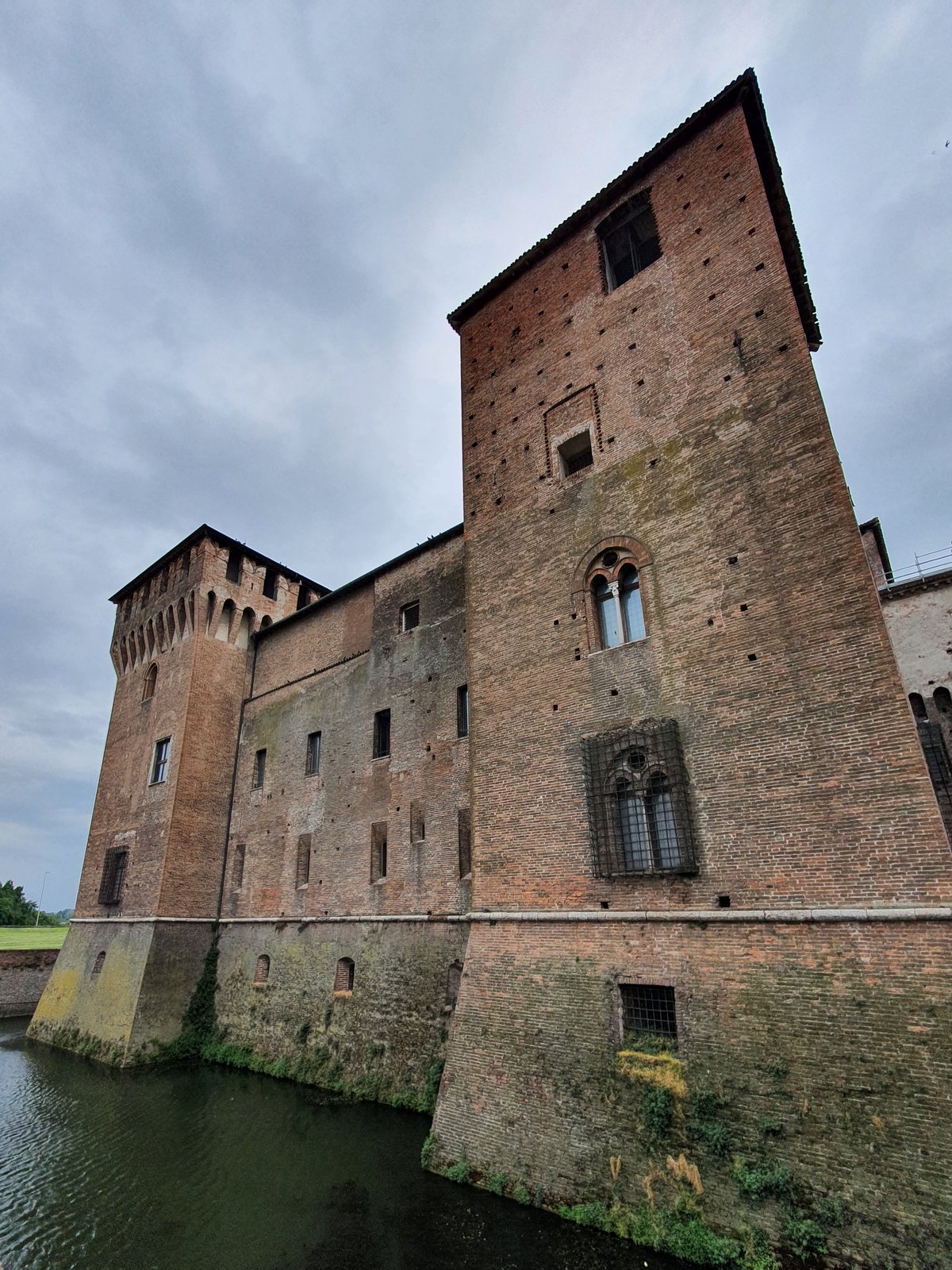
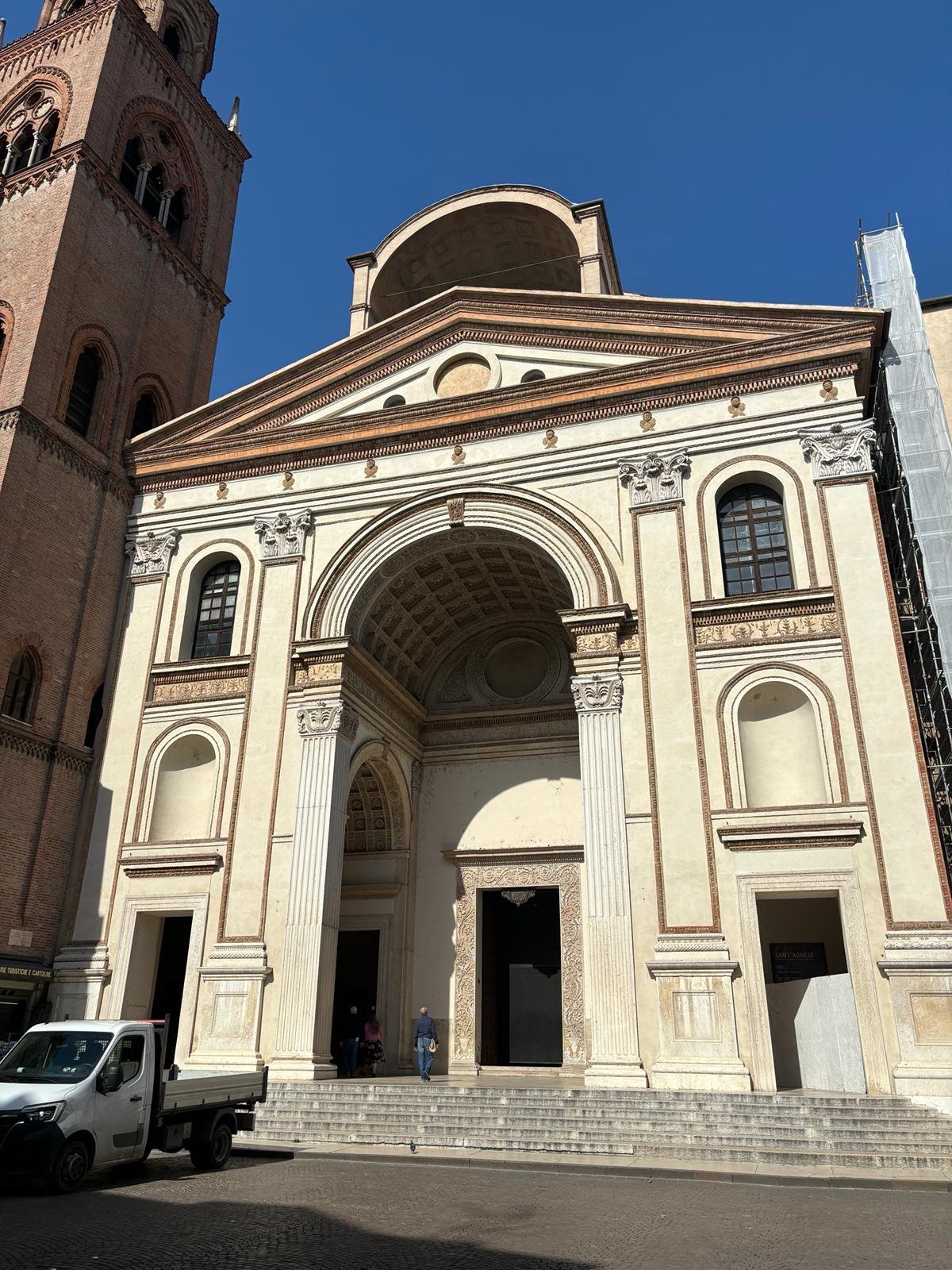
- Nearby Sights: Ducal Palace, Basilica of Sant’Andrea, Piazza delle Erbe, and Palazzo San Sebastiano.
- Events: Check the official website for rotating exhibitions and the 500th anniversary celebrations in 2025 (Artribune).
- Plan Ahead: Weekday mornings are quieter; combine your visit with other Mantua historical sites for a full cultural itinerary.
Frequently Asked Questions (FAQ)
What are the opening hours of Palazzo Del Te?
Tuesday to Sunday: 9:00 AM – 7:30 PM; Monday: 1:00 PM – 7:30 PM; last entry one hour before closing.
How do I buy tickets?
Purchase online via the official website, at the palace, or through authorized resellers.
Are guided tours available?
Yes. Guided tours (Italian on weekends, foreign languages by reservation), audio guides, and group tours are available.
Is the palace accessible for wheelchairs?
Most areas are accessible; some historic zones have limitations. Contact in advance for assistance.
Can I take photos?
Photography without flash is generally permitted; restrictions may apply in special exhibitions.
Are pets allowed?
Only guide dogs and small pets in carriers are permitted inside.
Tickets & tours.
These are guided options from our partners — same price as booking direct.
Prices are indicative — final pricing and availability are confirmed at checkout. Audiala may earn a commission from bookings made through these links.
Listen to the full story in the app
The whole Palazzo Del Te,
told well.
Listen to sourced travel stories with local history and practical context — ready offline.

Verified, and shown.
Researched and written by the Audiala editorial team from historical records, architectural archives, and local expertise.
Built from cited sources · see the method · How we make our guides →