Plan and listen to Museo Diocesano Francesco Gonzaga with Audiala.
Audio guide in your pocket, itinerary in your browser. Built for the way you actually visit.
Introduction
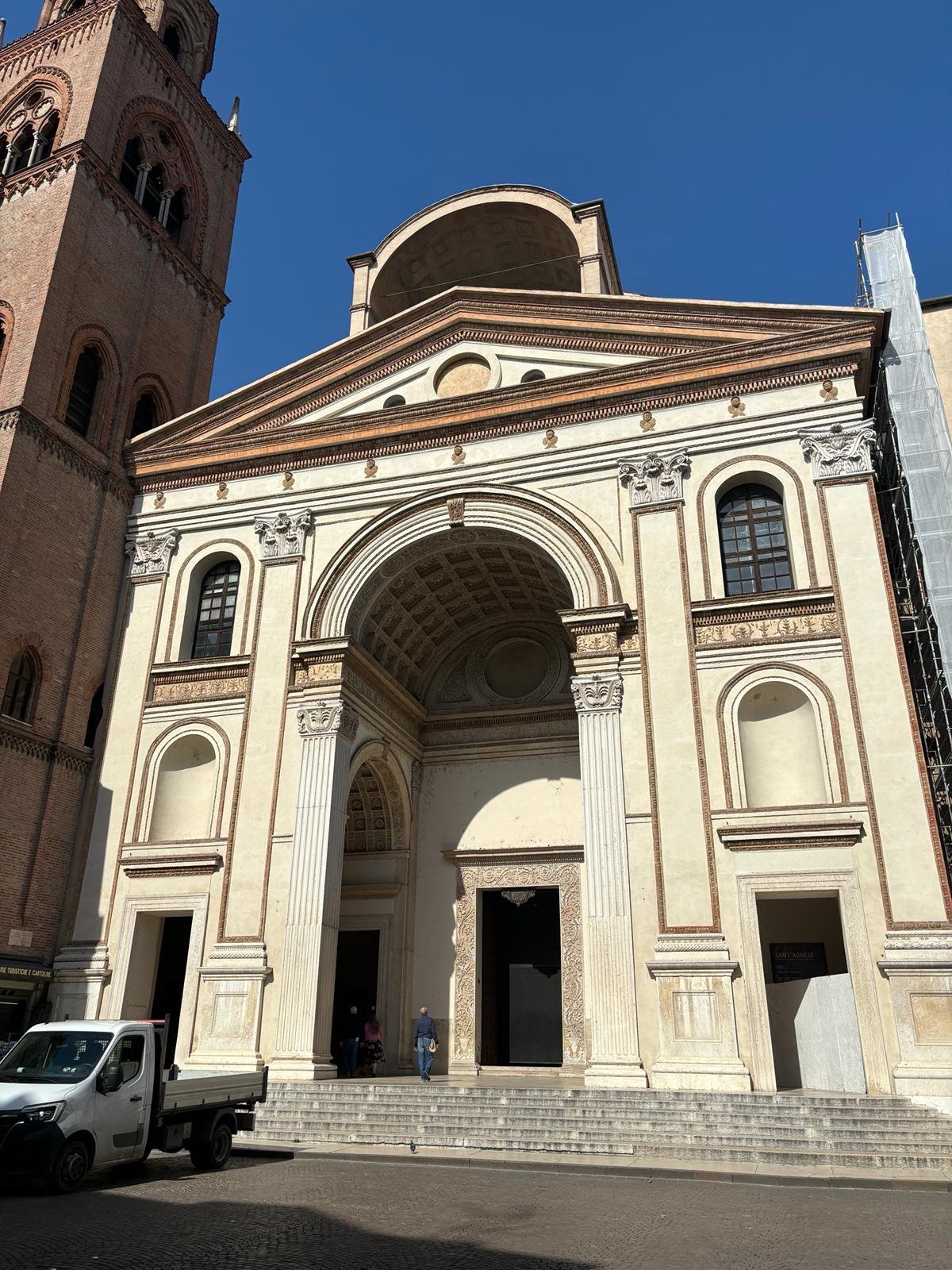
Nestled in the heart of Mantua’s historic center, the Museo Diocesano Francesco Gonzaga is a cornerstone of the city’s cultural and spiritual heritage. Housed within the former Augustinian monastery of Sant’Agnese, this exceptional museum preserves and exhibits centuries of sacred art, liturgical treasures, and artifacts that chronicle the intertwined history of the Gonzaga dynasty and Renaissance Mantua. With collections spanning from Roman antiquity through the Baroque and into the modern era, the museum offers visitors a vivid journey through art, faith, and local history.
This guide provides all the essential information for planning your visit to the Museo Diocesano Francesco Gonzaga. You’ll find details on opening hours, ticket prices, accessibility, highlights of the collections, current exhibitions, and practical travel tips—helping you make the most of your Mantua experience. Refer to the official Museo Diocesano Francesco Gonzaga website and the Comune di Mantova portal for the latest updates.
Historical Background and Significance
Origins and Mission
The Museo Diocesano Francesco Gonzaga was inaugurated in 1983, inspired by the success of the 1974 exhibition “Tesori d’arte nella terra dei Gonzaga” at the Palazzo Ducale. Monsignor Luigi Bosio envisioned a permanent institution to safeguard and showcase sacred objects, many of which had been displaced due to reforms and the closure of churches (Museo Diocesano Mantova – Storia). The museum’s mission is twofold: to conserve Mantua’s vast ecclesiastical heritage and to make it accessible to the public, illuminating the connection between art, faith, and local history (Comune di Mantova – Museo Diocesano).
The Gonzaga Legacy
The museum is named for Francesco Gonzaga, a 16th-century Franciscan friar and Bishop of Mantua. The prominent Gonzaga family ruled Mantua from the 14th to the 18th centuries, transforming the city into a flourishing Renaissance court and a center for the arts. The “Sale Gonzaga” within the museum are dedicated to the family’s patronage, featuring portraits, genealogical charts, and objects that reflect their enduring influence (Museo Diocesano Francesco Gonzaga – Collezioni).
Museum Collections: Highlights and Permanent Exhibits
Art and Artifacts
- Pinacoteca (Picture Gallery): Paintings and sculptures from masters such as Andrea Mantegna, Lorenzo Costa, and Giuseppe Bazzani, representing the artistic excellence fostered by the Gonzaga court.
- Goldsmith Works and Liturgical Objects: Exquisite chalices, reliquaries, and vestments, including Renaissance masterpieces from Mantua’s Cathedral and the Basilica Palatina di Santa Barbara.
- Ivories and Enamels: A refined selection of medieval and Renaissance pieces, including Islamic caskets and Limoges enamels.
- Armory: Rare 15th- and 16th-century armors, many donated as ex-votos by knights returning from battle, with particular ties to the Sanctuary of Le Grazie.
- Numismatics: Over 400 Roman coins, connecting Mantua’s ancient origins to its later history.
- Manuscripts and Books: Illuminated manuscripts and rare volumes that highlight the city’s religious and scholarly traditions.
- Ceramics and Tapestries: Renaissance ceramics and Flemish tapestries, including a complete series commissioned by Bishop Francesco Gonzaga.
Thematic Displays
- Gonzaga Dynasty Portraits and Genealogies: 18 portraits of Mantua’s rulers, along with 16th-century genealogical maps tracing the dynasty’s European connections (Museo Diocesano Mantova).
- Women of the Gonzaga Court: Portraits of influential consorts such as Isabella d’Este, celebrated for her intellect and cultural patronage (Italian Tribune).
- Ecclesiastical Portraits: Artworks that depict Gonzaga family members in high religious office, reflecting their dual spiritual and temporal authority.
- Cadet Branches: Portraits and stories from lesser-known branches of the family, including personal intrigues and dramatic episodes (Museo Diocesano Mantova).
Special Exhibition: “Il Preziosissimo Sangue – From Mantegna to Canova”
Running through December 31, 2025, this special exhibition explores the theme of the Precious Blood in Christian iconography, featuring works by Andrea Mantegna, Antonio Canova, and other Renaissance and Neoclassical masters (Museo Francesco Gonzaga Exhibition). Highlights include:
- Liturgical objects, manuscripts, and archival documents illustrating centuries of devotion.
- Paintings and sculptures depicting Christ’s Passion and the cult of the Precious Blood.
- A bilingual (Italian-English) vademecum for deeper insight into each piece.
The exhibition offers a spiritual and cultural journey into the ways faith and art have inspired generations.
Practical Visitor Information
Visiting Hours
- Wednesday to Sunday: 9:30 AM – 12:00 PM, 3:00 PM – 5:30 PM
- Monday and Tuesday: Open for pre-booked groups only
- Closed: Easter, Christmas, and New Year’s Day
(Museo Diocesano Francesco Gonzaga – Orari)
Tickets and Admission
- Standard Ticket: €10
- Reduced Ticket: €6 (seniors 65+, ages 14–18, groups of 15+)
- Free Entry: Children under 14
Tickets can be bought at the museum entrance or reserved online. Guided tours (in Italian and English) are available by prior arrangement (Museo Diocesano Francesco Gonzaga – Visite Guidate).
Accessibility
The museum is fully accessible, with ramps and elevators for visitors with mobility needs. Accessible restrooms and assistance are available on request.
Getting There
- Address: Piazza Virgiliana 55, 46100 Mantua, Italy
- Transport: Short walk from Mantua’s train station; accessible by local bus. Paid parking lots are nearby.
- Setting: The museum’s location amid cloisters and gardens provides a serene atmosphere, ideal for contemplation.
Visitor Experience and Services
- Atmosphere: Spacious, tranquil, and contemplative, with abundant natural light.
- Facilities: Cloakroom, bookshop, and rest areas for visitor comfort.
- Guided Tours: Strongly recommended for non-Italian speakers; guidebooks available in multiple languages.
- Photography: Allowed without flash except in designated areas; always check signage.
Best Time to Visit
Weekday mornings or late afternoons offer a quieter experience. Special exhibitions may attract more visitors—check the museum website for updates.
Additional Tips and Nearby Attractions
- Allocate 1.5–2 hours for your visit to thoroughly explore the collections.
- Combine your visit with nearby sites such as Mantua Cathedral and the Ducal Palace.
- Check the events calendar for temporary exhibitions, cultural markets, and festivals hosted in the museum’s cloisters.
- Use translation apps or book a guided tour if you are not familiar with Italian.
Frequently Asked Questions (FAQ)
Q: What are the Museo Diocesano Francesco Gonzaga opening hours?
A: Wednesday to Sunday, 9:30 AM–12:00 PM and 3:00 PM–5:30 PM. Closed Monday and Tuesday except for pre-booked groups, and on major holidays.
Q: How much are tickets?
A: Standard admission is €10. Reduced tickets are €6. Children under 14 enter free.
Q: Are guided tours available?
A: Yes, in multiple languages by reservation.
Q: Is the museum wheelchair accessible?
A: Yes, with ramps, elevators, and accessible restrooms.
Q: Where can I park?
A: Two large paid parking lots are located nearby.
Q: Is photography permitted?
A: Yes, without flash except in restricted areas.
Discover More
For up-to-date information on exhibitions, events, and opening hours, visit the official museum website. Download the Audiala app for interactive audio guides and travel tips. Follow the museum and Mantua cultural pages on social media for news, exhibition updates, and travel inspiration.
Listen to the full story in the app
The whole Museo Diocesano Francesco Gonzaga,
told well.
Listen to sourced travel stories with local history and practical context — ready offline.

Verified, and shown.
Researched and written by the Audiala editorial team from historical records, architectural archives, and local expertise.
Built from cited sources · see the method · How we make our guides →