Visiting Hours and Ticketing
Opening Hours
Mantua Railway Station operates daily from 5:00 AM to 11:30 PM, accommodating early arrivals and late departures. The ticket office is generally staffed from 6:00 AM to 10:00 PM. Automated ticket vending machines are accessible 24/7.
Ticket Purchase Options
- At the Station Ticket offices (ground floor) and self-service machines
- Online Via the Trenitalia website or mobile app
- Ticket Types Single journey, return, regional passes, day passes for unlimited travel in the Lombardy and Veneto regions
Advance booking is recommended during peak seasons and festival periods for the best fares.
Accessibility and Passenger Services
Mantua Railway Station is designed to accommodate all travelers, including those with reduced mobility. Key features include:
- Ramps, elevators, and accessible restrooms
- Three lifts with Braille buttons and acoustic signals
- Automatic doors and accessible ticket counters (90–100 cm height)
- Clear tactile and visual signage for visually impaired travelers
- Assistance services available upon request (Rete Ferroviaria Italiana, Lombardia Facile)
The station’s commercial area offers a café-bar, waiting rooms, Wi-Fi, and shops to ensure a comfortable experience.
Getting to and from Mantua Railway Station
Location
- Address Piazza Don Leoni, 46100 Mantova MN, Italy
- Distance to City Center Approximately 1.5 km; a 15–25 minute walk to the heart of historic Mantua
Transport Options
- Walking Scenic, flat route ideal for most visitors (Travel to Italy Guide)
- Public Transport APAM city buses (including CC circular line) connect the station with central city locations and offer accessibility features (Mantova Sabbioneta UNESCO)
- Taxis Available at the main entrance (Radiotaxi: +39 0376 368844), with services for disabled passengers
- Car Rentals Nearby rental agencies for exploring the region
- Parking Available near the station; note that Mantua’s center is a Limited Traffic Zone (ZTL). Free shuttle buses run from parking areas like Campo Canoa and Te car parks to the city center
Exploring Mantua: Nearby Attractions
From the station, visitors can easily access Mantua’s most iconic sites:
- Palazzo Ducale A vast Renaissance palace complex with world-class art collections
- Piazza Sordello The city’s main square, surrounded by historic buildings
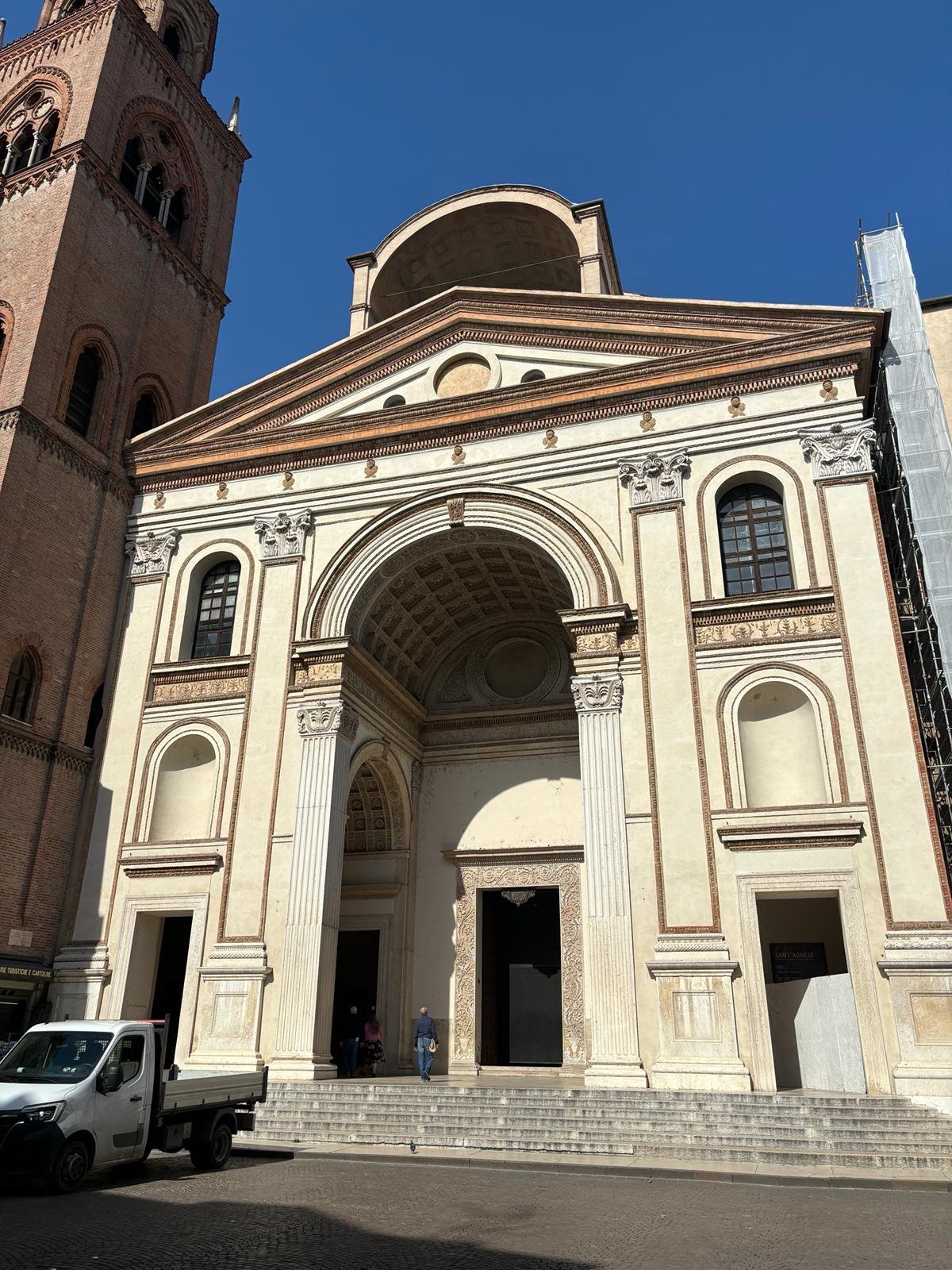
- Basilica of Sant’Andrea Celebrated for its architecture and religious significance
- Rotonda di San Lorenzo Italy’s oldest centrally planned church
- The Lakes of Mantua Scenic walking and photography opportunities
Guided walking tours are available and often start near the station or in the city center (Spotting History).
Special Events and Photography
Mantua hosts several annual festivals, including the Mantua Literature Festival and the Mantova Summer Festival (2–31 July 2025), drawing thousands of visitors and making the station a hub of activity. Check event calendars and book travel in advance during these periods (Italy Chronicles).
For photography enthusiasts, the station’s late 19th-century architecture and the approach to Mantua’s historic skyline provide excellent photo opportunities. Early morning or late afternoon offers the best lighting.
Inaugurated in 1873, Mantua Railway Station was a crucial link in the development of northern Italy’s rail network. Its architecture reflects pragmatic Italian railway design, with renovations over the years enhancing accessibility and comfort. Today, the station supports both the economic and cultural life of the city by facilitating sustainable tourism and hosting millions of travelers annually.
Rail Connections and Services
Mantua Railway Station is at the intersection of major rail lines:
- Verona–Modena Railway Connecting Mantua to Verona and Modena
- Milan–Mantua Railway Direct access to Milan (about 1.5 hours)
- Mantua–Monselice Railway Linking to the Veneto region
High-speed Frecciargento services connect Mantua with Rome and other key destinations. Regional trains to Verona, Milan, Bologna, Modena, Cremona, and Venice offer frequent services, with travel times as follows:
- Milan ~1.5 hours
- Verona ~45 minutes
- Modena ~1 hour 20 minutes
- Venice ~3 hours
Practical Information and FAQs
Q: What are the station’s opening hours?
A: Daily from 5:00 AM to 11:30 PM; ticket offices open 6:00 AM to 10:00 PM.
Q: How can I buy tickets?
A: At the station’s counters, self-service machines, online, or via the Trenitalia app.
Q: Is the station accessible for travelers with disabilities?
A: Yes, with ramps, lifts, accessible restrooms, and assistance available upon request.
Q: How do I get to Mantua’s historical sites?
A: Walking (15–25 minutes), APAM city buses, taxis, or shuttle services from parking areas.
Q: Are there luggage storage facilities?
A: No official left-luggage office; check with nearby hotels or shops for options.
Q: When is the best time to visit Mantua?
A: Spring and autumn for pleasant weather; summer is lively but busier due to festivals.