Plan and listen to Mantua Cathedral with Audiala.
Audio guide in your pocket, itinerary in your browser. Built for the way you actually visit.
Introduction
Nestled in the heart of Mantua, Italy, Mantua Cathedral (Cattedrale di San Pietro Apostolo) is a living testament to the city’s religious heritage, architectural evolution, and cultural significance. Evolving from its early Christian origins through Romanesque, Gothic, Renaissance, and Baroque transformations, the cathedral encapsulates centuries of faith and artistry. This comprehensive guide offers all you need to know—visiting hours, ticketing, accessibility, guided tours, architectural highlights, and travel tips—ensuring an enriching visit to Mantua’s most iconic spiritual monument. For the most up-to-date information, consult the Cattedrale Mantova Official Site or the Italia.it Mantua Guide.

Early Foundations and Christian Origins
Mantua Cathedral is built upon a site sacred since at least the 5th century CE, with possible Etruscan and Roman roots (Italyscapes). The first Christian church dedicated to Saint Peter established Mantua as an early pilgrimage destination (Italia.it Mantua Guide).
Medieval Transformations: Fire and Romanesque Rebuilding
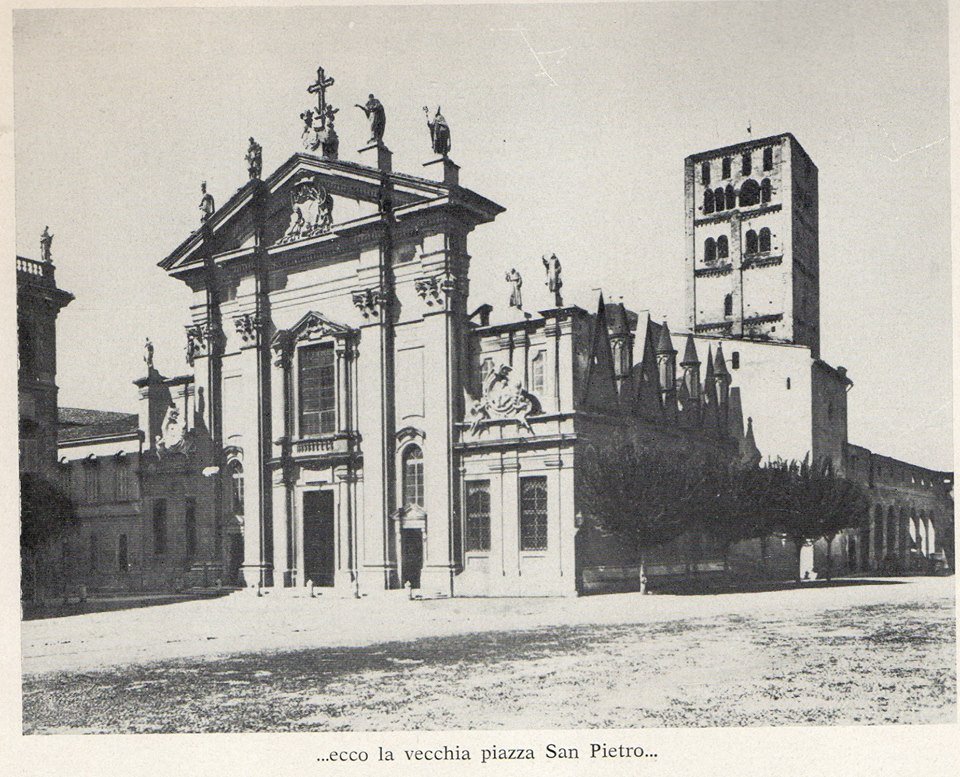
In 894, a devastating fire destroyed the original structure. The church was rebuilt in the Protoromanesque style, with significant 11th-century Romanesque additions. The iconic bell tower, still standing, dates to this era (Wikipedia; Cattedrale Mantova Official Site).
Gothic Expansion and Gonzaga Patronage
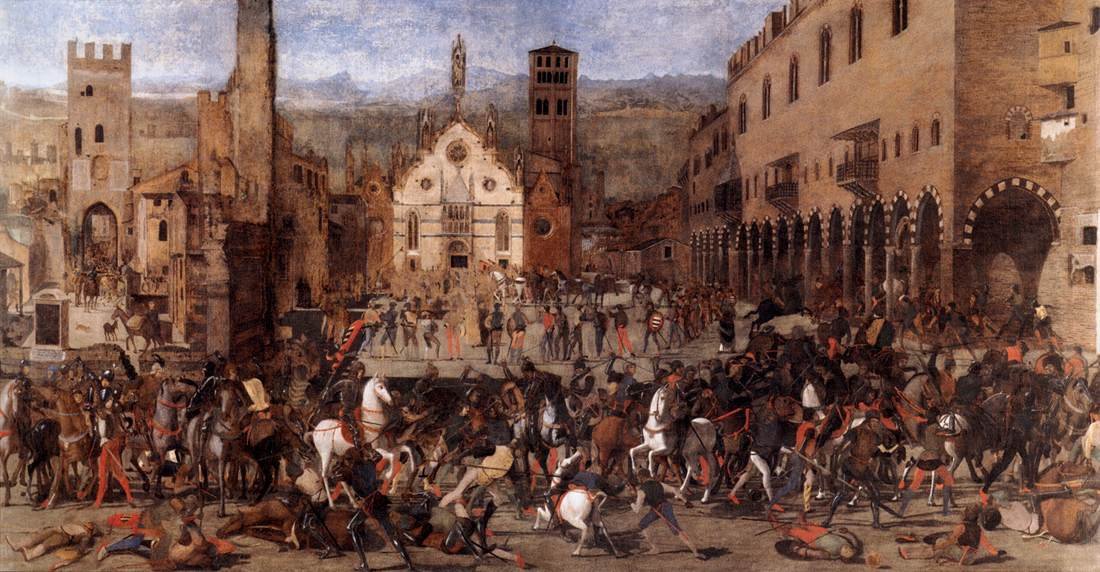
Under Francesco I Gonzaga (1395–1401), the cathedral expanded in the Gothic style with new chapels and a marble façade designed by Jacobello and Pierpaolo dalle Masegne. While the original Gothic façade is lost, its legacy endures in art and remaining architectural elements (Not About The Miles).
Renaissance and Baroque Interventions
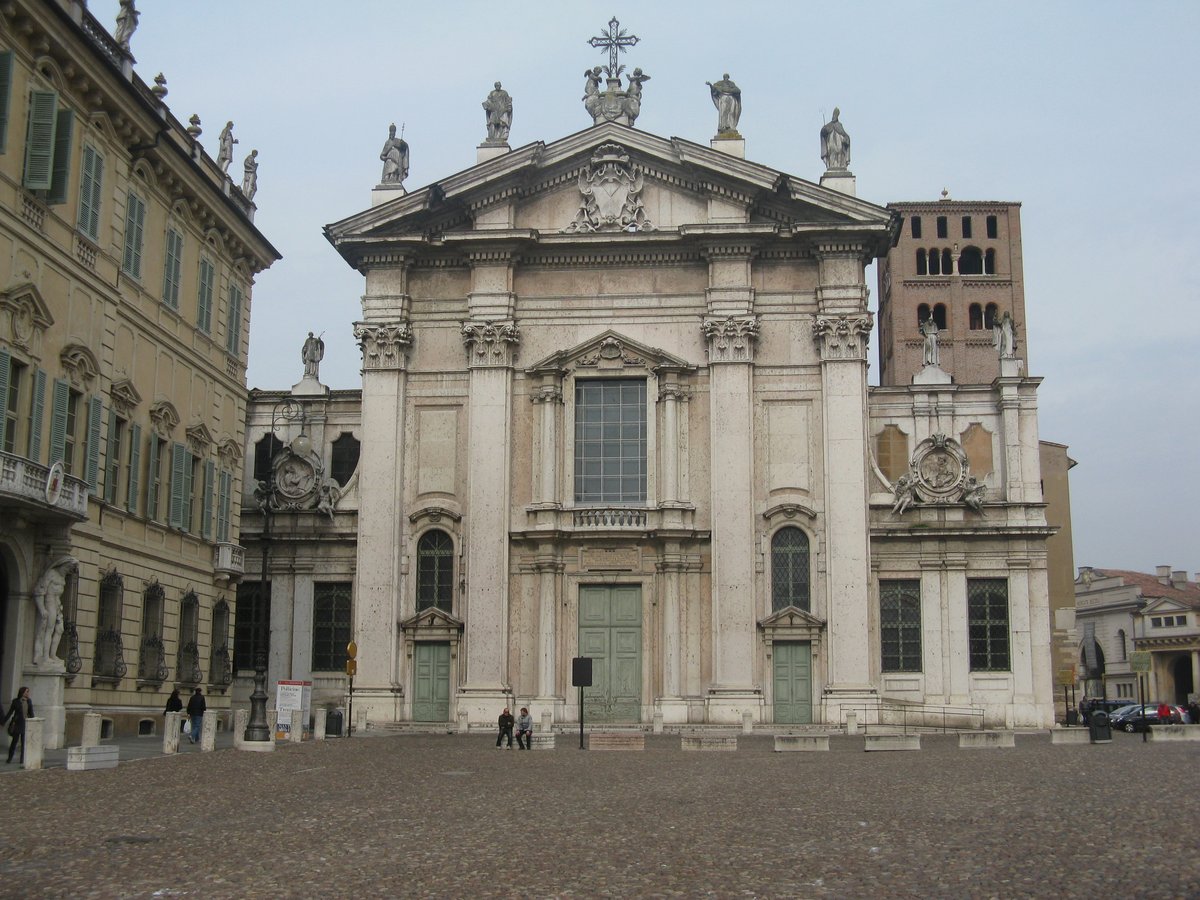
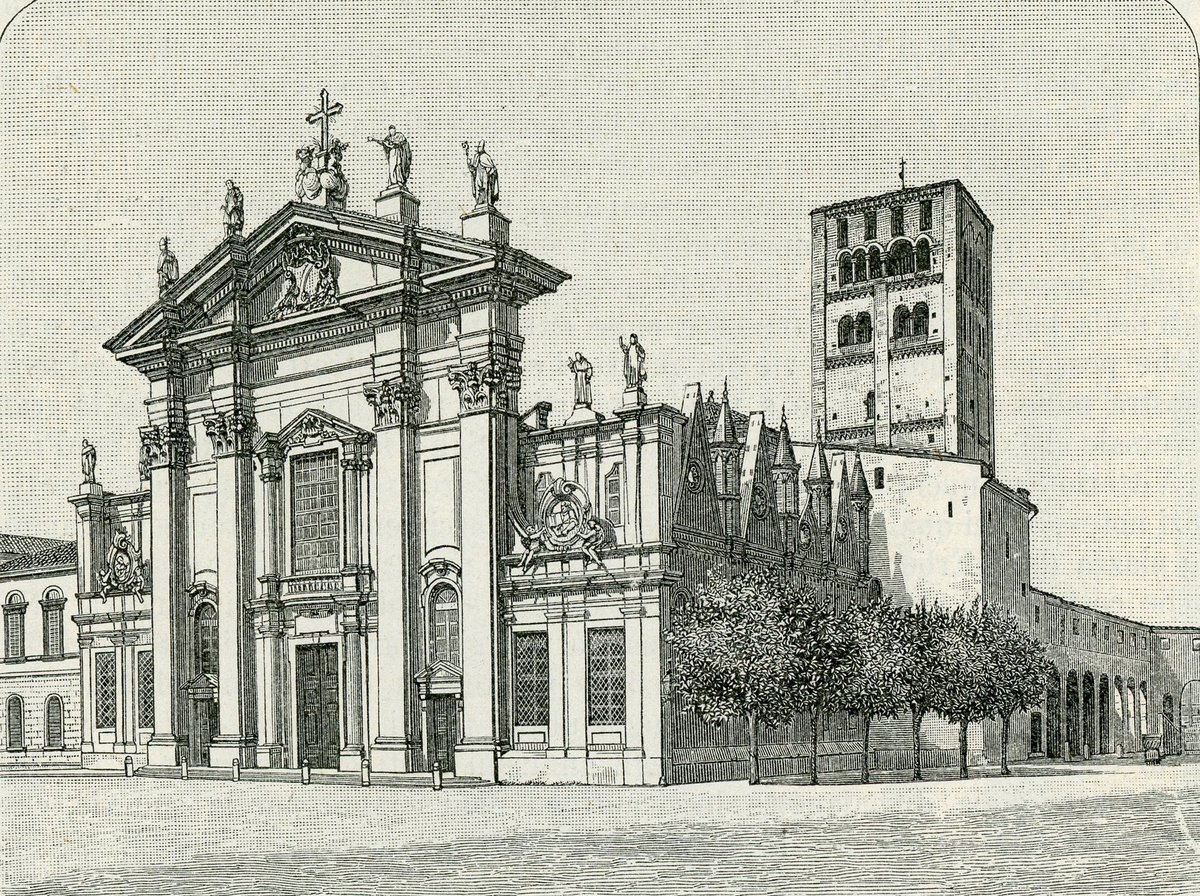
The Renaissance brought notable chapels and artworks, some lost during Napoleonic invasions. The Baroque period saw the completion of the Carrara marble façade (1756–1761) by Nicolò Baschiera, crowned with statues by Finali and Tivani (Cattedrale Mantova Official Site).
Restoration and Modern Significance
Despite damage from Napoleonic looting and the 2012 earthquake, ongoing restoration and UNESCO World Heritage status (since 2007) ensure the cathedral’s preservation (Wild About Travel).
Architectural Highlights
Exterior Design
- Baroque Façade: Luminous Carrara marble façade sculpted with statues of the Evangelists and local saints (Nomadic Niko).
- Romanesque Bell Tower: 12th-century tower with ancient foundations, contrasting with the ornate façade (The Geographical Cure).
- Gothic South Flank: Preserved Gothic arches and rose windows.
Interior Layout and Decoration
- Latin Cross Plan: Five aisles separated by Corinthian columns, inspired by the Basilica of Maxentius in Rome.
- Ceilings and Frescoes: 16th-century ceilings, 18th- and 19th-century frescoes by Paolo Pozzo, and works by Giuseppe Antonio Petrini.
- Chapels and Tombs: Chapel of St. John the Baptist holds the tomb of artist Andrea Mantegna; other chapels dedicated to the Gonzaga family (The Euro Road Trip).
Artistic and Historical Features
- Marble Female Head: A first-century Roman marble head embedded in the bell tower, symbolizing the cathedral’s ancient lineage.
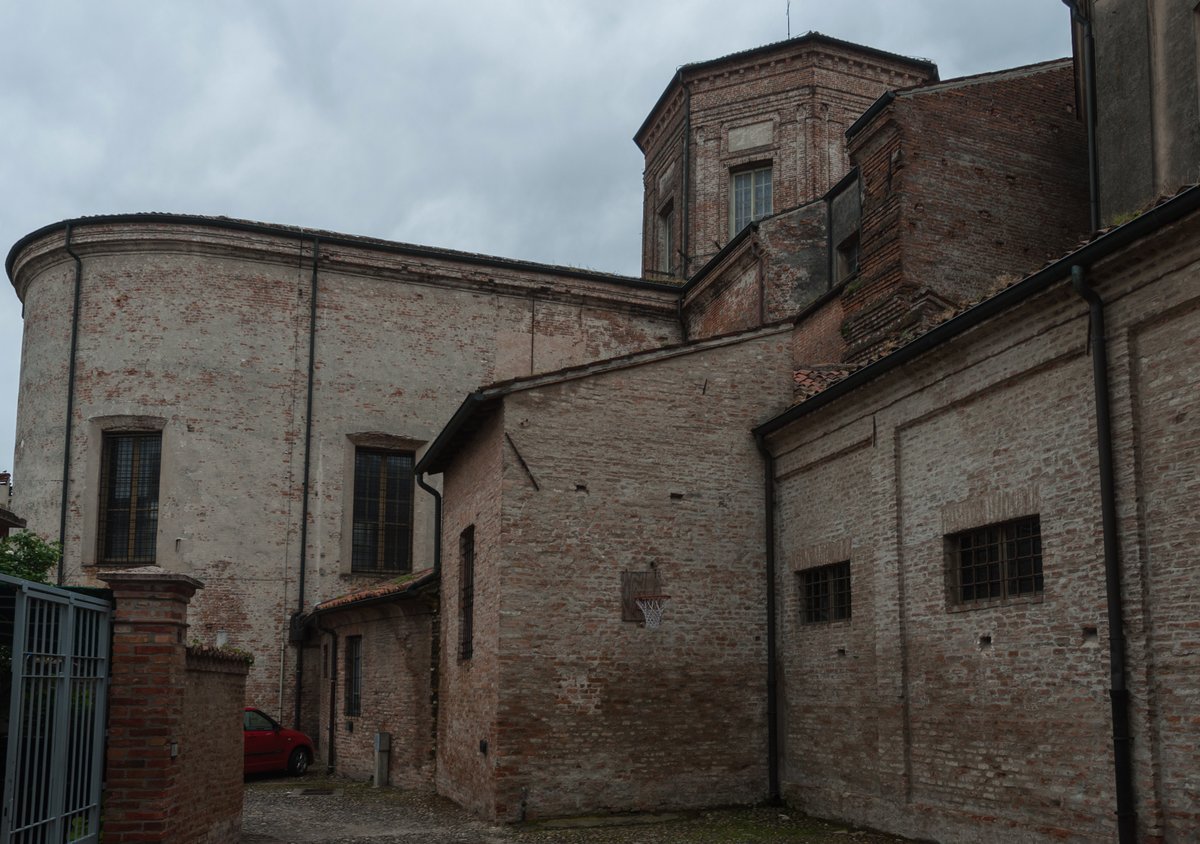
- Dome: Enhances Mantua’s skyline and spiritual ambiance (Justin Plus Lauren).
- Integration with Piazza Sordello: The cathedral anchors the city’s main square, adjacent to the Ducal Palace.
Visitor Information
Visiting Hours
- Monday to Saturday: 8:00 AM – 12:00 PM, 3:00 PM – 6:00 PM
- Sunday and Holidays: 9:00 AM – 12:30 PM, 3:00 PM – 7:00 PM
Hours may vary on religious holidays and for special events. Always confirm via the official cathedral website.
Admission and Tickets
- Entrance: Free for all visitors.
- Guided Tours: Available for a fee (usually €5–€10). Advance booking recommended for thematic or group tours.
Accessibility
- Wheelchair Accessible: Ramps at main entrances, accessible restrooms.
- Assistance: Available upon request.
Photography
- Permitted: Without flash or tripods. Please refrain from photography during services.
COVID-19 Guidelines
- Protocols: Check the latest mask, distancing, and visitor number policies on the cathedral’s website.
Best Time to Visit
- Low Crowds: Early mornings and late afternoons on weekdays.
Visitor Experience and Etiquette
- Dress Modestly: Cover shoulders and knees; remove hats.
- Behavior: Maintain silence, especially during services.
- Photography Respect: Avoid flash and tripods; respect any posted restrictions.
- Mobility Assistance: Contact staff in advance for specific needs (Cattedrale Mantova Official Site).
Nearby Attractions
- Ducal Palace: Gonzaga family residence with Renaissance art.
- Palazzo Te: Masterpiece of Mannerist architecture.
- Rotonda di San Lorenzo: Mantua’s oldest church.
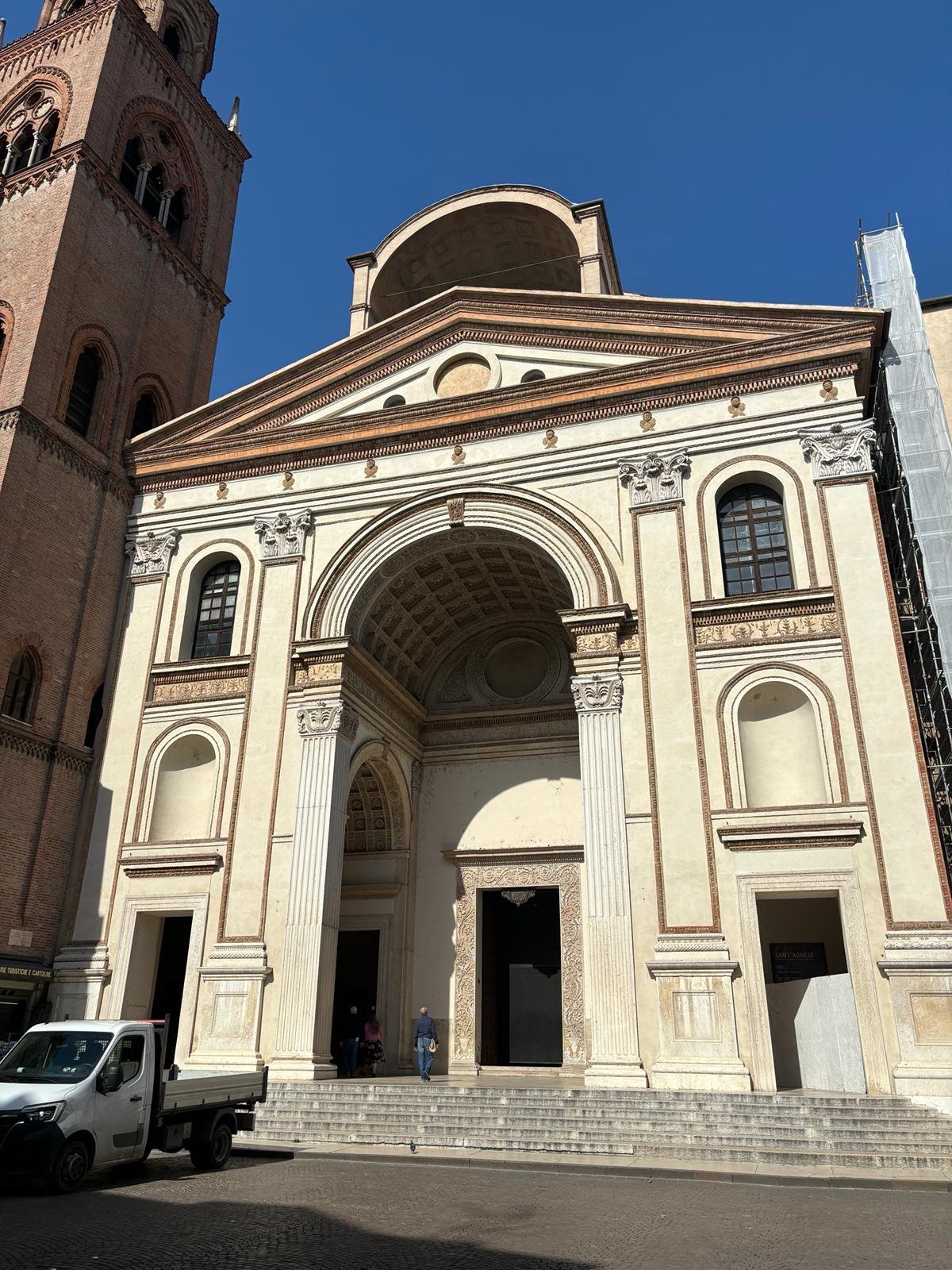
- Basilica di Sant’Andrea: Holds relics and Renaissance frescoes.
- Piazza delle Erbe: Historic market square with medieval arcades (Monday Feelings; Visit Italy).
Special Events and Unique Experiences
- Religious Festivals: Easter, Christmas, and Marian feasts.
- Concerts: Sacred music and choral events.
- Art Exhibitions: Occasional displays of historical and religious art (Cattedrale Mantova Official Site).
FAQs
Q: What are the Mantua Cathedral visiting hours?
A: Typically 8:00 AM–12:00 PM and 3:00 PM–6:00 PM (Mon–Sat); 9:00 AM–12:30 PM and 3:00 PM–7:00 PM (Sun & holidays). Confirm on the official website.
Q: Is there an entrance fee?
A: General admission is free. Guided tours and some exhibitions require tickets.
Q: Can I book a guided tour?
A: Yes, through the cathedral’s website or local tourism offices.
Q: Is the cathedral accessible to people with disabilities?
A: Yes, with ramps and accessible restrooms.
Q: Is photography allowed?
A: Yes, without flash or tripods. Avoid during services.
Practical Tips
- Language: Italian primary; English tours and pamphlets available.
- Weather: Summers are hot; wear comfortable clothing and shoes.
- City Access: Mantua’s historic center is pedestrian-friendly. Parking is available outside the ZTL zone (Visit Italy).
- Restrooms: Use nearby cafes; no public restrooms inside.
- Souvenirs: Local shops around Piazza Sordello offer religious items and gifts.
Discover More
Mantua Cathedral is much more than a place of worship. Its architectural richness and central role in the city’s history make it a must-see for anyone exploring Lombardy. Free admission, accessibility, and the availability of guided tours ensure a welcoming experience for all. Enhance your visit with the Audiala app for audio guides and updates on special events, and explore Mantua’s nearby historic sites for a deeper immersion into Italian culture.
Plan your journey to Mantua Cathedral today—immerse yourself in centuries of faith, art, and civic pride.
Download the Audiala app for exclusive guides, and follow us on social media for the latest updates and travel inspiration.
Listen to the full story in the app
The whole Mantua Cathedral,
told well.
Listen to sourced travel stories with local history and practical context — ready offline.
Verified, and shown.
Researched and written by the Audiala editorial team from historical records, architectural archives, and local expertise.
Built from cited sources · see the method · How we make our guides →