Plan and listen to Teatro Carlo Goldoni with Audiala.
Audio guide in your pocket, itinerary in your browser. Built for the way you actually visit.
Introduction
Teatro Carlo Goldoni is an architectural and cultural jewel in the heart of Livorno, Italy, standing as a testament to the city’s rich artistic heritage and resilience. Inaugurated in 1847 and named after the eminent Venetian playwright Carlo Goldoni, the theatre has played a central role in Livorno’s cultural development, hosting legendary artists and enduring significant historical events. This comprehensive guide covers essential information for visitors—including opening hours, ticketing, accessibility, nearby attractions, and special events—while delving into the theatre’s historical significance and ongoing contribution to Livorno’s vibrant community (Teatro Goldoni Official Website, Visit Tuscany, Visit Livorno, IQCruising.com).

Origins and Early Development
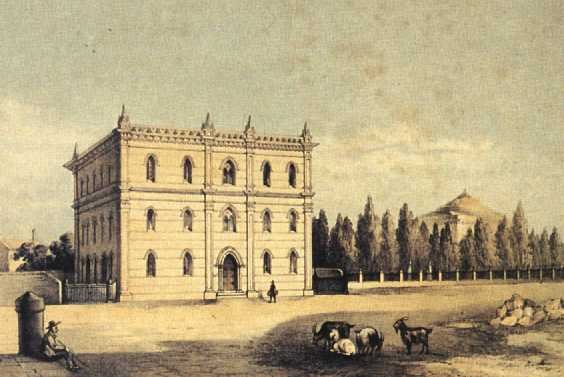
The conception of Teatro Carlo Goldoni began in 1843 during a period of significant urban and cultural growth for Livorno. Designed by architect Giuseppe Cappellini and commissioned by the Caporali family, the theatre was inaugurated on July 24, 1847, with Bellini’s “I Puritani.” The building’s neoclassical design, impressive horseshoe-shaped auditorium, and innovative glass roof set it apart as a beacon of modernity in 19th-century Italy. Initially named the “Imperial and Royal Leopold Theater,” it was renamed in 1860 to honor Carlo Goldoni, reflecting Livorno’s admiration for Italian dramatic arts and the city’s evolving identity (Visit Livorno).
Architectural Evolution and Restoration
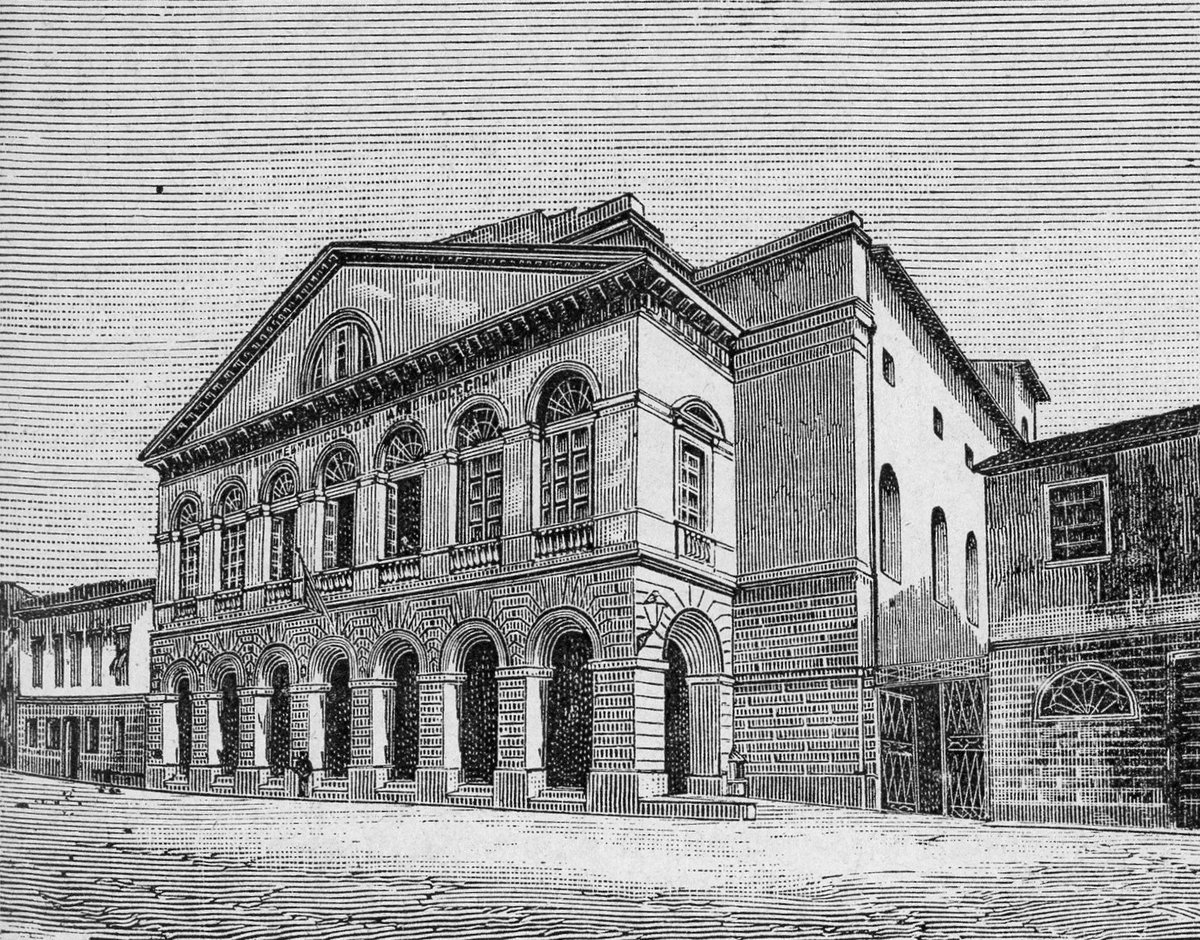
Teatro Carlo Goldoni’s façade showcases neoclassical elegance, with balanced pilasters, arched windows, and a prominent triangular tympanum (IQCruising.com). Inside, the auditorium was designed to seat over 1,200 spectators, encircled by ornate boxes and crowned by a transparent glass roof—an architectural innovation that bathed the theatre in natural light. Despite suffering severe damage during World War II, extensive restoration efforts culminated in a grand reopening in 2004, preserving both historical character and incorporating modern amenities (Teatro Goldoni Official Website).
Cultural and Social Impact
Teatro Carlo Goldoni has been pivotal in Livorno’s civic and cultural life. It hosted the 1921 Congress of the Italian Socialist Party, where the Communist Party of Italy was founded, and survived the WWII bombings as Livorno’s only major theatre to do so. Over the years, the stage has welcomed legendary artists like Pietro Mascagni, Enrico Caruso, and Leyla Gencer. The theatre continues to support local talent, international productions, and important cultural milestones, including the annual Mascagni Festival (Visit Livorno, Goldoni 2024-25 Season Announcement).
Visiting Teatro Carlo Goldoni
Visiting Hours
- General Opening: Tuesday to Sunday, 10:00 AM – 6:00 PM. Hours may vary for performances or special events.
- Box Office: Generally open Tuesdays and Thursdays from 10:00 AM to 1:00 PM during July, August, and September; phone inquiries Monday to Friday, 9:00 AM – 1:00 PM. Always confirm current times on the official website.
Ticketing and How to Purchase
- Purchase Methods: Tickets can be bought online via the official website, at the theatre’s box office, or through authorized partners.
- Pricing: Performance tickets typically range from €10 to €50, with discounts for students, seniors, and groups. Guided tour tickets are generally €8–€12.
- Advance Booking: Recommended, especially for popular events or during festival seasons.
Accessibility
- Wheelchair-accessible entrances, seating, and restrooms.
- Elevators and ramps for easy movement between floors.
- Hearing assistance devices and support for visually impaired visitors upon request.
- Staff available for assistance—advance notice is encouraged.
Guided Tours and Special Events
- Guided Tours: Available in Italian and English, offering insights into history, architecture, and backstage areas. Booking in advance is advised.
- Special Events: The theatre hosts international festivals, educational workshops, and exclusive performances, especially during the Mascagni Festival.
Nearby Attractions
Combine your visit with other Livorno highlights:
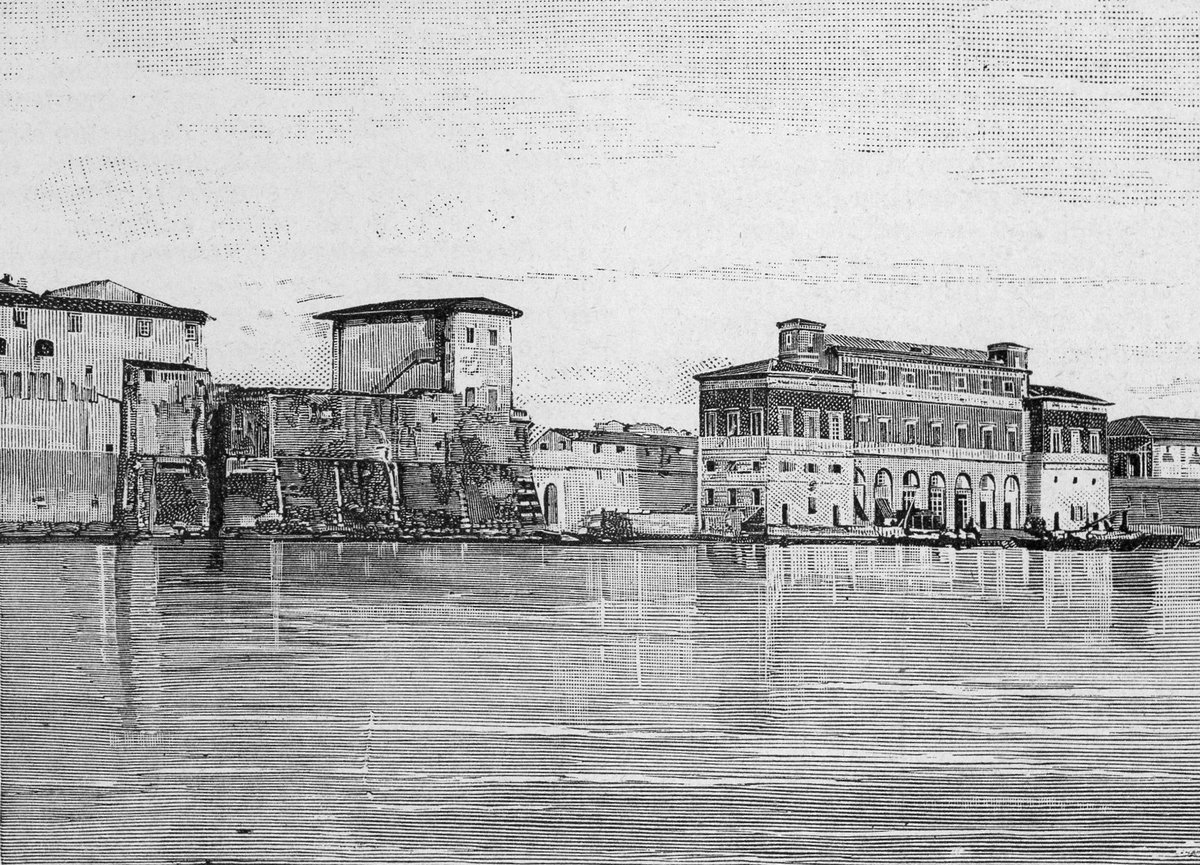
- Fortezza Nuova
- Terrazza Mascagni
- Museo Civico Giovanni Fattori
- Venezia Nuova district
- Mercato Centrale All are within walking distance and enrich the cultural experience (thecrazytourist.com).
Architectural and Artistic Features
- Neoclassical façade with a grand portico and triangular pediment.
- Auditorium: Horseshoe-shaped, 115 boxes on four levels, crowned by an innovative glass roof providing daylight ambiance.
- La Goldonetta: A versatile smaller hall (200 seats) for chamber music and experimental performances (italia.it).
- Decorative interiors: Gilded moldings, frescoes, plush red velvet, and ornate stucco.
Museum and Exhibitions
- Pietro Mascagni Exhibition: Permanent display of memorabilia, manuscripts, and artifacts related to the famed Livornese composer.
- Itinerari Mascagni: Thematic exhibitions highlighting Livorno’s operatic tradition.
Community Engagement and Educational Initiatives
Teatro Carlo Goldoni is managed by the Goldoni Theatre Foundation, which promotes community participation and cultural education:
- Young Ambassadors of the Opera
- Mascagni Opera Studio (MOS)
- “Scenari di quartiere”: Bringing performances to Livorno’s neighborhoods (Goldoni Theatre Foundation).
Frequently Asked Questions (FAQ)
Q: What are Teatro Carlo Goldoni’s visiting hours?
A: Generally Tuesday to Sunday, 10:00 AM – 6:00 PM. Always check the official website for up-to-date information.
Q: How can I buy tickets?
A: Tickets are available online, at the box office, or via authorized partners.
Q: Is the theatre wheelchair accessible?
A: Yes, including accessible entrances, seating, and restrooms.
Q: Are guided tours offered?
A: Yes, in Italian and English—book in advance on the website.
Q: Can I attend performances as a visitor?
A: Yes, refer to the event calendar for schedules.
Q: What other attractions are nearby?
A: Fortezza Nuova, Terrazza Mascagni, Museo Civico Giovanni Fattori, Mercato Centrale, and the canals of Venezia Nuova.
Practical Travel Tips
- Dress code: Smart casual, especially for evening performances.
- Language: Most events are in Italian; occasionally, English programs and guides are available.
- Photography: Permitted in public areas before/after performances, not during shows.
- Best times to visit: Peak seasons are during opera festivals and spring/autumn performances.
- Transport: Easily accessible by public transit; limited street parking during major events.
Listen to the full story in the app
The whole Teatro Carlo Goldoni,
told well.
Audio guides for 1,100+ cities across 96 countries. History, stories, and local insight — offline ready.
Verified, and shown.
Researched and written by the Audiala editorial team from historical records, architectural archives, and local expertise.
Researched from Wikidata, Wikipedia & official sources · fact-checked · How we make our guides →