Plan and listen to Sanctuary Of Montenero with Audiala.
Audio guide in your pocket, itinerary in your browser. Built for the way you actually visit.
Introduction: A Tuscan Spiritual and Cultural Landmark
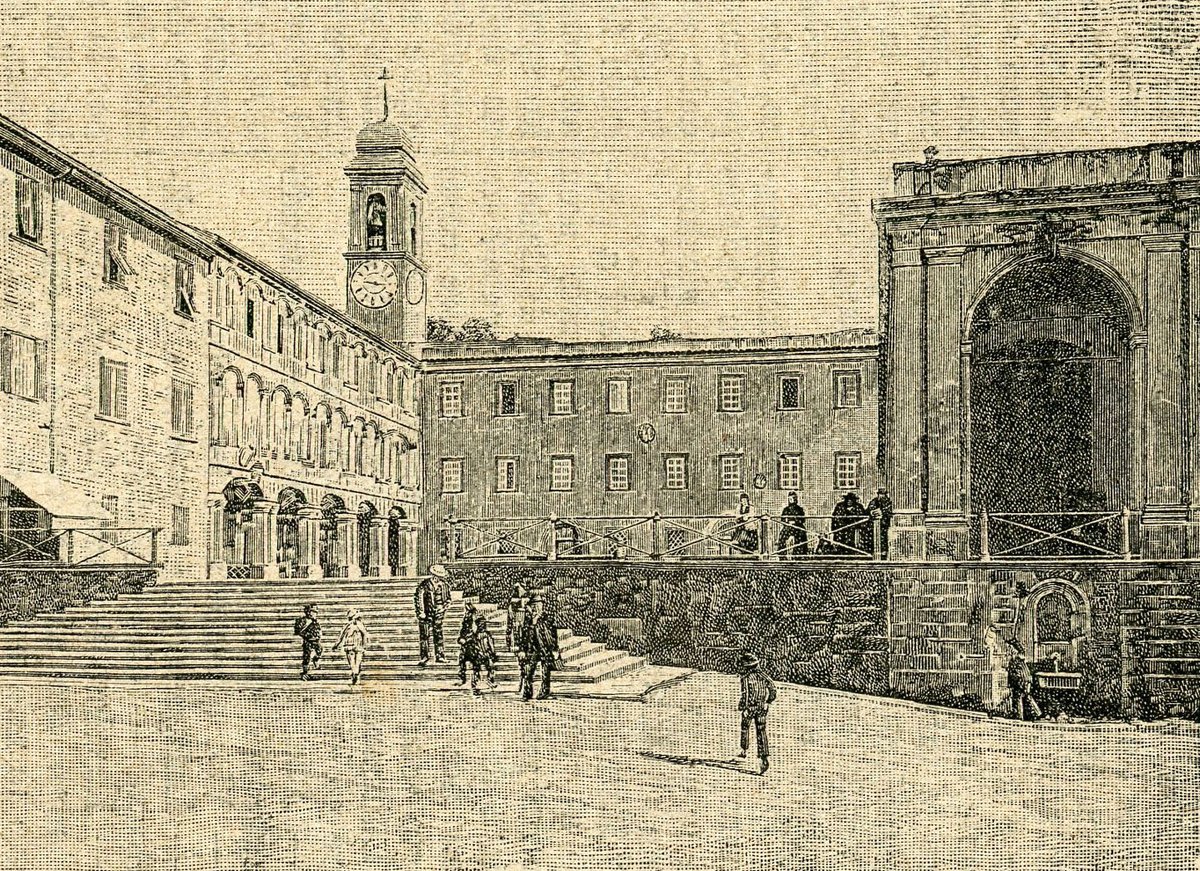
Perched atop the lush Montenero hill and gazing over the city of Livorno and the Tyrrhenian Sea, the Sanctuary of Montenero (Santuario di Nostra Signora di Montenero) is one of Tuscany’s most cherished pilgrimage sites and a beacon of regional identity. Founded in the 14th century after the miraculous discovery of a Madonna icon, this sanctuary has evolved into a cultural, artistic, and spiritual epicenter supported over centuries by the Medici family and later by papal recognition. Its blend of religious devotion, Baroque and Renaissance art, panoramic vistas, and welcoming atmosphere appeals to pilgrims, art enthusiasts, and travelers alike.
This guide provides everything you need to plan your visit: up-to-date Sanctuary of Montenero visiting hours, ticket information, accessibility tips, and advice on nearby attractions. You’ll also find historical insights and practical travel tips, ensuring a memorable experience at this Tuscan treasure (Santuario di Montenero - Official Site, Visit Tuscany, Livorno Tourism).

History and Spiritual Significance
Origins and Miracle of the Madonna Icon
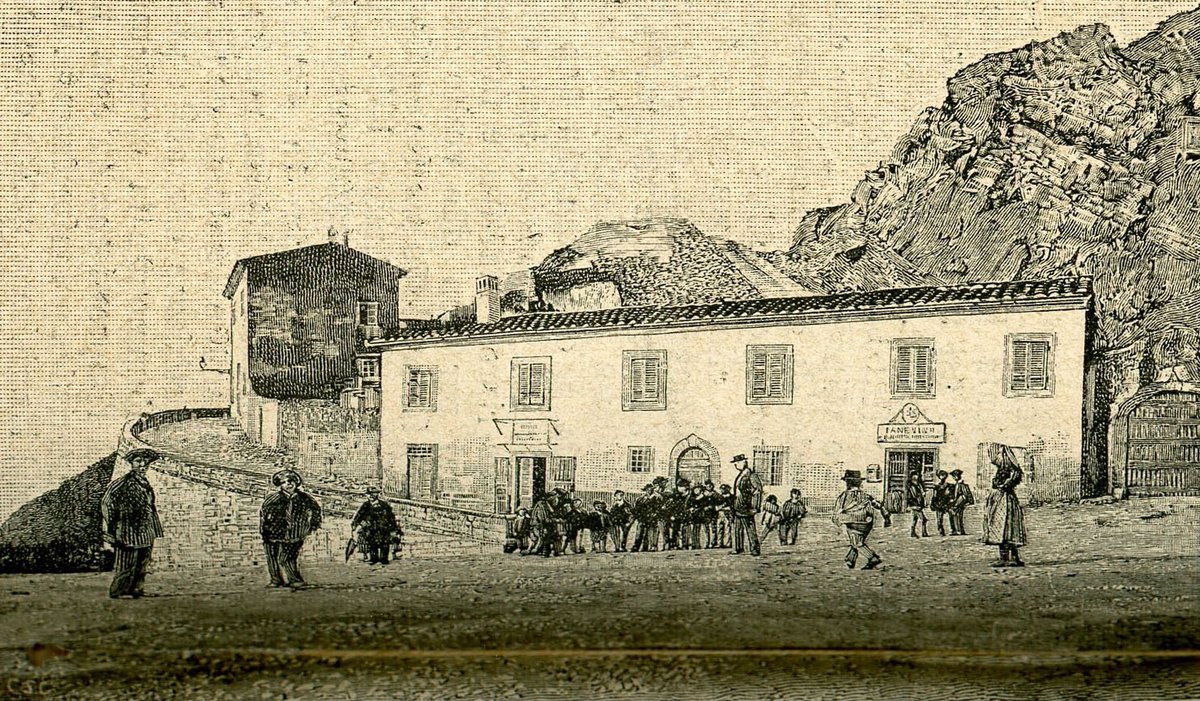
The sanctuary traces its origins to 1345, when a shepherd is said to have discovered a miraculous icon of the Madonna on Montenero hill. The relic, believed to be of Byzantine origin, quickly gained renown for its miracles and inspired the construction of a small chapel, which soon became a destination for pilgrims across Tuscany (Santuario di Montenero - Official Site).
Renaissance and Baroque Transformations
The 16th century ushered in substantial expansion, fueled by patronage from the Medici family and local nobility. New chapels, intricate frescoes, and Baroque embellishments enriched the sanctuary’s architectural and artistic heritage (Visit Tuscany). The interiors, especially the main nave and altars, reflect a harmonious blend of Renaissance clarity and Baroque drama.
Suppression, Restoration, and Modern Era
The sanctuary endured suppression in 1787 under Grand Duke Peter Leopold but was restored by the Vallombrosan Benedictines in 1792. Damaged during WWII, it underwent extensive postwar restoration. In 1956, Pope Pius XII elevated it to the rank of Minor Basilica, underscoring its importance to the Catholic Church and Tuscan identity (Livorno Tourism).
Artistic and Architectural Highlights
Ex-Voto Gallery and Hall of the Communes
One of the sanctuary’s most compelling features is the ex-voto gallery, known as the "Gallery of Miracles." Here, hundreds of paintings, photographs, and tokens—ranging from crutches to model ships—testify to prayers answered and miracles attributed to the Madonna of Montenero. This collection offers a window into centuries of faith and local history (Santuario di Montenero - Ex Voto).
Adjacent, the Hall of the Communes displays over 200 coats of arms from Tuscan towns and villages, symbolizing the sanctuary’s role as a unifier and protector of the region.
Frescoes, Altars, and Decorative Arts
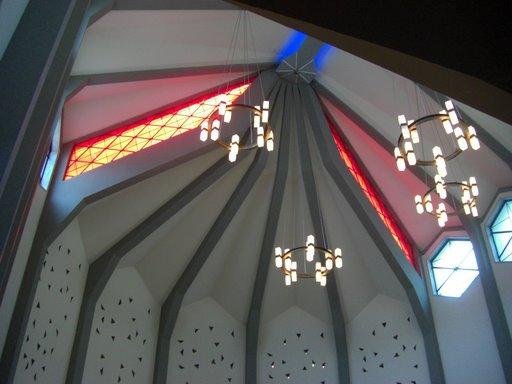
The main church boasts a neoclassical façade, while the interiors dazzle with Baroque ornamentation, frescoes by Cesare Maffei, and altarpieces by Giovanni Baratta. The high altar, housing the venerated Madonna icon, is a focal point for both worship and artistic appreciation. Side chapels feature sculptures, paintings, and processional banners, reflecting a deep heritage of sacred art.
Visiting Information
Visiting Hours
- The Sanctuary of Montenero is open daily.
- Typical hours: 7:00 AM to 7:00 PM (main basilica and ex-voto gallery).
- During religious festivals or special events, hours may be extended—always check the official website before your visit.
Tickets and Admission
- Entry is free for all visitors; donations are welcome and support restoration and community outreach.
- Guided tours (recommended for deeper insight into the sanctuary’s art and history) are available for a fee—usually €10–€15 per person. Book in advance online or at the entrance (Try Travel).
Accessibility and Facilities
- The sanctuary is accessible by car, taxi, bus, or the historic funicular railway (see below for details).
- Ramps and elevators provide access to most areas; however, some historic spaces feature uneven floors.
- Facilities include restrooms, a café, gift shop, and shaded gardens for relaxation.
Guided Tours and Events
- Multilingual guided tours highlight the sanctuary’s history, architecture, and legends.
- Tours can be arranged on-site or in advance through the official site.
- Special events, including religious festivals and concerts, are held throughout the year. Schedules are posted online and at the sanctuary.
Travel Tips
- Wear comfortable shoes for hillside paths and exploration.
- Dress modestly, especially in the basilica.
- Photography is permitted in most areas (without flash or tripods).
Photographic Spots
- The panoramic terrace offers breathtaking views over Livorno, the coast, and the Tuscan Archipelago—ideal for photographers.
- The ex-voto gallery and cloisters provide atmospheric backdrops for cultural photos.
Special Events and Festivals
The sanctuary is a focal point for major religious celebrations, notably:
- May 15: Feast of the Madonna delle Grazie, with processions, music, and traditional cuisine.
- August 15: Assumption of Mary.
- September 8: Nativity of Mary.
Festivals feature liturgies, processions, and community events, drawing large crowds. Visiting during these times offers a unique cultural experience but expect higher visitor numbers.
Getting There
- By Funicular: The Montenero Funicular connects the base (Piazza delle Carrozze) to the sanctuary, offering scenic views and easy access. The ride itself is a heritage experience, operating since 1908.
- By Car/Taxi: Parking is available at both the funicular base and the sanctuary summit.
- By Public Transport: City buses from Livorno’s center reach the Montenero district in about 20 minutes. Clear signage guides visitors to the funicular or sanctuary entrance (Condé Nast Traveler).
Nearby Attractions in Livorno
- Terrazza Mascagni: Livorno’s iconic seafront promenade.
- Fortezza Vecchia (Old Fortress): Historic stronghold overlooking the harbor.
- Mercato Centrale: Bustling food market in the city center.
- Montenero Village: Quaint hillside village with villas, gardens, and local eateries (Try Travel).
Frequently Asked Questions (FAQ)
Q: What are the Sanctuary of Montenero visiting hours?
A: Generally 7:00 AM to 7:00 PM, but check the official website for updates.
Q: Is there an admission fee?
A: No, entry is free. Donations are appreciated.
Q: Are guided tours available?
A: Yes, in multiple languages. Book in advance or at the entrance.
Q: Is the sanctuary accessible for people with disabilities?
A: Most areas are accessible, with ramps and elevators; some historic sections may have limitations.
Q: How do I get there from Livorno city center?
A: By car, taxi, public transport, or the funicular from Montenero Basso.
Q: Can I take photographs inside?
A: Yes, but be discreet and avoid flash or tripods.
Q: When are major festivals held?
A: Main festivals occur in May, August, and September.
Summary and Recommendations
The Sanctuary of Montenero is a must-see for anyone visiting Tuscany, combining centuries of spiritual devotion, artistic mastery, and scenic beauty. Its free admission, accessibility, and welcoming atmosphere make it suitable for all travelers—from pilgrims to families and solo explorers. Enhance your visit by joining a guided tour, exploring the ex-voto gallery, and enjoying the panoramic terrace. For a complete Tuscan experience, pair your sanctuary visit with Livorno’s historic and culinary attractions.
Stay up to date by consulting the sanctuary’s official website and using digital resources like the Audiala app for audio guides and event updates. Share your experience and connect with the local community through official social media channels.
Listen to the full story in the app
The whole Sanctuary Of Montenero,
told well.
Audio guides for 1,100+ cities across 96 countries. History, stories, and local insight — offline ready.
Verified, and shown.
Researched and written by the Audiala editorial team from historical records, architectural archives, and local expertise.
Researched from Wikidata, Wikipedia & official sources · fact-checked · How we make our guides →