


About Quercianella
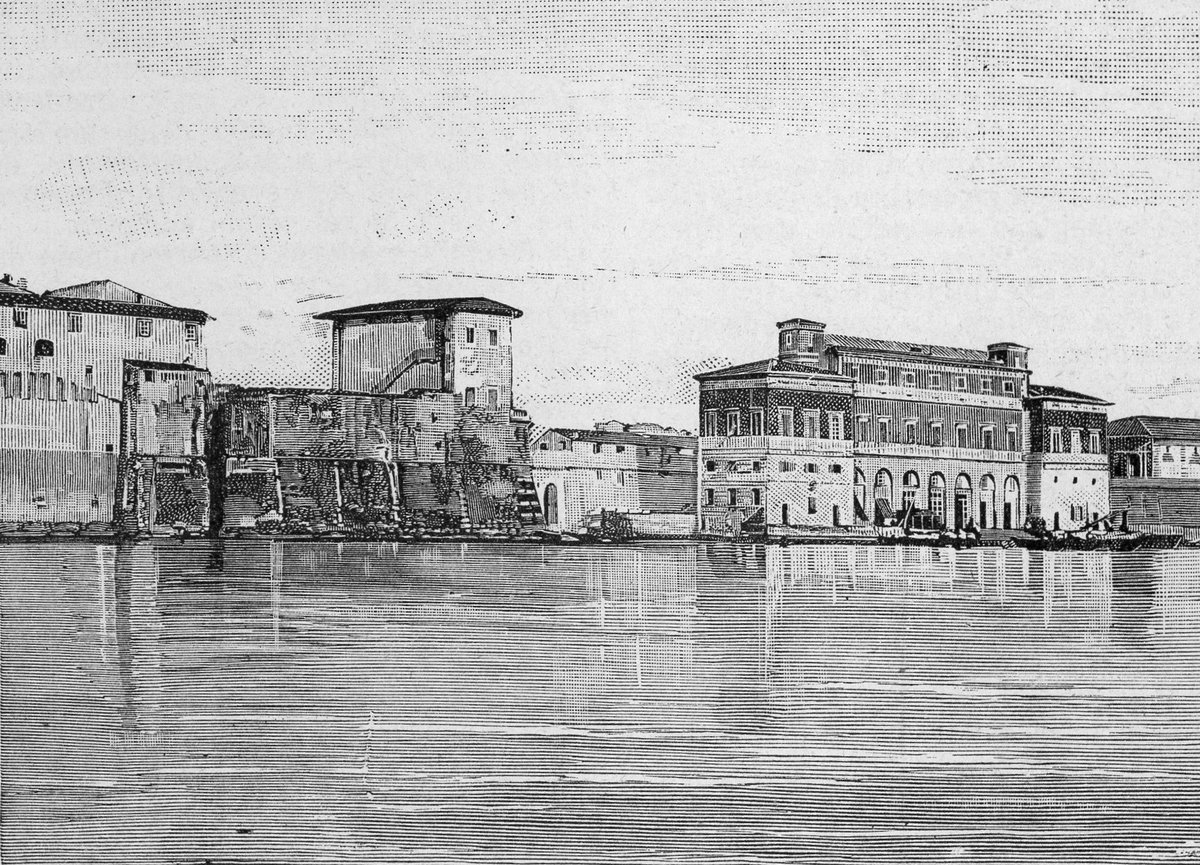
Quercianella is a seaside village and historic frazione of Livorno on the rugged Tuscan coast. Known for the dramatic Il Romito cliffs, Blue Flag beaches and elegant Liberty-style villas, it offers a quieter alternative to Tuscany’s larger resorts. Its roots as a fishing and farming hamlet remain part of local life, alongside maritime traditions and a cuisine centered on seafood.
The village is accessible by train, car and bus from Livorno, Pisa and Florence, making it suitable for day trips as well as longer stays. Visitors can explore coastal trails, swim, snorkel or dive, and visit historical sites such as Castello Sonnino. For visitor information, see the Comune di Livorno Official Tourism Site, Trenitalia Train Services and Visit Tuscany.
History
Origins and early development
The name Quercianella comes from quercia, meaning “oak,” a reference to the oak forests that once covered the hillsides. Fishing and agriculture shaped the local economy and culture over the centuries. Although the village itself has no major ancient ruins, it lies in a region inhabited since Etruscan and Roman times, near Livorno and Pisa.
19th and 20th century
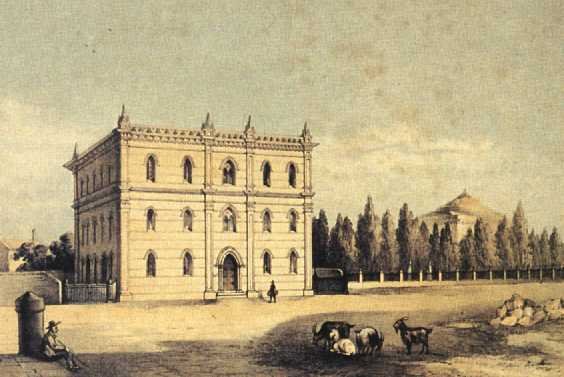
In the late 1800s and early 1900s, wealthy Tuscan families built ornate Liberty-style villas along the coast. The railway connecting Livorno to Rome helped transform Quercianella into a fashionable seaside retreat, encouraging the development of beach clubs, promenade walks and elegant hotels.
Although the Tyrrhenian coastline was fortified during World War II, Quercianella escaped significant damage. In the postwar period, new hospitality venues catered to visitors seeking a quieter atmosphere, particularly from Livorno and Florence.
What to see and do
Coastline, beaches and swimming
Quercianella’s coastline has cliffs, pebble beaches and hidden coves among pine trees and Mediterranean scrub. The Il Romito cliffs create a dramatic coastal landscape with trails and panoramic viewpoints.
The main Spiaggia di Quercianella stretches for about 800 meters and combines pebbles and sand. It is open year-round, and the beach is Blue Flag certified for cleanliness. Public beaches are free; private beach clubs, which operate from June to September, charge for sunbeds and umbrellas. A saltwater pool near the port offers a swimming option for families. Further beach information is available from My Best Beaches.
Other coastal spots include:
- Spiaggia del Rogiolo South of the Sonnino headland, with facilities for visitors with disabilities.
- Chioma Beach A stony, less crowded beach suited to fishing and wildlife observation.
- Hidden coves and natural pools Secluded spots accessible by foot or swimming.
The rocky seabed attracts snorkelers and divers. Diving schools offer lessons and guided trips to underwater caves and shipwrecks, best enjoyed from June to September. Diving tours require advance booking with local operators.
Paddleboarding, kayaking, windsurfing and fishing are also popular. Beach clubs offer equipment rentals and lessons from late spring through early autumn, and boat rentals offer excursions to nearby islands.
Trails and architecture
Marked trails pass through pine forests and Mediterranean scrub to panoramic viewpoints and the gardens of 19th-century Villa Pendola. Guided tours are available in peak season. See Visit Livorno for information about Quercianella and its trails.
Liberty-style villas throughout the village are notable architectural sights. The marina and sailing club are centers of local maritime life, with courses, regattas and social events.
Culture, traditions and food
Residents, known as Quercianellesi, maintain ties to the village’s maritime and agricultural past. Annual festivals often center on the patron saint and include religious processions, communal seafood feasts and open-air masses. Summer brings open-air concerts, art exhibitions and food festivals. The Pro Loco association works to preserve and promote local heritage.
Local cuisine includes cacciucco, a Tuscan fish stew, grilled octopus and freshly marinated anchovies. These dishes are complemented by regional wines from Bolgheri and Chianti and olive oil from the hills. Seafront trattorias serve seafood and other Tuscan dishes.
Practical visiting information
Getting there and around
- Train The Quercianella-Sonnino station has services connecting the village with Livorno, Pisa and Florence. The journey from Livorno is approximately 10–15 minutes. Check Trenitalia for train services.
- Car Follow the scenic Via Aurelia (SS1) south from Livorno; the drive takes about 20 minutes. Parking is limited during peak season.
- Bus Autolinee Toscane operates services linking Livorno and Quercianella.
Most of Quercianella is walkable. Car or bike rental can be useful for trips to nearby towns. Taxis are limited, so book ahead. Public transport is recommended in summer because of traffic and limited parking.
Visiting hours and tickets
Quercianella is a living village and has no general admission fee. Public areas, including promenades, parks and beaches, are open year-round. Private villas and gardens may offer seasonal guided tours; consult local tourism resources for details.
- Private beach clubs Open from June to September; sunbeds and umbrellas are available for a fee.
- Castello Sonnino Open April–October, Tuesday–Sunday, 10:00–18:00; closed Mondays. Tickets are approximately €12. Guided tours and tastings are available by reservation through the Official Castello Sonnino Website.
- Diving tours Advance booking is required; check with local operators.
Accommodation, dining and services
Accommodation includes hotels, B&Bs and agriturismi, many with sea views. Vacation rentals are listed on Booking.com and Airbnb, and campsites are available nearby. Reservations for accommodation and restaurants are recommended in high season.
The village has groceries, bakeries and shops selling local crafts. ATMs and pharmacies are limited; major services are available in Livorno. For local produce, visit Mercato Centrale in Livorno.
Accessibility and environmental care
Quercianella’s terrain is hilly, and some beaches and paths may be challenging for visitors with mobility issues. Rogiolo beach is accessible and has facilities for visitors with disabilities.
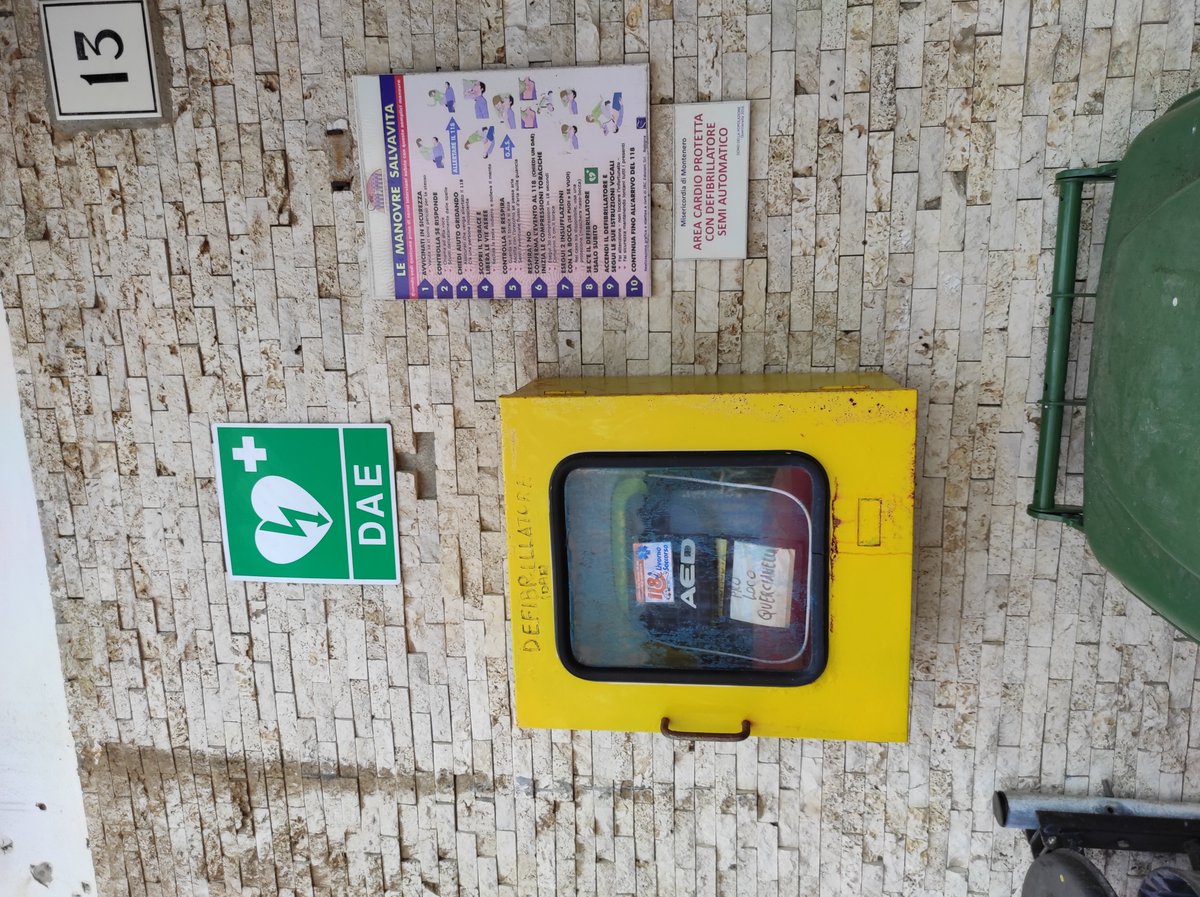
Recycling bins are located throughout the village. The marine area is protected; respect wildlife.
Tips
- Best time to visit June–September is best for beach activities and warm weather. July and August are the busiest months (Wanderlog).
- Shoulder season April–May and September–October are milder and less crowded.
- Low season November–March is quiet, and many facilities are closed.
- Bookings Reserve accommodation and restaurants in advance during high season. Book diving tours ahead as well.
- Beach costs Public beaches are free; private clubs and diving centers charge seasonal fees.
- Photography Sunrise and sunset offer the best light.
Nearby places
- Gorgona and Capraia Islands Boat tours are available locally.
- Calafuria Nature Reserve A biodiversity-rich area north of Quercianella.
- Livorno, Pisa, Castiglioncello and Bolgheri Nearby destinations for day trips. Hiking trails also lead toward Castiglioncello.
Boat tours to Gorgona and Capraia and information about the nearby coast are listed by Visit Tuscany.
Further information
For local events and visitor updates, consult the Comune di Livorno Official Tourism Site. The guide also recommends the Audiala app for tailored travel guides, local insights, personalized recommendations and real-time updates. For images, videos and further inspiration, explore Quercianella on Google Arts & Culture. Further details about La Spiaggetta Quercianella are available from Trip.com.
FAQ
What are the best times to visit Quercianella?
June–September is best for beach activities. April–May and September–October are milder and less crowded.
Are entrance fees or tickets required?
Public spaces are free. Private beach clubs and guided tours may charge fees; Castello Sonnino tickets are approximately €12.
How do I get to Quercianella from Livorno?
The train takes about 10–15 minutes, or the drive takes about 20 minutes via SS1 Aurelia.
Are guided tours available?
Yes. Guided visits are available at Castello Sonnino, and guided diving and hiking excursions are also offered.
Is Quercianella family-friendly?
Yes. It has family activities, accessible beach facilities at Rogiolo, a saltwater pool near the port and calm seas.
Can I visit Quercianella without a car?
Yes. Most areas are walkable, and train and bus services connect Quercianella with nearby towns.