Plan and listen to Palazzo Della Provincia with Audiala.
Audio guide in your pocket, itinerary in your browser. Built for the way you actually visit.
Introduction
The Palazzo Della Provincia is one of Livorno’s most distinguished landmarks, centrally located in the heart of this vibrant Tuscan port city. A symbol of Livorno’s historical evolution and civic identity, the palazzo not only serves as the seat of the provincial government but also houses cultural events and exhibitions that showcase the city’s diverse heritage. With its neoclassical and Renaissance revival architecture, the building reflects Livorno’s unique blend of tradition, resilience, and cosmopolitan flair. This guide offers comprehensive, up-to-date information on Palazzo Della Provincia visiting hours, ticketing, architectural highlights, accessibility, and tips for making the most of your visit, along with recommendations for nearby attractions.
Livorno’s Historical Evolution: From Fishing Village to Cosmopolitan Port
Livorno’s transformation began in the 15th century, evolving from a modest fishing outpost into a thriving cosmopolitan port under Florentine rule. The Medici family, recognizing the city’s strategic maritime location, commissioned renowned architect Bernardo Buontalenti to redesign Livorno with fortified walls and an intricate canal system known as the “Fossi Medicei.” This urban vision, coupled with Livorno’s status as a free port from the late 16th century, attracted merchants, artisans, and refugees from across Europe and the Mediterranean, creating a melting pot of cultures and a spirit of tolerance that still characterizes Livorno today (My Italian Diaries, Travel to Italy Guide).
The Rise of Livorno’s Palazzi: Symbols of Prosperity and Power
As Livorno prospered in the 17th and 18th centuries, merchant families, foreign consuls, and local elites constructed grand palazzi along the city’s canals and squares. These buildings, blending Tuscan Renaissance, Baroque, and Neoclassical influences, reflected the wealth and cosmopolitanism of their owners. Many palazzi featured lavish interiors with frescoes, marble staircases, and ornate salons, some of which were later adapted as public buildings, museums, or civic centers (My Italian Diaries).
Palazzo Della Provincia: Architectural and Civic Significance
Architectural Highlights
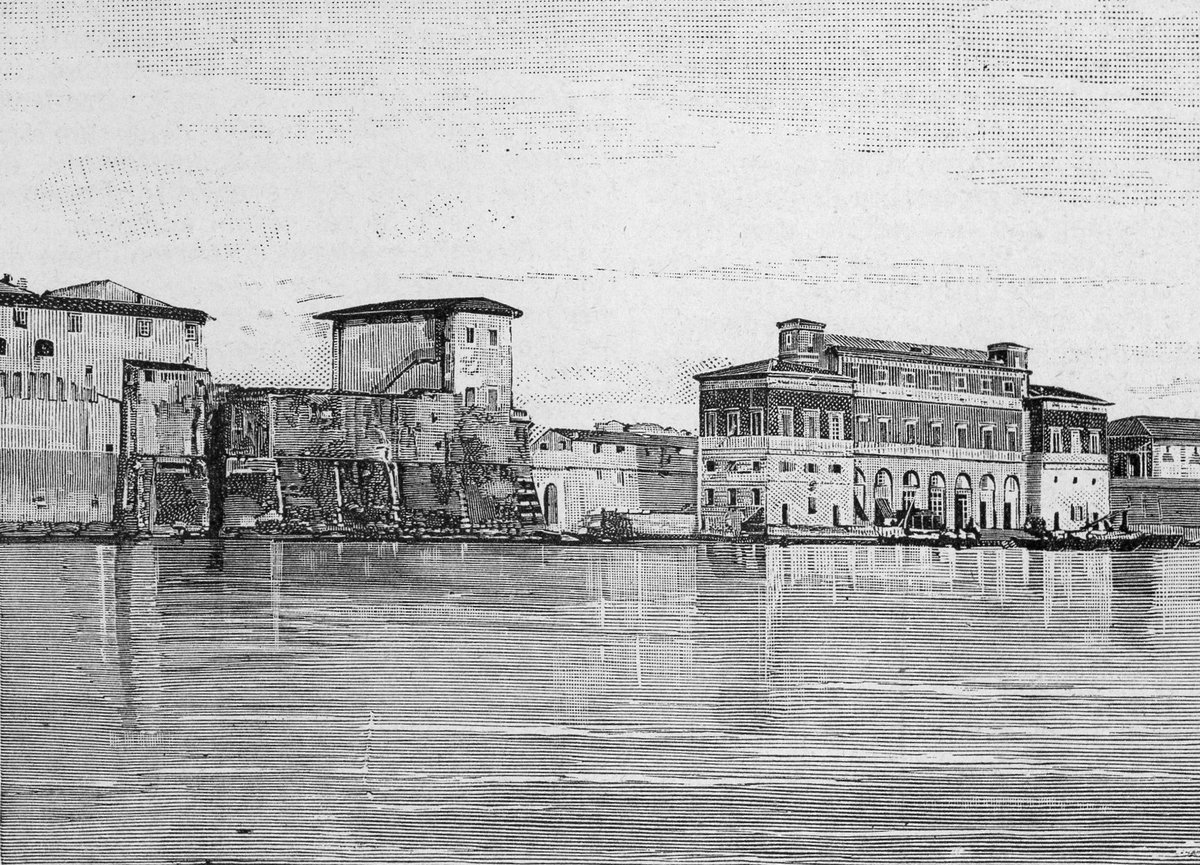
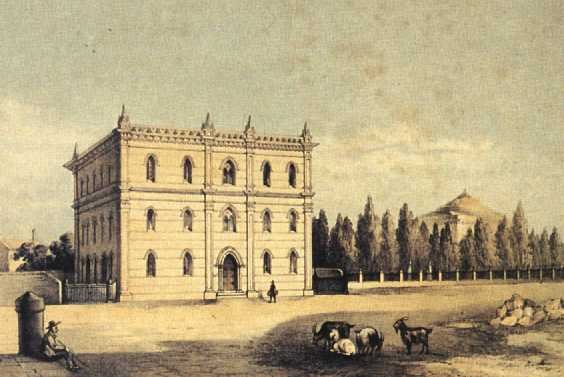
The Palazzo Della Provincia, also known as Palazzo Granducale, is a striking example of late 19th- and early 20th-century Italian civic architecture. Its neoclassical façade features symmetrical lines, arched windows, rusticated stonework, and classical cornices, projecting authority and elegance without ostentation. Period interiors include ornate staircases, frescoes, and decorative motifs referencing Livorno’s maritime legacy and multicultural identity (Visit Livorno).
Urban Context
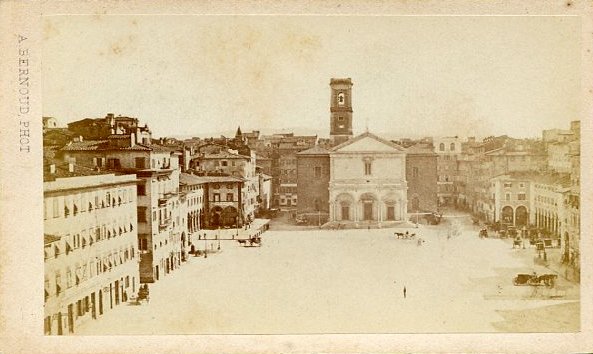
Positioned near Piazza del Municipio and close to the historic Venezia Nuova district, the palazzo is at the crossroads of Livorno’s civic, social, and commercial life. Its proximity to the port, Fortezza Vecchia, the Mercato Centrale, and other palazzi makes it an ideal starting point for exploring Livorno’s layered urban fabric.
Practical Visitor Information: Hours, Tickets, and Accessibility
Location and Getting There
- Address: Piazza del Municipio, Livorno, Tuscany, Italy
- By Train: Livorno Centrale station is well connected; local buses and taxis provide quick access to the city center.
- By Car: Accessible via the A12 motorway; city center parking is available but limited.
- On Foot: The palazzo is within walking distance of major sites such as Piazza della Repubblica, Fortezza Vecchia, and Livorno Cathedral (Toscana.info).
Visiting Hours
- General Hours: Monday to Friday, 9:00 AM – 6:00 PM. Hours may vary during holidays or special events.
- Special Events: Public access is often available during cultural festivals, European Heritage Days, and guided tours.
- Check Ahead: Always consult the official tourism website or Provincia di Livorno for updates.
Tickets and Entry
- Public Access: Entry is usually free, especially during open days and cultural events.
- Guided Tours & Exhibitions: Some tours and exhibitions may require advance booking and a nominal fee. Check with the Livorno Tourist Information Office for details.
Accessibility
- The palazzo offers ramps and elevators where feasible; most public areas are accessible to visitors with limited mobility. Contact the venue in advance for specific accommodations.
Visitor Guidelines
- Dress modestly; avoid beachwear.
- Be prepared for possible security checks.
- Respect signage regarding restricted areas and photography.
Special Events, Cultural Activities, and Nearby Attractions
The Palazzo Della Provincia frequently hosts art exhibitions, lectures, and civic ceremonies, especially during local festivals. The annual “Tour Giardini e Cortili città di Livorno” opens the palazzo’s inner courtyard to the public (Provincia di Livorno). For event schedules, consult Arte.it’s Livorno calendar.
Nearby Attractions
- Venezia Nuova district: Explore canals and historic bridges.
- Fortezza Vecchia & Fortezza Nuova: Iconic fortresses offering insight into Livorno’s defensive history.
- Piazza della Repubblica: One of the city’s grandest squares.
- Terrazza Mascagni: A scenic seafront promenade.
- Mercato Centrale: A vibrant market for local flavors.
- Museo Civico Giovanni Fattori: Tuscan art collections at Villa Mimbelli (To-Tuscany).
What to See Inside Palazzo Della Provincia
- Main Hall & Council Chambers: Admire period furnishings, historical portraits, and decorative ceilings.
- Art Exhibitions: Temporary displays of local art and historical documents.
- Courtyard & Loggia: Open during special events, featuring traditional Tuscan paving and greenery.
- Architectural Details: Frescoes, elegant staircases, and civic emblems.
Combining Your Visit: Suggested Itinerary
- Morning: Palazzo Della Provincia and Piazza della Repubblica.
- Midday: Lunch at a local trattoria.
- Afternoon: Fortezza Vecchia or Giovanni Fattori Museum.
- Evening: Sunset stroll at Terrazza Mascagni.
Livorno’s Palazzi in Urban Development
The Medici “ideal city” plan shaped Livorno’s harmonious grid, elegant squares, and integration of palazzi into the urban landscape. Post-World War II reconstruction preserved and restored many historic buildings, including the Palazzo Della Provincia, reinforcing their role as symbols of resilience and civic pride (Sightseeing Experience).
Practical Tips and Local Customs
- Safety: Livorno is generally safe; stay vigilant in crowded areas.
- Language: Italian is the main language; some tours and signage are available in English.
- Accessibility: Most public areas are accessible; check in advance for details.
- Amenities: Numerous cafés and shops nearby offer Tuscan specialties such as cacciucco and torta di ceci (TheGoGuy).
Frequently Asked Questions (FAQ)
Q: What are the Palazzo Della Provincia visiting hours?
A: Monday to Friday, 9:00 AM – 6:00 PM; hours may change for events.
Q: Is there an entrance fee?
A: Entry is generally free; some special events or tours may require a ticket.
Q: Are guided tours available?
A: Yes, particularly during festivals and by advance booking.
Q: Is the building accessible for visitors with disabilities?
A: Most public areas are accessible; contact the tourist office for details.
Q: Can I take photographs?
A: Photography is usually permitted in public areas; ask staff before taking pictures inside.
Listen to the full story in the app
The whole Palazzo Della Provincia,
told well.
Audio guides for 1,100+ cities across 96 countries. History, stories, and local insight — offline ready.

Verified, and shown.
Researched and written by the Audiala editorial team from historical records, architectural archives, and local expertise.
Researched from Wikidata, Wikipedia & official sources · fact-checked · How we make our guides →