
Origins and Establishment
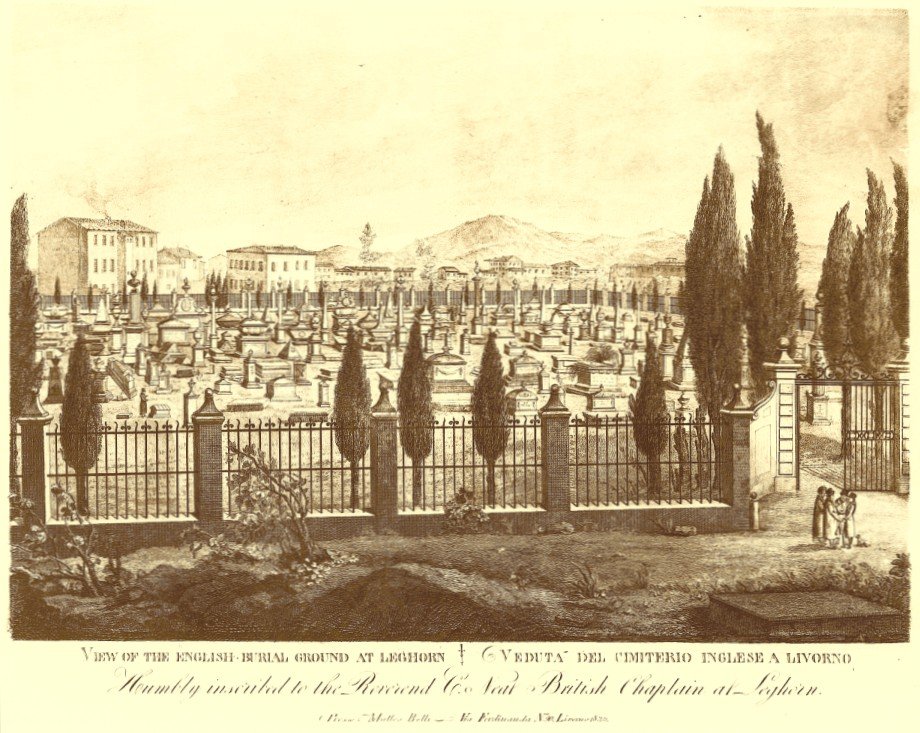
The Old English Cemetery was established in 1645, following Livorno’s transformation into an international port city under the Grand Duchy of Tuscany. The 1593 Livornina edict by Grand Duke Ferdinando I de’ Medici granted unprecedented religious and commercial freedoms to foreigners, fostering a thriving Protestant community—mainly English, but also Dutch, German, Swiss, and American residents (Comune di Livorno). As Catholic burial was not permitted for non-Catholics, the cemetery was created outside the city walls, evolving over time to accommodate Livorno’s growing Protestant population (Visit Tuscany).
Historical Context and Community
From the 17th to 19th centuries, Livorno’s Protestant communities were integral to the city’s commercial and social life. English merchants, in particular, played a pivotal role in establishing Livorno as a Mediterranean trading hub. By the 18th century, the expatriate population exceeded a thousand, and the cemetery became the final resting place for many of these merchants, diplomats, and their families (British Cemetery Livorno). Inscriptions in English, Latin, French, and German reflect the cemetery’s international character.
Notable Burials and Monuments
Among the cemetery’s most distinguished graves are:
- Tobias Smollett (1721–1771) Scottish novelist and historian, whose tomb attracts literary pilgrims.
- Richard Church (1784–1873) Irish-born British army officer and Philhellene.
- Bateman, Acton, and Henderson families Influential merchants and diplomats.
- Leonardo Digges (d. 1646) His grave, among the oldest, features a distinctive bas-relief.
- Robert Bateman 18th-century merchant with a uniquely designed grave.
The site showcases a rich array of funerary art, from simple early headstones to elaborate neoclassical monuments influenced by sculptors such as Bertel Thorvaldsen (Atlas Obscura; Wikipedia).
Architectural Features and Layout
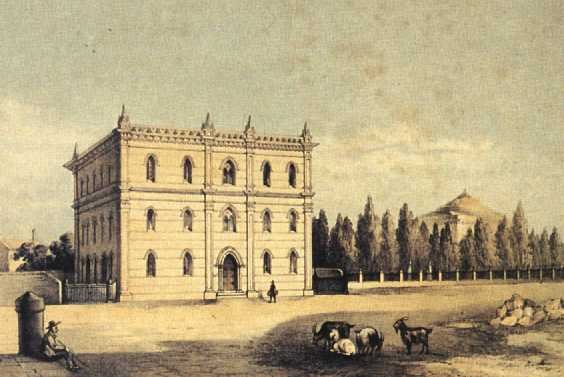
Enclosed by high brick walls and shaded by cypress and Virginia elm trees, the cemetery has an irregular layout shaped by centuries of growth. The oldest section contains 17th- and 18th-century table tombs and headstones, while later areas feature family plots and elaborate monuments. A 19th-century chapel near the center, though no longer used for services, adds architectural interest. Pathways of gravel and stone meander through the tranquil grounds (Livorno Tourism).
Decline, Restoration, and Preservation
After the opening of a new Protestant cemetery in 1838, the Old English Cemetery gradually fell into neglect, exacerbated by urban development and World War II damage. By the late 20th century, restoration efforts led by local heritage groups, the British community, and Livorno’s municipality began stabilizing monuments, clearing overgrowth, and improving visitor access. The site reopened to the public in 2007 as a protected historical site (British Cemetery Livorno).
Visiting the Old English Cemetery: Practical Information
Visiting Hours
- General Public The cemetery is open Tuesday through Sunday, 10:00 AM to 5:00 PM. Closed on Mondays and major Italian holidays.
- Special Events Additional hours may apply during cultural events or guided tours. Always check the official tourism website or contact local organizations for current schedules.
Tickets and Admission
- Admission Free of charge.
- Donations Welcome and encouraged to support ongoing preservation.
Accessibility
- Pathways Uneven gravel and some steps; limited wheelchair accessibility.
- Footwear Comfortable shoes recommended.
How to Get There
- Location Via Giuseppe Verdi 53, Livorno 57126, Italy.
- By Foot 10-minute walk from Piazza della Repubblica along Via Verdi.
- By Bus Several city bus lines serve Via Verdi (stops: P. Cavour, Attias).
- By Car Limited street parking; public transport or walking is recommended.
Recommended Visiting Time
- Allocate at least one hour to explore the grounds, monuments, and historical context.
Nearby Attractions
- Waldensian Church Adjacent to the cemetery.
- Former Anglican Church of St. George Nearby, reflecting the city’s religious diversity.
- Fortezza Nuova, Terrazza Mascagni, Central Market All within convenient walking distance.
Guided Tours and Events
- Guided Tours Occasionally available in English and Italian through local cultural organizations and apps like GPSmyCity.
- Special Events Restoration open days, heritage walks, and lectures are periodically held. Check the Livorno Tourism website for updates.
Historical Significance
The Old English Cemetery stands as a symbol of Livorno’s legacy of religious freedom, international trade, and artistic expression. Its monuments and records are invaluable resources for genealogists, historians, and art enthusiasts, preserving the memory of Livorno’s cosmopolitan past (Visit Tuscany).
Frequently Asked Questions (FAQ)
Q: What are the Old English Cemetery visiting hours?
A: Tuesday to Sunday, 10:00 AM to 5:00 PM; closed Mondays and some holidays.
Q: Is there an entrance fee?
A: No, admission is free. Donations are appreciated.
Q: Are guided tours available?
A: Yes, occasionally. Check with the Livorno tourist office or local heritage groups.
Q: Is the cemetery wheelchair accessible?
A: Accessibility is limited due to uneven terrain.
Q: Can I take photographs inside the cemetery?
A: Non-flash photography for personal use is generally permitted.
Q: How do I get there from the city center?
A: The cemetery is a short walk from the center, accessible by bus or taxi.
Summary and Recommendations
The Old English Cemetery offers a rare and evocative window into Livorno’s cosmopolitan past and enduring commitment to religious tolerance. As Italy’s oldest Protestant cemetery, it tells stories of faith, trade, and cultural diversity through its monuments and inscriptions. Ongoing restoration ensures its preservation as a place of memory and reflection (British Cemetery Livorno; Livorno Tourism).
Visitor Tips:
- Wear sturdy shoes for uneven ground.
- Plan at least an hour for your visit.
- Respect the solemn atmosphere and preservation guidelines.
- Combine your visit with nearby historical attractions.
- Download the Audiala app for self-guided tours and up-to-date information on Livorno’s historical sites.