
Historical Background
Origins and Construction
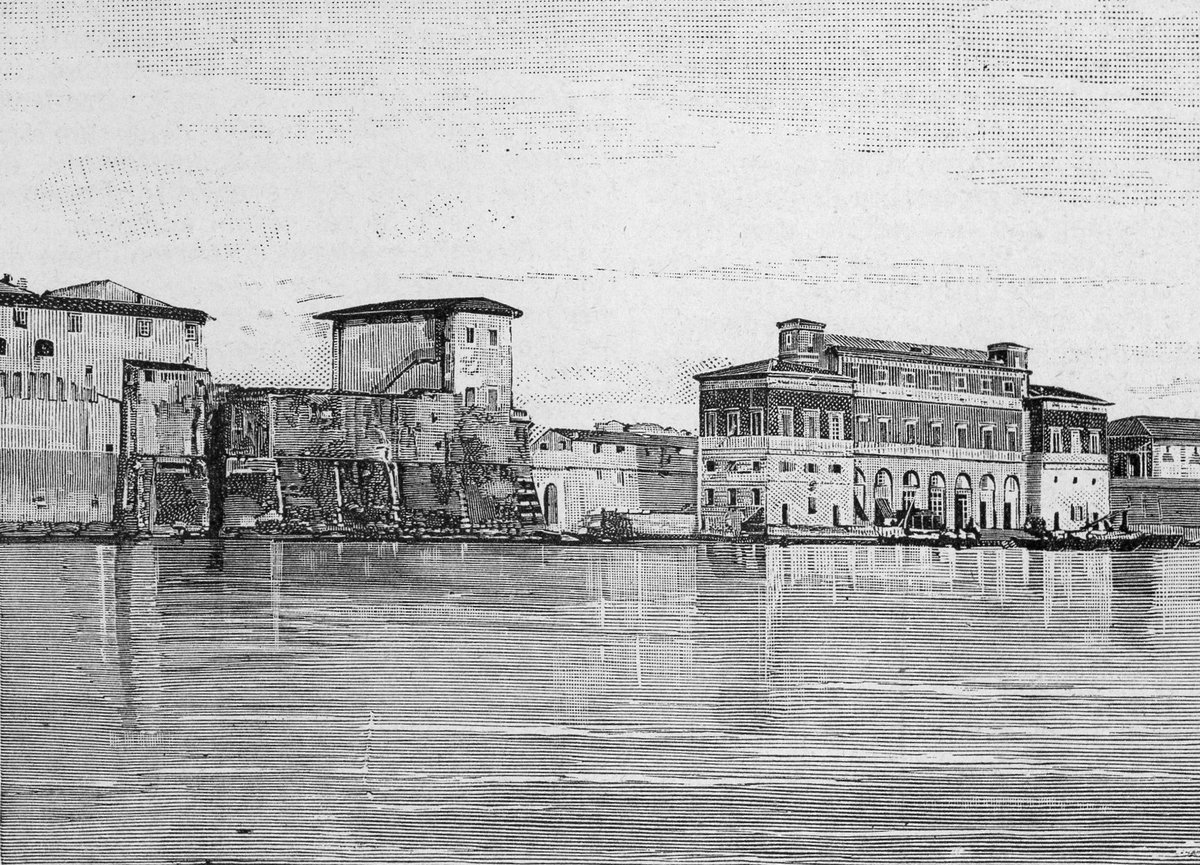
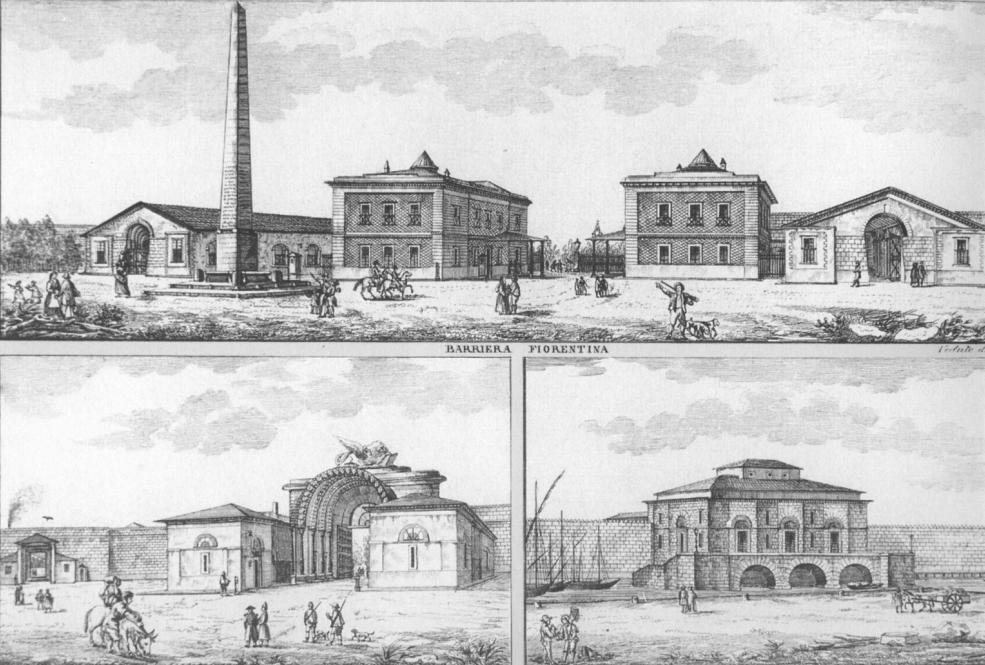
The Leopoldine Walls were conceived in 1834 and constructed between 1835 and 1842 during the reign of Grand Duke Leopold II of Tuscany. Responding to demands from Livorno’s merchants and the need to regulate customs more effectively, the walls expanded the city’s duty-free zone and reinforced Livorno’s identity as a thriving trade center (livorno.guidatoscana.it). The project was led by engineer Alessandro Manetti, with architect Carlo Reishammer designing the gates and access points.
Architectural Features and Layout
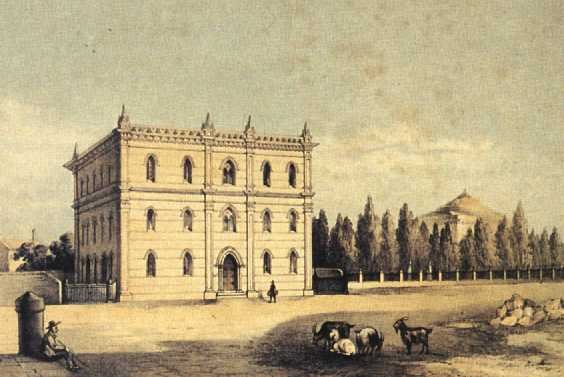
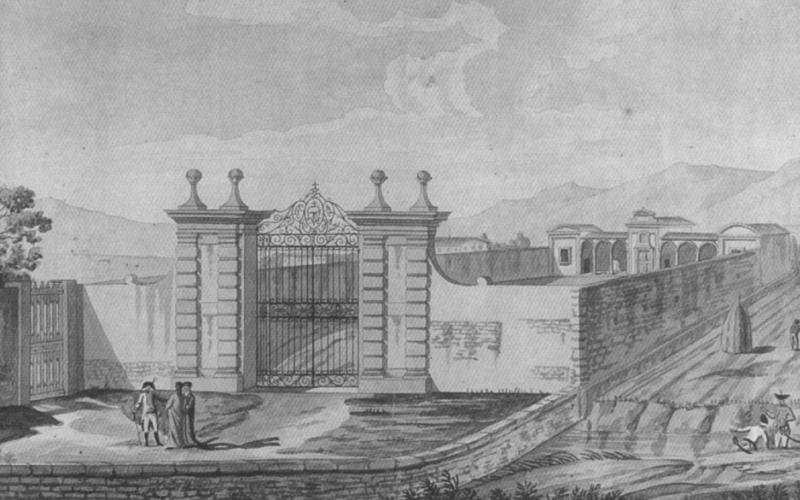
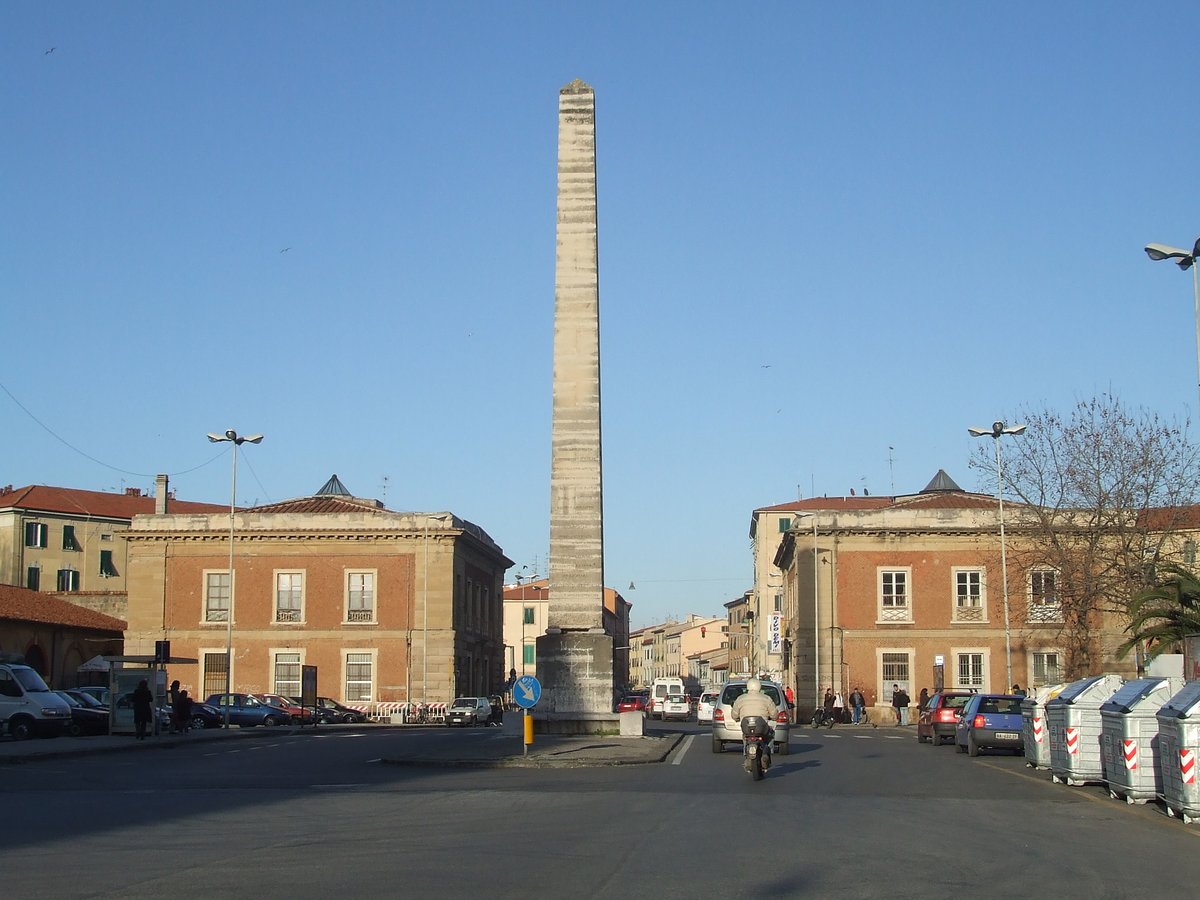
Stretching for approximately 6–8 kilometers, the Leopoldine Walls encircled Livorno’s historic center and its burgeoning suburbs. Their robust stone and brick construction was topped with a crenellated crest, designed to deter smugglers. The walls incorporated key gates and customs checkpoints, such as Porta San Marco, Porta a Mare, Barriera Fiorentina, and Dogana d’Acqua, which regulated both land and river traffic (fr.wikipedia, komoot.com).
Socio-Economic Impact
Livorno’s unique position as a free port fostered religious tolerance, cultural diversity, and vibrant commerce. The Leopoldine Walls served as a physical and symbolic boundary, ensuring customs duties were collected and curbing illicit trade. Their construction marked the city’s transition from a fortress mentality to an open, cosmopolitan trading hub (livorno.guidatoscana.it).
The Walls During Conflict
While never designed for military defense, the walls played a significant role during the 1849 insurrection against Austrian occupation. Citizens of Livorno used the walls to resist foreign control, demonstrating their importance as both a practical and symbolic city boundary (it.wikipedia).
Transformation and Decline
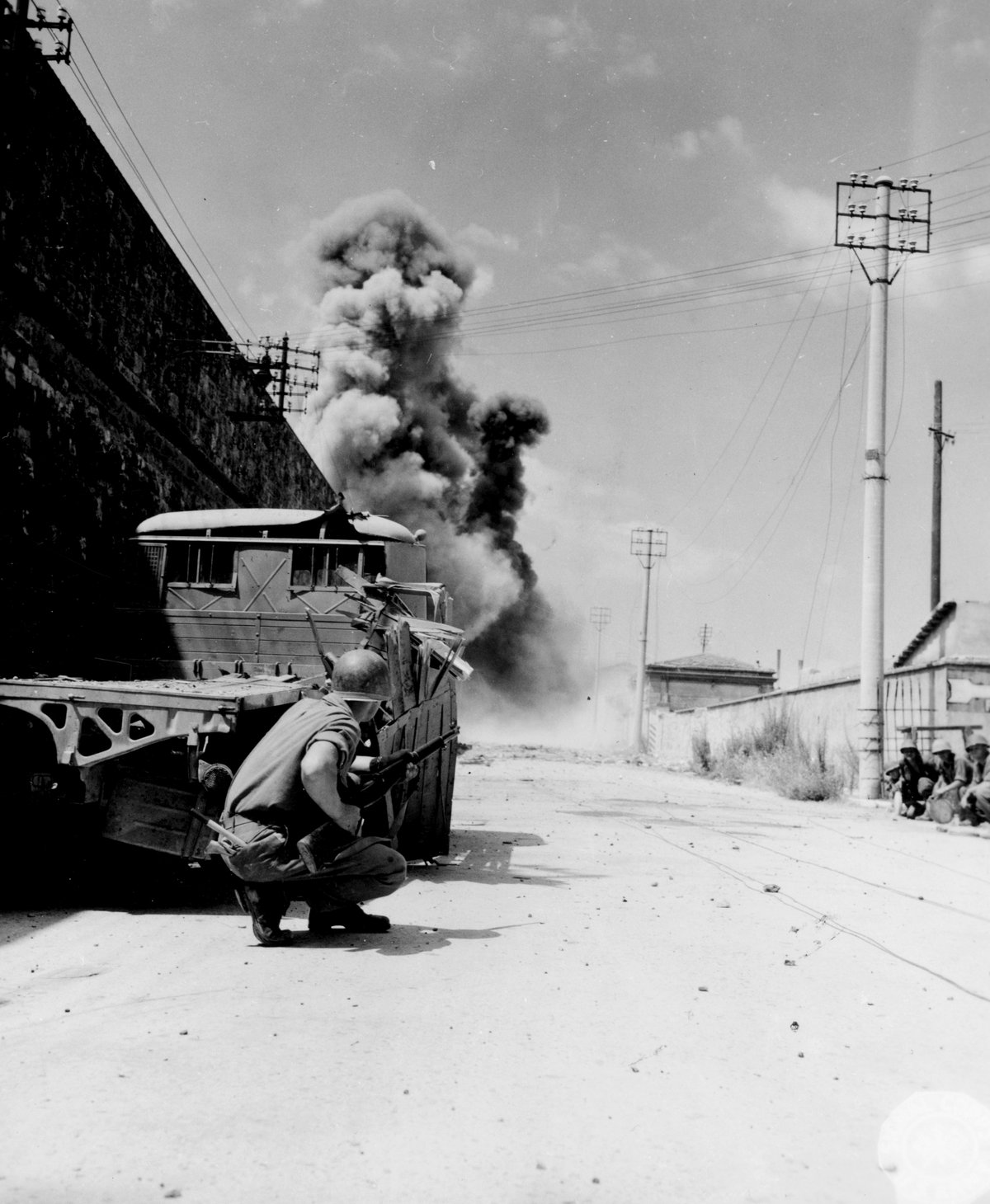
With the abolition of Livorno’s free port status in 1868 and subsequent urban expansion, the walls’ original customs function diminished. Large sections were demolished in the late 19th and early 20th centuries to make way for new roads, railway lines, and modern development. World War II inflicted further damage, but several segments have survived and been restored (it.wikipedia).
Preservation Today
Surviving stretches of the Leopoldine Walls have been thoughtfully restored and integrated into public parks, walking routes, and cultural venues. Place names like Via della Cinta Eterna still echo the walls’ historical significance. Today, visitors can explore these remnants as evocative monuments within Livorno’s dynamic urban landscape (it.wikipedia).
Visiting the Leopoldine Walls
Visiting Hours and Access
The remaining sections of the Leopoldine Walls are open-air and accessible to the public year-round, generally without time restrictions. Access may vary depending on local park or heritage site regulations, so it is advisable to consult the official Livorno tourism website for the latest updates.
Tickets and Guided Tours
- Admission Visiting the walls themselves is free.
- Guided Tours Local tour operators and the tourism office offer guided walking tours, particularly during cultural festivals like the Biennale del Mare. These provide deeper historical and architectural insights.
- Special Sites Some related attractions (e.g., Cisternone, Dogana d’Acqua) may require tickets or advance booking, especially during special events.
Accessibility
While much of the remaining wall circuit has been incorporated into pedestrian-friendly green areas, some sections feature uneven terrain or steps that may pose challenges for visitors with mobility impairments. Many adjacent promenades and public spaces are, however, wheelchair accessible. For specific accessibility needs, contact the Livorno tourist office in advance (About2Cruise).
Special Events and Activities
- Biennale del Mare Held annually in May, this festival features guided tours, exhibitions, and performances centered on Livorno’s maritime and architectural heritage (livornoseranotizie.it).
- Other Events Look for cultural activities, historical reenactments, and art installations throughout the year. These offer unique opportunities to experience the walls in new contexts.
Nearby Attractions
Combine your visit to the Leopoldine Walls with other Livorno highlights:
- Fortezza Vecchia and Fortezza Nuova
- Venezia Nuova Canal District
- Terrazza Mascagni
- Central Market
- Museo Civico Giovanni Fattori
Architectural Insights
The Leopoldine Walls reflect the shift from purely defensive fortifications to infrastructure that shaped urban development. Their polygonal layout, robust masonry, and integration with Livorno’s canal system exemplify 19th-century engineering adapted to commercial needs (Visit Tuscany). Gates like Porta San Marco and Dogana d’Acqua are notable for their architectural detailing and urban significance.
Restored segments near the Fortezza Nuova and Venezia Nuova district allow visitors to appreciate the walls’ scale, craftsmanship, and relation to Livorno’s cityscape (The Crazy Tourist).
Cultural Significance
The Leopoldine Walls symbolize Livorno’s openness, resilience, and cosmopolitan spirit. During their heyday, the city welcomed diverse communities, with synagogues, churches, and commercial buildings coexisting within the walls (Travel to Italy Guide). Today, the walls are not only historical monuments but also venues for civic events, fostering a sense of identity and continuity among residents.
Visitor Information
Tips and Practical Advice
- Best Visiting Season Spring and autumn (April–May, September–October) offer pleasant weather and fewer crowds (Champion Traveler).
- Footwear Wear comfortable shoes suitable for cobblestones and uneven surfaces.
- Maps & Audio Guides Obtain walking maps from visitor centers or use mobile apps like GPSmyCity for self-guided tours.
- Language Italian is the primary language, but English is widely spoken at tourist sites.
- Amenities Public restrooms are available near major entry points; cafés and restaurants are plentiful in adjacent neighborhoods (Visit Livorno).
- Safety Livorno is generally safe, but exercise common sense in busy areas and explore the walls during daylight hours.
Cycling and Walking Routes
Explore the city’s history by following cycling and walking routes that trace the former wall circuit. Recommended routes pass key sites such as Fortezza Nuova, Venezia Nuova, and Terrazza Mascagni, offering varied perspectives on Livorno’s urban development and maritime connections (komoot.com).
Frequently Asked Questions (FAQ)
Q: Are there entrance fees to visit the Leopoldine Walls?
A: No, the walls are free to visit. Tickets may be required for guided tours or adjacent museum sites.
Q: What are the visiting hours?
A: The walls are accessible year-round, typically 24/7. Nearby museums and special sites usually open from 10:00 to 18:00.
Q: Are the Leopoldine Walls wheelchair accessible?
A: Many surrounding promenades are accessible, but some historic wall segments have uneven surfaces. Contact the tourist office for detailed advice.
Q: Can I join guided tours in English?
A: Yes, especially during festivals and through local operators.
Q: When is the best time to visit?
A: Spring (April–May) and autumn (September–October) for comfortable weather and smaller crowds.