
Origins and Foundation
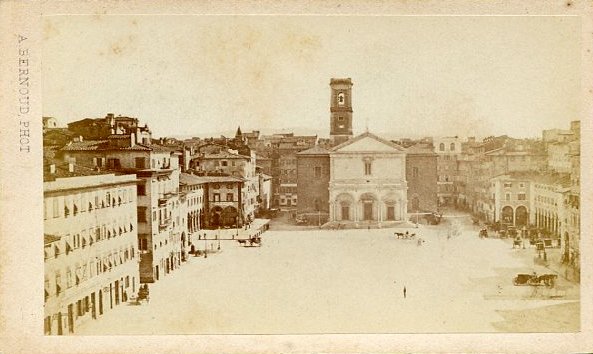
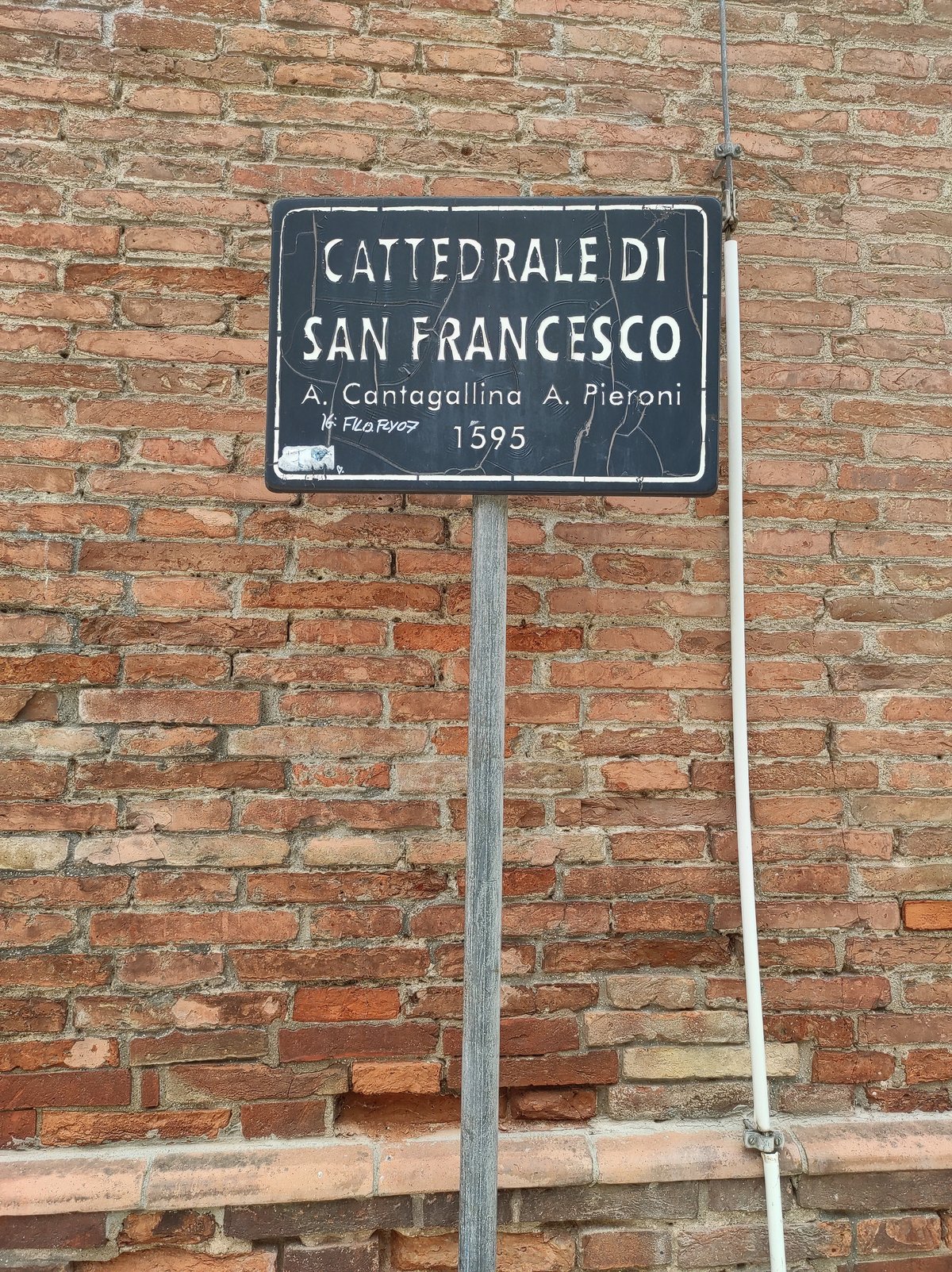
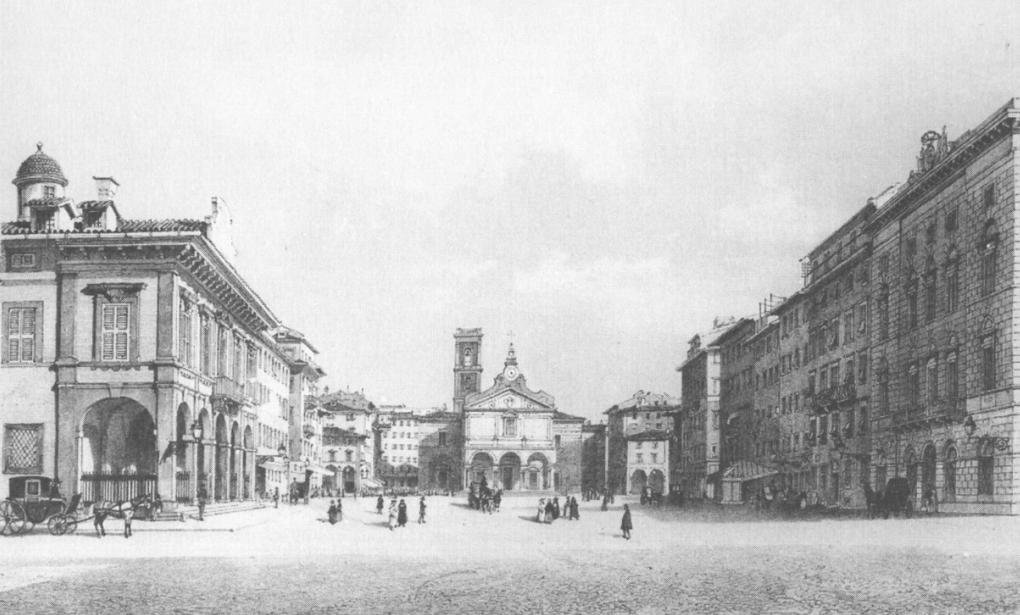
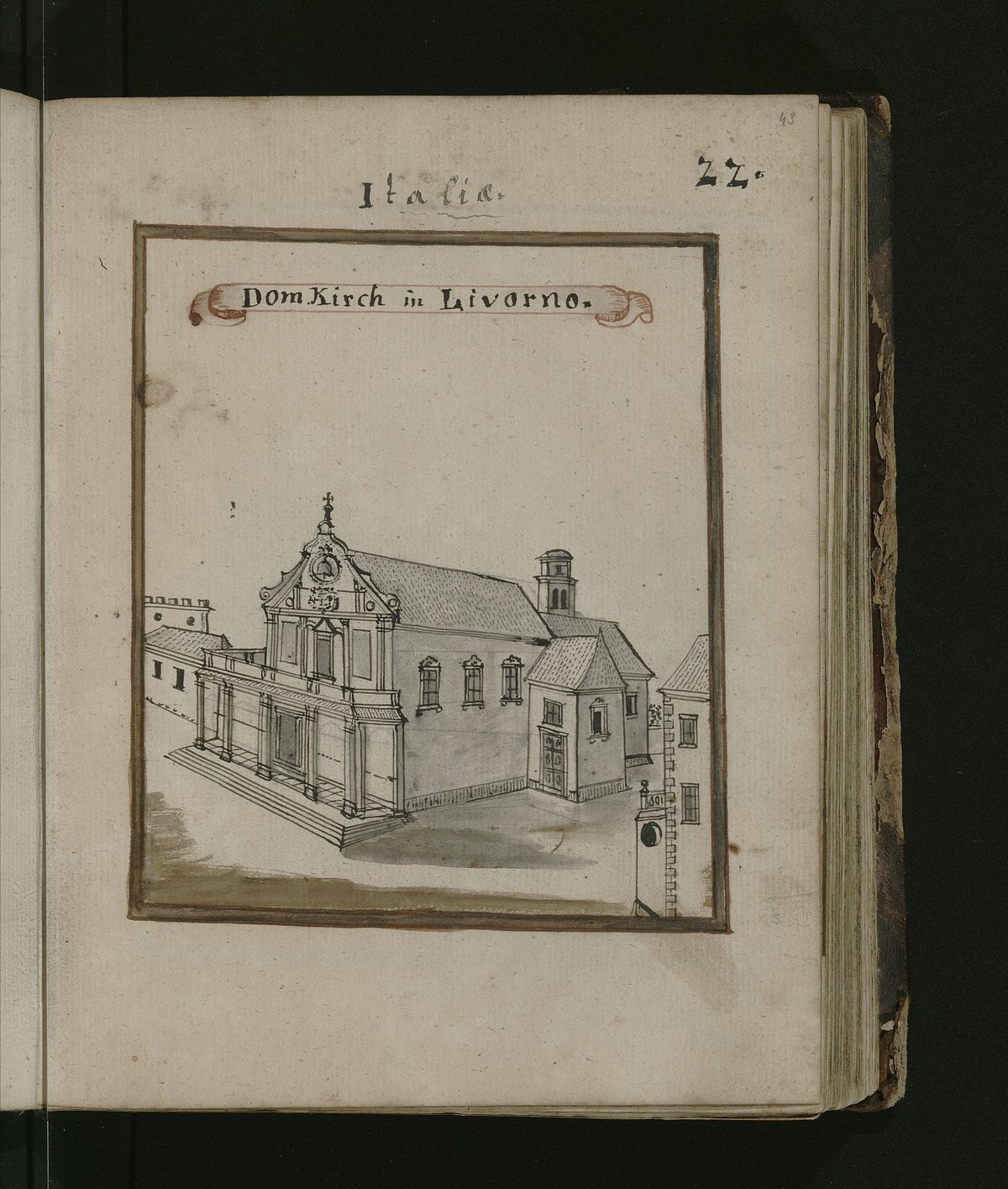
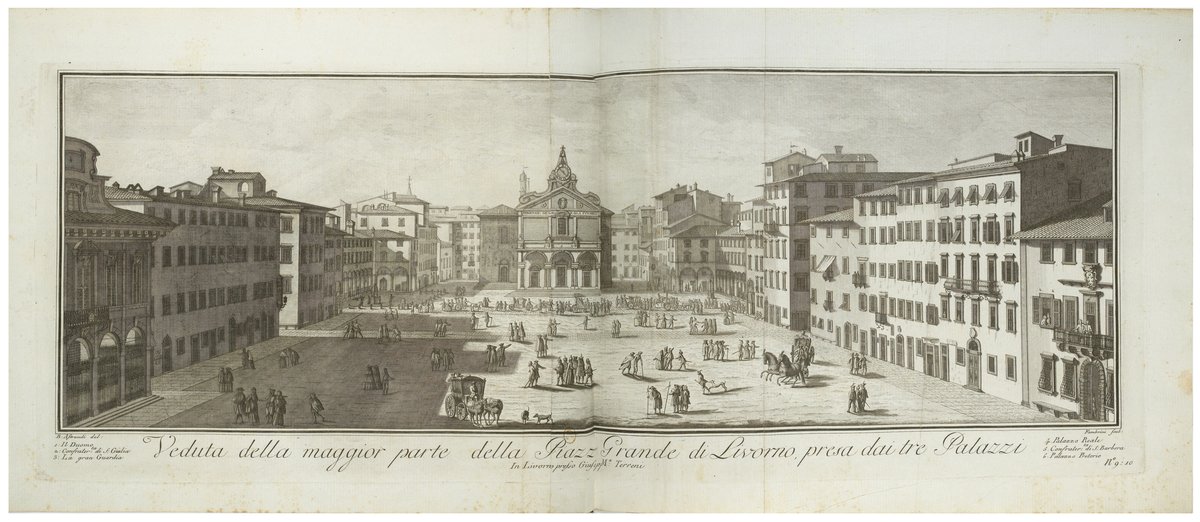
Construction of the Duomo di Livorno began in 1594 under architect Alessandro Pieroni and concluded in 1606, during a period of urban transformation led by the Medici Grand Dukes (it.wikipedia). The cathedral’s strategic location in Piazza Grande marked it as the spiritual anchor for an increasingly diverse and flourishing port city. It was dedicated to Saint Francis of Assisi and served as a symbol of Catholic unity amidst Livorno’s reputation for religious tolerance, welcoming Catholics, Jews, Greeks, Armenians, and Protestants (iliveitaly.it).
Architectural Evolution
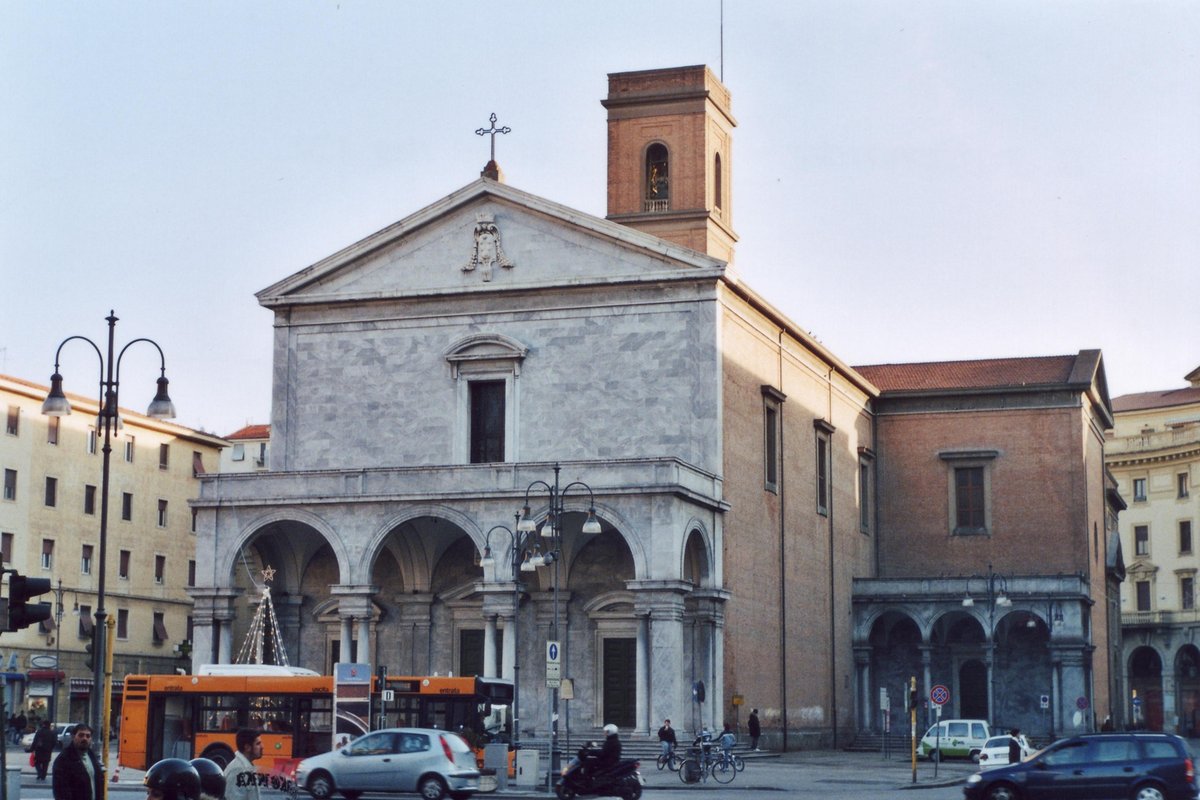
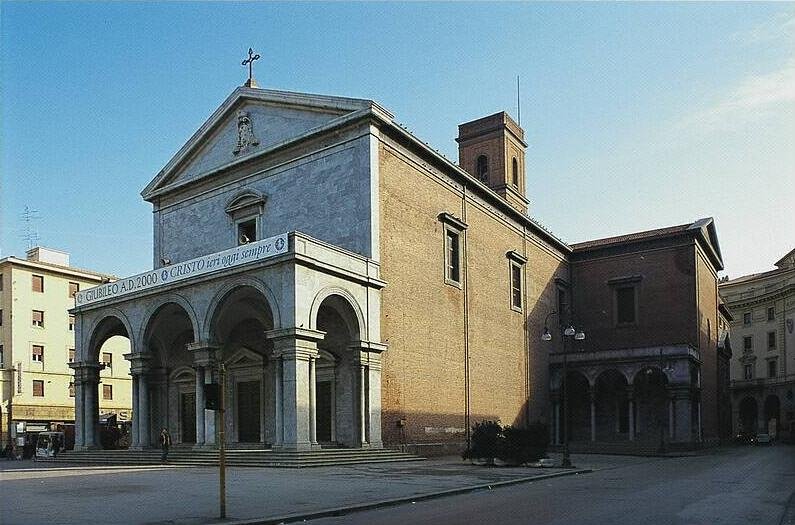
Initially designed by Bernardo Buontalenti and later modified by Grand Duke Ferdinando I de’ Medici, the cathedral’s construction responded to Livorno’s rapid growth and shifting urban priorities (it.wikipedia). Alessandro Pieroni, Giovanni de’ Medici, and Antonio Cantagallina oversaw the completion of the main structure and the bell tower. The façade, attributed in part to Inigo Jones, features a Renaissance portico with round arches, while the interior reveals a Latin cross layout, wide nave, and ornate chapels (to-tuscany.com).
Wartime Destruction and Reconstruction
World War II bombings devastated the cathedral, prompting a meticulous post-war reconstruction that preserved much of its original character and incorporated modern elements to reinforce its structure (renatoprosciutto.com). In 2006, to mark the bicentennial of the Livorno diocese, a monumental bronze portal by Antonio Vinciguerra was installed, depicting key episodes from the city’s history (visittuscany.com).
Liturgical and Cultural Significance
As the seat of the Bishop of Livorno, the Duomo is central to local Catholic life, hosting major liturgical celebrations such as ordinations and the annual “Festa del Voto” on January 27 (corrieretoscano.it). Its role extends beyond worship: the cathedral is a venue for concerts, art exhibitions, festivals, and community outreach, embodying Livorno’s inclusive and cosmopolitan spirit. In 2025, the “Inni Sacri – Il Divino e l’Umano dopo il XX secolo” concert series celebrates the Jubilee Year with monthly sacred music and poetry events (corrieretoscano.it).
Artistic Heritage
The Duomo’s interior showcases significant artworks, many restored after wartime damage. Highlights include the high altar dedicated to Saint Francis, side chapels honoring local saints like Santa Giulia, and works by Jacopo Ligozzi, Jacopo Chimenti, and Beato Angelico (renatoprosciutto.com; visittuscany.com). The cathedral’s grand façade, spacious nave, and interplay of light and color reflect the city’s spiritual aspirations and vibrant cultural identity.
Interfaith and Multicultural Dimensions
Livorno’s historical openness to diverse faiths is mirrored by the Duomo’s inclusive ethos. The cathedral participates in interfaith initiatives and citywide celebrations, echoing the city’s tradition of religious coexistence (invitationtotuscany.com).
Visitor Information
Location and Accessibility
Situated in Largo del Duomo, the cathedral is easily accessible by foot, public transport, or car. Livorno Centrale railway station is about 1.5 km away, and local buses serve the area. Public parking is available nearby, though spaces can be limited during peak hours (Visit Italy). The area is pedestrian-friendly and close to other landmarks like the Fortezza Vecchia and Mercato Centrale.
Visiting Hours
The Duomo di Livorno is generally open to visitors:
- Monday to Saturday 9:00 AM – 12:00 PM and 3:00 PM – 6:00 PM
- Sundays and Religious Holidays Visiting hours may be reduced due to services
Always check the cathedral’s notice board or the Visit Livorno website for the latest updates, especially during religious events or local festivals.
Tickets and Admission
- Admission Free during regular visiting hours (TripHobo)
- Donations Appreciated to support maintenance and restoration
- Special Events Tickets may be required for concerts or exhibitions; purchase online or at the information desk
Dress Code and Etiquette
- Dress Code Modest attire is required. Shoulders and knees must be covered. Scarves or shawls can be used to cover bare shoulders (Wear When What Why).
- Behavior Maintain quiet, respectful manners. Silence mobile phones and refrain from eating or drinking inside.
- Photography Allowed without flash or tripods, except during Mass or special ceremonies.
Accessibility
- Wheelchair Access Ramps at the main entrance and accessible restrooms
- Navigation Spacious interior allows for easy movement; seating available for rest
- Special Needs Contact the cathedral for additional assistance; service animals permitted
Guided Tours and Information
- Guided Tours Available by prior arrangement with the diocesan office or through city walking tours. Local guides provide historical and artistic context.
- Brochures Multilingual informational materials are typically available at the entrance.
- Audio Guides Offered during special events or by request.
Amenities and Facilities
- Nearby Amenities Cafés, restaurants, and shops are plentiful in the area. Public restrooms are available at the Mercato Centrale.
- Wi-Fi Free public Wi-Fi is available in some parts of central Livorno, though coverage may be limited inside the cathedral.
Best Practices and Visitor Tips
- Plan Ahead Review visiting hours and Mass times before arrival.
- Dress Appropriately Adhere to the dress code to avoid being turned away.
- Avoid Crowds Weekday mornings are typically less crowded.
- Combine Visits Explore nearby attractions such as Fortezza Vecchia, Mercato Centrale, and Terrazza Mascagni (Winalist).
- Stay Hydrated Carry a water bottle for use outside the cathedral.
- Language Italian is primary, but English and other languages are spoken by staff and guides.
Nearby Historical Sites and Attractions
- Fortezza Vecchia 16th-century fortress within walking distance
- Mercato Centrale Vibrant food market offering local specialties
- Terrazza Mascagni Iconic seaside promenade
- Venice Quarter Picturesque district with canals and historic architecture
Safety and Security
Livorno is regarded as safe for tourists. The area around the Duomo is well-patrolled, and staff are available during opening hours. Standard precautions regarding personal belongings are advised.
Frequently Asked Questions (FAQ)
Q: What are the Duomo di Livorno’s opening hours?
A: Typically 9:00 AM – 12:00 PM and 3:00 PM – 6:00 PM (Monday–Saturday); hours may vary on Sundays and holidays.
Q: Is there an entrance fee or ticket required?
A: Admission is free; donations are welcome. Special events may require tickets.
Q: Are guided tours available?
A: Yes, book in advance through the diocesan office or join a city walking tour.
Q: Is the Duomo wheelchair accessible?
A: Yes, with ramps and accessible facilities.
Q: Can I take photographs inside the Duomo?
A: Yes, but avoid flash and tripods, and be respectful during services.
Q: What is the dress code for visiting the Duomo?
A: Modest attire covering shoulders and knees is required.
Q: What are some nearby attractions?
A: Fortezza Vecchia, Mercato Centrale, Terrazza Mascagni, and Venice Quarter.
Visuals and Media
- Look for high-quality images and virtual tours on Visit Livorno and Visit Tuscany.
- Interactive maps are available online to help you plan your route and explore nearby sites.
- Event calendars and multimedia resources can be found through the cathedral’s official channels and local tourism offices.
Summary and Recommendations
The Duomo di Livorno is a remarkable testament to the city’s architectural, artistic, and spiritual heritage. Its free admission, central location, and accessible facilities make it an essential stop for anyone visiting Livorno. Combining centuries of history with ongoing cultural programming, the cathedral is both a symbol of resilience and a hub for community life. To make the most of your visit, consult official websites for current information and consider pairing your trip with other key Livorno historical sites.
For the latest updates, download the Audiala app, follow us on social media, and explore related articles on Livorno’s rich cultural landscape.