
Historical Background
Origins of the Greek Orthodox Community
Livorno’s status as a free port under the Medici Grand Dukes in the 16th and 17th centuries attracted merchants and settlers from across Europe, including a thriving Greek community. With privileges granting religious freedom, the Greek Orthodox established their presence, constructing their first church and forming a confraternity to oversee religious and social matters (LivornoPress).
Development of the Cemetery
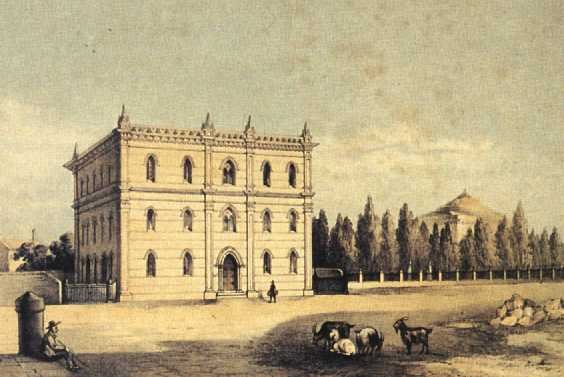
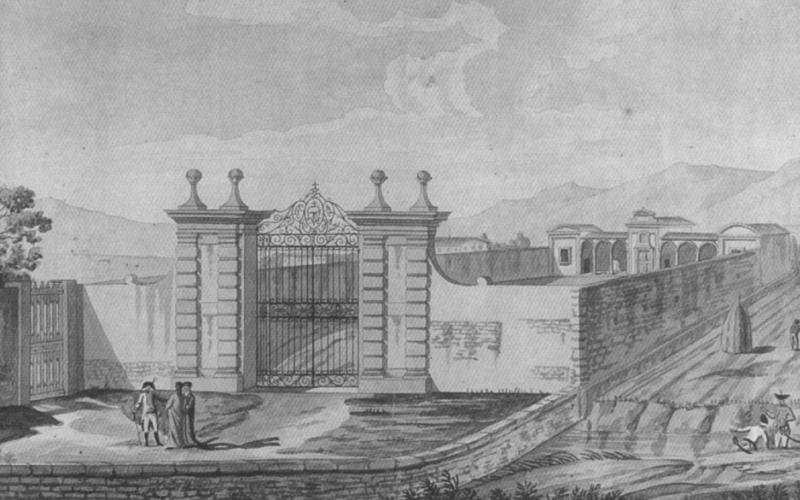
The original Greek Orthodox cemetery, established in 1776, was closed in 1838 due to urban expansion. In 1840, the community inaugurated the current cemetery on Via Marco Mastacchi, adjacent to the Dutch cemetery. Architect Olinto Paradossi designed the site, which features a central church and over 240 monuments inscribed in Greek, Italian, and Cyrillic (Significant Cemeteries).
Artistic and Architectural Heritage
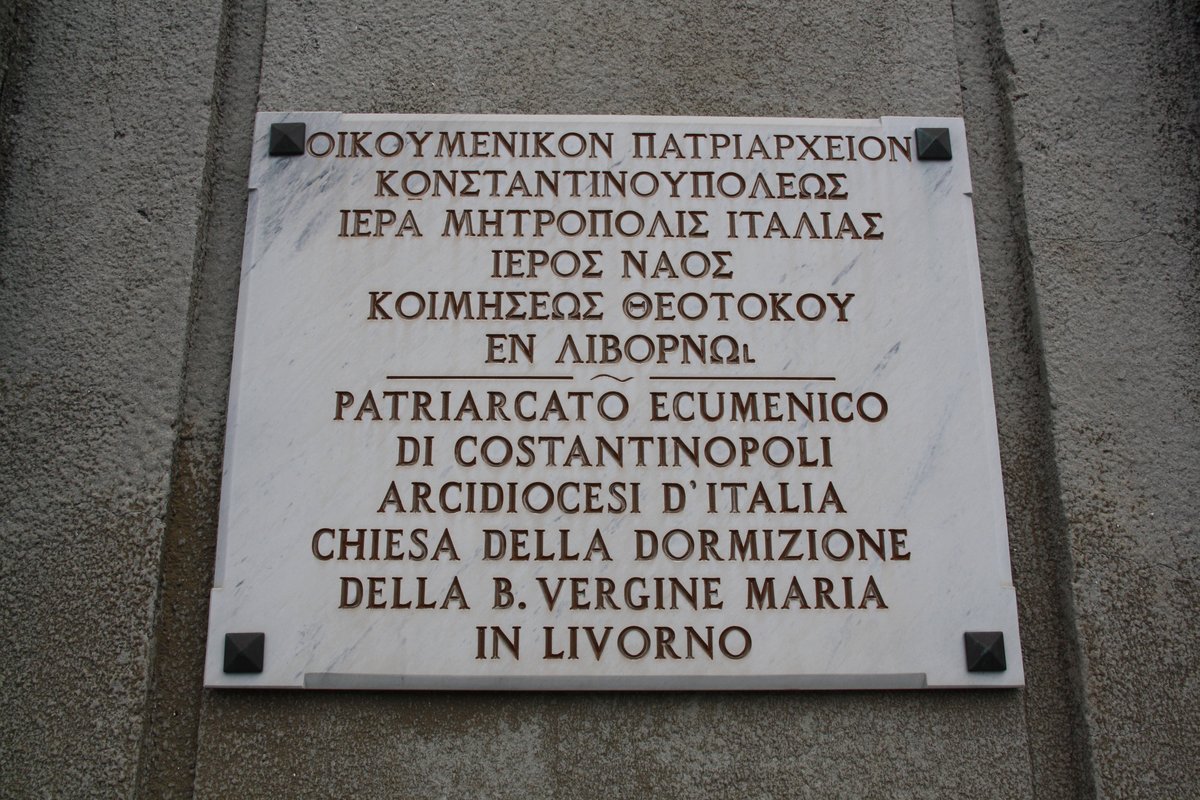
The cemetery’s central church, dedicated to the Dormition of the Virgin Mary, draws inspiration from Byzantine monastic architecture. The church is adorned with icons, a curved wooden iconostasis, and oil paintings. Notable sculptors such as Paolo Emilio Demi and Temistocle Guerrazzi contributed to the site’s array of neoclassical and romantic monuments. Inscriptions and motifs reflect both Orthodox and Western artistic influences (Wikipedia).
Notable Burials and Historical Significance
Among the cemetery’s many graves are those of Archbishop Ignatios, writer Angelica Palli, and notable merchant families like Rodocanacchi and Maurogordato. The cemetery also memorializes Livorno’s support for the Greek War of Independence and its role as a center for Greek diaspora culture (Istituto Ellenico).
Visitor Information
Location
-
Address Via Marco Mastacchi 225/227/229, 57122 Livorno, Italy
(Mapcarta) -
Easily accessible by car or public transport from Livorno’s city center.
Opening Hours
- Generally open to visitors daily from 8:00 AM to 6:00 PM.
- Hours may vary seasonally, during religious holidays, or special events.
- It is advisable to check current hours via Visit Livorno or local sources before visiting.
Tickets and Admission
- Admission Free for regular visits. Donations toward preservation are welcome.
- Guided Tours Offered occasionally, especially during cultural festivals or by arrangement with the Greek Orthodox community. Some tours may require advance booking and a small fee.
- Special Events Notable events like the annual Epiphany celebration and European Heritage Days feature extended hours and guided tours (Ministero della Cultura).
Accessibility
- The cemetery grounds are mostly flat and accessible for visitors with mobility aids, although some older sections may have uneven surfaces.
- Wheelchair access is available in most areas; some assistance may be required.
- Services for visitors with disabilities, including guided tours with sign language or visual support, are available during special events (LivornoPress).
Visitor Etiquette
- Dress modestly and behave respectfully.
- Photography is allowed for personal use; always check for posted guidelines or with the custodian.
- Refrain from loud noise and do not touch monuments.
Facilities and Parking
- No restrooms or refreshment facilities on-site.
- Parking is available along Via Marco Mastacchi.
- Amenities can be found in the surrounding neighborhood or city center.
What to See: Highlights for Visitors
- Chapel of the Dormition Central spiritual and architectural feature with Byzantine influences, icons, and original liturgical furnishings.
- Funerary Art Marble monuments crafted by leading 19th-century sculptors; inscriptions in Greek, Italian, and other languages.
- Prominent Graves Visit the tombs of Angelica Palli, Archbishop Ignatios, and merchant families.
- Botanical Setting Tree-lined avenues and cypress-shaded paths create a tranquil atmosphere.
Integration with Livorno’s Multicultural Heritage
The Cimitero Greco-Ortodosso sits alongside the Dutch-German and Jewish cemeteries, reflecting Livorno’s tradition of religious tolerance and cultural exchange. The proximity of these sites, and the collaborative events held among them, showcase the city’s centuries-old ethos of coexistence (Visit Tuscany).
Preservation and Recent Developments
Preservation efforts are coordinated by heritage organizations, the Greek Orthodox community, and the Hellenic Institute of Byzantine and Post-Byzantine Studies. The cemetery’s unique extraterritorial status ensures that Greek Orthodox traditions are upheld in its maintenance (Il Telegrafo Livorno). Recent reopening events and heritage days have increased public engagement and appreciation for the site.
Travel Tips and Nearby Attractions
- Combine Your Visit Pair a visit with the neighboring Dutch-German cemetery or other Livorno highlights such as the Old Fortress and Terrazza Mascagni.
- Public Transport Bus lines from the city center stop near Via Marco Mastacchi.
- Best Times Spring and early autumn offer mild weather and coincide with heritage events.
- Nearby Explore Livorno’s seafood markets, historic harbor, and the Venezia Nuova district for a broader cultural experience.
Frequently Asked Questions (FAQ)
Q: What are the official visiting hours?
A: The cemetery is generally open daily from 8:00 AM to 6:00 PM; check official sources for seasonal changes.
Q: Is there an admission fee?
A: Regular visits are free; some special guided tours may require a fee.
Q: Are guided tours available?
A: Yes, especially during cultural events. Pre-booking is recommended for group tours.
Q: Is the cemetery wheelchair accessible?
A: Most areas are accessible, with some uneven terrain in older sections.
Q: Can I take photographs?
A: Yes, for personal use. Please be mindful of the sacred nature of the site.
Recommendations for a Meaningful Visit
- Allocate at least one hour for your visit.
- Consider joining a guided tour to gain deeper insight.
- Respect the peaceful atmosphere and use the opportunity for quiet reflection.
- Download the Audiala app for guided audio tours and local updates.