Plan and listen to with Audiala.
Audio guide in your pocket, itinerary in your browser. Built for the way you actually visit.
Introduction to Livorno’s Historical Sites and Visitor Information
Nestled along the picturesque Tuscan coastline, Livorno is a vibrant port city renowned for its rich history, multicultural heritage, and enduring maritime traditions. Once a modest fishing village known as “Liburnum” in the 11th century, Livorno evolved under the Medici family’s vision into a flourishing free port in the late 16th century. Grand Duke Cosimo I de’ Medici’s initiatives, including the construction of the iconic Fortezza Vecchia and Fortezza Nuova, transformed Livorno into a strategic maritime and commercial hub. Today, remnants of the city's storied past can be explored in museums, historic districts like Venezia Nuova (“Little Venice”), and through its enduring festivals and lively markets.
Livorno’s legacy extends beyond its architecture. The city is the birthplace of celebrated artist Amedeo Modigliani and composer Pietro Mascagni. Its resilience is reflected in the post-World War II reconstruction that balanced preservation with modernity. Festivals such as Effetto Venezia and culinary events like Cacciucco Pride highlight the city’s multicultural spirit and culinary prowess.
This guide is your comprehensive companion to Livorno’s most significant historical sites, practical visitor information, transportation tips, and recommendations for cultural and outdoor activities. Whether you’re drawn to ancient fortresses, local seafood, or scenic promenades like Terrazza Mascagni, Livorno offers an authentic Tuscan adventure off the typical tourist trail. For the latest updates, visit official tourism portals and consider using helpful apps such as Audiala (Visit Tuscany, PlanetWare Livorno Guide).
Ancient and Medieval Origins
Livorno’s roots trace back to Etruscan and Roman settlements, as evidenced by archaeological finds displayed at the Museo della Città. In the Middle Ages, “Liburnum” served as a strategic outpost for Pisa before coming under Genoese and then Florentine control in the 15th century. This transition laid the groundwork for Livorno’s future as a significant Mediterranean port.
The Medici Transformation and the Birth of Modern Livorno
The Medici era marked Livorno’s transformation into a cosmopolitan city. Grand Duke Cosimo I de’ Medici commissioned the Fortezza Vecchia, completed in 1534, to protect the harbor. Later, Grand Duke Ferdinando I established Livorno as a free port through the “Livornina” laws, encouraging religious tolerance and attracting merchants from across Europe. The construction of the Fortezza Nuova and the Venezia Nuova district, with its network of canals, reflected both urban growth and Livorno’s embrace of diversity.
Enlightenment Era and the Grand Duchy
Livorno flourished as a multicultural center of trade and culture in the 18th and early 19th centuries. Landmarks such as Via Grande and the Monumento dei Quattro Mori symbolize the city’s maritime prowess and cosmopolitan character. The city’s cathedral, constructed between 1594 and 1606, remains a testament to its Medici heritage.
19th & 20th Century: Unification, Industry, and Modern Identity
With Tuscany’s unification into the Kingdom of Italy, Livorno adapted to the loss of its free port status by diversifying into shipbuilding and other industries. The city fostered a spirit of liberalism, producing influential figures like Amedeo Modigliani and Pietro Mascagni, whose legacies endure in local museums and festivals. World War II inflicted heavy damage, but Livorno’s commitment to restoration and modernization is visible today, especially in the revitalized Venezia Nuova district.
Cultural Significance & Living Traditions
Livorno’s unique character is celebrated annually at events like Effetto Venezia, which transforms the canals and squares into venues for music, art, and gastronomy. The city’s signature dish, cacciucco, takes center stage during Cacciucco Pride. Maritime traditions, such as the Palio Marinaro, continue to unite neighborhoods and honor the city’s seafaring legacy.
Key Historical Landmarks: Visiting Hours & Tickets
Fortezza Vecchia
- Hours: Daily 9:00 AM–6:00 PM (seasonal variations possible)
- Tickets: ~€6 adults; reductions available
- Highlights: Explore ramparts and harbor views
Fortezza Nuova
- Hours: 10:00 AM–5:00 PM daily
- Tickets: Often included with Fortezza Vecchia
- Nearby: Venezia Nuova canals
Museo della Città
- Hours: Tue–Sun, 10:00 AM–7:00 PM; closed Mon
- Tickets: ~€8; free under 18 (residents)
- Exhibits: Etruscan to modern history
Monumento dei Quattro Mori
- Location: Piazza Micheli, open year-round, free
- Tip: Visit early morning or late afternoon for the best photos
Via Grande & Piazza della Repubblica
- Features: Shopping, dining, and historic architecture
Terrazza Mascagni
- Access: Open all day, free; ideal for sunset views
Practical Visitor Tips
- Opening Hours: Most sites open mid-morning to early evening; check for seasonal adjustments.
- Ticketing: Online purchase recommended to avoid queues.
- Tours: Guided tours available in multiple languages, especially for fortresses and museums.
- Transportation: City center is walkable; public buses and taxis connect further sites.
- Photography: Top spots include Terrazza Mascagni, Venezia Nuova, and the fortresses.
Getting Around Livorno
Livorno’s transport system includes frequent city buses (tickets from €1.50), pedestrian-friendly zones, and bike rentals along the seafront (Visit Tuscany). Taxis are available but rideshare options are limited. Driving is possible but challenging in the historic center due to ZTL (limited traffic zones) and scarce parking (Chester Travels).
Sustainable Tourism & Modern Infrastructure
The city promotes eco-friendly tourism through walking and cycling tours, supporting local businesses and minimizing environmental impact (leisurecycletours.com). Accommodation ranges from seafront hotels to family-run B&Bs.
Historic Districts & Architectural Landmarks
Venezia Nuova (New Venice)
Inspired by Venice, this district boasts romantic canals, stone bridges, and pastel facades. Boat tours offer a unique perspective of Livorno’s merchant history (iliveitaly.it).
Fortezza Nuova & Fortezza Vecchia
Both fortresses host exhibitions and concerts, and their ramparts provide panoramic city views (thecrazytourist.com).
Terrazza Mascagni
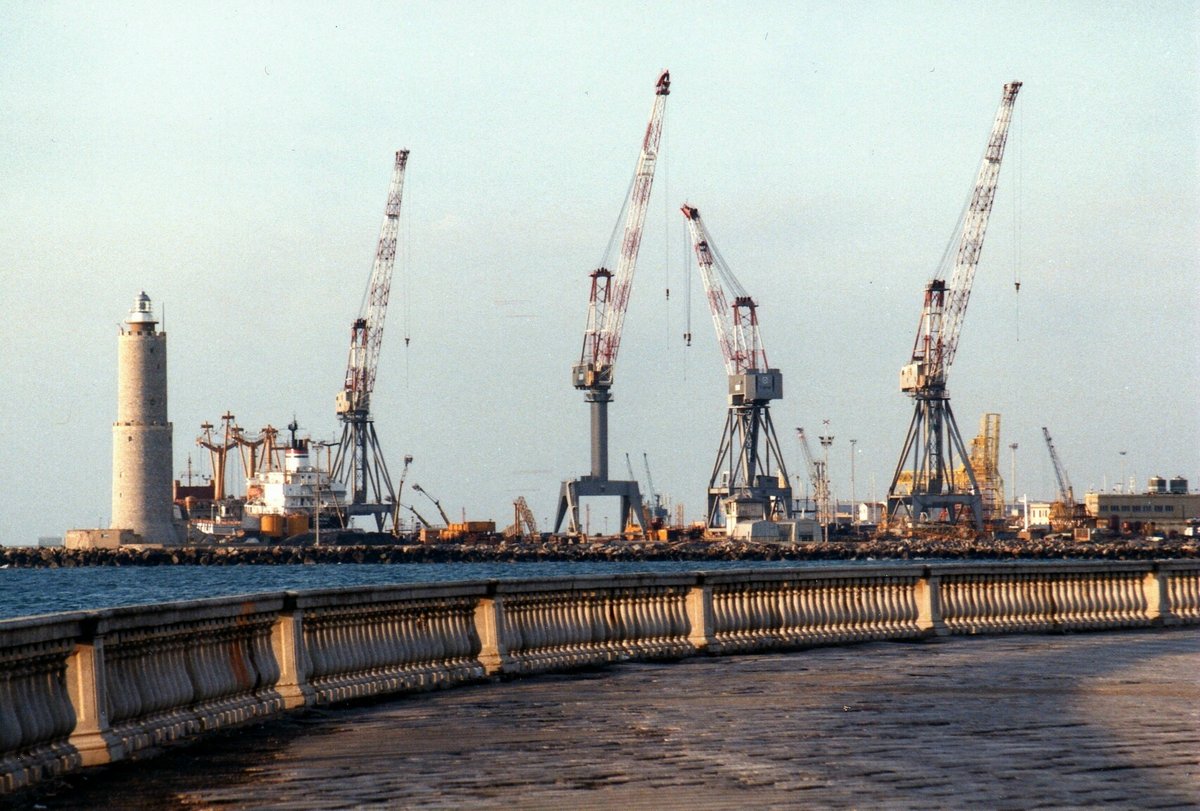
A sweeping checkerboard promenade with dramatic sea vistas—ideal for walks, sunsets, and street performances (princess.com).
Cultural & Artistic Highlights
- Museo Civico Giovanni Fattori: Macchiaioli Art in Villa Mimbelli (iliveitaly.it)
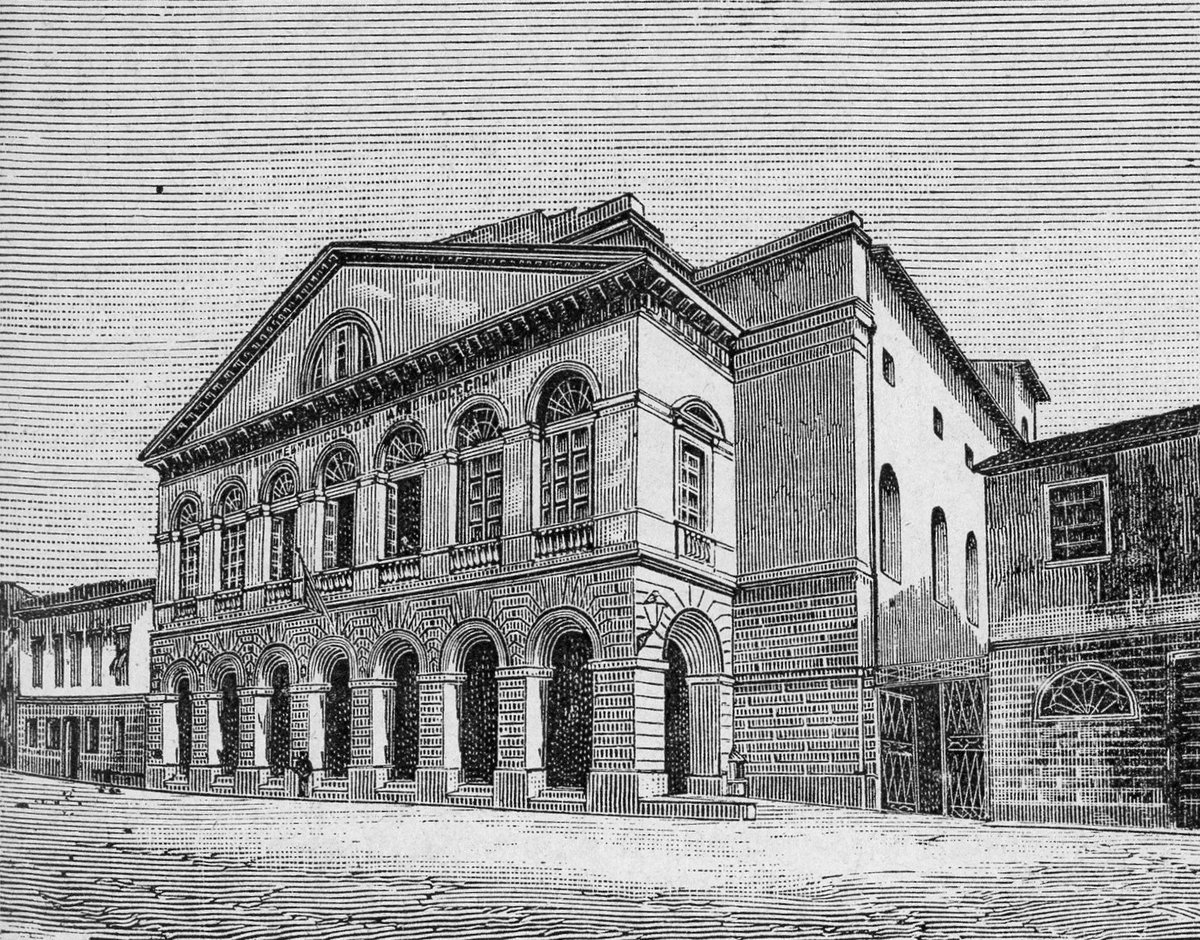
- Teatro Goldoni: 19th-century theater with opera, ballet, and drama (iliveitaly.it)
Religious & Multicultural Sites
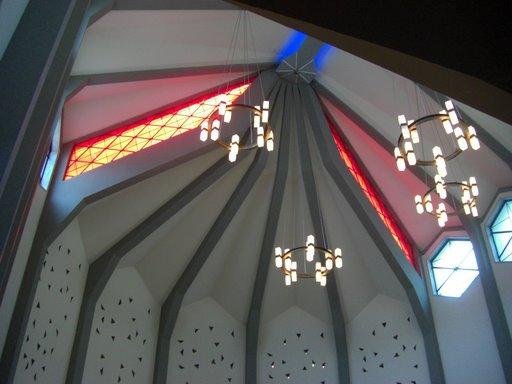
- Synagogue of Livorno: Modernist building representing the city’s longstanding Jewish community (bbc.com)
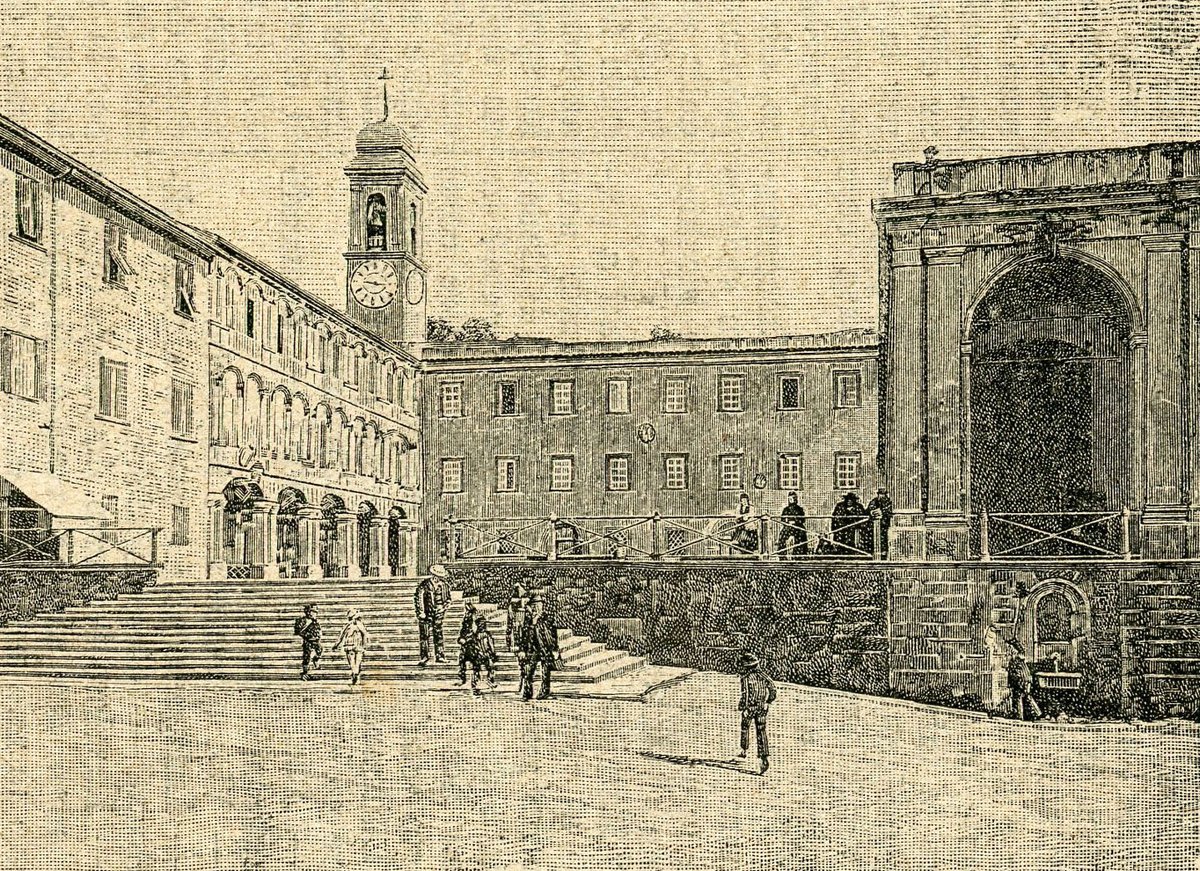
- Santuario di Montenero: Baroque sanctuary with panoramic terraces; accessible by funicular (thecrazytourist.com)
Markets & Culinary Experiences
- Mercato Centrale: Over 200 stalls selling fresh seafood, produce, and local specialties like cacciucco (bbc.com)
- Seaside Dining: Enjoy cacciucco, baccalà alla livornese, and street food near the harbor
Outdoor Activities & Coastal Attractions
- Beaches & Resorts: Bagni Pancaldi and Bagni Lido are historic bathing areas, while Scogli Piatti and Cala del Leone offer scenic swimming (iliveitaly.it)
- Boat Tours & Ferries: Canal tours, day trips to islands like Elba, and ferries to Corsica and Sardinia (thecrazytourist.com)
- Promenades & Parks: Villa Fabbricotti park and the Lungomare seafront promenade (hikersbay.com)
Unique Local Experiences
- Street Art & Satire: Murals and the satirical magazine Il Vernacoliere reflect Livorno’s irreverent spirit (bbc.com)
- Festivals: Effetto Venezia (July–August) and Cacciucco Pride celebrate Livorno’s culture and cuisine (iliveitaly.it)
Day Trips & Excursions
- Bolgheri & Etruscan Coast: Medieval villages, wineries, and archaeological sites (iliveitaly.it)
- Pisa: Quick train ride to the Leaning Tower and Piazza dei Miracoli (princess.com)
Safety and Security
Livorno is generally safe, with low violent crime. Exercise standard precautions against pickpocketing, especially in crowded areas and on public transport (Chester Travels). After dark, stay in well-lit areas, particularly in the port and Venezia Nuova.
Best Times to Visit
The best periods are late spring (May–June) and early autumn (September–October), with mild temperatures and fewer crowds. July and August are peak tourist months with higher prices (Visit Beautiful Italy).
Accommodation Tips
Choose seafront hotels for views, or city center B&Bs for proximity to attractions. Book early for summer and festival dates; city tax applies at most accommodations.
Dining & Local Cuisine
Seafood is a highlight—try cacciucco, baccalà alla livornese, and cecina (chickpea flatbread). Vegetarian options are growing but seafood dominates menus (The Tourist Checklist).
Money & Practicalities
- Currency: Euro (€); cards widely accepted, but cash is preferred in markets.
- Language: Italian is spoken, but English is common in tourist areas.
- Wi-Fi: Available in many public spaces; SIM cards easy to obtain.
Accessibility
Modern venues and transport are accessible, but some historic areas present challenges. Contact venues ahead to confirm facilities.
Beach & Waterfront Tips
Public and private beaches line the coast. Bagni Pancaldi offers classic amenities for a fee; public beaches fill up early in peak season (The Tourist Checklist).
Cultural Etiquette
Dress modestly in churches. Livornese people are direct and humorous—greet with “buongiorno” and embrace the relaxed pace.
Health & COVID-19 Measures
Follow current Italian regulations regarding masks and distancing. Pharmacies are plentiful, and emergency services can be reached at 112 (Chester Travels).
Frequently Asked Questions (FAQ)
Q: What are the visiting hours for main attractions?
A: Fortezza Vecchia: 10:00 AM–6:00 PM (Tue–Sun); Aquarium: 9:30 AM–7:00 PM daily; Terrazza Mascagni: always open.
Q: Where can I buy tickets?
A: Online or at venue entrances. Advance booking is advised for popular sites.
Q: Is Livorno accessible for disabled visitors?
A: Many modern sites are accessible; some historic areas may be challenging.
Q: Are guided tours available?
A: Yes; walking, cycling, and boat tours are widely offered.
Q: When is the best time to visit?
A: May–June and September–October for pleasant weather and fewer crowds.
Essential Contacts
- Emergency: 112
- Tourist Information: Piazza del Municipio and the port
- Main Hospital: Ospedale di Livorno, Viale Alfieri 36
Listen to the full story in the app
The whole ,
told well.
Audio guides for 1,100+ cities across 96 countries. History, stories, and local insight — offline ready.
Verified, and shown.
Researched and written by the Audiala editorial team from historical records, architectural archives, and local expertise.
Last reviewed
Researched from Wikidata, Wikipedia & official sources · fact-checked · How we make our guides →