Ancient and Medieval Origins
La Spezia’s history stretches back to the Bronze and Iron Ages, with archaeological evidence revealing early settlements that made use of the region’s natural harbor (Customs Support). During the Roman era, the bay was used for maritime activities, although it had yet to emerge as a major port. The area’s importance grew in the Byzantine period and later as a vital stronghold against pirate and Norman incursions.
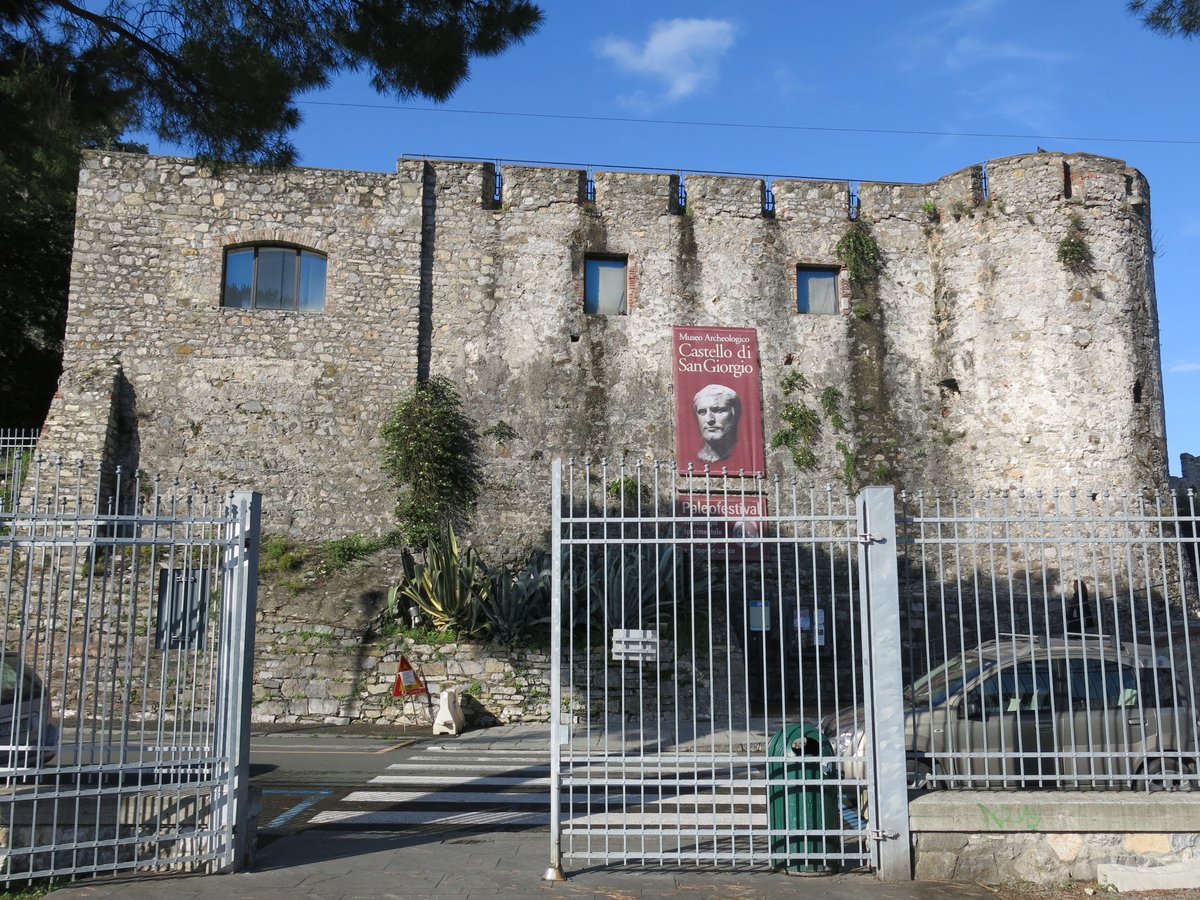
By the 13th century, La Spezia was a significant Ligurian trade hub. The construction and fortification of Castello di San Giorgio during this era were pivotal in defending the city and controlling commerce.
Genoese Rule and Early Modern Expansion
Under the Republic of Genoa, La Spezia flourished as a Mediterranean trading center, despite facing adversities such as sieges and epidemics. The late 18th century saw the port’s transformation under French control, with Napoleon designating it as a military harbor in 1808, marking the beginning of its dual commercial and military roles.
19th & 20th Century Developments
After Italian unification in 1861, La Spezia became a key naval arsenal. The harbor was expanded, and the city’s urban footprint grew in tandem with its economic importance (Customs Support). The port played crucial roles in both World Wars, serving as a military base and later undergoing significant modernization to support commercial and tourism functions.
Contemporary Significance
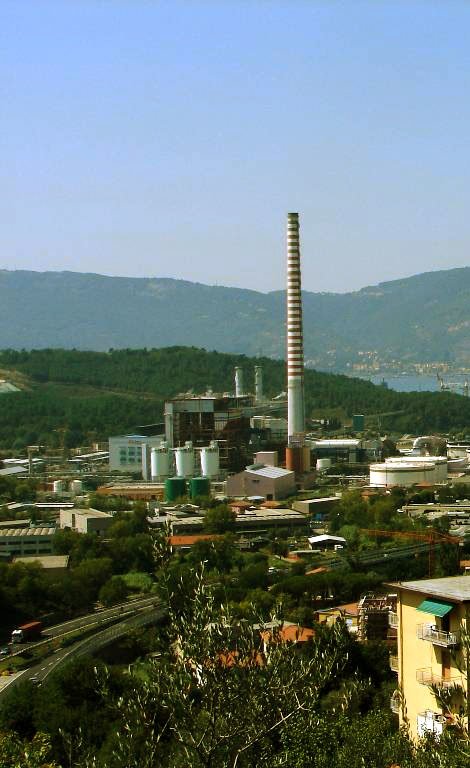
Today, the Port of La Spezia is a vast, modern complex with multipurpose terminals and robust infrastructure (Wikipedia). It handles millions of tonnes of cargo annually and is a major gateway for cruise passengers embarking on explorations of northern Italy and beyond. Its efficient road and rail links make it a critical node between Italy and central Europe (Customs Support).
Port Facilities and Transportation
Cruise Terminals and Passenger Services
The main cruise terminal, located at Molo Garibaldi, is equipped with modern amenities including check-in counters, waiting lounges, restrooms, and information desks (laspeziaguide.com). Security and customs facilities ensure smooth embarkation and disembarkation. In 2023, the port welcomed over 750,000 cruise passengers (laspeziaguide.com).
Access Methods: Air, Train, Car, Ferry
- By Air The nearest airports are Pisa International (85 km) and Genoa Cristoforo Colombo (110 km), each about 1–1.5 hours away by train or car (nomads-travel-guide.com).
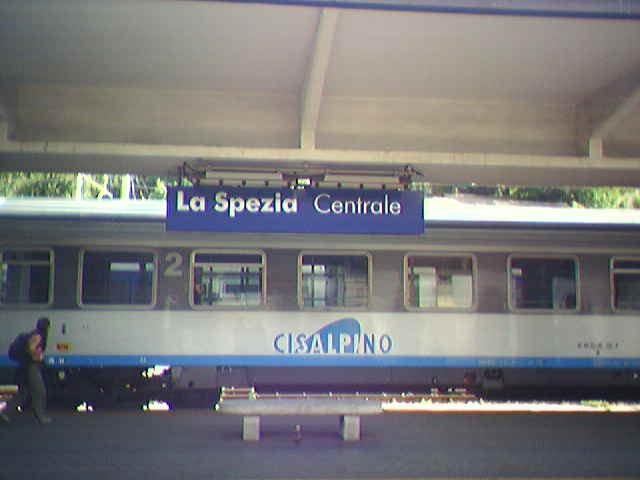
- By Train La Spezia Centrale is a major rail hub, with frequent connections to Florence, Pisa, Genoa, and the Cinque Terre. Free shuttle buses run from the port to the train station (cruisingkids.co.uk).
- By Car Easily accessible via A15 and A12 motorways; parking reservations are recommended during cruise season.
- By Ferry Regional ferries connect La Spezia to Cinque Terre, Porto Venere, Lerici, and other coastal towns (cruisingkids.co.uk).
Local Mobility and Accessibility
The port and main attractions are accessible by public transport, taxi, and on foot. Shuttle buses transport cruise passengers from ships to the port exit, and small tourist trains and taxis are available for short trips or tours (cruisingkids.co.uk). Facilities for travelers with reduced mobility are available at terminals and most major sites.
Visiting the Port of La Spezia
Visiting Hours and Ticket Information
- Castello di San Giorgio Open Tuesday–Sunday, 9:00 AM–7:00 PM (last entry 6:30 PM). Closed Mondays. Tickets: ~€5 adults, discounts for students and seniors (Castello San Giorgio Official Site).
- Museo Tecnico Navale Open Tuesday–Sunday, 9:00 AM–5:00 PM. Tickets: ~€6 adults (Museo Tecnico Navale Official Site).
- Museo del Sigillo Open Wednesday–Sunday, 10:00 AM–6:00 PM.
Cruise terminal opening hours are tied to ship schedules, generally from early morning to late evening. Check with your cruise line for exact times. Tickets for shuttles, ferries, and trains can be purchased at kiosks, ticket offices, or via mobile apps.
Guided Tours and Accessibility
Guided walking, boat, and heritage tours are widely available and can be arranged through official providers, at the port, or online (laspeziaguide.com). Most main attractions are accessible, though some historic sites have limited access due to architectural constraints.
Top Historical Sites and Cultural Highlights
Castello di San Giorgio
A 13th-century fortress offering sweeping views of the city and harbor, housing an archaeological museum with artifacts from the Bronze and Iron Ages (Castello San Giorgio Official Site).
Museo Tecnico Navale
Showcasing La Spezia’s naval heritage, with collections of naval artifacts, ship models, and interactive exhibits (Museo Tecnico Navale Official Site).
Museo del Sigillo
A unique museum devoted to the art and history of seal-making.
Centro Storico and Landmarks
Wander the historic center’s narrow streets, pastel buildings, and bustling squares. Notable landmarks include Piazza Giuseppe Verdi, the Monument of Giuseppe Garibaldi, Cathedral of Christ the King, and Porta Paita.
Day Trips and Nearby Attractions
Cinque Terre National Park
A UNESCO World Heritage Site, easily accessible by train or ferry, renowned for its five colorful villages, hiking trails, and dramatic views (DIY Cruise Ports).
Porto Venere
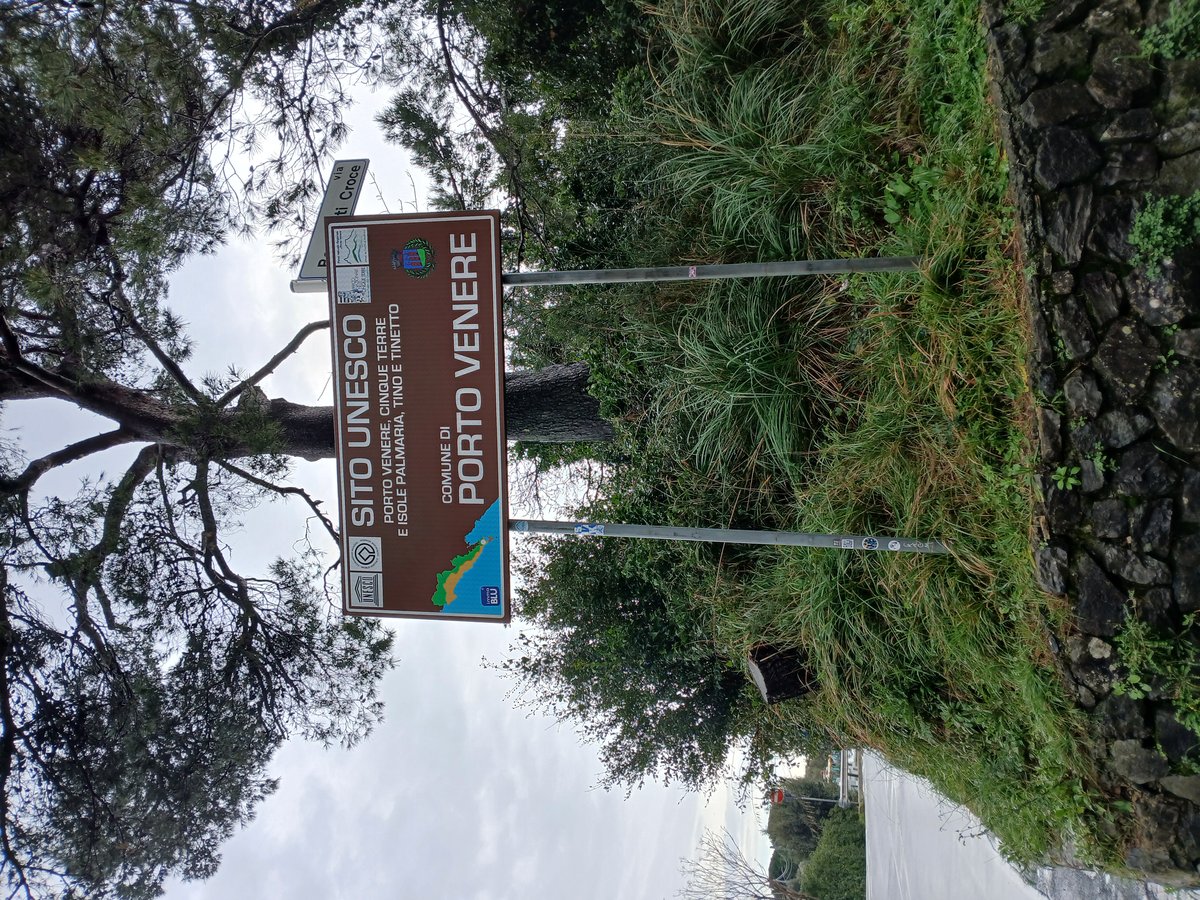
A scenic seaside town with medieval architecture, the Church of San Pietro, and the Byron Grotto, reachable by ferry or bus (Audiala).
Pisa, Florence, Lucca
Direct train connections make day trips to these Tuscan gems straightforward, with travel times ranging from 1–2 hours (La Spezia Guide).
Lerici, Tellaro, Forte dei Marmi
Beach towns and resort destinations accessible by ferry, bus, or car, each offering unique local charm (Savoring Italy).
Unique Experiences
- Vespa Tours Explore the Ligurian coast by Vespa (La Spezia Guide).
- Truffle Hunting in Lunigiana Participate in a guided truffle hunt (Emilia Delizia).
Practical Tips for Visitors
Best Times to Visit
Spring (April–June) and autumn (September–October) provide pleasant weather and manageable crowds (Audiala).
Local Customs, Currency, and Etiquette
- Language Italian is primary; English widely spoken in tourist zones.
- Currency Euro (€); carry some cash for small purchases.
- Tipping Appreciated but not obligatory (round up or leave small change).
- Dress Code Cover shoulders and knees in churches.
- Politeness Greet locals with “Buongiorno” or “Buonasera.”
Accessibility and Special Needs
The cruise terminal and most key sites are accessible; elevators are available at major attractions like Castello di San Giorgio. Some historic areas and hiking trails may be challenging for those with limited mobility.
Transportation Tips
- Arrive early during peak season for trains and ferries.
- Validate train and bus tickets before boarding.
- Pre-book parking and tickets where possible.
- Free shuttle buses transport cruise passengers from ship to port exit.
- Local taxis and tourist train carts are available at the port exit (cruisingkids.co.uk).
Visuals, Interactive Media, and Apps
- Explore virtual tours and interactive maps of Castello di San Giorgio and the port on official tourism websites.
- Download the Audiala app for real-time updates, guided audio tours, and interactive city maps.
Frequently Asked Questions (FAQ)
Q: What are the visiting hours for Castello di San Giorgio?
A: Tuesday–Sunday, 9:00 AM–7:00 PM (last entry 6:30 PM). Closed Mondays.
Q: Where can I buy tickets for museums and port transport?
A: At the sites, ticket kiosks, train stations, or official websites.
Q: Is the port accessible for disabled visitors?
A: Yes, the cruise terminal and most main attractions have accessibility features, though some historic sites may have limitations.
Q: What are the best months to visit La Spezia?
A: April–June and September–October.
Q: Are guided tours available?
A: Yes, various walking, boat, and heritage tours are available.
Q: How do I get to Cinque Terre from La Spezia?
A: By frequent regional trains or ferries from the port.