
Historical Background and Significance
Early History
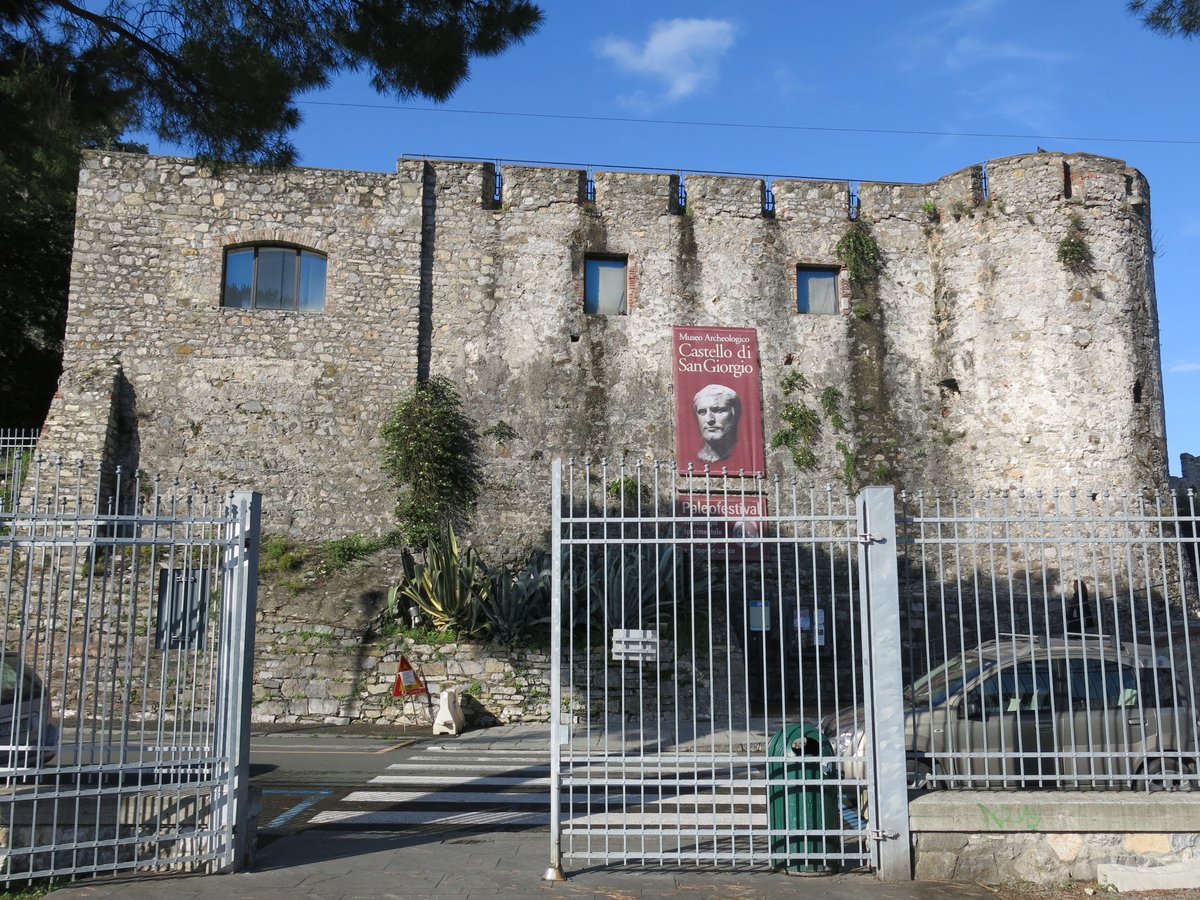
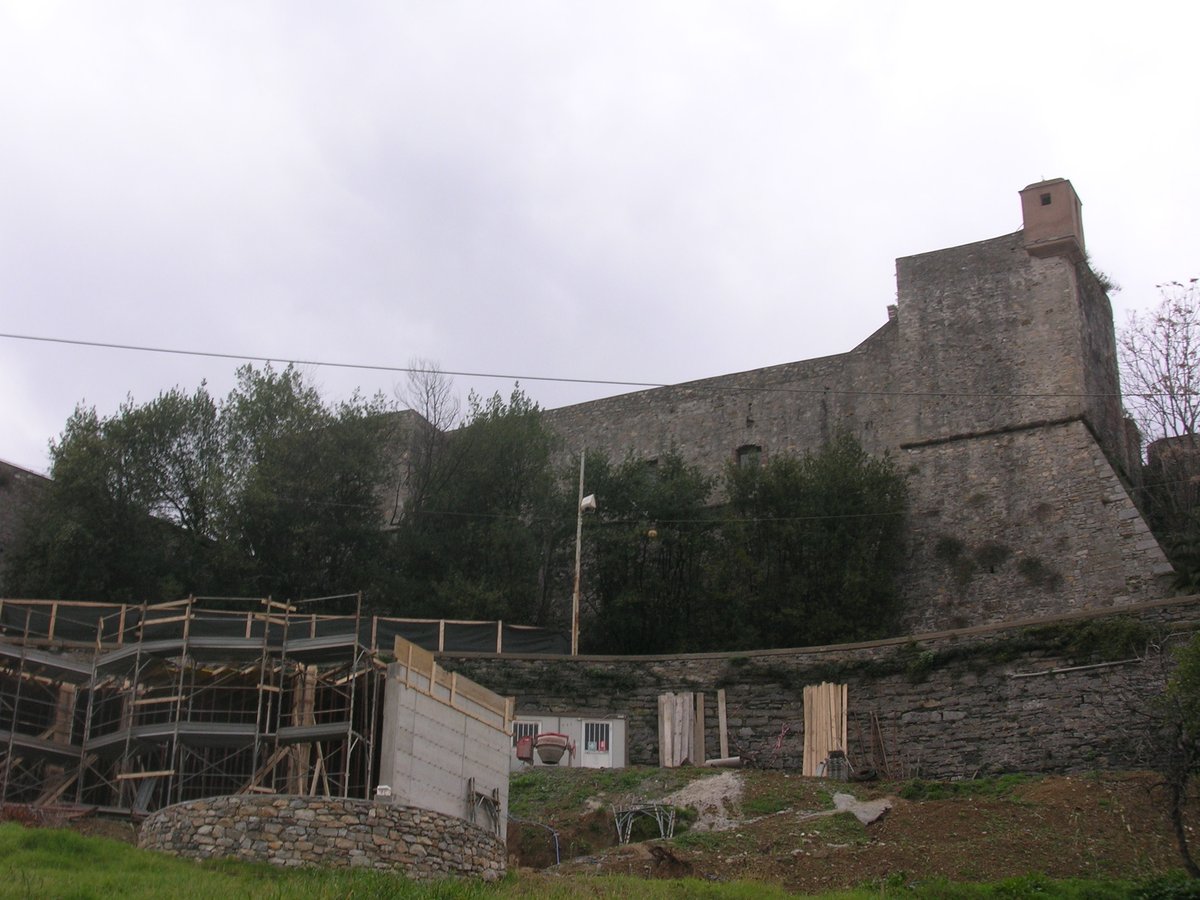
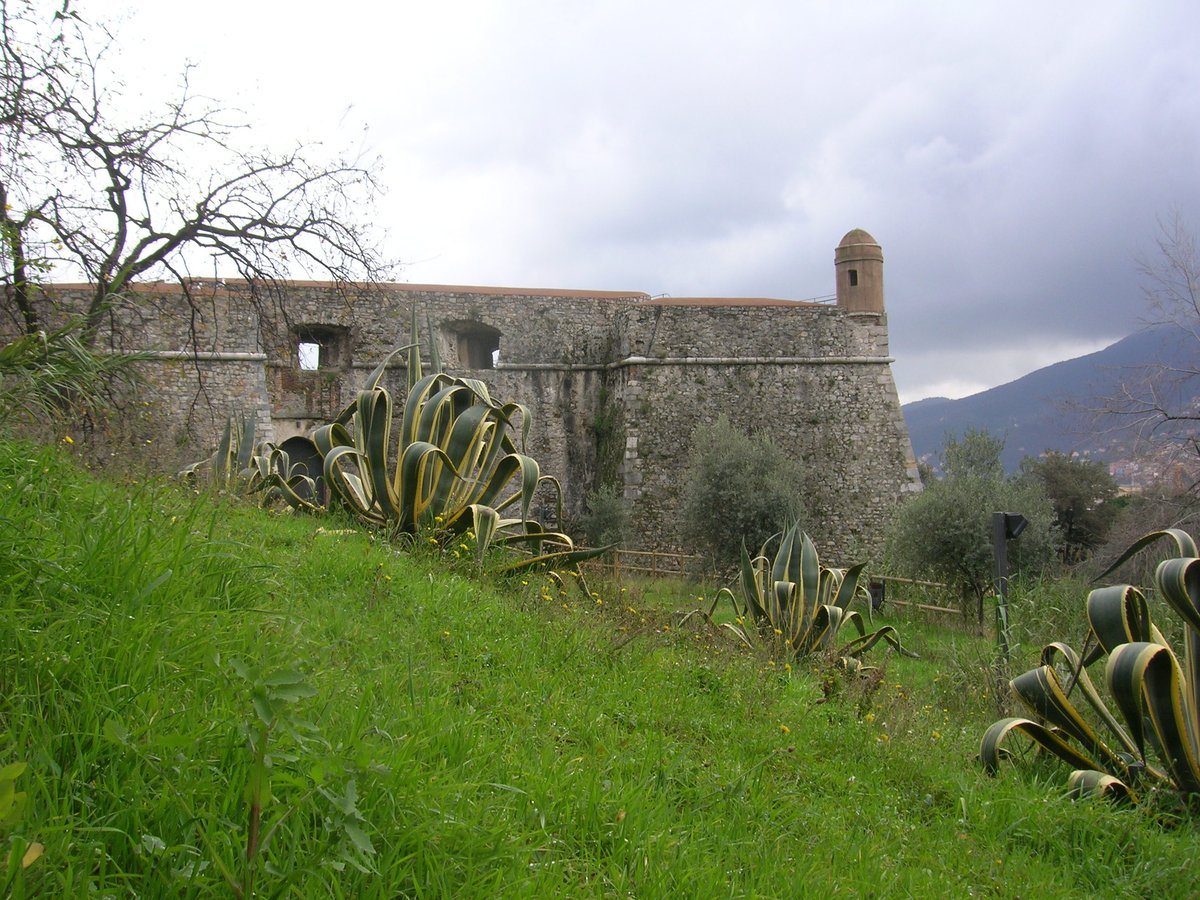
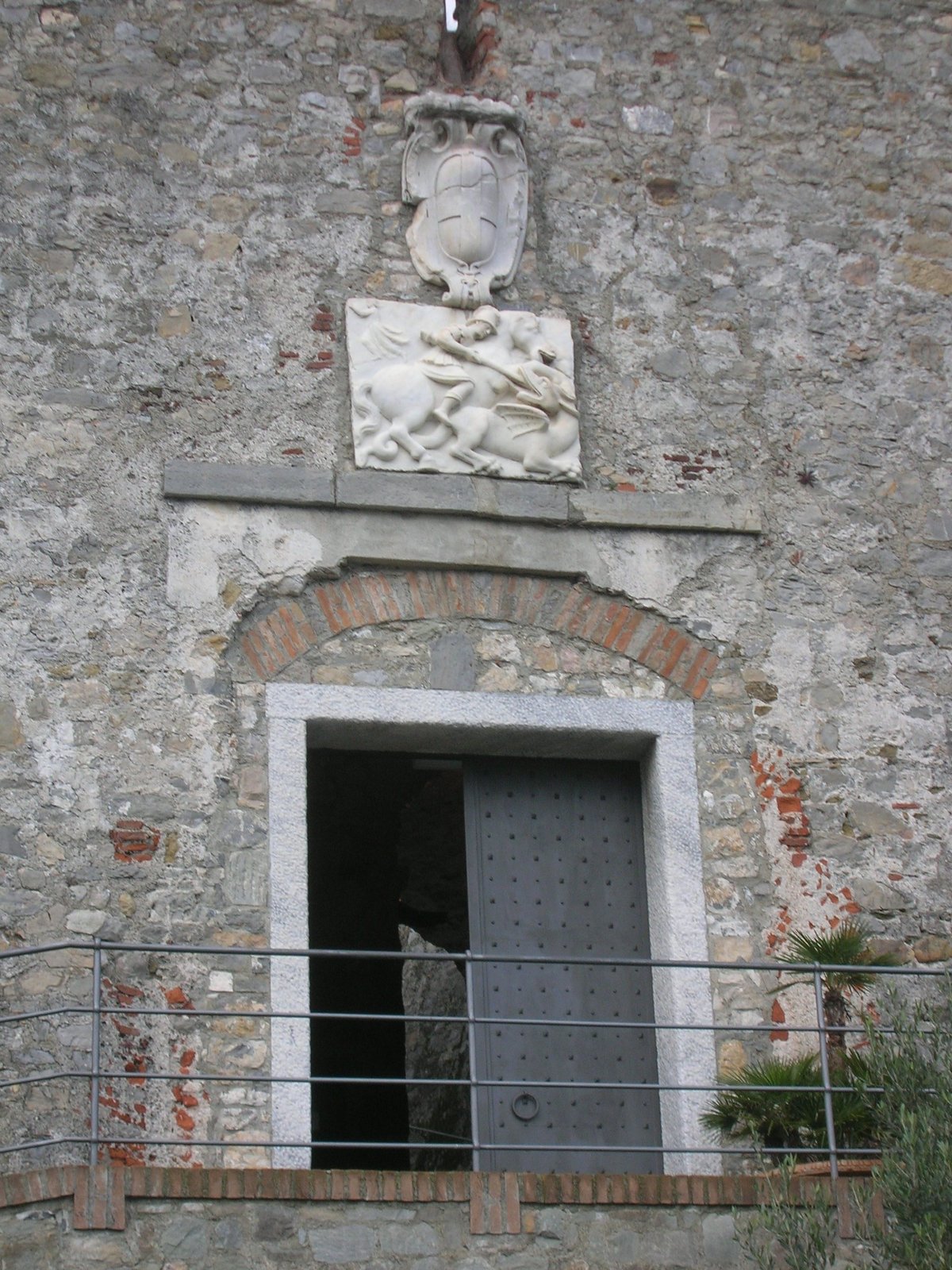
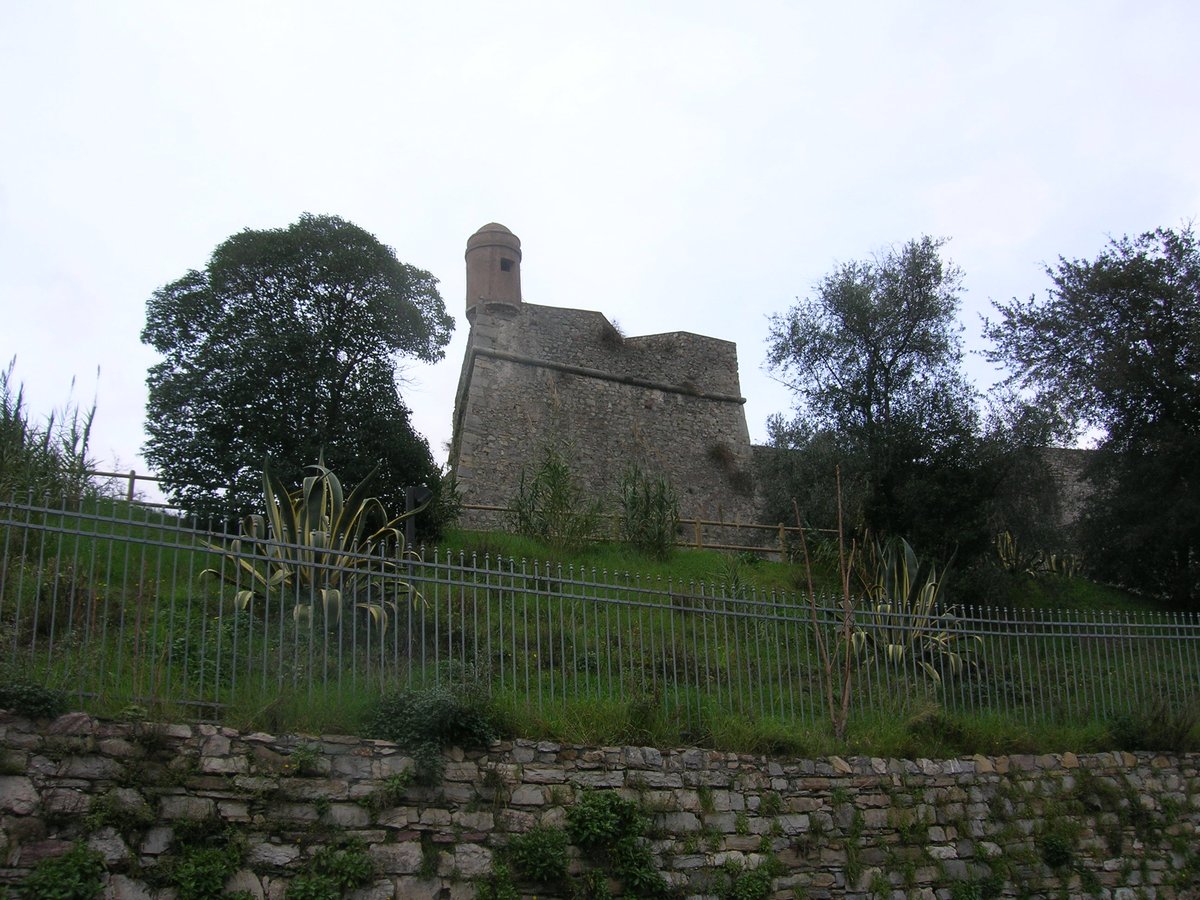
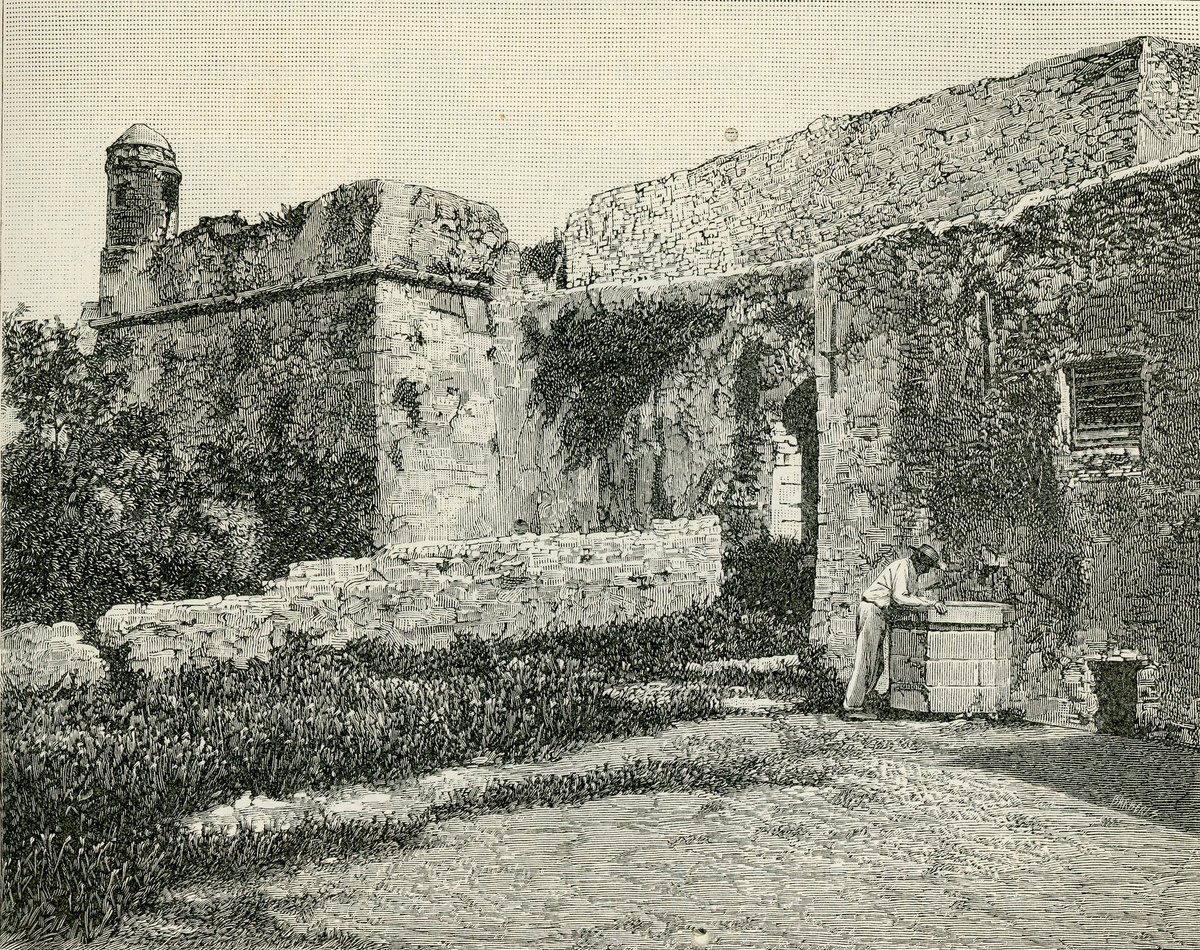
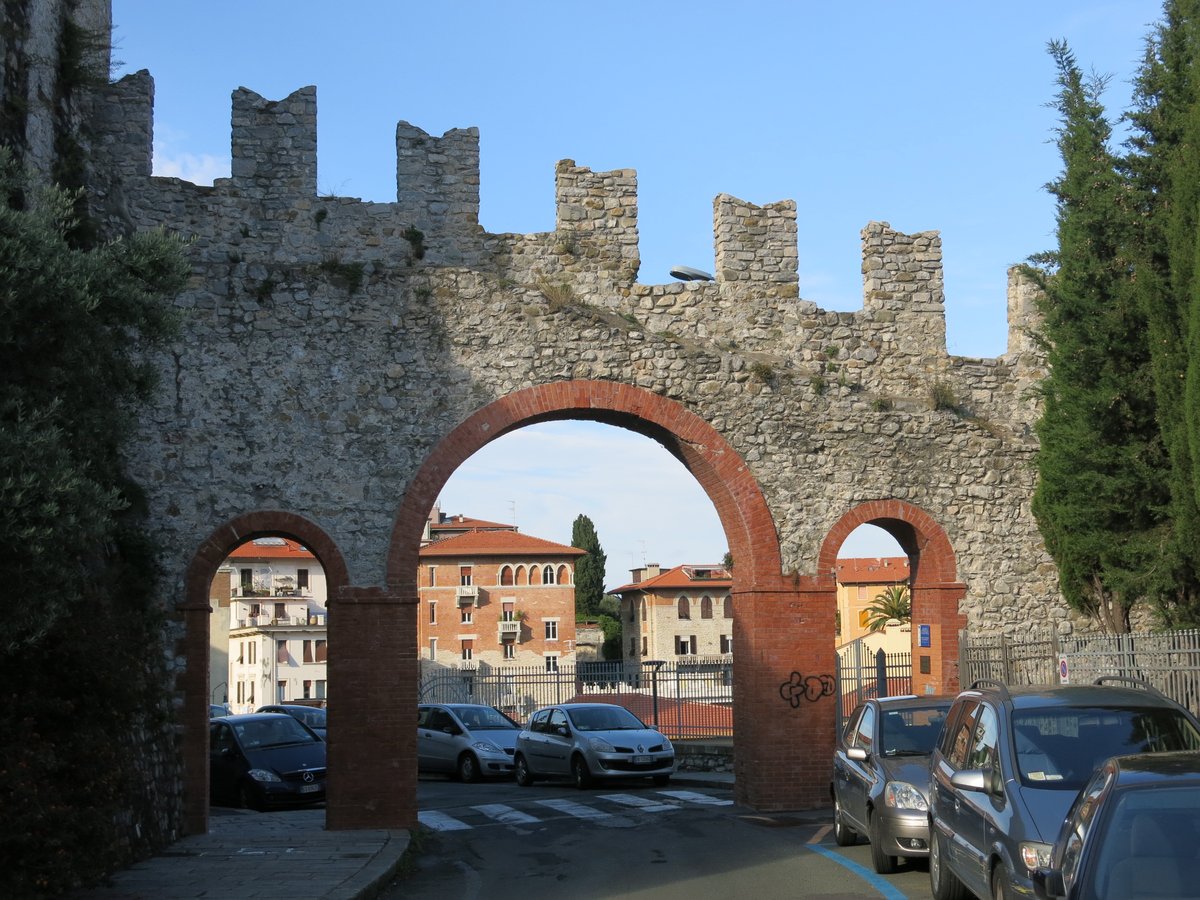
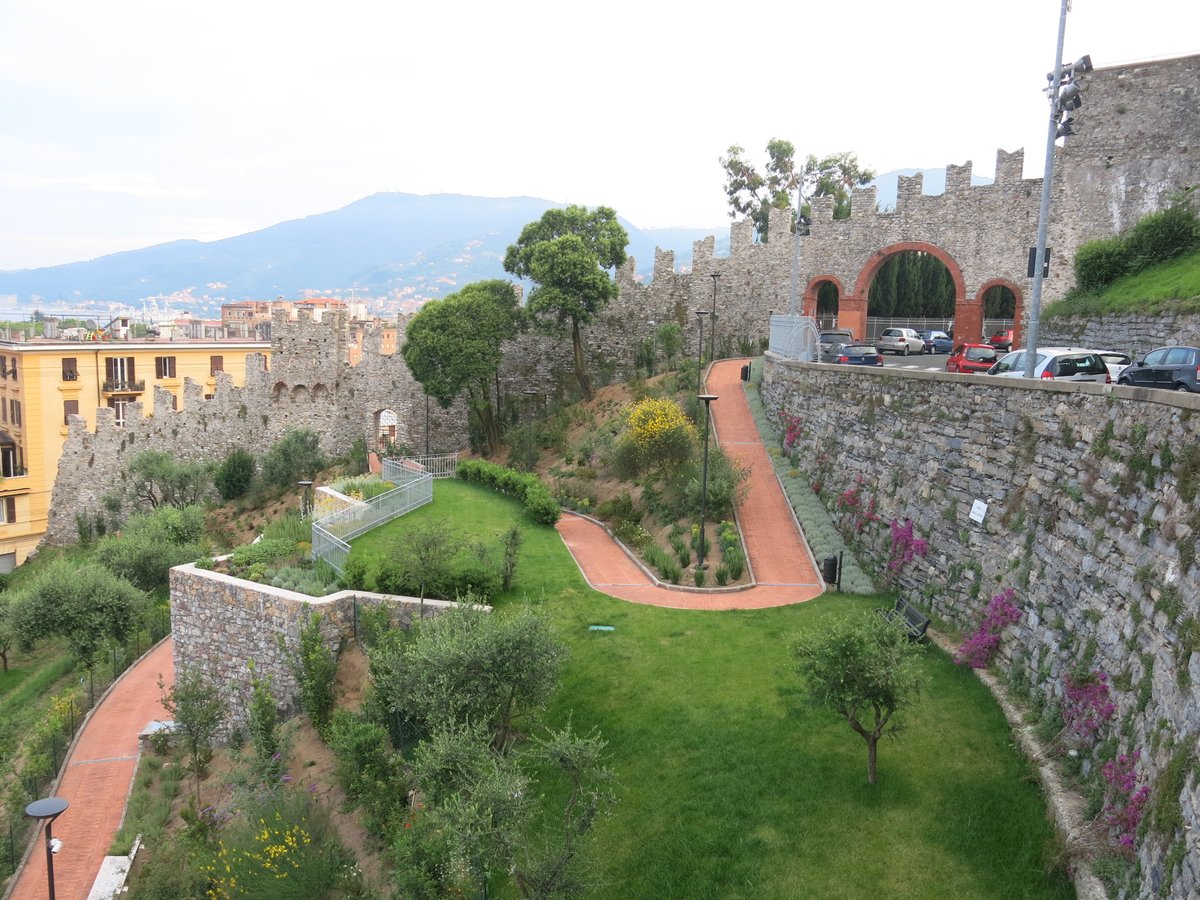
Castello San Giorgio, perched atop a rocky promontory overlooking the picturesque village of Porto Venere in Liguria, Italy, boasts a rich history interwoven with strategic importance and architectural grandeur. Its origins can be traced back to the Genoese Republic, a powerful maritime republic that dominated the Mediterranean Sea for centuries.
Genoese Dominance and Fortification
In the 12th century, the Genoese recognized the strategic value of Porto Venere and its natural harbor. To protect their interests and secure their maritime trade routes, they embarked on a series of fortifications. The earliest mention of a defensive structure on the site dates back to 1143, indicating the initial stages of what would become Castello San Giorgio.
The castle underwent significant expansion and reinforcement in the following centuries. In 1161, a powerful square tower, known as the "Doria Tower," was erected, forming the core of the fortress. This tower, with its imposing height and robust construction, served as a formidable deterrent against potential invaders.
Expansion and Military Significance
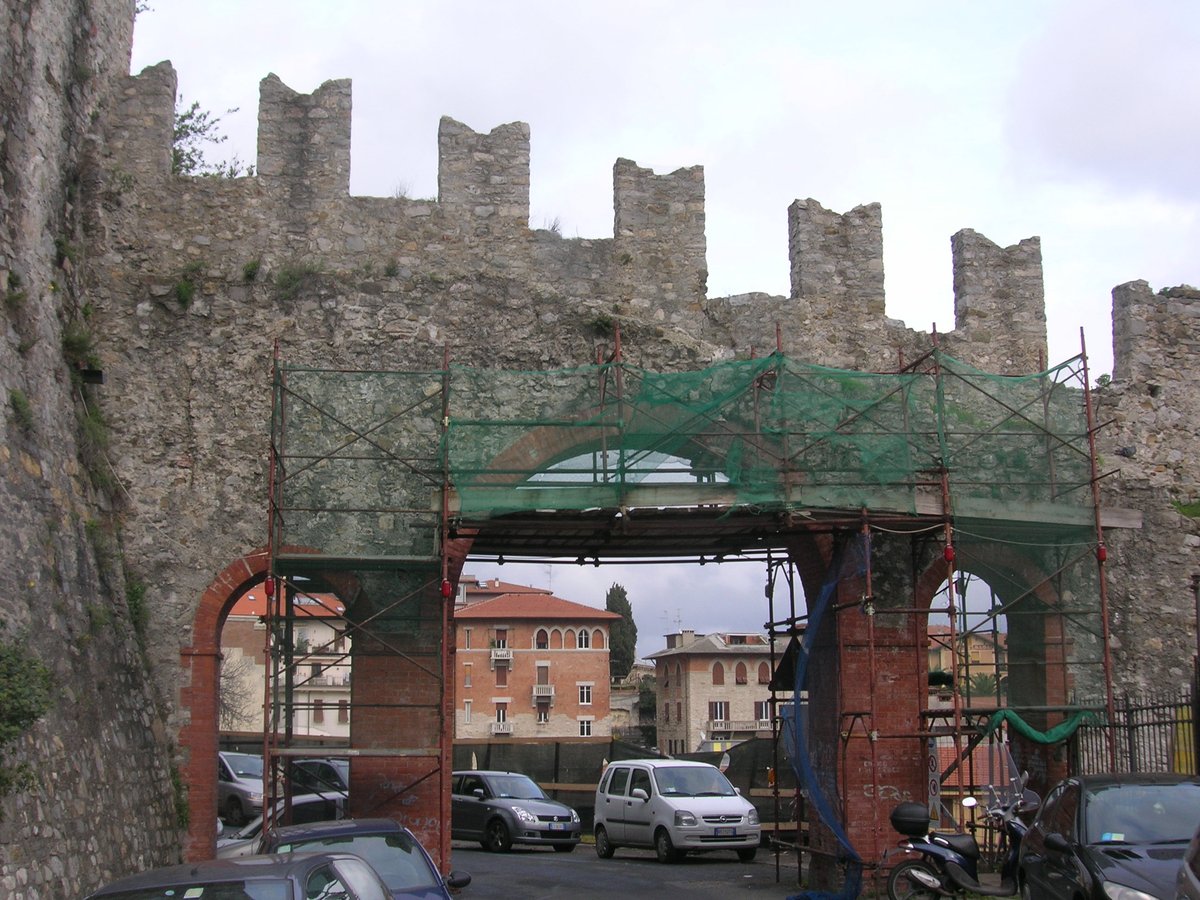
The 14th century witnessed further expansion of Castello San Giorgio as the Genoese Republic faced increasing threats from rival maritime powers. The castle's walls were extended, and additional towers were constructed, creating a more formidable defensive perimeter. The fortifications proved their worth during the numerous conflicts that engulfed the region, successfully repelling attacks from enemies such as the Pisans and the Aragonese.
Architectural Evolution
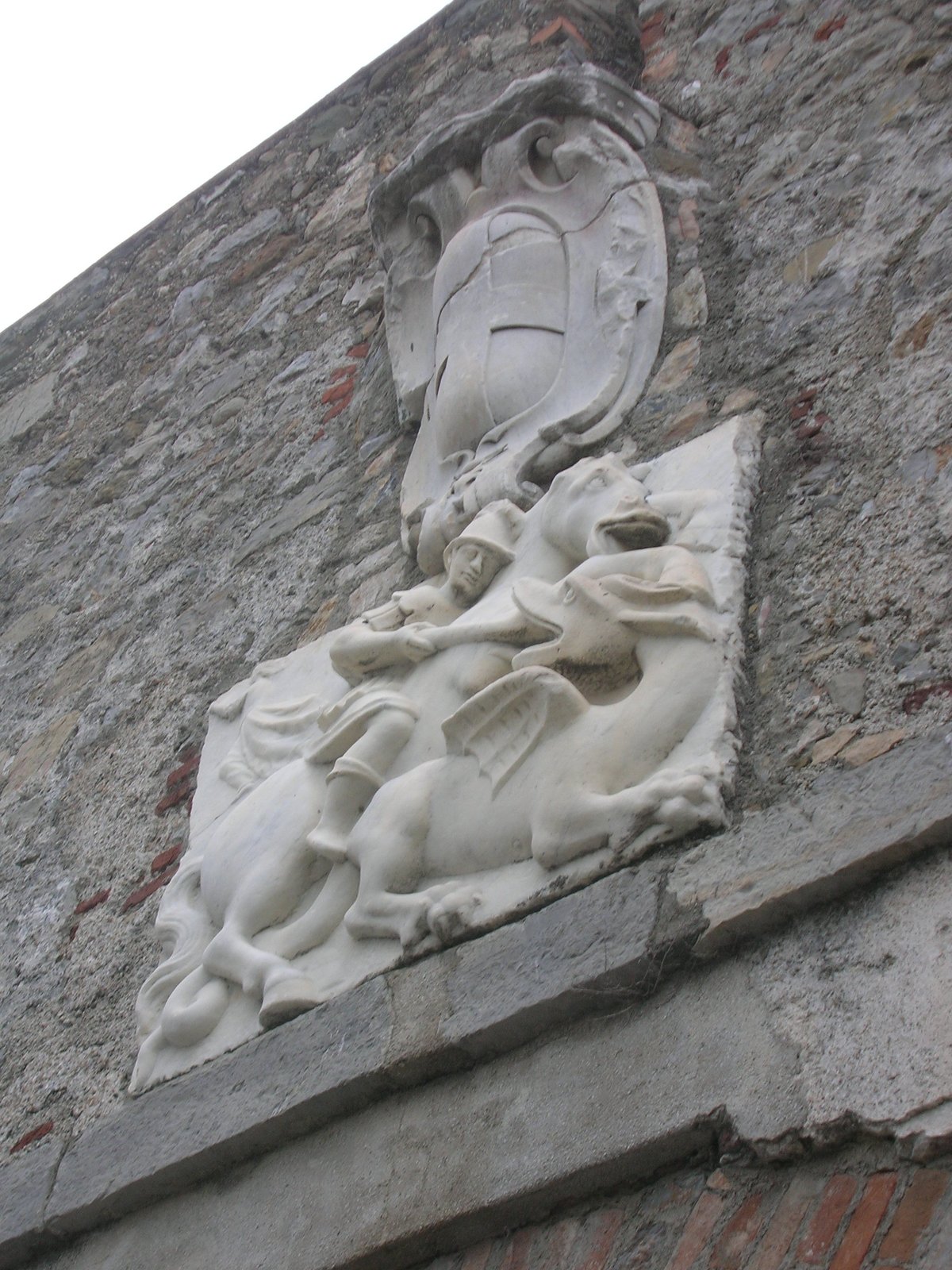
Over the centuries, Castello San Giorgio underwent several architectural modifications and additions, reflecting evolving military strategies and architectural styles. The original Romanesque features gradually gave way to Gothic and Renaissance influences, resulting in a fascinating blend of architectural elements.
The castle's strategic location and robust defenses made it an integral part of the Genoese defense network along the Ligurian coast. It served as a military stronghold, a watchtower against pirates and enemy fleets, and a symbol of Genoese power and dominance in the region.
Post-Genoese Era
Following the decline of the Genoese Republic in the 18th century, Castello San Giorgio lost its military significance. It was briefly occupied by French forces during the Napoleonic Wars but was eventually returned to the Kingdom of Sardinia in 1815.
Preservation and Recognition
In the 19th and 20th centuries, Castello San Giorgio underwent restoration efforts to preserve its historical and architectural heritage. Today, it stands as a testament to the Genoese Republic's maritime prowess and architectural ingenuity.
UNESCO World Heritage Site
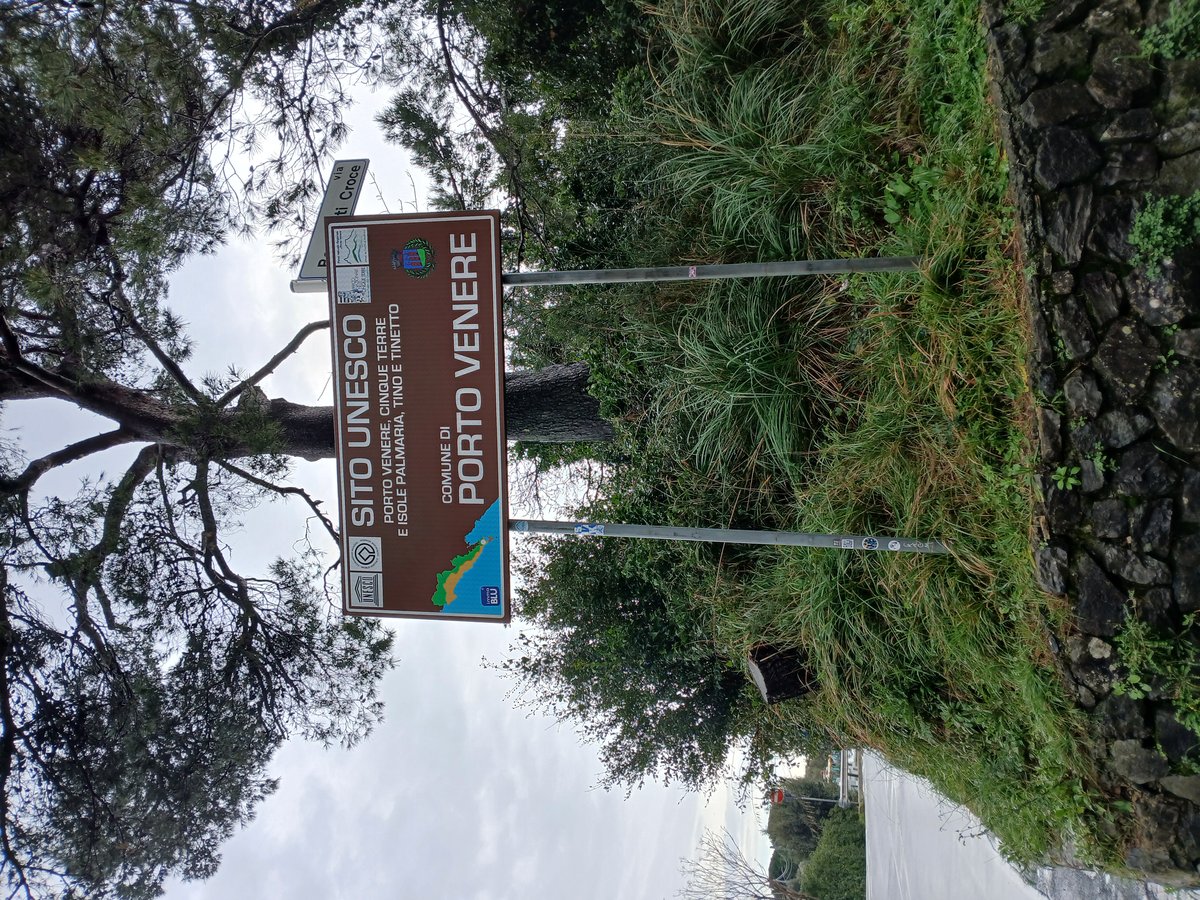
In 1997, Castello San Giorgio, along with the village of Porto Venere and the nearby islands of Palmaria, Tino, and Tinetto, was designated a UNESCO World Heritage Site. This prestigious recognition acknowledges the site's outstanding universal value as a cultural landscape that harmoniously blends human history with natural beauty.
Visitor Information
Ticket Prices and Visiting Hours
Castello San Giorgio is open to visitors throughout the year. The visiting hours vary depending on the season:
- April to October 10:00 AM - 6:00 PM
- November to March 10:00 AM - 4:00 PM
Ticket prices are as follows:
- Adults €5
- Children (6-14 years) €3
- Children under 6 Free
Guided tours are available for an additional fee and can be booked in advance through the official website.
Travel Tips
- Best Time to Visit The best time to visit Castello San Giorgio is during the spring and autumn months when the weather is mild, and the crowds are fewer.
- Getting There Porto Venere can be reached by car, train, or boat. The nearest train station is in La Spezia, from where you can take a bus or ferry to Porto Venere.
- What to Bring Comfortable walking shoes, a camera for capturing the stunning views, and a water bottle are recommended.
Nearby Attractions
While in Porto Venere, consider visiting the following nearby attractions:
- Church of St. Peter A beautiful Romanesque church located on a rocky outcrop, offering stunning sea views.
- Byron's Grotto A picturesque sea cave named after the poet Lord Byron, who was inspired by the area's natural beauty.
- Palmaria Island A short boat ride away, this island offers hiking trails, beaches, and panoramic views of the Ligurian coast.
Accessibility
Castello San Giorgio is partially accessible to visitors with mobility impairments. Some areas may have uneven terrain and stairs, so it is advisable to check the specific accessibility options before planning your visit.
FAQ
1. Are there any guided tours available at Castello San Giorgio?
Yes, guided tours are available for an additional fee and can be booked in advance through the official website.
2. Can I take photos inside Castello San Giorgio?
Yes, photography is allowed, and visitors are encouraged to capture the stunning architecture and views.
3. Is there parking available near Castello San Giorgio?
Yes, there are parking facilities available in Porto Venere, a short walk from the castle.