Introduction: Tomba Tomati and Genoa’s Monumental Heritage
Tomba Tomati, located within the renowned Monumental Cemetery of Staglieno in Genoa, Italy, stands as an emblem of 19th-century funerary art and the city’s rich cultural tapestry. The Staglieno Cemetery, inaugurated in 1851, is one of Europe’s largest and most significant open-air museums, housing an extraordinary collection of funerary monuments and sculptures. Its creation followed the 19th-century reforms inspired by Napoleon’s Edict of Saint-Cloud and King Carlo Alberto’s decree, which redefined burial practices and urban planning across Europe (visitgenoa.it, Wikipedia).
The Tomba Tomati captures the aspirations of Genoa’s thriving bourgeoisie during the city’s economic “Golden Age,” blending neoclassical architecture, realism, and symbolic artistry. Crafted from luminous Carrara marble, the tomb features life-sized figures and allegorical motifs that express themes of memory, mourning, hope, and resurrection (GenovaGuide, bimbeinviaggio.com). This monument reflects both the social status of its commissioners and the innovative sculptural techniques prevalent in late 19th- and early 20th-century Italy.
Visitors to Tomba Tomati can expect a serene, contemplative experience amidst winding avenues, cypress trees, and grand monuments. The cemetery is open daily with free admission, while guided tours—often featuring insights on Tomba Tomati and other notable works—may require advance booking (Lonely Planet, Staglieno Official Website). Accessibility is considered, with main avenues suitable for wheelchairs, though some terrain may be uneven.
This guide explores the historical context, artistic value, practical visiting tips, and nearby attractions, helping you make the most of your visit to Tomba Tomati and immerse yourself in Genoa’s monumental history (visitgenoa.it, Wandering Liguria).
Photo Gallery
Explore Tomba Tomati in Pictures
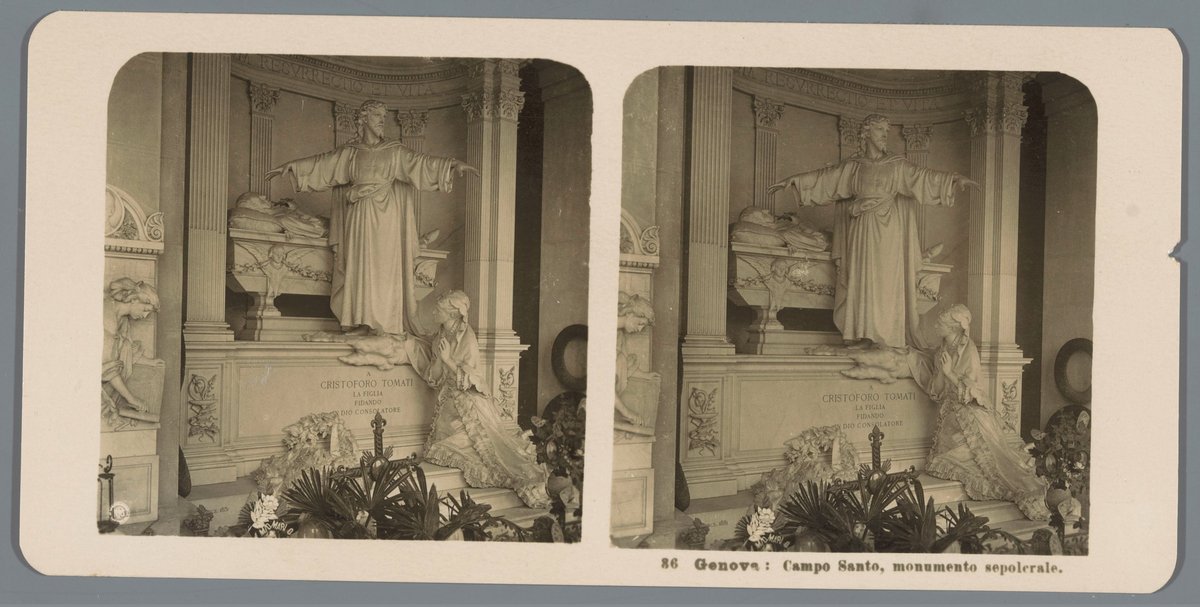
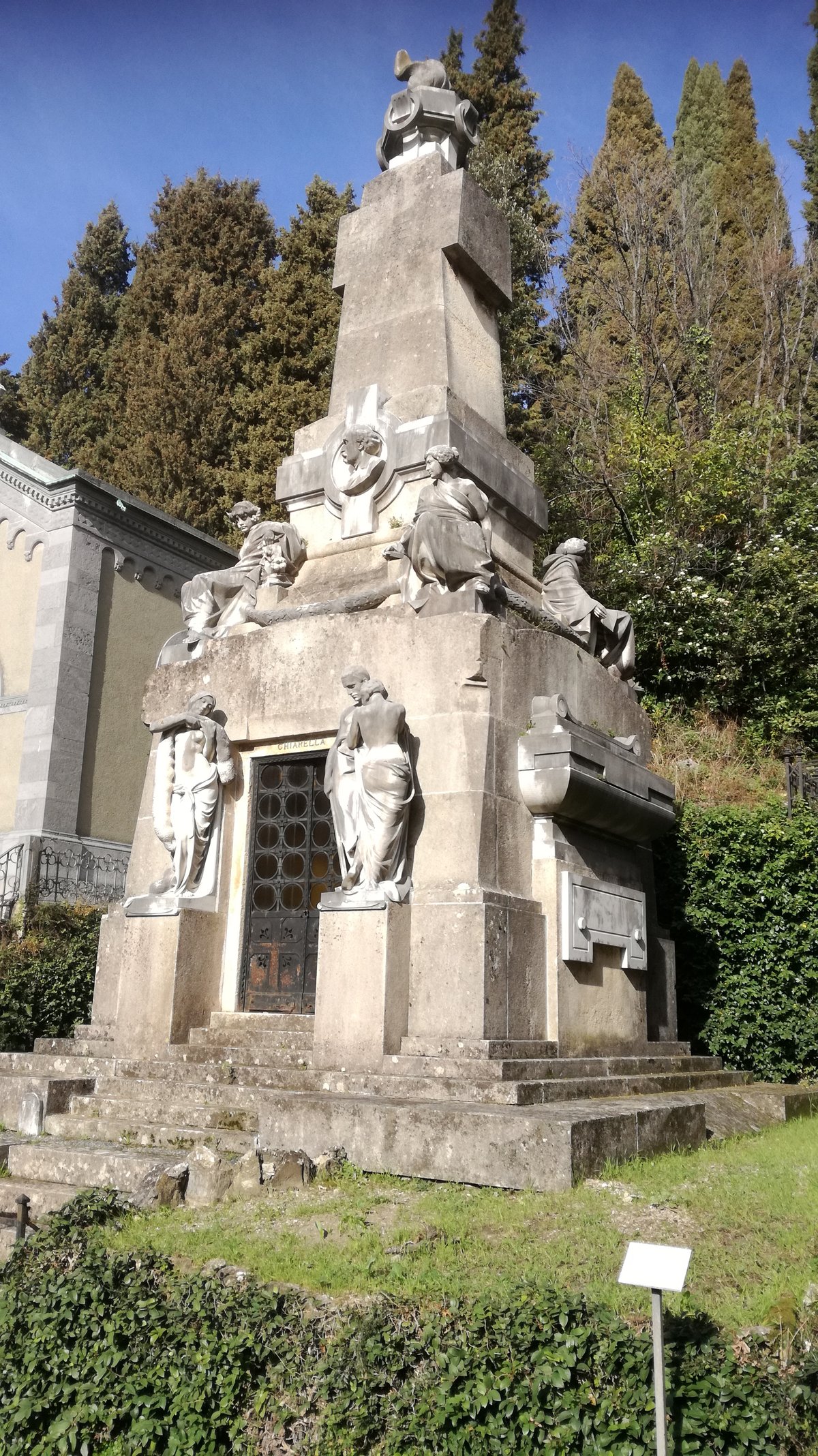
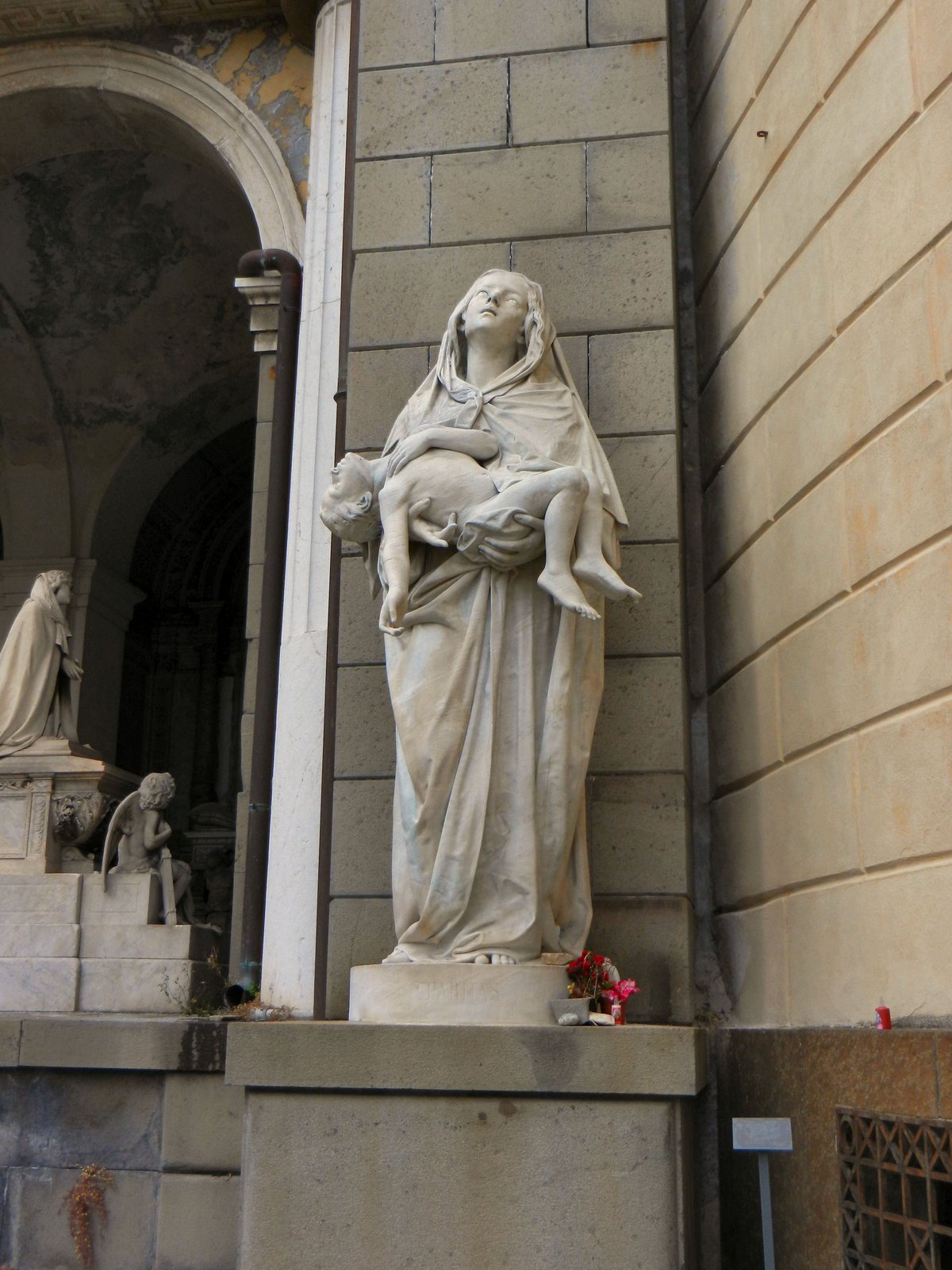
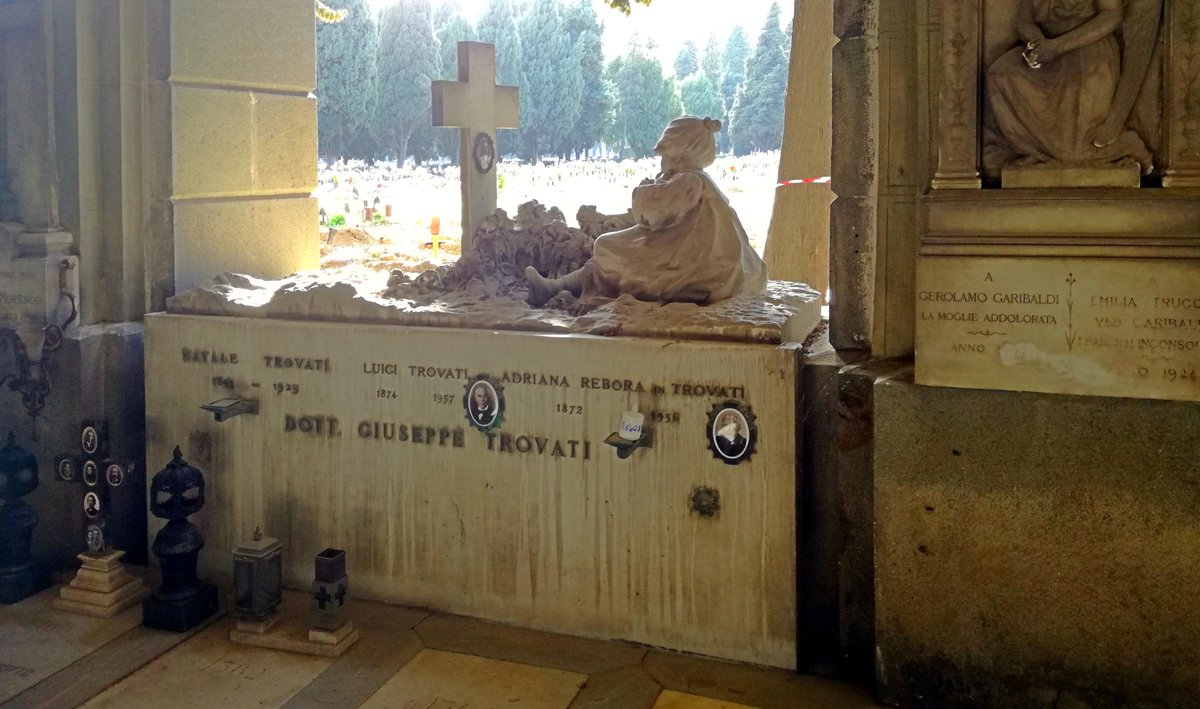
Detailed view of the grave monument of Christoforo Tomati located in the historic Staglieno Cemetery in Genoa, Italy, showcasing classical funerary sculpture and architecture.

The Mangini family tomb created by Santo Saccomanno located in the monumental Staglieno Cemetery (Cimitero Monumentale di Staglieno) in Genoa, Italy.

Historic monument for Cristoforo Tomati located at the Staglieno Cemetery (Campo Santo) in Genoa, Italy. Photograph taken by Alfredo Noack circa 1870-1890 using albumen print technique.
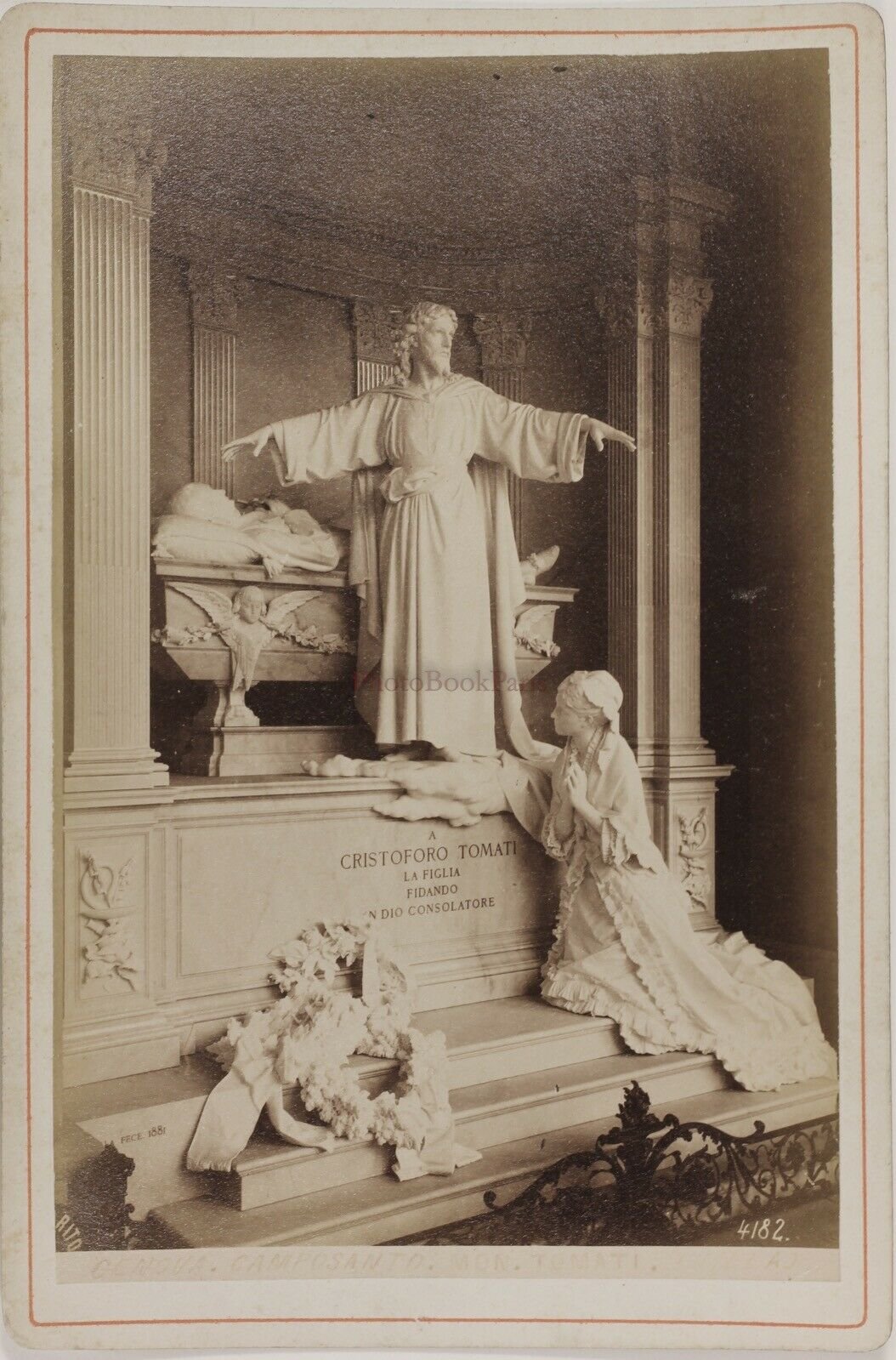
Portrait of Alfred Noack (1833-1895), titled Genoa: Camposanto. Mon. Tomati, catalogue number 4182.
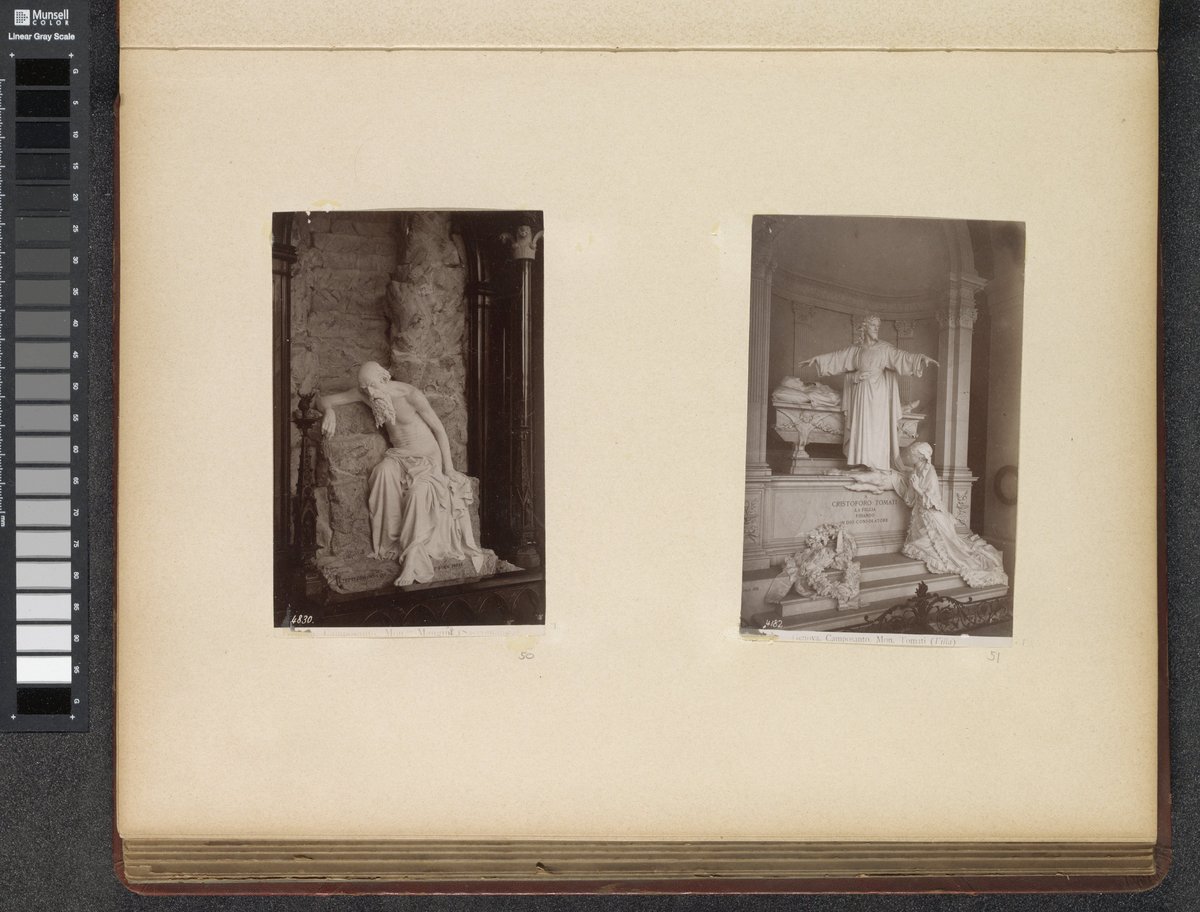
Monument Tomati Villa located at Staglieno Cemetery in Genoa, photographed by Alfred Noack (1833-1895). This historic monument is part of the Camposanto collection in Genova.
Historical Origins and Development of Staglieno Cemetery
The Monumental Cemetery of Staglieno arose from sweeping 19th-century reforms that modernized burial practices. The pivotal moment was Napoleon’s Edict of Saint-Cloud (1804), prohibiting burials within city walls for public health. Genoa responded in 1832, seeking a grand cemetery outside the urban core (visitgenoa.it; Wikipedia). Carlo Barabino, a leading neoclassical architect, envisioned the cemetery, but after his death in 1835, Giovanni Battista Resasco completed the plan. Officially opened in 1851, Staglieno expanded for decades, mirroring the city’s evolution.
As Genoa flourished, Staglieno became a showcase for funerary art, with affluent families commissioning expressive, realistic sculptures from Italy’s leading artists. The layout includes semicircular arcades, areas for non-Catholic burials, and notable sections such as the Galleria Montino and the First World War Memorial (bimbeinviaggio.com), covering over 330,000 square meters.
Artistic and Cultural Significance of Tomba Tomati
Sculptural Features and Techniques
Tomba Tomati exemplifies the artistic ambition of Genoa’s 19th-century elite. Crafted from Carrara marble, it features:
- Realistic Portraiture: Lifelike, anatomically precise figures that immortalize the deceased.
- Allegorical Motifs: Angels, mourning figures, laurel wreaths, and torches symbolize resurrection and eternal life.
- Architectural Integration: Classical columns and pediments harmonize with the broader cemetery landscape.
Symbolism and Influence
The tomb reflects Genoese values of memory, loss, hope, and civic pride. Its ornate design communicates family status and ties to the city. The artistic approach blends Neoclassicism, Realism, Symbolism, and Art Nouveau, mirroring contemporary trends (visitgenoa.it; Wikipedia).
Notable Artists and Workshops
While the specific sculptor for Tomba Tomati may require on-site research, Staglieno features works by Giulio Monteverde, Leonardo Bistolfi, and Augusto Rivalta, whose influence is evident throughout the cemetery (GenovaGuide).
Image: Tomba Cristoforo Tomati at Staglieno Cemetery (Alt text: "Tomba Cristoforo Tomati, Monumental Cemetery of Staglieno, Genoa")
Practical Visiting Information: Hours, Tickets, and Accessibility
Opening Hours and Admission
- Staglieno Cemetery Hours: Generally open daily from 8:00 AM to 5:00 PM, with seasonal variations.
- Admission: Entrance is free. Guided tours and special events may require tickets (Staglieno Official Website).
- Guided Tours: Book online or at the entrance; tours in multiple languages are available (GenovaGuide).
Accessibility
- Main Avenues: Wheelchair accessible.
- Terrain: Some areas feature cobblestones, steps, or slopes; plan accordingly.
- Facilities: Accessible restrooms near the entrance; assistance and mobility aids available upon request.
Transportation and Parking
- Public Transport: Multiple bus lines connect the city center to Staglieno (Gathering Dreams).
- Car: Parking near the entrance; check for ZTL (limited traffic zone) restrictions.
- Taxi/Rideshare: Accessible services can be booked in advance.
How to Reach Tomba Tomati
Tomba Tomati is within Staglieno Cemetery, approximately 3 km east of Genoa’s center. Arrive by bus (from Piazza De Ferrari or main transit hubs), taxi, or on foot for those wishing to explore Genoa’s districts. Collect a map at the entrance for navigation.
Visitor Etiquette and Photography
- Respectful Behavior: Maintain silence or hushed tones; avoid touching monuments.
- Photography: Allowed for personal use, but be discreet, especially during ceremonies.
- Dress: Modest clothing and sturdy shoes are recommended.
- Facilities: Restrooms at the main entrance; no cafés inside, so bring water/snacks as needed.
Nearby Attractions and Suggested Itineraries
Within Staglieno:
- Visit notable tombs such as Tomba Montanaro and Tomba Rivara.
- Thematic routes explore Genoa’s art and history.
In Genoa:
- Via Garibaldi (Strada Nuova): UNESCO-listed palaces and museums.
- Genoa Cathedral and Palazzo Ducale: Key city landmarks.
- Galata Maritime Museum, Museo di Sant’Agostino: Short transit ride away.
- Parks: Villetta Di Negro and Parks of Nervi offer green spaces.
Combine your visit to Staglieno with a walk in the historic center, sampling Ligurian cuisine at local trattorias.
Preservation and Contemporary Relevance
Staglieno is a member of the Association of Significant Cemeteries in Europe (ASCE) and benefits from active conservation efforts. Restoration projects and guided tours support the ongoing preservation of its artistic heritage (visitgenoa.it). The cemetery remains both a site of remembrance and a celebrated cultural destination.
Frequently Asked Questions (FAQ)
Q: What are Tomba Tomati visiting hours?
A: Accessible during cemetery hours, typically 8:00 AM to 5:00 PM. Check for seasonal updates.
Q: Is there an admission fee?
A: No, general entry is free; guided tours require booking and a fee.
Q: Are guided tours available in English?
A: Yes, tours in multiple languages can be arranged (GenovaGuide).
Q: How do I reach the cemetery by public transport?
A: Several bus lines connect the city center to Staglieno (Gathering Dreams).
Q: Is the cemetery wheelchair accessible?
A: Main paths are accessible, but some tombs are on uneven ground. Plan routes and contact staff for assistance.
Q: Can I take photographs?
A: Yes, for personal use. Commercial filming requires authorization.
Discover More
Download the Audiala app for interactive maps, audio guides, and exclusive content about Staglieno and other Genoa sites. For updates on tours and events, follow official social media channels.
Listen to the full story in the app
Your Personal Curator, in Your Pocket.
Audio guides for 1,100+ cities across 96 countries. History, stories, and local insight — offline ready.
Audiala App
Available on iOS & Android
Join 50k+ Curators
Sources
- verified
- verified
- verified
- verified
- verified
- verified
- verified
- verified
- verified
Last reviewed: