Introduction
Nestled within Genoa’s monumental Staglieno Cemetery, the Tomba Tomaso Pellegrini stands as a tribute to one of the city’s notable historical figures and philanthropists. This masterful example of 19th-century funerary art not only commemorates Tomaso Pellegrini’s legacy of generosity but also offers an evocative introduction to Genoa’s artistic, cultural, and civic values. As you explore this guide, you’ll discover the historical background, artistic details, practical visiting information, and tips for making the most of your experience at the Pellegrini Tomb and Staglieno Cemetery (Staglieno official itineraries, Visit Genoa).
Genoa and Staglieno Cemetery: Historical and Cultural Context
Genoa’s Significance
Genoa, known as Genova in Italian, is a city renowned for its maritime heritage, powerful mercantile history, and vibrant cultural life. Its old town, a UNESCO World Heritage Site, is marked by narrow alleys (caruggi), grand palazzi, and lively piazzas. Over the centuries, Genoa’s wealth and influence have shaped not only its architecture but also its civic culture, with a tradition of philanthropy and the arts.
Staglieno Cemetery: A Monumental Masterpiece
Established in 1851, Staglieno Cemetery is one of Europe’s largest and most artistically significant cemeteries. Designed by Carlo Barabino and Giovanni Battista Resasco, its vast grounds feature a blend of Romantic landscaping, Neoclassical architecture, and an extraordinary collection of funerary sculptures. Staglieno is often described as an “open-air museum,” representing the aspirations, values, and diversity of Genoese society (Staglieno official itineraries).
History of the Tomba Tomaso Pellegrini
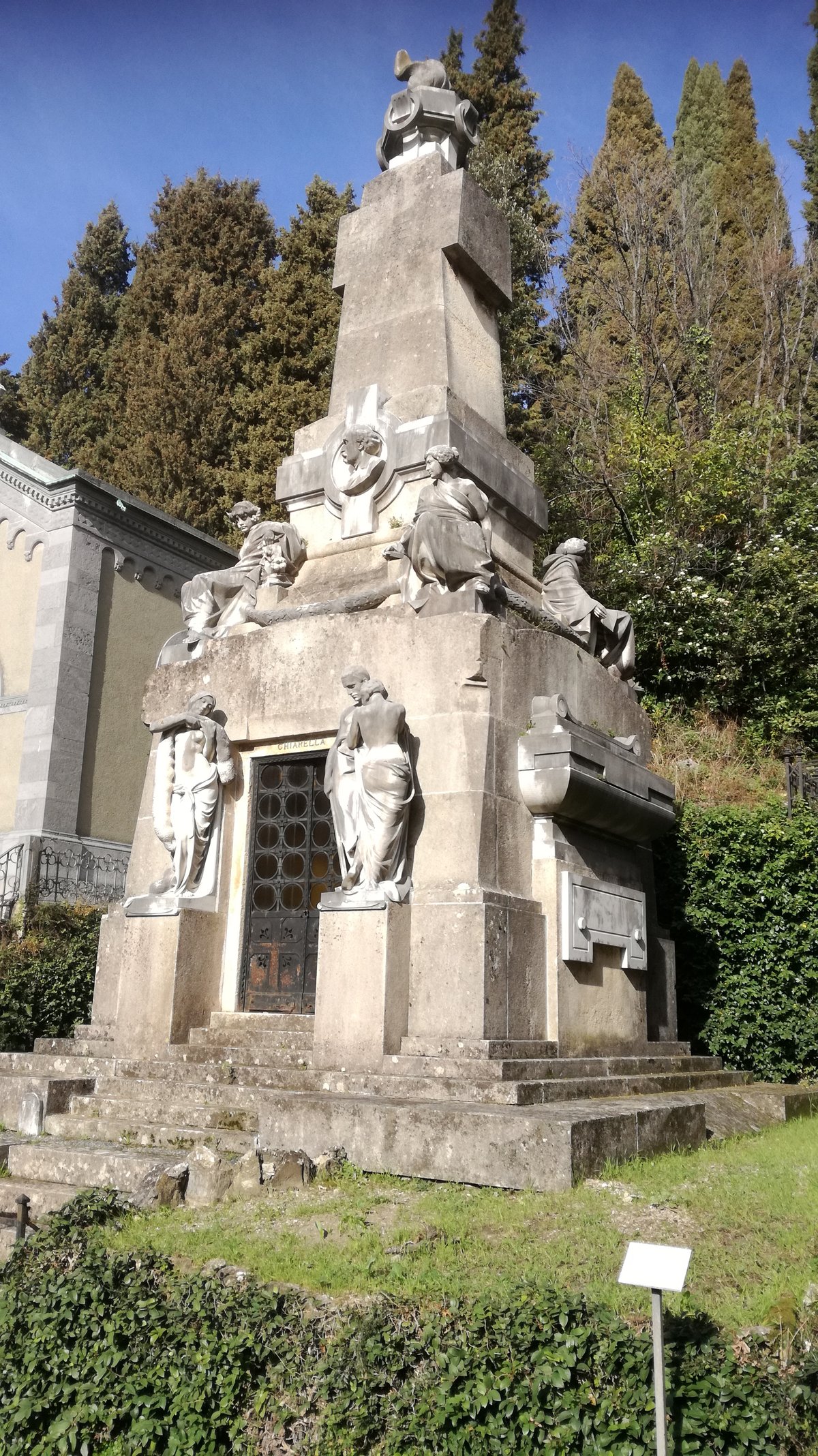
The Tomba Tomaso Pellegrini was created in 1888 by sculptor Domenico Carli to honor Tomaso Pellegrini, a wealthy jeweler and philanthropist known for his support of the city’s blind poor. The monument is a prime example of Genoese Realism in funerary art, reflecting the 19th-century bourgeoisie’s desire to express personal legacy and civic virtue through elaborate memorials (Staglieno official site, symbolsproject.eu).
About Tomaso Pellegrini
Tomaso Pellegrini was a distinguished Genoese citizen who amassed his fortune in America before returning to Italy. His philanthropic acts included a significant bequest to support Genoa’s blind population, reflecting the city’s traditions of civic responsibility and compassion. The tomb immortalizes his legacy as both a successful entrepreneur and a benefactor committed to public welfare (Staglieno official site).
Artistic Context and Historical Background
The Pellegrini Tomb is a hallmark of late 19th-century Genoese sculpture. Created during a period when the city’s elite sought to assert their social and moral identity through funerary art, the monument exemplifies the Realist style, with a focus on lifelike representation, narrative complexity, and symbolic meaning (visitgenoa.it, pp. 5–6).
Composition and Visual Narrative
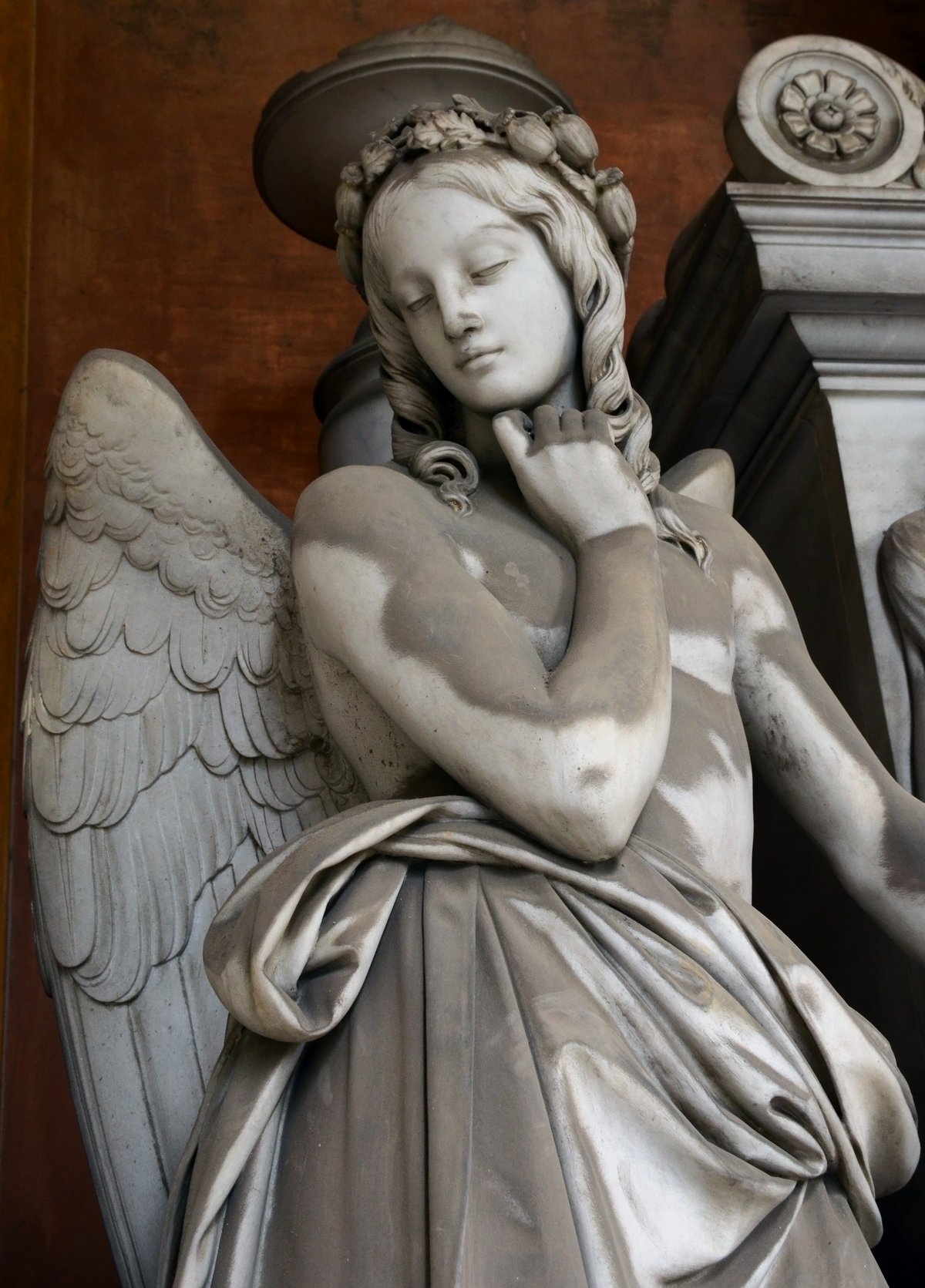
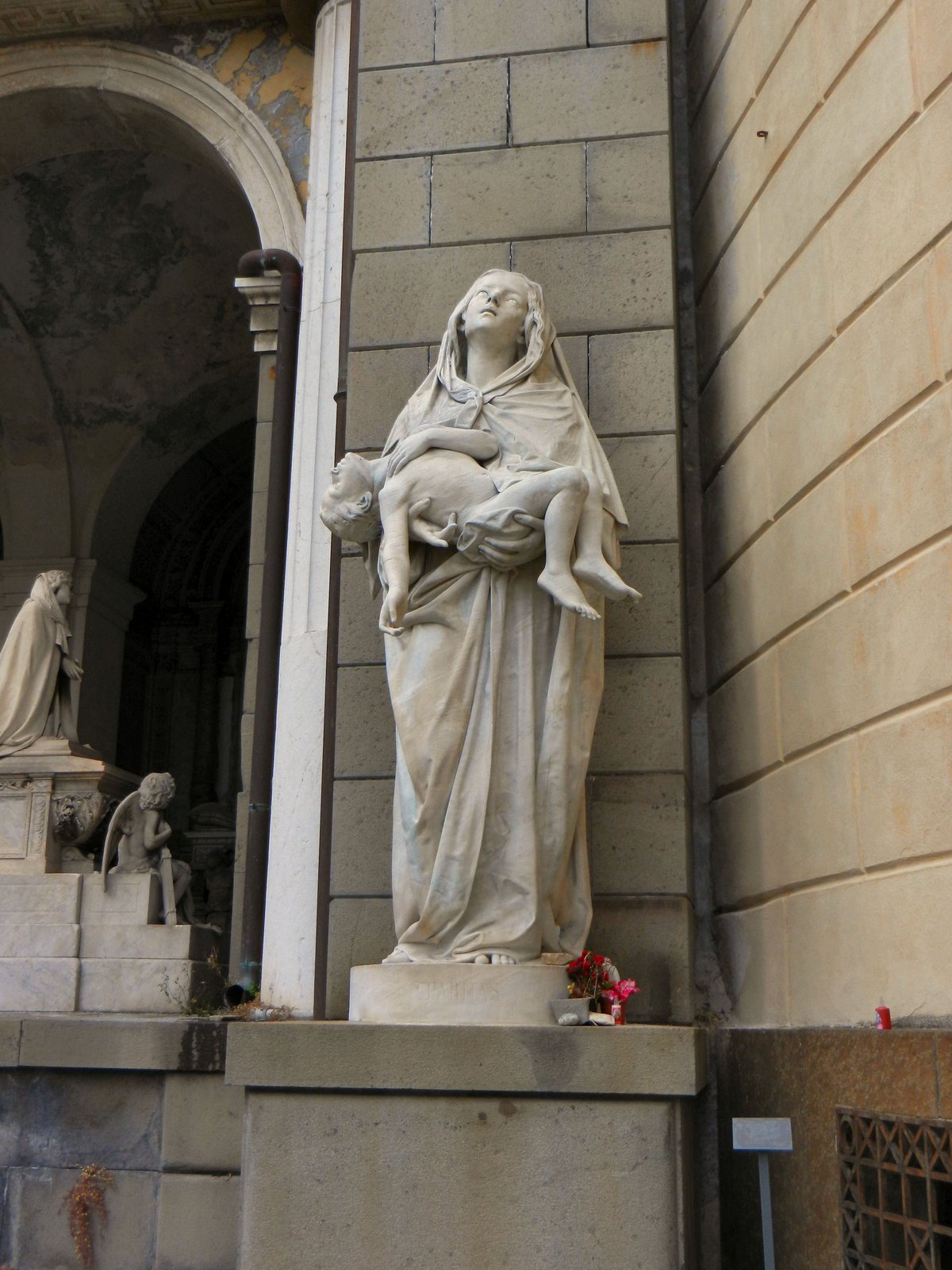
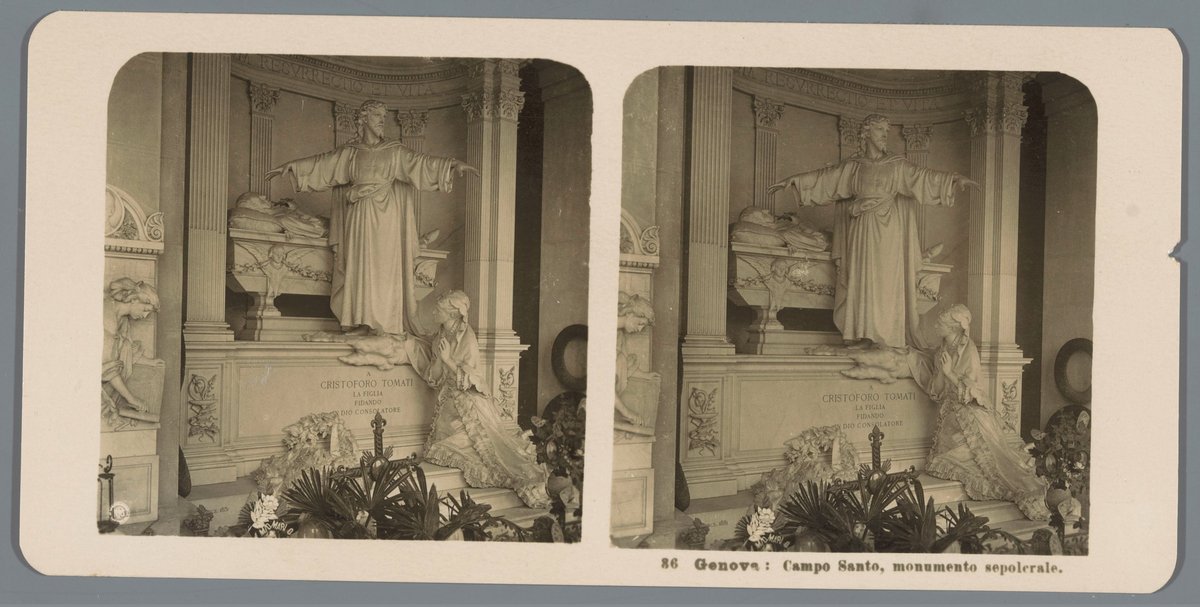
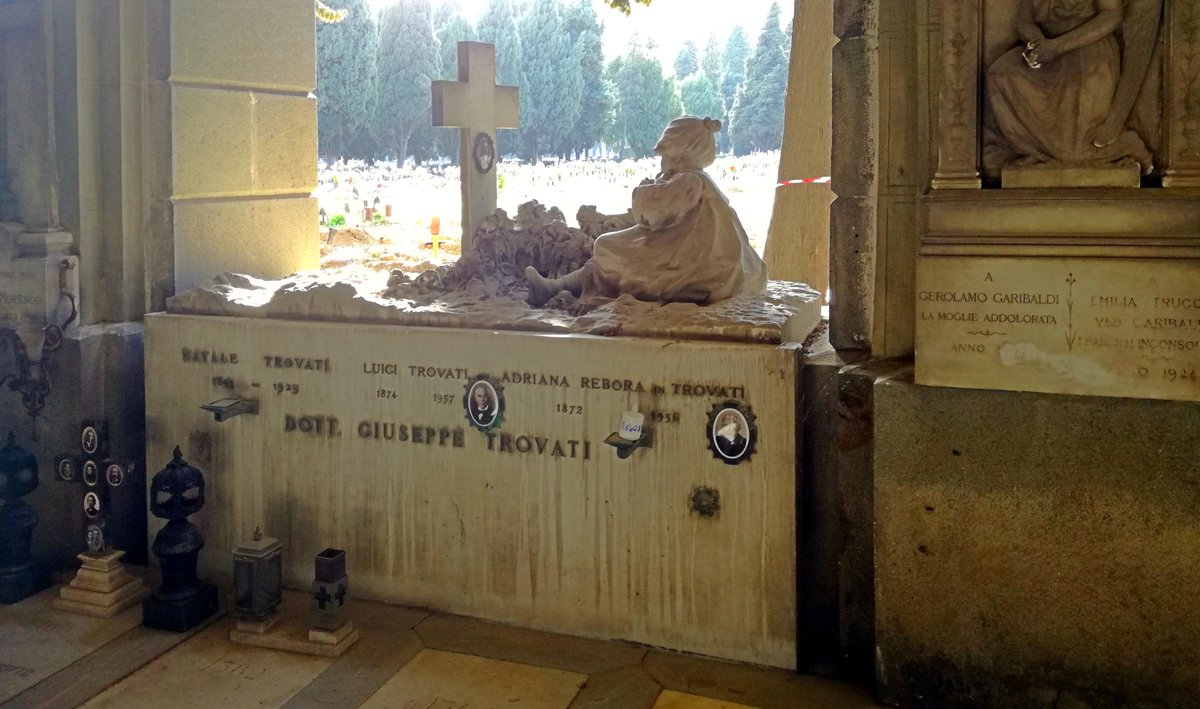
The monument features a striking multi-figure sculptural group. Atop a pedestal stands the statue of Tomaso Pellegrini, while below, a blind beggar receives alms from a female figure personifying Charity. To the side, a young girl blows kisses to the benefactor, symbolizing gratitude and hope. The entire composition guides the viewer from the act of giving to the commemoration of Pellegrini himself, reinforcing the link between philanthropy and enduring memory (symbolsproject.eu).
Realism and Technical Mastery
Carli’s work is celebrated for its hyper-realistic detail. The textures of clothing, anatomy, and subtle gestures are rendered with photographic precision—a testament to the influence of Realism and new artistic techniques of the period. Pellegrini’s pose, leaning against a pilaster, echoes contemporary portrait photography, while the individualized features of each figure evoke empathy and recognition (Staglieno official site).
Allegorical and Symbolic Elements
Central to the monument’s message is the allegory of Charity: the act of giving alms directly links to Pellegrini’s philanthropic identity. The gestures, such as Charity’s upward-pointing finger and the child’s affectionate wave, symbolize the transmission of virtue and the universality of charitable acts. The varied costumes of the figures highlight the monument’s social inclusivity (symbolsproject.eu).
Costume, Gesture, and Social Commentary
The sculpture’s attention to costume details documents 19th-century Genoese attire and social hierarchy. The contrast between the beggar’s threadbare clothes and Charity’s refined garments underscores the power of generosity to bridge social divides. Animated gestures breathe life into the narrative, inviting viewers to reflect on themes of giving, gratitude, and civic duty (visitgenoa.it, pp. 5–6).
Placement within Staglieno Cemetery and Artistic Trends
The Pellegrini Tomb occupies a prominent place in Staglieno’s “scenographic” tradition—monuments with multiple figures, dynamic compositions, and rich storytelling. These works reflect the evolution of funerary art in Genoa, moving from static memorials to lively tableaux that celebrate both individual achievement and collective memory (visitgenoa.it, p. 6).
Influence and Legacy
The monument is widely recognized in academic and travel literature as a quintessential example of Genoese funerary art. Its blend of realism, allegory, and social commentary influenced later artists and contributed to the prestige of Staglieno Cemetery as a cultural landmark (Lonely Planet).
Practical Visitor Information
Visiting Hours and Admission
- Hours: Staglieno Cemetery is generally open daily from 8:00 AM to 6:00 PM, with possible seasonal variations.
- Admission: Entry is free; guided tours require booking and a fee (Staglieno Cemetery Visiting Hours and Tickets).
Location and Directions
- Address: Viale Resasco Giovanni Battista, 22, Genoa.
- Transport: Easily accessible by bus lines 34, 48, and 480 from the city center and railway station. Limited parking is available nearby (Visit Italy).
Accessibility
Main paths are generally wheelchair accessible, but some areas involve stairs and uneven terrain. Assistance is recommended for those with mobility challenges.
Guided Tours and Educational Programs
Guided tours in Italian—and occasionally in English—are available and recommended for deeper insight. Tours cover major monuments, including the Pellegrini Tomb, and may be booked via Exploratour or at the cemetery entrance (Discover Genoa).
Events and Commemorations
Staglieno hosts annual commemorations, cultural events, and educational programs that celebrate Genoa’s history and civic identity. Information on upcoming events is available via the cemetery’s official website and local listings.
Navigating Staglieno Cemetery
The cemetery covers over 330,000 square meters, divided into notable sections such as the Pantheon, galleries, Boschetto Irregolare, and religious areas. Entrance maps and downloadable digital guides are available (official cemetery map). For locating the Pellegrini Tomb, use the map, consult staff, or join a guided tour (Find a Grave).
Visitor Facilities and Accessibility
- Facilities: Benches, water fountains, and restrooms near the entrance.
- Accessibility: Main avenues are accessible; some garden paths are not.
- Nearby Services: Cafés and shops are available outside the cemetery grounds.
Tips for a Memorable Visit
- Best time: Early morning or weekdays for a quieter experience.
- Dress: Comfortable shoes; modest attire out of respect.
- Photography: Permitted for personal use; professional equipment may require permission.
- Weather: Bring sun or rain protection.
Nearby Attractions
While visiting the Pellegrini Tomb, consider exploring:
- Palazzo Ducale: Genoa’s historic palace and cultural center.
- Genoa Cathedral (Cattedrale di San Lorenzo): A landmark of Gothic and Romanesque architecture.
- Piazza De Ferrari: The city’s vibrant main square.
- Lanterna di Genova: The iconic lighthouse symbolizing Genoa.
(Visit Genoa - Official Tourism Website)
Frequently Asked Questions (FAQ)
Q: What are the visiting hours for the Pellegrini Tomb?
A: Staglieno Cemetery is generally open 8:00 AM to 6:00 PM daily, with possible seasonal changes.
Q: Is there an entry fee?
A: Entry is free; guided tours may have a fee.
Q: Are guided tours available?
A: Yes, through official providers and at the cemetery entrance.
Q: Is the site accessible for people with disabilities?
A: Main paths are accessible; some areas may be challenging.
Q: Can I take photographs?
A: Yes, photography is allowed.
Q: What other historical sites are nearby?
A: Palazzo Ducale, Genoa Cathedral, Lanterna di Genova, and Piazza De Ferrari.
Listen to the full story in the app
Your Personal Curator, in Your Pocket.
Audio guides for 1,100+ cities across 96 countries. History, stories, and local insight — offline ready.
Audiala App
Available on iOS & Android
Join 50k+ Curators
Sources
- verified
- verified
- verified
- verified
- verified
Last reviewed: