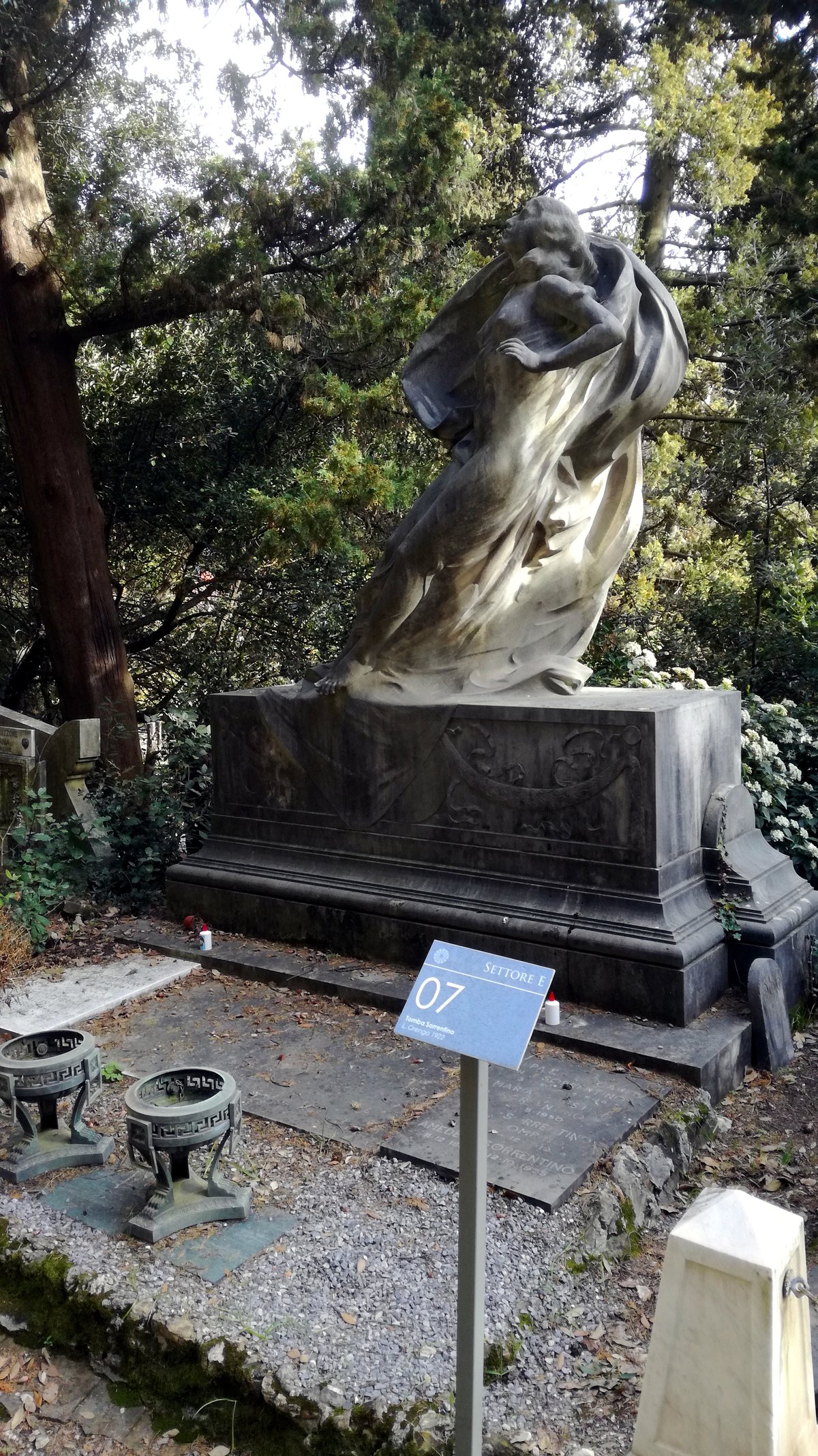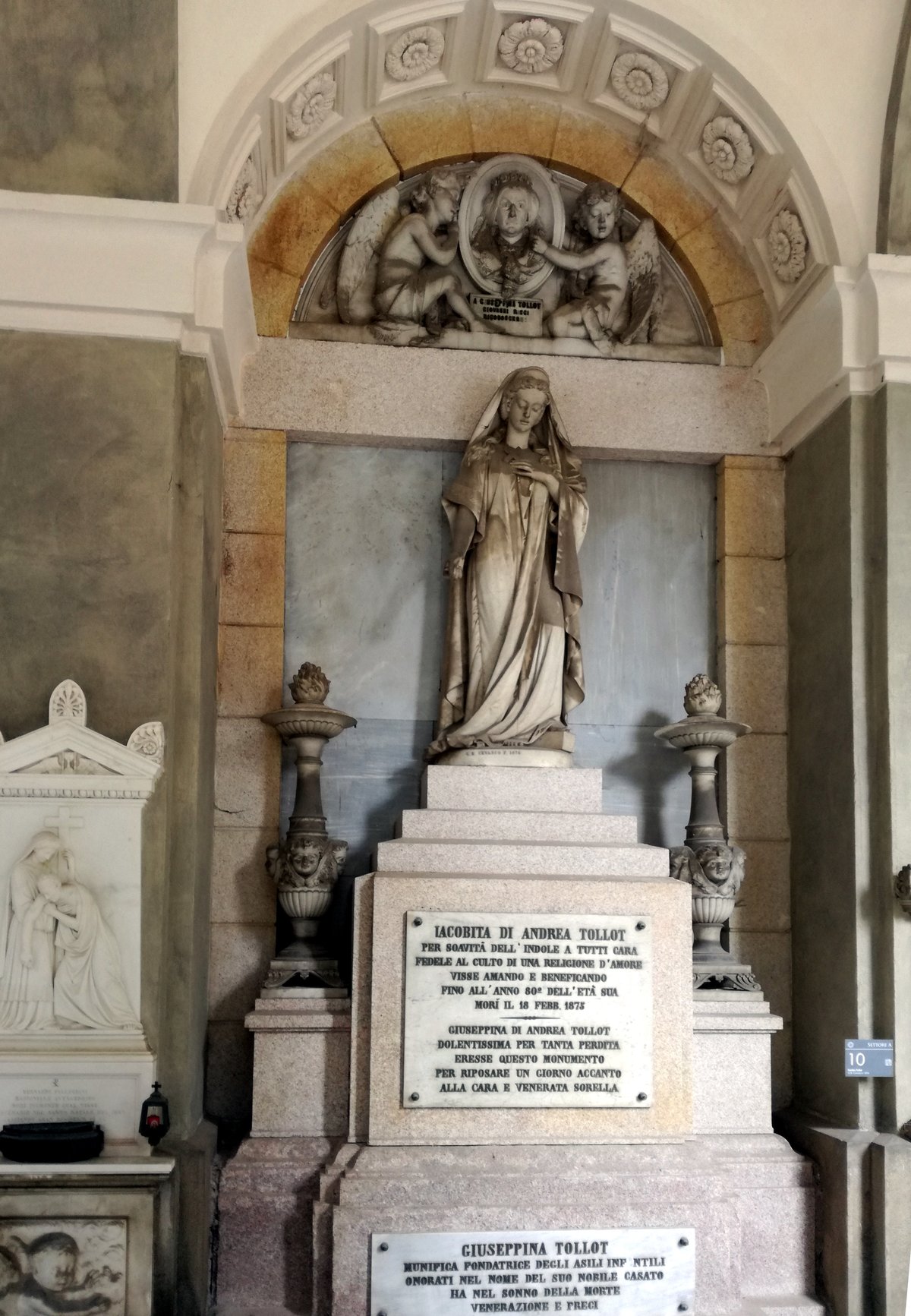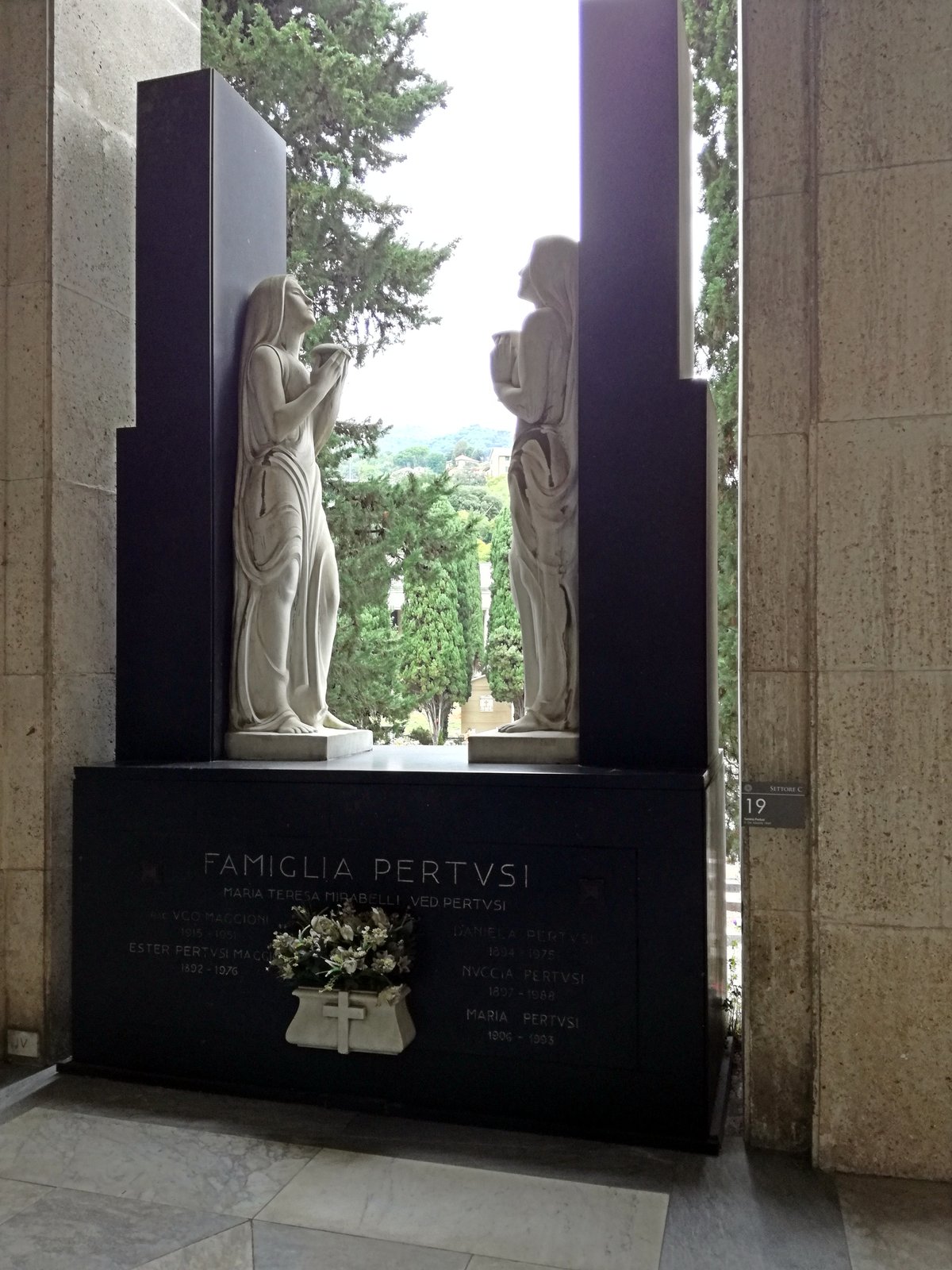
Introduction: The Significance of Tomba Pertusi in Genoa
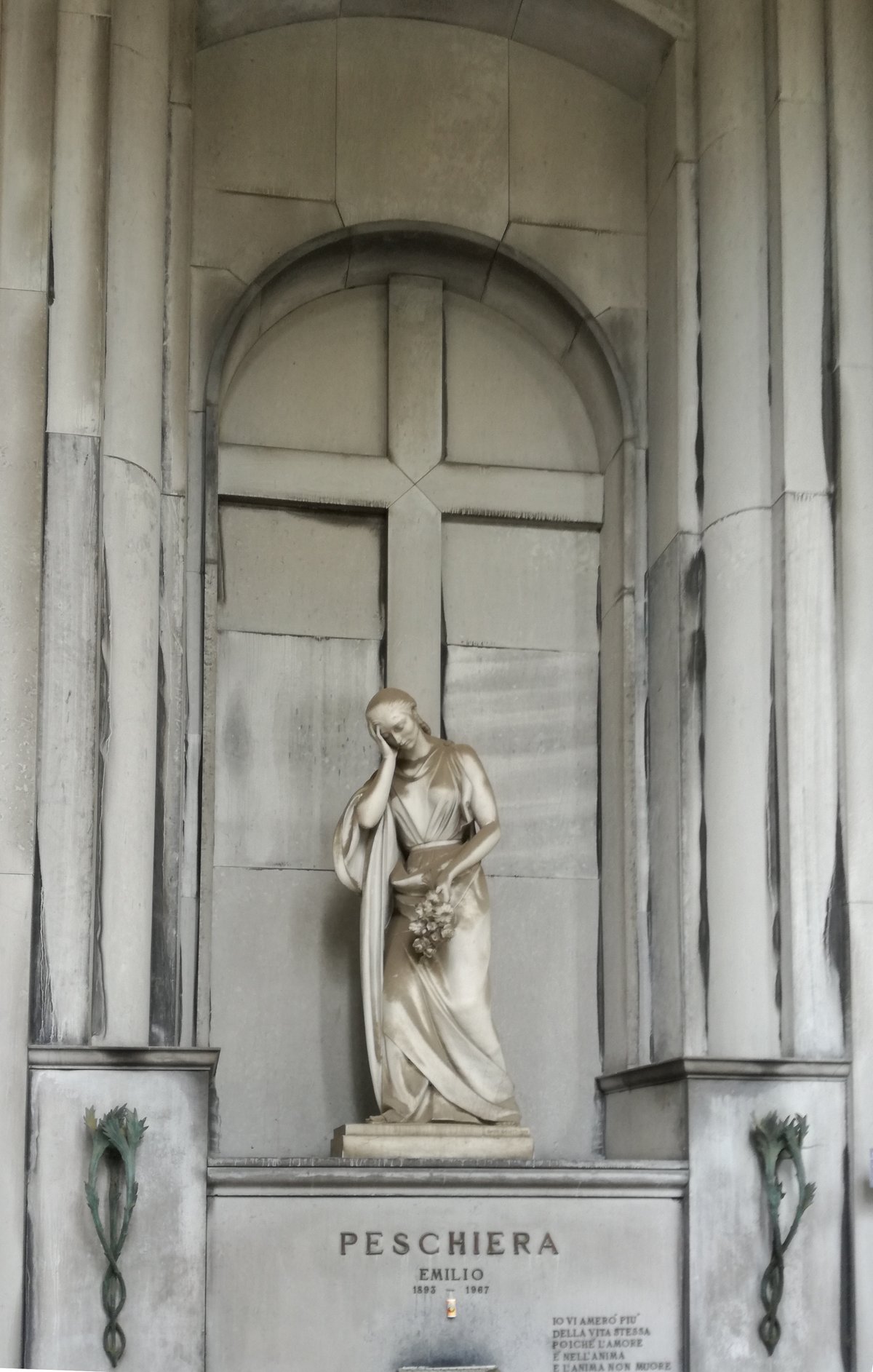
Genoa, a city with millennia of history and a vibrant cultural legacy, offers a wealth of experiences for visitors. Among its most evocative monuments is the Tomba Pertusi, a 19th-century funerary masterpiece within the renowned Monumental Cemetery of Staglieno. This mausoleum is not only a testament to the artistic traditions of Genoa’s bourgeoisie but also a focal point for exploring the city’s wider heritage—spanning from ancient maritime power to modern cultural vibrancy. Tomba Pertusi’s intricate marble carvings and symbolic motifs invite contemplation about memory, mortality, and the city’s enduring spirit. Its setting within Staglieno—a vast open-air museum of funerary art—makes it a destination for historians, art lovers, and all who seek to understand Genoa’s layered past (Visit Genoa, Discover Genoa, Venere.it).
Photo Gallery
Explore Tomba Pertusi in Pictures
Ancient Origins and Maritime Influence
Genoa’s history stretches back to the fifth century BCE, with its name possibly derived from the Latin “Genua” or the Indo-European root “gene-,” symbolizing beginnings and trade. Some believe it is linked to the Roman god Janus, reflecting Genoa’s role as a gateway between the Mediterranean and Europe (Venere.it). Genoa flourished as a trade hub during the Roman era and, after enduring centuries of invasions, emerged as a dominant maritime republic in the Middle Ages. Its power rivaled that of Venice, shaping the fate of Mediterranean trade and culture (Venere.it).
Cultural Flourishing and Notable Figures
Genoa’s prosperity fostered a dynamic cultural scene, especially during the Renaissance. Figures like Christopher Columbus and Admiral Andrea Doria left their mark on history (Venere.it). The city evolved through industrialization, the unification of Italy, and the turbulence of the 20th century, maintaining its resilience and cosmopolitan identity (Italy Heaven).
Monumental Cemetery of Staglieno: History & Artistry
Origins and Development
Staglieno Cemetery (Cimitero Monumentale di Staglieno) covers over a square kilometer on Genoa’s eastern hills (Wikipedia). Established in response to the 1804 Edict of Saint-Cloud, which required burials outside city limits, the cemetery’s design was initially conceived by Carlo Barabino, and completed by Giovanni Battista Resasco. Opened in 1851, it continued to expand with monumental sculptures through the late 19th century (Ancient Origins).
Artistic and Cultural Significance
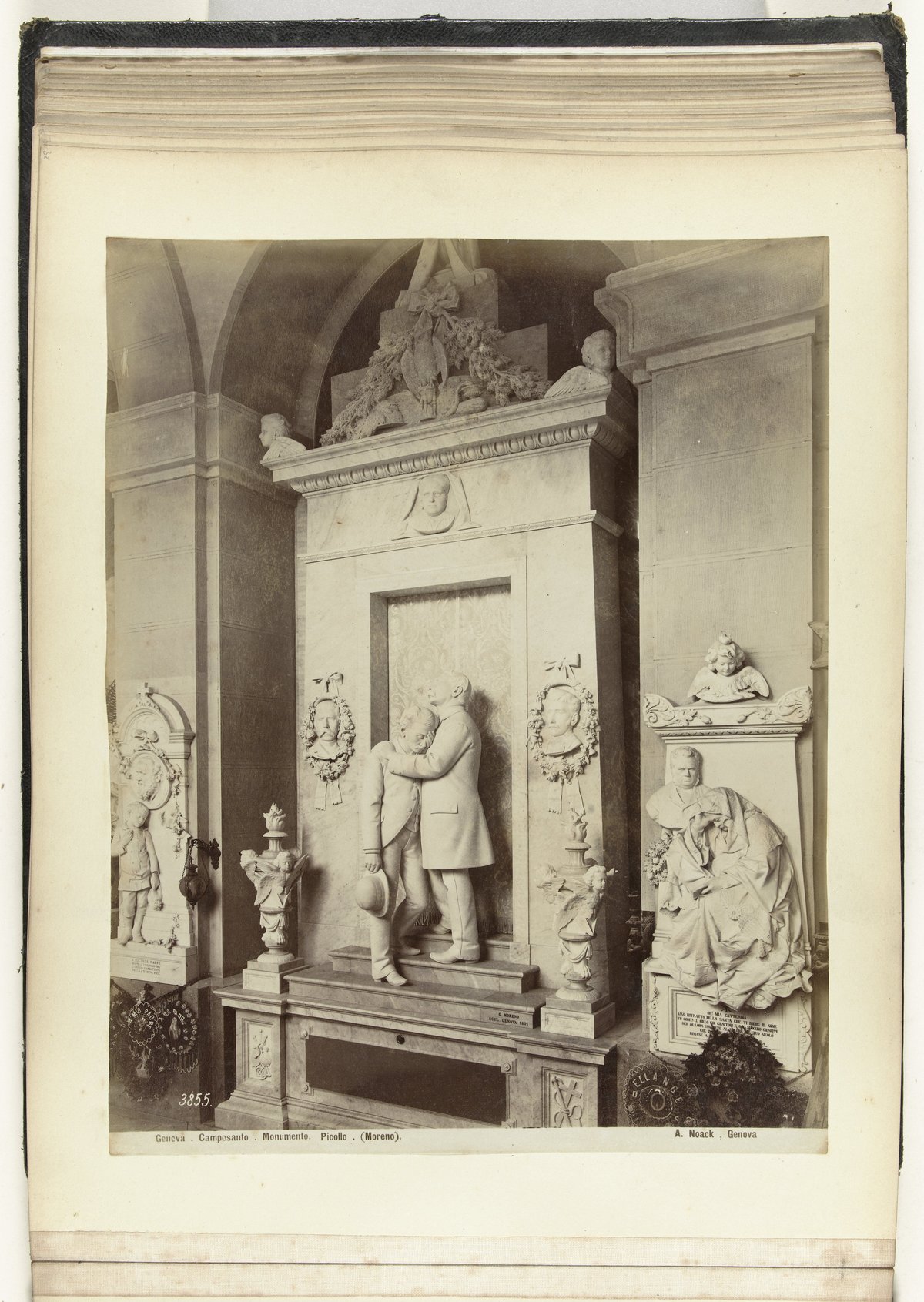
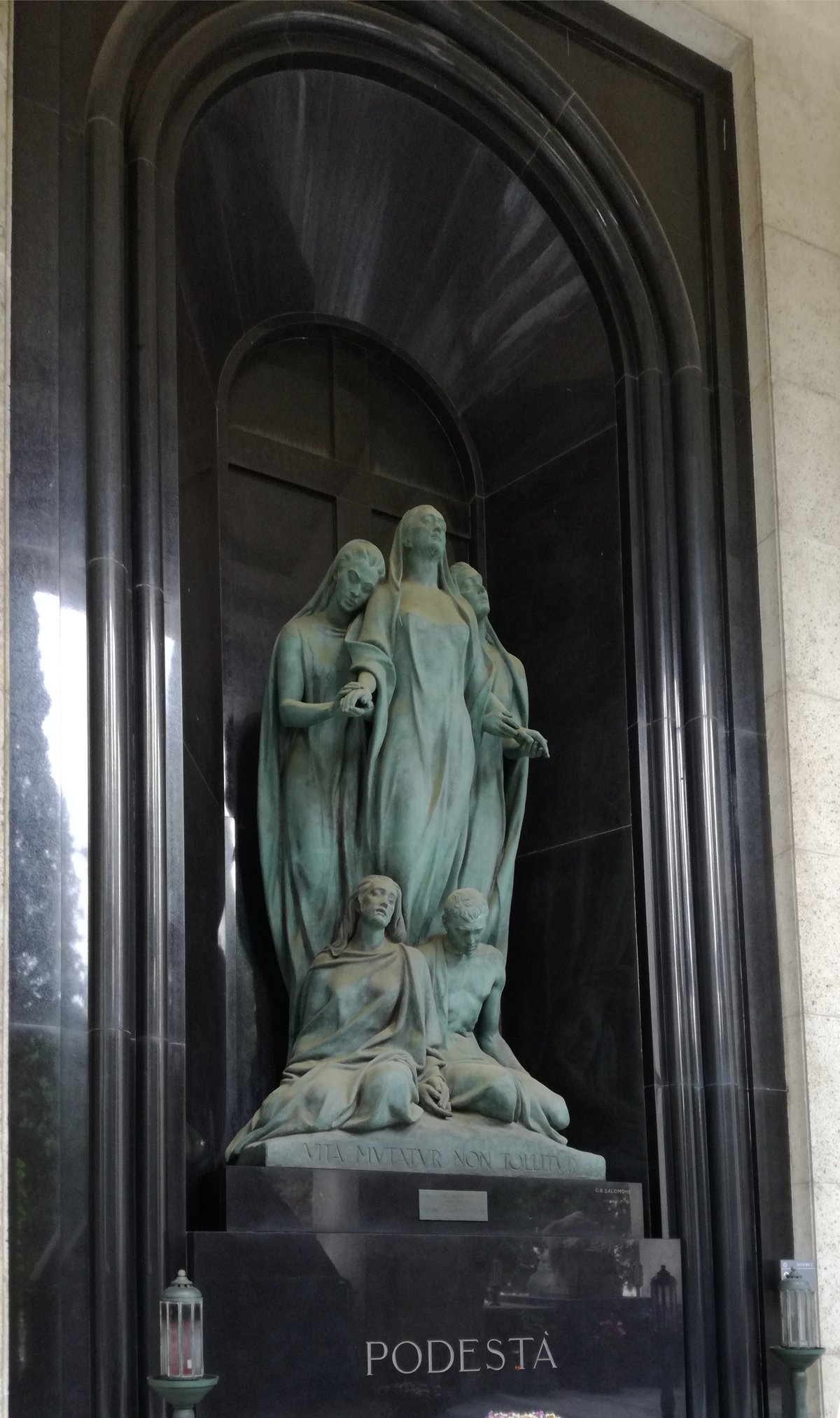
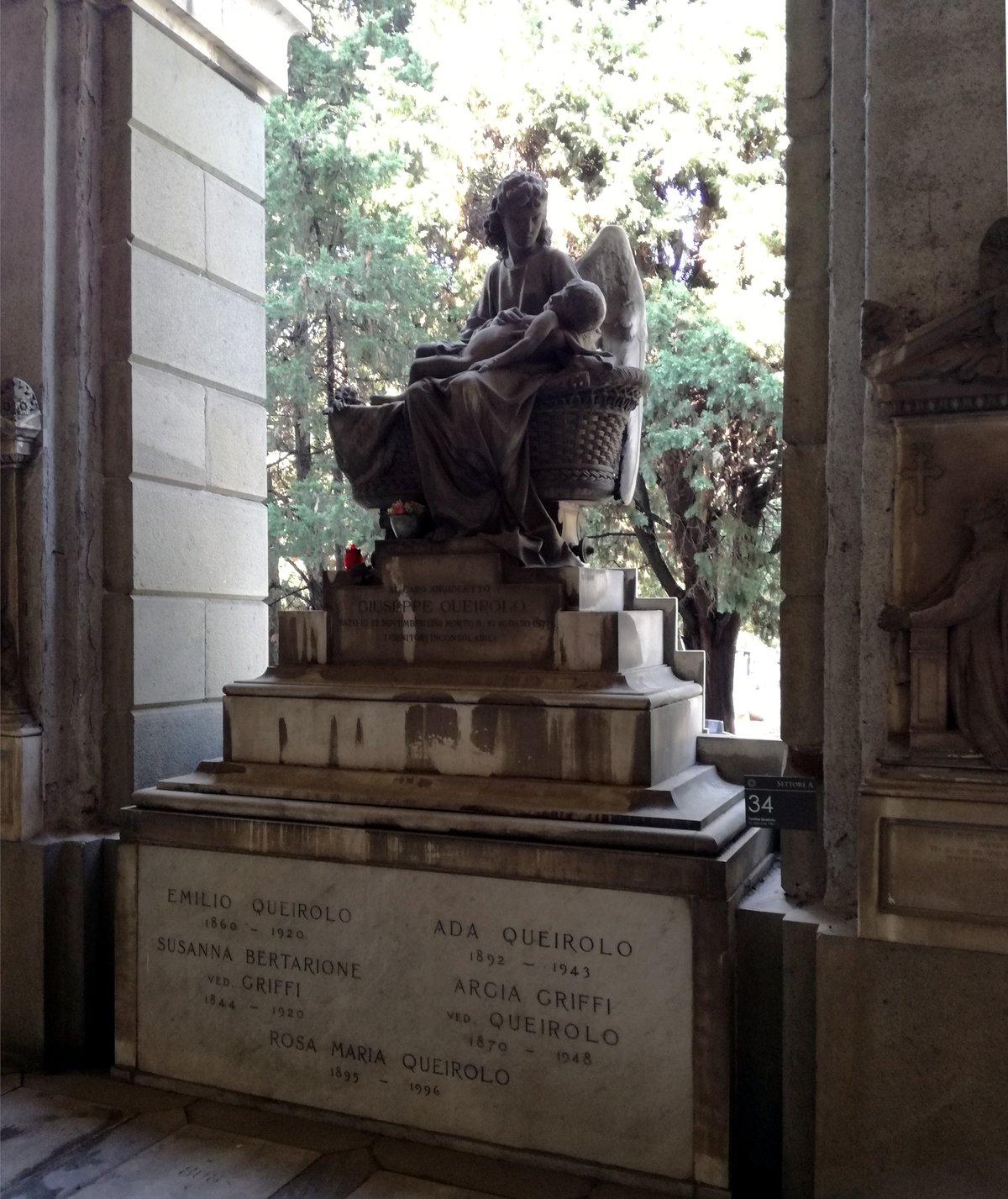
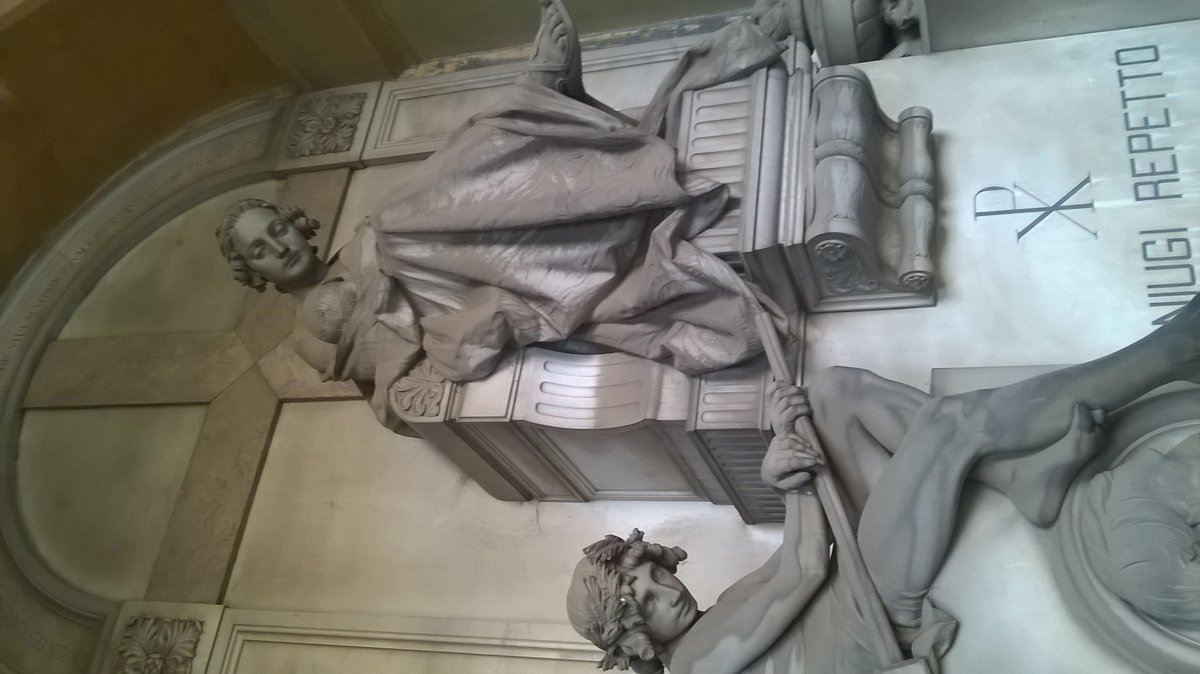
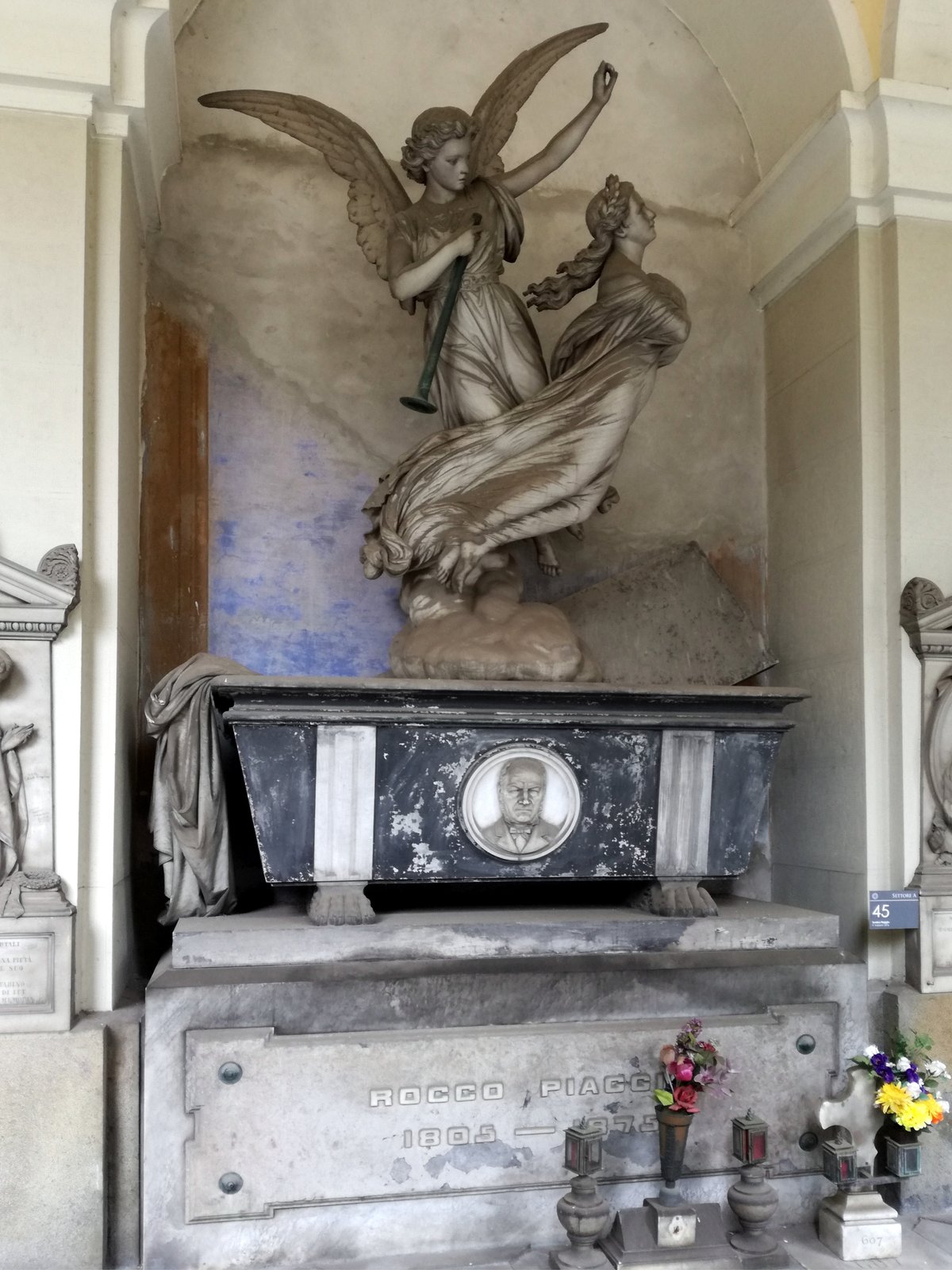
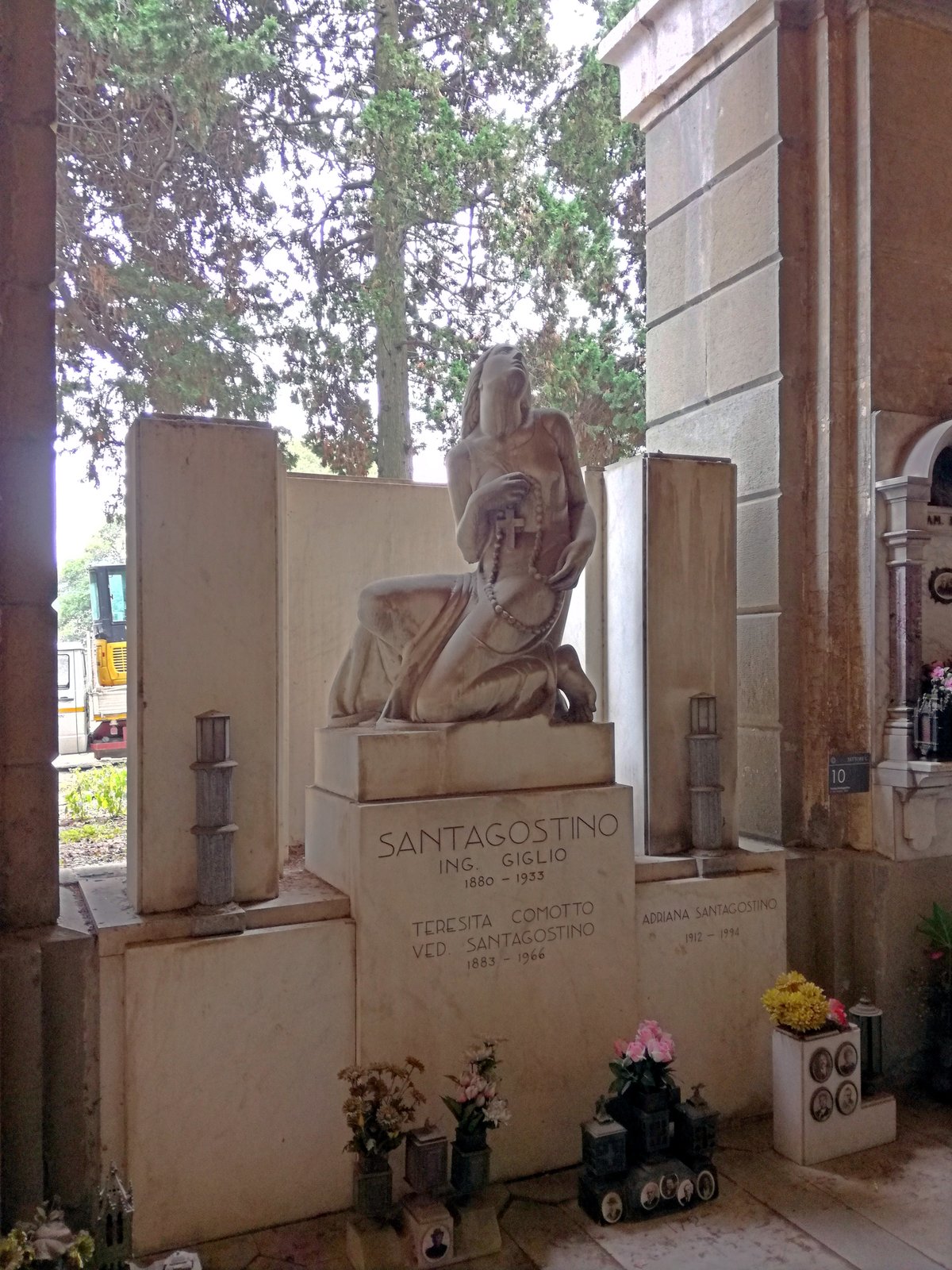
Staglieno is celebrated for its exceptional funerary art—realistic and emotive sculptures commissioned by Genoa’s elite and created by renowned artists such as Leonardo Bistolfi and Giulio Monteverde (Wikipedia). The cemetery reflects shifting attitudes about memory, mourning, and social status, and its artistic impact can be seen in cemeteries across Europe (Discover Genoa).
Social and Historical Context
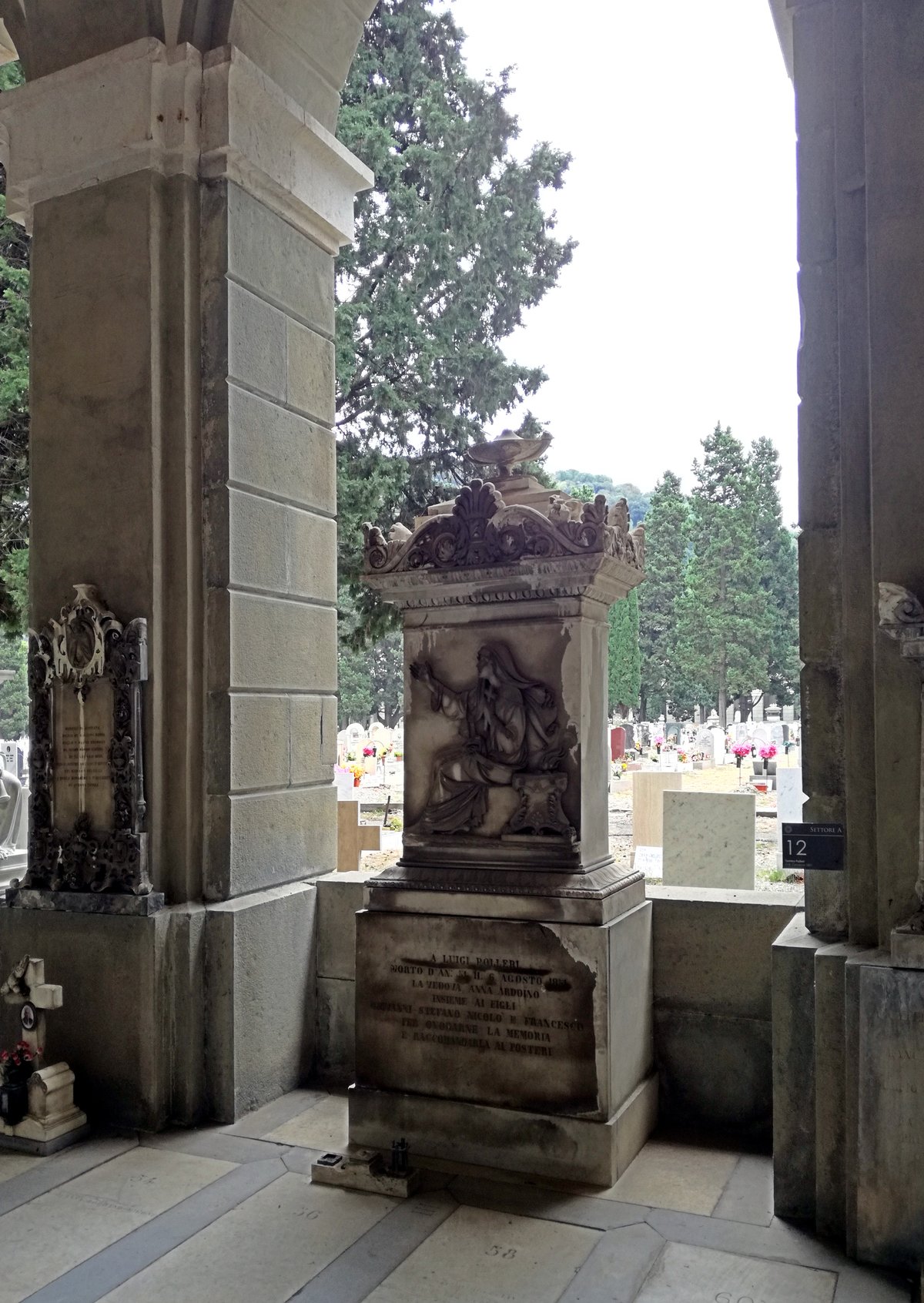
The cemetery’s development paralleled Genoa’s economic boom, and its monuments serve as symbols of civic pride and remembrance. Staglieno features sections dedicated to specific communities, like the English Cemetery and Commonwealth War Graves (Visit Genoa PDF).
Staglieno as a Cultural Landmark
Writers and travelers from Mark Twain to Empress Elizabeth of Austria have been moved by Staglieno’s poignant sculptures (Ancient Origins). Today, it is an essential destination for anyone interested in historical, artistic, or cultural exploration.
Tomba Pertusi: History, Symbolism, and Visitor Information
Historical Significance
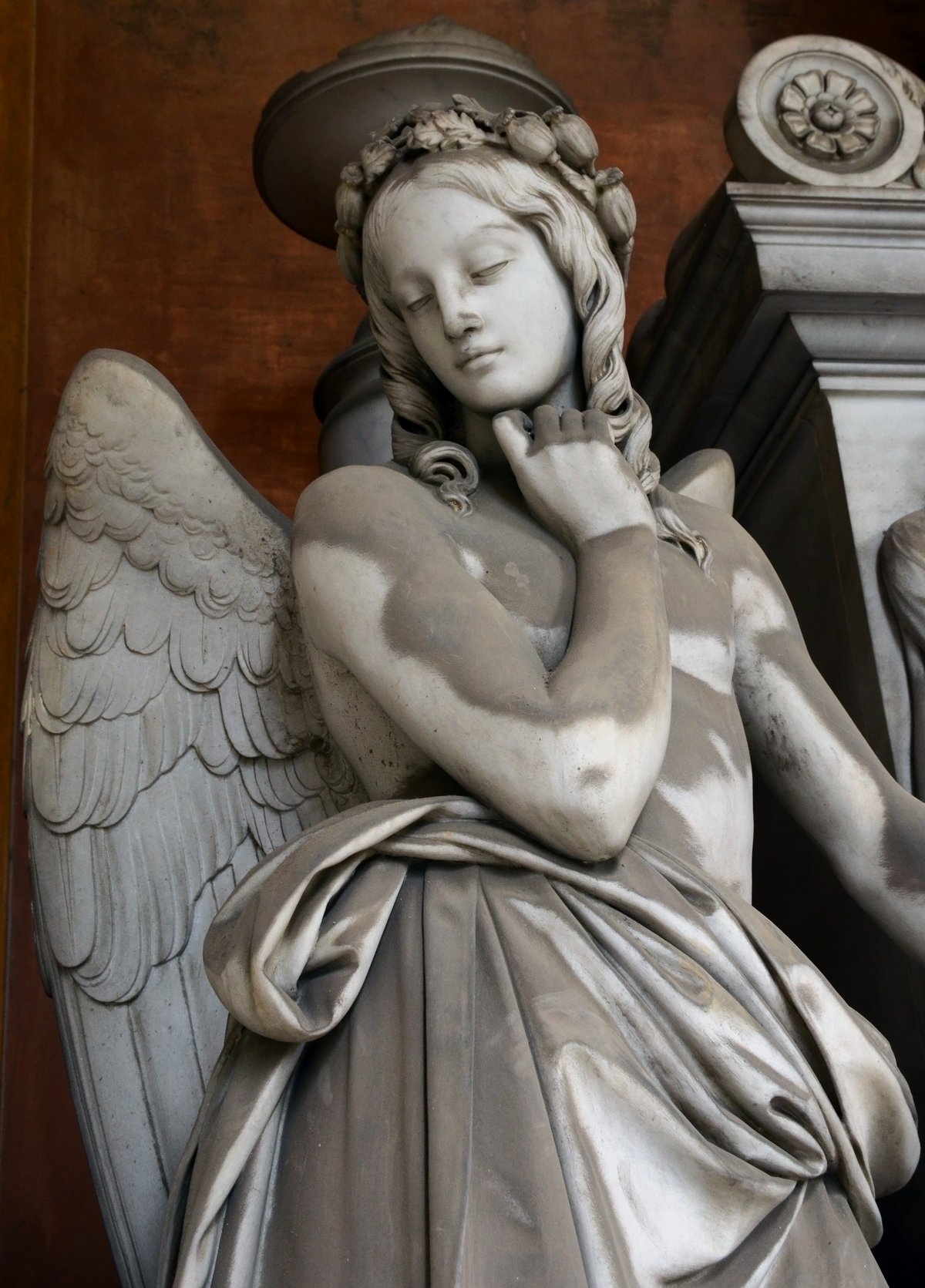
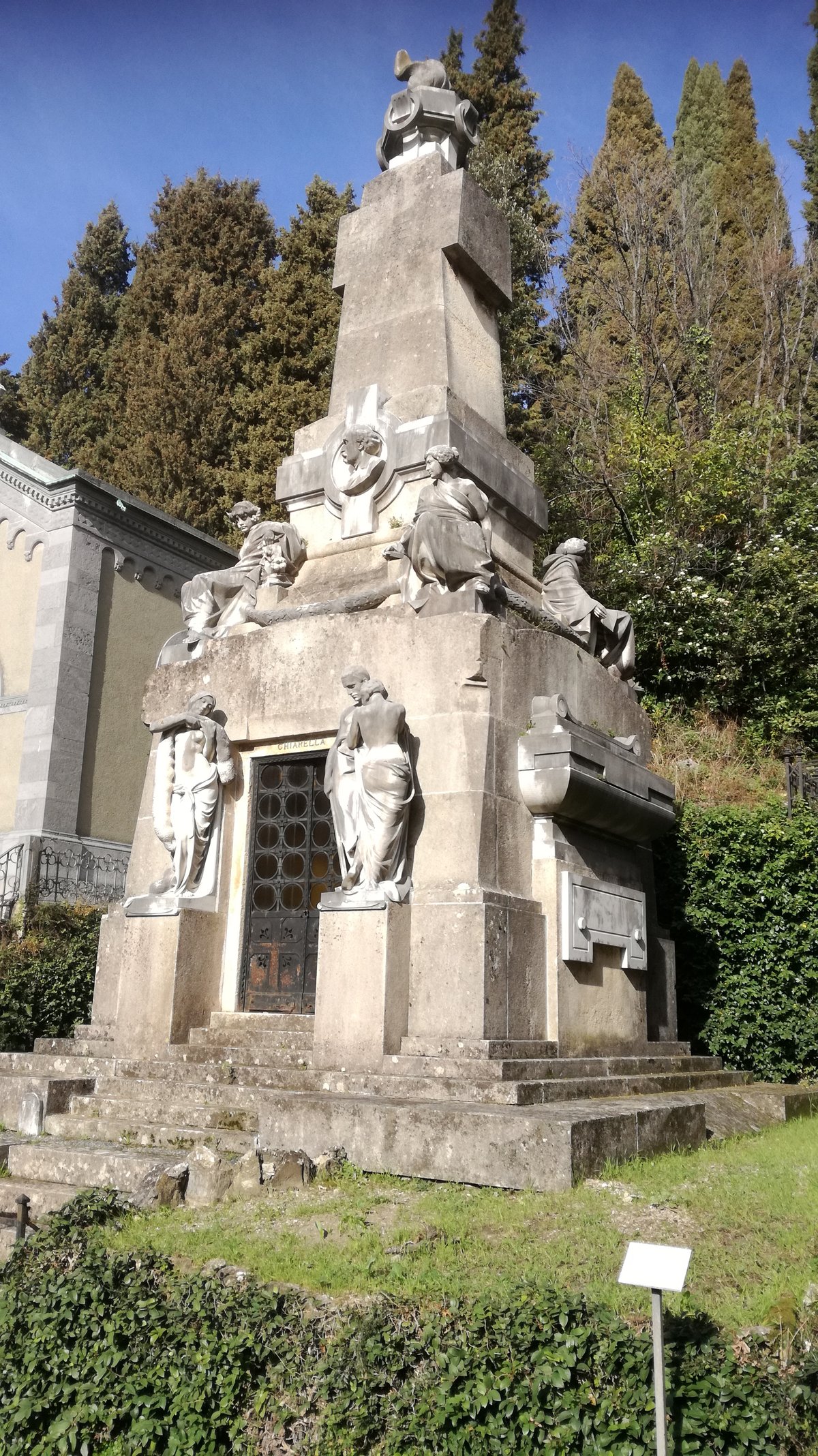
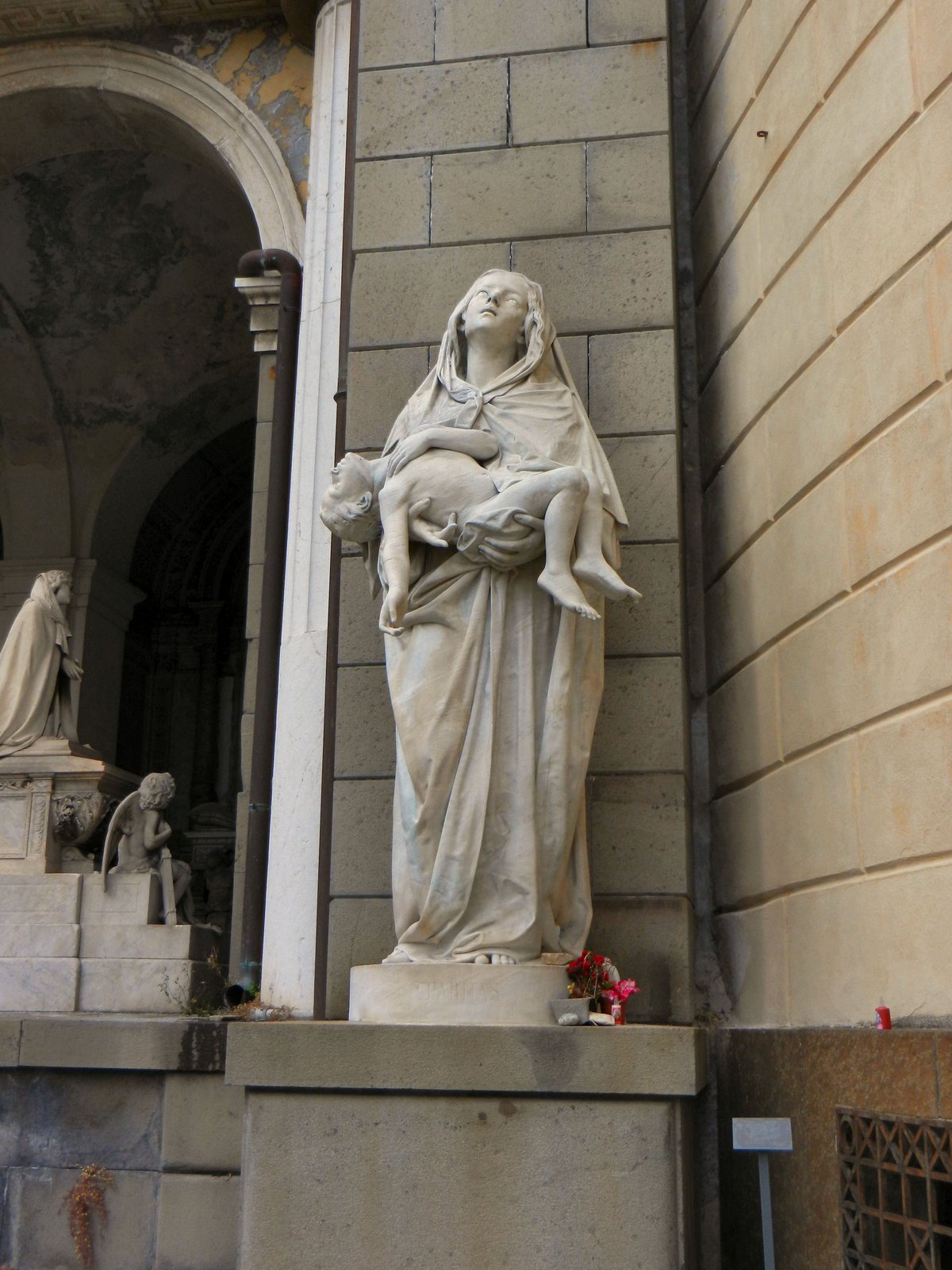
The Tomba Pertusi, dating from the 19th century, exemplifies Genoa’s tradition of monumental family memorials and the city’s embrace of Symbolist and Realist art (HikersBay, World History Journal). It encapsulates themes of memory and transcendence through its allegorical figures and intricate carvings.
Artistic Features
Crafted in marble and stone, Tomba Pertusi features neoclassical forms blended with Symbolist and Realist motifs—angels, urns, and floral symbols reflecting the Genoese approach to memorialization (Art in Context, Identify This Art). This artistry places the tomb among the cemetery’s most evocative monuments.
Visiting Tomba Pertusi: Hours, Tickets, and Access
- Location: Staglieno Cemetery, Piazzale G.B. Resasco 2, Genoa, Italy (Visit Genoa PDF)
- Visiting Hours: Cemetery open daily from 7:30 am to 5:00 pm (last entry 4:30 pm); open year-round, with some holiday exceptions.
- Tickets: Admission to Staglieno Cemetery and Tomba Pertusi is free; guided tours may require a ticket (approx. €10–€20).
- Accessibility: The site is partially accessible, though some areas near Tomba Pertusi have uneven terrain. Wheelchair users are advised to contact the cemetery or Genoa tourism office for assistance.
- Guided Tours: Available in Italian and English, tours last about 1.5 hours and include Tomba Pertusi among key highlights (Discover Genoa). Book through tourist offices or official websites.
- Photography: Permitted for personal use—please respect ongoing ceremonies and posted signs.
- What to Bring: Comfortable footwear, water, and a camera. Maps are available at the entrance.
Navigating Staglieno Cemetery & Nearby Attractions
Cemetery Layout and Access
Staglieno spans approximately 330,000 square meters, with arcades, galleries, and hillside sections. Maps are available at the entrance; benches are scattered throughout for rest. The Pertusi tomb is located in a quieter, contemplative section.
Nearby Genoa Historical Sites
- Via Garibaldi & Palazzi dei Rolli: Explore UNESCO-listed Renaissance and Baroque palaces (Nomads Travel Guide).
- Genoa Aquarium & Porto Antico: Enjoy waterfront culture, the aquarium, and the Galata Maritime Museum (The Crazy Tourist).
- Caruggi (Historic Center): Wander the medieval alleys filled with shops and historic churches (Touropia).
- Passeggiata Anita Garibaldi a Nervi: Take a scenic coastal walk with gardens, cafes, and sea views.
Genoese Cultural Highlights
- Culinary Experiences: Join cooking classes or food tours to savor pesto, focaccia, and Ligurian wines (Cesarine Cooking Classes, Trip.com Genoa Experiences).
- Art & Architecture: Visit churches and museums with works by Rubens, Van Dyck, and Caravaggio (Nomads Travel Guide).
- Markets & Festivals: Browse the Mercato Orientale for local products, or attend events like Rolli Days and the Pesto World Championship.
- Maritime Heritage: Discover Genoa’s seafaring legacy at the Galata Maritime Museum.
Practical Visitor Information
- Getting There:
- Bus: AMT lines 34, 48, and 480 stop near Piazzale Resasco.
- Train: Genova Brignole is the closest station.
- Car: Paid parking is available near the entrance.
- Facilities: Restrooms and a café are located near the entrance; printed and digital maps are provided.
- Safety: The cemetery is monitored and generally safe, but standard precautions are advised.
Frequently Asked Questions (FAQ)
Q: What are the Tomba Pertusi and Staglieno Cemetery opening hours?
A: Daily, 7:30 am–5:00 pm (last entry 4:30 pm); hours may vary seasonally.
Q: Is there an admission fee?
A: Entry is free; guided tours may require a ticket.
Q: Are guided tours available?
A: Yes, in Italian and English, for a fee.
Q: Is the site wheelchair accessible?
A: Accessibility is partial; some areas have uneven paths—contact ahead for assistance.
Q: Can I take photographs?
A: Personal photography is allowed; professional shoots require permission.
Visuals and Media Suggestions
Enhance your visit with high-quality images and alt tags such as “Tomba Pertusi funerary sculpture at Staglieno Cemetery, Genoa.” Interactive maps are available online, and virtual tours can help you plan your route. For visual inspiration, explore resources provided by local tourism offices and museums.
Listen to the full story in the app
Your Personal Curator, in Your Pocket.
Audio guides for 1,100+ cities across 96 countries. History, stories, and local insight — offline ready.
Audiala App
Available on iOS & Android
Join 50k+ Curators
Sources
- verified
- verified
- verified
- verified
- verified
- verified
- verified
- verified
- verified
Last reviewed: