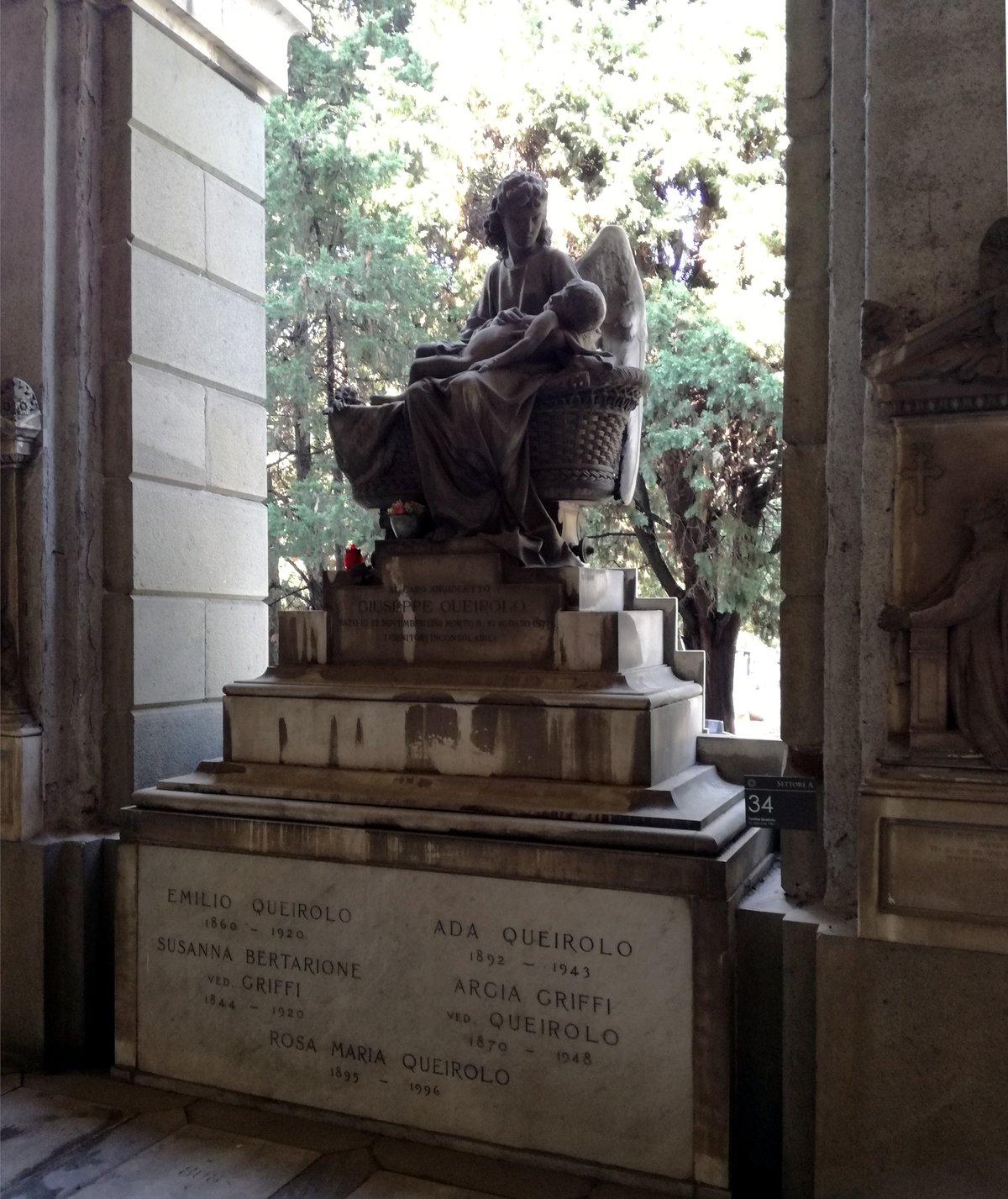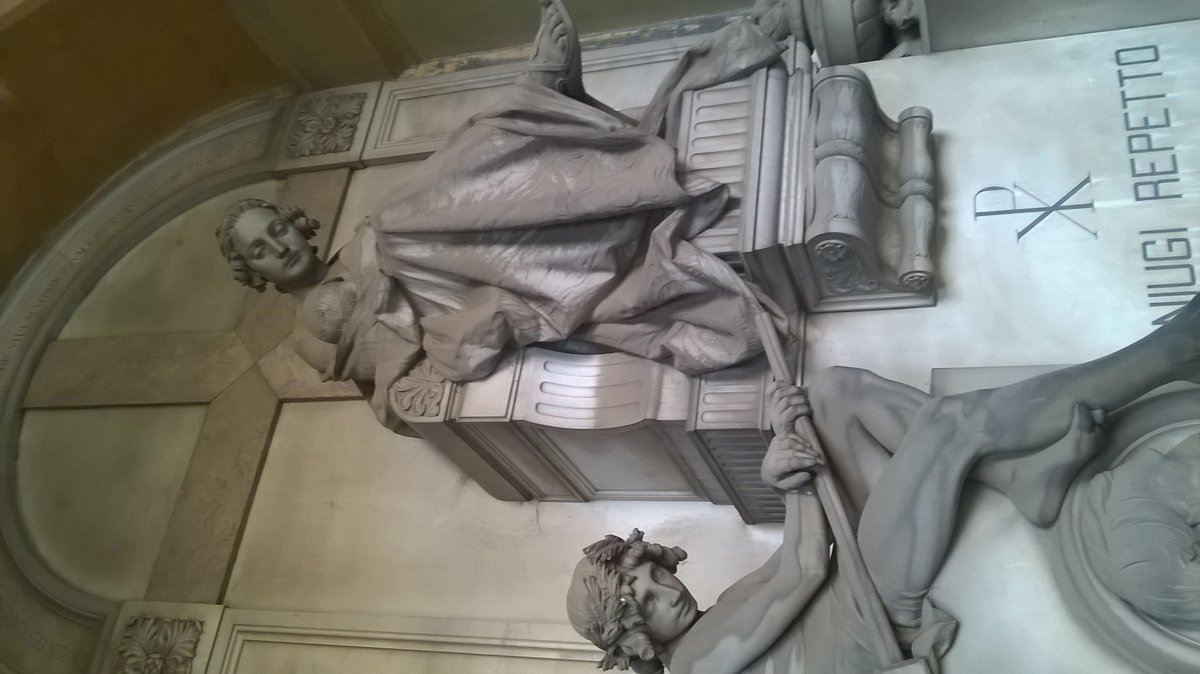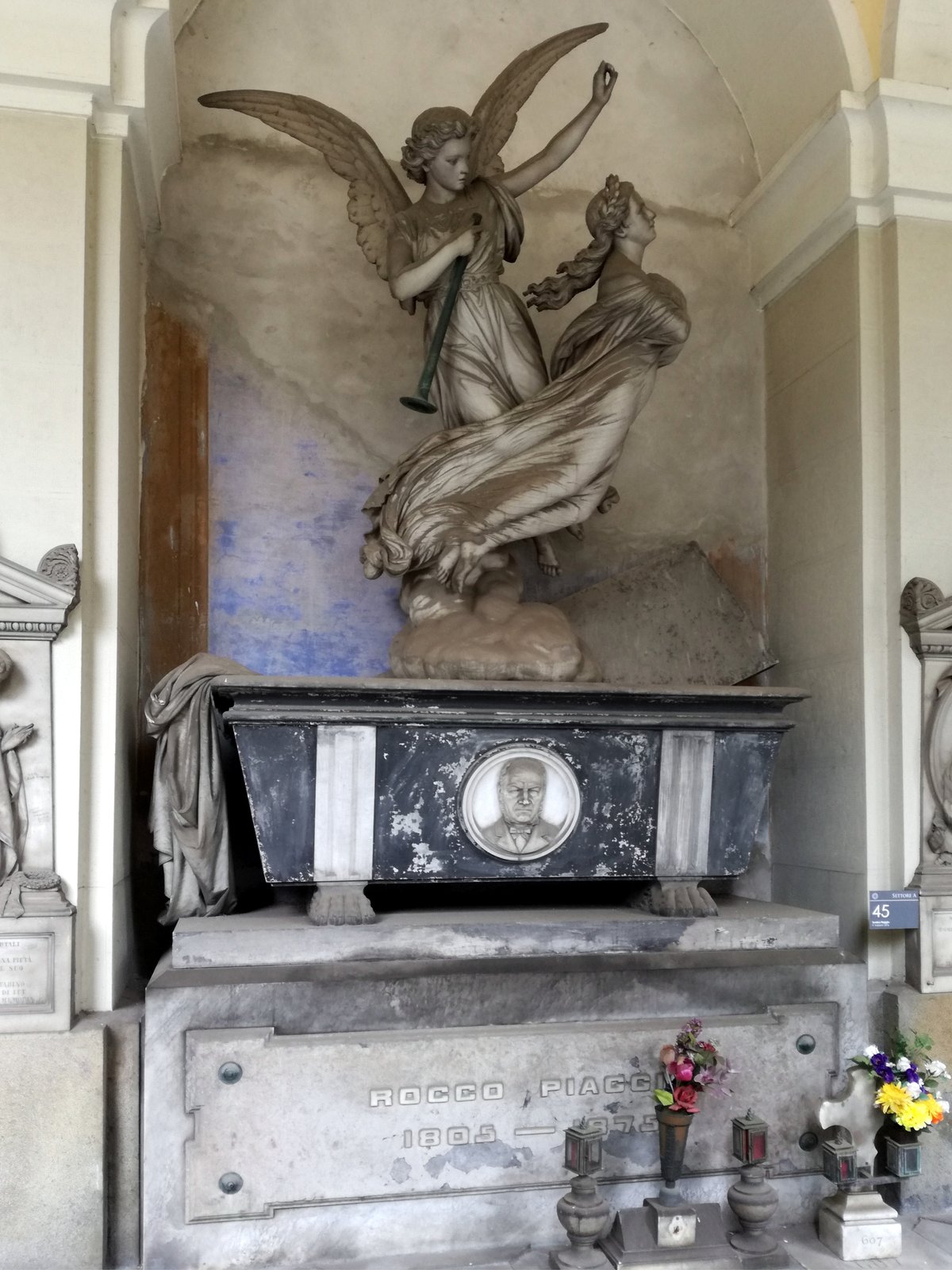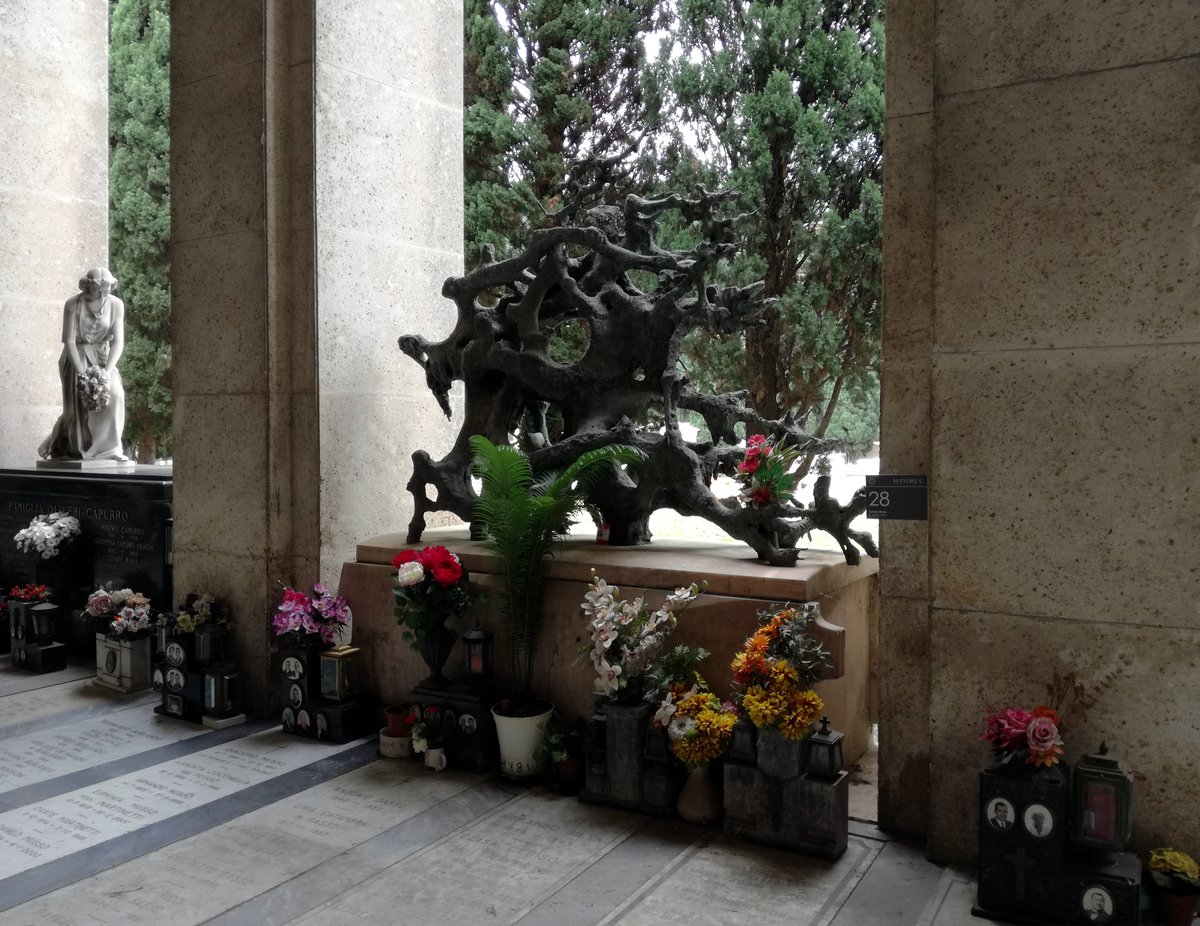
Introduction: Tomba Mele and Its Significance in Genoa
Perched on the scenic hillside of Genoa, Italy, the Tomba Mele within the Monumental Cemetery of Staglieno is a striking testament to the city’s historical and artistic heritage. Genoa, famed for its maritime legacy and Renaissance grandeur, boasts the Staglieno Cemetery as one of Europe’s most celebrated open-air museums. Established in the mid-19th century following Napoleonic reforms, Staglieno is renowned for its exceptional funerary sculptures and park-like ambiance, inspired by monumental cemeteries such as Paris’s Père Lachaise (Sightseeing Experience; Visit Genoa PDF).
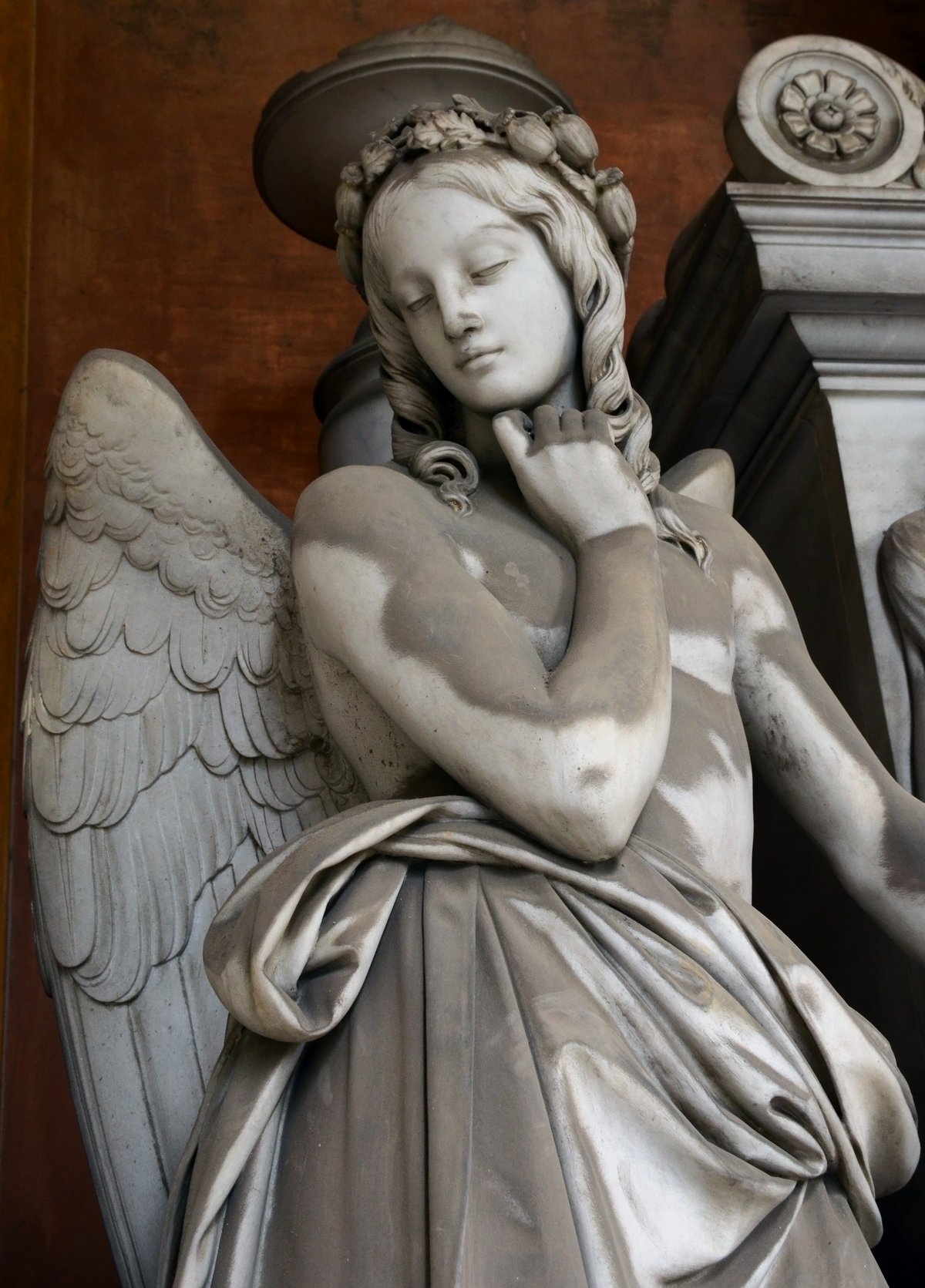
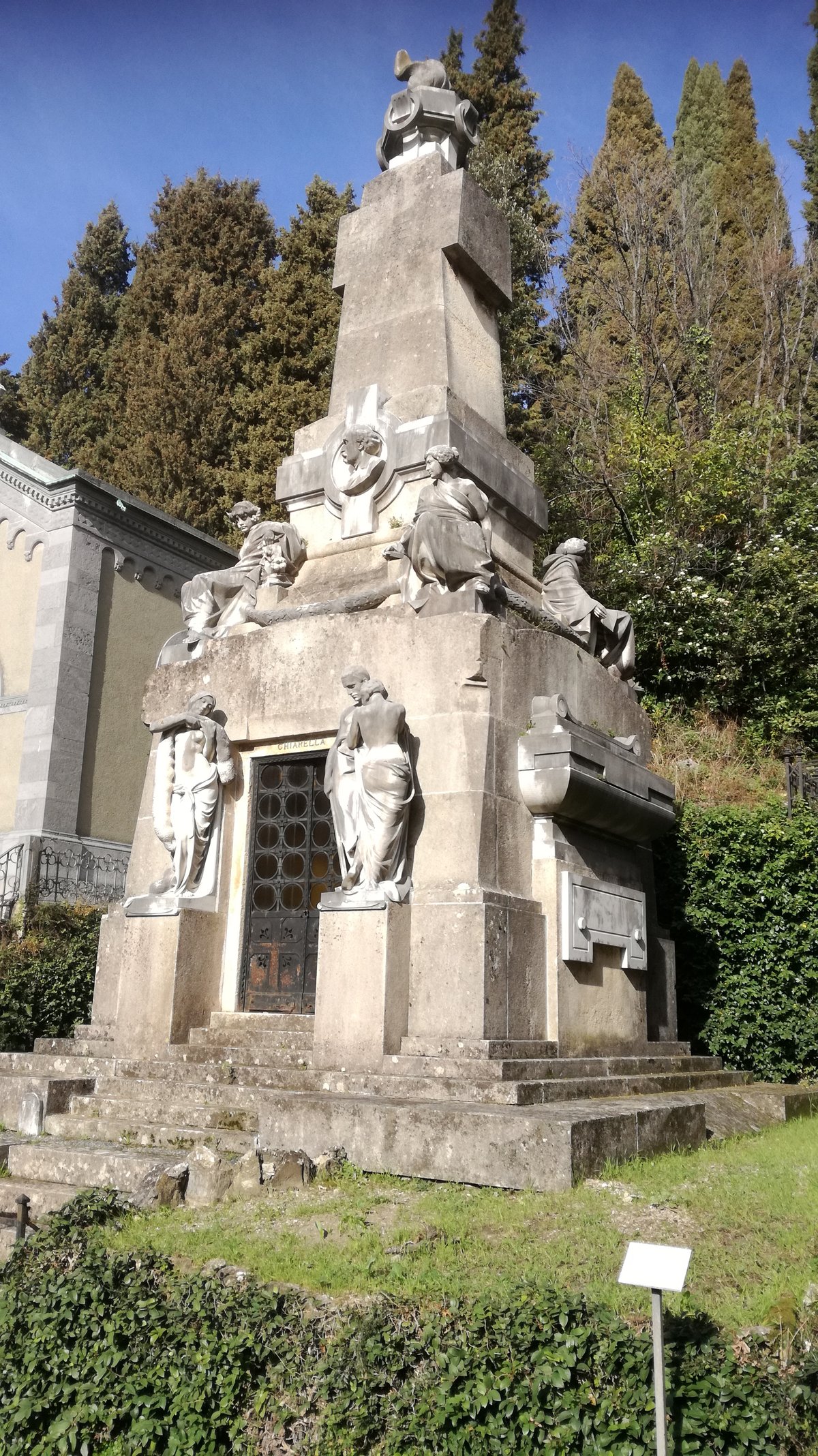
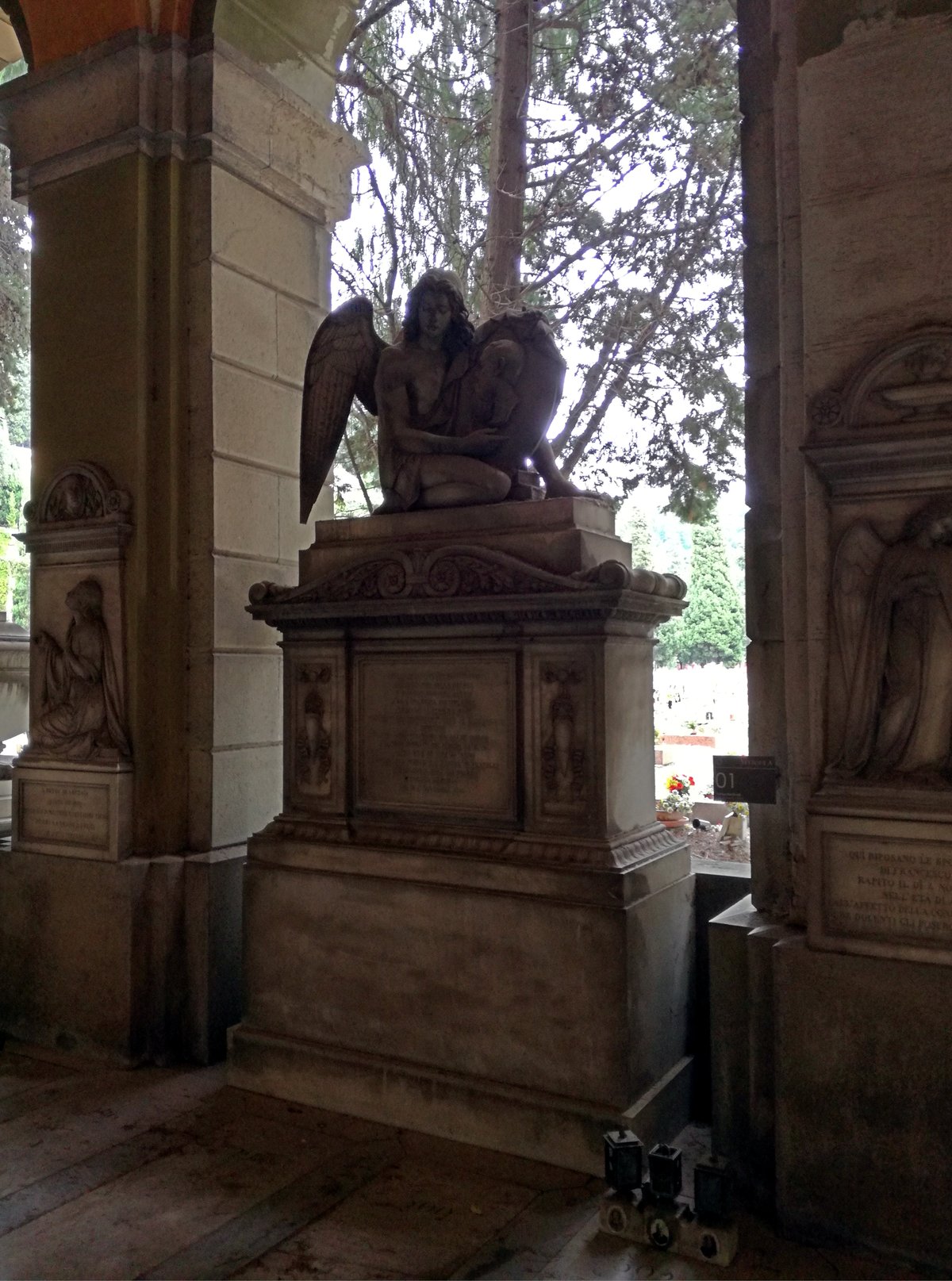
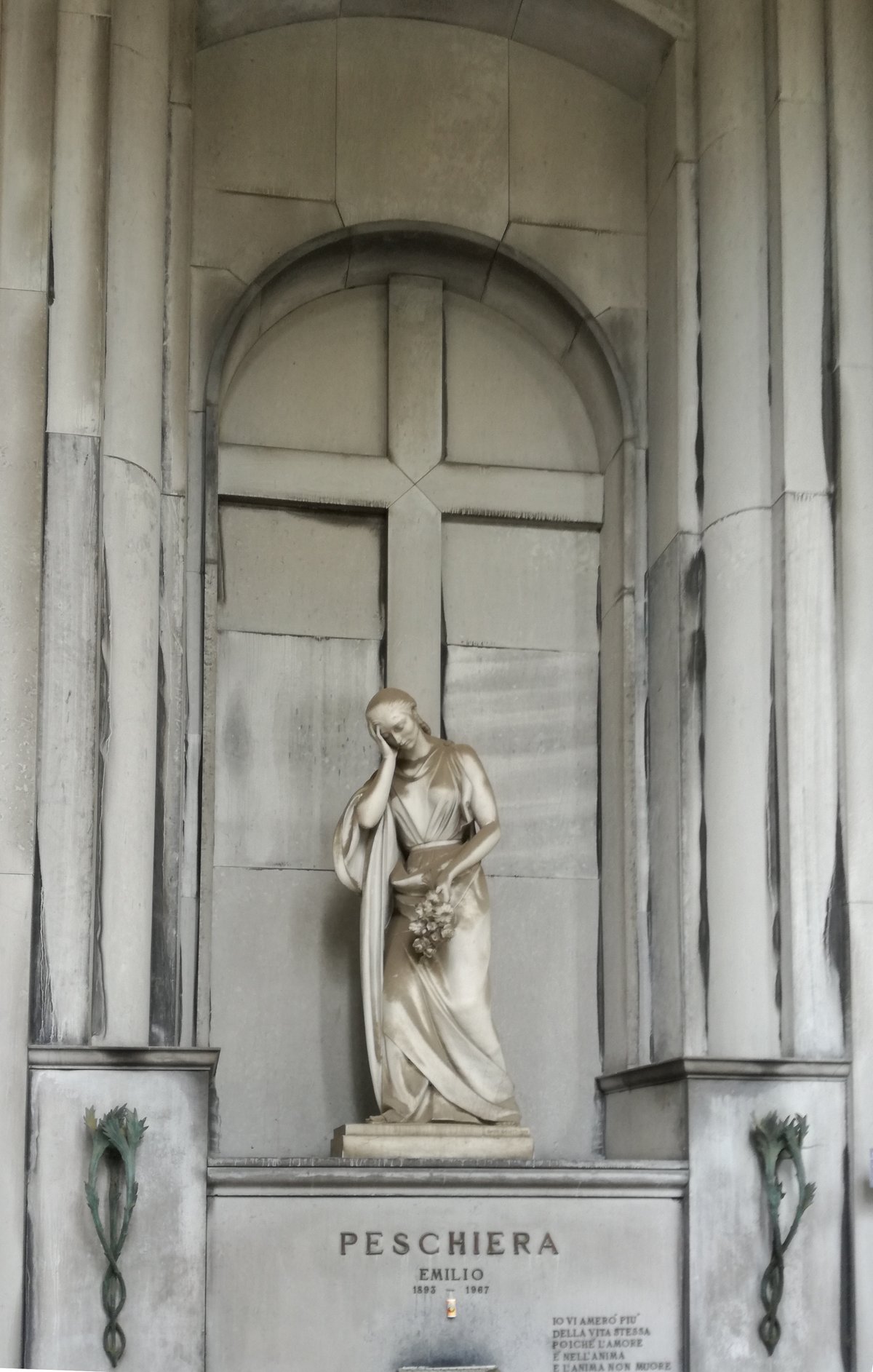
At the heart of Staglieno’s artistic treasures lies the Tomba Mele, a masterwork of Italian Art Nouveau (Stile Liberty). Commissioned by the Mele family in the early 20th century, the tomb’s intricate bronze angel and floral motifs symbolize life, death, and hope for resurrection. This monument encapsulates Genoa’s social evolution and the transformation of funerary art, appealing to both art enthusiasts and travelers seeking a deeper understanding of the city’s cultural fabric (Wandering Liguria; Trips & Leisure).
This guide delivers practical details—visiting hours, ticket policies, transport options, tour insights, accessibility, recommended visiting periods, and tips for a respectful and enriching experience. It also situates Tomba Mele within Genoa’s broader historical context and highlights nearby attractions.
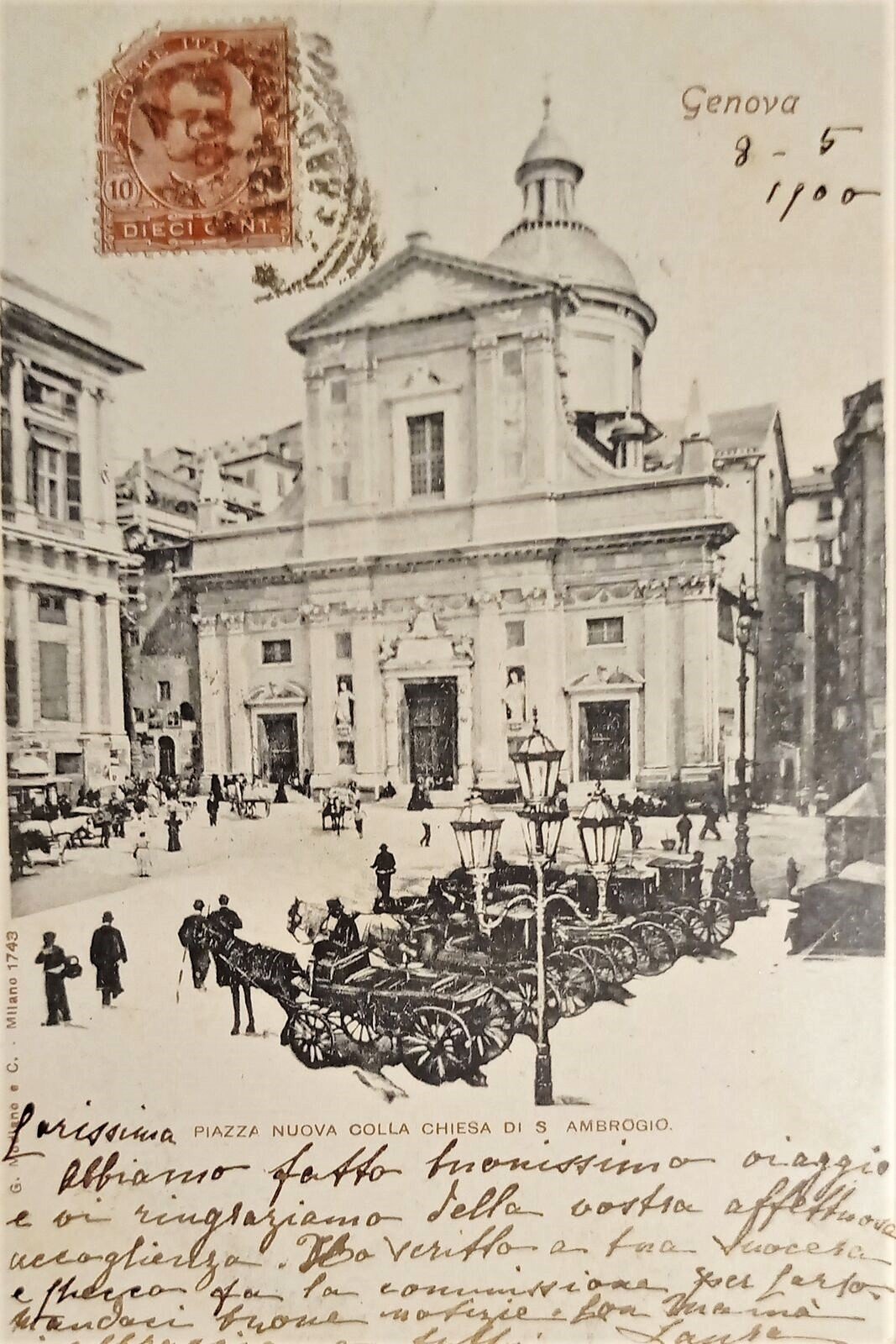
Genoa’s history traces back to pre-Roman times, rising as a prominent maritime republic. With increased population and urban reforms under Napoleon in 1804, the need for a new burial ground led to the creation of Staglieno Cemetery, which opened in 1851. Architect Carlo Barabino’s vision, executed by Giovanni Battista Resasco, resulted in a neoclassical design that combines formal organization with naturalistic landscaping (Wikipedia; Visit Genoa PDF).
Staglieno quickly became a showcase for Genoa’s bourgeoisie and artistic elite, reflecting the city’s prosperity and shifting attitudes toward commemoration, memory, and art.
Photo Gallery
Explore Tomba Mele in Pictures
Artistic and Cultural Significance of Tomba Mele
Tomba Mele exemplifies the transition from neoclassical to expressive Art Nouveau funerary styles. Designed by Giovanni Battista Cevasco with a bronze angel by Edoardo De Albertis, the tomb features flowing lines and organic motifs. The angel symbolizes the passage from life to eternity, while lilies and roses evoke purity and the cycle of life (Wandering Liguria; Trips & Leisure).
The monument stands out not only for its artistry but also as a reflection of the Mele family’s influence and the broader Belle Époque cultural innovation in Genoa.
Visiting Tomba Mele: Practical Information
Location and Access
- Address: Monumental Cemetery of Staglieno, Piazzale Resasco, Genoa
- Public Transport: Bus lines 14 and 34 connect main train stations (Brignole and Piazza Principe) to the cemetery entrance. Tickets (~€1.50) are available at local shops (My Italian Diaries).
- By Taxi: Around €10 from the city center.
Visiting Hours and Tickets
- Opening Hours: Daily, typically from 7:30 AM to 5:00 PM (seasonal variations apply).
- Admission: Free of charge for general entry; some special tours require tickets (Discover Genoa; Visit Genoa PDF).
- Guided Tours: Offered in multiple languages, with fees ranging from €10–20. Advance booking is recommended (Visit Genoa).
Accessibility
- Paths: Main galleries are wheelchair accessible; some areas may be uneven or steep.
- Facilities: Public restrooms near the entrance, benches, and a café outside the main gate.
Navigation
- Maps: Obtainable at the entrance or downloadable online. Tomba Mele is signposted in main gallery corridors.
- Audio Guides: QR-coded audio guides and booklets are available for a self-guided experience.
Exploring Staglieno Cemetery and Tomba Mele
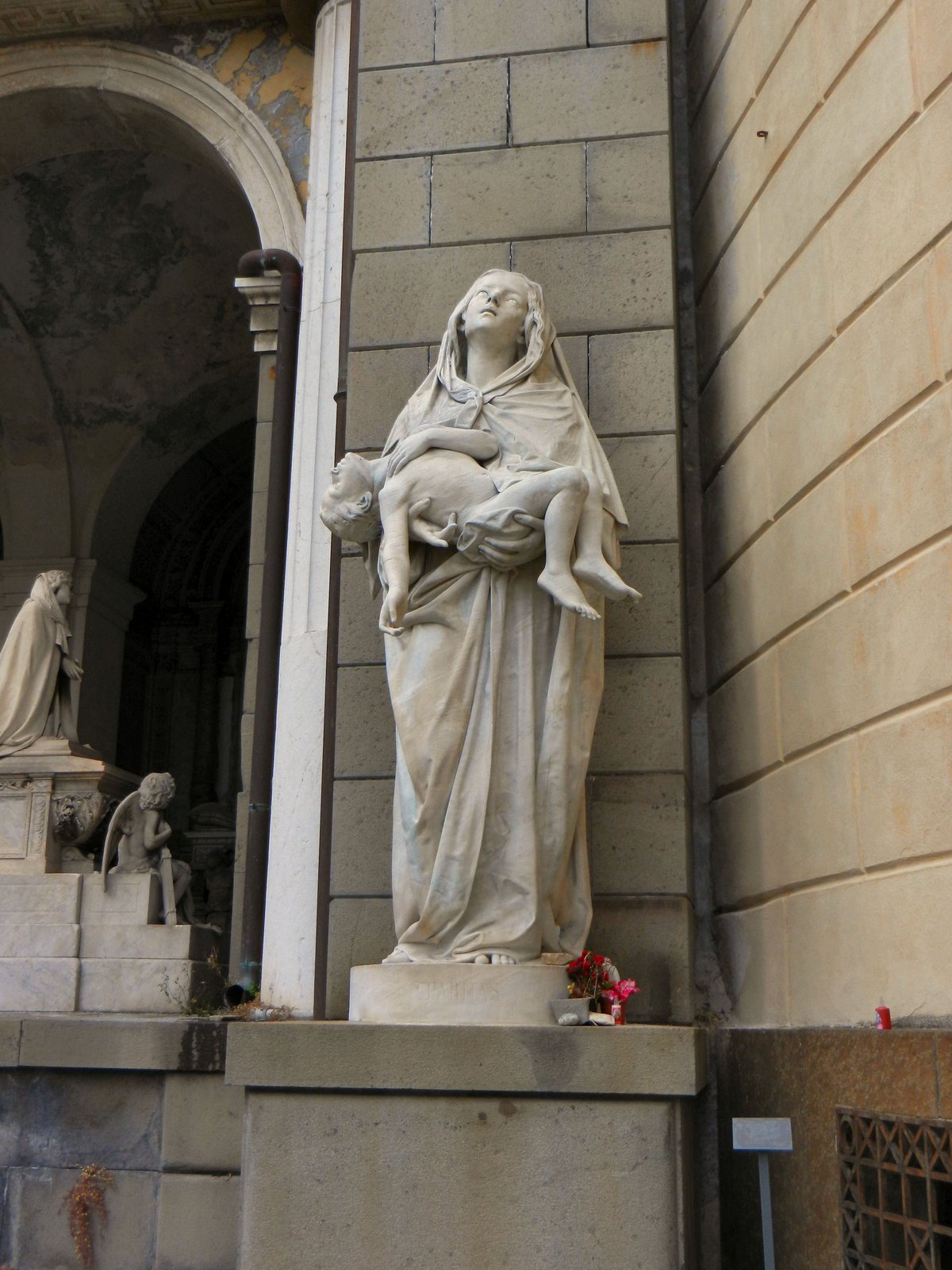
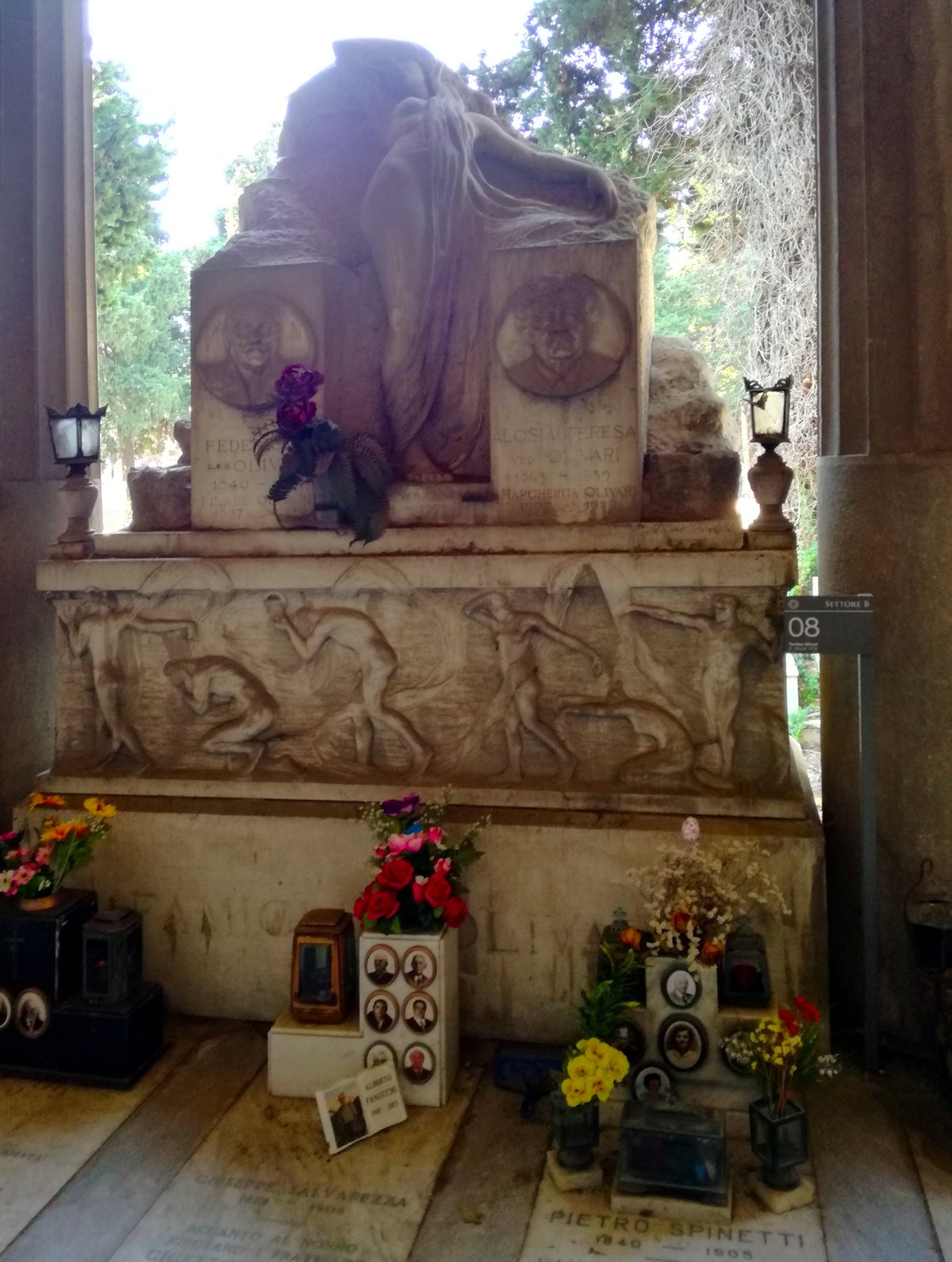
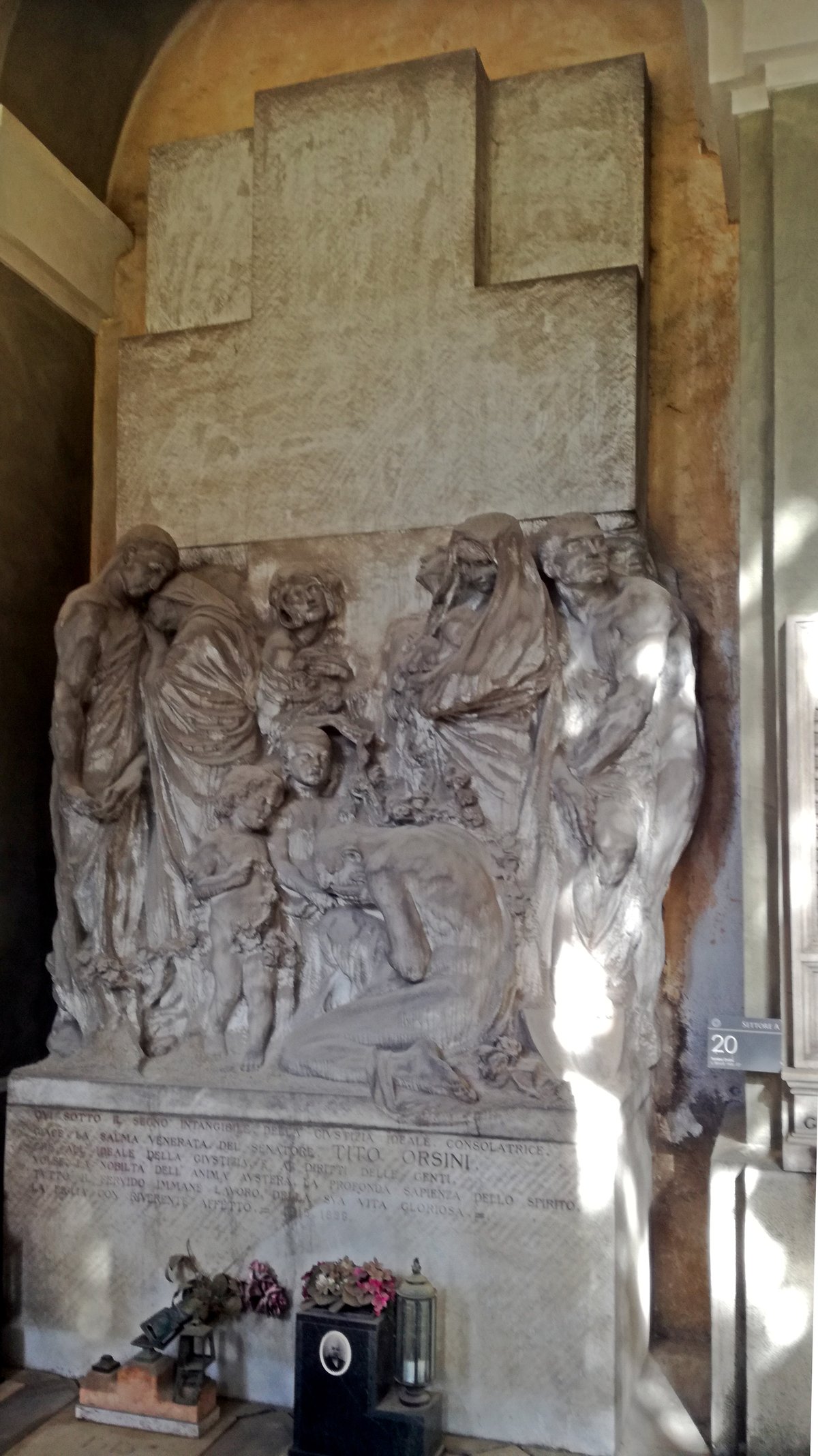
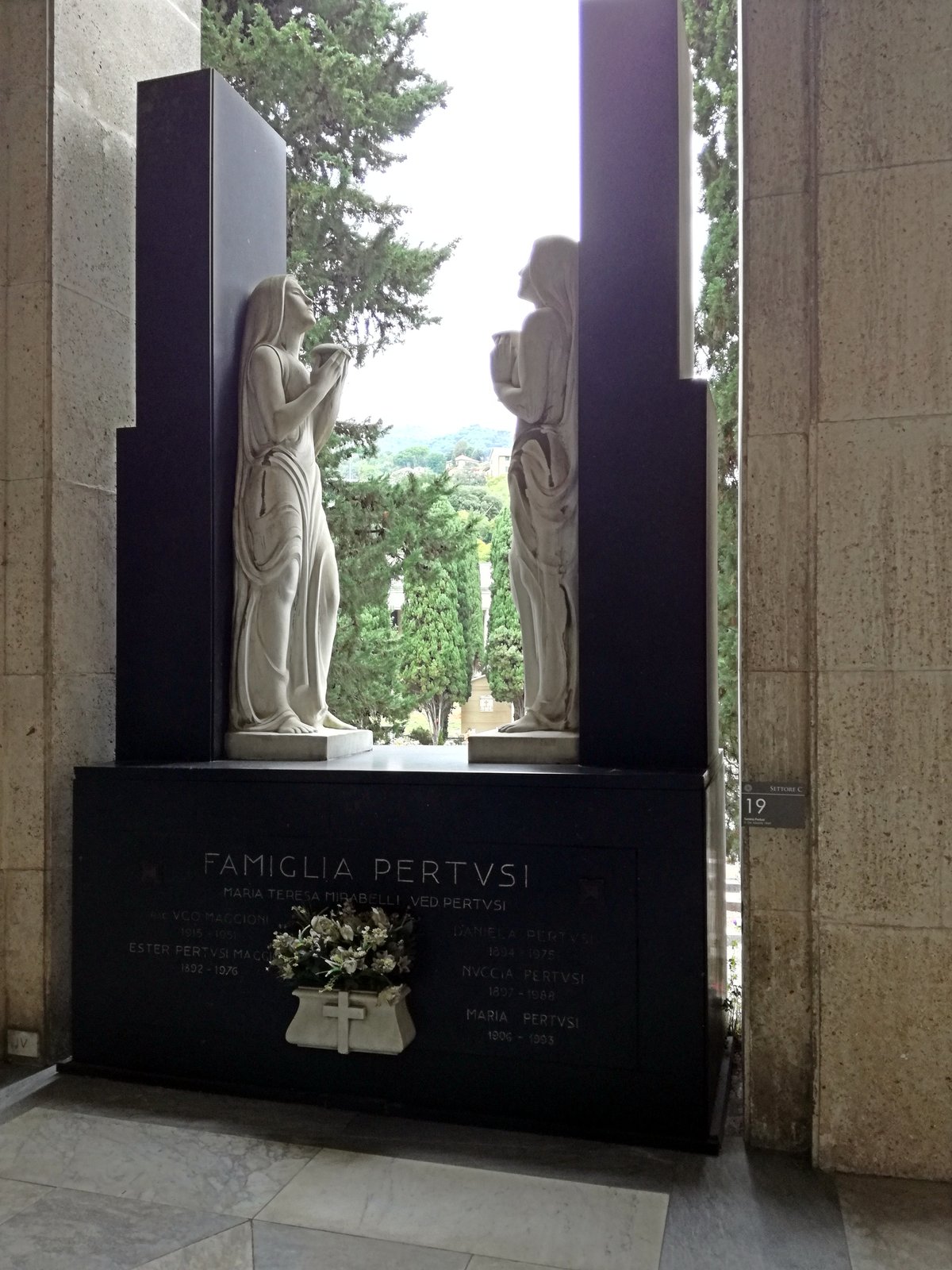
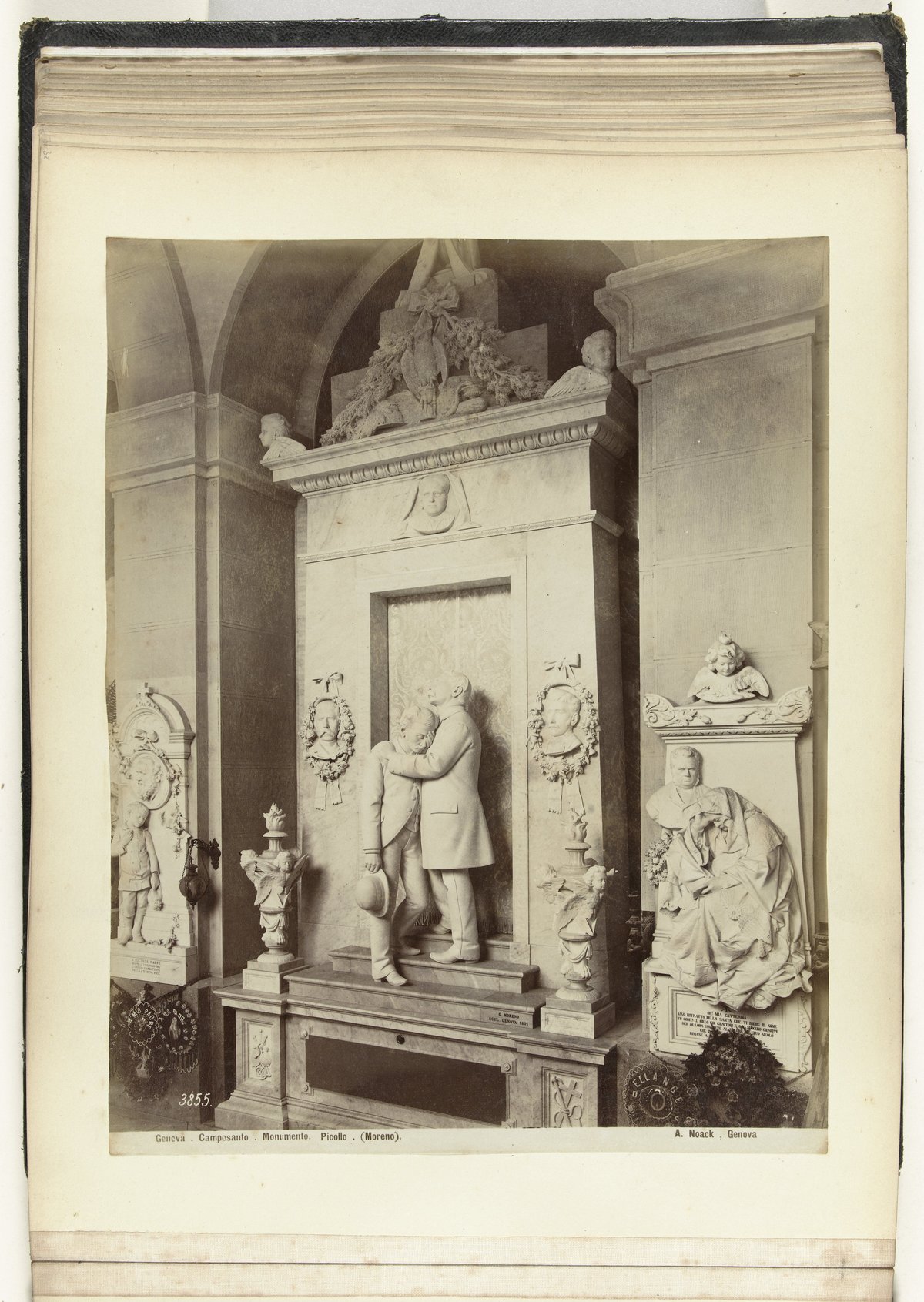
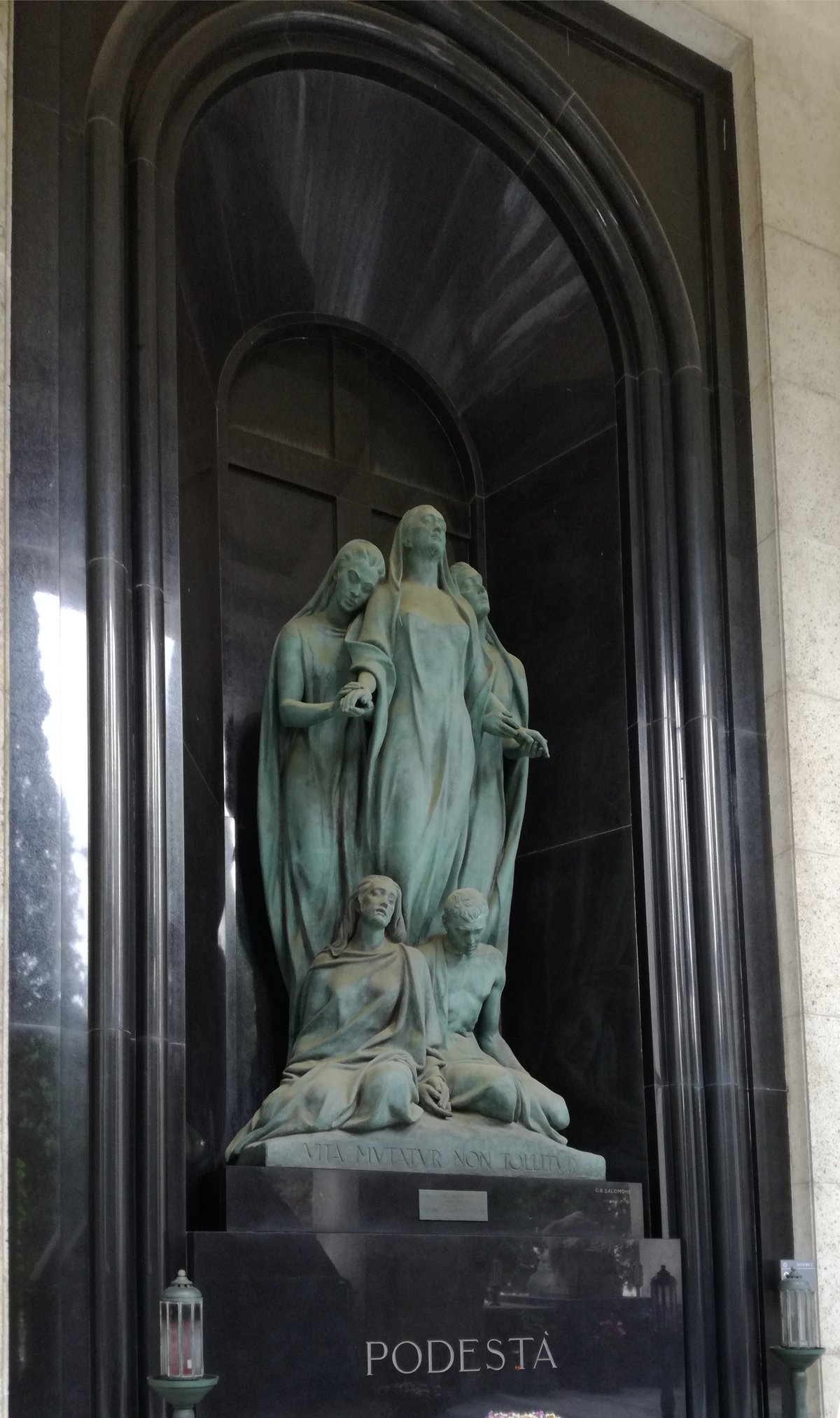
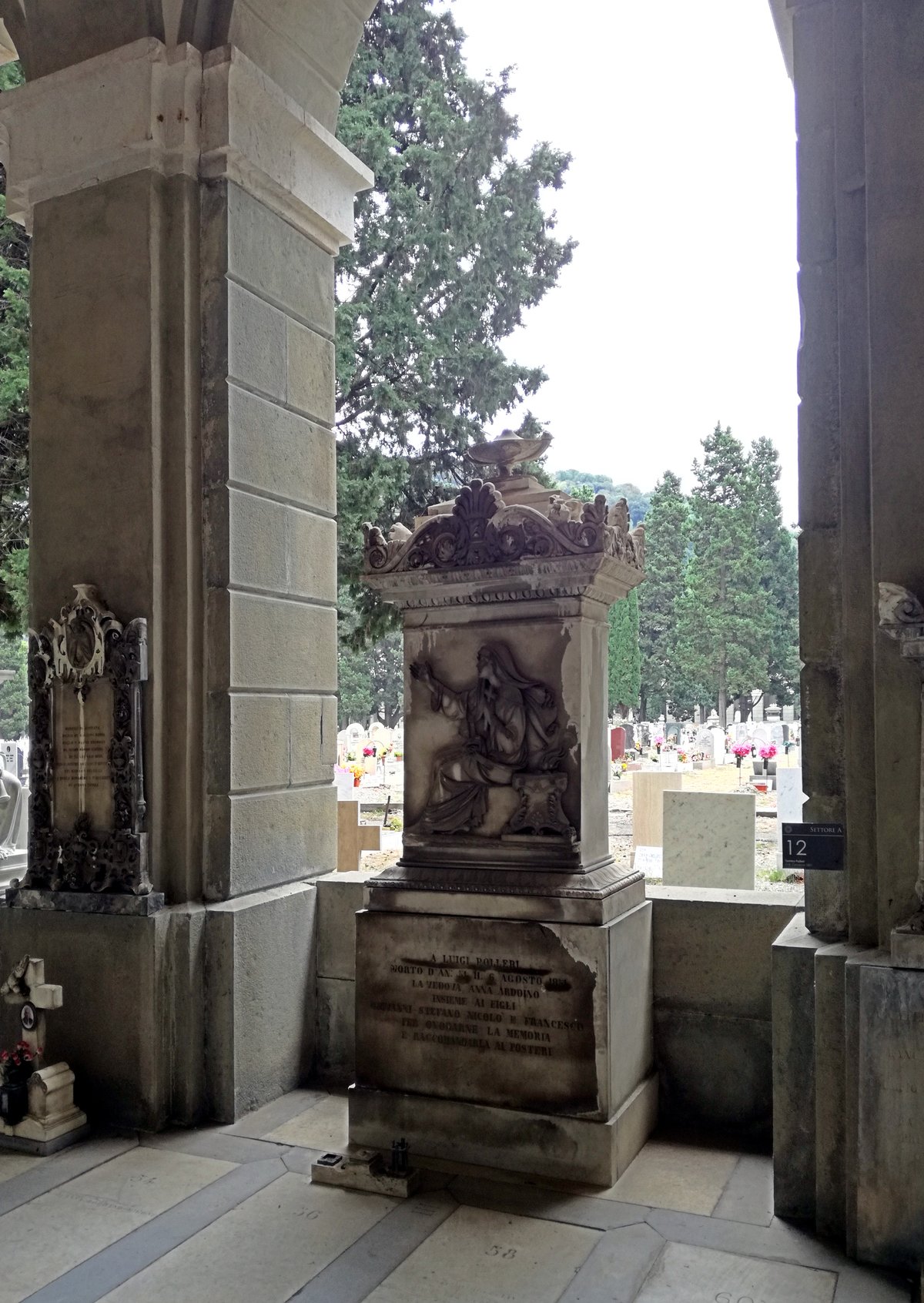
Staglieno covers over 250,000 square meters, with distinct sections such as the English Cemetery and Boschetto Irregolare. Tomba Mele is a highlight among many notable monuments, including the Oneto Tomb and Caterina Campodonico Monument. Allocate at least 1–2 hours for a thorough visit.
Visitor Etiquette and Photography
- Dress Code: Modest attire is encouraged out of respect for the active burial site.
- Behavior: Speak quietly, do not block pathways, and avoid touching sculptures.
- Photography: Allowed for personal use; professional equipment requires authorization.
Best Times to Visit and Photography Tips
- Seasons: Spring and autumn offer mild weather and vibrant gardens.
- Timing: Early morning and late afternoon provide optimal light for photography.
- Avoid: Midday heat in summer due to limited shade.
Guided Tours and Educational Experiences
- Group Tours: Book through the Genoa tourist office or online platforms for in-depth historical and artistic insights.
- Self-Guided: Audio guides and printed materials are available in several languages.
- Educational Programs: School and family activities can be arranged with advance notice.
Nearby Genoa Historical Sites and Amenities
After your cemetery visit, explore Genoa’s historical center, including UNESCO-listed sites, the Palazzi dei Rolli, Porto Antico, and Villa Serra park (Discover Northern Italy). Enjoy local cuisine along Via Piacenza and Via Canevari.
Frequently Asked Questions (FAQs)
Q: Are there entrance fees for Tomba Mele or Staglieno Cemetery?
A: No, admission is free. Special guided tours may require a ticket.
Q: What are the opening hours?
A: Usually 7:30 AM to 5:00 PM daily, with possible seasonal variations.
Q: Is the cemetery wheelchair accessible?
A: Main areas are accessible, but some sections are hilly.
Q: Are guided tours available in English?
A: Yes, book in advance through the tourist office.
Q: May I take photographs?
A: Yes, for personal use; professional shoots require permission.
Listen to the full story in the app
Your Personal Curator, in Your Pocket.
Audio guides for 1,100+ cities across 96 countries. History, stories, and local insight — offline ready.
Audiala App
Available on iOS & Android
Join 50k+ Curators
Sources
- verified
- verified
- verified
- verified
- verified
- verified
Last reviewed: