Introduction to Tomba Marini and Its Historical Significance in Genoa
Nestled in the heart of Genoa, Italy, the Tomba Marini is a striking example of 19th-century funerary art and a symbol of the city's rich maritime heritage. Located within the monumental Cimitero Monumentale di Staglieno—one of Europe's largest and most artistically significant cemeteries—the tomb captures a pivotal era in Genoa’s transformation, marked by social reform and artistic innovation. The cemetery, established in the mid-1800s in response to Napoleon’s 1804 Edict of Saint-Cloud, reflects sweeping changes in burial practices that prioritized public health and urban planning by moving cemeteries outside city centers (Visit Genoa PDF; Atlas Obscura).
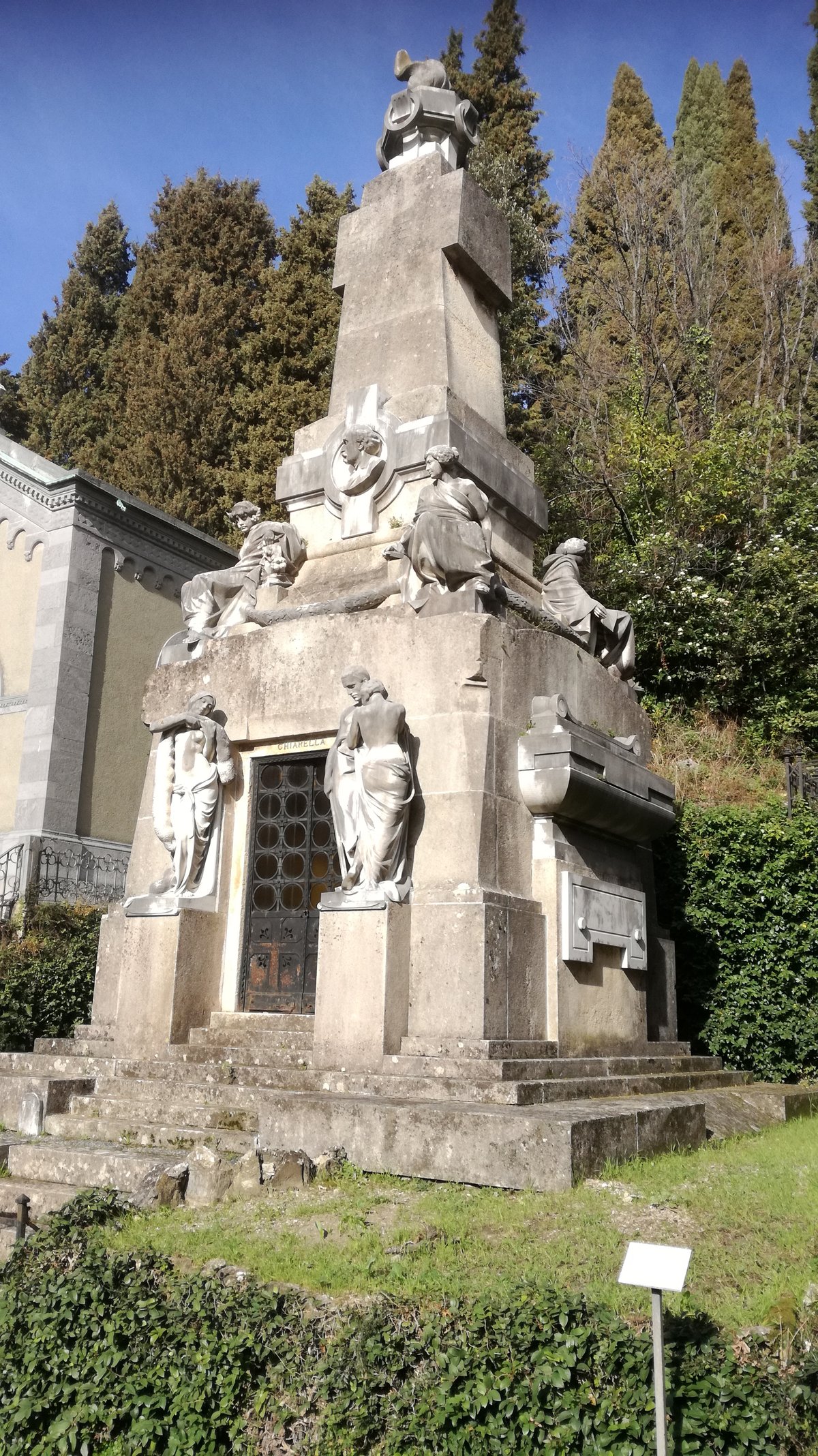
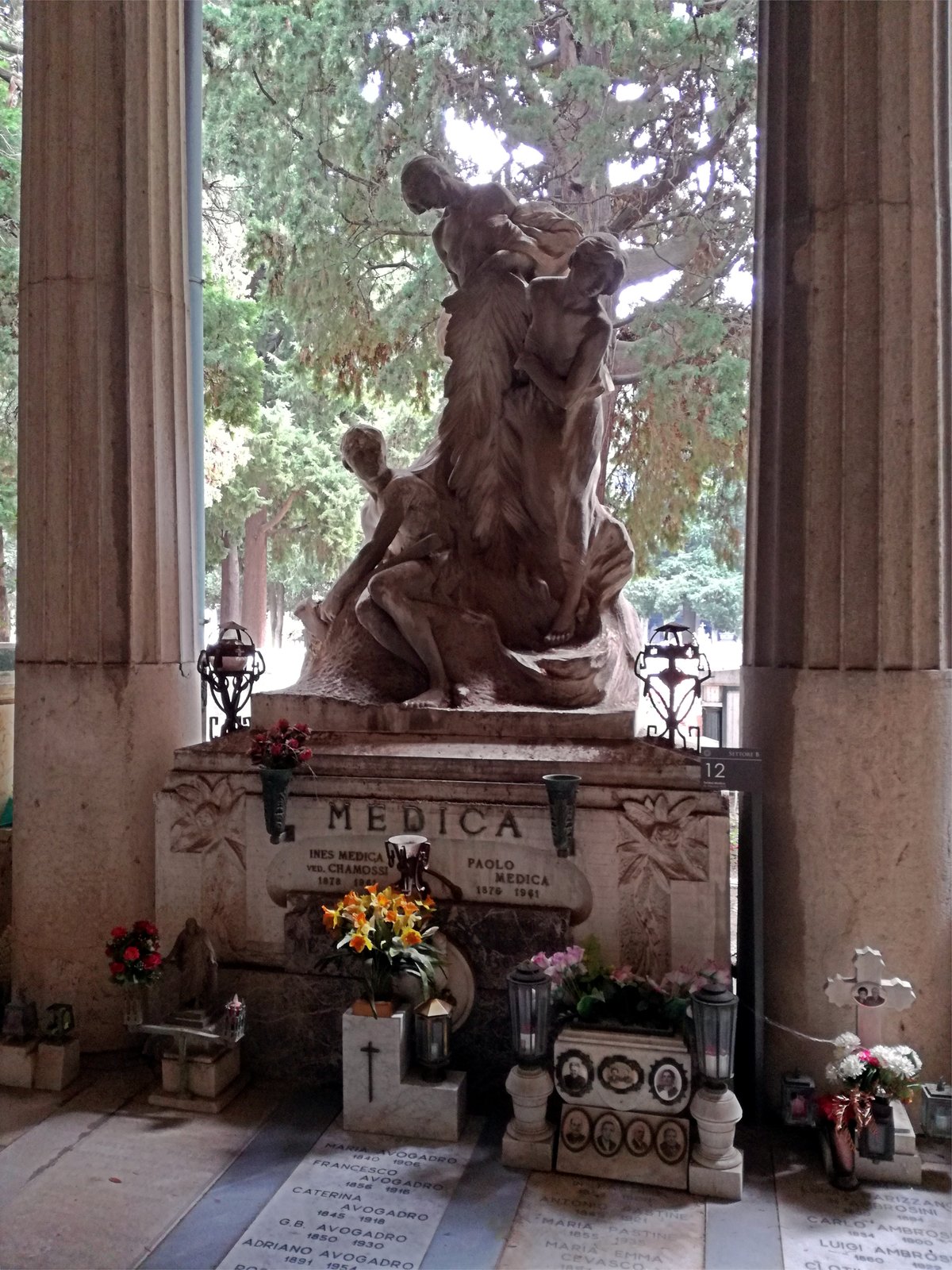
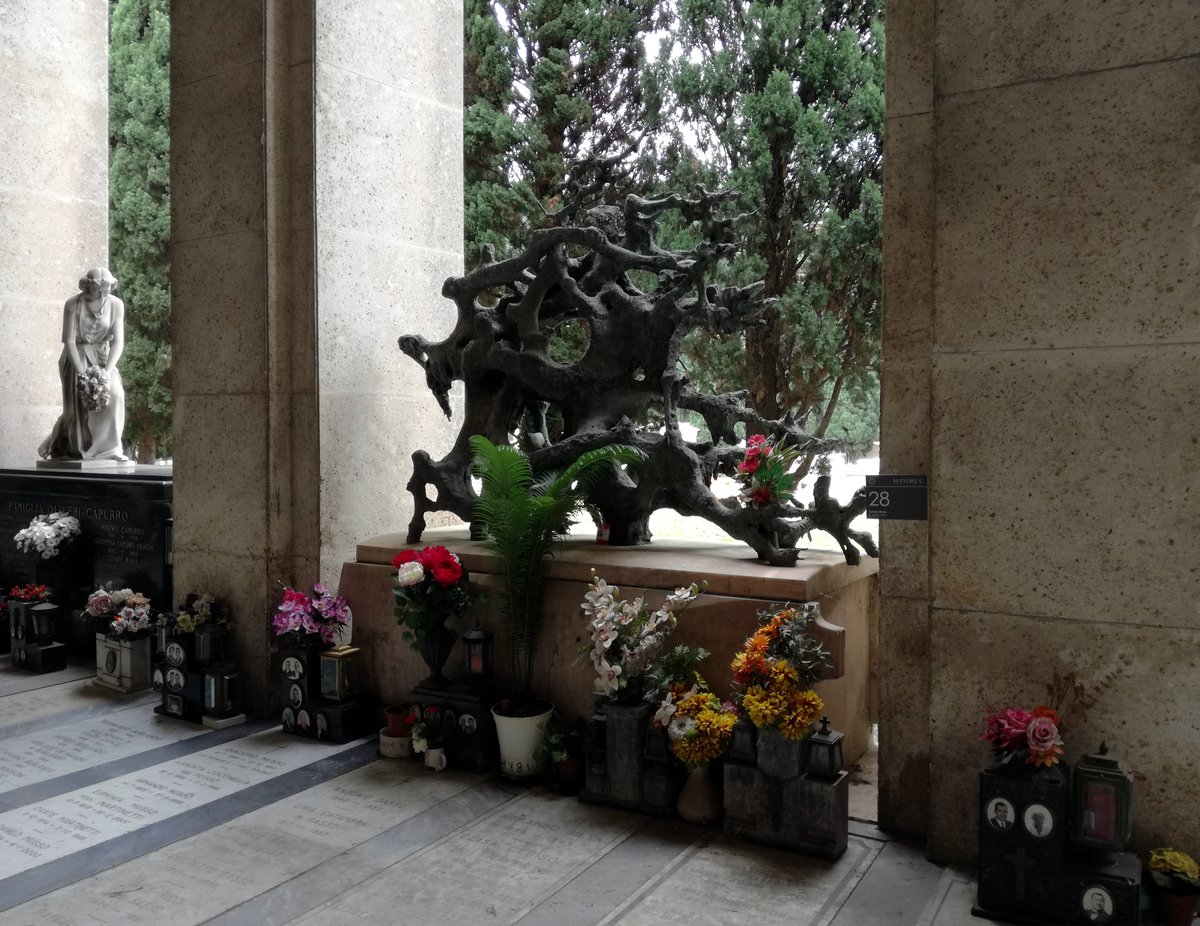
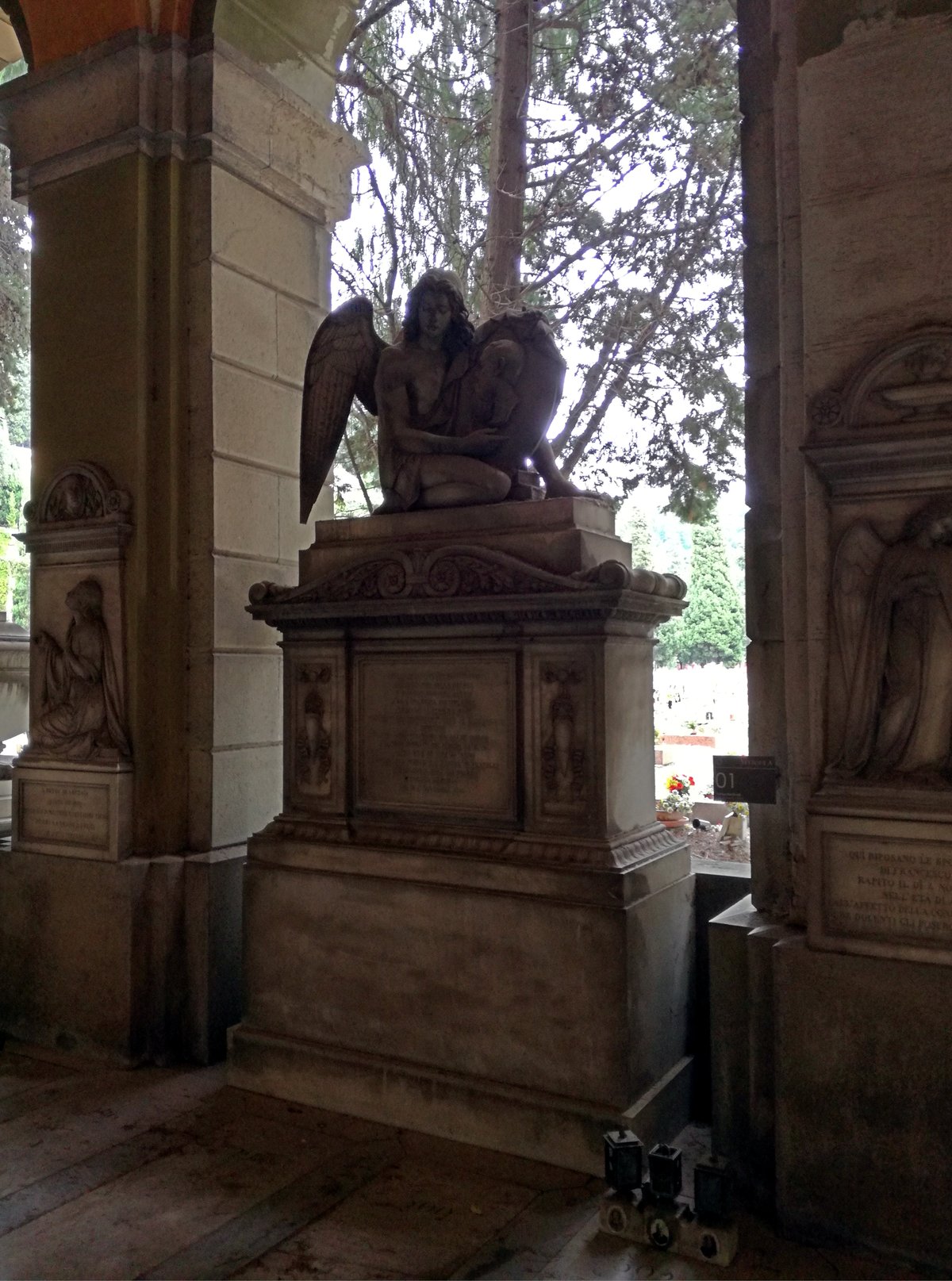
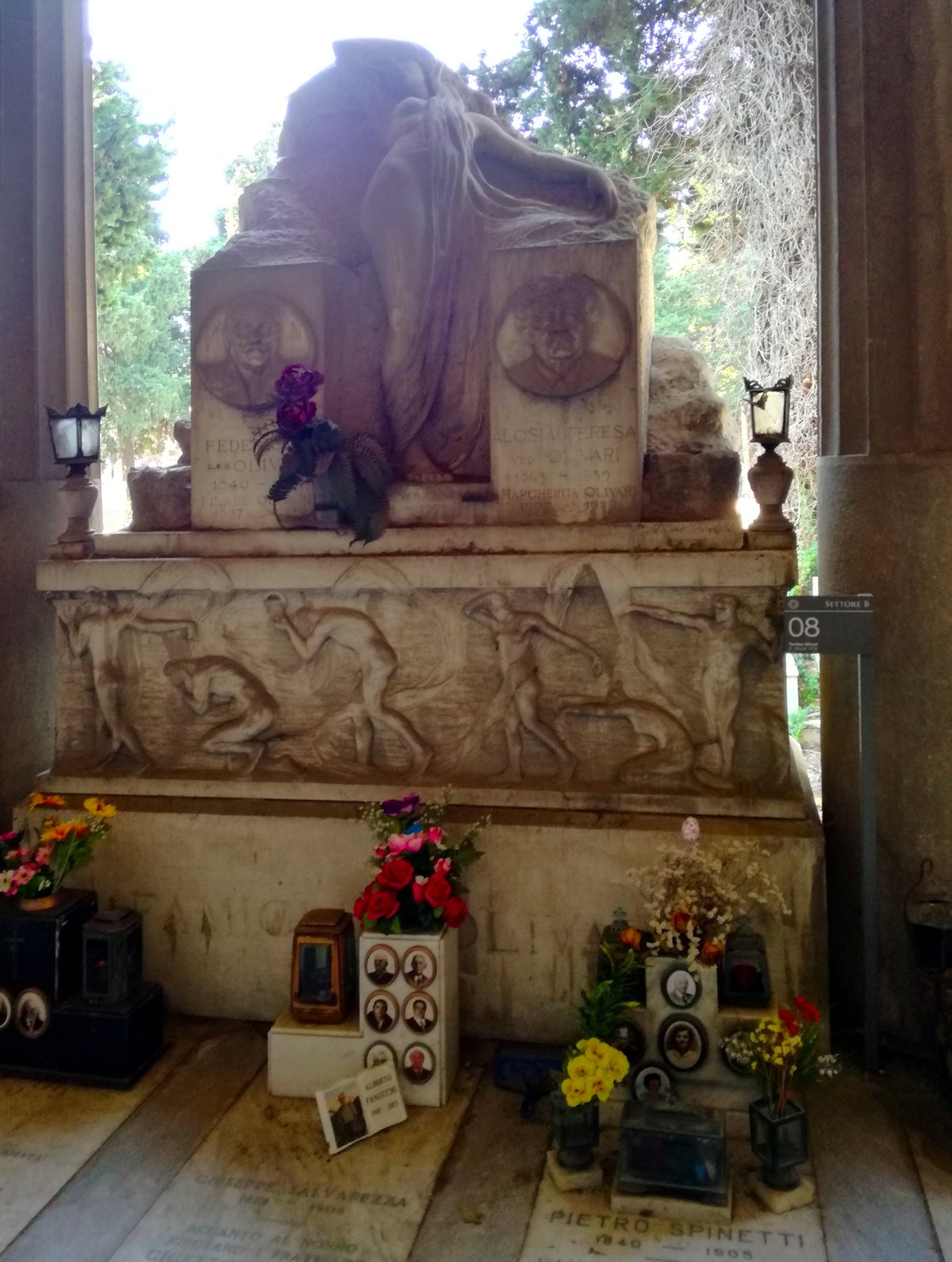
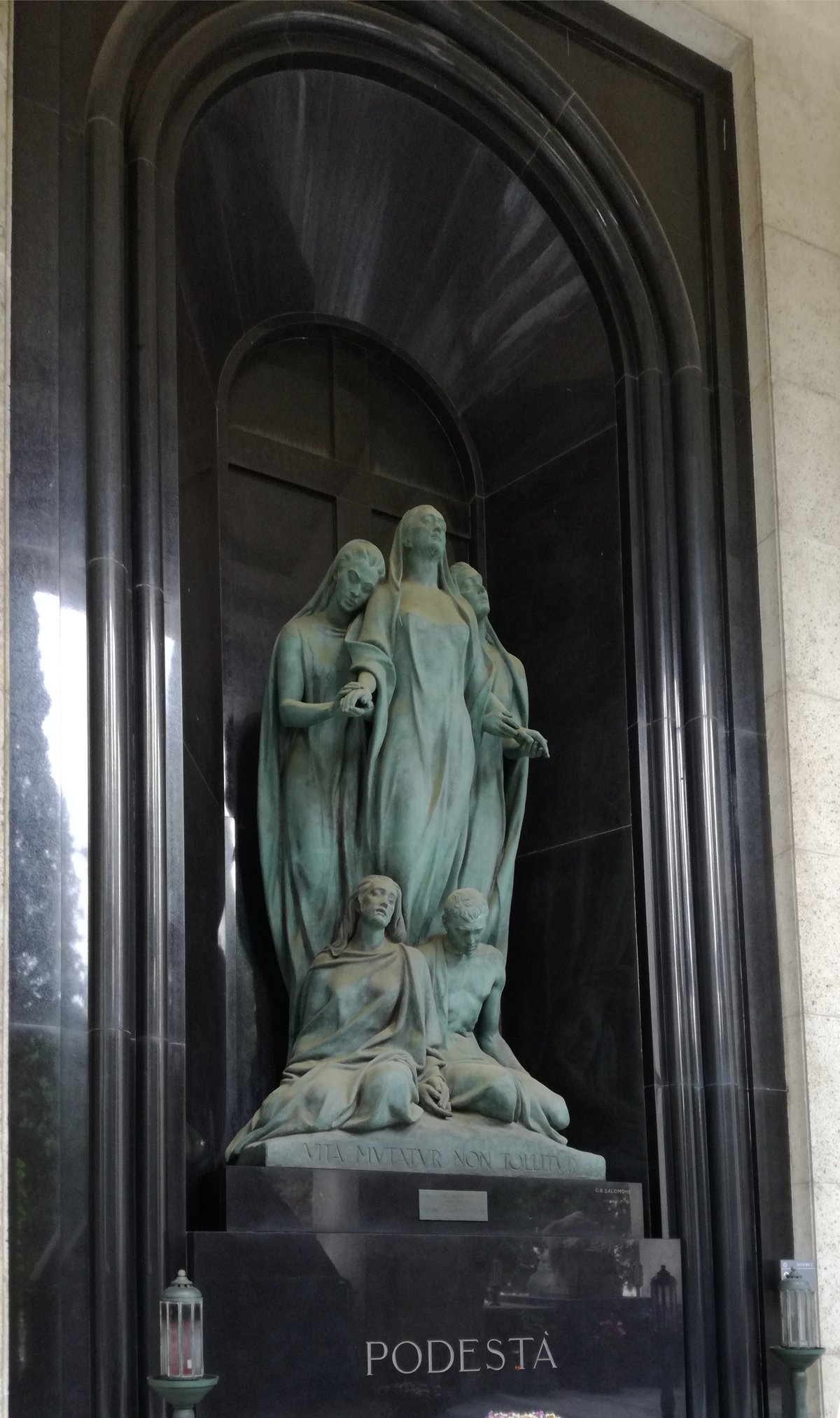
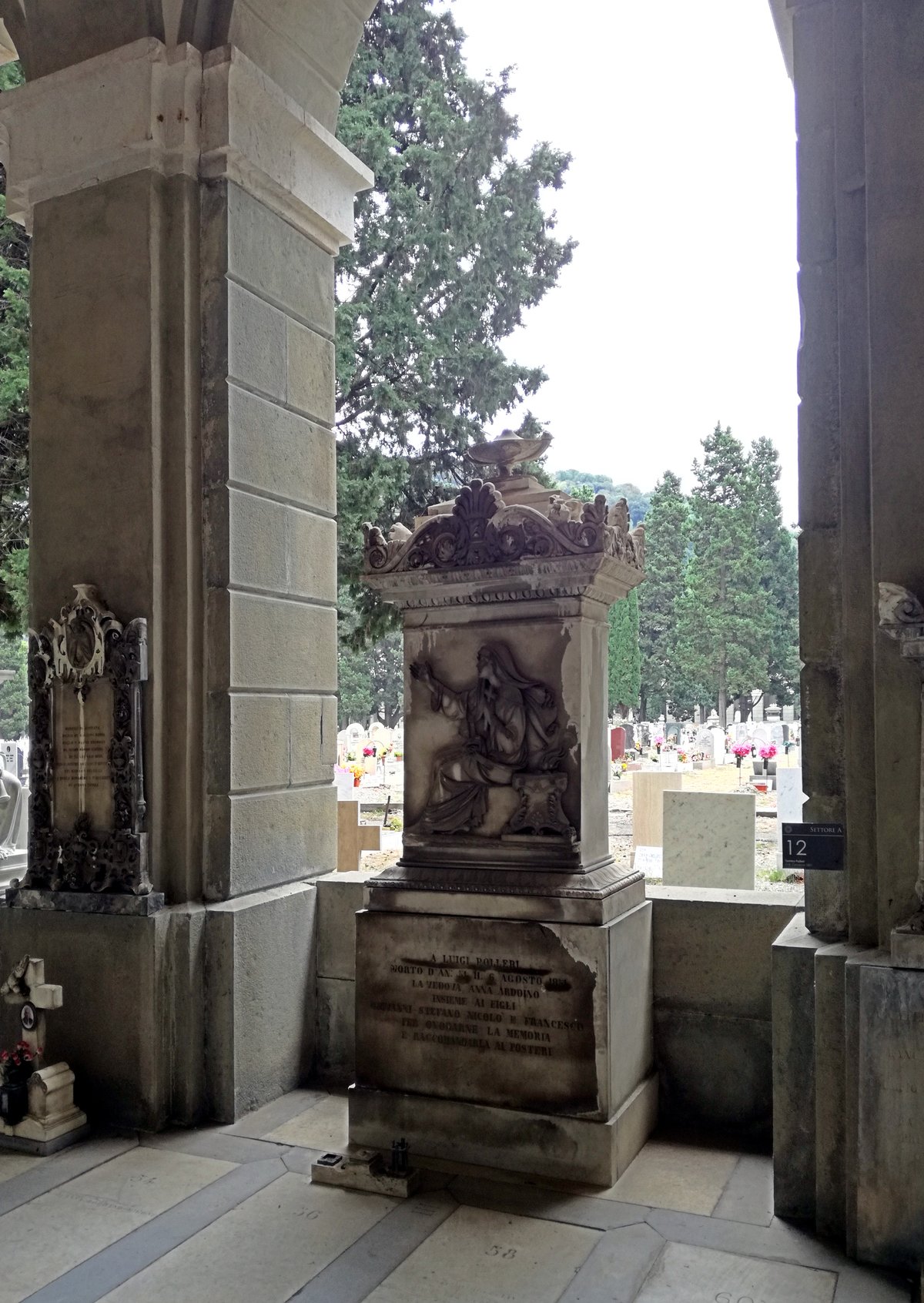
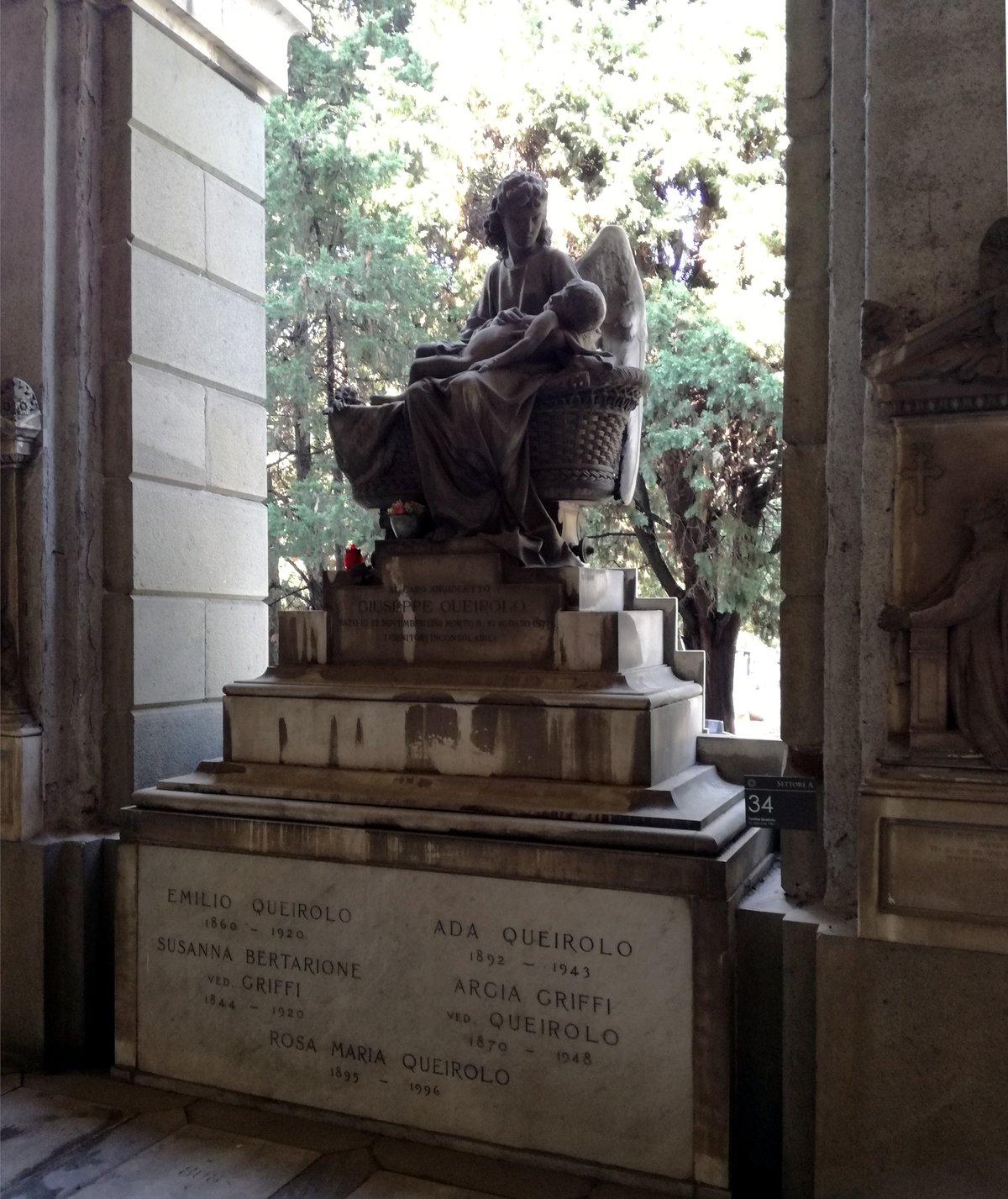
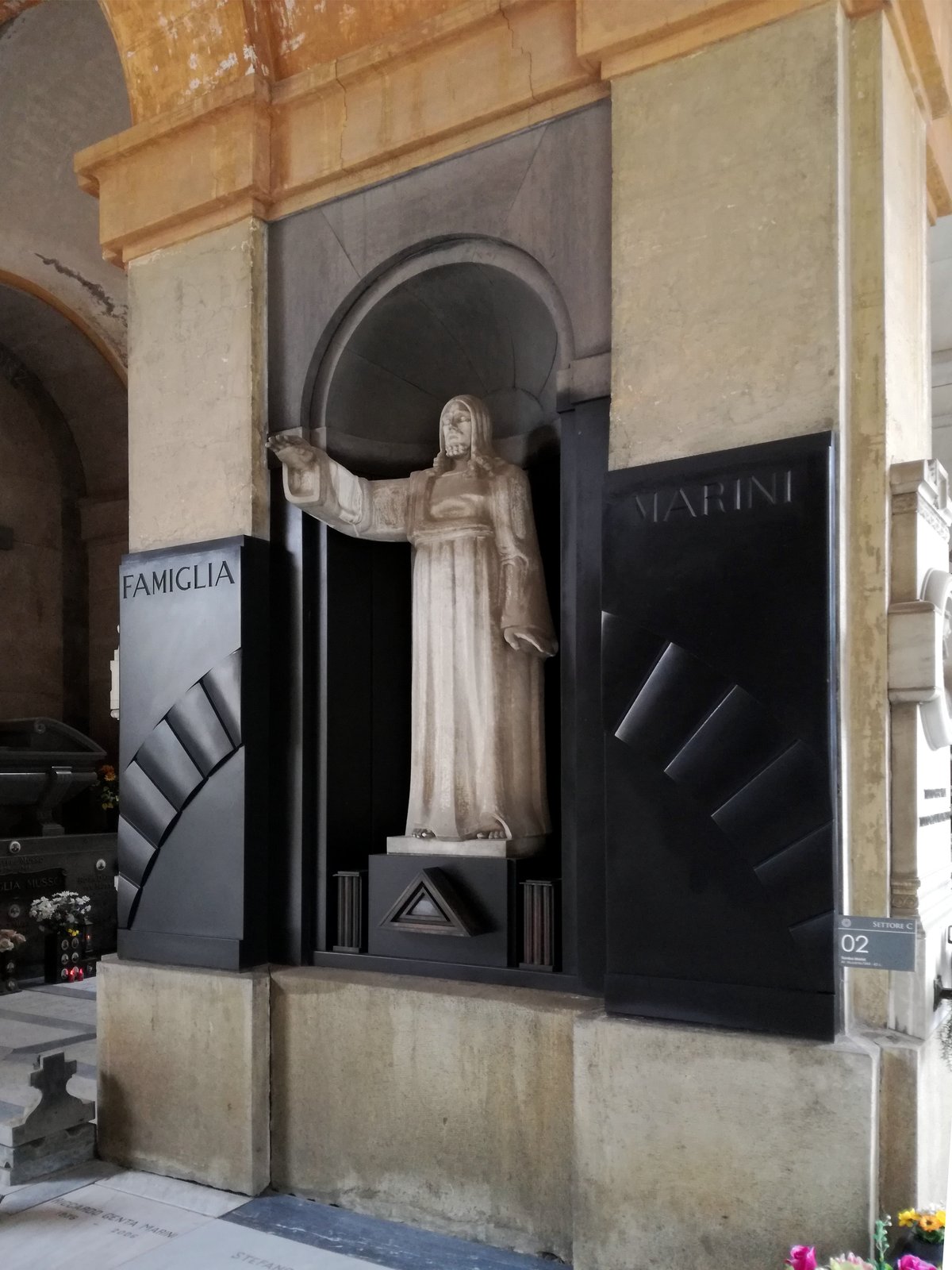
The Marini tomb, with its Neo-Classical architecture and Realist sculptural details, embodies Genoa’s maritime identity and the Marini family’s historical ties to the sea. The structure blends seamlessly into Staglieno’s lush terraces and monumental galleries, reflecting the period’s artistic trends and the city’s social dynamics, where affluent families commissioned elaborate monuments as symbols of legacy and civic pride (La Mia Liguria; Venere.it).
Today, Staglieno Cemetery operates as a unique open-air museum, offering free access, guided tours, and a chance for visitors to explore Genoa’s multifaceted heritage. This comprehensive guide provides essential information about the Tomba Marini and Staglieno Cemetery, covering historical context, artistic significance, visiting hours, ticketing, accessibility, and tips for a memorable visit (Comune di Genova – Staglieno; Discover Genoa).
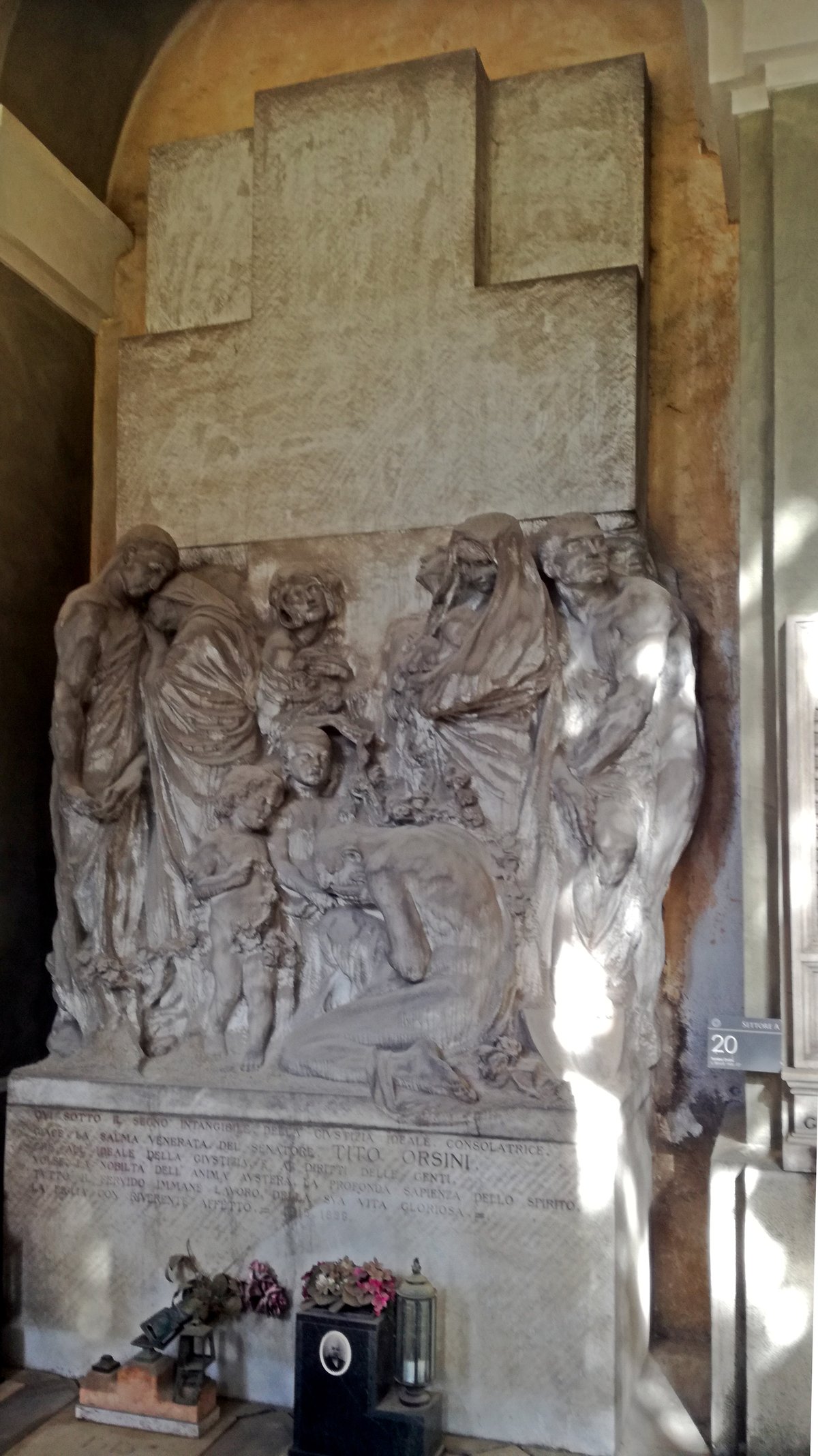
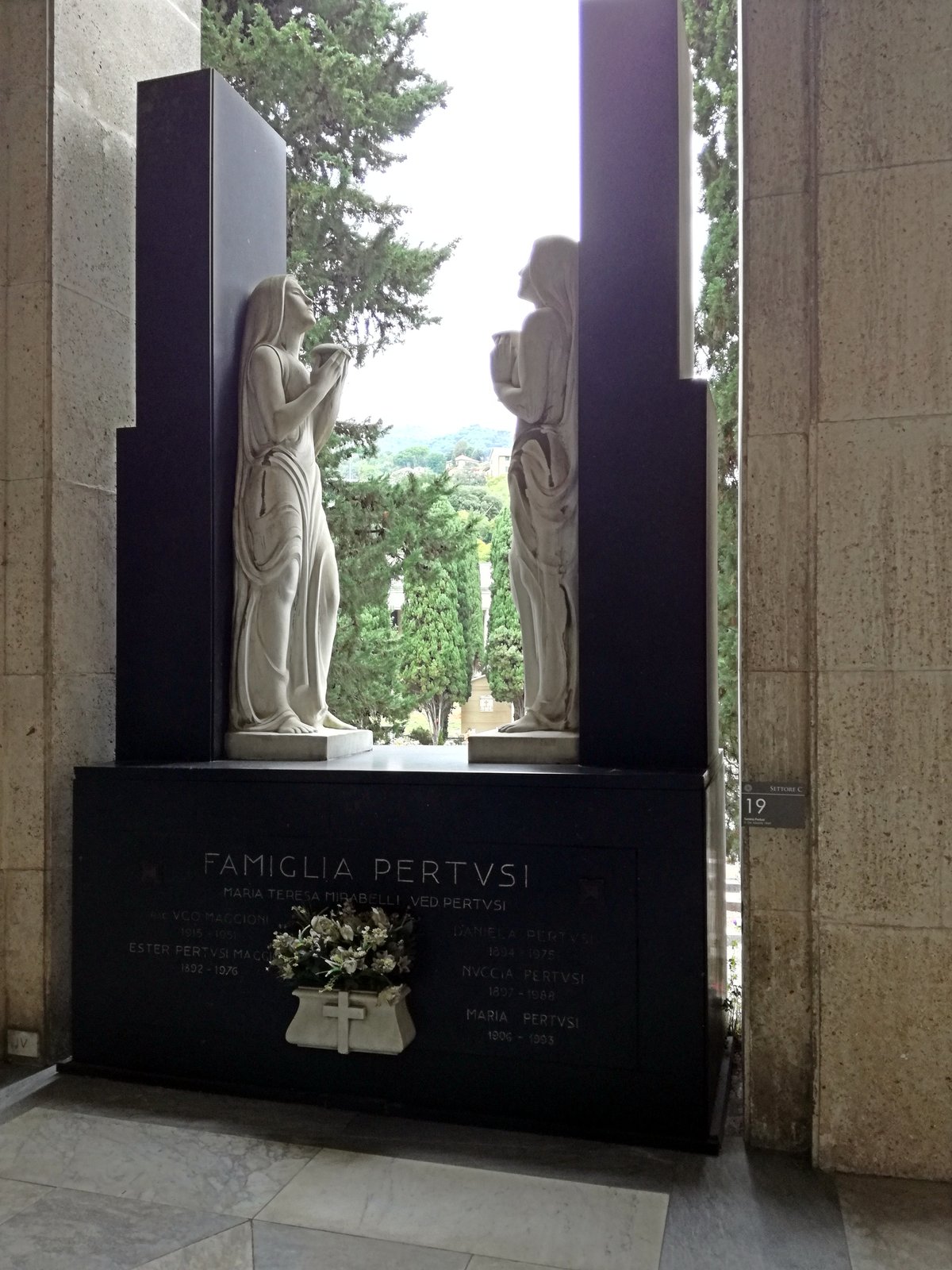
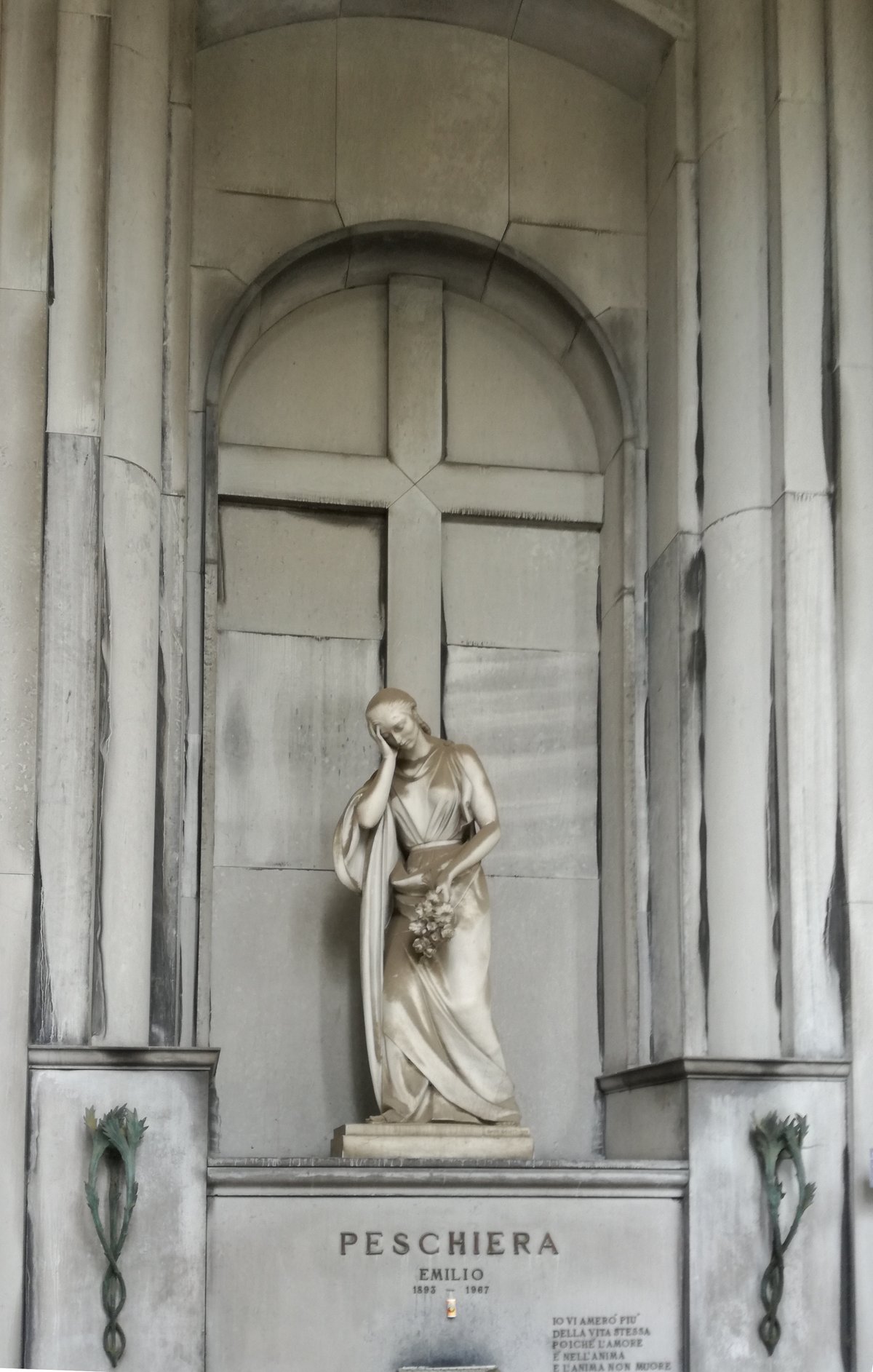
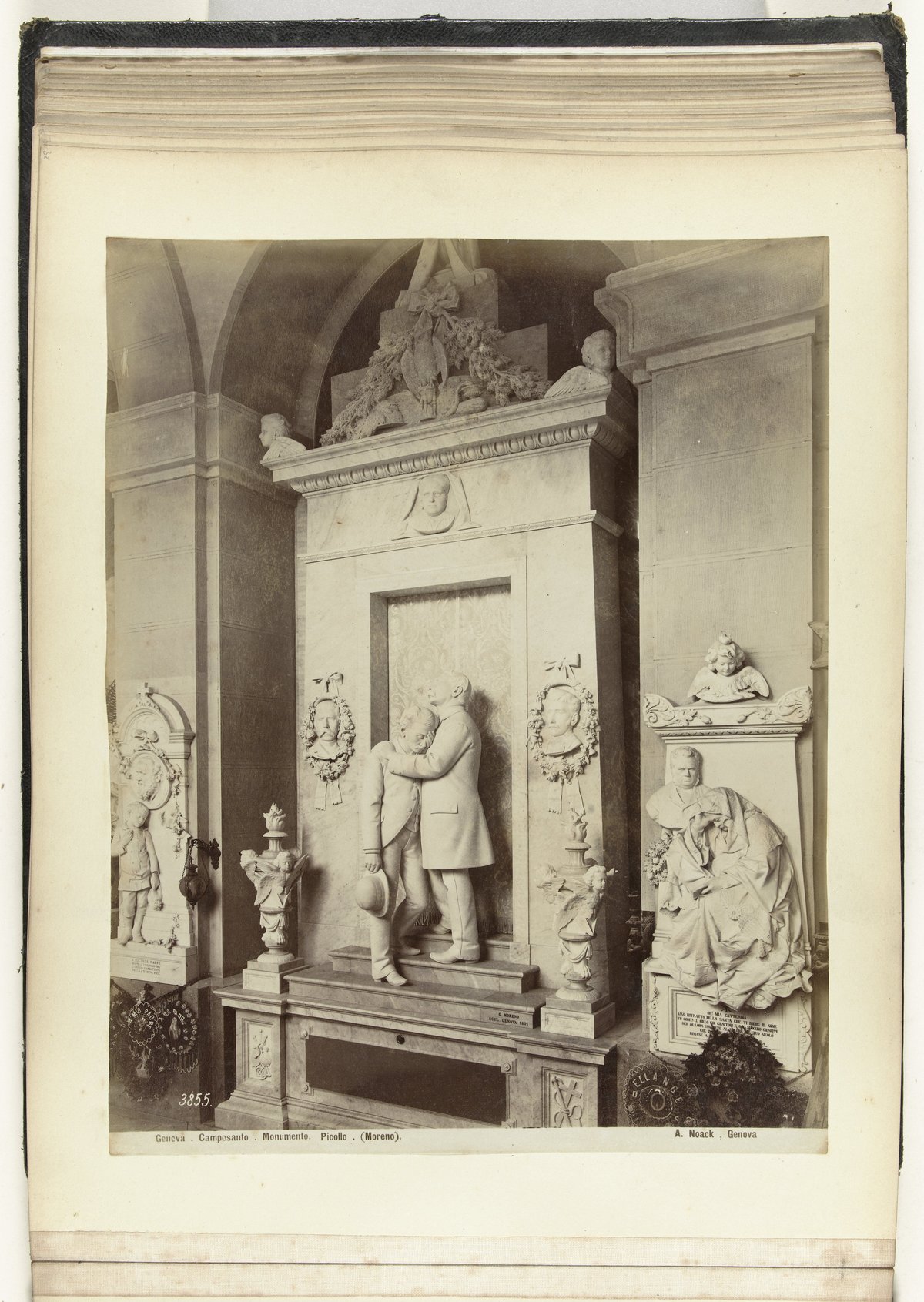
Photo Gallery
Explore Tomba Marini in Pictures
Origins and Historical Context of Tomba Marini
The Tomba Marini is emblematic of Genoa’s 19th-century funerary art. Staglieno Cemetery, established in 1851, was a direct result of the 1804 Edict of Saint-Cloud, which required cemeteries to be relocated outside overcrowded churchyards. The cholera epidemic of 1835 further accelerated this shift, leading to the creation of monumental cemeteries across Europe, with Staglieno becoming one of Italy’s most significant (Atlas Obscura; La Mia Liguria).
The Marini family name, derived from "Marino" (meaning “of the sea”), underscores Genoa’s maritime roots and the family’s likely involvement in seafaring or coastal trade. Surnames reflecting occupation or lineage became common in medieval Italy (Venere.it).
Architectural and Artistic Significance
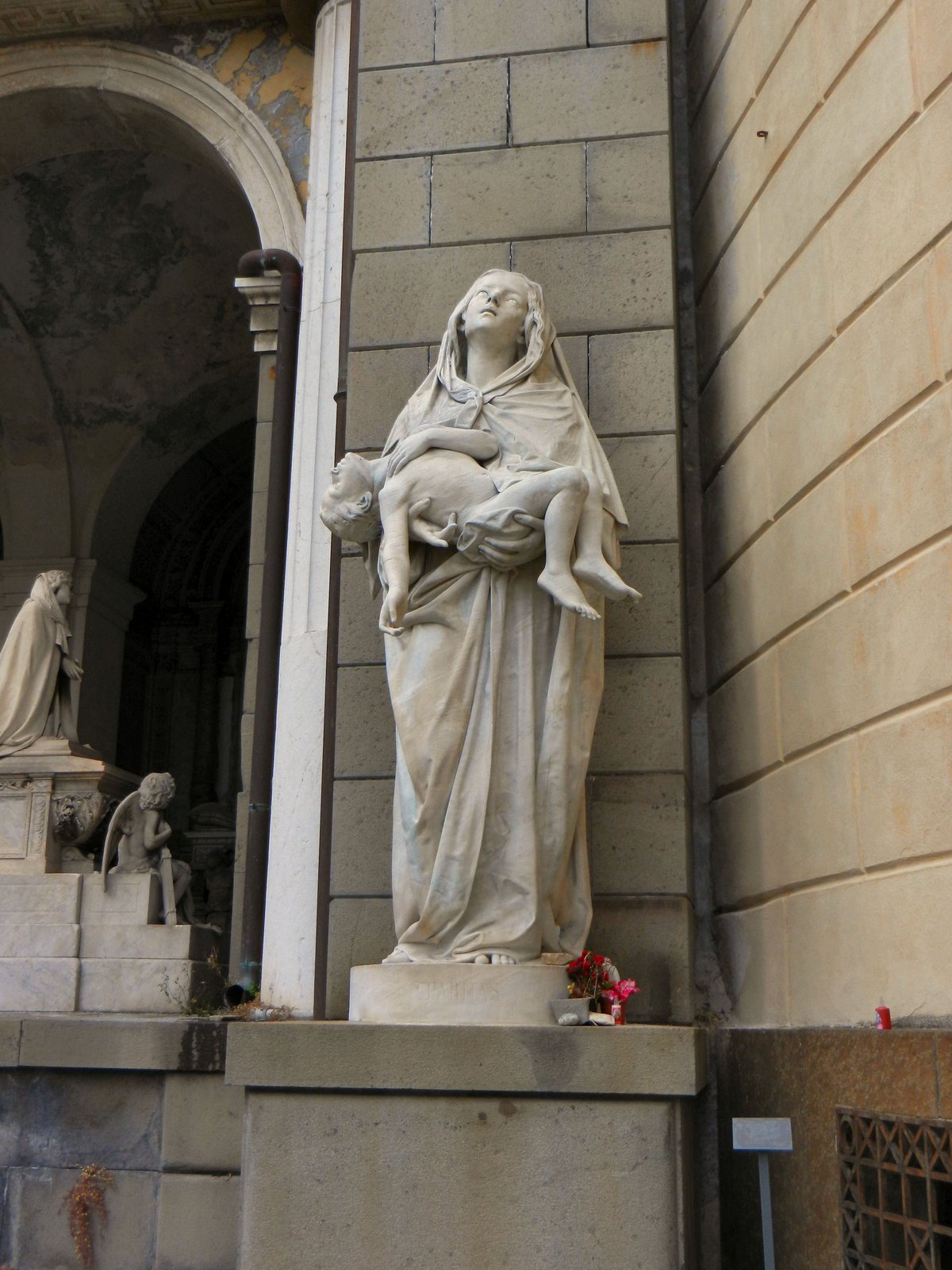
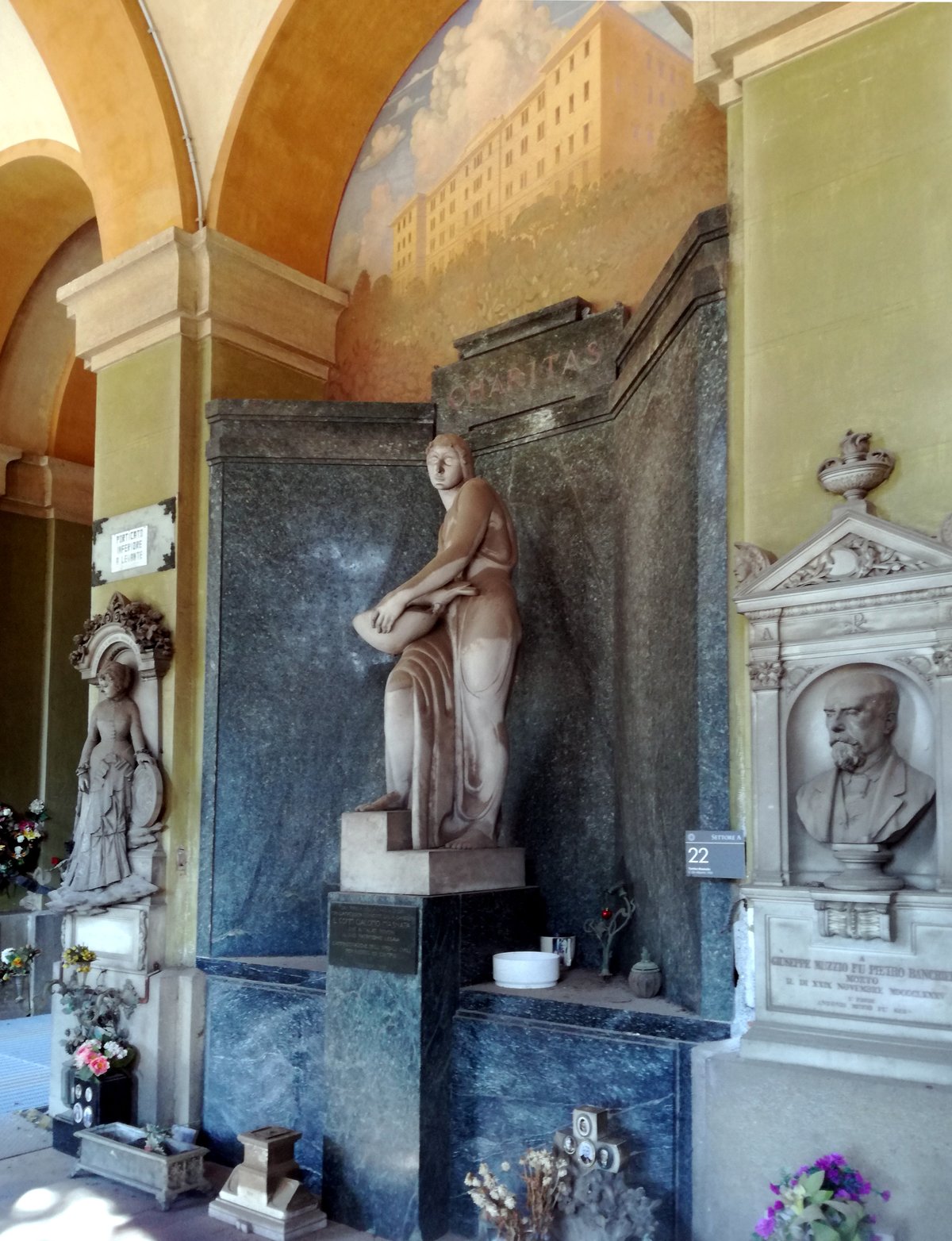
Designed by Carlo Barabino and completed by Giovanni Battista Resasco, Staglieno Cemetery is a masterpiece of Neo-Classical funerary architecture, with romantic elements inspired by Paris’s Père Lachaise (Atlas Obscura). The Marini tomb, positioned among monumental galleries and verdant terraces, features motifs of mourning and remembrance, and is rendered in a lifelike Realist sculptural style that was ahead of its time.
Cultural and Social Importance
The Tomba Marini not only commemorates the Marini family but also reflects Genoa’s transformation during the 19th century as a thriving port city. Wealthy families used elaborate tombs to assert their legacy, contributing to Staglieno’s reputation as an open-air museum of sculpture and architecture (La Mia Liguria). The cemetery attracted visitors from across Europe, including prominent figures such as Nietzsche and Mark Twain.
Evolution Over Time
Over time, the Tomba Marini and other monuments at Staglieno have witnessed shifts from strict Neo-Classicism to Romanticism and Realism, with sculptures increasingly capturing individual personalities and emotions (Atlas Obscura). Today, the tomb stands as a testament to Genoa’s artistic heritage and civic pride.
Visitor Information
Visiting Hours
- Staglieno Cemetery: Open daily from 7:30 AM to 5:00 PM (may vary on holidays; check official website).
Tickets
- Admission: Free for all visitors. Some guided tours or temporary exhibitions may require advance booking and payment.
Accessibility
- General Access: Wheelchair-accessible paths are available in main galleries and central avenues; some older or hillside sections are less accessible due to historic terrain.
- Facilities: Restrooms near the main entrance, benches throughout, and drinking fountains are provided. Vending machines offer snacks and drinks.
Getting There
- Public Transport: AMT bus lines 12, 13, 14, and 34 serve the cemetery from Genoa’s city center and Stazione Principe (Atlas Obscura).
- Parking: A dedicated lot is available adjacent to the main entrance, with spaces for disabled visitors.
Guided Tours and Visitor Experience
The City of Genoa offers guided tours focusing on art, history, and notable figures. These tours are available in multiple languages and can be tailored for accessibility. Booking in advance via the official website or local tourist offices is recommended.
For those interested in Genoa’s medieval center and its other historical sites, thematic walking tours often include Tomba Marini and nearby landmarks. Group sizes are limited for quality and safety.
Essential Visitor Tips
- Dress Code: Modest attire is recommended; comfortable shoes are essential for navigating uneven surfaces.
- Etiquette: Maintain a quiet, respectful demeanor; avoid touching monuments or disturbing mourners.
- Photography: Allowed for personal use; refrain from photographing services or mourners. For commercial photography, prior permission is required.
- Safety: Be cautious on wet or uneven paths; keep valuables secure. The cemetery is monitored during opening hours.
- Facilities: Public restrooms and water fountains are available. Cafés and restaurants can be found nearby in the city center.
Best Times to Visit
Spring (April–June) and early autumn (September–October) offer mild weather and thinner crowds. Summer can be hot and busy, while winter is quieter but may be damp.
Nearby Attractions
Extend your visit to include Genoa’s historic center, with highlights such as:
- Via Garibaldi: Renowned for its Renaissance palaces (Discover Genoa).
- Cattedrale di San Lorenzo: Iconic cathedral with a distinctive façade.
- Palazzo Ducale: A grand palace hosting exhibitions and cultural events.
- Porto Antico: Revitalized old port with the Aquarium of Genoa and Galata Maritime Museum.
Visuals, Media, and Virtual Tours
Enhance your experience by viewing high-quality images of Tomba Marini and Staglieno Cemetery’s sculptures on official websites. Interactive maps and virtual tours are available online and via the VisitGenoa app, offering detailed previews and accessibility information.
Safety, Etiquette, and Emergency Contacts
- General Safety: The cemetery is safe and well-staffed. Emergency points are near entrances.
- Weather: Bring sun protection in summer and waterproof clothing in winter.
- Emergency Number: Dial 112 for police, ambulance, or fire.
- Tourist Office: +39 010 2705300 or [email protected]
Frequently Asked Questions (FAQ)
Q: What are the visiting hours for Tomba Marini/Staglieno Cemetery?
A: Daily from 7:30 AM to 5:00 PM (seasonal variations possible). Confirm on the official website.
Q: Is admission free?
A: Yes, general entry is free. Guided tours may have a fee.
Q: Are guided tours available?
A: Yes, tours are offered in various languages and can be booked in advance.
Q: Is the cemetery wheelchair accessible?
A: Main avenues and galleries are accessible; some older or hillside areas are not.
Q: Can I take photos?
A: Personal photography is allowed; avoid photographing services or mourners.
Q: How do I reach the cemetery?
A: By AMT bus lines 12, 13, 14, and 34, taxi, or car (parking available).
Q: Are pets allowed?
A: Only on designated days (first non-holiday Wednesday or Thursday each month, except November). Guide dogs always permitted.
Preservation, Restoration, and Contemporary Relevance
Staglieno faces ongoing challenges from environmental wear and the need for restoration, but is supported by local and international organizations. Restoration efforts have preserved key works, and the cemetery remains an active burial ground, cultural destination, and educational resource (Staglieno.com). Digital tools, guided tours, and educational programs help make Staglieno accessible to global visitors.
Listen to the full story in the app
Your Personal Curator, in Your Pocket.
Audio guides for 1,100+ cities across 96 countries. History, stories, and local insight — offline ready.
Audiala App
Available on iOS & Android
Join 50k+ Curators
Sources
- verified
- verified
- verified
- verified
- verified
- verified
- verified
Last reviewed: