Introduction
The Tomba Mantero is a celebrated funerary monument located within Genoa’s Monumental Cemetery of Staglieno—a site renowned as one of Europe’s largest open-air museums of sculpture and a testament to the city’s rich historical and cultural legacy. The monument embodies the artistic innovations of 19th-century Genoese society, reflecting the city’s prosperity, cosmopolitan influences, and evolving attitudes toward memory and mourning. This guide offers comprehensive information on Tomba Mantero visiting hours, ticketing, accessibility, and travel tips, alongside an exploration of its artistic and historical significance. For planning assistance, the Staglieno Cemetery website and Genoa tourist office provide updated details and guided tour options. (Discover Italian Riviera, Arte e Musei, Visit Genoa)
Photo Gallery
Explore Tomba Mantero in Pictures
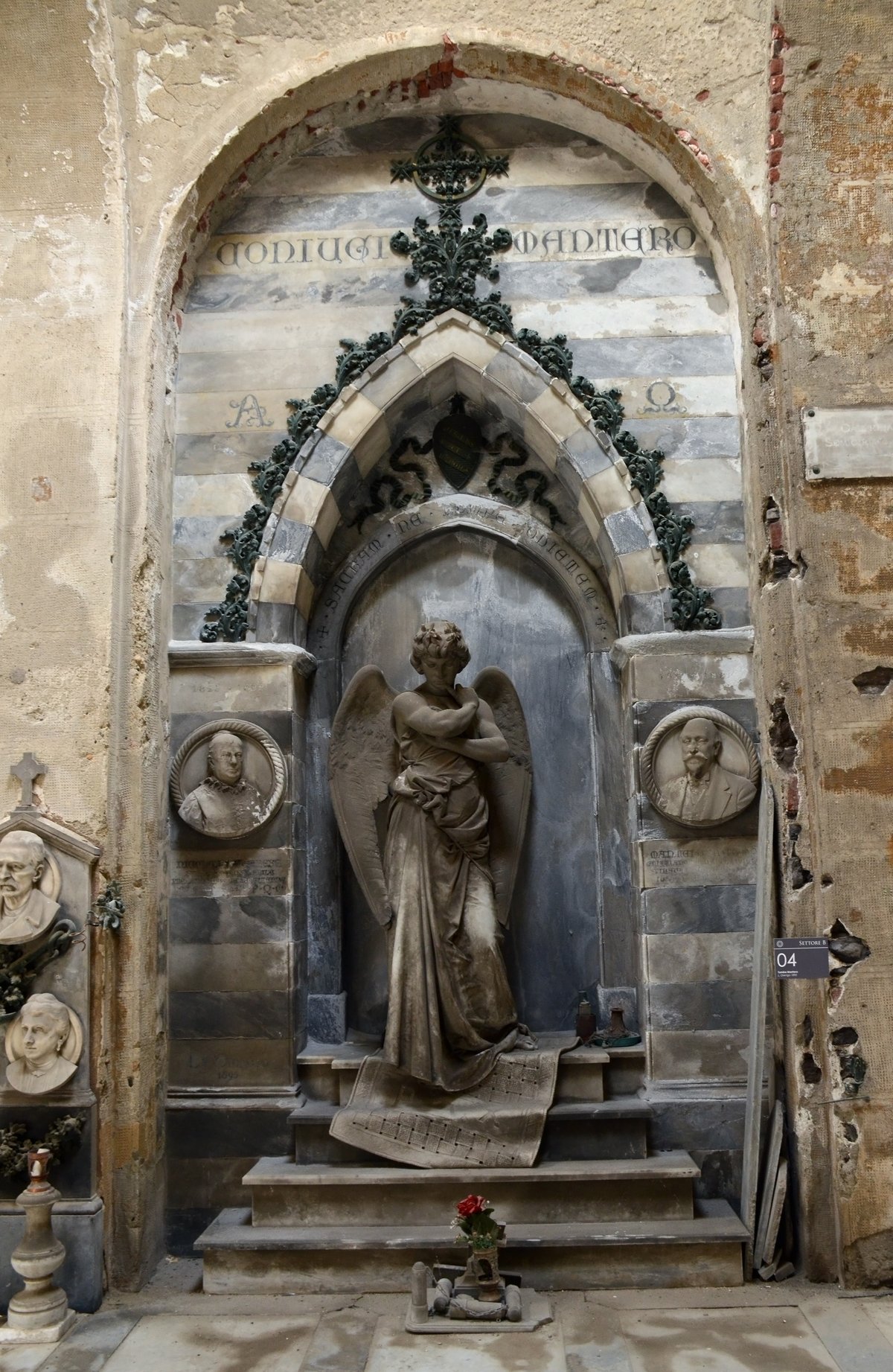
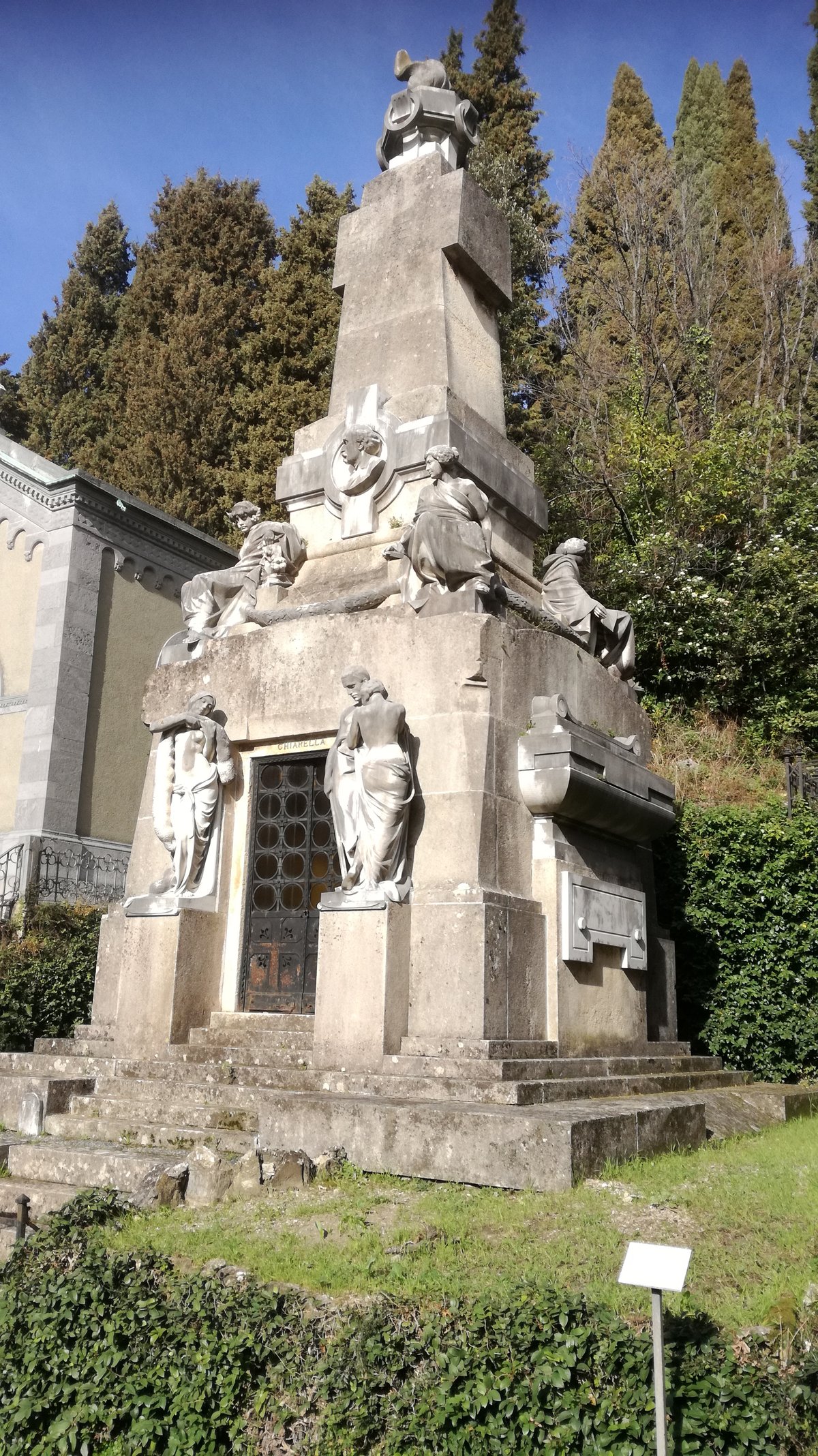
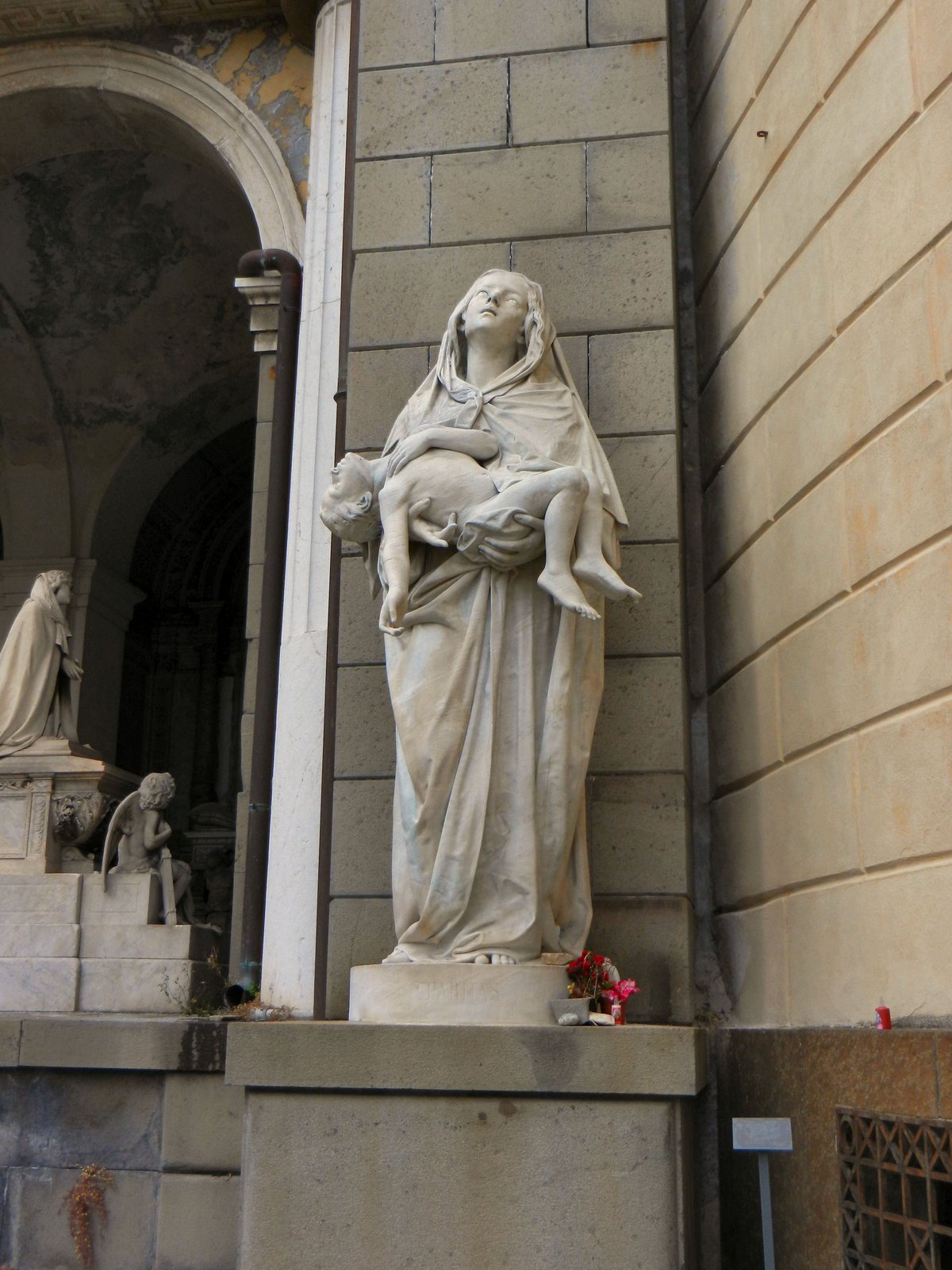
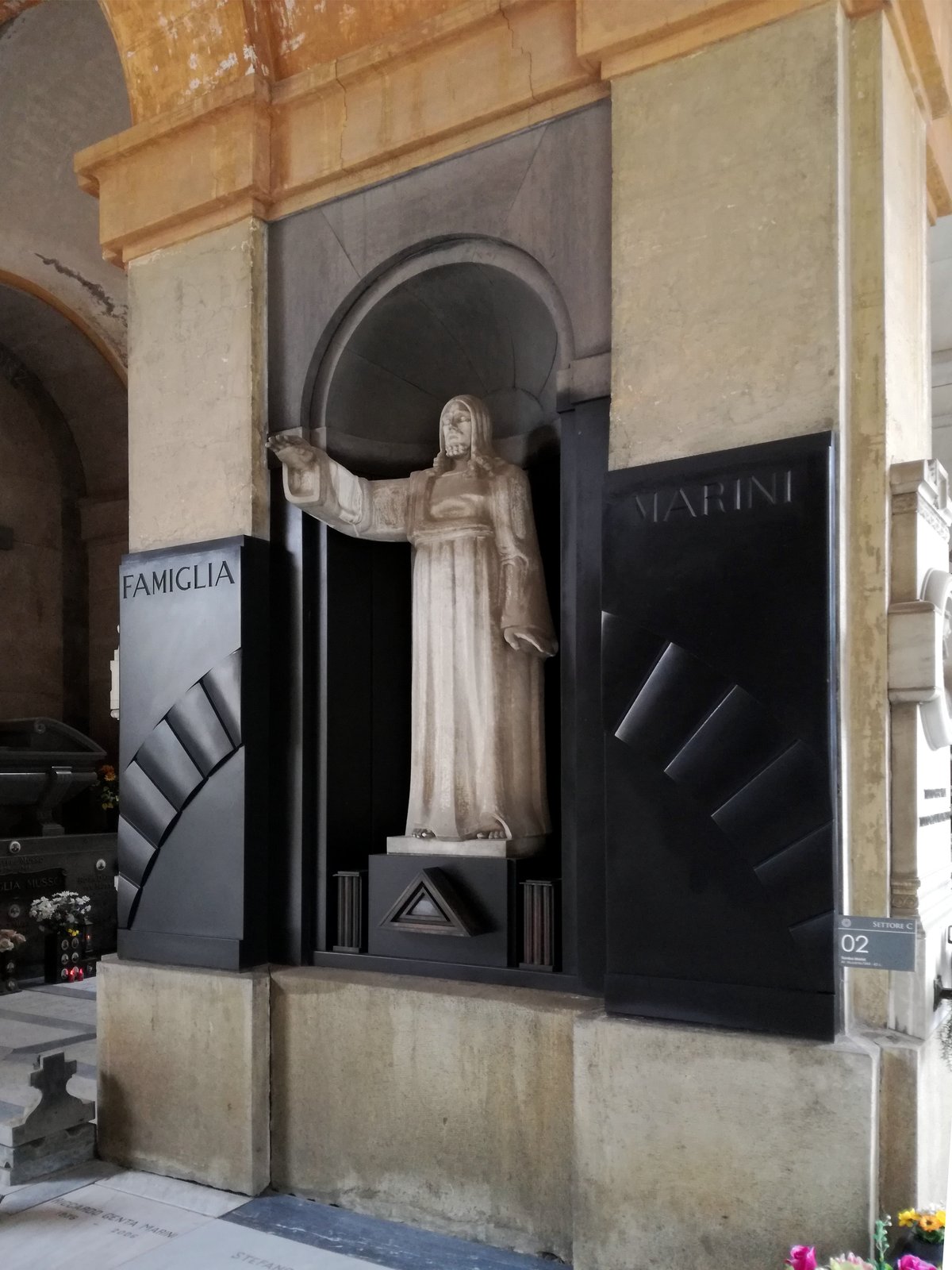
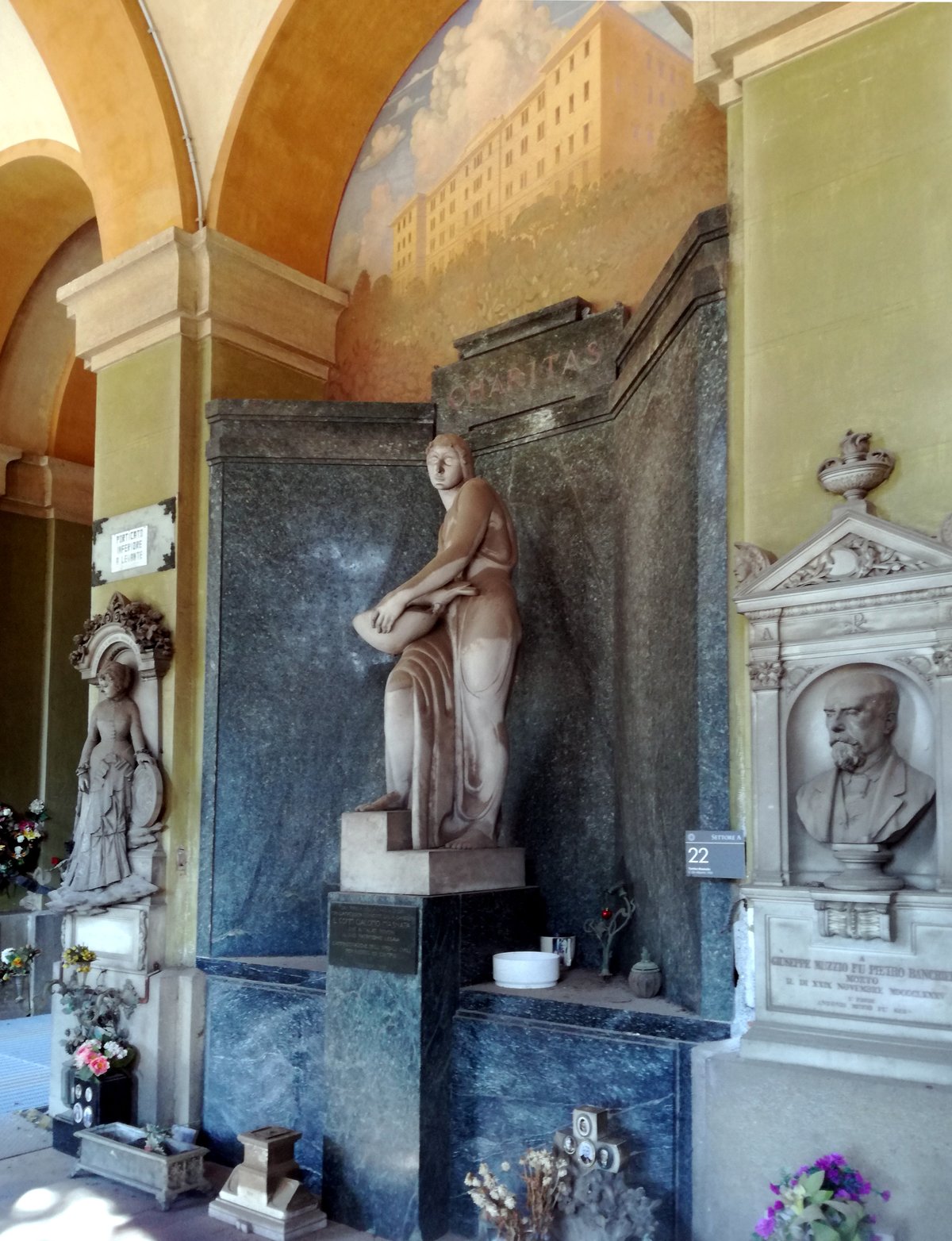
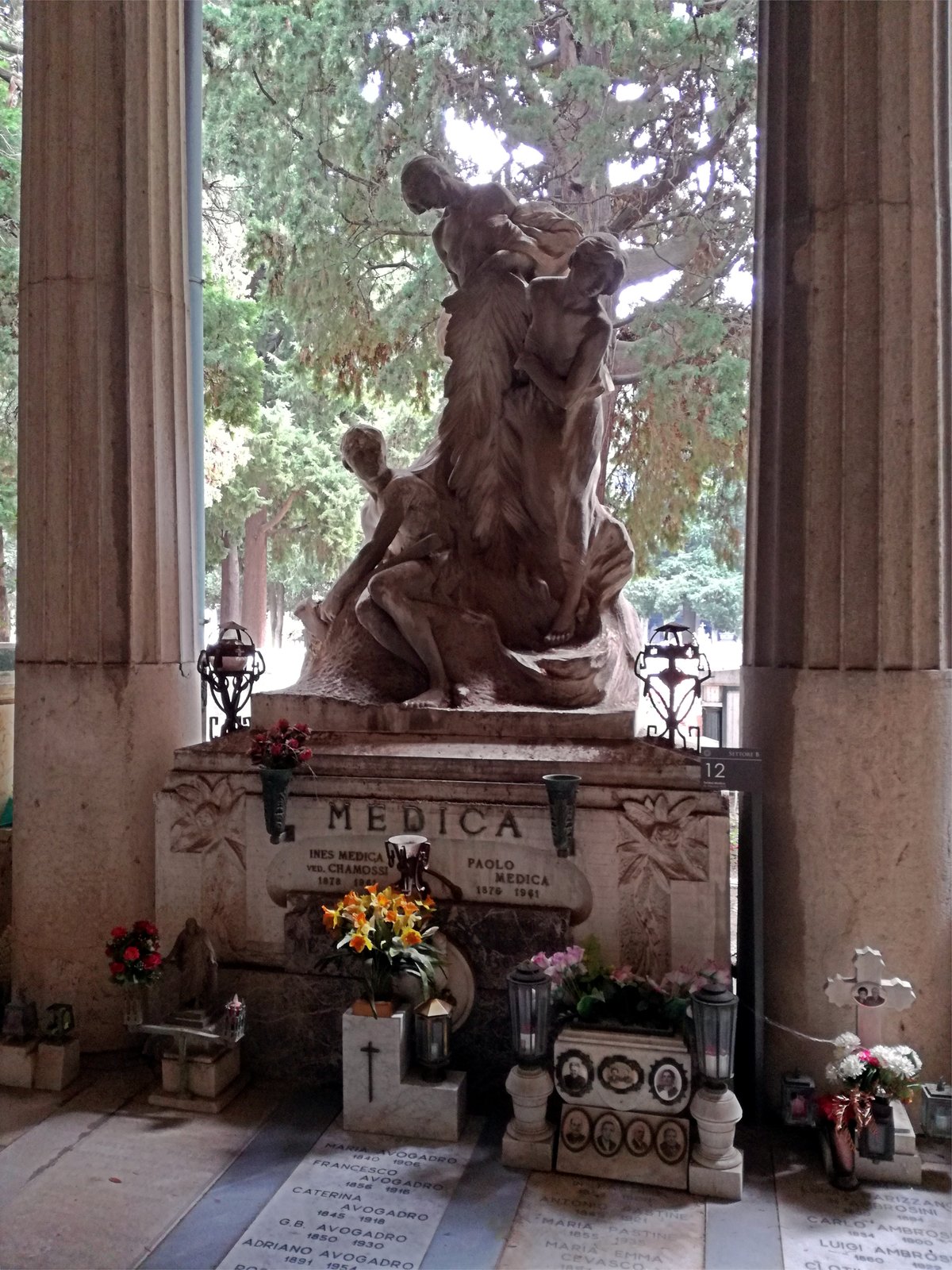
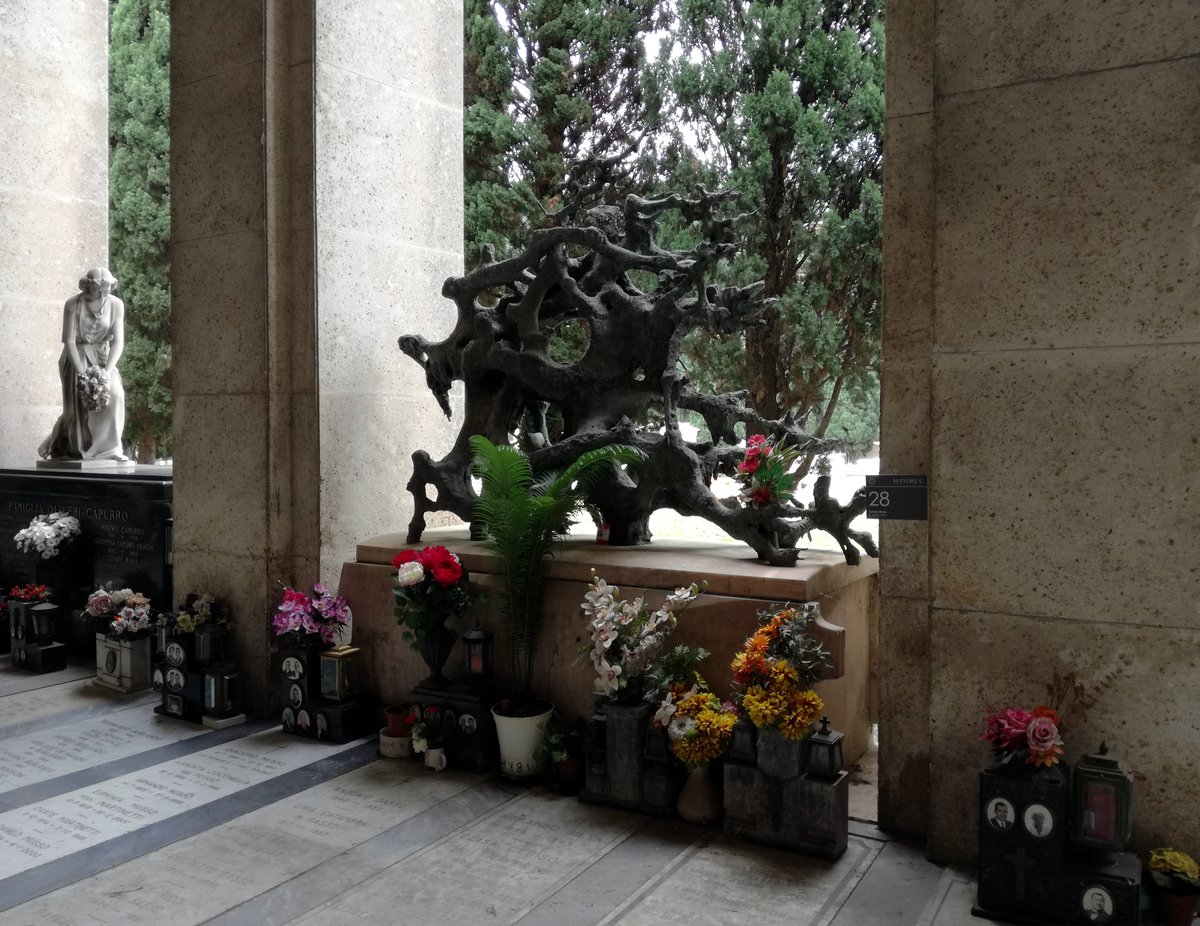
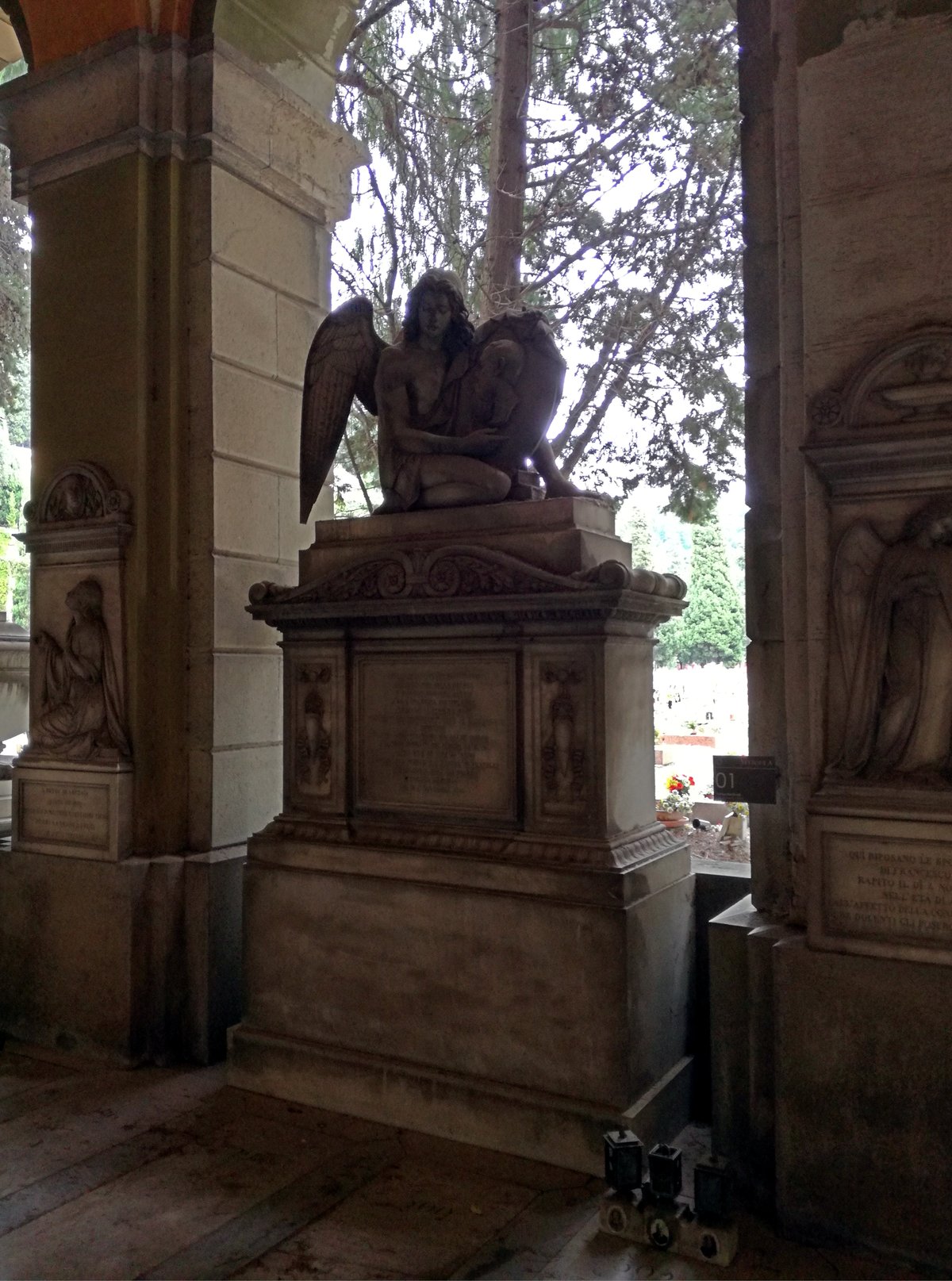
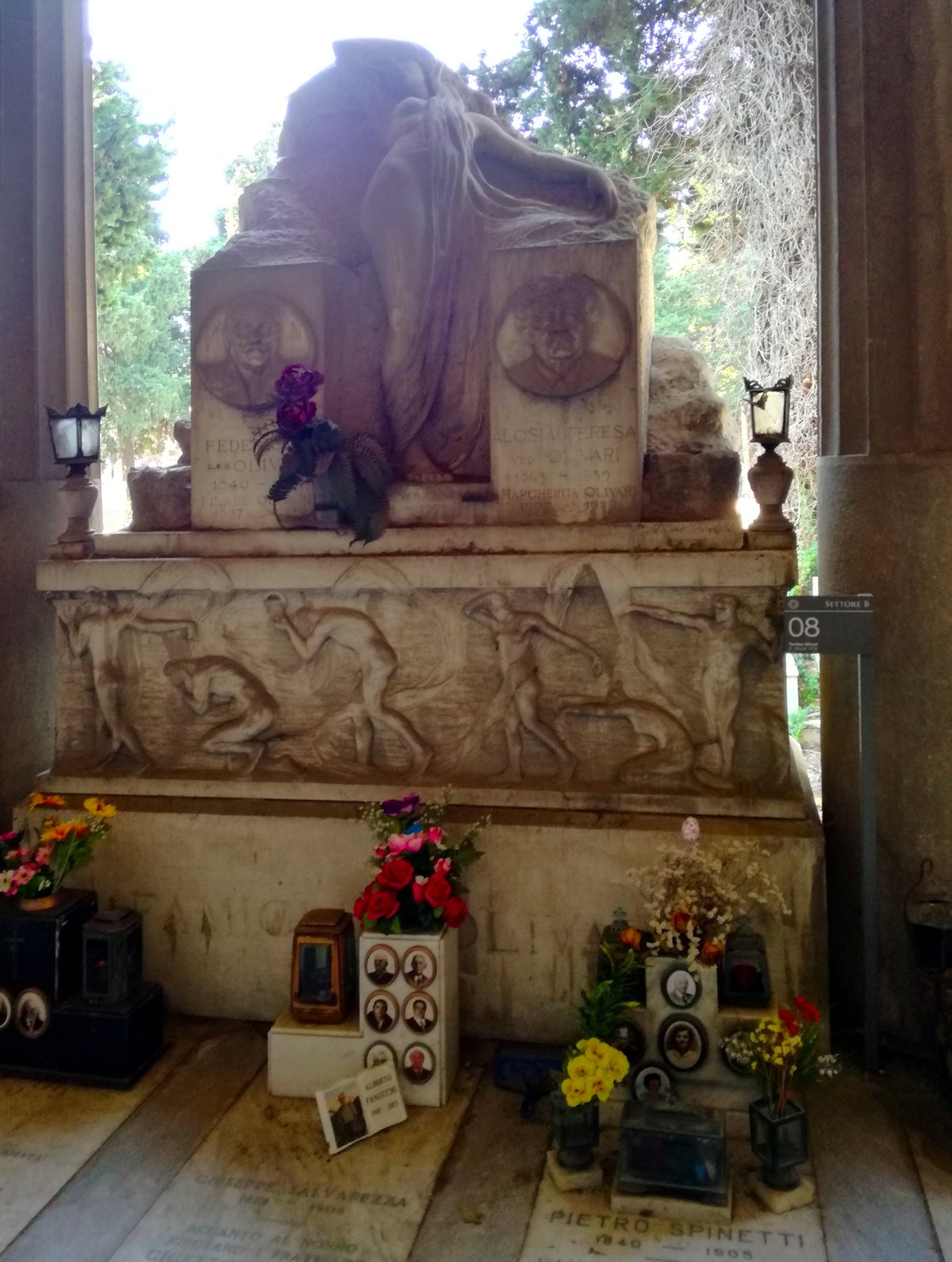
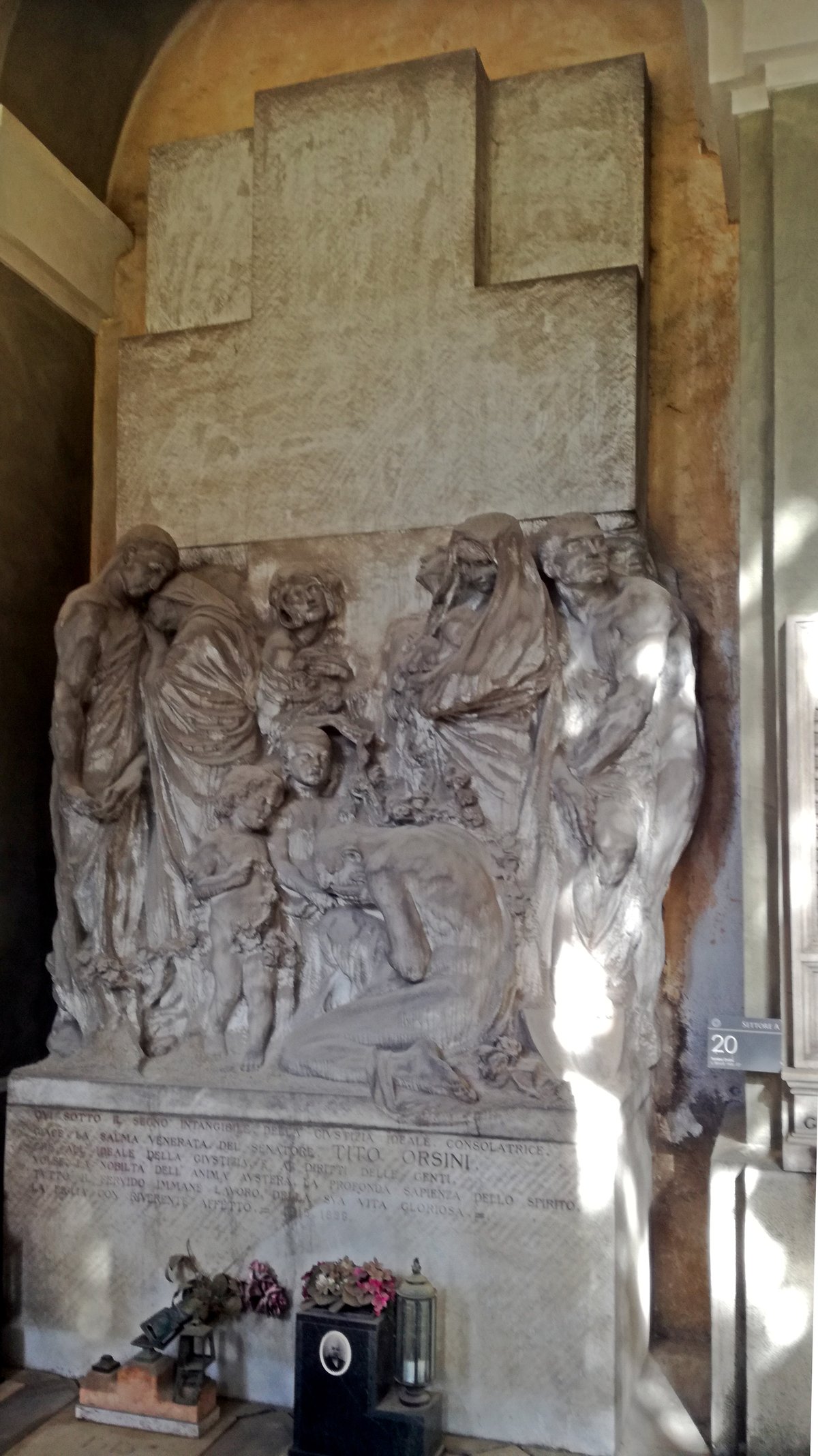
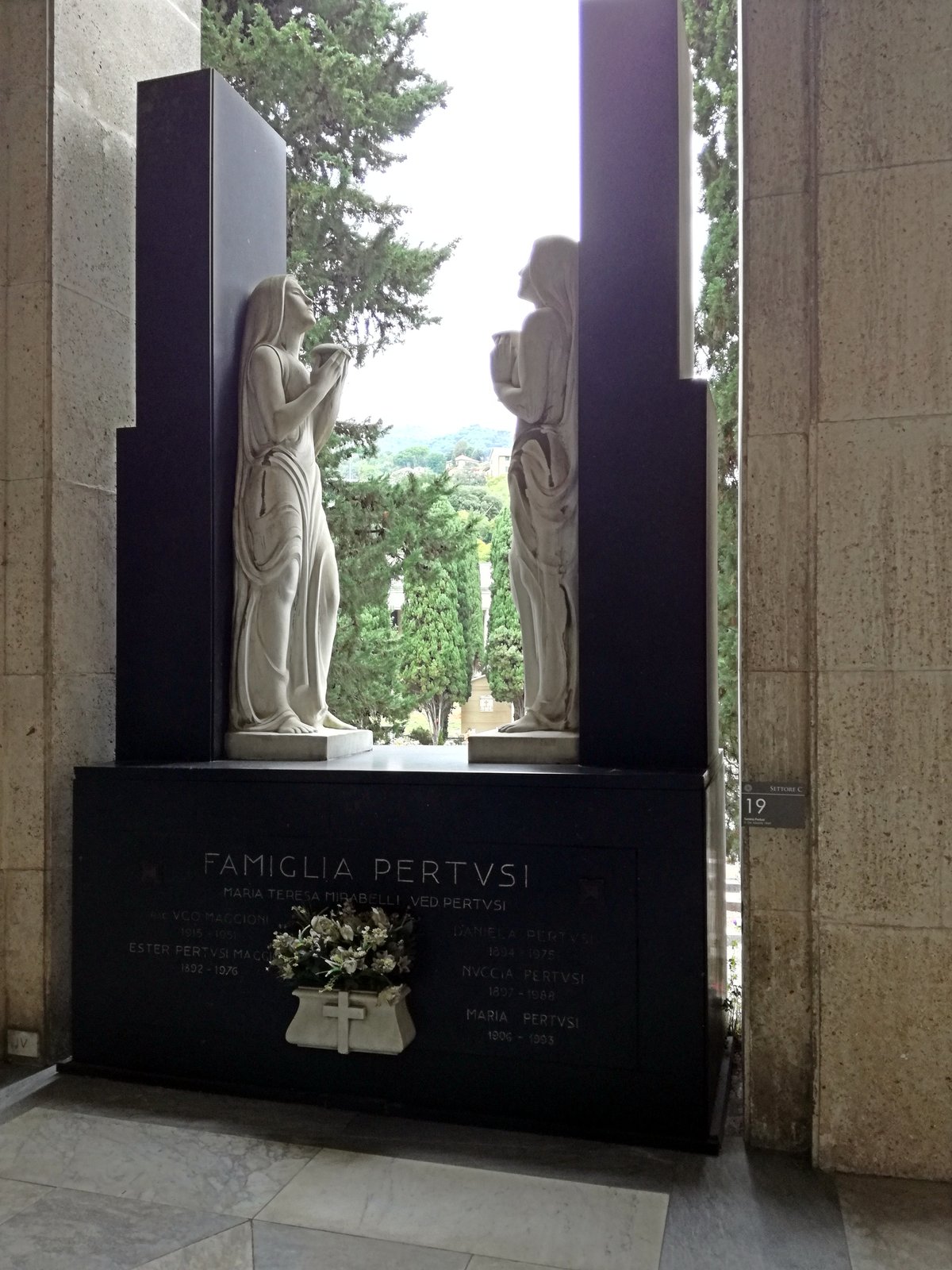
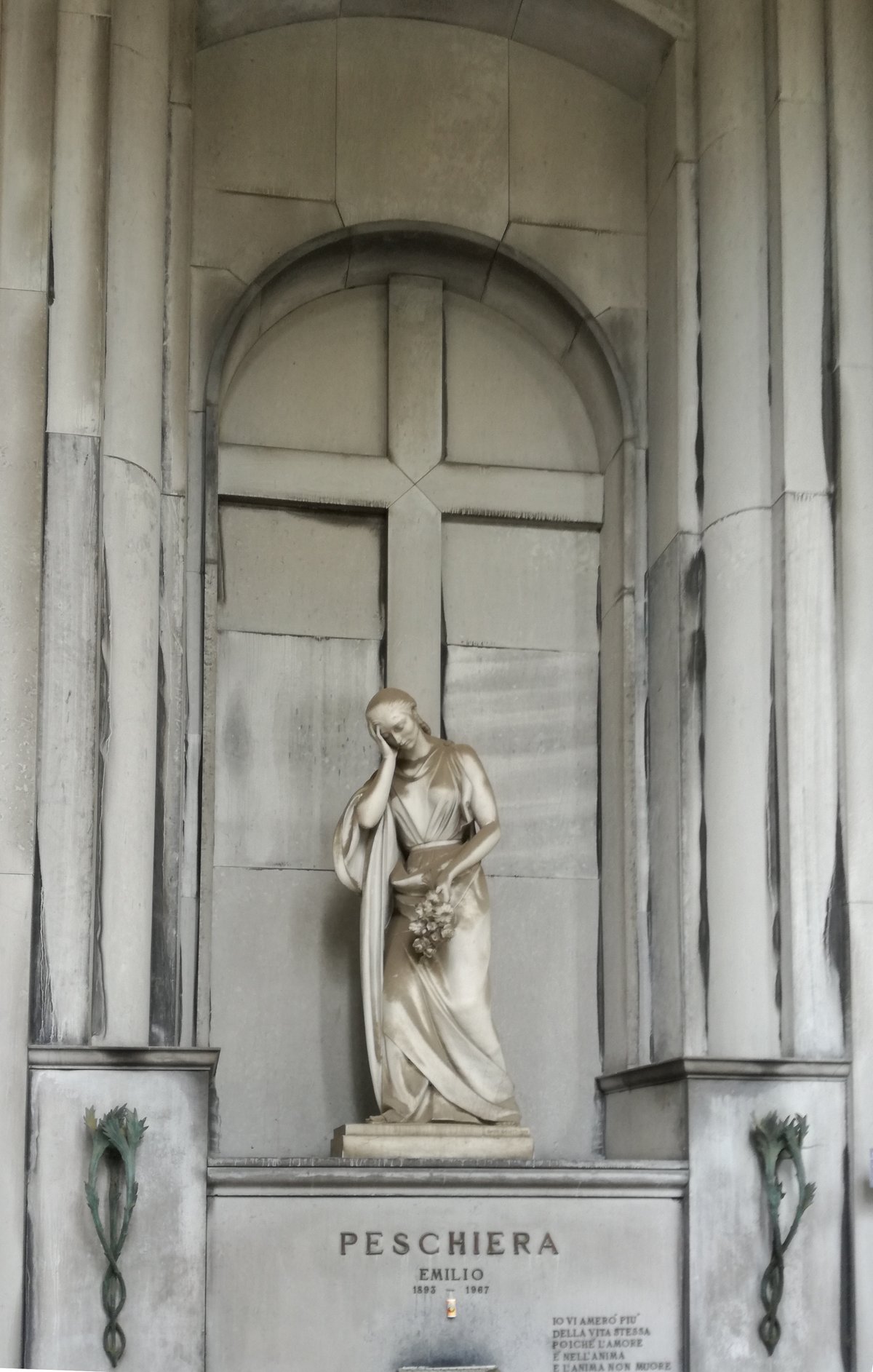
The Mantero grave, sculpted in 1895 by Lorenzo Orengo, located at the historic Staglieno Cemetery, showcasing 19th-century funerary art.
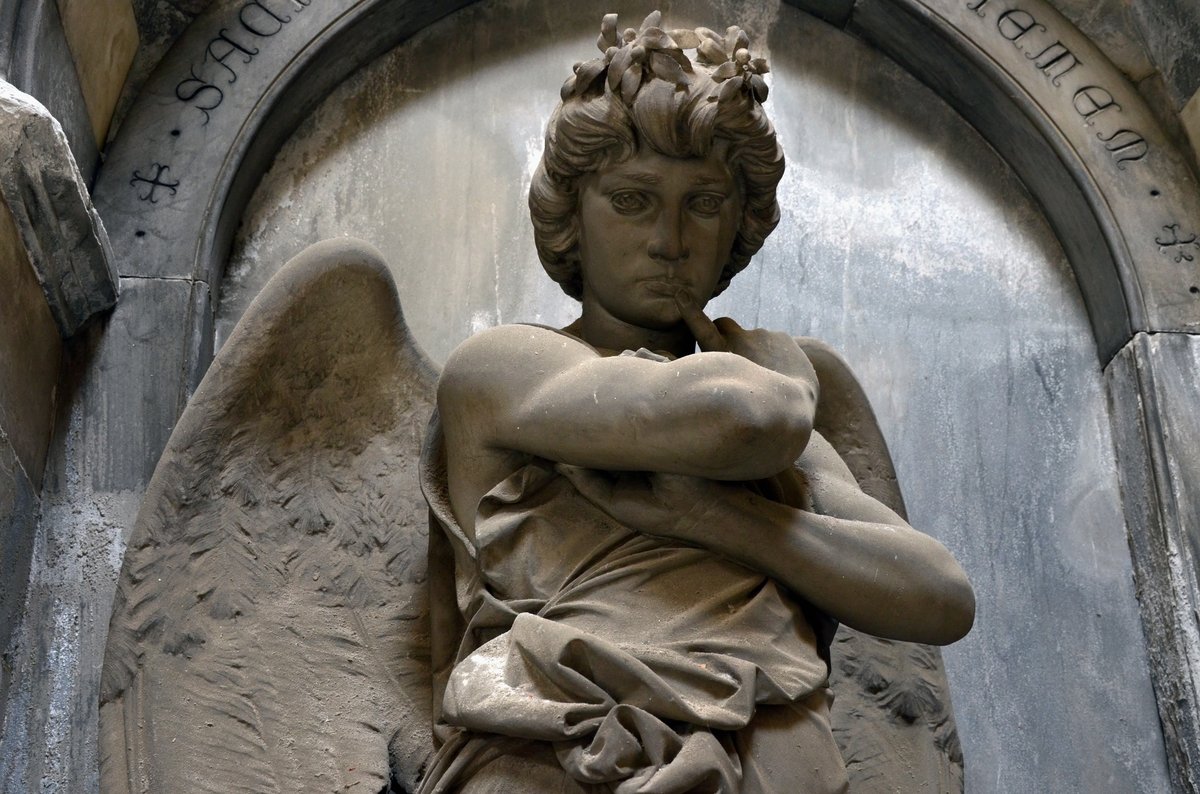
Detailed image of the Mantero grave sculpture crafted by artist Lorenzo Orengo in 1895, located in the historic Staglieno Cemetery.

The Mantero grave, created in 1895 by sculptor Lorenzo Orengo (1838-1909), located in the Cemetery of Staglieno. A detailed historic tomb sculpture.
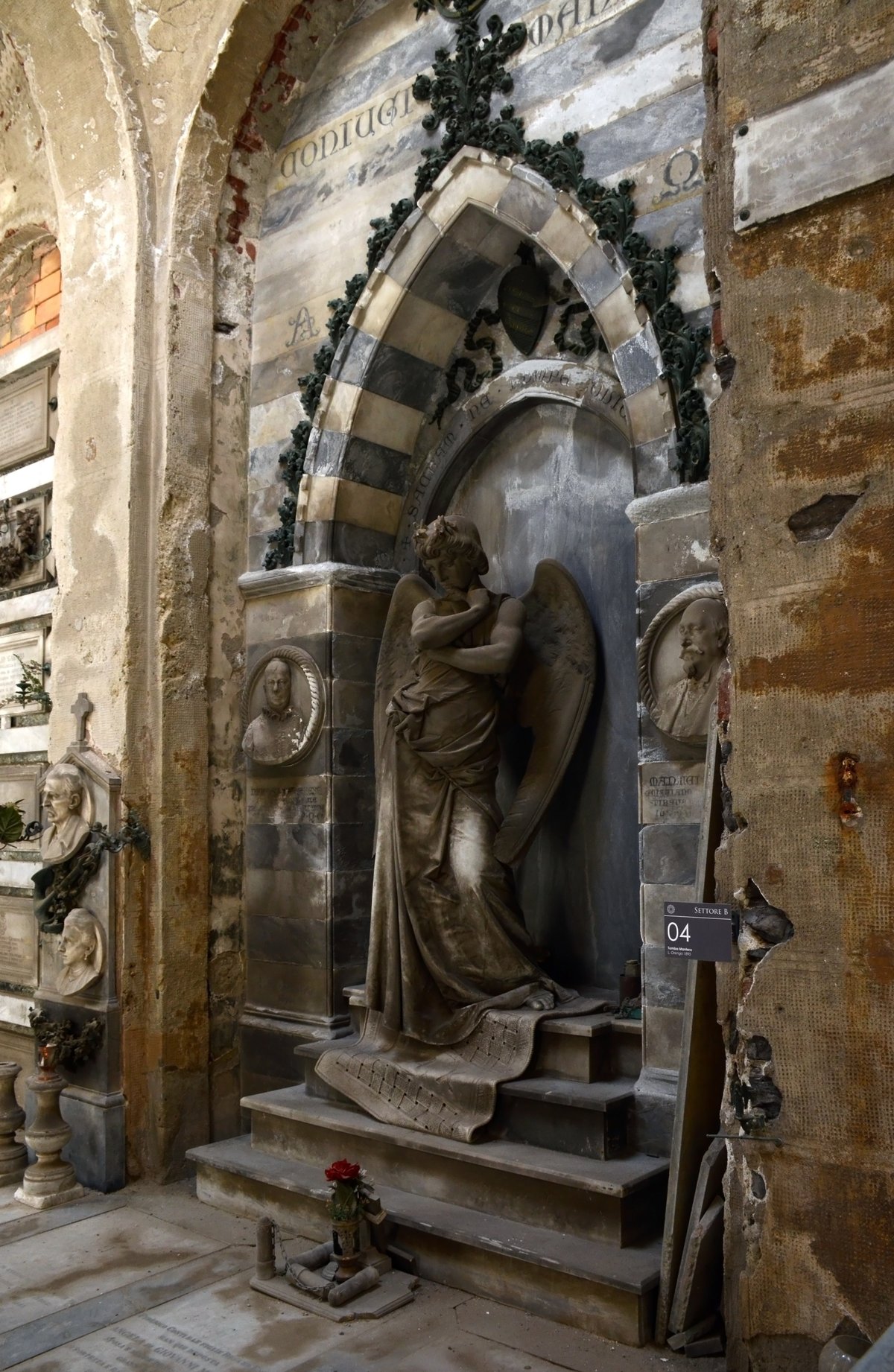
Mantero grave created in 1895 by Lorenzo Orengo (1838-1909), located at Cimitero di Staglieno, Genoa. A masterful example of funerary sculpture art.
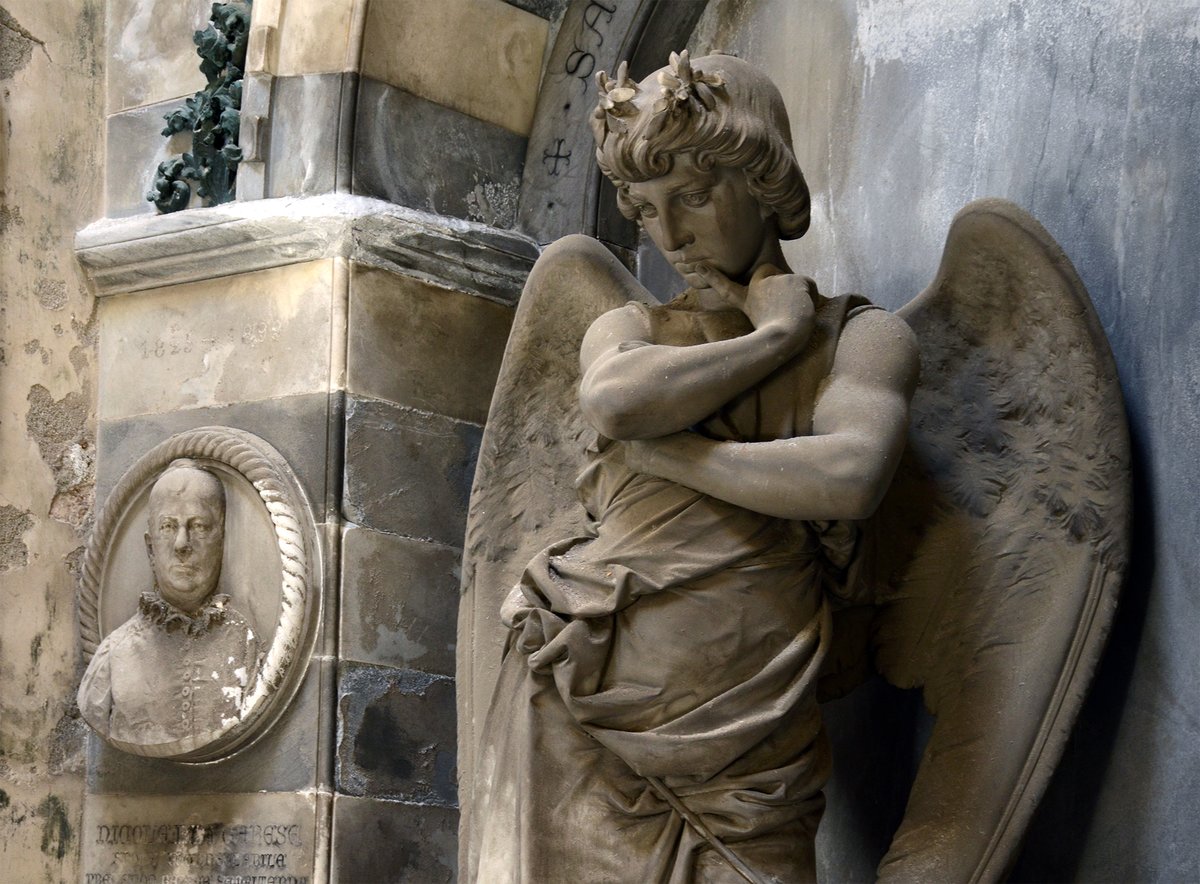
The Mantero grave, created in 1895 by sculptor Lorenzo Orengo, located in the prestigious Cimitero di Staglieno in Genoa, Italy, showcasing intricate artistry and historical significance.
Genoa and Staglieno Cemetery: Historical and Cultural Context
Genoa’s Rise and 19th-Century Transformation
Genoa, a major Ligurian port and historical maritime republic, flourished as a hub of commerce, banking, and shipbuilding. Its prosperity in the 19th century spurred urban growth and the rise of a new bourgeoisie eager to commemorate their legacy through grand artistic commissions. Public health reforms, such as Napoleon’s Edict of Saint-Cloud, led to the establishment of monumental cemeteries outside city walls, including Staglieno, which opened in 1851 and was designed by Carlo Barabino and completed by Giovanni Battista Resasco. (Time Travel Turtle, Travelling King, Visit Genoa PDF)
Staglieno Cemetery: Origins and Artistic Significance
Spanning over 330,000 square meters, the Monumental Cemetery of Staglieno integrates neoclassical architecture with landscaped gardens. It is renowned for its vast array of sculptures ranging from neoclassical to Art Nouveau, commissioned by Genoa’s elite and crafted by master sculptors such as Lorenzo Orengo and Giulio Monteverde. Staglieno’s artistic richness has inspired countless international visitors and continues to be a focal point for art and history lovers. (Bimbe in Viaggio, Discover Genoa, Ancient Origins)
Tomba Mantero: History, Artistic Value, and Societal Role
Historical Background
Commissioned by the Mantero family in the late 19th century, the Tomba Mantero reflects the aspirations of Genoa’s bourgeoisie to memorialize their loved ones through artistic excellence. It was crafted during a period when funerary art in Genoa achieved new heights in symbolism and realism. (Discover Italian Riviera, Arte e Musei)
Artistic Significance
Sculptural Mastery and Realism
The Tomba Mantero is distinguished by its hyper-realistic sculptures, attributed to renowned artists such as Lorenzo Orengo. The marble figures are marked by meticulous attention to detail—facial expressions, drapery, and textures evoke lifelike presence and deep emotion. This realism was intended to inspire empathy, contemplation, and a personal connection to themes of grief and remembrance. (Progetto Storia dell’Arte, Discover Italian Riviera)
Symbolism and Iconography
Typical 19th-century funerary symbols—broken columns, extinguished torches, and sleeping or mourning figures—are prominent in Tomba Mantero. Such motifs represent the brevity of life, eternal rest, and hope for the afterlife. The presence of guardian angels and allegorical gestures further communicate universal emotions and spiritual aspirations. (Arte e Musei)
Artistic Movements and Influence
The monument is a synthesis of neoclassical harmony, baroque theatricality, and the emergent realism and symbolism of the late 19th century. These artistic currents are visible in the dynamic poses, psychological intensity, and technical precision of the sculptures. (Finestre sull’Arte)
Social and Cultural Significance
Tomba Mantero, like many Staglieno monuments, is a social document that reveals Genoese bourgeois values—public commemoration, family legacy, and the assertion of status. The monument’s artistry and prominence demonstrate the importance of cultural patronage during Genoa’s golden age. Staglieno’s diverse sections, including Protestant and Jewish areas, further reflect the city’s multicultural character. (Bimbe in Viaggio, Progetto Storia dell’Arte)
Visiting Tomba Mantero: Practical Guide
Location and Access
- Address: Cimitero Monumentale di Staglieno, Piazzale Giovanni Battista Resasco, 16137 Genoa, Italy
- By Public Transport: Take bus lines 12, 13, 14, 34, 48, 480, or 482 from the city center or Brignole train station.
- By Car: Exit at Genova Est highway; free parking is available but may be limited during peak times. (Arte e Musei, Mapcarta)
Visiting Hours and Tickets
- Hours:
- April–October: 8:00 AM – 6:00 PM
- November–March: 8:00 AM – 4:30 PM
- Last admission is typically 30 minutes before closing.
- Closed on select holidays; hours may be reduced for special events (Visit Genoa)
- Admission:
- Entry to the cemetery and Tomba Mantero is free.
- Guided tours are available for a fee and can be booked via the official Staglieno site or the Genoa tourist office.
Accessibility
- Main paths are accessible for wheelchairs and strollers, though some older or hilly sections may present challenges.
- Shuttle buses (lines CF and CS) operate within the cemetery to assist visitors with mobility needs.
- For specific accessibility inquiries, contact the cemetery administration. (Visit Genoa PDF)
Guided Tours and Visitor Services
- Guided Tours: Available in Italian and English, focusing on the cemetery’s art, history, and symbolism. Tours typically start at the main entrance or near the Pantheon.
- Maps and Information: Free maps are available at the entrance; interactive maps and virtual tours can be accessed via the official website.
- Visitor Amenities: Restrooms, benches, and cafes are located near the entrance; information desks offer brochures and assistance.
Visitor Tips
- Plan 2–3 hours for a thorough visit.
- Dress modestly and maintain a respectful demeanor.
- Photography is allowed, but avoid photographing mourners or ongoing services.
- Wear comfortable shoes suitable for uneven terrain.
- Visit in spring or autumn for the best weather and lush garden views.
Nearby Attractions
- Explore other notable tombs such as those of Giuseppe Mazzini, Fabrizio De André, and Constance Wilde.
- Combine your visit with Genoa’s UNESCO-listed Strade Nuove and Palazzi dei Rolli for a comprehensive cultural itinerary. (UNESCO World Heritage Site)
Frequently Asked Questions (FAQ)
Q: What are Tomba Mantero’s visiting hours?
A: The cemetery is open daily, typically from 8:00 AM to 6:00 PM in summer, and until 4:30 PM in winter. Always check official sources for updates.
Q: Is there an entrance fee for Tomba Mantero?
A: Entry is free; guided tours require a ticket.
Q: Are guided tours available in English?
A: Yes, through the Genoa tourist office and local organizations.
Q: Is the site accessible for visitors with disabilities?
A: Main paths are accessible, but some assistance may be needed for older or steep sections.
Q: Can I take photographs?
A: Yes, but please be respectful of mourners and funerary services.
Visuals and Interactive Media
- Access high-quality images and virtual tours on the official Staglieno website and Genoa tourism portal.
- Maps and interactive guides enhance planning and orientation.
Booking and Contact Information
- Tourist Office:
Via Garibaldi, 12, Genoa
Phone: +39 010 5572903
Email: [email protected]
Hours: 9:00 AM – 6:20 PM (Renato Prosciutto) - Cemetery Administration:
Contact via the official Genoa tourism portal for specific questions.
Summary
The Tomba Mantero, set within the Monumental Cemetery of Staglieno, is a masterwork of funerary sculpture and a significant cultural document of Genoa’s 19th-century bourgeoisie. Staglieno’s awe-inspiring array of monuments and thoughtfully landscaped grounds invite visitors to reflect on art, memory, and history. Guided tours, accessible amenities, and practical planning tips make for a respectful and enriching experience. For the latest updates, special events, and interactive guides, download the Audiala app and consult official Genoa tourism resources.
Listen to the full story in the app
Your Personal Curator, in Your Pocket.
Audio guides for 1,100+ cities across 96 countries. History, stories, and local insight — offline ready.
Audiala App
Available on iOS & Android
Join 50k+ Curators
Sources
- verified
- verified
- verified
- verified
- verified
- verified
Last reviewed: