Introduction
Overlooking the vibrant city of Genoa, the Monumental Cemetery of Staglieno is a remarkable testament to the city’s rich history, artistic tradition, and multicultural identity. Among its many masterpieces, the Tomba Luigi Pastorini stands out as an extraordinary example of funerary art—a monument that weaves together allegory, realism, and social compassion. Sculpted by Giuseppe Navone in 1902, it honors Luigi Pastorini, a renowned surgeon and philanthropist, through evocative symbolism representing medicine, charity, and human vulnerability.
This guide offers a detailed exploration of Staglieno Cemetery and the Tomba Luigi Pastorini, highlighting their historical and cultural importance, visitor information on hours and tickets, accessibility, and practical travel tips. It also suggests ways to enrich your visit by integrating Staglieno with Genoa’s other historical and cultural attractions, including the UNESCO-listed historic center and the lively Porto Antico waterfront.
Whether you are passionate about art, history, or unique travel experiences, this guide will help you plan a respectful and insightful visit. For the most up-to-date details on opening hours, tours, and special events, consult the official Staglieno Cemetery website, as well as reputable travel resources (Staglieno official site; Discover Genoa; Lonely Planet).
Genoa’s Funerary Traditions and the Birth of Staglieno Cemetery
Genoa’s evolution as a maritime republic shaped its cosmopolitan character and social customs. By the 19th century, urban growth and new public health laws—most notably Napoleon’s Edict of Saint-Cloud (1804), which banned burials within city walls—led to the creation of large, landscaped cemeteries outside city centers (Wikipedia). Staglieno, designed initially by Carlo Barabino and completed by Giovanni Battista Resasco, opened in 1851 as a monumental public necropolis, blending neoclassical architecture with the dramatic Ligurian landscape (Comune di Genova; Bimbe in Viaggio).
The Art and Architecture of Staglieno
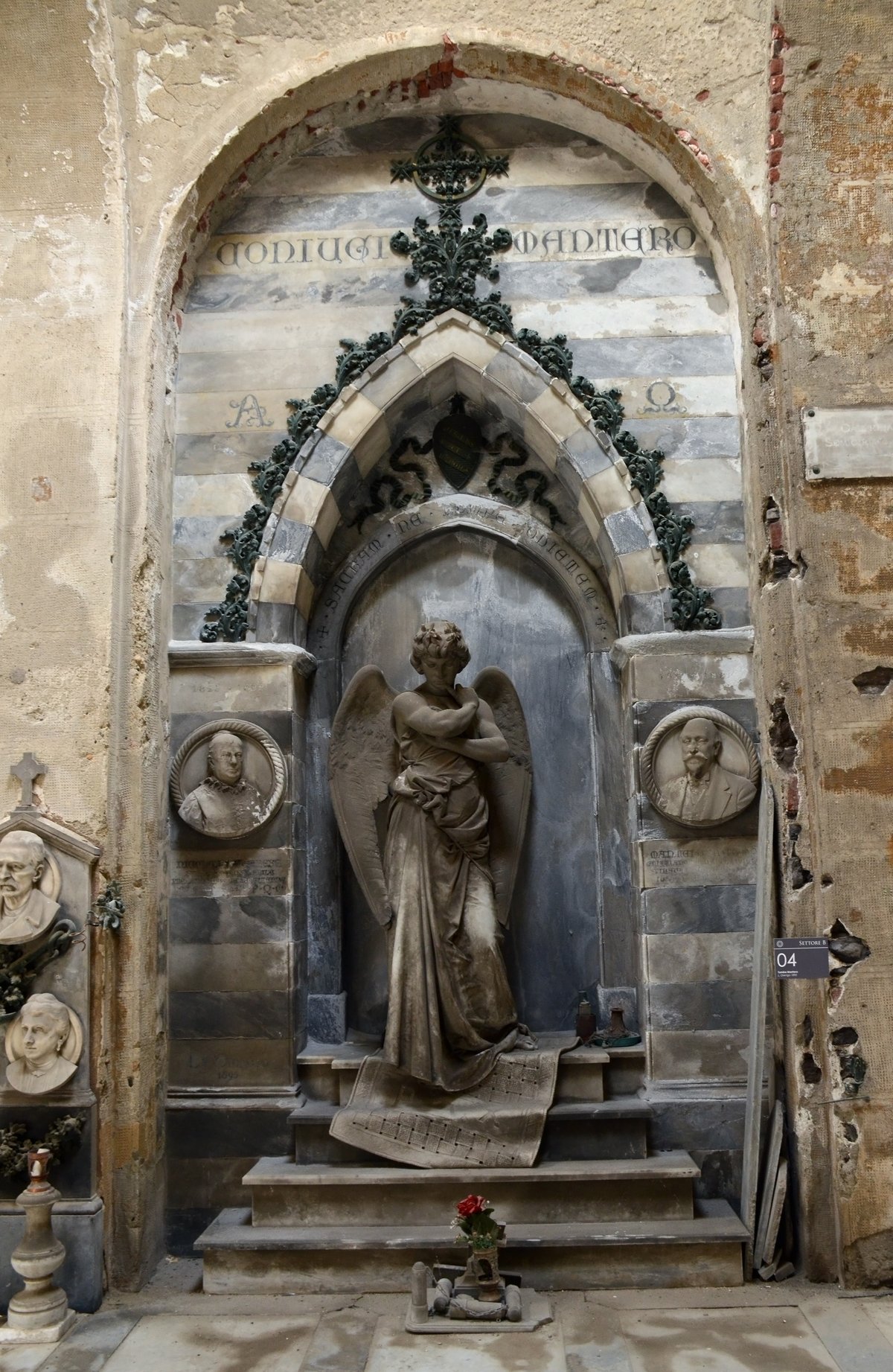
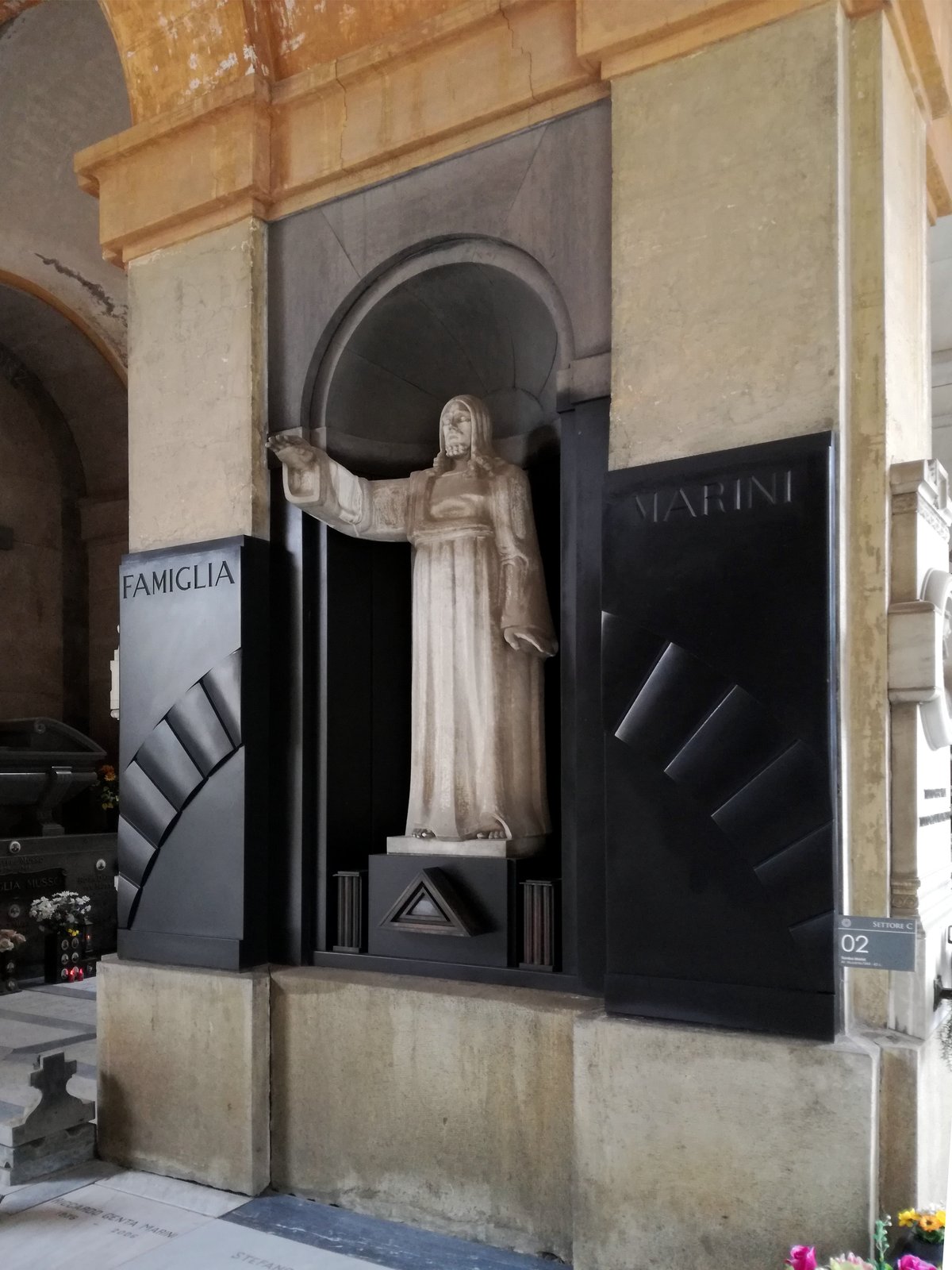
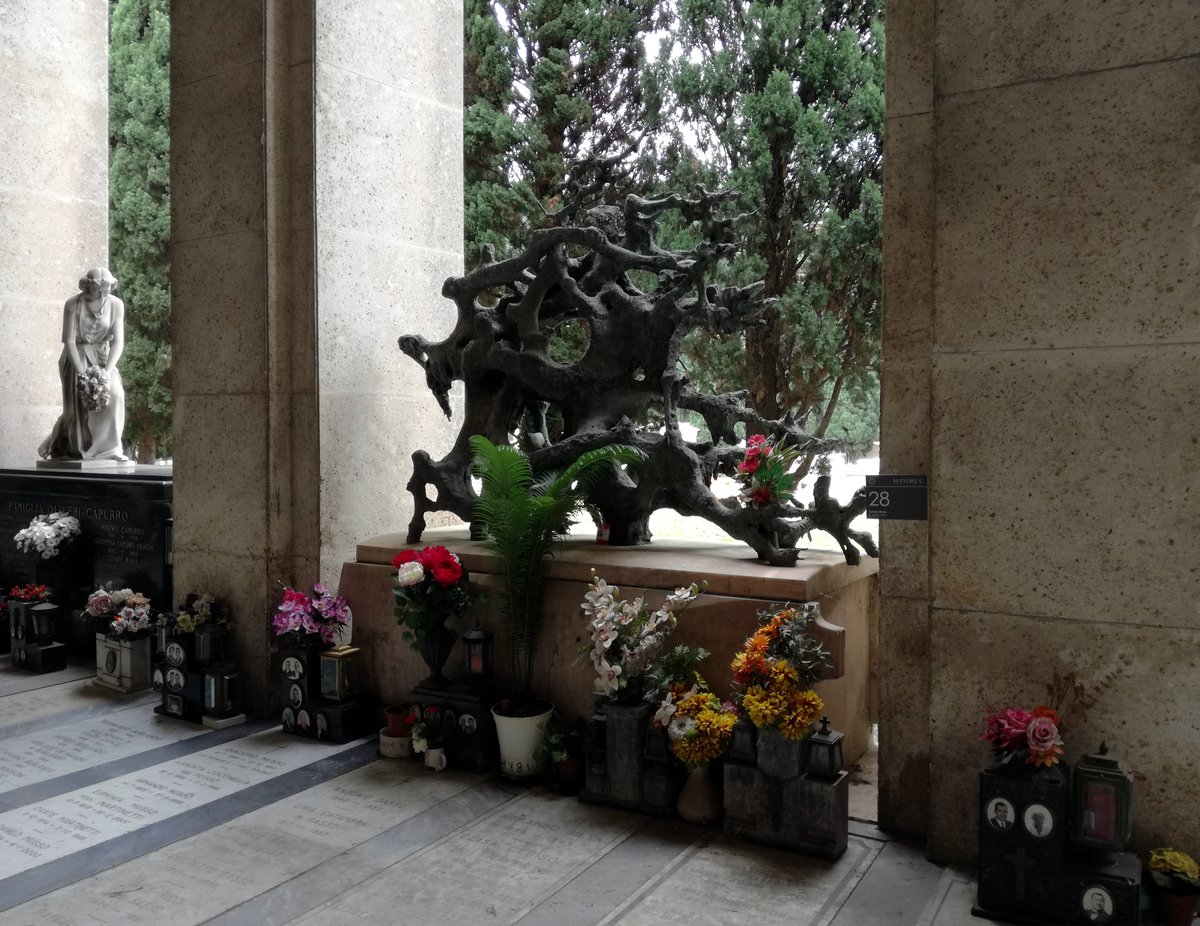
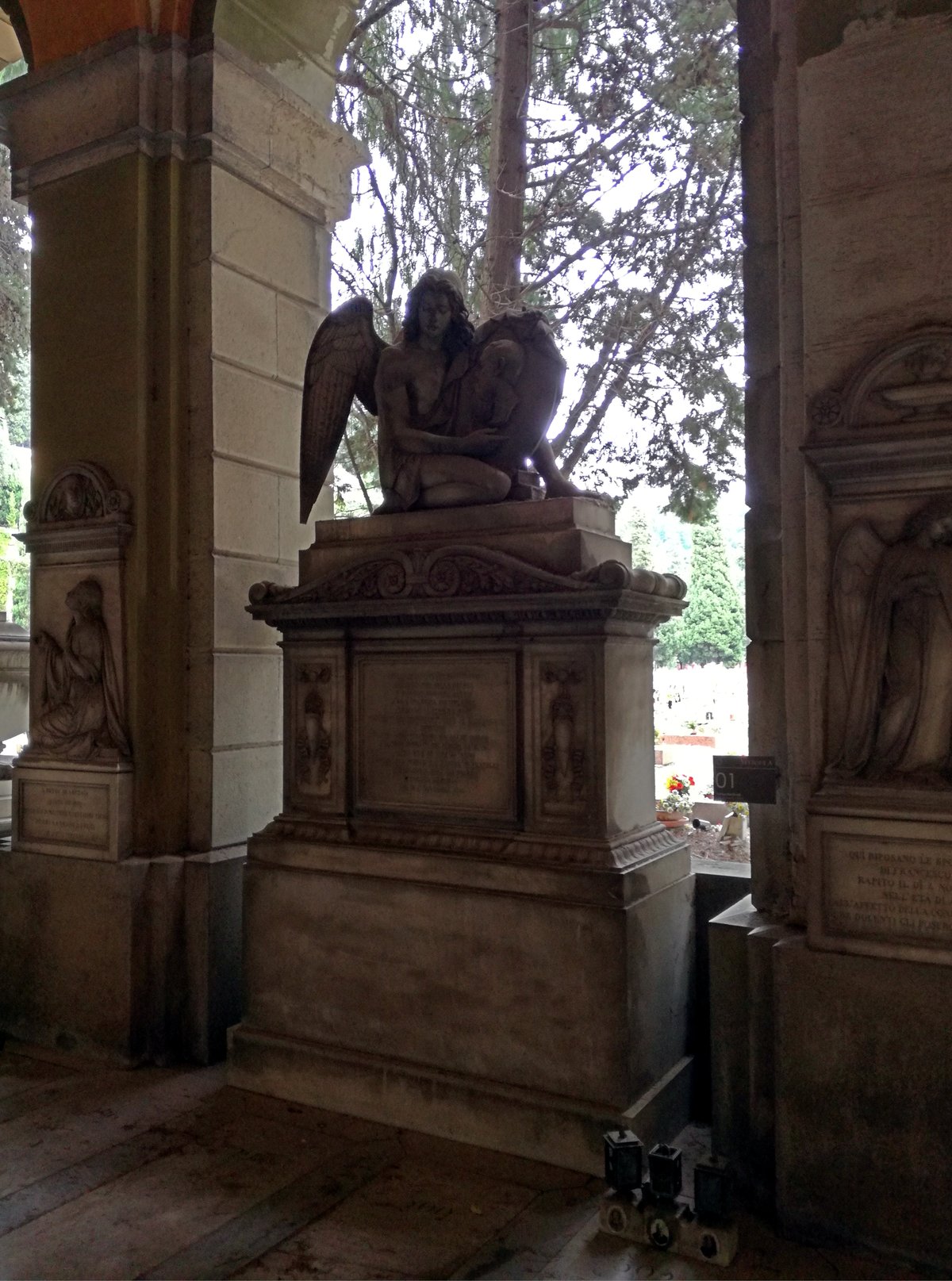
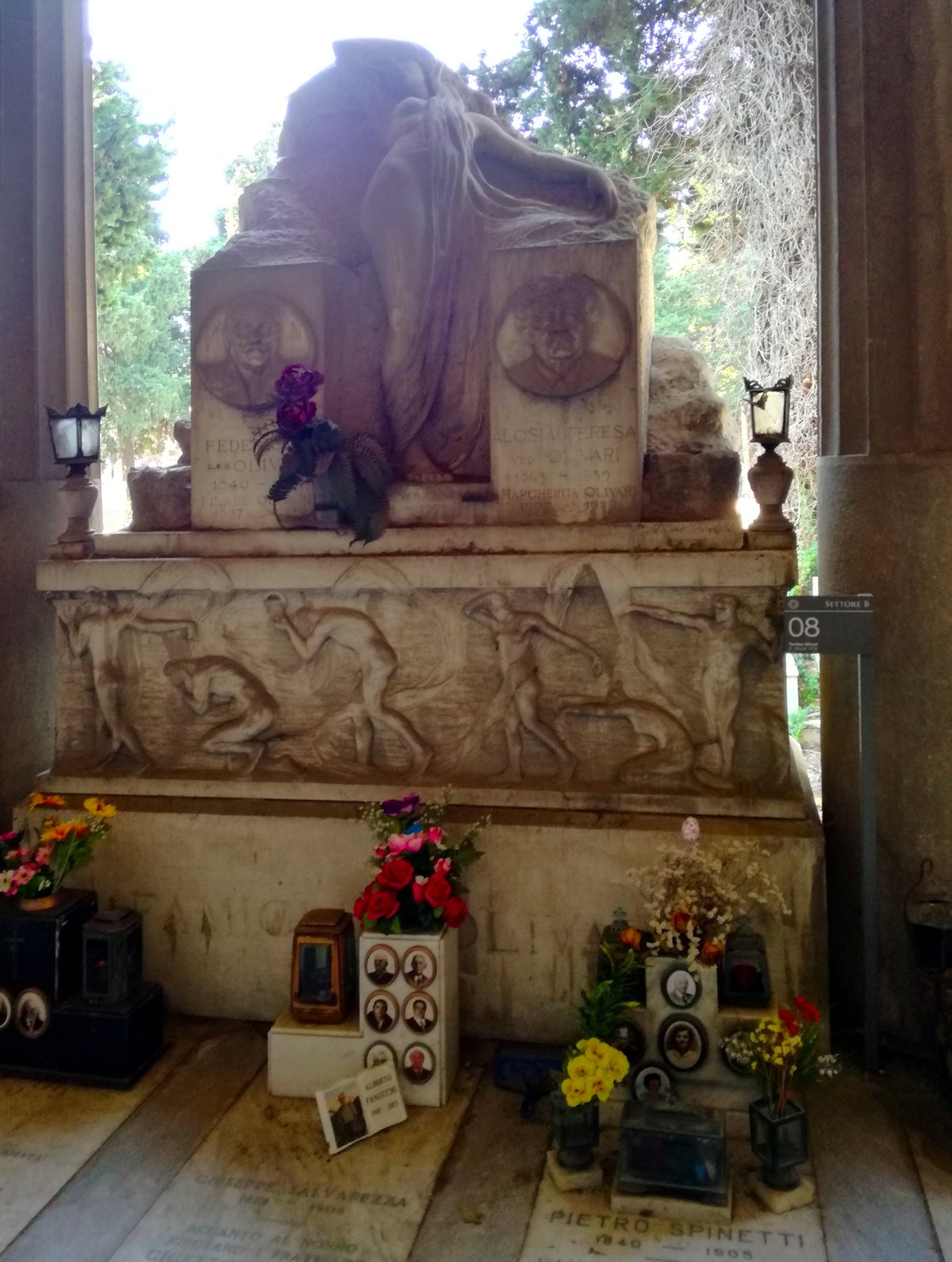
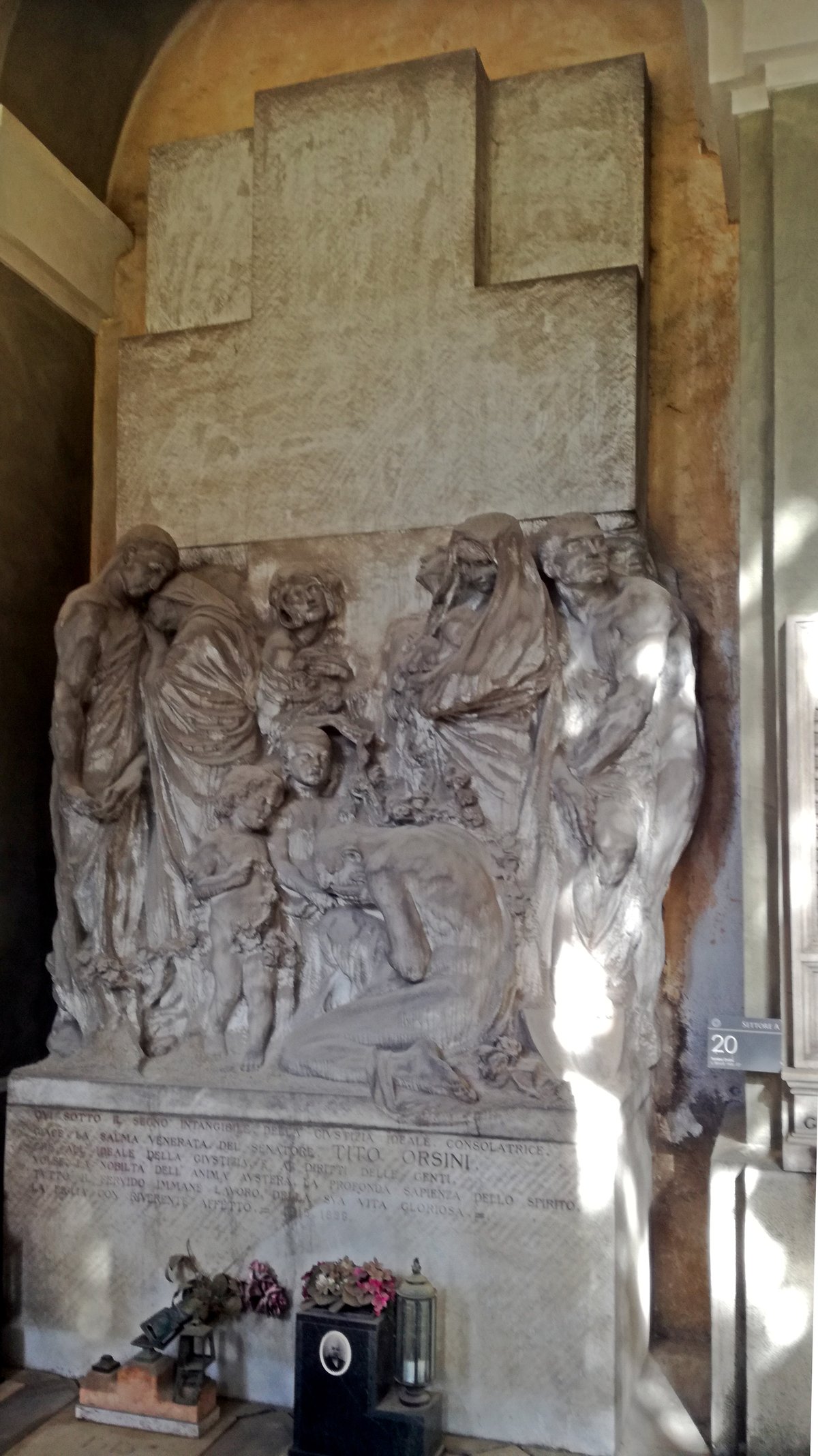
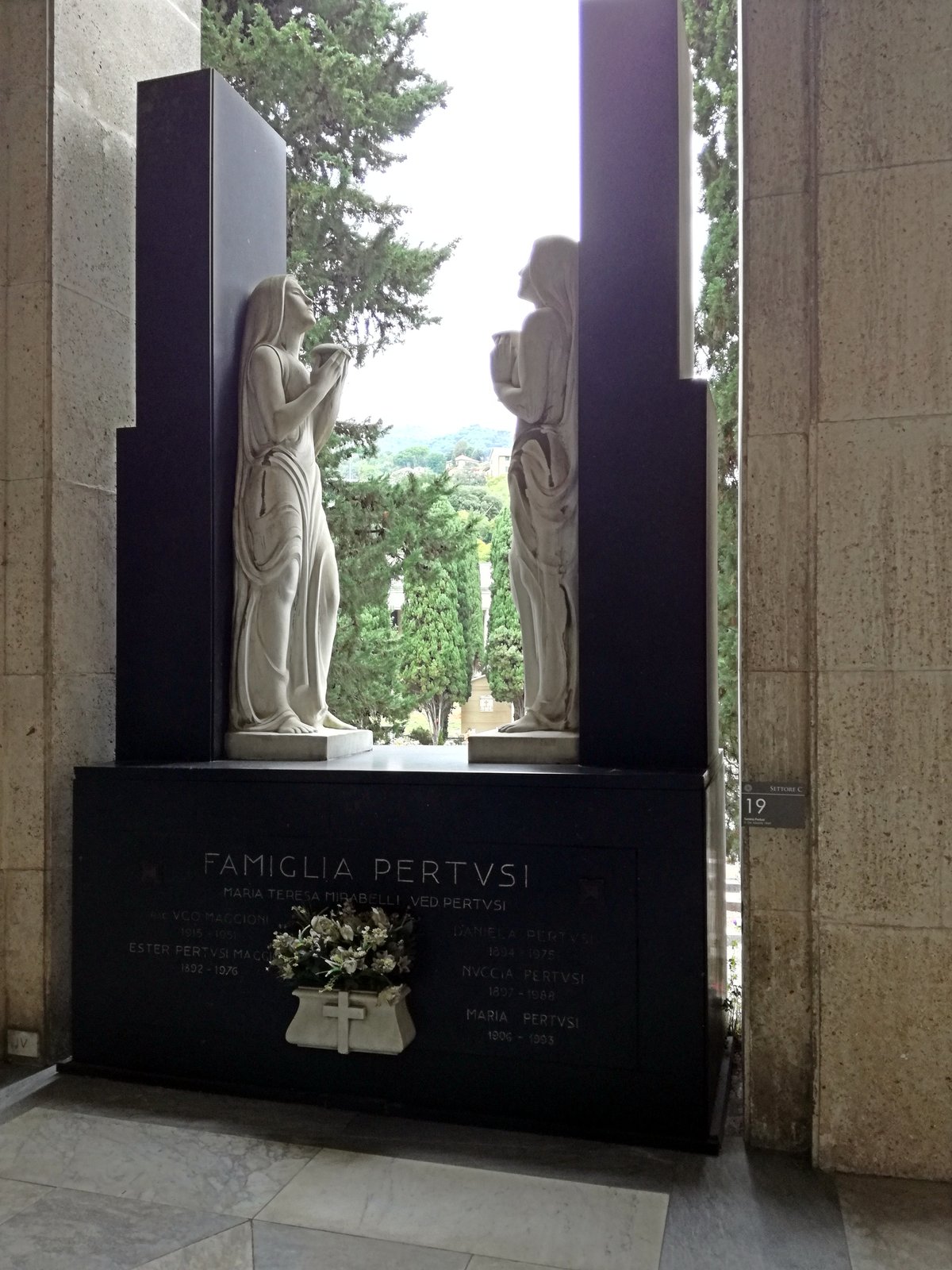
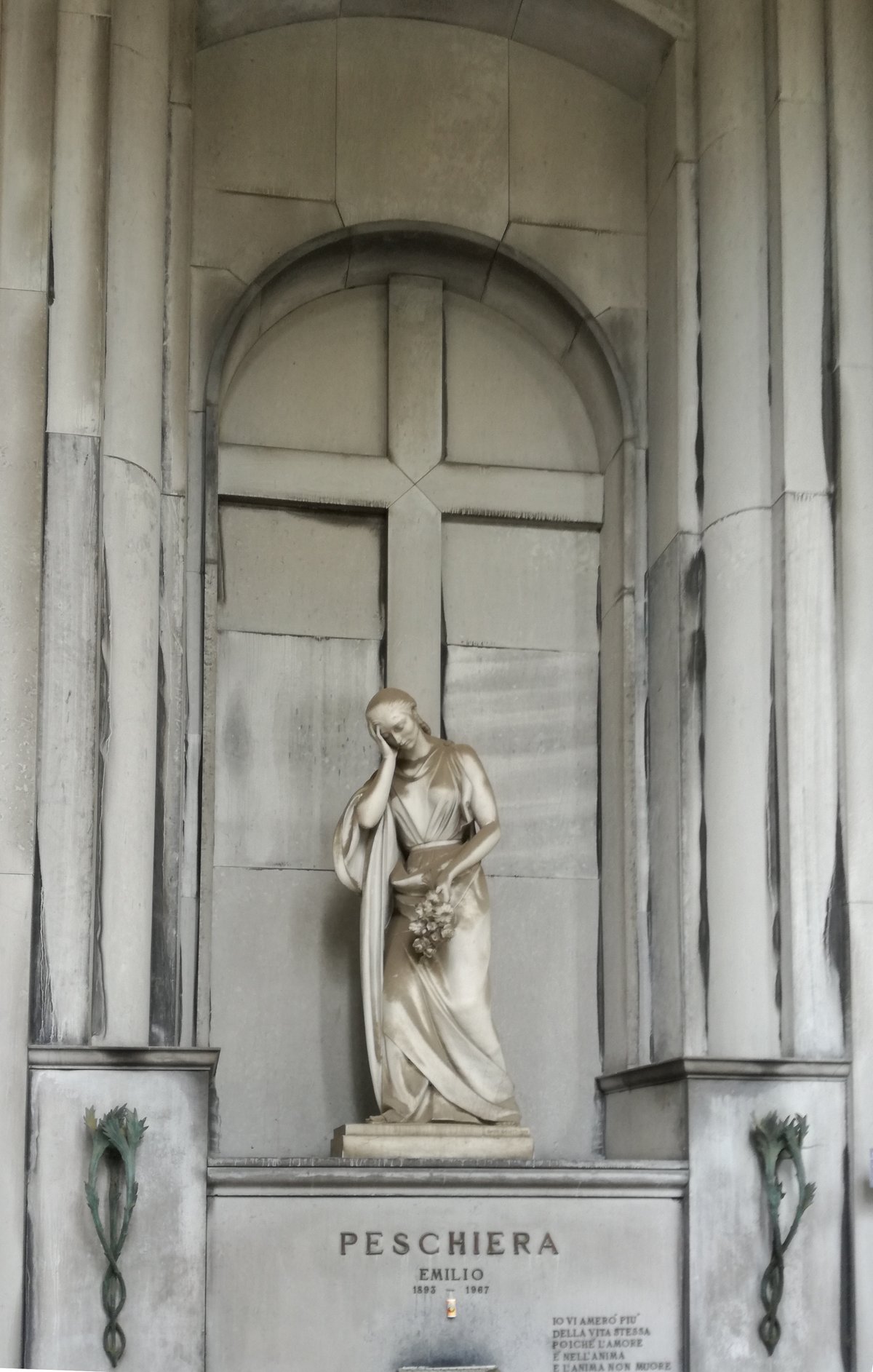
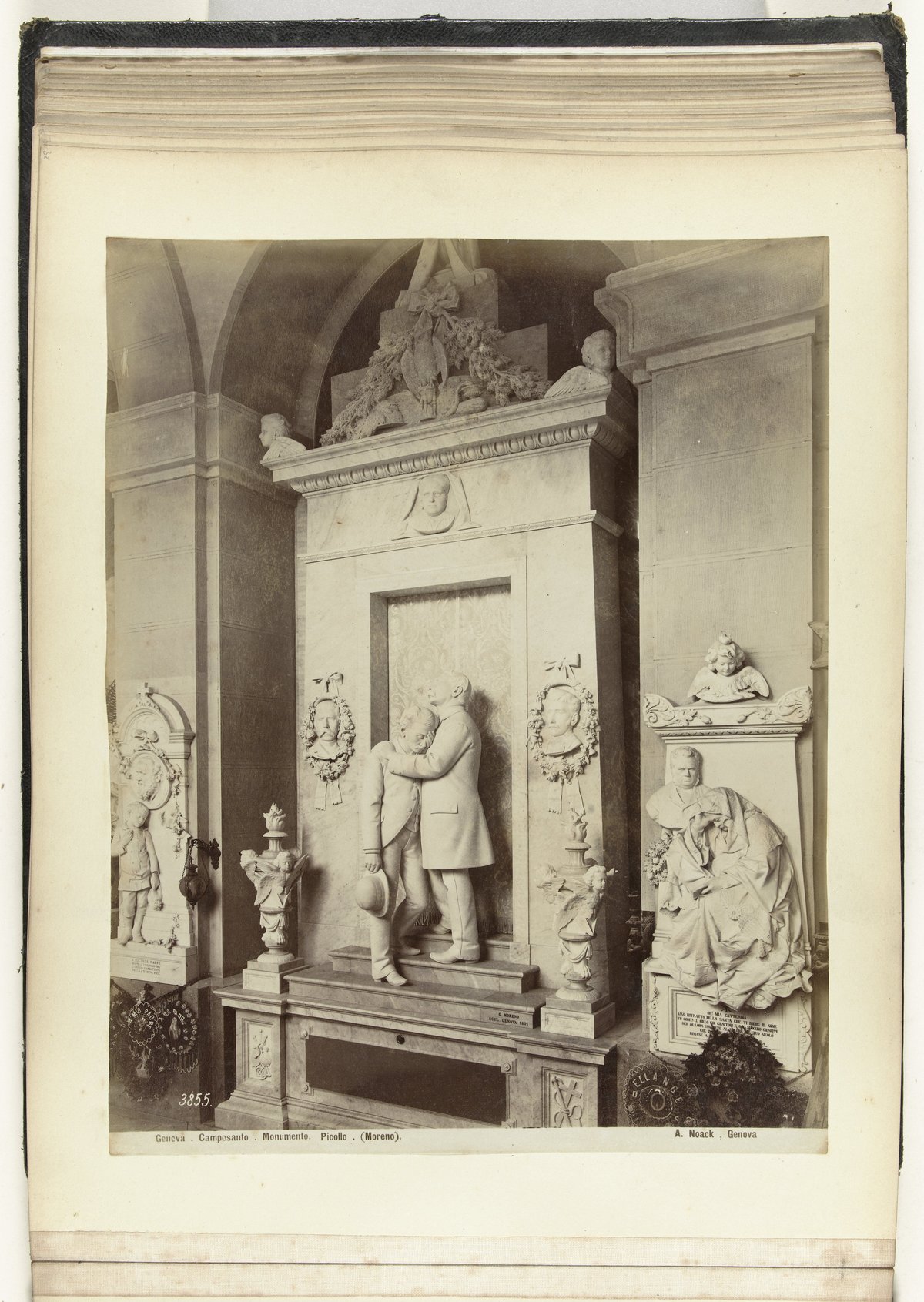
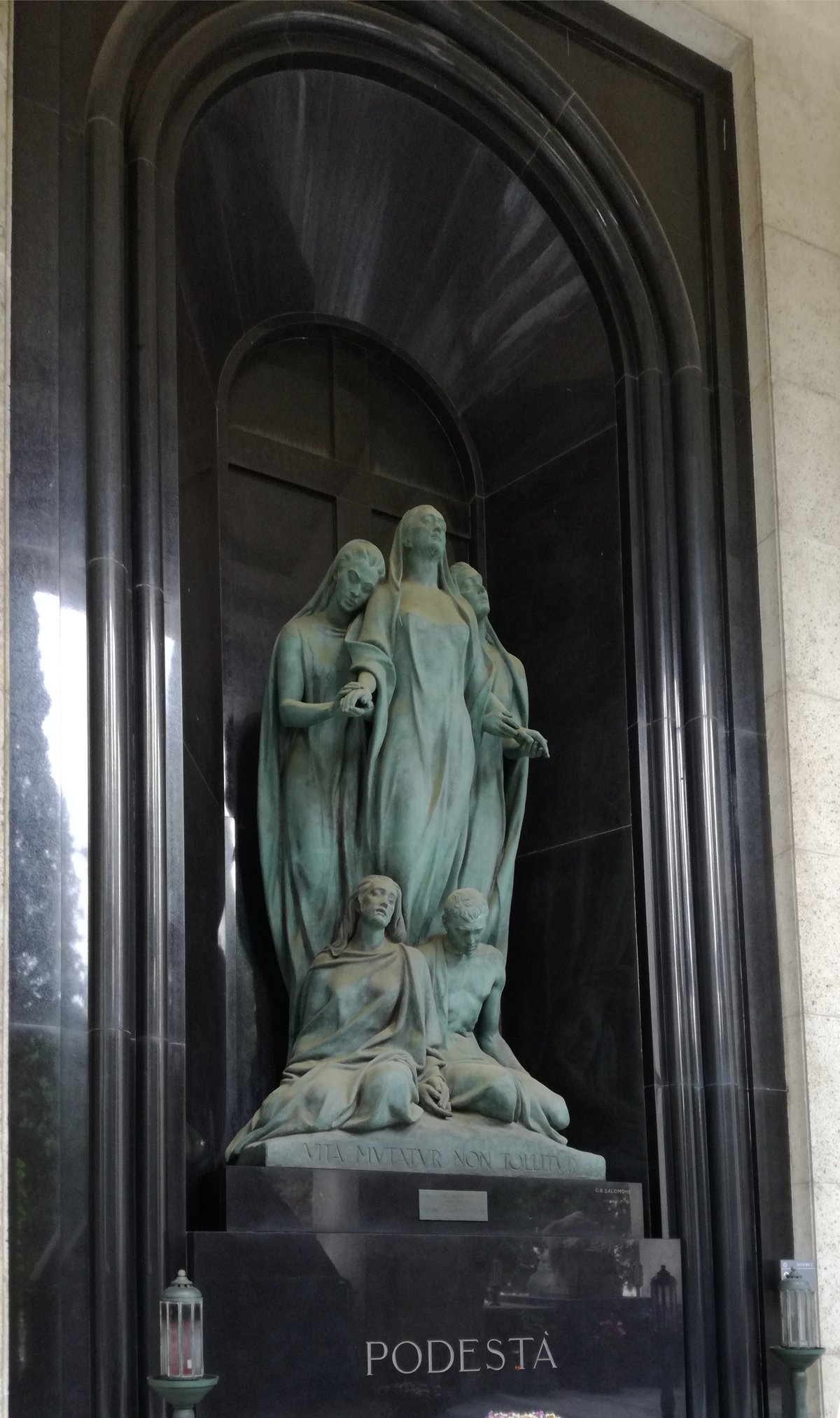
Staglieno is often described as an open-air museum, renowned for its extraordinary concentration of funerary sculptures from the 19th and early 20th centuries. Works by leading Italian artists reflect movements such as Neoclassicism, Realism, Symbolism, and Art Nouveau (Discover Genoa; Ancient Origins).
The monuments at Staglieno are more than memorials—they are elaborate expressions of social standing, personal loss, and collective memory. Lifelike sculptures, allegorical figures, and intricate reliefs depict mourning, charity, and hope. The cemetery’s international acclaim is reflected in the writings of Mark Twain, Guy de Maupassant, and Friedrich Nietzsche, all of whom were moved by its beauty and emotional power (Comune di Genova).
Social, Multicultural, and Historical Context
Staglieno’s monuments mirror the era’s social changes: the rise of the bourgeoisie, philanthropy, and new attitudes toward death and public memory. Notable sections include areas for Protestants, Jews, and English residents—testament to Genoa’s multicultural history (Visit Genoa PDF). The English Cemetery, opened in 1902, houses Commonwealth war graves and is the resting place of Constance Lloyd, Oscar Wilde’s wife (Bimbe in Viaggio).
Tomba Luigi Pastorini: Symbolism and Artistic Analysis
Artistic Composition and Allegory
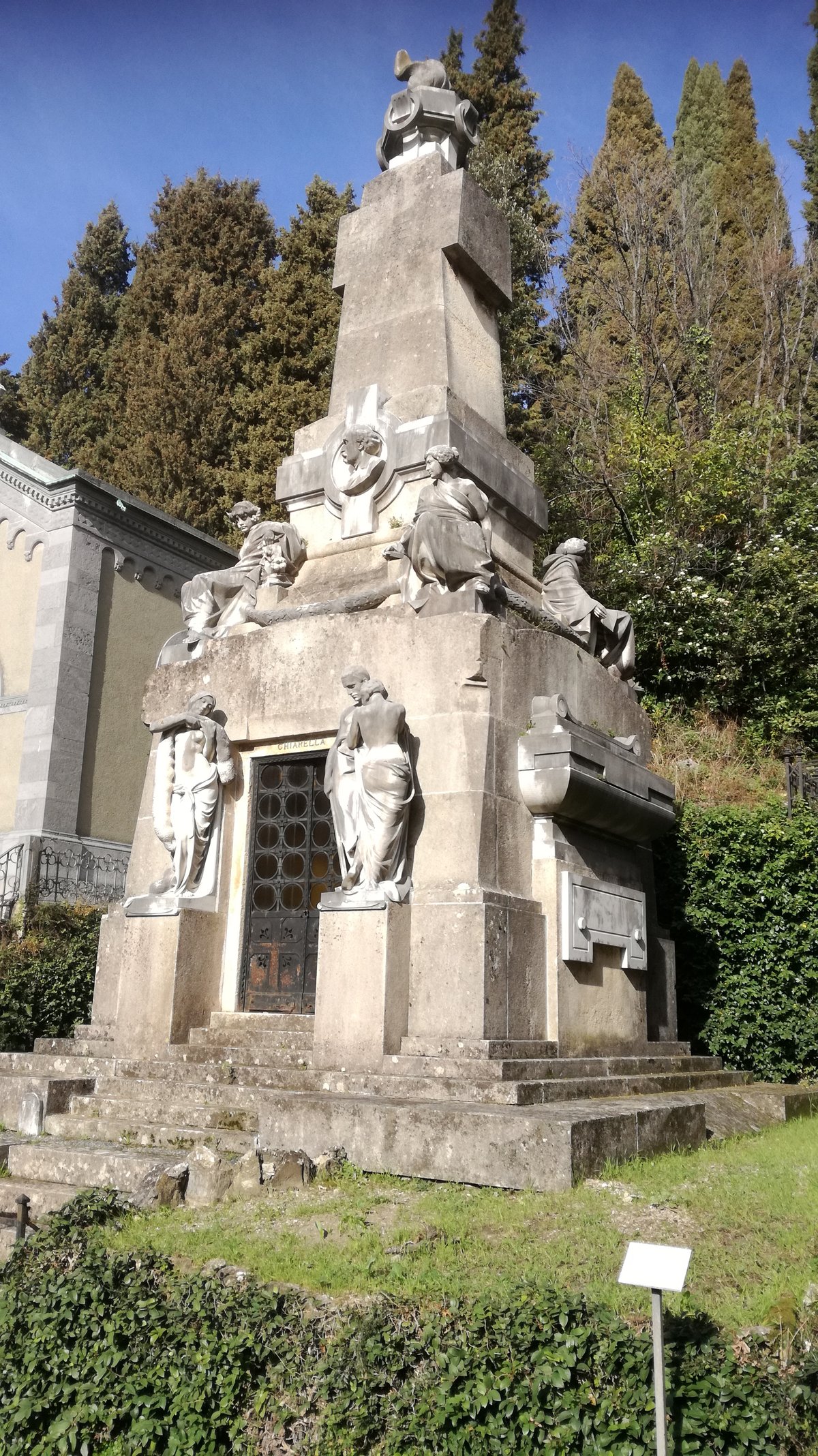
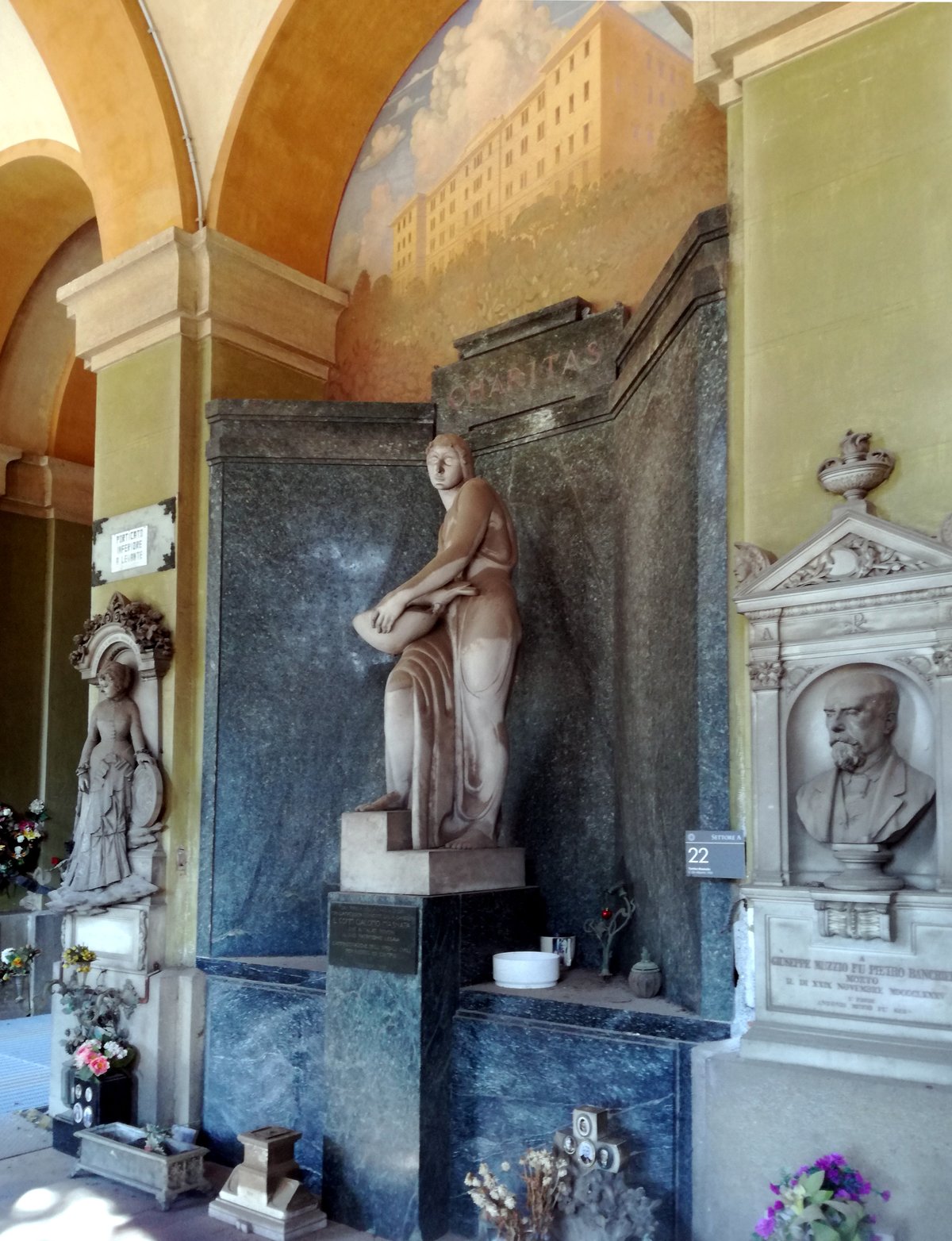
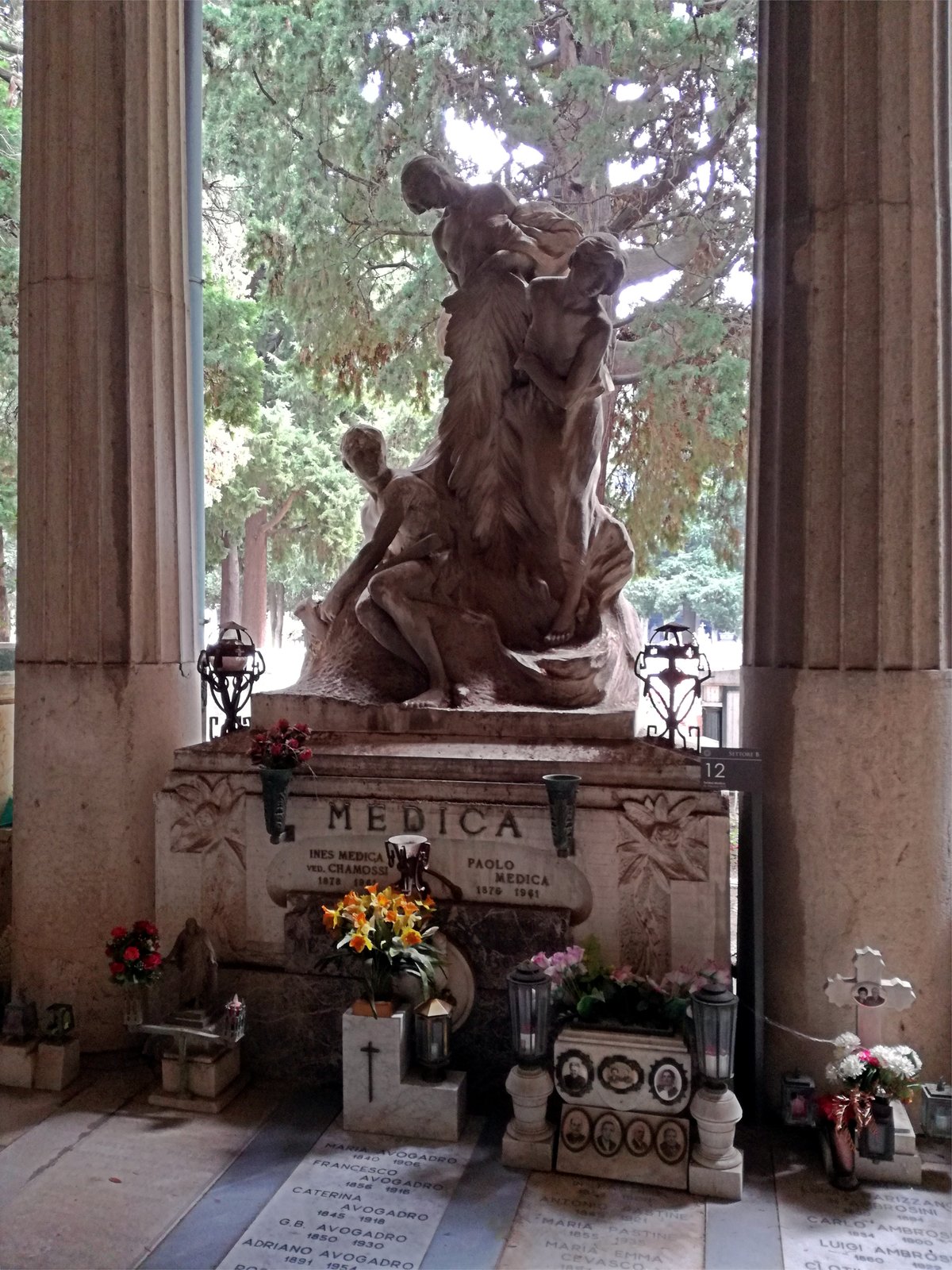
The Tomba Luigi Pastorini is a striking ensemble of allegorical and realistic sculpture:
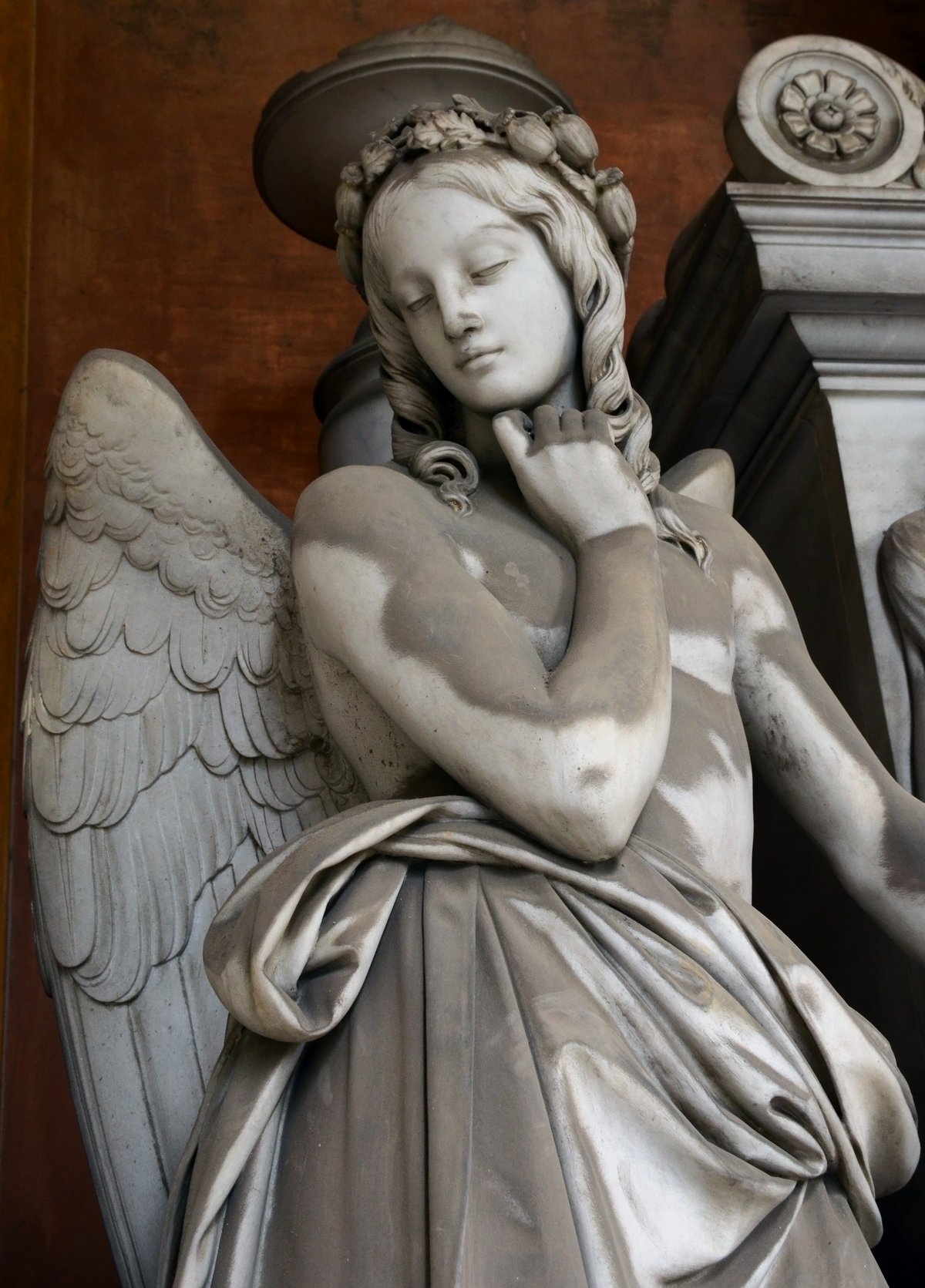
- Medicine: Represented by a serene, winged female figure, symbolizing healing and protection.
- Munificence: Another winged figure, whose gaze is fixed on Pastorini’s portrait medallion, linking charity to his legacy.
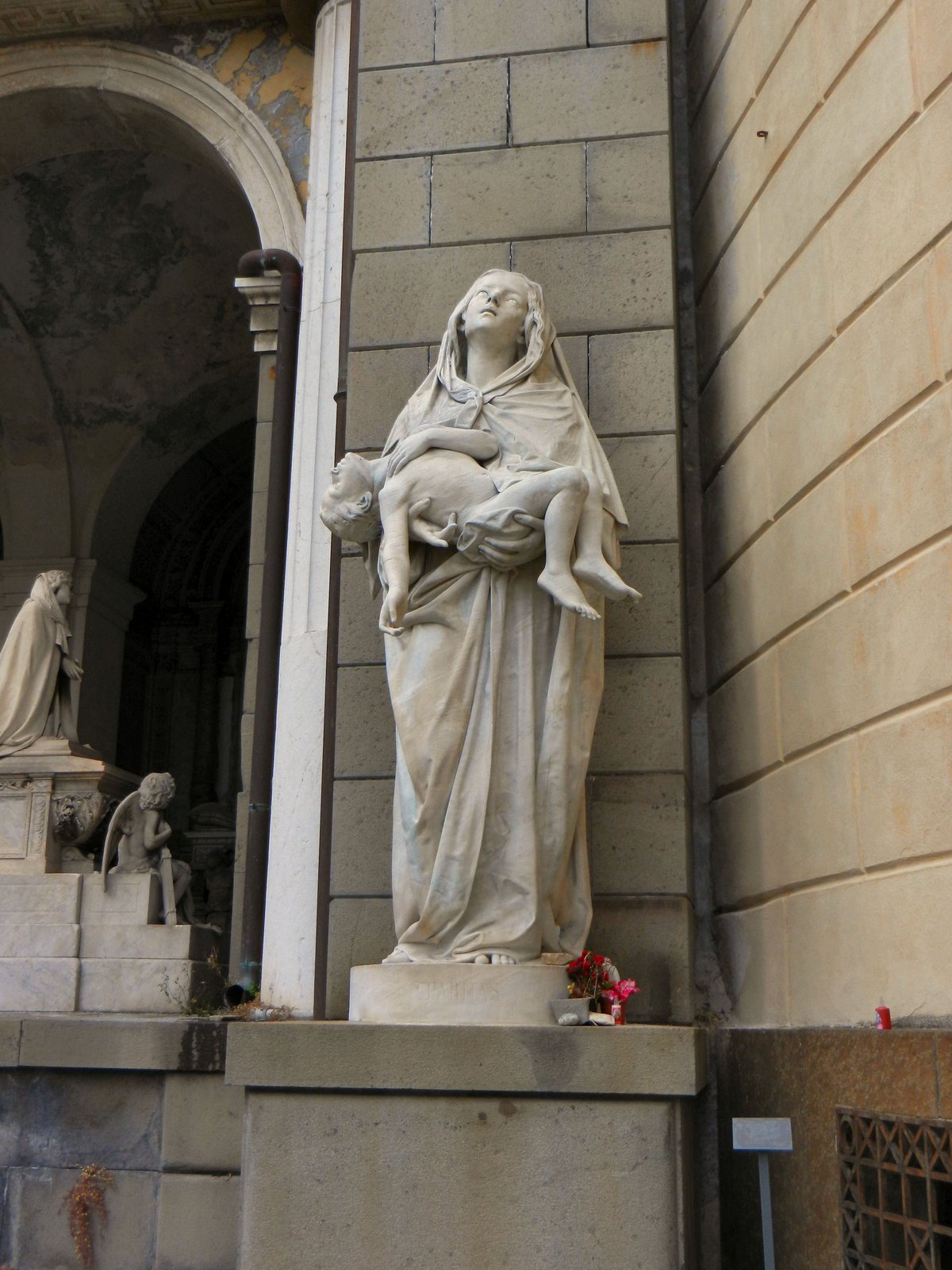
- Sister of Charity: Depicted holding a sick child, rendered in lifelike detail, embodying compassion and the realities of suffering.
Navone’s work blends ethereal allegory with the realism of the Realismo Borghese style, honoring Pastorini’s humanitarian work while offering social commentary on poverty and vulnerability (Staglieno official site; Genova Città Segreta; Symbols Project).
Artistic Style and Techniques
Carved from high-quality marble, the monument demonstrates Navone’s technical mastery. The interplay of polished and matte surfaces, along with intricate details in drapery and facial expressions, enhances the emotional impact (Symbols Project).
Iconography and Cultural Meaning
The Pastorini tomb encapsulates the virtues of healing, charity, and humility, with an inscription that honors Pastorini’s modesty and generosity. The juxtaposition of allegorical and realistic figures emphasizes that true virtue is found in concrete acts of compassion (Genova Città Segreta).
Visitor Information: Hours, Tickets, Accessibility
- Location: Piazzale Resasco, 16137 Genoa (Bimbe in Viaggio)
- Opening Hours: Generally open daily from 7:30 or 8:00 AM to 5:00 or 6:00 PM (seasonal variations apply). Last entry is typically 30 minutes before closing. Always verify on the official Staglieno Cemetery website.
- Tickets: Entrance is free. Guided tours and special exhibitions may require a fee (usually €5–€15) (Discover Genoa).
- Guided Tours: The Municipality of Genoa organizes thematic guided tours (about 1.5 hours), covering art, history, and notable monuments like Tomba Luigi Pastorini. Tours can be booked through local tourist offices or online.
- Accessibility: Main avenues are paved and partially wheelchair accessible, but the cemetery’s hilly terrain and steps may limit access to certain areas. Internal shuttle buses are available. Assistance is recommended for visitors with mobility issues.
- Etiquette: Respectful behavior is required. Modest attire is recommended. Photography is permitted for personal use—be discreet, especially near ceremonies.
Navigating Staglieno: Finding the Pastorini Tomb
Staglieno Cemetery covers over 330,000 square meters. Tomba Luigi Pastorini is situated near other prominent monuments such as the Bonini and Carpaneto tombs (Mapcarta). Maps and self-guided tour booklets are available at the entrance and tourist office (Lonely Planet). Signage is mostly in Italian; however, English-language resources and QR codes are increasingly available.
Getting There:
- Public Transport: Bus lines 34, 48, and 480 connect the city center with Staglieno Cemetery.
- By Car: Limited parking is available near the main entrance.
- On Foot: The cemetery is walkable from the city center for those who enjoy a scenic, uphill walk.
Travel Tips and Nearby Attractions
- Best Time to Visit: Spring and early autumn offer pleasant weather and fewer crowds. Early mornings or late afternoons provide optimal light for photography.
- Facilities: Restrooms are near the main entrance. Bring water and snacks; there are no cafés on site, but options are available nearby.
- Local Neighborhoods: Explore the historic districts of Biscione and Marassi after your cemetery visit.
- Genoa’s Historic Center: Just a short bus ride away, the city’s UNESCO-listed core offers palaces, churches, and artisan shops (Discover Northern Italy).
Integrating Your Visit: Genoa’s Historic Center and Waterfront
Combine your trip to Staglieno with Genoa’s other highlights:
- Via Garibaldi: Home to Renaissance and Baroque palaces (The World Was Here First).
- Porta Soprana: Ancient city gate with panoramic views.
- Genoa Cathedral: A stunning example of Ligurian Gothic architecture (That Travelista).
- Porto Antico: Lively harbor area featuring the Bigo panoramic lift, Biosfera greenhouse, and Genoa Aquarium (My Italian Diaries).
- Local Cuisine: Sample Genovese pesto, focaccia, and fresh seafood at nearby restaurants (That Travelista).
Suggested Itinerary:
- Morning: Visit Staglieno Cemetery and Tomba Luigi Pastorini (allow 1.5–2 hours).
- Midday: Lunch in the Centro Storico.
- Afternoon: Explore palaces and museums along Via Garibaldi.
- Evening: Stroll the Porto Antico waterfront or relax at Isola delle Chiatte (My Italian Diaries).
Practical Visitor Advice
- Transport: Public transport tickets cost ~€1.50 and are valid for 100 minutes. The Genova Museum Card may include transit and museum entry (Visit Genoa).
- Walking: Wear comfortable shoes; routes can be hilly and cobbled.
- Safety: Genoa is generally safe, but exercise normal precautions in crowded or narrow streets.
- Language: Most signage is in Italian; some staff and guides speak English. Translation apps may be helpful.
Frequently Asked Questions (FAQ)
Q: What are the opening hours of Tomba Luigi Pastorini and Staglieno Cemetery?
A: Generally 7:30 or 8:00 AM to 5:00 or 6:00 PM, with last entry 30 minutes before closing. Check the official website for holiday hours.
Q: Is there an entrance fee?
A: No, entry is free for all visitors. Guided tours may require a small fee.
Q: Are guided tours available in English?
A: Yes, especially during peak seasons or by advance booking.
Q: Is the cemetery accessible for visitors with limited mobility?
A: Main paths are accessible, but the terrain can be challenging. Contact administration for assistance.
Q: Can I take photographs?
A: Yes, for personal use. Commercial photography requires permission.
Listen to the full story in the app
Your Personal Curator, in Your Pocket.
Audio guides for 1,100+ cities across 96 countries. History, stories, and local insight — offline ready.
Audiala App
Available on iOS & Android
Join 50k+ Curators
Sources
- verified
- verified
- verified
- verified
- verified
Last reviewed: