Introduction
Nestled within the monumental Cimitero Monumentale di Staglieno in Genoa, Italy, the Tomba De Gregori stands as a testament to the city’s 19th-century artistic and social evolution. This guide offers detailed information on the tomb’s history, visiting hours, ticketing, accessibility, and practical advice for exploring one of Genoa’s most captivating historical sites. Whether you are an art enthusiast, a historian, or a curious traveler, the Tomba De Gregori and Staglieno Cemetery promise an immersive cultural experience (Atlas Obscura; Visit Genoa; Lonely Planet).
Photo Gallery
Explore Tomba De Gregori in Pictures
Historical Background
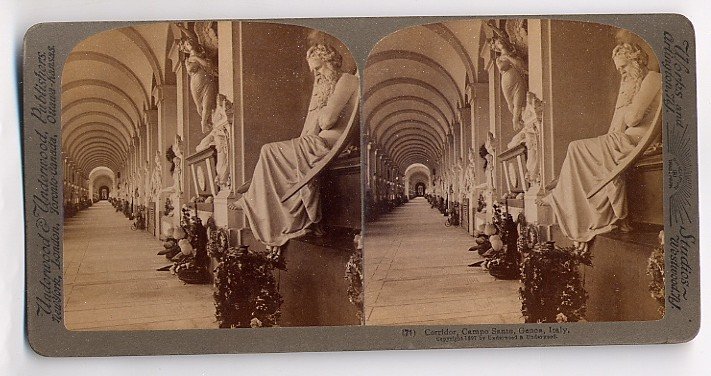
The Cimitero Monumentale di Staglieno, inaugurated in 1851 and designed initially by Carlo Barabino, was conceived during a period of significant urban and social transformation in Genoa. The move towards large, landscaped cemeteries outside city centers was prompted by 19th-century public health reforms and the Edict of Saint-Cloud, as well as the aftermath of the 1835 cholera epidemic. Staglieno quickly emerged as an open-air museum, with Genoa’s elite commissioning grand sepulchers to express both familial pride and artistic ambition (Bimbe in Viaggio; Atlas Obscura).
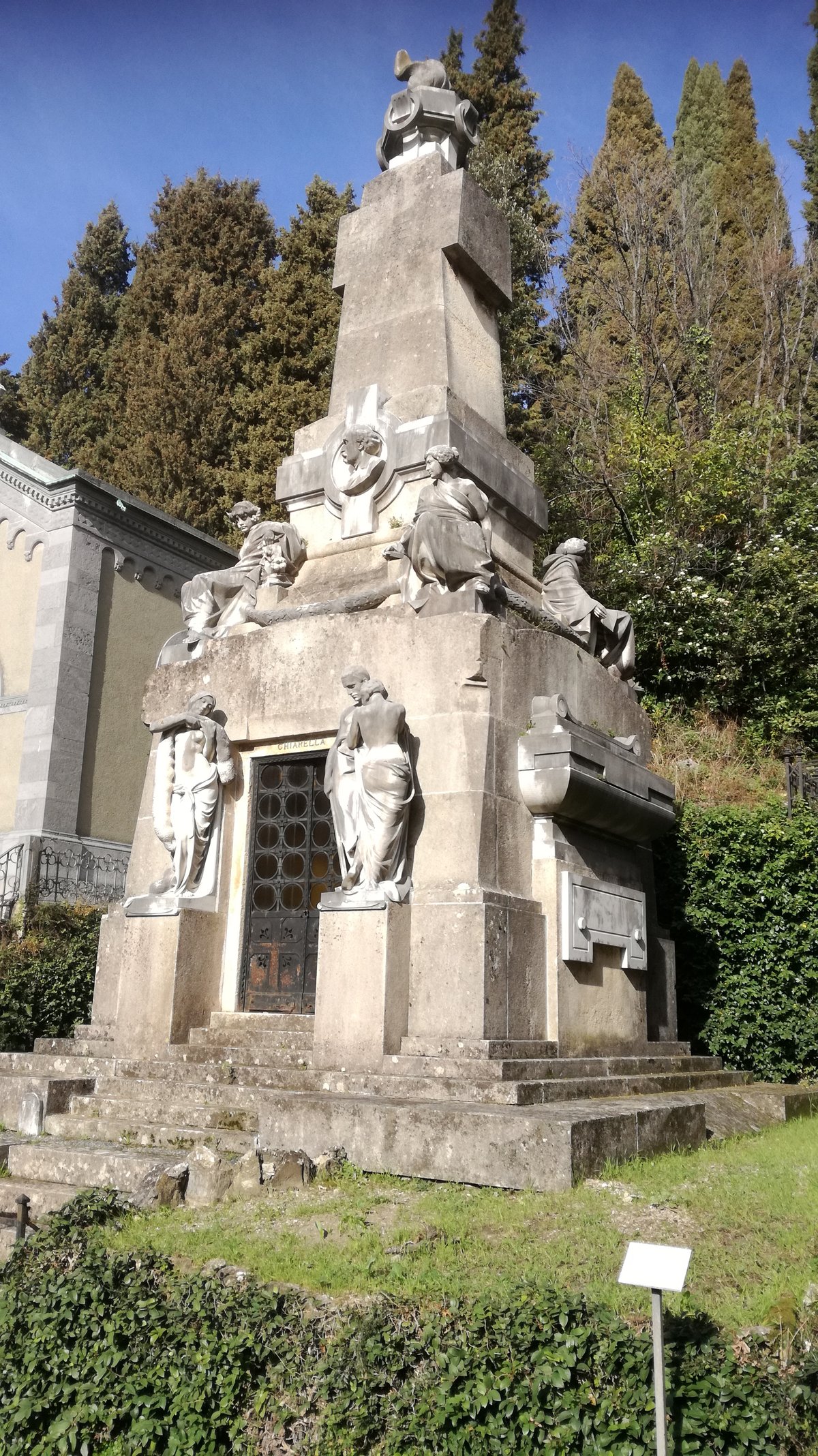
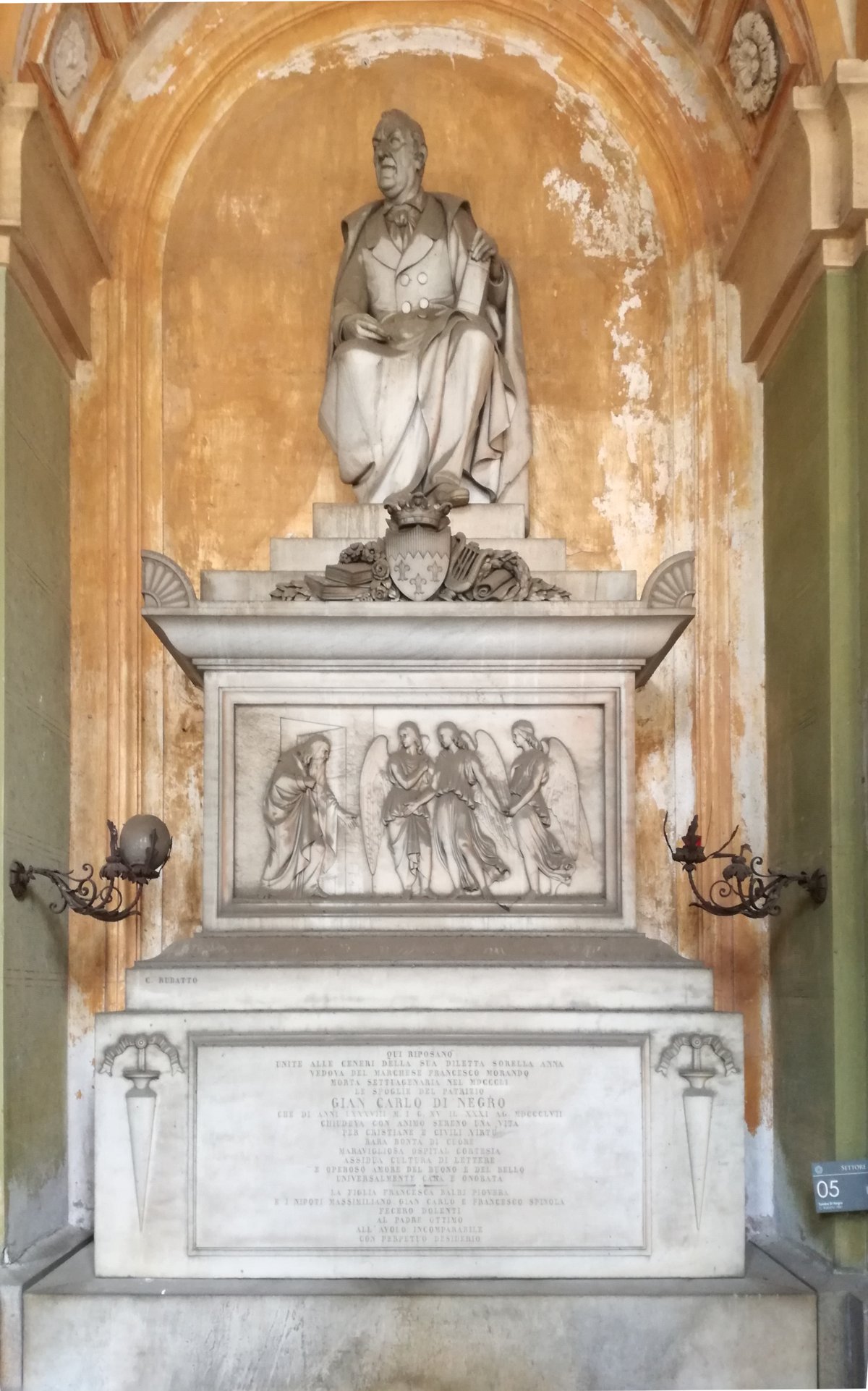
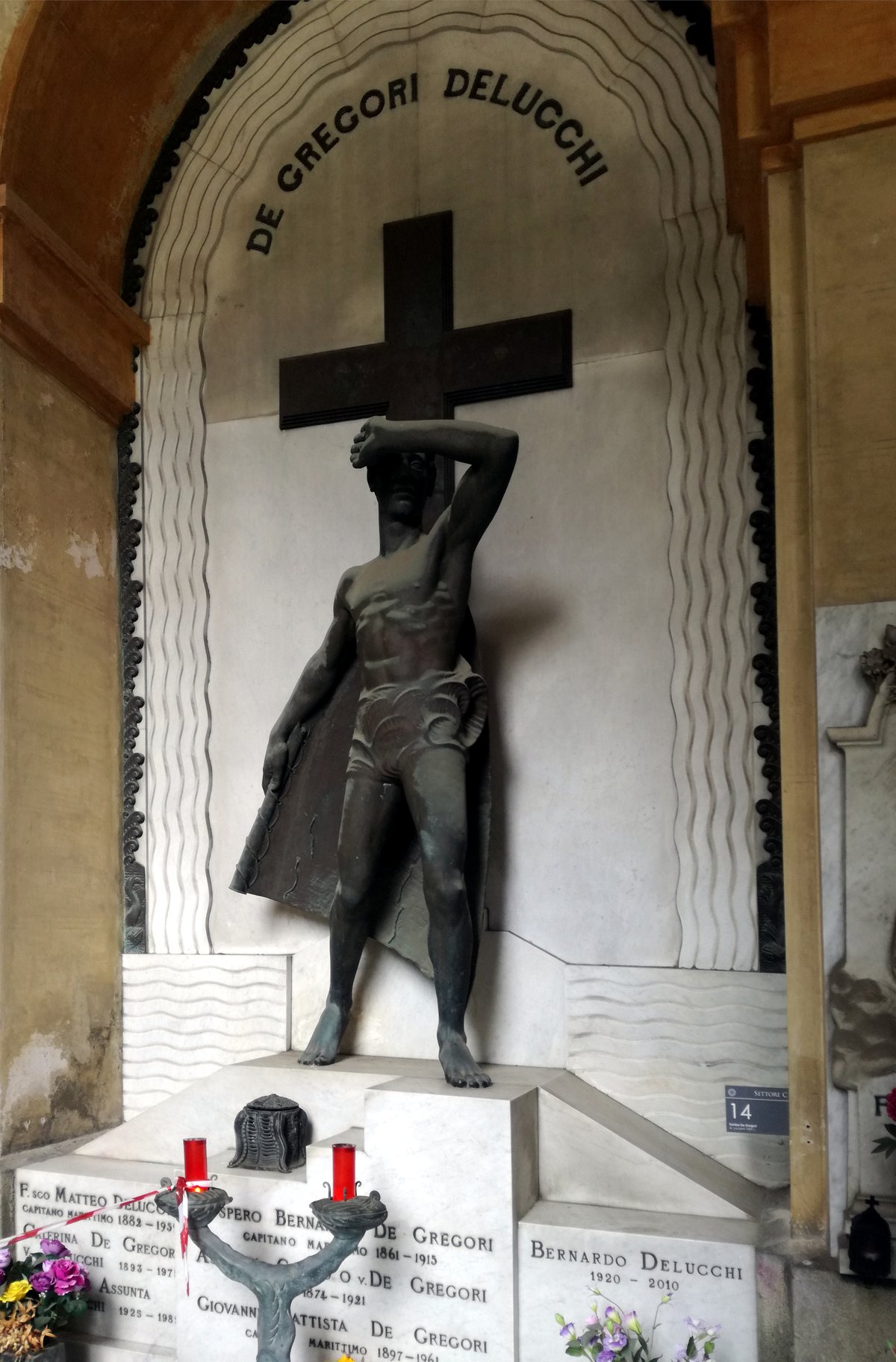
The De Gregori family, prominent members of Genoa’s 19th-century bourgeoisie, commissioned their tomb as a lasting family memorial and a symbol of social status. The Tomba De Gregori showcases the period’s blend of Neoclassical and Romantic styles, featuring masterful marble sculptures and symbolic motifs that echo themes of mourning, remembrance, and hope (Atlas Obscura).
Artistic and Cultural Significance
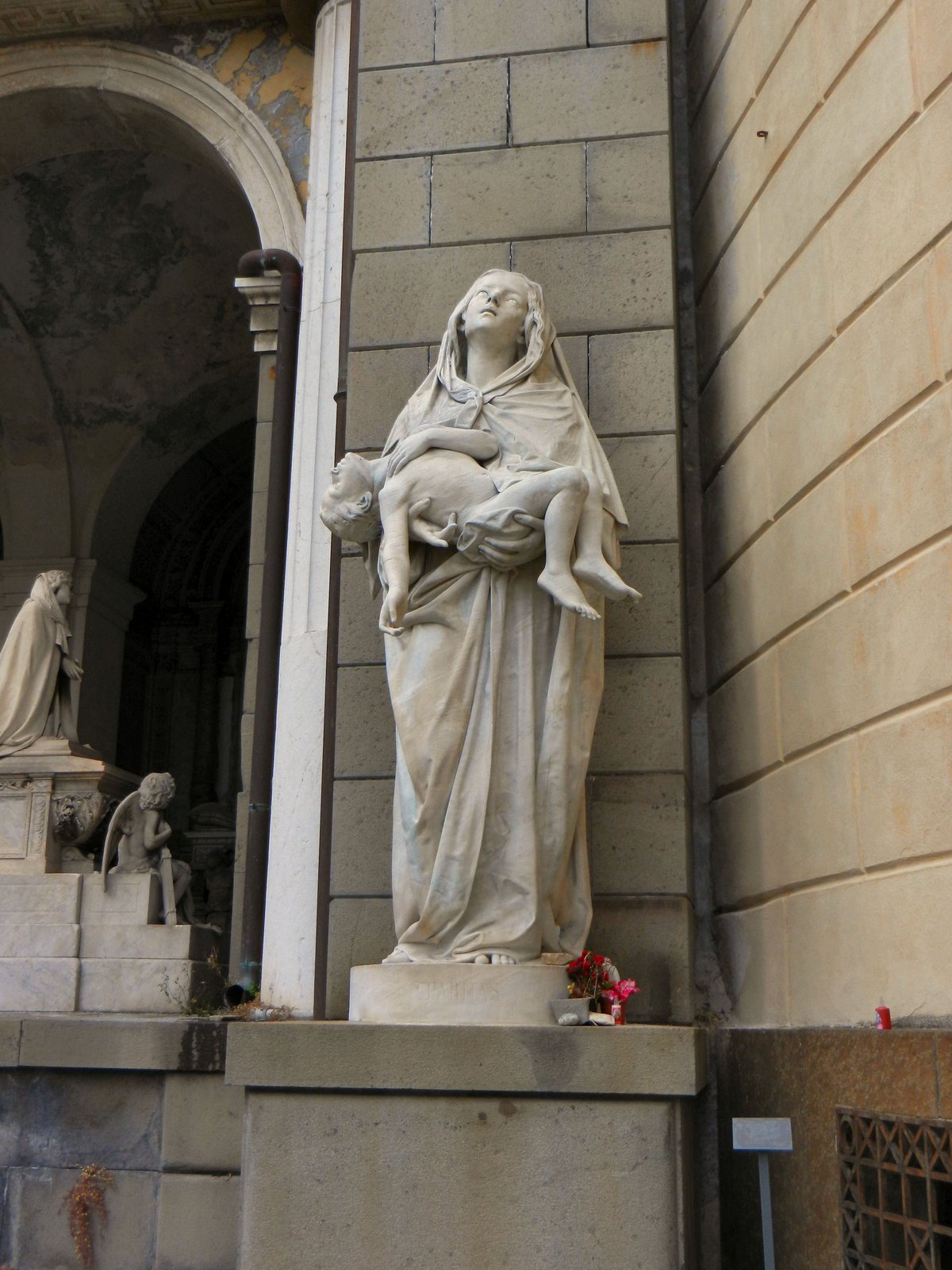
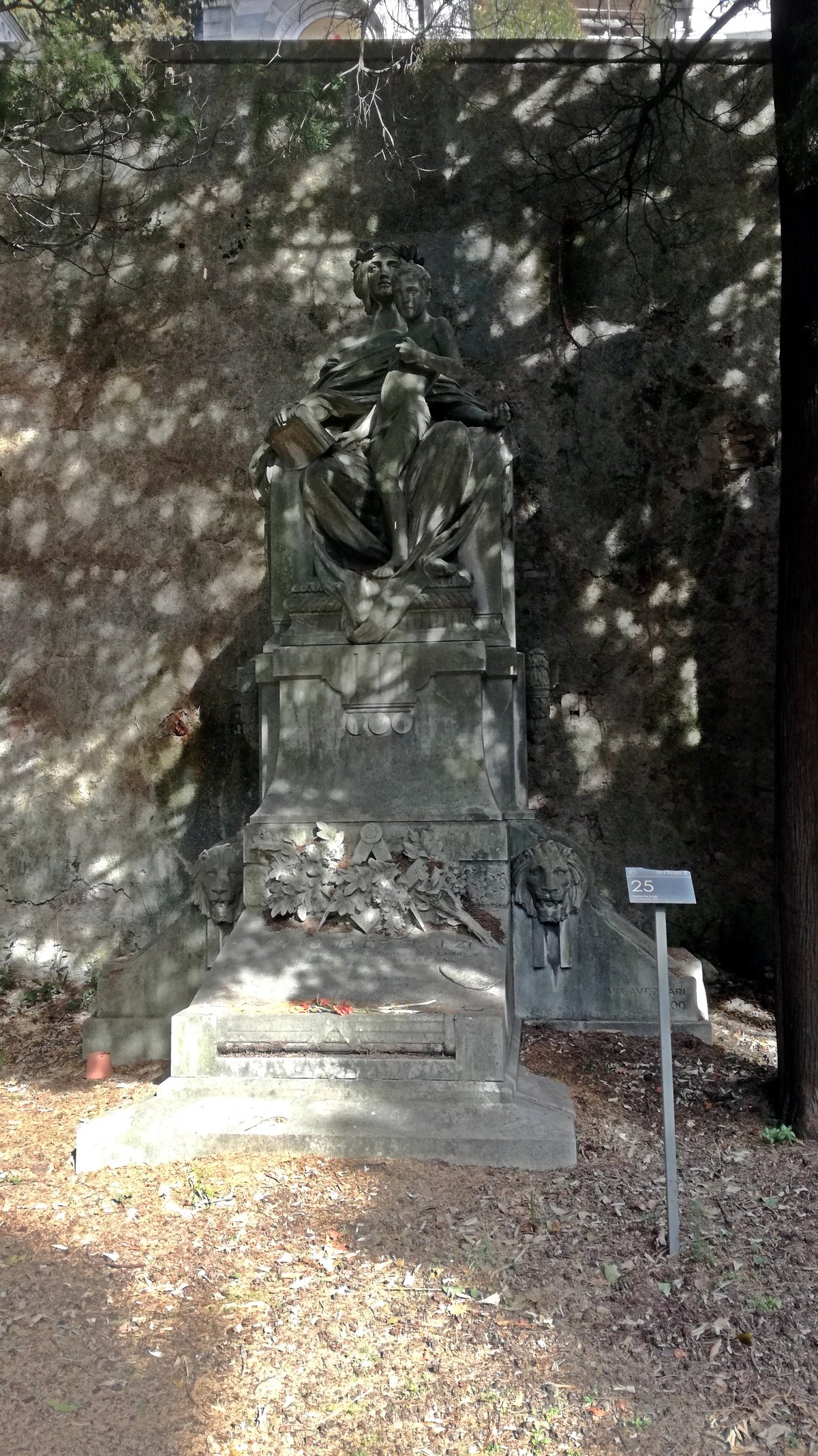
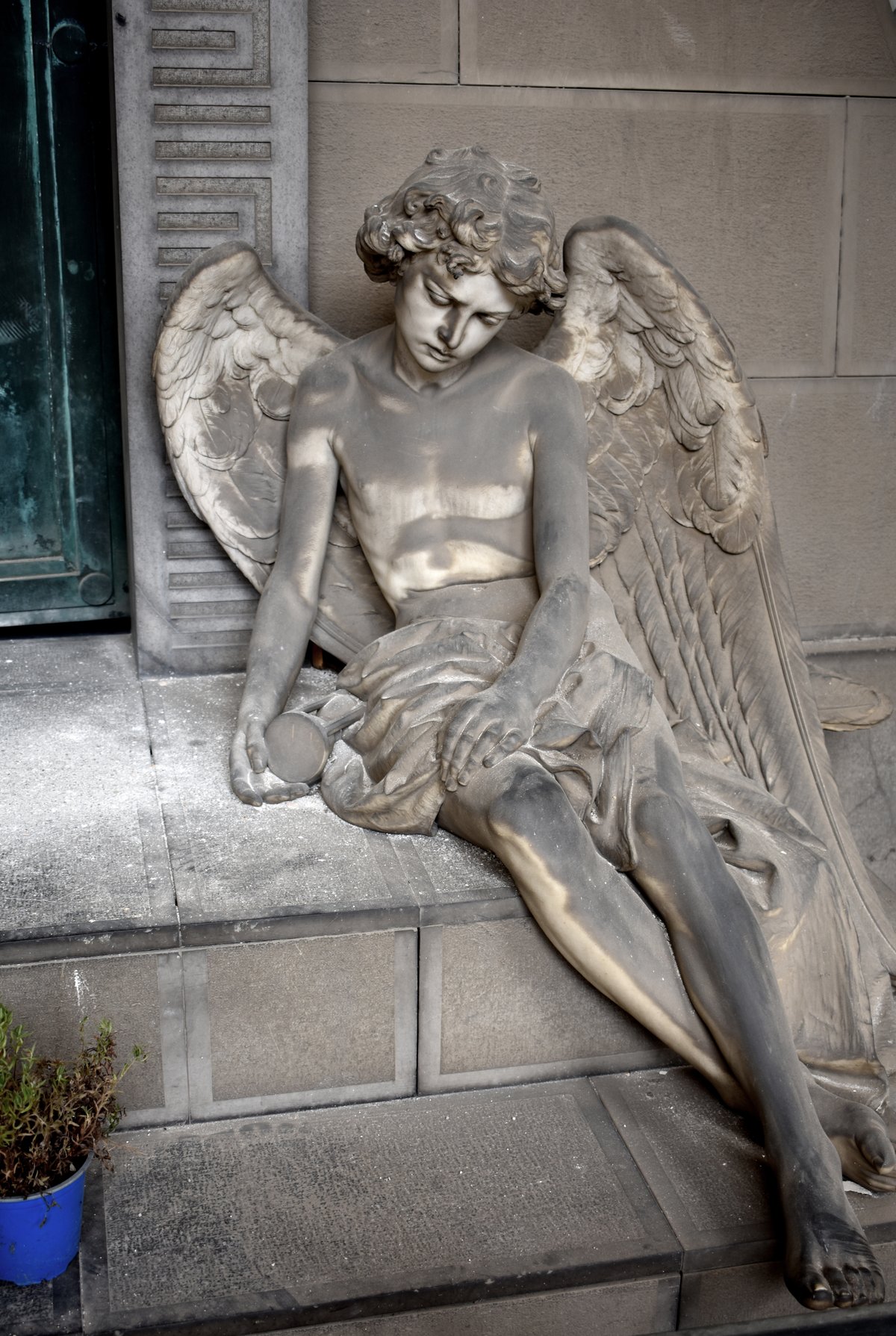
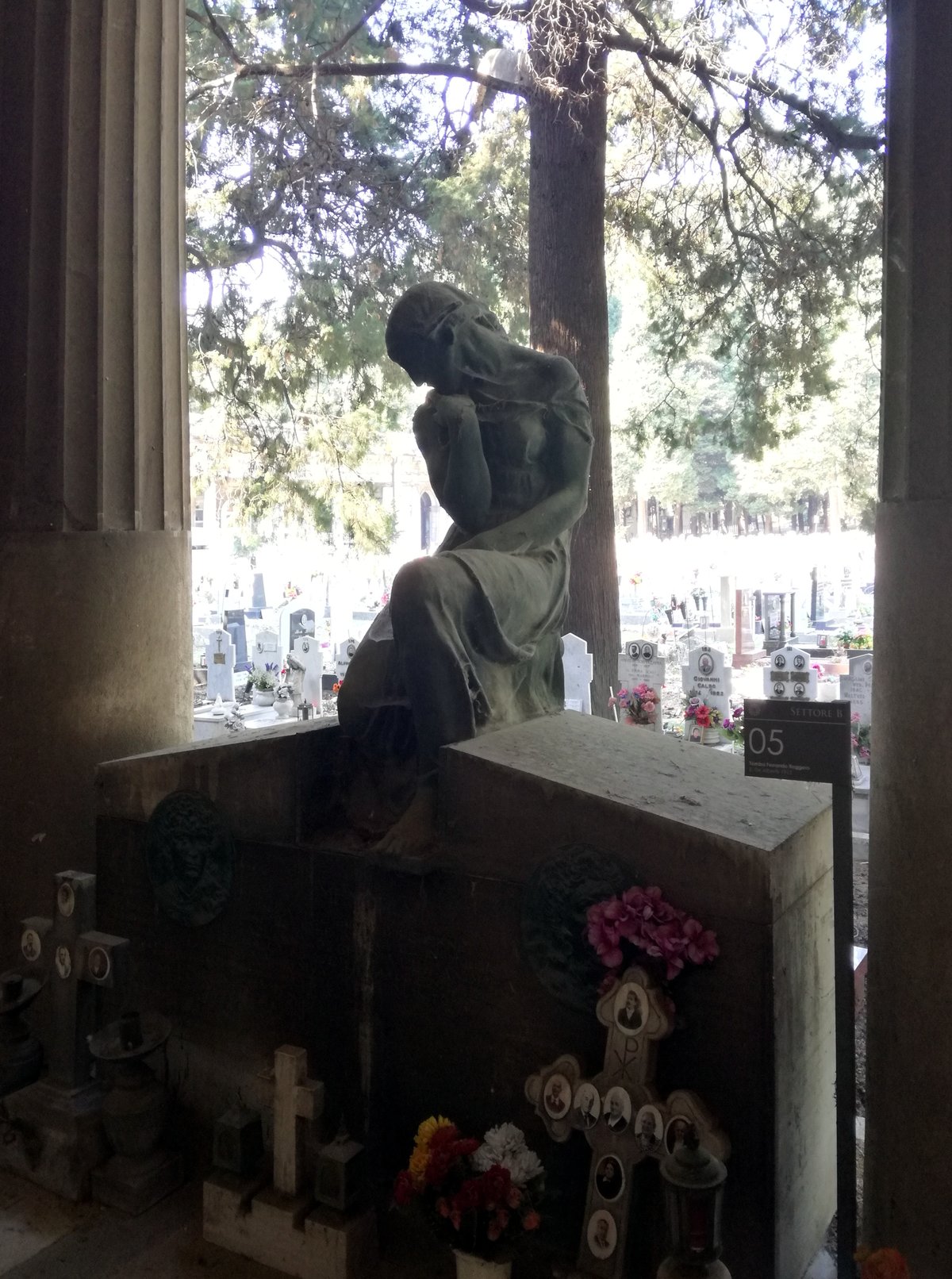
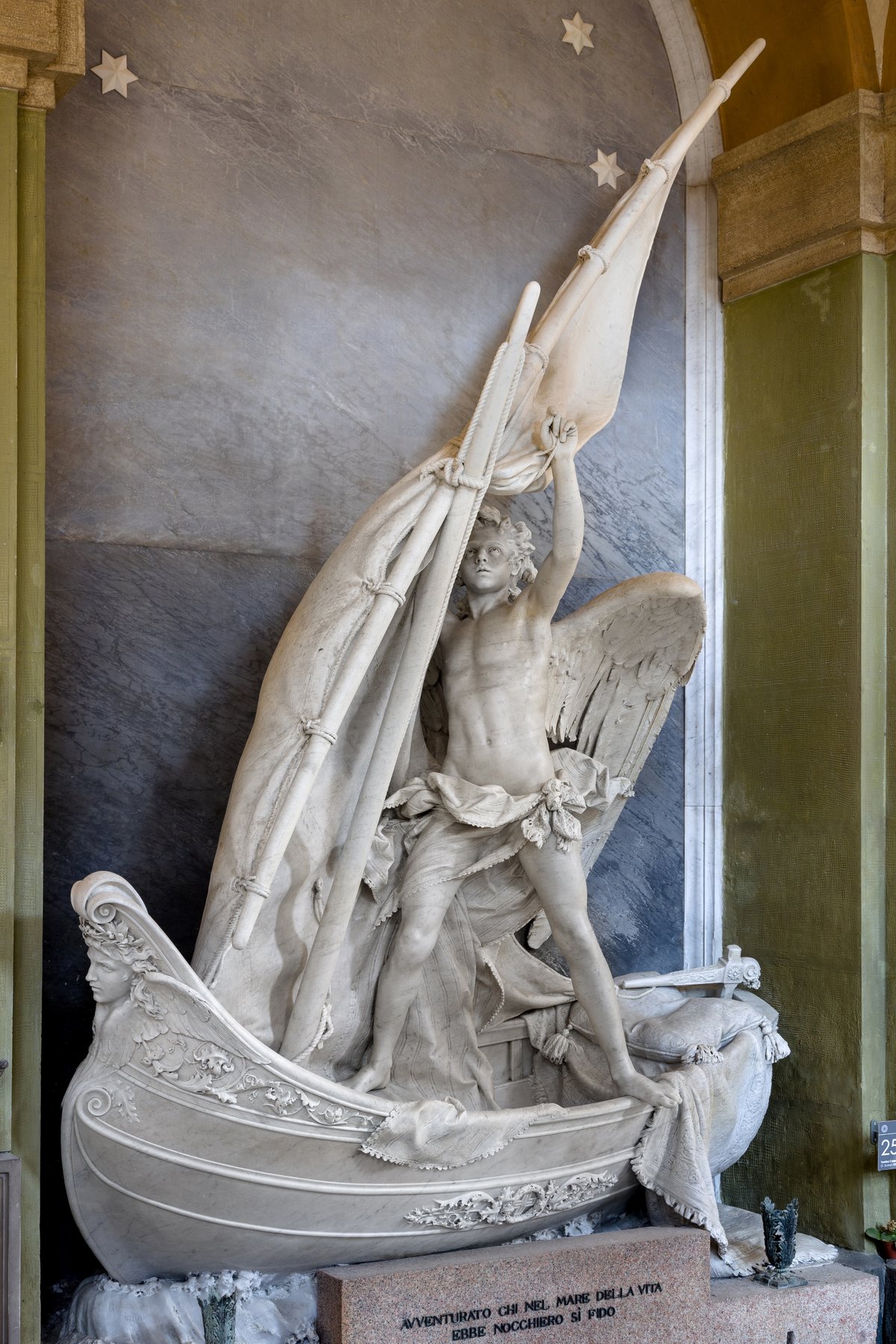
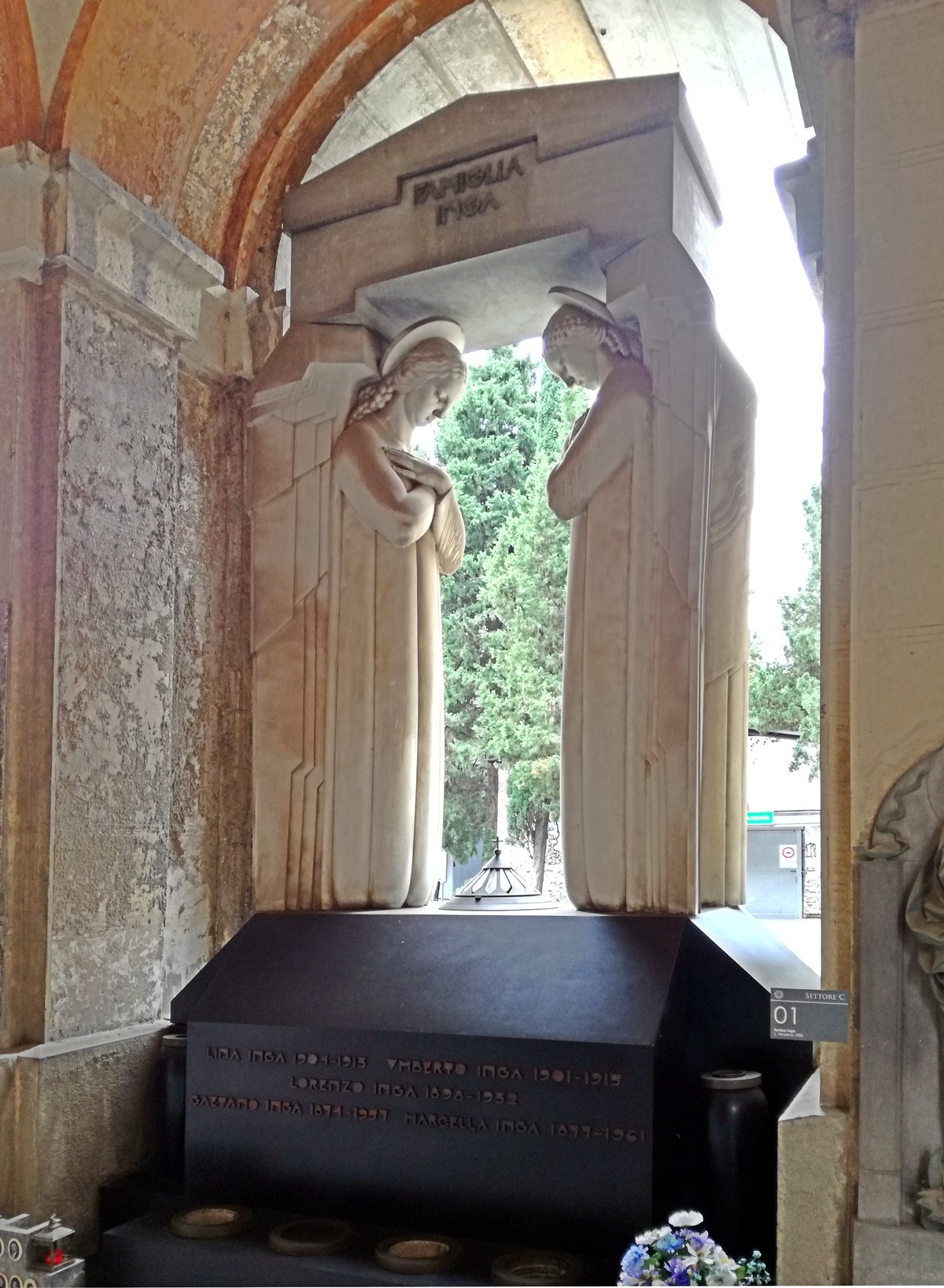
Tomba De Gregori is distinguished by its lifelike marble figures, including angels, mourning women, and allegorical representations of virtues such as Faith, Hope, and Charity. Crafted by skilled sculptors, many of whom trained at the Accademia Ligustica di Belle Arti, these works display remarkable attention to detail—delicate drapery, expressive faces, and intricate iconography.
The tomb’s artistic language communicates the De Gregori family’s values, blending classical columns and floral elements with symbolic gestures that reflect Genoa’s cultural aspirations during a time of economic and civic growth. As part of Staglieno’s broader landscape, the monument contributes to the cemetery’s reputation as a sanctuary of statuary and a touchstone of European funerary art (Atlas Obscura).
Location and Navigating Staglieno Cemetery
Where to Find Tomba De Gregori
The Tomba De Gregori is located within the main grounds of Staglieno Cemetery, on Genoa’s eastern hillside at Piazzale Resasco. The cemetery spans over 330,000 square meters and features both formal, symmetrical avenues and more irregular, garden-like sections inspired by English Romantic landscapes.
Upon entering through the main gate, follow the central paths lined with cypress trees and marble monuments. Maps are available at the entrance and highlight the location of Tomba De Gregori among other notable family tombs. Staff and guides are present to assist with directions if needed (Atlas Obscura; Lonely Planet).
Visiting Hours, Tickets, and Accessibility
Opening Hours
- Standard Hours: 7:30 AM – 5:00 PM daily
- Seasonal Variation: Hours may change for holidays or special events. Always check the official Comune di Genova website before your visit.
Tickets
- Admission: Free for all visitors.
- Guided Tours: Available in Italian and sometimes English; may require advance booking and a fee. Tours last 1.5–2 hours and can be reserved via the Genoa tourist office.
Getting There
- By Bus: Lines 34, 48, or 480 from Brignole railway station stop directly at the cemetery entrance (approx. 20 minutes).
- By Car: Limited parking near the main entrance; early arrival recommended, especially on weekends and holidays.
- On Foot: Possible if staying nearby, but note the uphill approach.
Accessibility
- Paths: Main avenues are paved and generally accessible to visitors with limited mobility, though access to some tombs, including Tomba De Gregori, may involve uneven terrain or steps.
- Facilities: Restrooms and water fountains are near the entrance; benches provide rest spots throughout the grounds.
- Language Support: Most signage is in Italian, but English maps and guides are available (Visit Genoa).
Tips for a Memorable Visit
- Best Times: Spring and autumn for mild weather and lush scenery; early mornings or late afternoons for ideal lighting and fewer crowds.
- Dress Code: Modest attire is recommended. Behave respectfully as the cemetery is an active site.
- Photography: Allowed for personal use, but avoid photographing funerals or mourners. Flash is discouraged to preserve the artworks.
- Comfort: Wear sturdy walking shoes due to hilly terrain and gravel paths.
- Refreshments: No cafés inside the cemetery, but vending machines and nearby trattorias are available for snacks and meals.
Notable Nearby Attractions
After your cemetery visit, consider exploring:
- Via Garibaldi: Genoa’s UNESCO-listed palaces
- Boccadasse: Picturesque fishing village
- Genoa Aquarium and Palazzo Ducale: For a broader cultural itinerary
Public transport conveniently connects Staglieno to these destinations (The World Was Here First).
Preservation and Cultural Legacy
Tomba De Gregori, like many monuments in Staglieno, benefits from ongoing restoration and conservation efforts. Skilled artisans use traditional methods to restore marble sculptures and ironwork, ensuring the cemetery’s continued standing as a national and international cultural landmark (Visit Genoa). Proceeds from tours and donations support these preservation activities.
Frequently Asked Questions (FAQ)
Q: Is there a fee to enter Staglieno Cemetery or Tomba De Gregori?
A: No, admission is free. Guided tours may require a ticket.
Q: What are the opening hours?
A: Generally, 7:30 AM to 5:00 PM, but check official sources for updates.
Q: Are guided tours available in English?
A: Yes, though not always daily. Book in advance through the tourist office.
Q: Is the site accessible for those with limited mobility?
A: Main paths are accessible, but the approach to some tombs may involve uneven ground.
Q: Can I take photographs?
A: Yes, for personal use. Be respectful and avoid photographing mourners.
Sustainable and Respectful Tourism
Visitors are encouraged to minimize waste, respect the cemetery’s heritage, and support local businesses. As a place of remembrance and art, maintaining the dignity of Staglieno ensures its preservation for future generations.
Contact and Visitor Services
For current information on hours, guided tours, and services, contact:
- Genoa Tourist Information:
- Email: [email protected]
- Website: Visit Genoa
Summary
Visiting Tomba De Gregori at Staglieno Cemetery offers a profound blend of art, history, and reflection amid Genoa’s cultural landscape. Its intricate sculptures and thoughtful symbolism exemplify the era’s craftsmanship, making it a highlight for any cultural itinerary. With free admission, accessible visiting hours, and enriching guided tours, both casual sightseers and art historians will find much to appreciate here. For an enhanced experience, utilize resources like the Audiala app and official Genoa tourism platforms, and explore the city’s many interconnected historical sites (Visit Genoa; Atlas Obscura; Lonely Planet).
Listen to the full story in the app
Your Personal Curator, in Your Pocket.
Audio guides for 1,100+ cities across 96 countries. History, stories, and local insight — offline ready.
Audiala App
Available on iOS & Android
Join 50k+ Curators
Sources
- verified
- verified
- verified
- verified
- verified
- verified
Last reviewed: