Introduction to Tomba Badaracco and Its Significance in Genoa
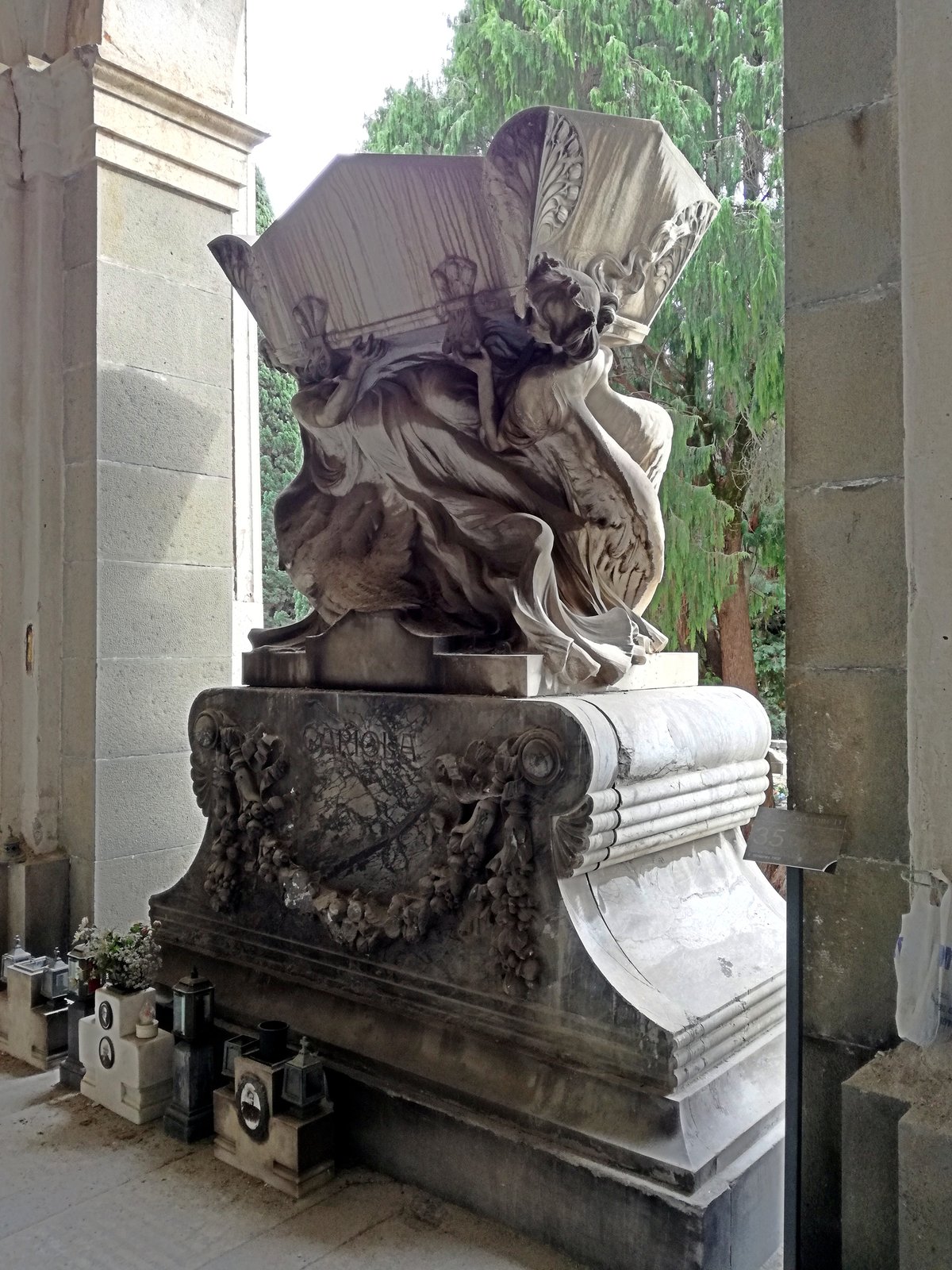
Nestled within the monumental Staglieno Cemetery of Genoa, Italy, the Tomba Badaracco stands as a distinguished testament to the city’s maritime heritage and 19th-century funerary art. Erected in 1875 to honor the renowned sea captain Pietro Badaracco, this evocative monument captures the essence of Genoa’s cultural and civic identity. The Tomba Badaracco is more than a tomb; it is an emblem of the city’s seafaring tradition, artistic achievement, and the deep personal and communal emotions surrounding remembrance.
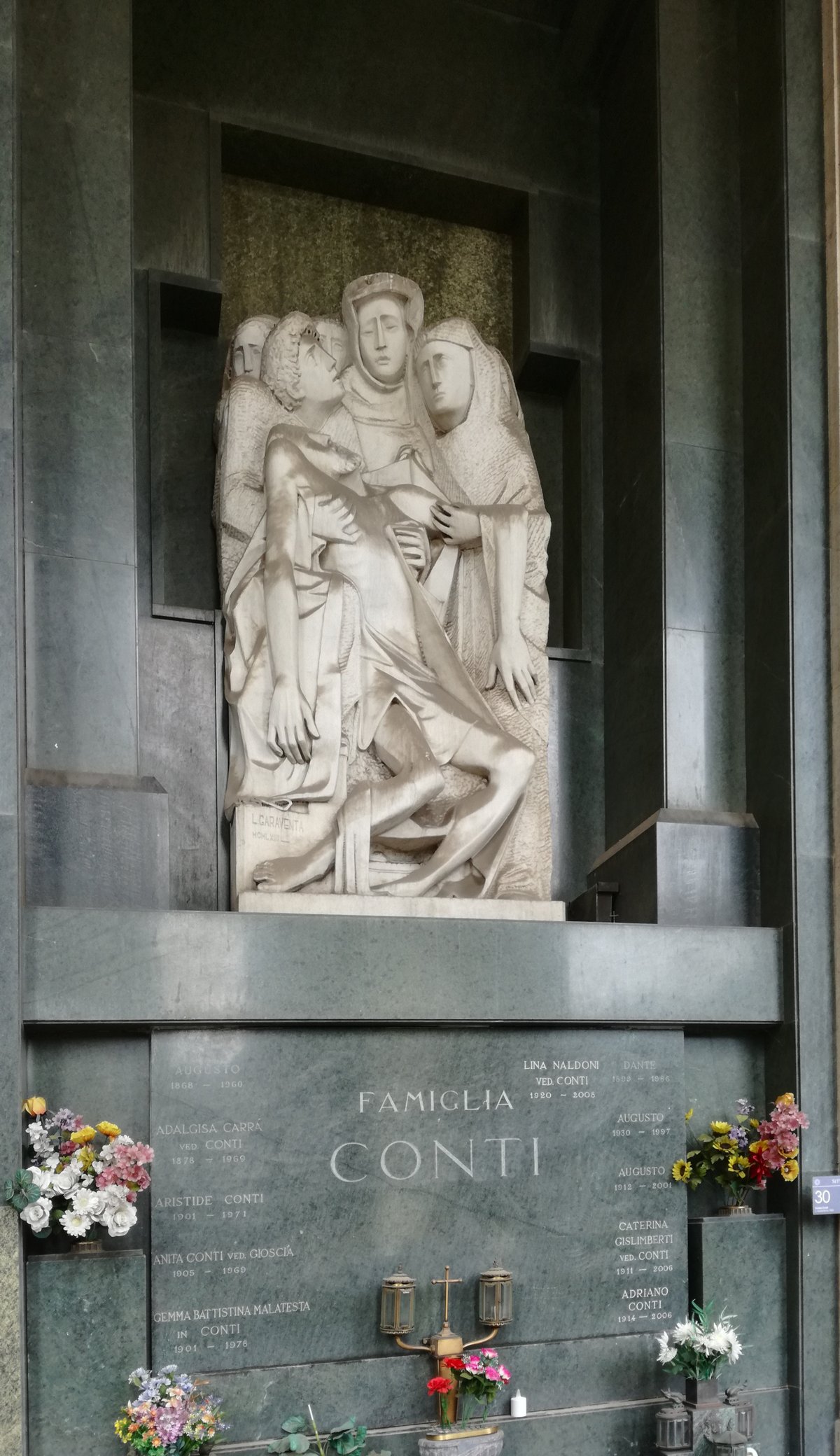
Recognized as one of the most iconic sculptures in Staglieno—often celebrated as one of Europe’s greatest open-air museums of funerary art—the tomb draws visitors with its masterful design, emotive symbolism, and rich narrative. This guide provides in-depth insights into the tomb’s history, artistic features, symbolism, and practical visitor information, including opening hours, tickets, accessibility, and nearby attractions. Whether you are an art lover, history enthusiast, or traveler, the Tomba Badaracco promises an unforgettable exploration into Genoa’s maritime legacy (Staglieno official site; Symbols Project; Visit Genoa).
Photo Gallery
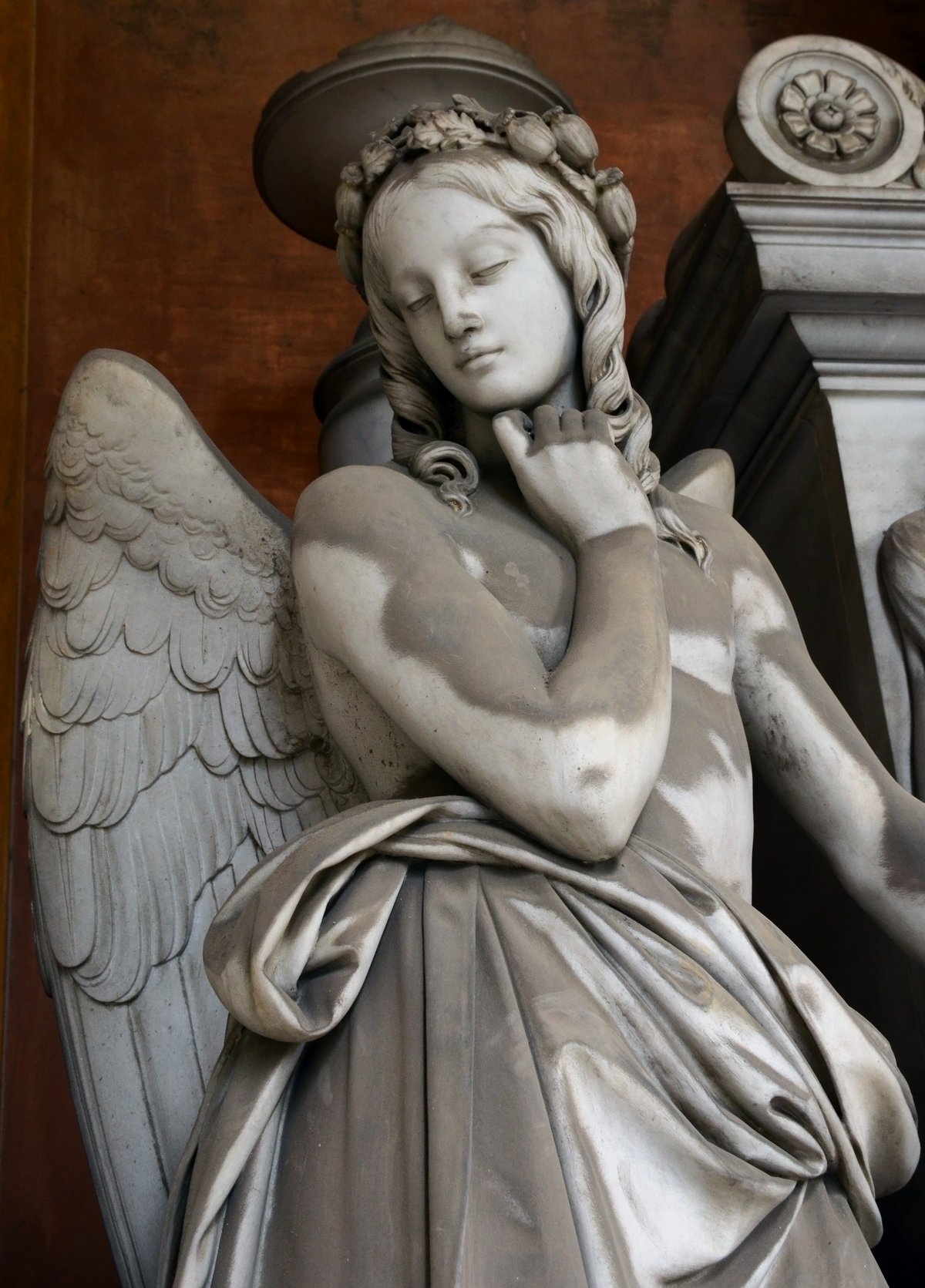
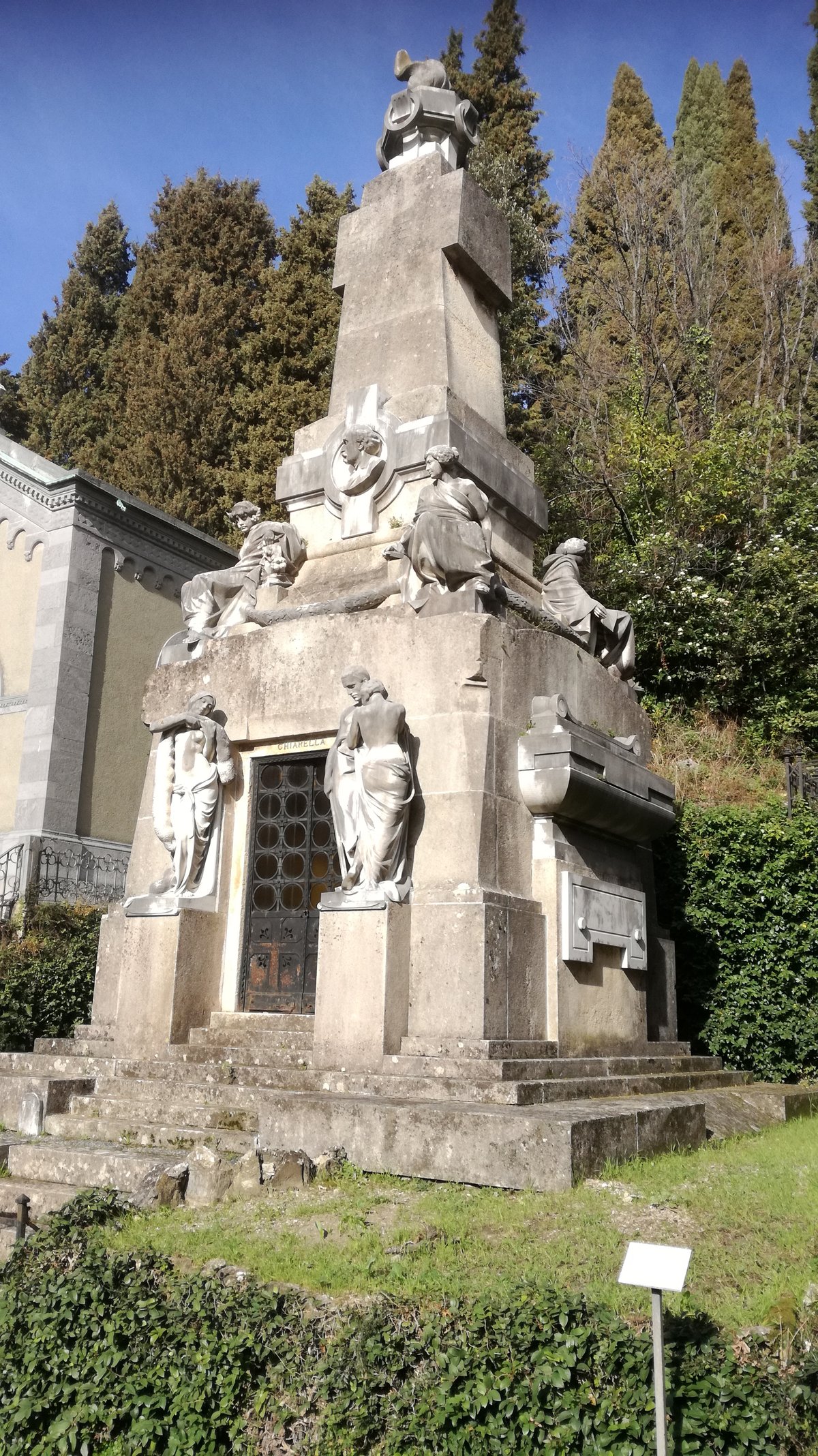
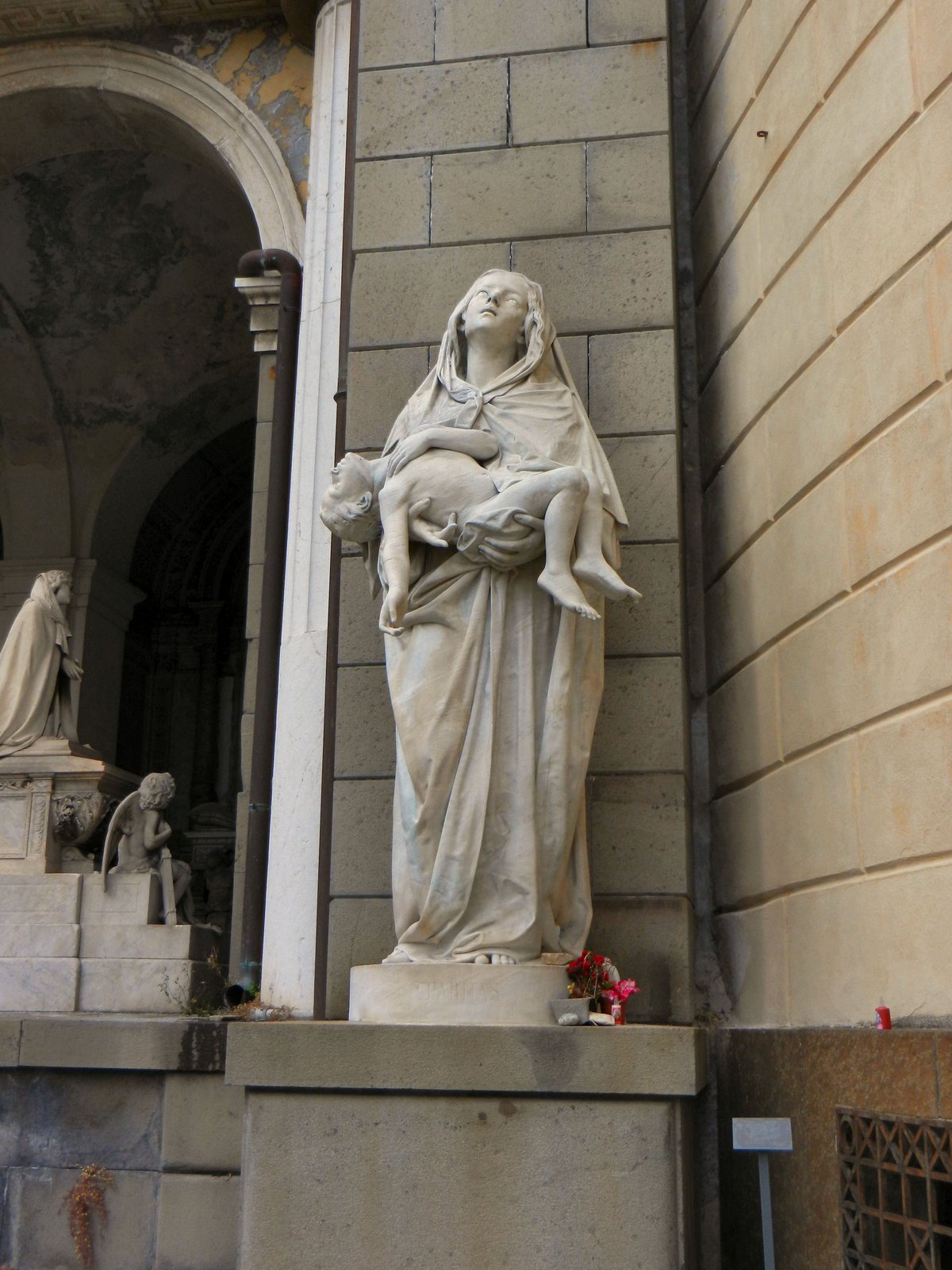
Explore Tomba Badaracco in Pictures
Discover the Tomba Badaracco: A Must-See Genoa Historical Site
Set within the renowned Cimitero Monumentale di Staglieno, the Tomba Badaracco invites visitors to witness Genoa’s maritime legacy expressed through profound artistic vision. The monument’s narrative and sculptural elegance make it a focal point for those seeking to understand Genoa’s social history through its funerary art.
Historical Background of Tomba Badaracco
Commissioned in 1875, the Tomba Badaracco commemorates Pietro Badaracco, a distinguished Genoese sea captain. The monument reflects both personal loss and civic pride, intertwining the Badaracco family’s narrative with Genoa’s broader maritime tradition (Staglieno official site).
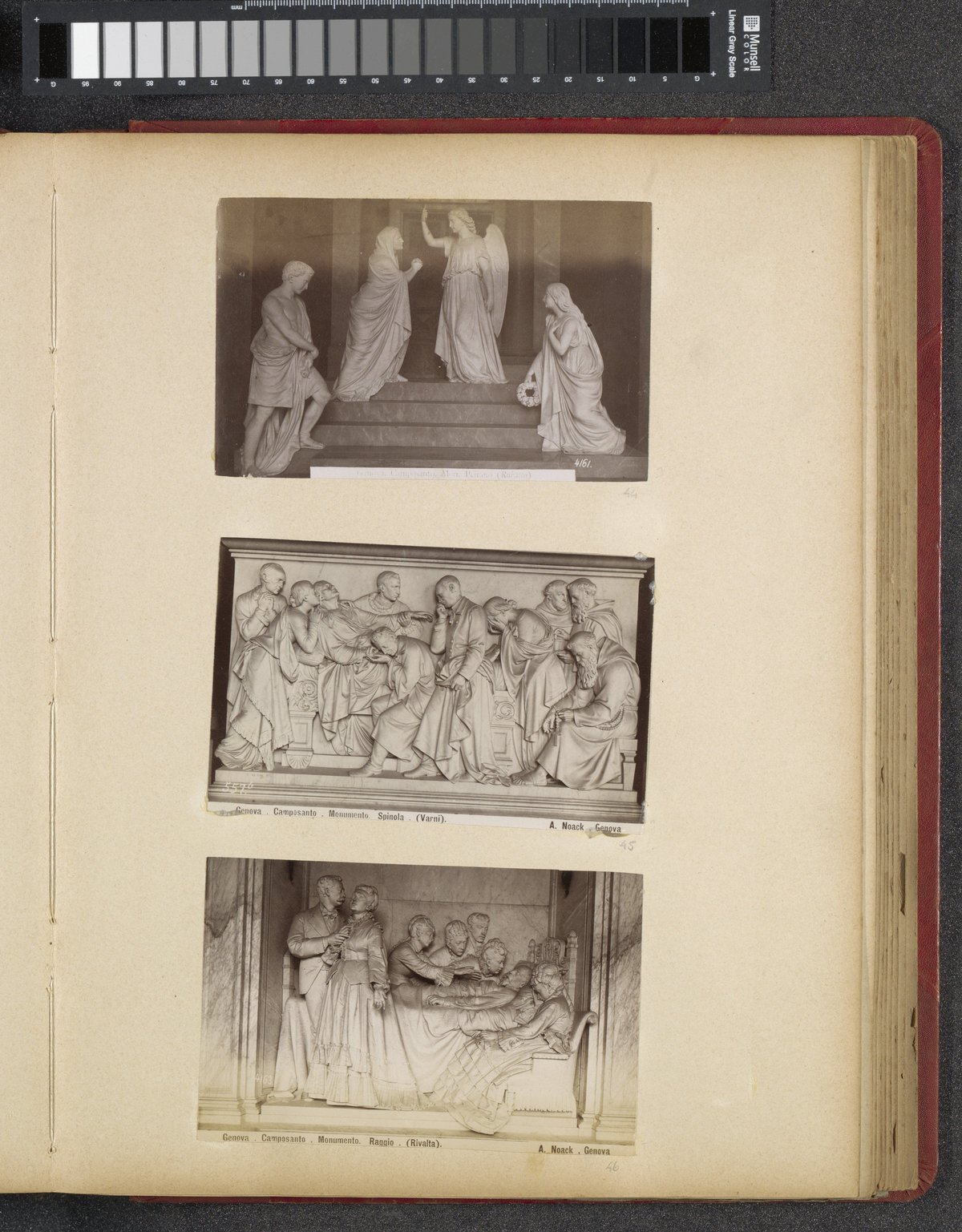
The Staglieno Cemetery, inaugurated in 1851, emerged from 19th-century reforms to relocate burials beyond city limits, combining hygienic concerns with a desire for monumental artistry. Designed initially by Carlo Barabino and completed by Giovanni Battista Resasco, the cemetery rapidly became a showcase for Genoa’s leading sculptors and a place of reflection for locals and international visitors alike (Symbols Project).
Artistic Features and Symbolism
Sculptor and Design
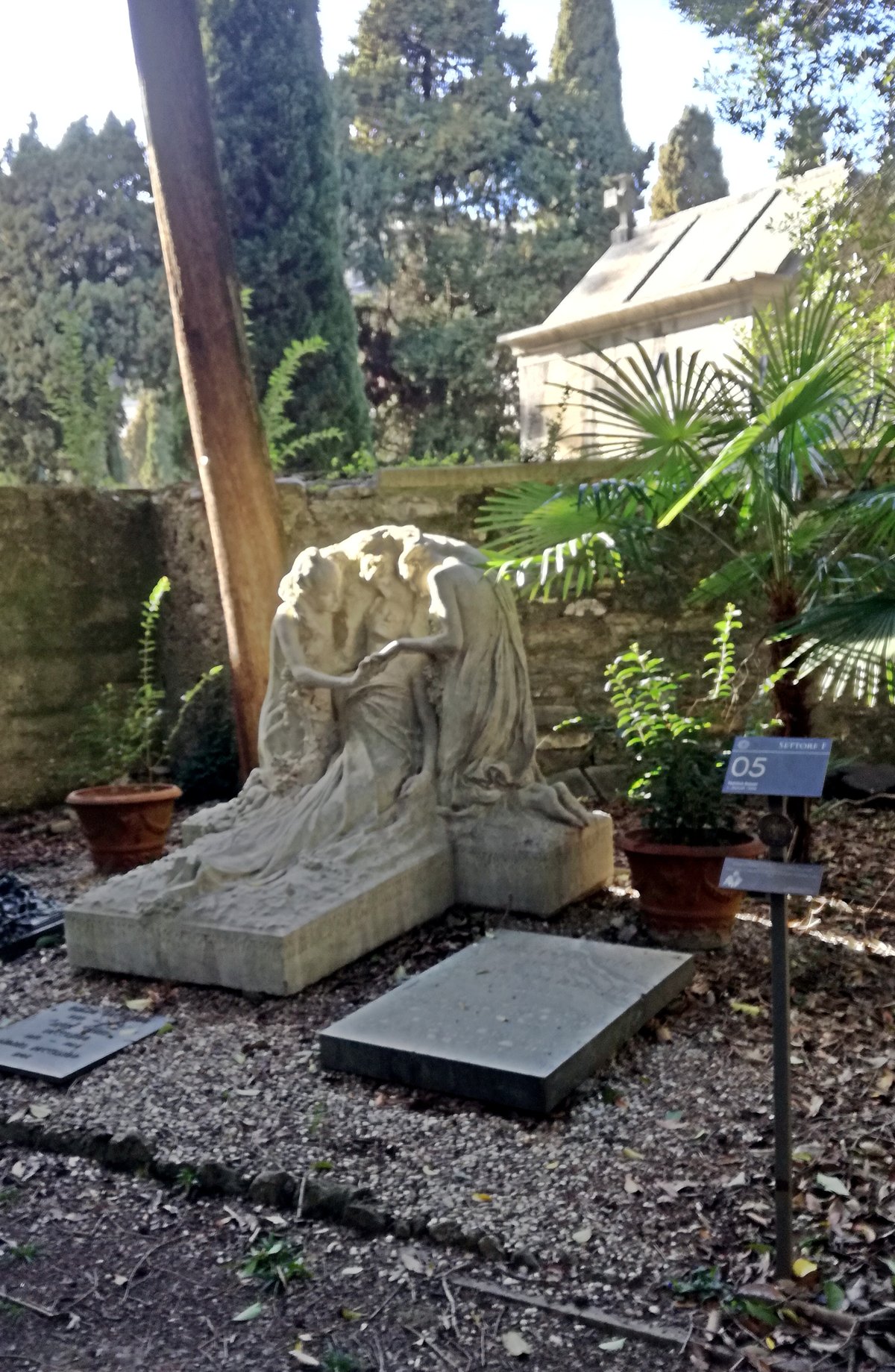
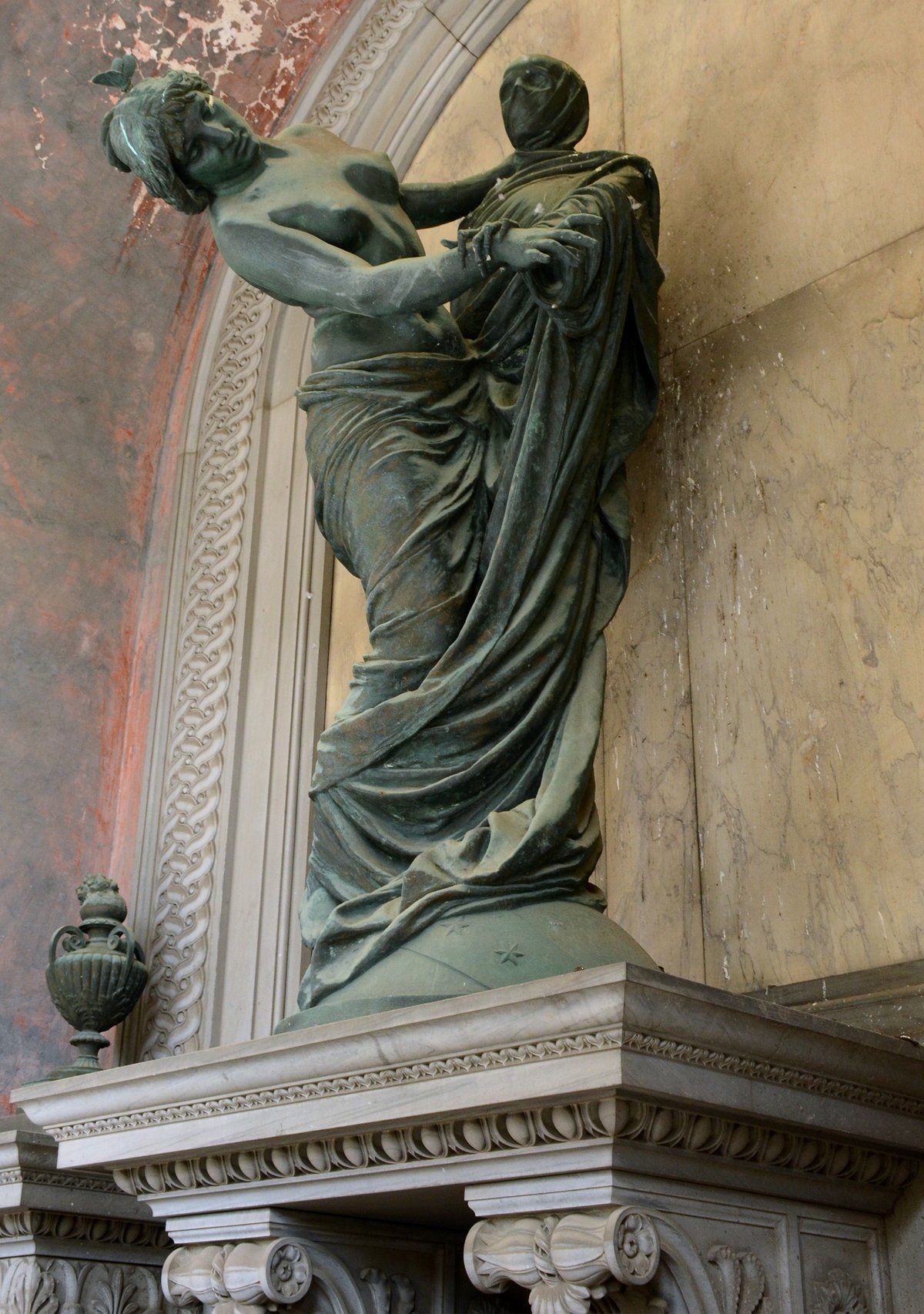
Created by the sculptor Cevasco, the monument is a synthesis of neoclassical inspiration and modern realism. Drawing from the celebrated tradition of the mourning survivor—popularized by Antonio Canova’s monuments—Cevasco crafted a lifelike widow in 1870s attire, highlighting the evolving artistic focus towards personal emotion (Staglieno official site).
Main Sculptural Elements
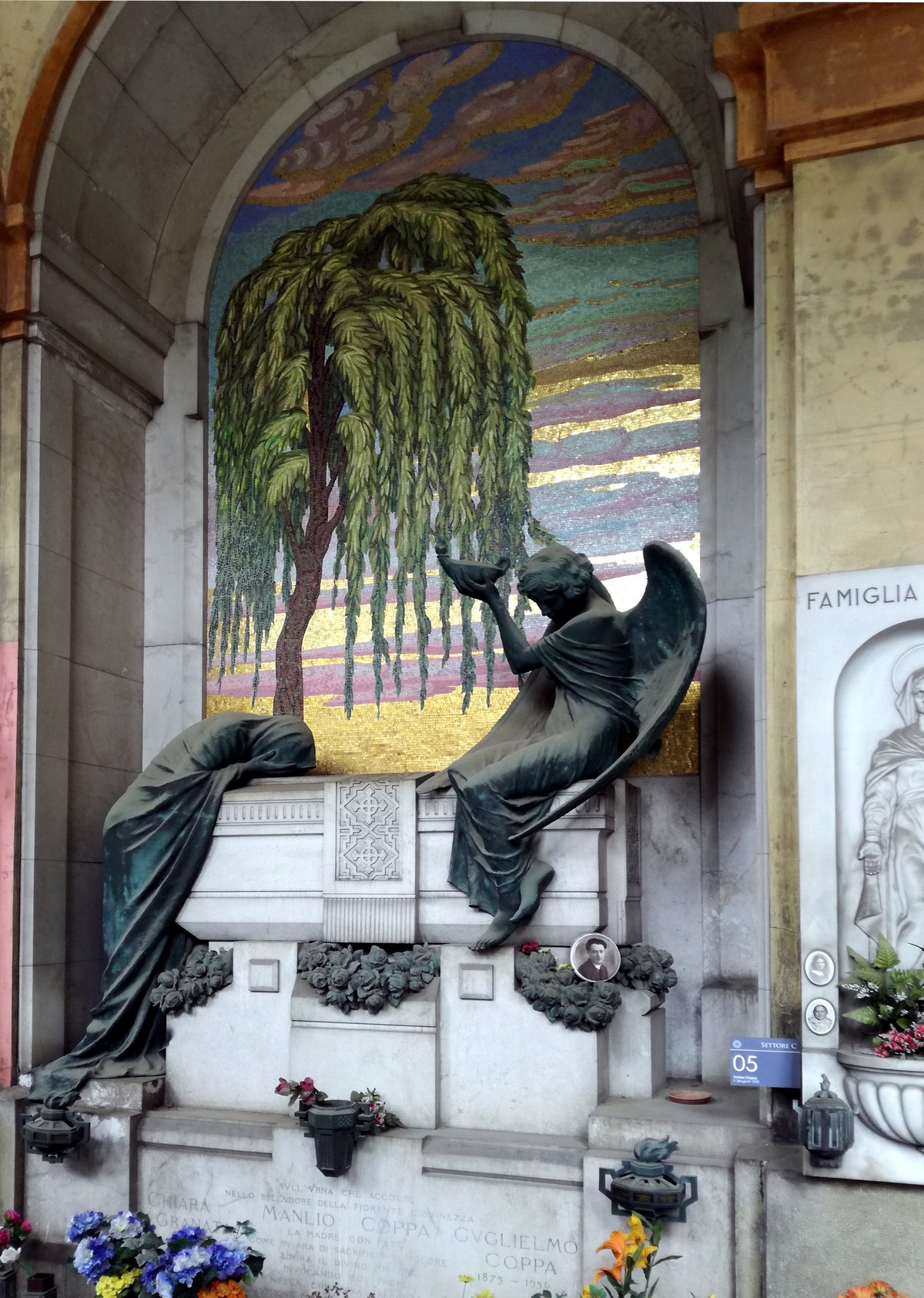
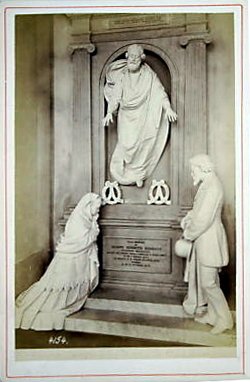
- The Widow: The central figure is a marble widow, life-sized and rendered with striking realism, seen knocking at the bronze sepulcher door while holding a laurel crown—signifying honor and remembrance.
- Bronze Door with Hourglass: The hourglass motif symbolizes the transience of life, anchoring the monument’s meditation on mortality (Symbols Project).
- Medallion Portrait and Maritime Emblems: Above the door, a medallion portrait of Pietro Badaracco is encircled by symbols of his maritime career:
- Compass: Navigational skill
- Caduceus: Commerce
- Anchor: Stability
- Books: Knowledge (possibly navigational manuals)
- Globe: Worldly travels
- Helm: Leadership at sea
This iconography weaves together Badaracco’s personal achievements and Genoa’s collective maritime identity (Staglieno official site).
Visiting Information: Hours, Tickets, Access
Location and Access
- Address: Piazzale G.B. Resasco, 16137 Genoa, Italy
- How to Get There: Accessible by AMT Genoa bus lines 34, 48, and 480. Parking is available near the entrance, though limited on weekends.
Visiting Hours
- April–September: 7:30 AM – 5:30 PM
- October–March: 7:30 AM – 4:30 PM
- Closed on certain public holidays—verify on the official website before visiting.
Tickets
- Admission: Free for all visitors
- Guided Tours: Available for a fee (€8–€15) and can be booked online or at the entrance.
Accessibility
- Main paths are wheelchair accessible; some terraced and older areas are challenging.
- For accessibility information and assistance, contact the cemetery administration (official accessibility info).
Guided Tours and Travel Tips
Guided Tours
- Highly recommended for in-depth understanding.
- Offered in Italian, English, and occasionally other languages.
- Thematic tours focus on art, history, and maritime heritage (Genova Cultura).
Travel Tips
- Dress Code: Modest clothing; shoulders and knees covered.
- Etiquette: Silence and respect are expected.
- Photography: Allowed (non-flash). Professional equipment requires permission.
- Best Time to Visit: Spring and autumn for mild weather and fewer crowds.
- Facilities: Restrooms and seating available at the entrance; cafés and eateries are nearby on Via Piacenza.
Nearby Genoa Attractions
- Centro Storico: Medieval alleys, historic buildings, and vibrant local life.
- Palazzi dei Rolli: UNESCO-listed Renaissance palaces.
- Porto Antico: Revitalized harbor area with museums and restaurants.
- Maritime Museums: Explore further into Genoa’s seafaring history (Sightseeing Experience).
Frequently Asked Questions (FAQ)
Q: Are tickets required to visit Tomba Badaracco?
A: No, admission to the cemetery and Tomba Badaracco is free; guided tours have a fee.
Q: What are the opening hours?
A: 7:30 AM–5:30 PM (April–September), 7:30 AM–4:30 PM (October–March), with possible holiday closures.
Q: Is the cemetery accessible for people with disabilities?
A: Main avenues are accessible; some areas may be challenging. Contact administration for details.
Q: Are guided tours available?
A: Yes, in multiple languages, focusing on art, history, and maritime themes.
Q: Can I take photographs?
A: Yes, for personal use and without flash. Tripods need prior authorization.
Q: Where can I find refreshments nearby?
A: Local cafés and trattorias are located on Via Piacenza and Via Bobbio.
Listen to the full story in the app
Your Personal Curator, in Your Pocket.
Audio guides for 1,100+ cities across 96 countries. History, stories, and local insight — offline ready.
Audiala App
Available on iOS & Android
Join 50k+ Curators
Sources
- verified
- verified
- verified
- verified
- verified
Last reviewed: