Introduction: Genoa’s Monumental Funerary Heritage
Genoa, a city renowned for its maritime legacy, is also celebrated for its extraordinary funerary art, most notably at the Monumental Cemetery of Staglieno. Established in 1851, Staglieno stands as one of Europe’s largest cemeteries and an unparalleled open-air museum of 19th- and early 20th-century sculpture. Among its many striking monuments, the Tomb of the Rivara Family exemplifies the aspirations and social prominence of Genoa’s bourgeoisie, blending artistic mastery with historical significance. This comprehensive guide covers the history, cultural importance, practical visiting information, travel tips, and answers to frequently asked questions about the Rivara Family Tomb and Staglieno Cemetery (Wikipedia: History of Genoa; Staglieno Official Site; Atlas Obscura: Staglieno Cemetery).
Genoa’s Historical Context: Growth and Legacy
Genoa’s funerary traditions are deeply intertwined with its long-standing role as a Mediterranean maritime power. Settled since ancient times by the Ligures and later the Romans, Genoa’s strategic coastal position enabled it to become a dominant trading republic. During the Middle Ages and Renaissance, wealth from trade and banking fostered the construction of palaces, churches, and grand tombs as lasting symbols of prestige (Wikipedia: History of Genoa).
The Edict of Saint-Cloud and the Birth of Staglieno Cemetery
In 1804, Napoleon’s Edict of Saint-Cloud mandated that burials occur outside city limits for public health reasons. Following a cholera outbreak in 1835, Genoa embraced these reforms, commissioning the Monumental Cemetery of Staglieno. Designed by Carlo Barabino and completed by Giovanni Battista Resasco, Staglieno opened in 1851 as a landscaped necropolis featuring diverse architectural styles and monumental sculpture (Atlas Obscura: Staglieno Cemetery; Visitriviera: Staglieno).
The Rivara Family: Prominence in Genoese Society
The Rivara family rose to prominence in the 19th century through entrepreneurial success, notably in textiles. Luigi Rivara established a prestigious shop in Genoa in 1825, attracting an elite clientele that included nobility and royalty. The family’s ascent mirrored the city’s bourgeois ambitions, and their investment in a monumental tomb at Staglieno signaled both social standing and a desire for enduring remembrance (Botteghe Storiche Genova: Rivara).
Funerary Art at Staglieno Cemetery
Staglieno is renowned for its funerary sculpture, with celebrated artists such as Santo Varni, Lorenzo Orengo, and Giulio Monteverde contributing expressive, lifelike works. The cemetery’s monuments, chapels, and arcades illustrate a range of styles—including Neoclassical, Gothic, Liberty, and Byzantine—infused with symbolism reflecting faith, mourning, and memory (Visitriviera: Staglieno; Atlas Obscura: Staglieno Cemetery).
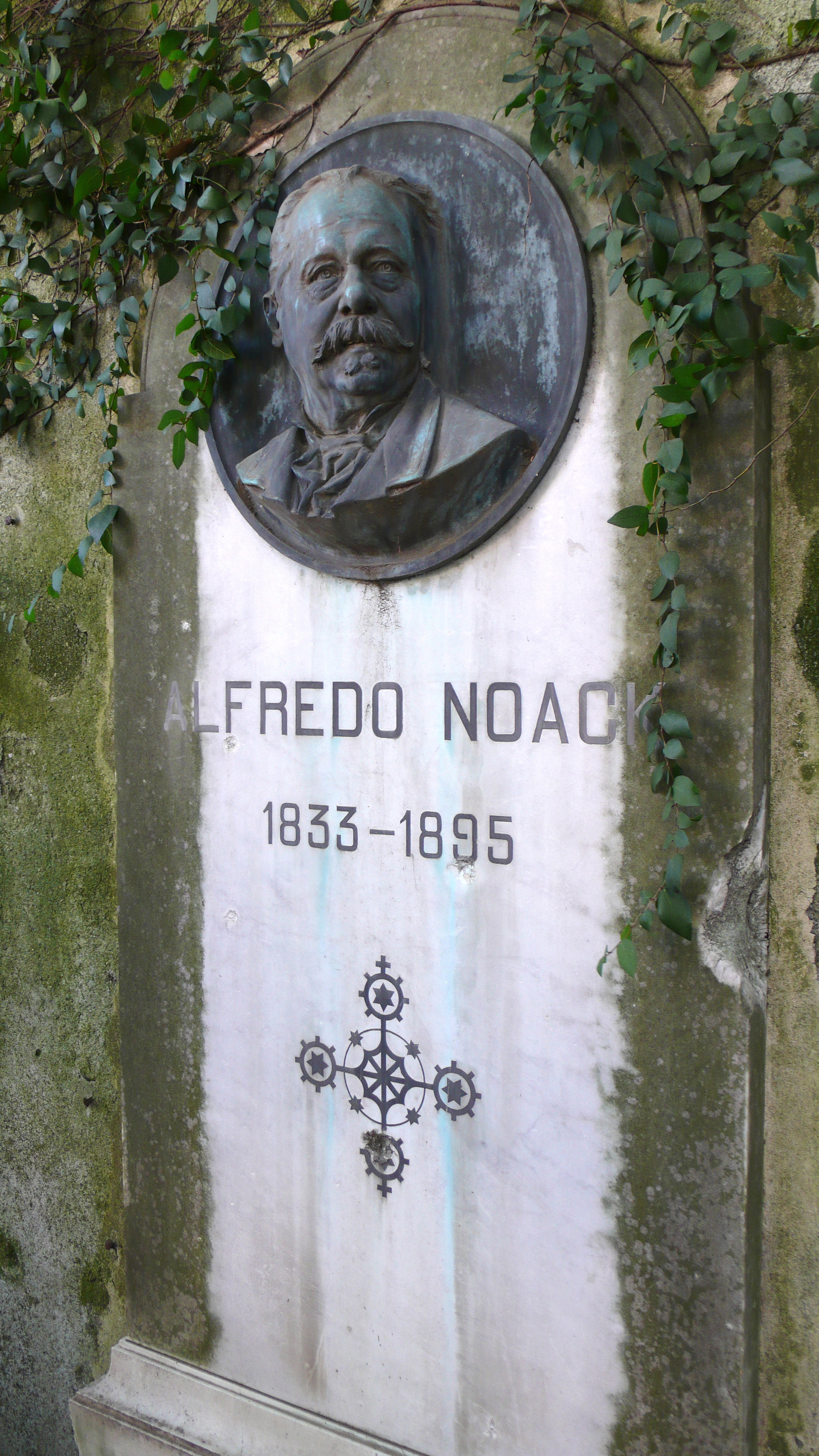
The Rivara Family Tomb stands among these masterpieces, reflecting both personal achievement and Genoa’s collective cultural identity.
The Rivara Family Tomb: Artistic Features and Symbolism
Architectural Style:
The Rivara tomb is crafted from Carrara marble and features a harmonious composition of columns, pediments, and sculpted reliefs. Adorning the monument are life-sized statues—often angels and mourning figures—rendered with striking realism and emotional depth.
Symbolism:
- Angels signify spiritual guardianship and the soul’s ascent.
- Mourning figures express grief and enduring love.
- Floral motifs such as lilies and roses symbolize purity and remembrance.
- Books or scrolls may represent the Book of Life or the virtues of the deceased.
Context:
Located within thematic sectors of Staglieno, the tomb is easily accessible and situated to encourage reflection. Its artistry and symbolism encapsulate Genoa’s 19th-century values of individual legacy and civic pride (Monumental Cemetery of Staglieno - Wikipedia).
Planning Your Visit: Hours, Tickets, and Access
Location:
Piazzale Giovanni Battista Resasco, 16137 Genoa, Italy.
Visiting Hours:
- April – September: 8:00 a.m. – 7:00 p.m.
- October – March: 8:00 a.m. – 5:00 p.m.
- Holidays: Reduced hours; check official site for details.
- Closures: January 1 and 6, Easter Monday, June 2 and 24, August 15, December 8 and 26. If these fall on a Sunday, the cemetery is open with adjusted hours.
Admission:
Free entry. Donations are welcome to support preservation (Discover Genoa).
Guided Tours:
- Free monthly guided tours are offered by the City of Genoa.
- Private and themed tours (art, history, notable families) are available; booking via official site or Civic Services Department.
- Self-guided routes/maps are also available.
Accessibility:
While the cemetery covers 330,000 square meters of hilly terrain, main paths are generally accessible. Shuttle buses (lines CF and CS) help navigate the site. Some areas are challenging for wheelchairs or strollers; a baby carrier is recommended for young children. Assistance is available at the infopoint (Bimbe in Viaggio).
Facilities:
Restrooms, infopoint (for maps and assistance), and a small café near the entrance.
Pets:
Dogs allowed only on the first non-holiday Wednesday or Thursday of each month (except November). Guide dogs always permitted.
Getting There
- By Bus: Lines 13 and 14 from Brignole Station; line 34 from Principe Station, all stop at the cemetery entrance.
- By Car: Exit A12 at Genova Est; parking available on nearby streets.
- By Train/Airport: Brignole Station, then bus; from Genoa Airport, take Volabus to Brignole, then bus.
Highlights and Thematic Routes
- Pantheon (Cappella dei Suffragi): Central domed structure with notable sculptures.
- Boschetto Irregolare: Romantic garden area with Risorgimento heroes' graves.
- English, Jewish, and Protestant Cemeteries: Reflect the city’s religious diversity.
- Famous Tombs: Including Giuseppe Mazzini, Fabrizio De André, and Constance Lloyd (Visit Genoa; Graves Around the World).
Visitor Tips
- Allocate at least 2–3 hours for an immersive visit.
- Wear comfortable shoes and bring water, especially in summer.
- Dress respectfully.
- Photography is permitted; be considerate of mourners.
- Use the interactive map for navigation.
Frequently Asked Questions (FAQ)
What are the opening hours for Staglieno Cemetery?
April–September: 8:00 a.m.–7:00 p.m.; October–March: 8:00 a.m.–5:00 p.m. Holiday hours vary; check the official website.
Is there an entrance fee?
No, admission is free; donations are appreciated.
Are guided tours available?
Yes, free and private guided tours are offered. Details and booking via the official site.
Is the cemetery accessible for visitors with disabilities?
Some areas are accessible; shuttle buses and assistance available. Consult the infopoint for advice.
How do I get to Staglieno from the city center?
Bus lines 13, 14 (Brignole Station), or 34 (Principe Station) stop at the cemetery entrance.
Final Recommendations
The Tomb of the Rivara Family and the Monumental Cemetery of Staglieno offer a profound encounter with Genoa’s history, artistry, and cultural memory. The site’s grand sculptures and evocative atmosphere make it a must-see, whether you are passionate about art, history, or architecture. Plan ahead by checking visiting hours and accessibility, consider booking a guided tour, and explore the thematic routes for a deeper understanding of the site’s heritage. Enhance your visit with digital resources, such as the Audiala app, for guided audio experiences.
Images courtesy of the Monumental Cemetery of Staglieno official archives.


Alt tags include: 'Tomb of the Rivara Family Staglieno', 'Staglieno Cemetery visiting hours', 'Genoa historical sites'.
For a virtual preview, explore the Staglieno Cemetery Virtual Tour.
Listen to the full story in the app
Your Personal Curator, in Your Pocket.
Audio guides for 1,100+ cities across 96 countries. History, stories, and local insight — offline ready.
Audiala App
Available on iOS & Android
Join 50k+ Curators
Sources
- verified
- verified
- verified
- verified
- verified
- verified
- verified
- verified
- verified
Last reviewed: