Plan and listen to Monumental Cemetery Of Staglieno with Audiala.
Audio guide in your pocket, itinerary in your browser. Built for the way you actually visit.
Introduction
Nestled on a hillside in Genoa’s Staglieno district, the Monumental Cemetery of Staglieno (Cimitero Monumentale di Staglieno) is widely recognized as one of Europe’s largest and most significant open-air museums. Renowned for its breathtaking funerary sculptures and architectural grandeur, it stands as a testament to Genoa’s evolving social, artistic, and political history. Established in the mid-19th century in response to public health reforms, the cemetery was designed by Carlo Barabino and further developed by Giovanni Battista Resasco, harmoniously integrating monumental architecture with the natural landscape (Comune di Genova).
Home to masterpieces by celebrated sculptors such as Santo Varni, Giulio Monteverde, and Augusto Rivalta, Staglieno offers an unparalleled experience for art lovers and history enthusiasts alike. The cemetery serves as the final resting place for prominent figures including Giuseppe Mazzini, Fabrizio De André, and Constance Lloyd Wilde, each grave adding layers of cultural and historical significance (Dolcevia; lamialiguria.it).
With its diverse sections—Protestant, Jewish, British war cemeteries—and curated thematic tours such as the “100 Women” itinerary, Staglieno provides a profound reflection of Genoa’s cosmopolitan heritage. This detailed guide offers everything you need to plan a meaningful visit, from practical information and travel tips to an exploration of the cemetery’s artistic treasures (Visit Genoa; Discover Genoa).


Historical Background
Origins and Conception
Staglieno Cemetery was conceived in the early 19th century following Napoleonic edicts that required burials outside city walls. Genoa’s growing population and new public health standards led to the selection of the hillside location in Staglieno. Carlo Barabino’s neoclassical design was later expanded by Giovanni Battista Resasco, resulting in a layout characterized by grand arcades, monumental galleries, and lush gardens—hallmarks of Romantic ideals (Comune di Genova).
Construction and Development
Construction began in the late 1830s and culminated in the cemetery’s inauguration on January 1, 1851. Over time, Staglieno expanded to include new sectors, chapels, and monumental tombs, reflecting neoclassical, realist, and Art Nouveau influences (staglieno.comune.genova.it).
Artistic and Cultural Flourishing
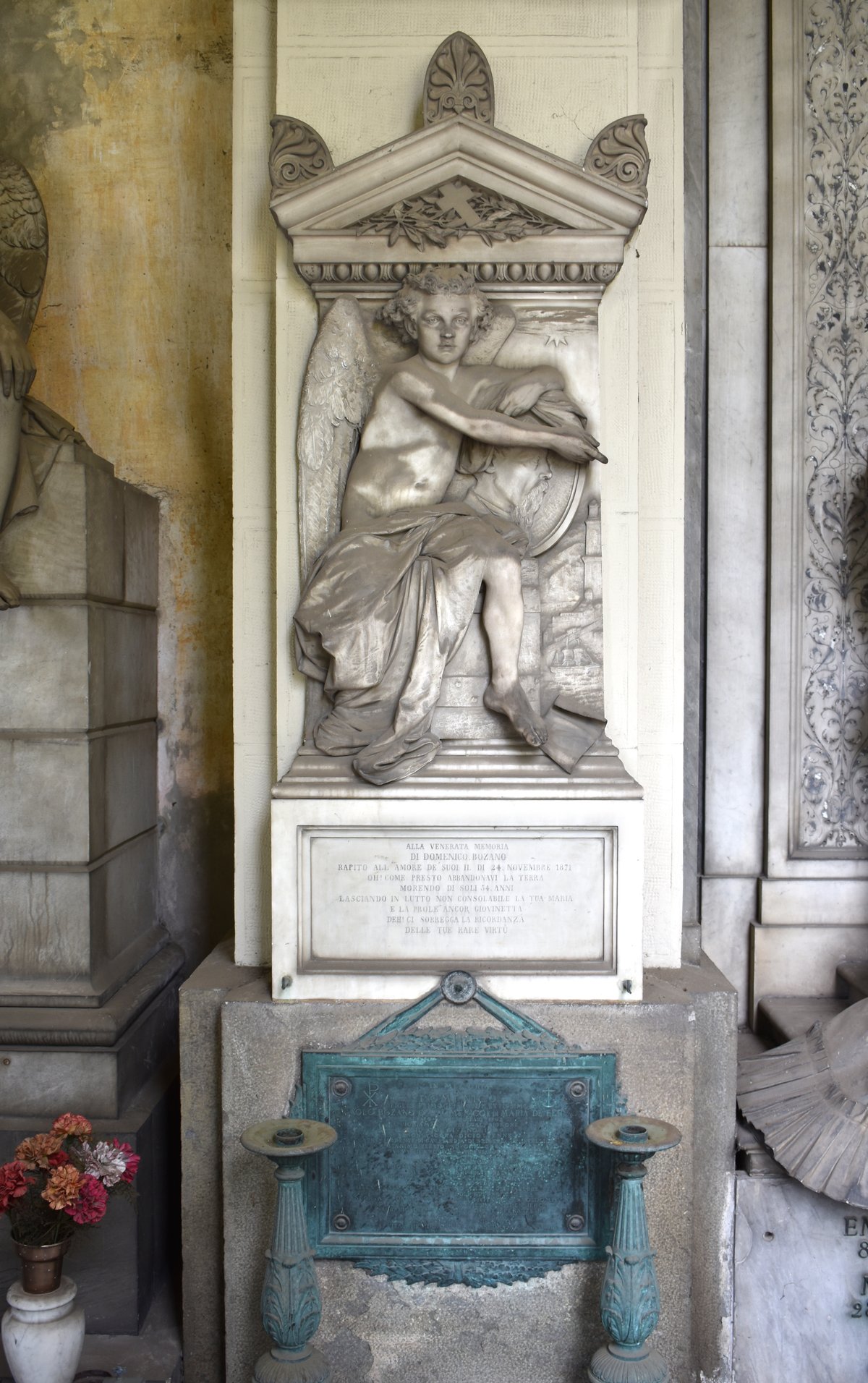
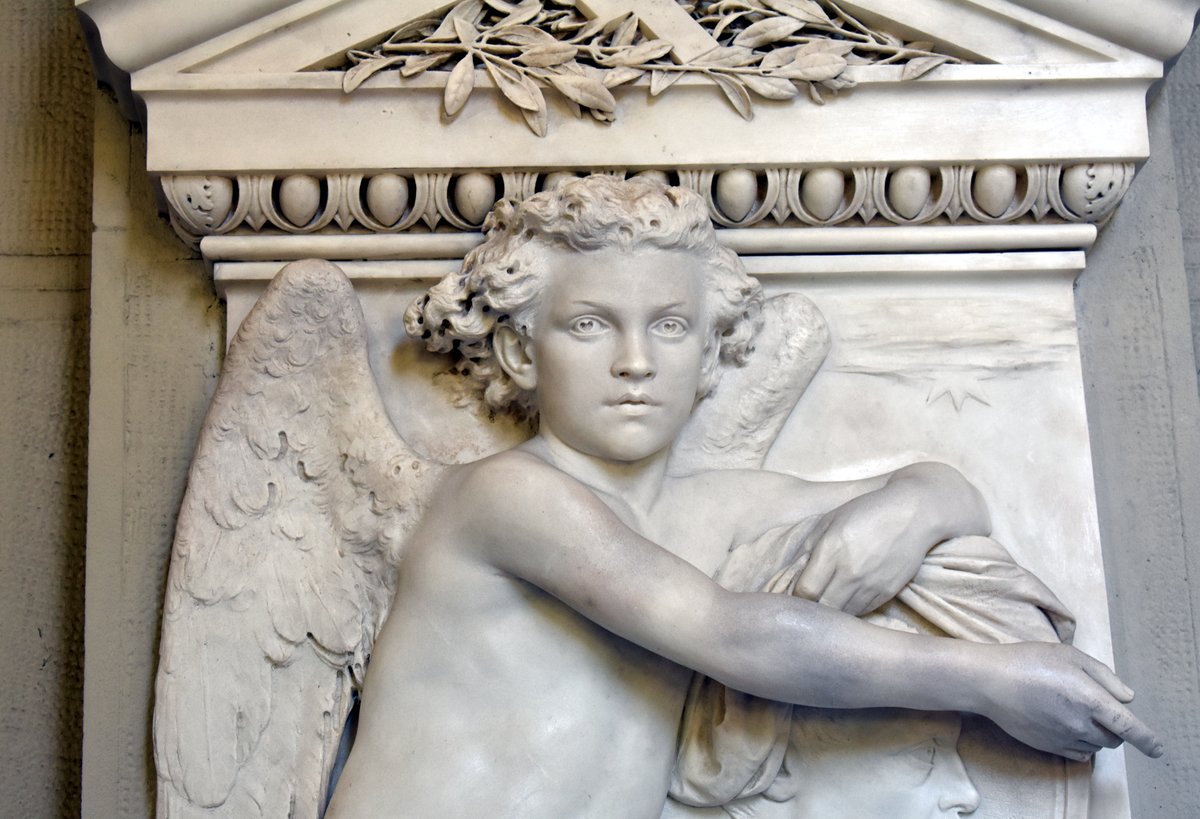
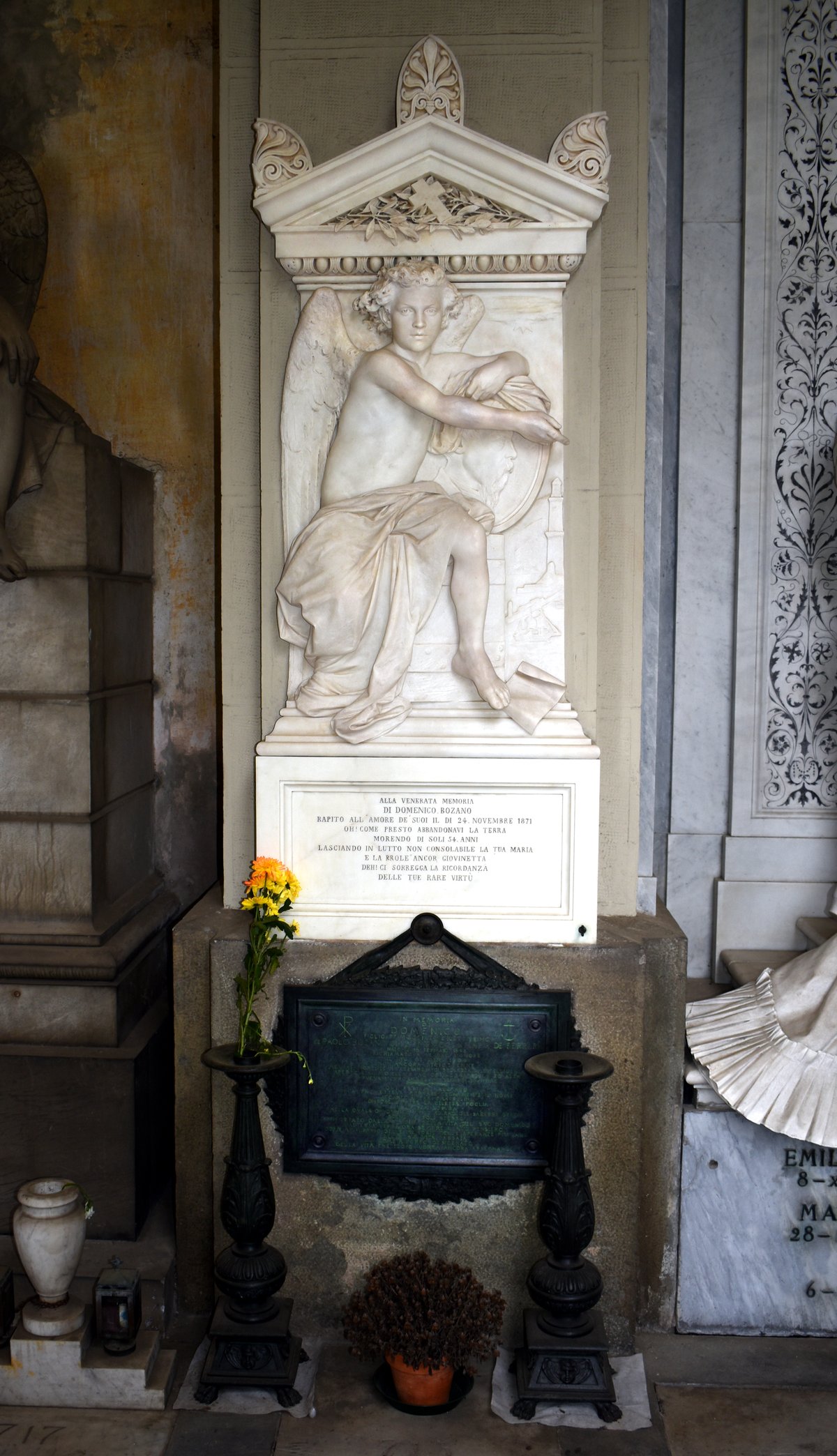
From the mid-19th to the early 20th century, Staglieno became a showcase for Italian funerary sculpture. Its marble monuments blend neoclassical allegory, emotive realism, and Art Nouveau flourishes, establishing the cemetery as Europe’s largest outdoor sculpture museum (staglieno.com).
Literary and Cultural Impact
The evocative setting has inspired writers and thinkers such as Friedrich Nietzsche, Guy de Maupassant, Mark Twain, and Evelyn Waugh, each remarking on the cemetery’s romanticism and artistic splendor (staglieno.comune.genova.it).
Preservation and Modern Role
Spanning over 330,000 square meters, Staglieno faces ongoing preservation challenges. Restoration efforts, digital resources, and guided tours organized by the City of Genoa ensure its continued relevance as a living archive of the city’s history (staglieno.com; staglieno.comune.genova.it).
Navigating Staglieno: Layout and Notable Areas
The cemetery is divided into distinct sectors, each with unique artistic and historical significance (Wikipedia; Discover Genoa):
- Porticato Superiore (Sector D): Features the iconic Pantheon and elaborate colonnades lined with monumental tombs (Ancient Origins).
- Boschetto Irregolare: A romantic garden sector with the graves of Risorgimento heroes (Visit Genoa).
- International Sections: British, Protestant, and Jewish cemeteries reflect Genoa’s cosmopolitan and multifaith history (Wikipedia; Bimbe in Viaggio).
A map at the main entrance helps with orientation, and free downloadable versions are available online (Staglieno Map).
Artistic and Cultural Significance
Funerary Art and Movements
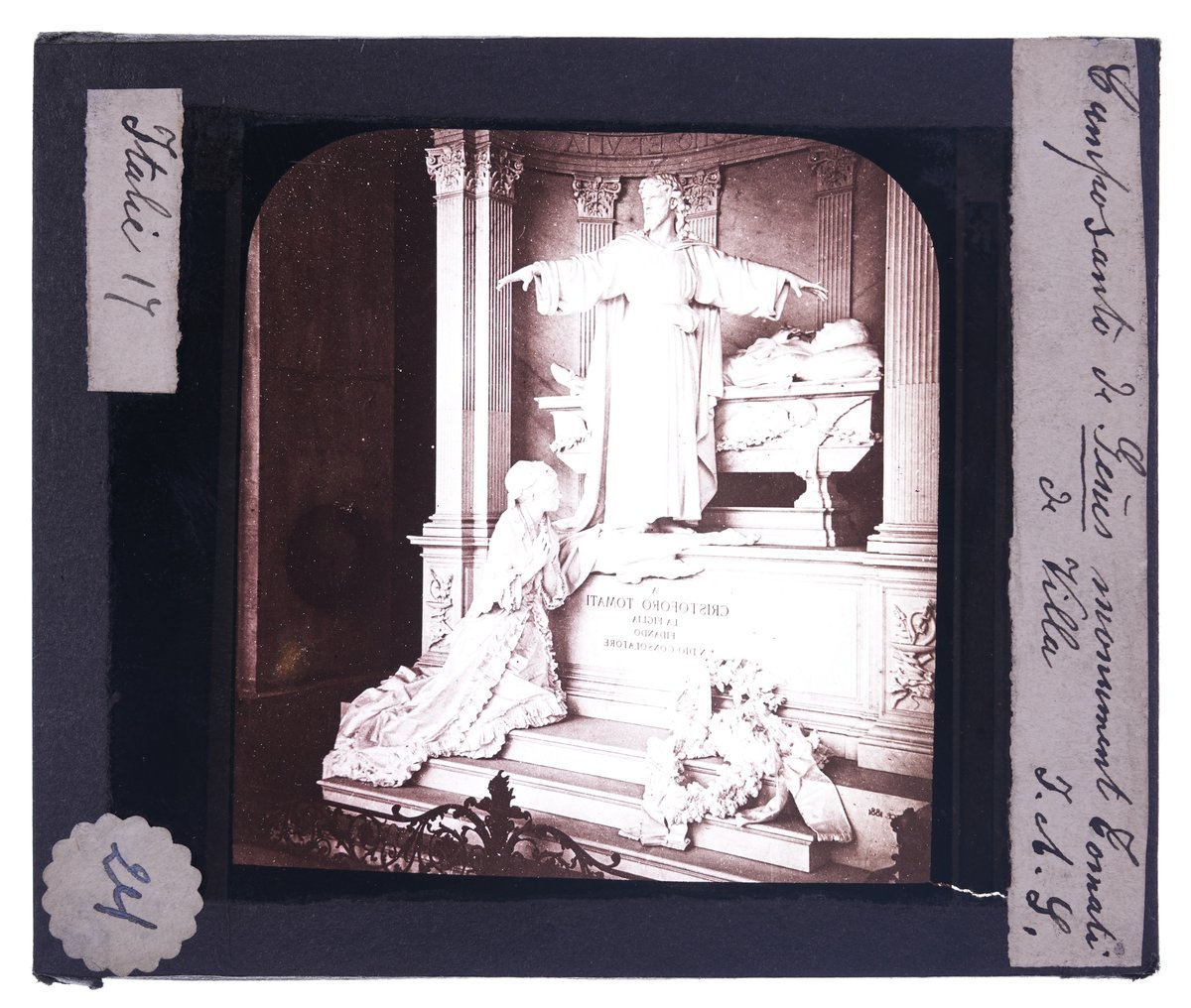
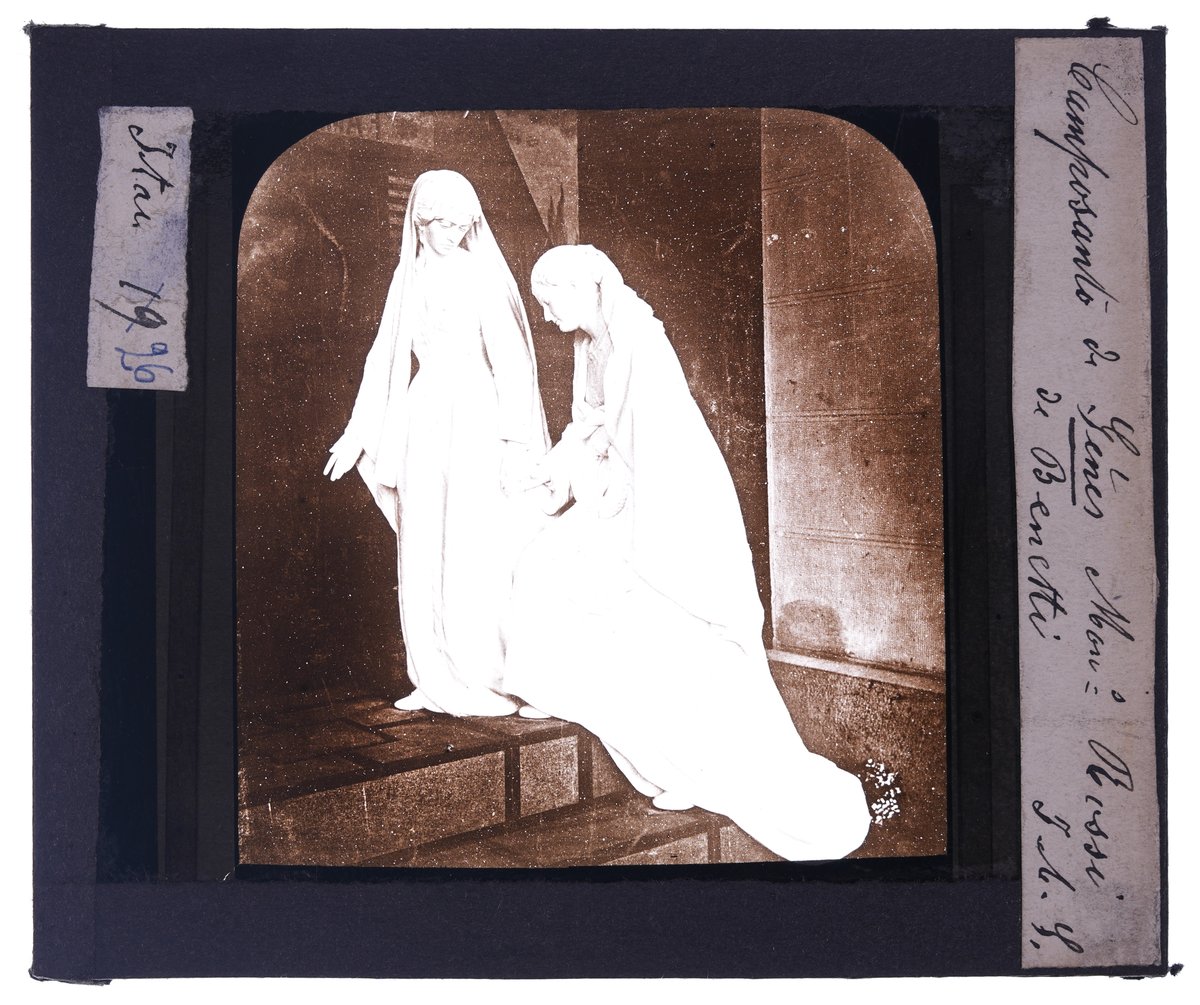
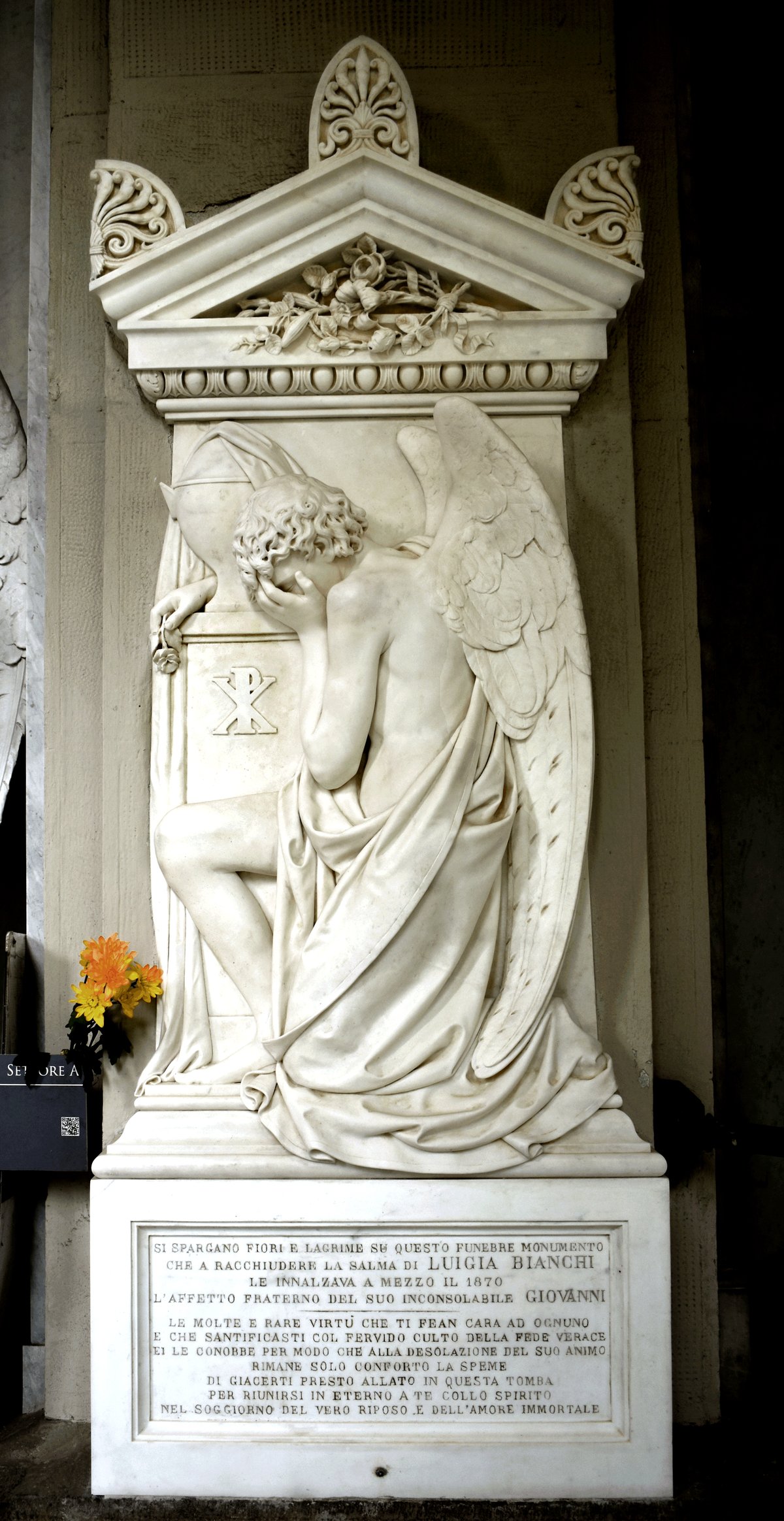
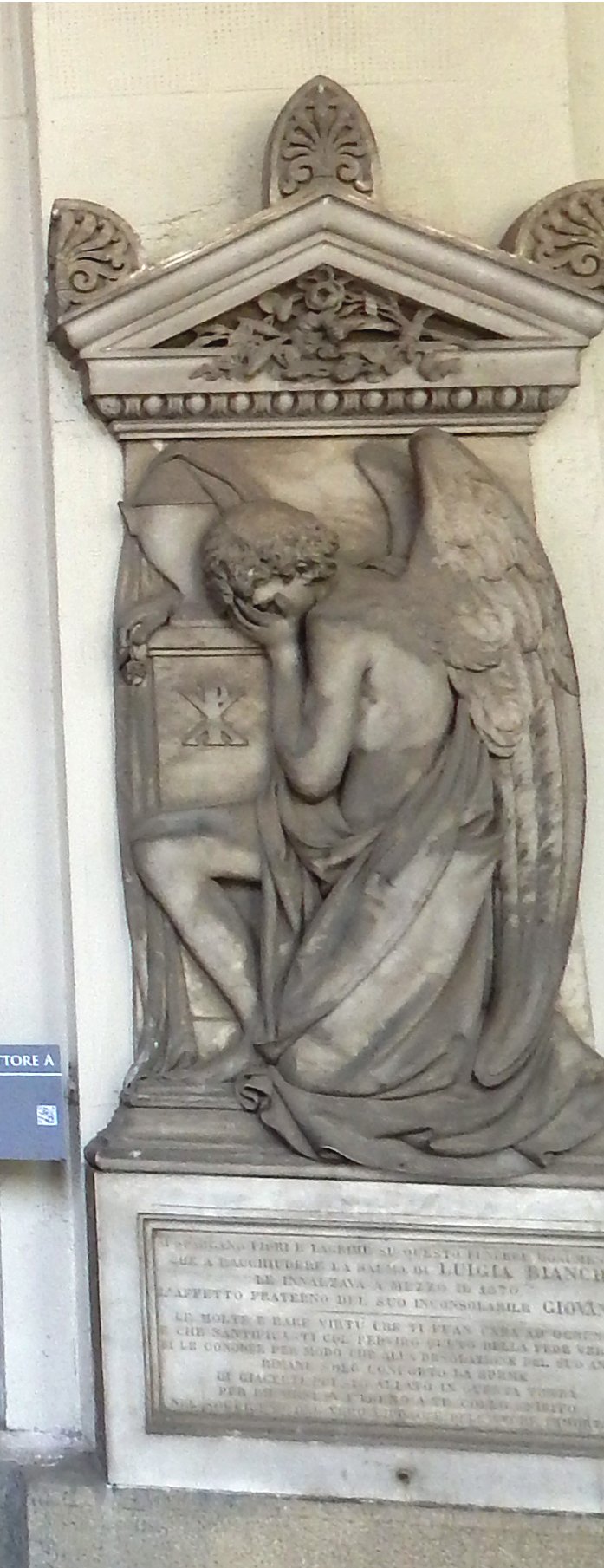
- Neoclassicism and Romanticism: Early sections feature neoclassical columns and draped figures, with romantic statues expressing grief and hope (Dolcevia; Wandering Jana).
- Realism and Symbolism: Later expansions showcase realistic portraiture and symbolic motifs—broken columns, clasped hands—conveying poignant messages.
- Art Nouveau and Modernism: Sinuous lines and floral motifs of the Liberty style, as well as geometric forms, characterize early 20th-century tombs (Wandering Jana).
- Master Sculptors: Artists such as Santo Varni, Giulio Monteverde, and Augusto Rivalta created enduring masterpieces, including Monteverde’s renowned “Angel of the Resurrection” (Dolcevia).
Reflection of Genoese Society
The cemetery’s grand monuments and diverse sections reflect Genoa’s bourgeois aspirations, religious diversity, and evolving social history (The Crazy Tourist).
Notable Burials and Personalities
- Giuseppe Mazzini: Italian unification leader, buried in Boschetti and Valletta Pontasso (lamialiguria.it).
- Michele Novaro: Composer of Italy’s national anthem (lamialiguria.it).
- Fabrizio De André: Influential Genoese singer-songwriter (discoveritalianriviera.com).
- Mary Constance Lloyd: Wife of Oscar Wilde (lamialiguria.it).
- Gilberto Govi: Beloved actor and playwright (lamialiguria.it).
- Caterina Campodonico: The “peanut seller,” commemorated with a lifelike statue (lamialiguria.it).
- Oneto Family Tomb: Home to the famous “Angel of Staglieno” sculpture (lamialiguria.it).
- British War Cemetery: Final resting place for soldiers from both World Wars (findagrave.com).
Practical Visitor Information
Visiting Hours
- General Opening: 7:30 AM – 5:00 PM daily; some sources cite 8:00 AM – 6:00 PM. Check official website for seasonal variations (Where’s Ben Been).
- Closed: January 1st and December 25th.
Tickets and Admission
- Self-Guided Visits: Free admission.
- Guided Tours: Typically €5; proceeds support restoration (Discover Genoa).
- Tour Times: 10:00 AM, 11:30 AM, 3:00 PM. No advance booking required; tickets available on-site (Visit Genoa).
Accessibility and Services
- Infopoint: Near main entrance, open Monday, Wednesday, Friday (9:00 AM–3:00 PM), Tuesday and Thursday (9:00 AM–1:00 PM) (Bimbe in Viaggio).
- Internal Transport: CS line bus available for visitors with limited mobility.
- Pets: Allowed only on the first non-holiday Wednesday or Thursday of each month (except November); guide dogs always permitted.
Getting There
- By Bus: From Brignole (lines 13 or 14); from Principe (line 34).
- By Car: Exit Genoa East; several free parking lots nearby.
- Address: Piazzale Resasco, 16137 Genoa.
Weather and Seasonal Tips
- Visit during mild weather for the best experience. Severe weather alerts may affect opening.
- Seasonal changes bring varied atmospheres to gardens and avenues (Wanderlog).
Visitor Etiquette
- Photography: Permitted, but be discreet and respectful, especially when mourners are present (Discover Genoa).
- Behavior: Maintain a quiet, respectful demeanor. Supervise children and avoid disruptive actions (Bimbe in Viaggio).
Suggested Visuals
- High-quality images of iconic sculptures like the “Angel of Staglieno.”
- Photos of Giuseppe Mazzini’s tomb and the Pantheon sector.
- Downloadable or printed maps for self-guided tours (Staglieno Map).
Frequently Asked Questions (FAQ)
Q: What are the cemetery’s opening hours?
A: 7:30 AM – 5:00 PM daily; check the official website for updates.
Q: Is admission free?
A: Yes, general entry is free; guided tours cost about €5.
Q: Are guided tours available?
A: Yes, at set times daily; tickets can be purchased on-site.
Q: How do I get there from the city center?
A: Take bus lines 13 or 14 from Brignole, or line 34 from Principe.
Q: Is the cemetery accessible?
A: Main paths are accessible, with a bus service for those with limited mobility.
Q: Can I bring my pet?
A: Only on specific days, except for guide dogs.
Final Tips for Visiting
- Allow at least two hours to explore main sectors.
- Wear comfortable shoes due to uneven terrain.
- Download or pick up a map at the entrance.
- Consider a guided tour for deeper historical and artistic context.
- Check the official website for special events or seasonal changes (Staglieno Official).
Listen to the full story in the app
The whole Monumental Cemetery Of Staglieno,
told well.
Audio guides for 1,100+ cities across 96 countries. History, stories, and local insight — offline ready.
Verified, and shown.
Researched and written by the Audiala editorial team from historical records, architectural archives, and local expertise.
Researched from Wikidata, Wikipedia & official sources · fact-checked · How we make our guides →