Introduction
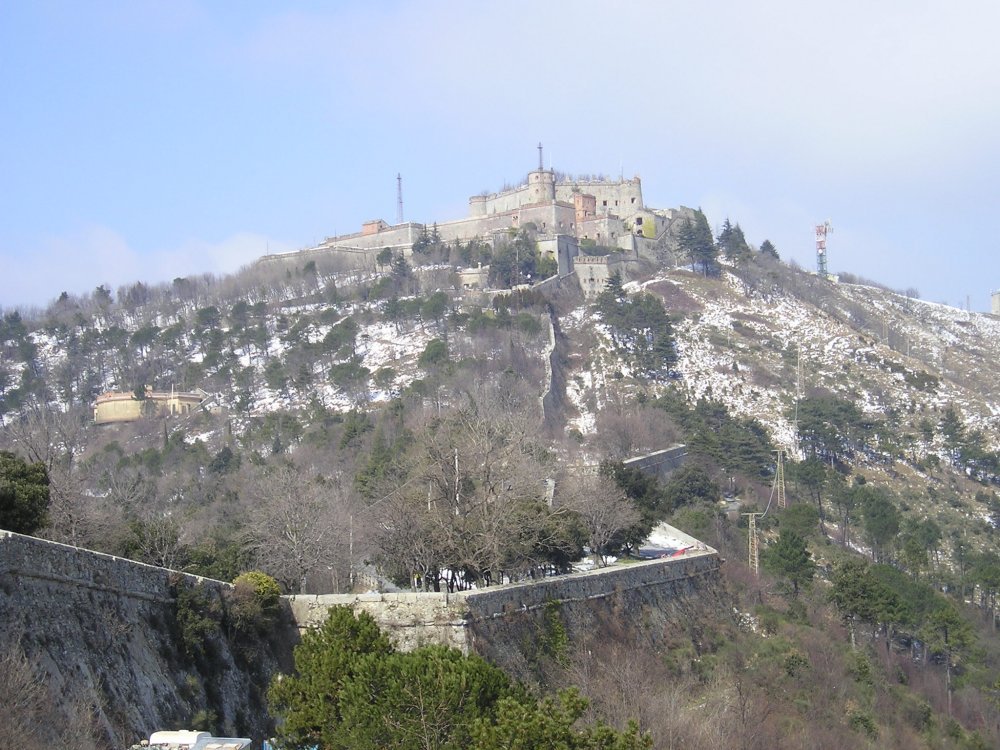
Nestled atop Monte Spino in Genoa, Italy, Forte Fratello Minore is a historical monument of significant military heritage. Constructed in 1815, this fort was part of a broader strategy to fortify Genoa against potential invasions, particularly from the Savoy forces. The fort's commanding position allowed it to oversee the Valpolcevera, making it a critical component of Genoa's defensive network (Bimbe in Viaggio). Today, Forte Fratello Minore stands as a testament to early 19th-century military architecture, featuring robust defensive structures such as thick walls and strategic lookout points. Despite its abandonment and partial deterioration, the fort remains a poignant historical site, offering visitors a unique glimpse into Genoa's military past. This guide provides comprehensive information on the fort's history, architectural features, visitor details, and travel tips to ensure an enriching experience for all visitors.
Photo Gallery
Explore Forte Fratello Maggiore in Pictures
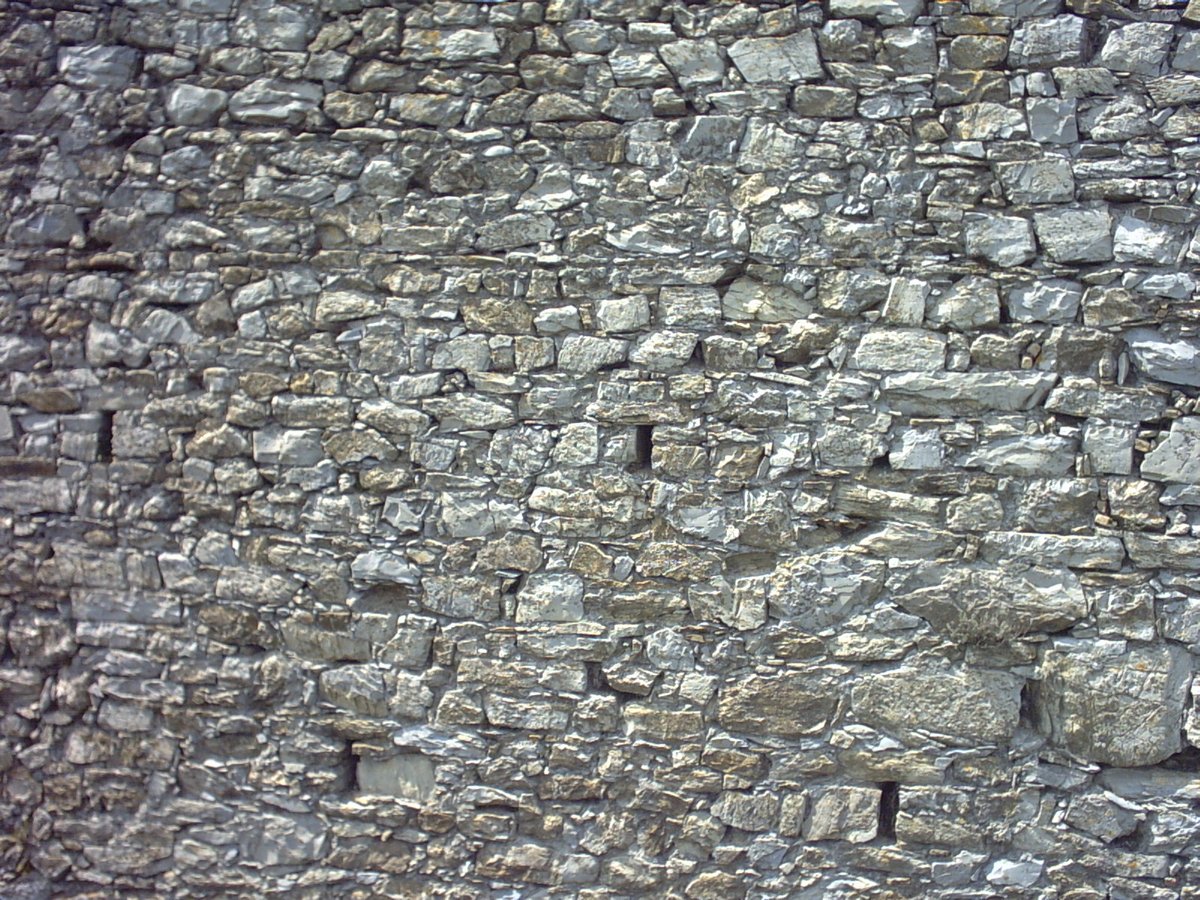
Detailed view of the exterior wall of the historic Forte Fratello Minore located in Genoa, showcasing its stone construction and historical architecture.
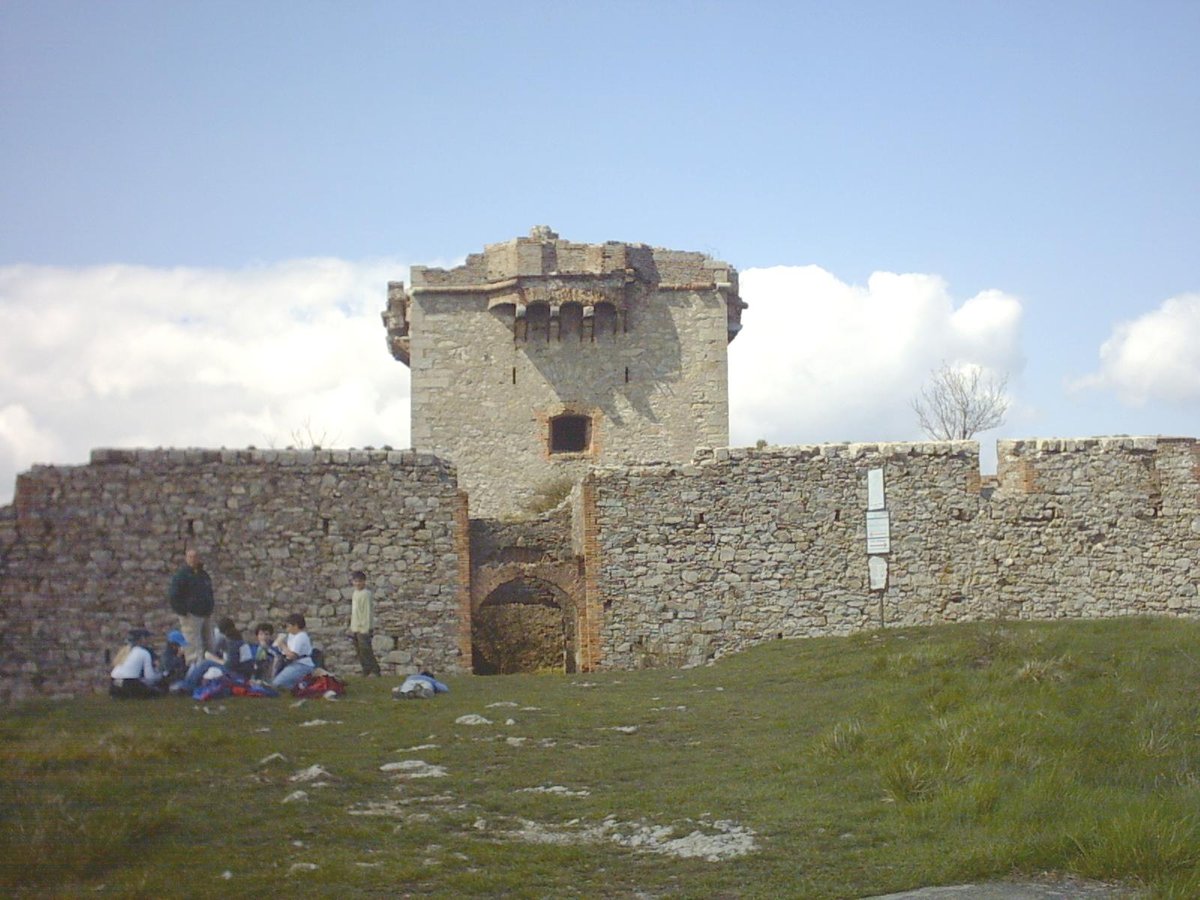
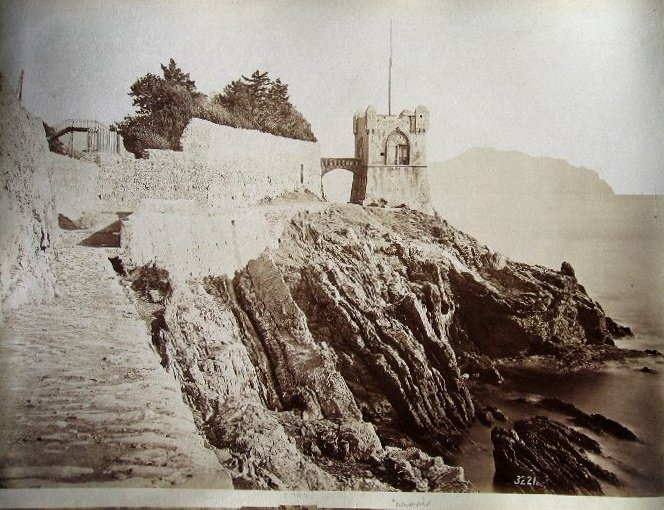
Scenic view of Forte Fratello Minore, a historic coastal fortress located in Genova, Italy, showcasing its architectural details and strategic seaside location.
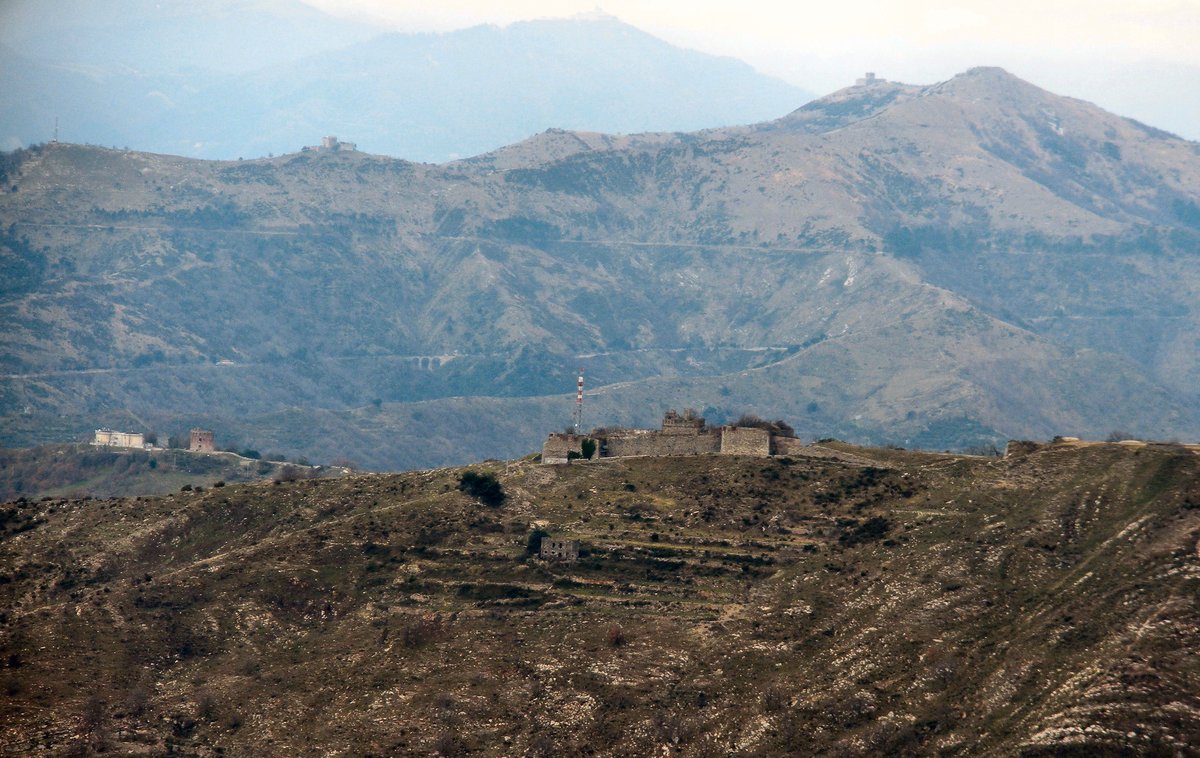
Scenic view of the historic Richelieu Fortress in Genoa, Italy, as seen from the vantage point of Monte Fasce
Historical Background
Construction and Early History
Forte Fratello Minore, located on Monte Spino, is one of the historical forts that form part of the extensive defensive network surrounding Genoa, Italy. This fort was constructed in 1815, alongside its counterpart, Forte Fratello Maggiore, on a nearby hill. The construction of these forts was part of a broader strategy to fortify Genoa against potential invasions and attacks, particularly from the Savoy forces. The strategic positioning of Forte Fratello Minore allowed it to overlook the Valpolcevera, providing a vantage point for monitoring and defending the region (Bimbe in Viaggio).
Architectural Features
The architectural design of Forte Fratello Minore reflects the military engineering practices of the early 19th century. The fort was built to withstand sieges and provide a robust defense mechanism, featuring thick walls, strategic lookout points, and facilities to house soldiers and store ammunition. The design maximized the fort's defensive capabilities while ensuring the safety and operational efficiency of its occupants (Wonderful Italy).
Abandonment and Decline
By the end of the 19th century, the strategic importance of Forte Fratello Minore had diminished, leading to its abandonment. The fort, along with Forte Fratello Maggiore, was left to deteriorate. Between 1930 and 1937, Forte Fratello Maggiore was destroyed, leaving Forte Fratello Minore as the sole remnant of this pair of forts. Today, only the ruins of Forte Fratello Minore remain, serving as a historical monument and a testament to the military history of Genoa (Bimbe in Viaggio).
Role in the Genoese Defensive Network
Forte Fratello Minore was part of a larger network of forts designed to protect Genoa from external threats. This network included other significant forts such as Forte Sperone, Forte Puin, and Forte Diamante. The forts were strategically positioned to create a defensive perimeter around Genoa, leveraging the natural topography to enhance their defensive capabilities (Wonderful Italy).
Visitor Information
Tickets and Visiting Hours
Currently, Forte Fratello Minore does not have an official ticketing system or fixed visiting hours due to its abandoned state. Visitors can access the site freely at any time, although it is recommended to visit during daylight hours for safety reasons. Always check local guidelines and updates before planning your visit.
Travel Tips
- Safety First: Due to the fort's dilapidated condition, exercise caution while exploring. Wear sturdy shoes and be mindful of uneven terrain.
- Best Time to Visit: The fort is best visited during spring and autumn when the weather is mild and the surrounding landscape is in full bloom.
- Guided Tours: Consider joining a guided tour to gain deeper insights into the fort's history and significance. Local tour operators often include Forte Fratello Minore in their trekking itineraries.
Nearby Attractions
While visiting Forte Fratello Minore, you can also explore other nearby historical sites and natural attractions:
- Forte Sperone: Another key fort in the Genoese defensive network, offering panoramic views of the city.
- Forte Puin: Located approximately 1.5 kilometers away, it is a short trek from Forte Fratello Minore and provides a scenic route through lush vegetation.
- Genoa City Center: A short drive away, the city center offers rich cultural experiences, including museums, historical buildings, and local cuisine.
Accessibility and Visitor Experience
Forte Fratello Minore is accessible via a trekking route that connects several of Genoa's historical forts. The trek to the fort is approximately a half-hour walk from Forte Puin, covering a distance of about 1.5 kilometers. The path is slightly uphill and passes through lush vegetation, offering a scenic and immersive experience. The trek is suitable for visitors of all ages and can be adjusted based on individual fitness levels and preferences. The route provides an opportunity to explore the natural beauty of the region while delving into its rich historical past (Bimbe in Viaggio).
Educational Value
Visiting Forte Fratello Minore offers significant educational value, particularly for those interested in military history and architecture. The fort provides a tangible connection to the past, allowing visitors to understand the strategic importance of such structures in historical conflicts. Educational tours and guided walks often include detailed explanations of the fort's history, construction, and role within the defensive network of Genoa. These tours enhance the visitor experience by providing context and insights that enrich the understanding of the site's historical significance (Wonderful Italy).
FAQ
Q: Are there any entrance fees for Forte Fratello Minore? A: No, there are no entrance fees as the site is freely accessible to the public.
Q: What are the visiting hours for Forte Fratello Minore? A: There are no fixed visiting hours. It is recommended to visit during daylight hours for safety reasons.
Q: Is Forte Fratello Minore suitable for children and elderly visitors? A: The site can be accessed by visitors of all ages, but caution is advised due to uneven terrain and the fort's dilapidated condition.
Q: How can I reach Forte Fratello Minore? A: The fort is accessible via a trekking route from Forte Puin, approximately a half-hour walk covering 1.5 kilometers.
Q: Are there guided tours available? A: Yes, local tour operators often include Forte Fratello Minore in their trekking itineraries, providing guided tours with historical insights.
Listen to the full story in the app
Your Personal Curator, in Your Pocket.
Audio guides for 1,100+ cities across 96 countries. History, stories, and local insight — offline ready.
Audiala App
Available on iOS & Android
Join 50k+ Curators
Sources
-
verified
Bimbe in Viaggio
Trekking in Genoa: A trip to the forts of Genoa
-
verified
Wonderful Italy
Nature walk among the historical forts of Genoa
-
verified
Wikipedia
Forte Fratello Minore
-
verified
Visit Genoa
Walls and forts
-
verified
NASA
Climate data
-
verified
SummitPost
Ancient Genoese defensive walls: Diamante and other forts
-
verified
Italian Fix
Genoa Italy guide
Last reviewed: