Stadium History and Architectural Highlights
Stadio Tullo Morgagni stands as a testament to early 20th-century Italian rationalism in architecture, with linear grandstands and a rare velodrome that honors the city’s cycling tradition (calcioengland.com). The stadium’s capacity is currently 3,385, with all seats numbered and significant improvements undertaken in recent years to comply with modern standards (Notiziario Calcio).
Key features include:
- Tribuna Centrale (Central Stand): 1,378 covered seats with modern armchairs.
- Gradinata Locali (Home Stand): 1,131 seats.
- Gradinata Ospiti (Away Stand): 876 seats with separate access and parking.
The stadium is also equipped with a velodrome, the “G. Casadei” track, and a skating rink, making it a multi-sport facility (Wikipedia).
Visiting Information
Hours and Ticketing
- Match Days Gates open 90 minutes before kickoff.
- Non-Match Days Guided tours or special event visits may be available by appointment; check official Forlì FC channels.
- Ticket Purchase Online through the official website or at the box office on matchdays.
- Pricing Varies by event and seating; discounts for children, seniors, and groups are sometimes offered.
How to Get There
- By Car From the Forlì motorway exit, follow signs for Tangenziale Est, then Via Biagio Bernardi and Via Campo di Marte. Guest parking is signposted (forlifc.com).
- By Train/Bus Forlì railway station connects to the stadium via buses 4, 7, and 92 (mapcarta.com).
- Parking Ample spaces available, with reserved spots for disabled visitors.
Accessibility
Stadio Tullo Morgagni offers:
- Wheelchair-accessible entrances and routes at both main and away stands (prolocosantagostino.it).
- Accessible seating and restrooms in the covered central stand.
- Designated parking near entrances for visitors with disabilities.
Visitors with specific needs are encouraged to contact the club in advance.
On-Site Services and Amenities
- Food & Beverage A central bar and restaurant serve snacks and drinks, accessible from the main stand (forlifc.com).
- Restrooms Modern, accessible, and well-maintained facilities throughout.
- Information & Assistance Stewards on hand for guidance and support.
- Multi-sport areas The velodrome and skating rink occasionally host events (Wikipedia).
Sporting and Cultural Significance
Football and Cycling Legacy
The stadium is home to Forlì FC, with matchdays characterized by a vibrant, family-friendly atmosphere. The cycling track pays homage to Tullo Morgagni, whose work as a journalist and promoter led to the creation of legendary races like the Giro d’Italia (calcioengland.com).
Community Impact
Stadio Tullo Morgagni is a social and economic hub, hosting not only football and cycling but also community events, youth programs, and hospitality functions. The city and local sponsors have invested in upgrades to ensure safety, comfort, and sustainability (Notiziario Calcio).
Nearby Attractions in Forlì
Enhance your visit by exploring:
- Piazza Aurelio Saffi The city’s lively central square.
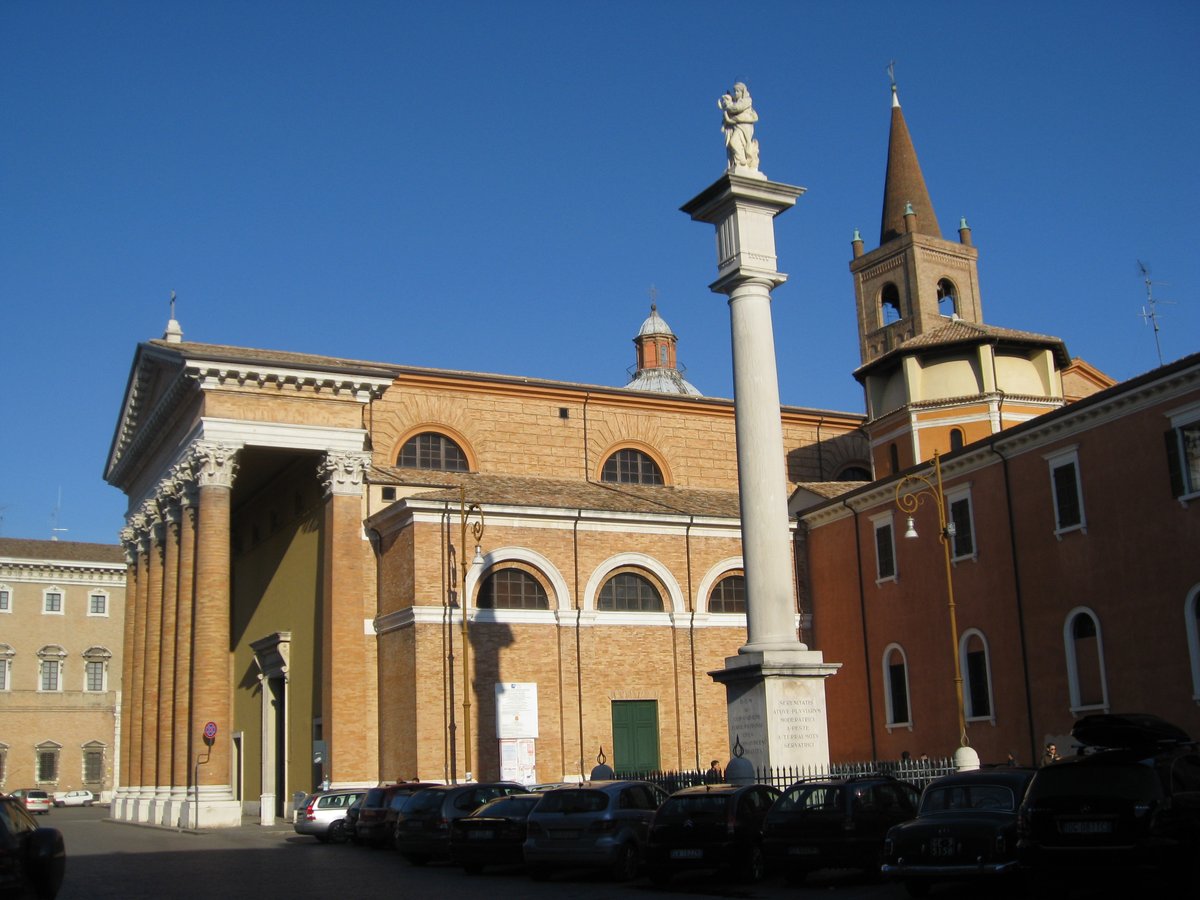
- San Mercuriale Abbey A Romanesque landmark.
- Museo Archeologico Antonio Santarelli Local archaeological museum.
- Palazzo Romagnoli Art museum.
- Parco Dragoni and Parco della Resistenza Green spaces ideal for relaxation (mapcarta.com).
Forlì’s historic center, with charming streets and cafes, is within easy reach of the stadium.
Frequently Asked Questions (FAQ)
Q: What are the stadium’s visiting hours?
A: 90 minutes before kickoff on matchdays; by appointment for tours (forlifc.com).
Q: How can I buy tickets?
A: Online via the official Forlì FC website or at the stadium box office.
Q: Is the stadium accessible for people with disabilities?
A: Yes, with wheelchair access, accessible seating, restrooms, and parking (prolocosantagostino.it).
Q: Are guided tours available?
A: Occasionally, by appointment. Contact the club for current options.
Q: What public transport options are available?
A: Buses 4, 7, and 92 from Forlì railway station stop near the stadium (mapcarta.com).
Q: What else can I see in Forlì?
A: Piazza Aurelio Saffi, San Mercuriale Abbey, Palazzo Romagnoli, and more.