Plan and listen to Walls Of Malmantile with Audiala.
Audio guide in your pocket, itinerary in your browser. Built for the way you actually visit.
Introduction
Discover the rich tapestry of history and architecture that defines the Walls of Malmantile, a medieval fortification located in the enchanting Tuscan countryside near Florence, Italy. Built in the 14th century under the auspices of the Republic of Florence, these walls served as a critical defensive structure during a tumultuous period marked by regional conflicts. Today, the Walls of Malmantile stand as a well-preserved testament to medieval military architecture, drawing history enthusiasts and tourists alike. Whether you are a casual visitor or a dedicated historian, this guide will ensure that your exploration of the Walls of Malmantile is both informative and unforgettable.

Historical Background
Origins and Construction
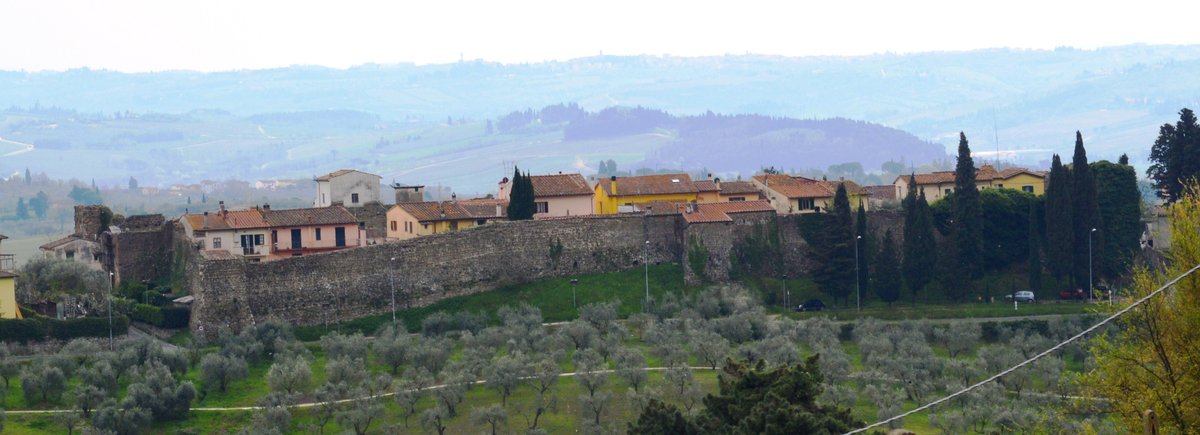
The Walls of Malmantile, located in the picturesque Tuscan countryside near Florence, Italy, are a remarkable example of medieval fortification. Constructed in the 14th century, these walls were built to protect the small village of Malmantile from potential invaders and to assert the dominance of the ruling powers of the time. The construction of the walls was initiated by the Republic of Florence, a powerful city-state that sought to secure its territories and maintain control over the surrounding regions.
Architectural Features
The walls of Malmantile are characterized by their robust construction and strategic design. Built primarily from local stone, the walls are approximately 1.5 kilometers in circumference and feature a series of defensive towers and gates. The height of the walls varies, with some sections reaching up to 10 meters. The towers, strategically placed along the perimeter, provided vantage points for archers and lookouts, enhancing the defensive capabilities of the fortification.
Historical Significance
The historical significance of the Walls of Malmantile lies in their role as a defensive structure during a tumultuous period in Italian history. The 14th century was marked by frequent conflicts between rival city-states, and the construction of such fortifications was essential for the protection of smaller settlements. The walls not only served as a physical barrier against invaders but also symbolized the strength and resilience of the local community.
Role in Regional Conflicts
During the 14th and 15th centuries, the Walls of Malmantile played a crucial role in regional conflicts, particularly during the wars between the Republic of Florence and its rivals, such as the Republic of Siena and the Duchy of Milan. The fortifications provided a secure refuge for the inhabitants of Malmantile and served as a base for military operations. The strategic location of Malmantile, situated on a hill overlooking the surrounding countryside, made it an ideal defensive position.
Visitor Information
Preservation and Restoration
Over the centuries, the Walls of Malmantile have undergone various phases of preservation and restoration. In the 19th century, efforts were made to restore sections of the walls that had fallen into disrepair. These restoration projects aimed to preserve the historical integrity of the fortifications while making them accessible to visitors. Today, the walls are a well-preserved example of medieval military architecture and are a popular tourist attraction.
Visiting Hours and Tickets
The Walls of Malmantile are open to visitors daily from 9:00 AM to 6:00 PM. Ticket prices are as follows: €8 for adults, €5 for students and seniors, and free for children under 12. Guided tours are available for an additional €10, providing a deeper insight into the history and architecture of the walls.
Cultural Impact
The Walls of Malmantile have had a lasting cultural impact on the region. They are a testament to the rich history and heritage of Tuscany and serve as a reminder of the region's medieval past. The fortifications have inspired numerous works of art and literature, and they continue to be a source of fascination for historians and tourists alike.
Visitor Experience
Visitors to the Walls of Malmantile can explore the well-preserved fortifications and enjoy panoramic views of the surrounding countryside. The site offers a unique opportunity to step back in time and experience the medieval history of Tuscany. Guided tours are available, providing detailed information about the history and significance of the walls. Additionally, the village of Malmantile hosts various cultural events and festivals throughout the year, celebrating its rich heritage.
Accessibility and Visitor Tips
The Walls of Malmantile are easily accessible from Florence, making them a convenient day trip destination. Visitors are advised to wear comfortable walking shoes, as the terrain can be uneven. It is also recommended to bring water and sun protection, especially during the summer months. The site is partially wheelchair accessible, with some areas offering ramps and smoother pathways. For those interested in a more in-depth exploration, guided tours are available, offering insights into the history and architecture of the fortifications.
Nearby Attractions
While visiting the Walls of Malmantile, consider exploring nearby attractions such as the historic city of Florence, the charming village of San Casciano in Val di Pesa, and the scenic Chianti wine region. These destinations offer a wealth of cultural, historical, and culinary experiences that complement your visit to Malmantile.
FAQ
Q: What are the Walls of Malmantile visiting hours?
A: The Walls of Malmantile are open daily from 9:00 AM to 6:00 PM.
Q: How much do tickets cost?
A: Ticket prices are €8 for adults, €5 for students and seniors, and free for children under 12. Guided tours are an additional €10.
Q: Is the site wheelchair accessible?
A: The site is partially wheelchair accessible, with some areas offering ramps and smoother pathways.
Q: Are there guided tours available?
A: Yes, guided tours are available for an additional €10 and provide detailed insights into the history and architecture of the walls.
Listen to the full story in the app
The whole Walls Of Malmantile,
told well.
Audio guides for 1,100+ cities across 96 countries. History, stories, and local insight — offline ready.
Verified, and shown.
Researched and written by the Audiala editorial team from historical records, architectural archives, and local expertise.
Researched from Wikidata, Wikipedia & official sources · fact-checked · How we make our guides →