Plan and listen to University Of Florence with Audiala.
Audio guide in your pocket, itinerary in your browser. Built for the way you actually visit.
Introduction
Nestled in the heart of Florence, Italy, the University of Florence (Università degli Studi di Firenze) is a remarkable convergence of academic excellence, cultural heritage, and historic significance. Founded in 1321, this prestigious institution has grown alongside Florence’s rise as a Renaissance center of art, science, and humanism. Today, the university’s historic campuses and buildings are woven into the city’s UNESCO-listed center, offering visitors an immersive journey through centuries of intellectual achievement and architectural splendor (University of Florence Official Website; Florence Travel Guide).
Whether you are a history buff, architecture enthusiast, or curious traveler, a visit to the University of Florence provides a unique window into the city’s storied past and vibrant academic present. This guide details the university’s historical evolution, architectural highlights, visiting hours, ticketing information, practical tips, and ways to enrich your visit by exploring nearby Florence landmarks.


Origins and Early Development
The University of Florence traces its roots to the 14th century, when the Studium Generale was established in 1321. Authorized by the Pope to grant degrees in civil and canon law, literature, and medicine, the university helped solidify Florence’s status as a center for learning during the Middle Ages (About Florence Art & Culture).
The intellectual atmosphere flourished further during the Renaissance, fueled by the Medici family’s patronage and drawing scholars from across Europe. The university’s curriculum expanded to include philosophy, the arts, and the sciences, entrenching its role in shaping Florence’s cultural identity.
Sapienza College and Granducal Influence
A defining chapter in the university’s history is the construction of the Sapienza College in the 15th century, designed by architect Lorenzo di Bicci as a hub for international scholars. The Aula Magna, a former Granducal stable, was repurposed as the university’s ceremonial hall, illustrating Florence’s unique ability to blend historic structures with new functions (Sapienza College and Aula Magna details).
Political changes in the Grand Duchy of Tuscany led to the university’s temporary transfer to Pisa in the late 15th century, but it returned to Florence in the 19th century and was formally established in its current structure in 1924.
Modern Era and National Importance
Today, the University of Florence stands as one of Italy’s largest and most respected universities, serving more than 60,000 students and employing over 2,000 faculty members. It consistently ranks among the top Italian and European universities, with a broad range of faculties and an international reputation for excellence in research and teaching (Meridean; Times Higher Education).
Architectural and Cultural Highlights
The Aula Magna: Renaissance Jewel
The Aula Magna is a centerpiece of the university, celebrated for its Renaissance architecture and historical significance. Formerly a Granducal stable, it now serves as the main ceremonial hall for conferences, symposia, and public lectures, offering visitors both architectural beauty and a glimpse of academic tradition (More on Aula Magna).
Integration with Florence’s Heritage
University buildings are often housed in historic palazzi and former convents, blending seamlessly with Florence’s urban landscape. This integration enables the university to collaborate with museums and cultural institutions, hosting exhibitions, lectures, and festivals that are open to the public (Art and culture collaboration).
Visitor Information
Location and Accessibility
- Main Address: Piazza San Marco 4, 50121 Florence, Italy (University location)
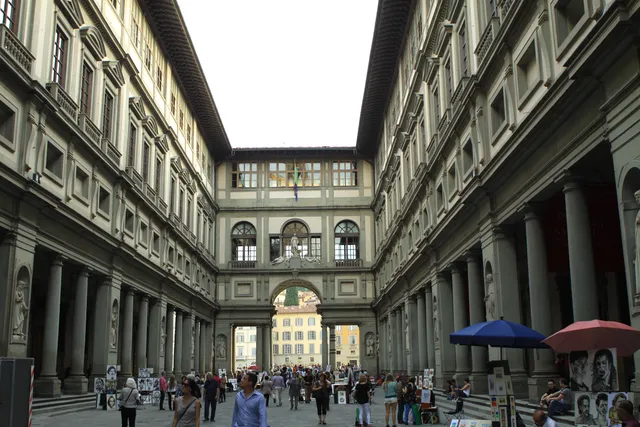
- Transport: The university’s central locations make it easy to reach by foot from major Florence attractions like the Duomo and Uffizi Gallery. Public transport (ATAF buses and trams) connects the area to the Santa Maria Novella train station and other city districts (Florence public transport).
Visiting Hours and Tickets
- Visiting Hours: Most university buildings, including the Aula Magna, are accessible to visitors during special events, conferences, and guided tours. These are typically held on weekdays between 9:00 AM and 6:00 PM but may vary; always check the university’s event calendar.
- Tickets: Entrance is generally free for public events, though some guided tours or exhibitions require tickets. Advance booking is recommended during high season or for special activities (Florence tips and university info).
Guided Tours and Facilities
- Guided Tours: The university occasionally offers historical and architectural tours. These must often be reserved in advance through the university’s visitor services or local tourist offices.
- Accessibility: Many key buildings provide wheelchair access, though some historic sites may have limitations. Contact visitor services for specific accessibility concerns.
Nearby Attractions
The university’s central location allows easy access to:
- Accademia Gallery (Michelangelo’s David)
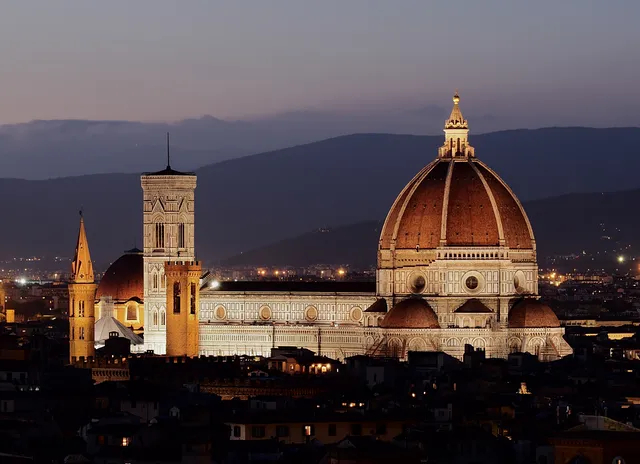
- Florence Cathedral (Duomo)
- San Marco Museum
- Orto Botanico di Firenze (Botanical Garden)
- Museo di Storia Naturale (Museum of Natural History)
Practical Visitor Tips
- Best Time to Visit: Late September or early October offers pleasant weather and fewer crowds (Florence travel tips).
- Advance Booking: Reserve guided tours and event spots, especially during holidays or summer.
- Dress Code: Modest attire is advised for academic and historic sites.
- Safety: Florence is generally safe, but beware of pickpockets in busy areas (Florence safety tips).
- Combine Visits: Plan to explore the university along with nearby museums and landmarks for a richer experience.
Sustainable Tourism
Support sustainable tourism by:
- Patronizing local businesses and using authorized accommodations.
- Respecting university spaces and academic activities.
- Exploring less-visited neighborhoods to help ease overtourism (Sustainable tourism in Florence).
Frequently Asked Questions (FAQs)
Q: What are the University of Florence’s visiting hours?
A: Hours vary by building and event. Most public areas are accessible on weekdays, typically between 9:00 AM and 6:00 PM during special events. Always check the official website for current schedules.
Q: Are tickets required for visits?
A: Admission is free during public events; some tours and exhibitions require tickets. Booking in advance is recommended.
Q: Is the university accessible for visitors with disabilities?
A: Many modern facilities are accessible, but some historic buildings may present challenges. Contact visitor services ahead of your visit for details.
Q: Are guided tours available?
A: Yes, the university offers guided tours during certain events and by appointment.
Q: Can I combine a university visit with other Florence sites?
A: Absolutely. The central location allows you to visit major attractions like the Duomo and Uffizi Gallery within walking distance.
Listen to the full story in the app
The whole University Of Florence,
told well.
Audio guides for 1,100+ cities across 96 countries. History, stories, and local insight — offline ready.
Verified, and shown.
Researched and written by the Audiala editorial team from historical records, architectural archives, and local expertise.
Researched from Wikidata, Wikipedia & official sources · fact-checked · How we make our guides →