An introduction.
Researched by the Audiala editorial team from historical records, architectural archives, and local expertise.
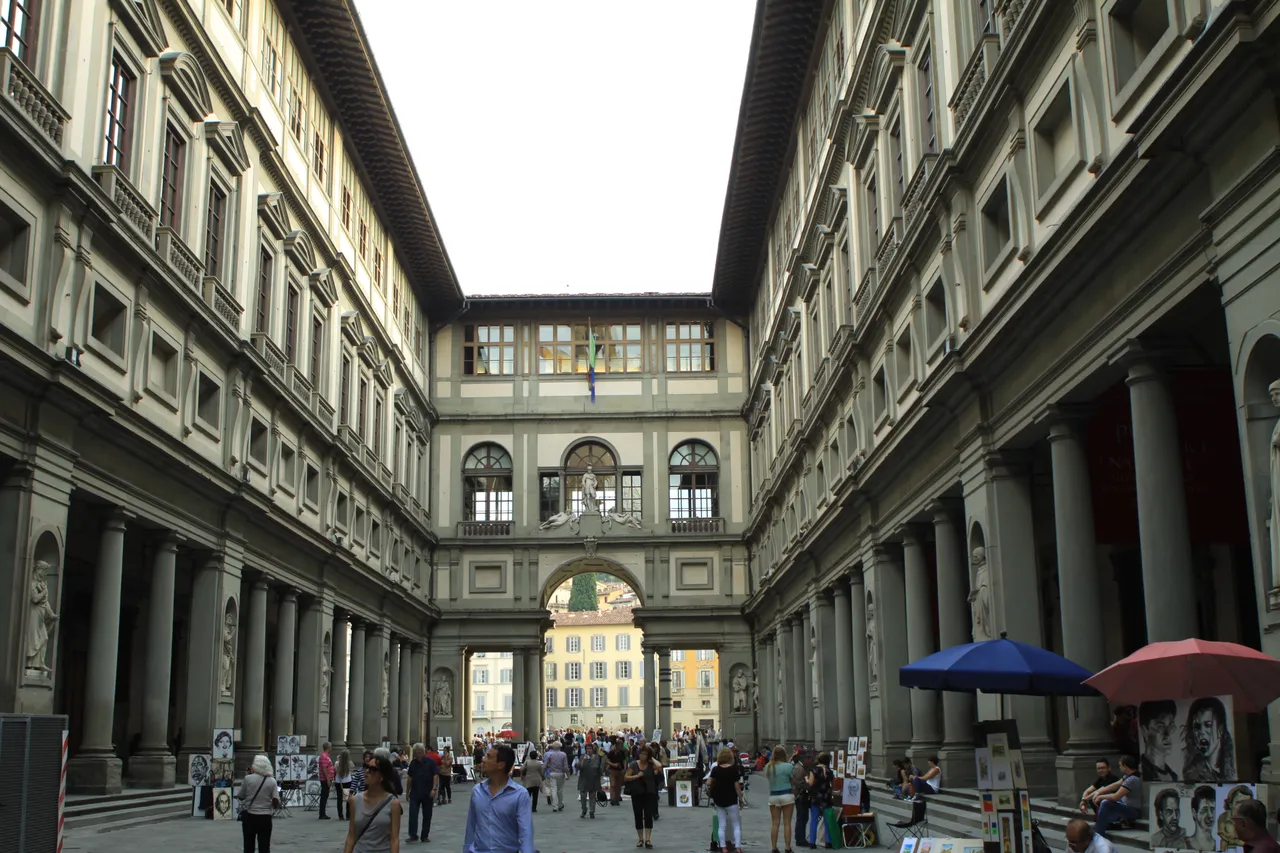
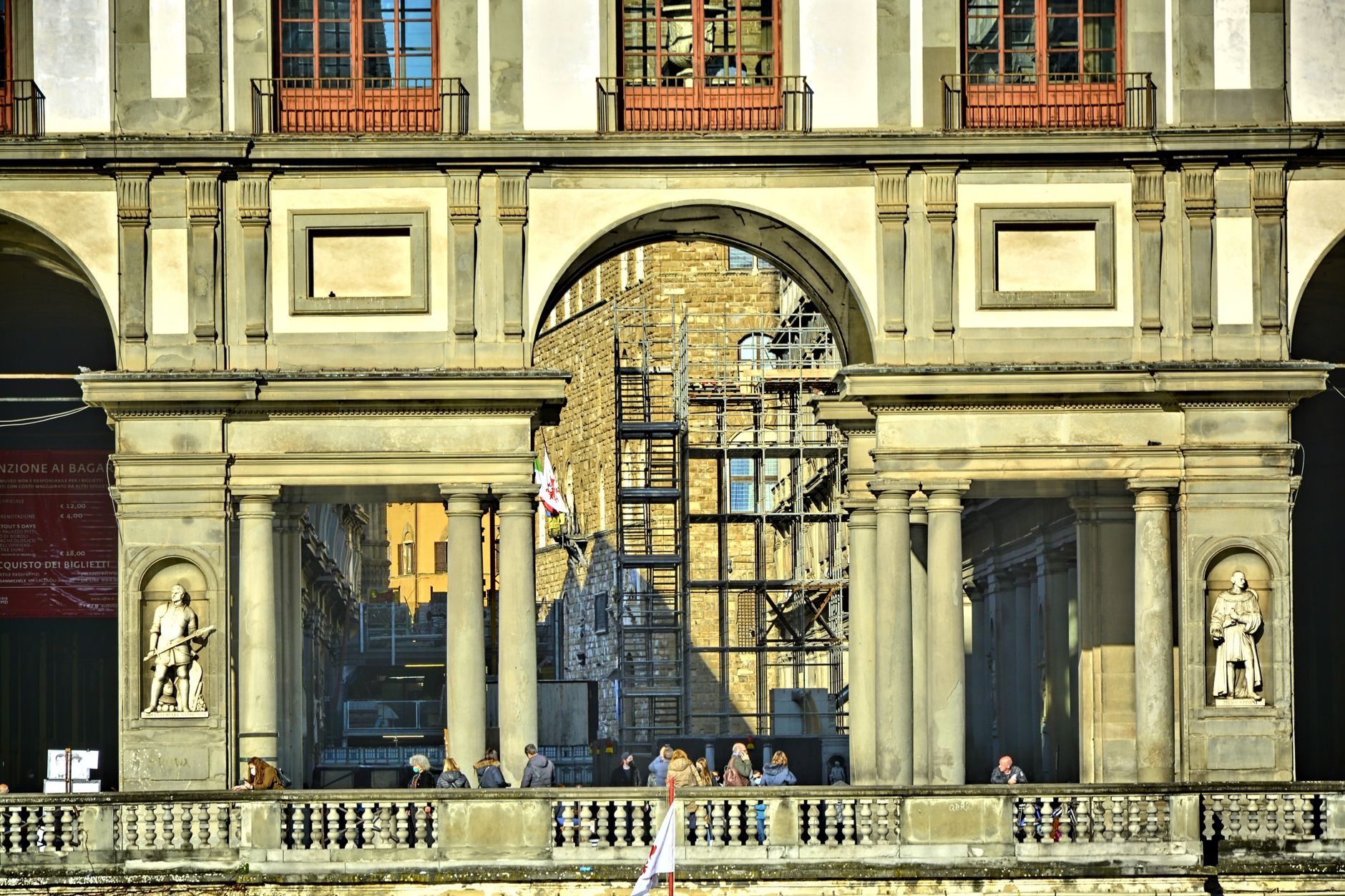
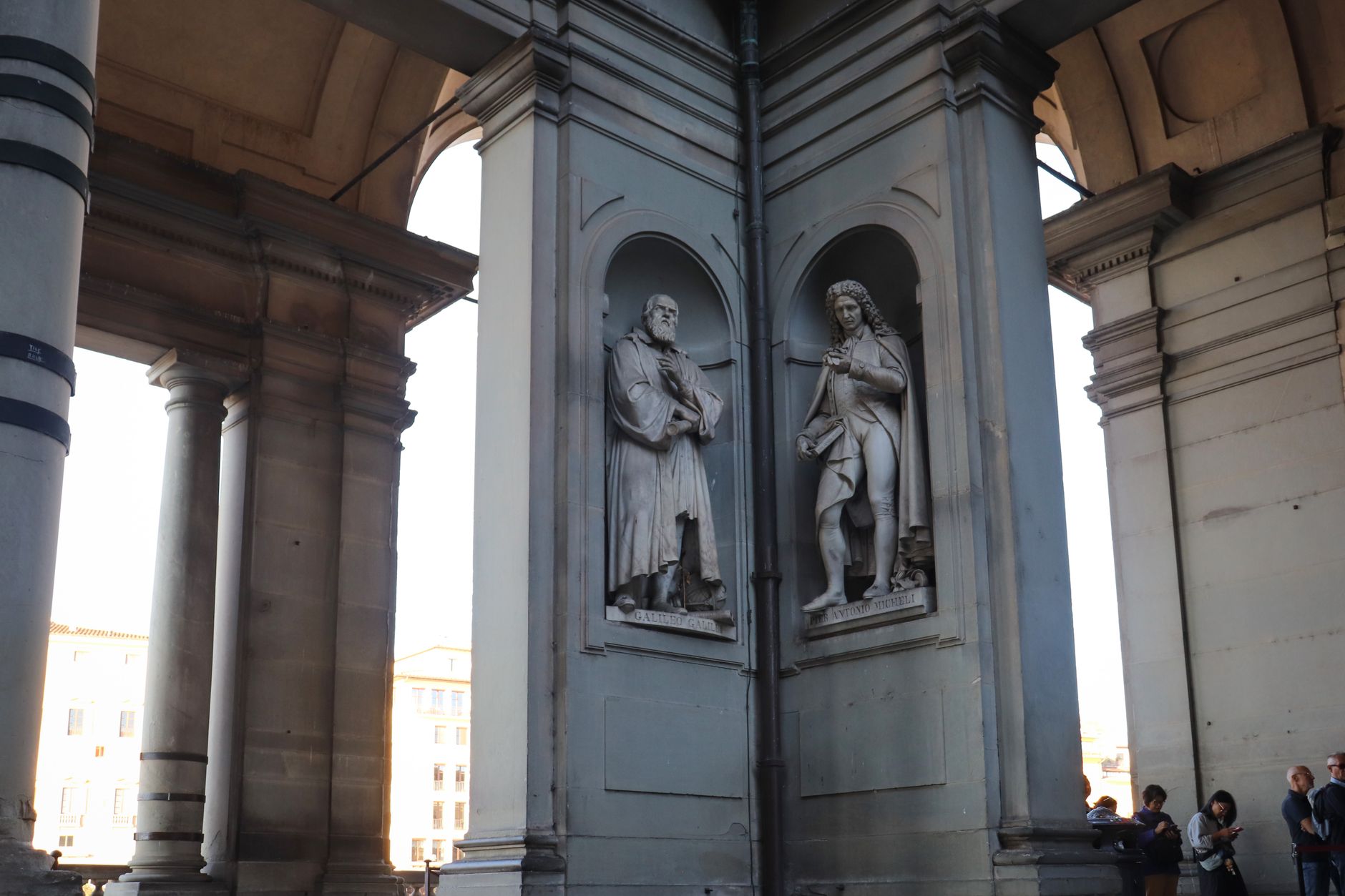
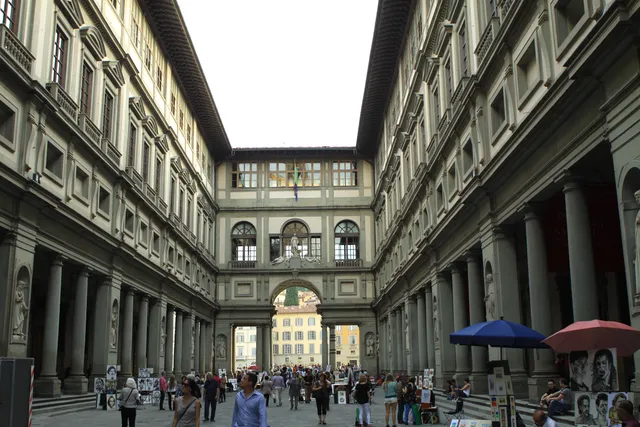
WWhy does the world's most famous Renaissance gallery carry a name that literally means 'the offices'? Step into the Uffizi Gallery's long stone courtyard in Florence, Italy, and the answer surrounds you — a U-shaped corridor of columns and pale Pietraforte stone, footsteps echoing on flagstones, the Arno glinting at the far end. You came for Botticelli's Venus, Leonardo's Annunciation, Caravaggio's Medusa. The building sheltering them has a stranger story than the paintings.
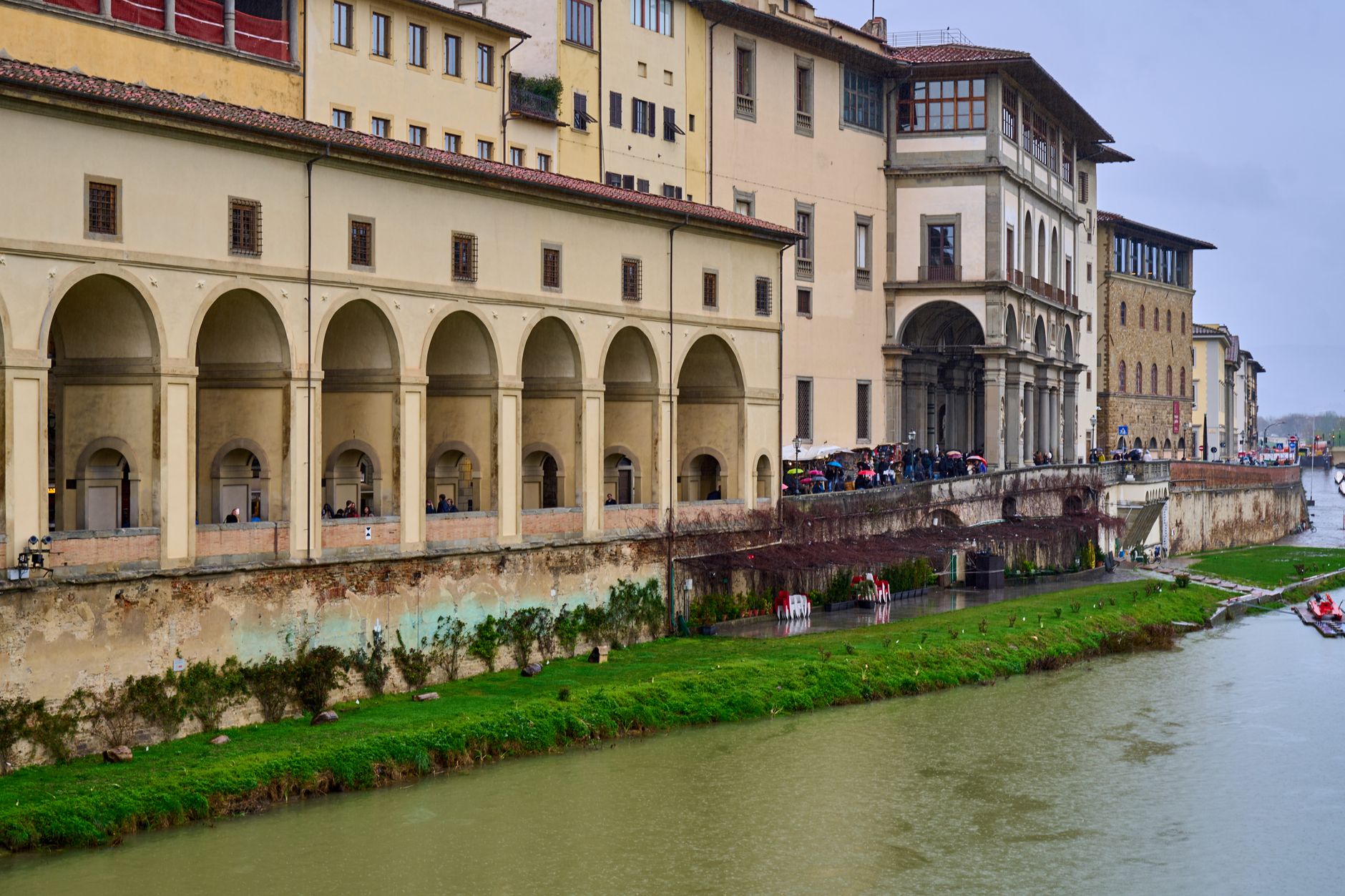
Cosimo I de' Medici commissioned Giorgio Vasari in 1560 to design something dull — a bureaucratic headquarters where Florence's thirteen magistracies could be centralized under one ducal roof. Oversight was the goal, not aesthetics. The U-shape came from forced engineering: Vasari had to thread the building between the Arno and the Palazzo Vecchio, demolishing the Romanesque church of San Pier Scheraggio to clear the site. Art came later.
Francesco I de' Medici turned the top-floor east-wing loggia into his private gallery in 1581, hanging Medici trophies for visiting dignitaries. The building opened to the public — by written request, not free entry — almost immediately. Grand Duke Peter Leopold formalized open access in 1769, six years before the Louvre. The word 'gallery' as an art venue derives from this corridor.
Today the museum holds roughly 13,000 square meters of exhibition space — near the footprint of two football pitches stacked on two floors — plus the recently reopened Vasari Corridor running 750 meters to Pitti Palace across the Ponte Vecchio. Crowds are real: 4 million visitors a year, queues even with timed tickets. Go early, book ahead, and budget three hours minimum if you want to spend more than thirty seconds with the Botticellis.
How to book the tickets to the Uffizi Gallery?
Guide me Florence01 What to see.
The Tribuna — Francesco I's Octagonal Jewel-Box
Step to the threshold of Room 18 and look up. Buontalenti finished this octagonal chamber in 1583 for Francesco de' Medici as a private cosmos of the four elements: scarlet silk walls for fire, pietre dure floor for earth, lantern at the apex for air, and a dome encrusted with 5,780 mother-of-pearl shells from the Indian Ocean for water. In afternoon light the shells flicker like wet scales above the Medici Venus.
You cannot enter — a low barrier holds you at the doorway. Stand at the corner of the threshold instead. From there the dome's curve and the Venus's silhouette align, and the red walls swallow the room's edges so the sculptures float in firelight.
Most visitors snap a phone shot and move on in thirty seconds. Give it three minutes. The shells were chosen for the way salt-water iridescence would answer Tuscan sun — a 16th-century special effect that still works.
The Vasari Corridor — Reopened After Eight Years
From December 2024 you can again walk Vasari's elevated passage, the 750-metre shortcut he built in five months in 1565 so Cosimo I's family could cross Florence without touching the street. It threads from the Uffizi over Ponte Vecchio and ends at the Buontalenti Grotto in Boboli — €20 supplement, mandatory slot booking, no return ticket back.
The sensory peak comes halfway across the bridge. Mussolini ordered round panoramic windows cut in 1938 for Hitler's visit, and they frame the Arno toward Ponte Santa Trinita better than any postcard. Further on, the corridor jogs visibly outward around the Torre dei Mannelli — the family refused demolition in 1565, so Vasari corbelled his passage around their tower. You feel the kink underfoot.
Don't miss the grated balcony into Santa Felicita. Look down through the screen into the nave: this is where the Medici heard Mass unseen by their subjects. Power, made architectural.
Walking Route — Ground Up, Crowd-Smart
Start at the recently reopened San Pier Scheraggio on the ground floor, where a glass-floor walkway runs over the 11th-century church nave Vasari swallowed when he built the Uffizi. A column there carries an early-1300s fresco of St. Francis in brown saio, stigmata visible — Dante spoke in this hall as Prior in 1300.
Then take the restored 1769 Lorenese staircase straight to the second floor and walk the East Corridor looking up: Allori's 1581 grotesque ceilings are a continuous painted garden almost nobody photographs. Hit the Tribuna, the Botticelli rooms (10–14), Leonardo, Michelangelo's Doni Tondo with its original five-headed carved frame, then Caravaggio's Medusa.
Finish on the rooftop café above the Loggia dei Lanzi — eye-level with Palazzo Vecchio's crenellations, Brunelleschi's dome rising behind. Espresso, late raking light on rusticated stone. Save the Vasari Corridor for a second slot; you cannot do both well in one push.
02 In pictures.


Watch & Explore Uffizi Gallery.
Plan and listen to Uffizi Gallery with Audiala.
Audio guide in your pocket, itinerary in your browser. Built for the way you actually visit.
Tickets & tours.
These are guided options from our partners — same price as booking direct.
Prices are indicative — final pricing and availability are confirmed at checkout. Audiala may earn a commission from bookings made through these links.
Also on GetYourGuide
More tours for Uffizi Gallery
Curated from GetYourGuide. Same price as official, free cancellation on most.
 GetYourGuide
Uffizi Gallery Timed Entry Ticket & Audio Guide
from
€25
 GetYourGuide
Uffizi Gallery Reserved Entry Ticket & Audioguide
from
€26
 GetYourGuide
Uffizi Gallery Timed Entry Ticket + App Audioguide
from
€34
 GetYourGuide
Uffizi Gallery admission tickets
from
€41
Prices shown are indicative — final pricing and availability are confirmed at checkout. Audiala may receive a commission from bookings made via these links.
03 Visitor logistics.
The practical scaffolding for a good visit — kept short.
Getting There
Piazzale degli Uffizi 6, between Piazza della Signoria and the Arno. From Santa Maria Novella station, walk 15 min via Via Panzani → Calzaiuoli → Via della Ninna; faster and safer than bus 22, a known pickpocket route. Historic center is ZTL — leave the car at Parterre and ride T1 tram in. ATAF C1/C2/C3 stop at Piazza San Firenze, 3 min away.
Opening Hours
As of 2026: Tue–Sun 8:15–18:30, last entry 17:30. Closed Mondays, Jan 1, Dec 25. Two special Monday openings in 2026: 6 April and 1 June. First Sunday of the month is free entry — no online booking, expect chaos.
Time Needed
Forget the "two hours is enough" line every guidebook repeats. Highlights run (Botticelli, Leonardo, Tondo Doni, Caravaggio's Medusa) needs 2 hours minimum; a proper visit across 101 rooms takes 3–4. Art-lovers split it across two days using the 5-Day PassePartout.
Tickets & Costs
As of 2026: €25 walk-up, €29 online with timed slot. New afternoon discount from 1 January 2026 — €16 if you enter from 16:00 onwards. Under-18s free with ID. The Uffizi + Vasari Corridor combo is €43/€47; the 5-Day PassePartout (€40) covers Uffizi, Pitti and Boboli — better value than separate tickets.
Accessibility
Ground floor fully step-free; elevators reach every room on the first and second floors. Free wheelchair and walker loans at the entrance. Disabled visitors plus one companion enter free with priority access (certification required). Pregnant visitors also get priority, even on free Sundays.
Plan Your Visit
Planning ahead? Art Visit Guide's Uffizi Gallery tickets guide covers entrances, timing and ticket tiers.
04 Tips for visitors.
Small things that change the day.
Time Your Entry
Show up at 8:15 sharp or after 15:30 — midday is a sweat-soaked crawl through Botticelli room. Tuesday is typically the quietest day. Reservation holders use Door 3, not Door 1.
Pickpocket Hotspot
The ticket courtyard, queue line, and adjacent Loggia dei Lanzi are flagged by Florence police as top-tier pickpocket zones. Keep one hand on your bag while photographing, and ignore street vendors who lay canvases in walkways — stepping on one triggers a fake-damage shakedown.
Buy Official Only
Touts in Piazza Signoria resell "skip-the-line" tickets at heavy markups, and fake-police scams ask for wallet "verification" — real Polizia never demand cash. Book only through tickets.uffizi.it. In Nov–Feb, weekday afternoons walk-up often works without booking.
Photo Rules
Personal photos without flash are fine across the permanent collection. Banned: flash, selfie sticks, tripods, drones, professional rigs. Loaned works in temporary shows are off-limits — check the signage by each piece.
Dress & Bag Code
No swimwear, costumes, bare feet, or bare chests — staff enforce strictly. Backpacks, umbrellas and bottles over 500ml go in the free mandatory cloakroom (factor 15 min in queue). Coca-Cola is officially banned as a "corrosive drink."
Eat Like A Florentine
Skip the Piazza Signoria tourist menus. Three minutes away on Via dei Neri: All'Antico Vinaio for schiacciata (€7–12, brutal queue) or quieter Semel. Five minutes at Mercato Nuovo, Trippaio del Porcellino sells lampredotto sandwiches for €5–7 — Florence's real street food. Splurge: Vini e Vecchi Sapori behind Palazzo Vecchio (~€30, reserve).
Real Gelato Test
Pyramid-piled neon gelato near the museum is industrial paste. Walk five minutes to Gelateria dei Neri, Perché No!, or Vivoli (oldest in Florence, since 1929) — flat metal tubs, muted colors, real ingredients.
Rooftop Coffee Trick
The terrace café on the top floor has a free-with-ticket view across to Palazzo Vecchio and Brunelleschi's Dome. Coffee is mediocre, the panorama isn't. Bathrooms up there are also the cleanest in the building — ground-floor queues are brutal.
Where to Eat
Don't Leave Without Trying
I' Girone De' Ghiotti
quick biteOrder: Try the 'Discordia' or the 'Gulosa' for a masterclass in crispy schiacciata and high-quality cured meats.
This is the ultimate spot for a quick, authentic Florentine lunch where the bread is thin, crispy, and perfectly balanced with fresh toppings. It is a local sensation, so expect a queue, but the quality of ingredients makes it well worth the wait.
Il Ricettario
local favoriteOrder: The potato-filled ravioli or the Pici Aglio Olio e Peperoncino are standout dishes that capture the heart of Tuscan comfort food.
A hidden gem that feels both cozy and authentically bustling with locals and visitors alike. The staff is exceptionally attentive, and the focus on fresh, well-prepared pasta ensures a memorable meal just steps from the Uffizi.
Bar Uffizi
cafeOrder: The 'Botticelli' focaccia and their fresh bruschetta are perfect for a light, delicious lunch before hitting the museum.
Not to be confused with the museum's internal café, this blue-neon-signed gem is run by polite, hardworking owners who treat guests like family. It offers a relaxed atmosphere that is hard to find in such a high-traffic area.
Osteria Vecchio Vicolo
local favoriteOrder: The cacio e pepe with truffle is a must-try 'revisiting' of a classic, and the tiramisu is widely considered some of the best in the city.
With a beautiful brick-walled interior, this osteria specializes in creative twists on traditional Tuscan pasta and meat dishes. It’s a great spot if you're looking for a more formal, sit-down experience near the gallery.
Dining Tips
- check Tipping is not mandatory; simply round up the bill or leave 5-10% for exceptional service.
- check The 'Coperto' is a standard cover charge for bread and table setting; check your receipt to see if service is already included.
- check Lunch is typically 12:30–14:30; many kitchens close for 'la pausa' between 14:30 and 19:45.
- check Dinner in Florence usually starts around 19:45 or 20:00; it is wise to make reservations for popular trattorias.
- check Cards are accepted everywhere by law, though keeping small change for coffee bars is helpful.
- check Avoid eating on the steps of churches or the Uffizi Gallery; it is considered disrespectful and is locally discouraged.
- check Use bank-affiliated ATMs rather than independent kiosks to avoid security risks.
Restaurant data powered by Google
05 The Pact That Held
Walk the Uffizi as a museum and you're walking through a contract. Every Caravaggio, every Botticelli, every Titian on these walls is here because of a single legal document signed in Vienna on 31 October 1737, never abrogated, theoretically still binding on the Italian state today. The collection has not moved in 287 years.
Beneath the museum function, older continuities hold. The 11th-century church Vasari demolished still survives inside the building's ground floor. The civic flag-throwers who march on Florentine New Year still call themselves Bandierai degli Uffizi. The Florentine calendar that once began the year on 25 March — Annunciation Day, also Dantedì — is still observed in processions that pass the Piazzale.
The Last Medici's Signature
Most visitors assume Florence kept its Medici masterpieces because Florence was always the Medici city — a natural inheritance, never seriously at risk. The story is more fragile than that.
By 1737 the Medici grand-ducal line was extinct. Tuscany passed to the House of Habsburg-Lorraine; the new grand duke, Francis Stephen, lived in Vienna and had every legal right to ship the collection north — Botticelli, Raphael, Titian, the Tribuna's gems and antiquities, the lot. Anna Maria Luisa de' Medici, Electress Palatine, sister of the last grand duke and widow of a German elector, was the only person who could stop him. On 31 October 1737, in Vienna, she signed the Patto di Famiglia, ceding everything to the Lorraine on one condition documented in the original Italian text: nothing 'for the ornament of the State, for the utility of the public, and to attract the curiosity of foreigners' could ever leave Florence or Tuscany.
It was the first cultural-heritage law in European history. Anna Maria Luisa died in February 1743 with no heir; her signature outlived her dynasty by nearly three centuries and counting. Look at the Birth of Venus tomorrow morning. It is not in Florence by historical luck. It is in Florence because one childless widow refused to let her family disappear without leaving the city its memory.
What Changed
What Endured
Listen to the full story in the app
The whole Uffizi Gallery,
told well.
Audio guides for 1,100+ cities across 96 countries. History, stories, and local insight — offline ready.
06 Frequently asked.
The questions travellers send us most about Uffizi Gallery.
Is the Uffizi Gallery worth visiting?
Yes — it holds the densest concentration of Italian Renaissance painting on earth, including Botticelli's Venus and Primavera, Leonardo's Annunciation, Michelangelo's only finished panel painting, and Caravaggio's Medusa. Even non-art-fans tend to be floored by the Tribuna, an octagonal jewel-room whose dome is inlaid with 5,780 mother-of-pearl shells. Skip it only if you have under three hours in Florence.
How long do you need at the Uffizi?
Plan three to four hours minimum, not the two hours most guidebooks suggest. Highlights-only (Botticelli, Leonardo, Doni Tondo, Caravaggio) takes 1.5–2h but skips the new self-portrait rooms, the Marble Cabinet, and the reopened San Pier Scheraggio. Art-lovers regularly spend five hours across 101 rooms.
How do I get to the Uffizi from Santa Maria Novella station?
Walk it — 15 to 20 minutes via Via Panzani, Via de' Cerretani, past the Duomo, then down Via dei Calzaiuoli. Florence has no metro and the historic centre is a ZTL, so taxis cost €10–15 and buses (C1, C2, C3 to Piazza San Firenze) save almost no time. The walk also runs you past the Brunelleschi's Dome.
What is the best time to visit the Uffizi?
Tuesday at 8:15 opening or after 16:00, ideally November through February. From 1 January 2026 the afternoon ticket drops to €16 if you enter from 16:00. Avoid the first Sunday of the month (free, mobbed) and any summer midday — the Tribuna's red velvet walls feel suffocating in July heat.
Can you visit the Uffizi for free?
Yes on the first Sunday of every month, but expect crushing queues and no online booking. Under-18s of any nationality are always free with ID, as are certified disabled visitors plus one companion, journalists, and ICOM members. The museum also opens free every 31 October to honour Anna Maria Luisa de' Medici, who in 1737 signed the Patto di Famiglia binding the entire collection to Florence forever.
What should I not miss at the Uffizi?
Beyond Botticelli's Venus, give time to four often-rushed rooms: the Tribuna (Buontalenti's 1581–84 cosmic diagram of the four elements), Michelangelo's Doni Tondo with its original carved frame of five prophet heads, the ground-floor San Pier Scheraggio with a glass walkway over an 11th-century church nave, and the Vasari Corridor reopened December 2024. The rooftop café terrace puts you eye-level with Palazzo Vecchio's crenellations for the price of an espresso.
Do you need to book Uffizi tickets in advance?
In high season yes — pre-booked timed slots cost €29 versus €25 walk-up but spare you a two-hour queue. November through February weekday afternoons, walk-up usually works. Book only via tickets.uffizi.it; the touts circling Piazza della Signoria resell at inflated prices, and street-vendor canvas scams operate in the same square.
Is the Vasari Corridor open to visitors?
Yes, it reopened 30 December 2024 after eight years closed, with a €20 supplement on top of Uffizi entry and mandatory timed booking. The 750-metre passage runs from the gallery over Ponte Vecchio to the Buontalenti Grotto in Boboli — first slot 10:15, last 16:35, no return. Look for the corbelled jog around the Mannelli Tower, where the family refused Vasari's 1565 demolition order.
Verified, and shown.
Researched and written by the Audiala editorial team from historical records, architectural archives, and local expertise.
Official 2026 prices, ticket categories, annual pass, and Vasari Corridor combo rates.
Eligibility for free and reduced entry: under-18, EU 18–25, disabled visitors, first Sunday of month.
€16 afternoon ticket from 1 January 2026 for entries after 16:00.
Dress code, photography rules, cloakroom requirements, prohibited items.
Lift access, free wheelchair loans, priority entry for disabled and pregnant visitors.
Walking routes, ATAF buses, tram T2, ZTL parking, taxi fares from airports and SMN.
Official timed-slot booking portal.
Ticket types and current museum offerings overview.
Opening hours, last entry, services, San Pier Scheraggio access notes.
Anna Maria Luisa de' Medici's 1737 family pact binding Medici art to Florence.
Official video on the last Medici heiress and her bequest to the city.
Details of the 27 May 1993 Cosa Nostra car bomb that killed five and damaged the museum.
Official record of artworks destroyed and damaged in the Georgofili attack.
2020 reopening of the encapsulated 11th-century church nave with glass walkway.
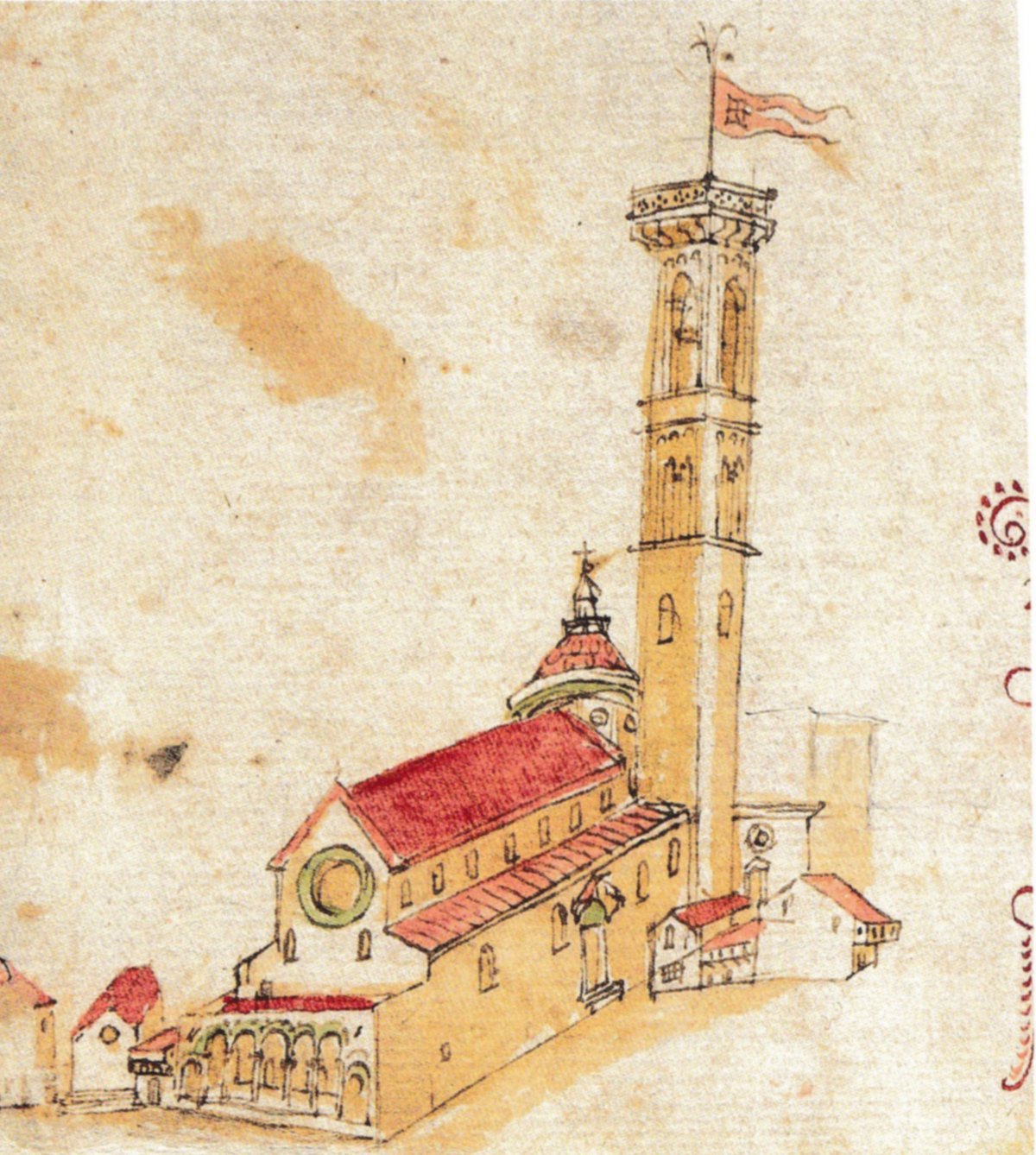
History of the Romanesque church demolished by Vasari in 1561.
Lay confraternities, Madonna della Ninna toponym, rosone myth.
Summer concerts and opera programme in Boboli.
160,000 paper records continuing the building's original bureaucratic function.
Flag-throwing tradition tied to the Uffizi name and Florentine civic processions.
Tourism saturation data and 2017 ICOMOS mission warnings.
Researched from Wikidata, Wikipedia & official sources · fact-checked · How we make our guides →