Plan and listen to Roman Theatre, Fiesole with Audiala.
Audio guide in your pocket, itinerary in your browser. Built for the way you actually visit.
Introduction
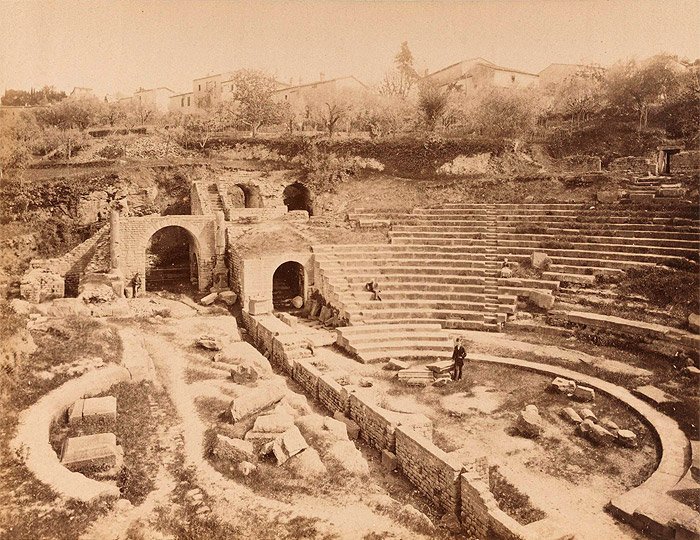
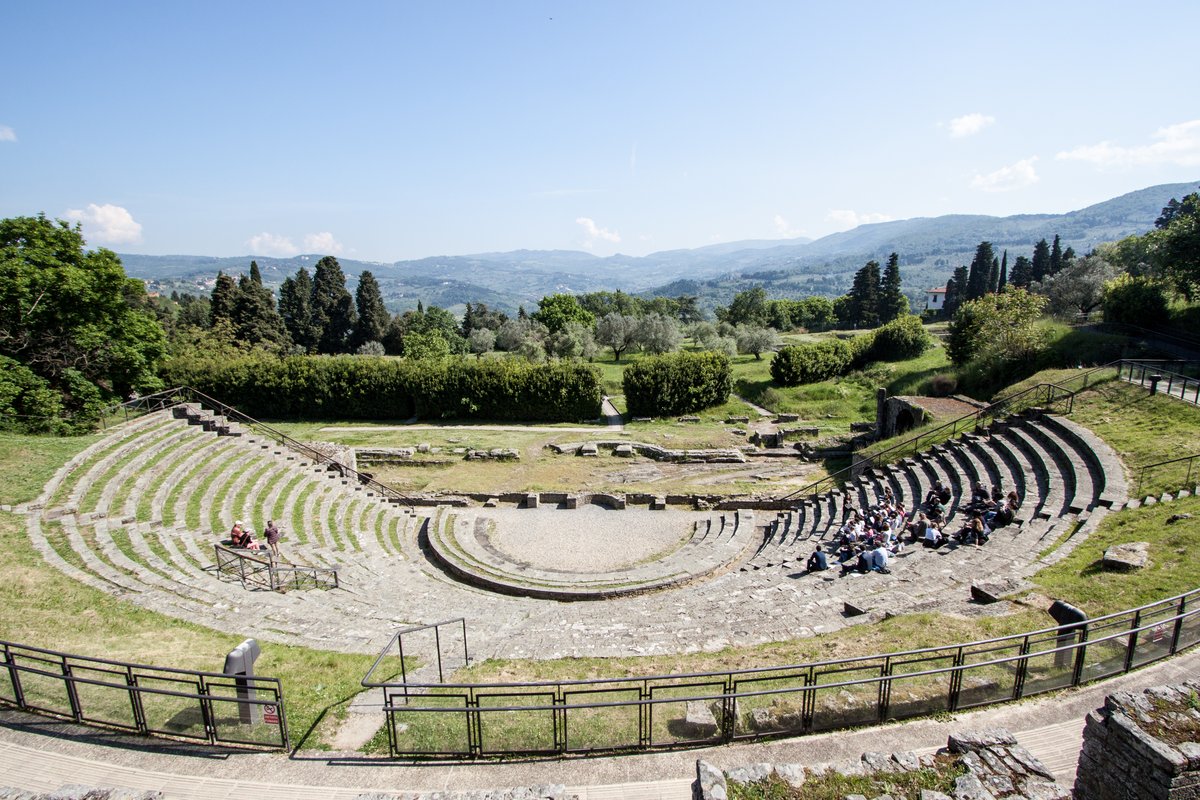
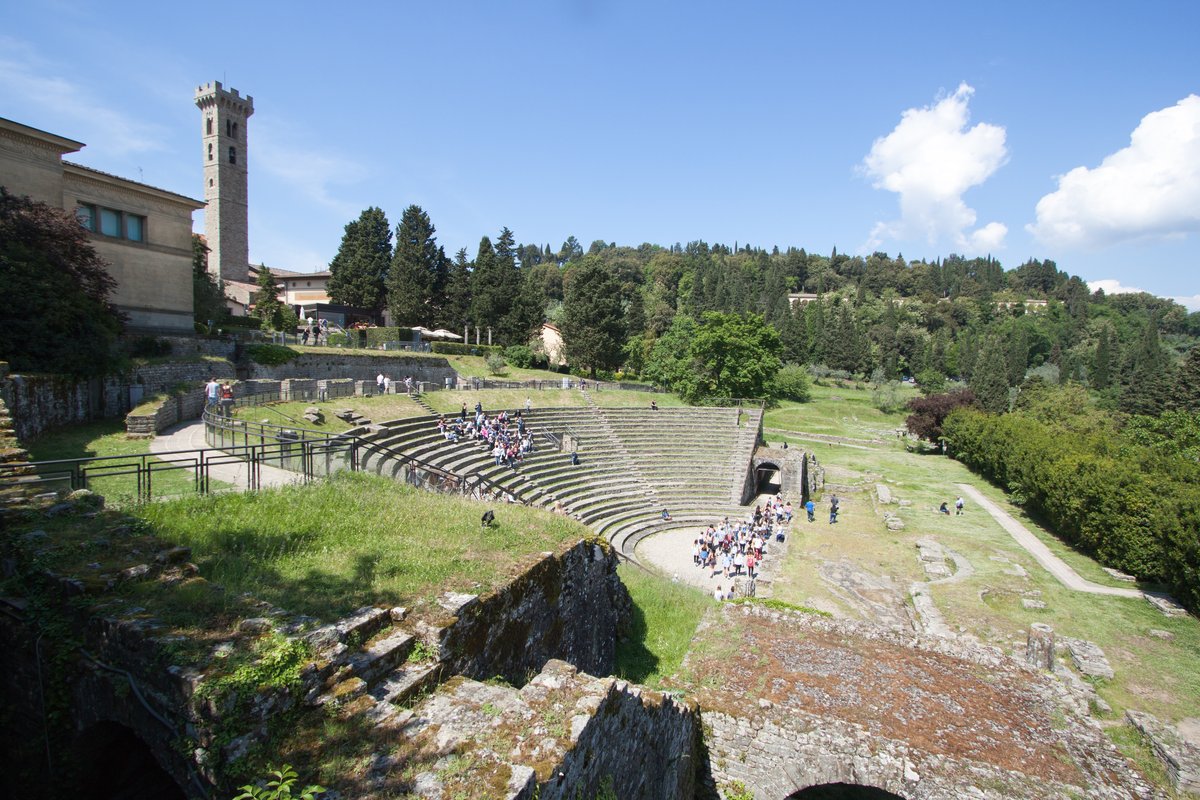
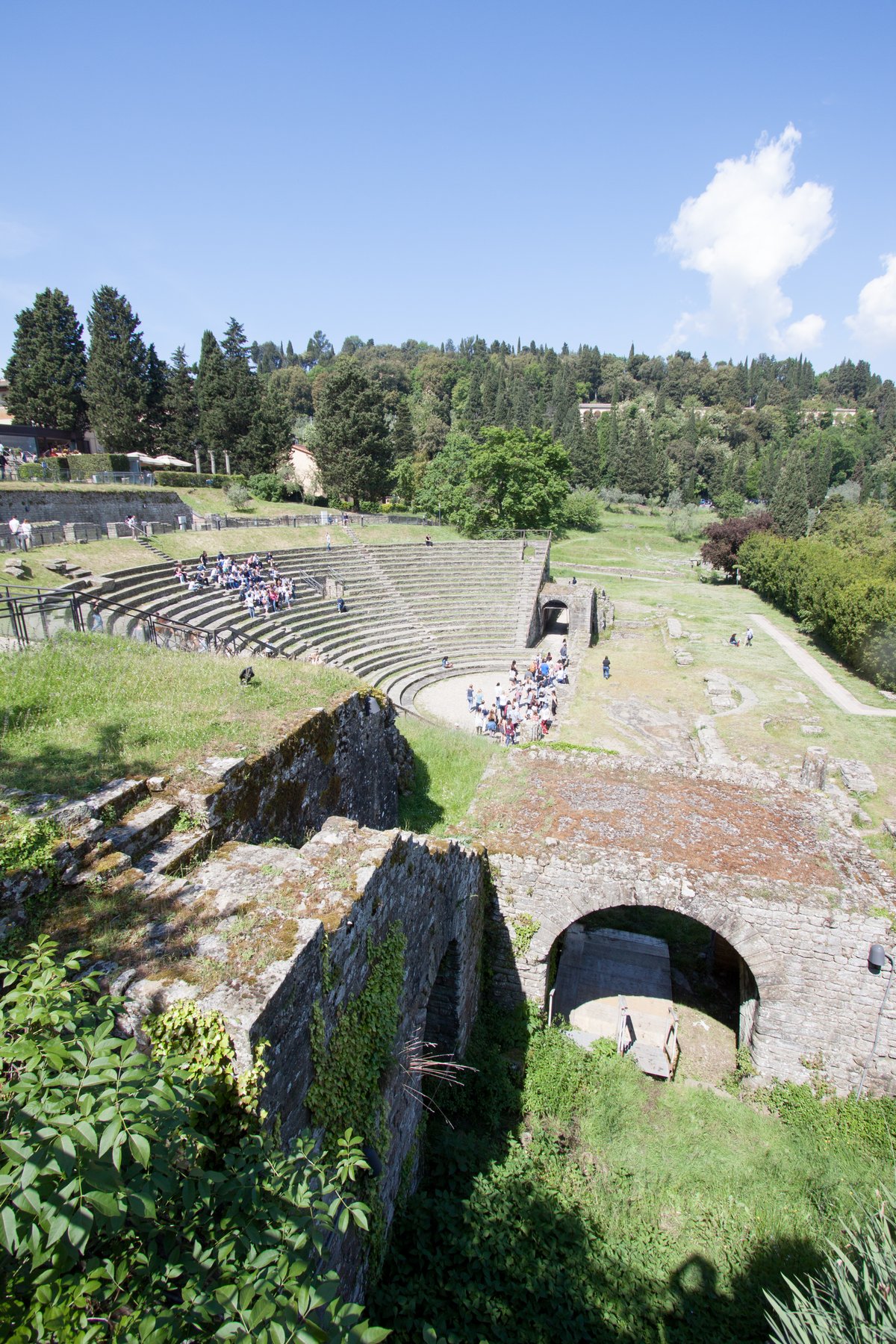
Nestled in the picturesque town of Fiesole, just a short distance from Florence, Italy, the Teatro Romano di Fiesole is a captivating relic of the Roman Empire. Built in the 1st century BCE during the reign of Emperor Augustus, this ancient theater stands as a testament to Roman architectural ingenuity and cultural richness (Fiesole Archaeological Area). Its semi-circular cavea, orchestra, and elaborately decorated scaenae frons underscore the sophistication of Roman design and the theater's role as a social and cultural hub for the community. Beyond its architectural marvels, the theater also hosted diverse performances, religious ceremonies, and public gatherings, reflecting its integral role in ancient Roman society (Roman Theatre Architecture). Today, the Teatro Romano di Fiesole continues to draw visitors from around the world, offering a unique journey back in time combined with modern cultural events (Estate Fiesolana). This guide aims to provide comprehensive information on the theater’s history, visitor details, and practical tips to enhance your visit.

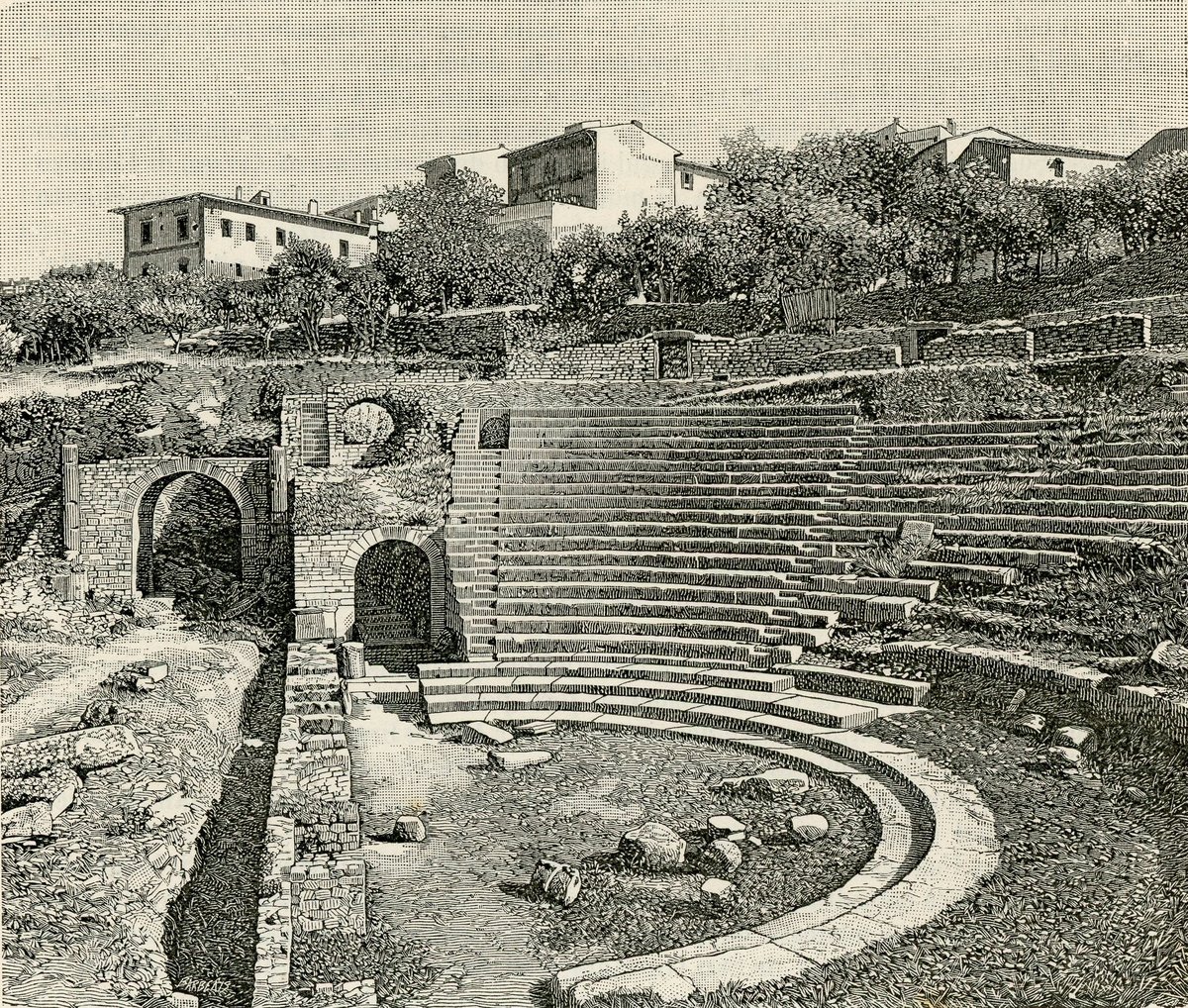

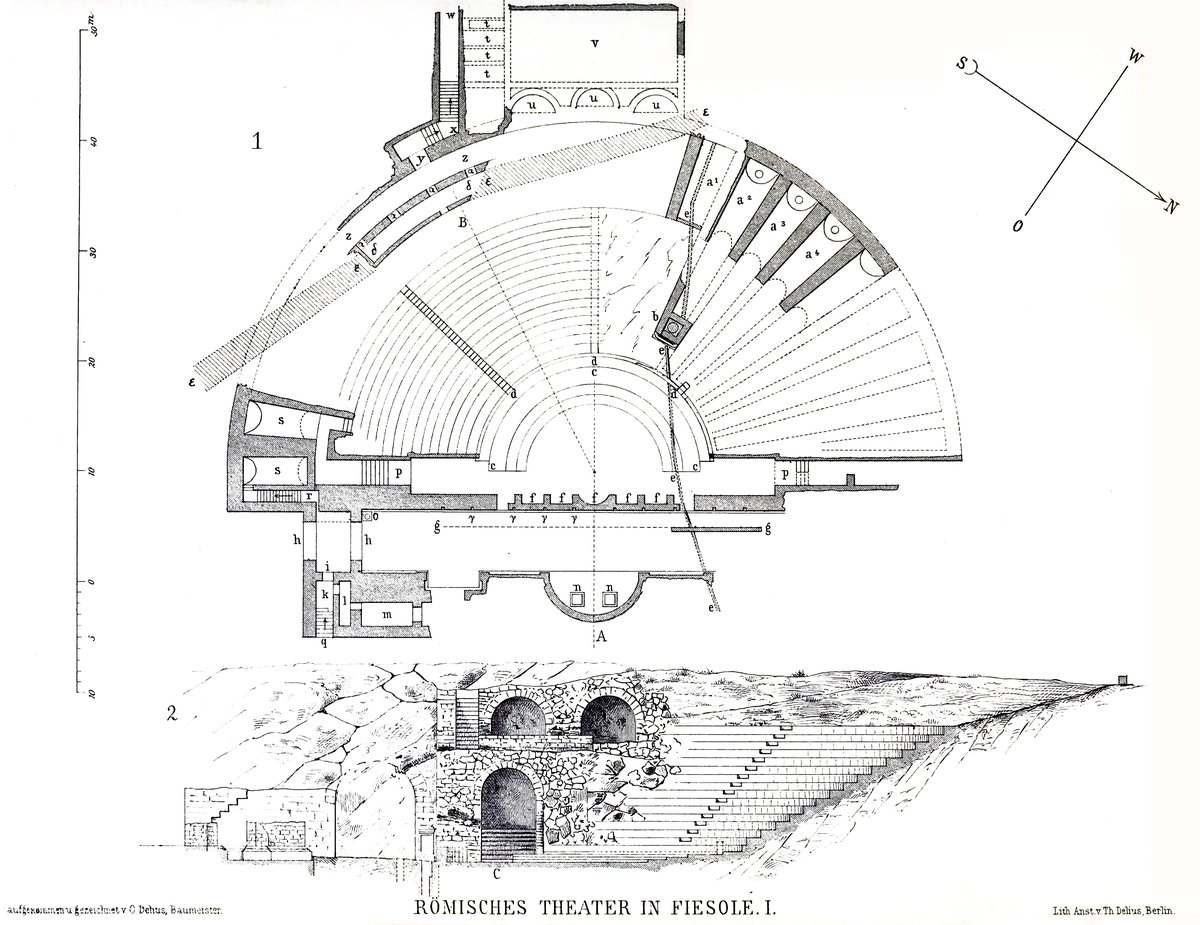
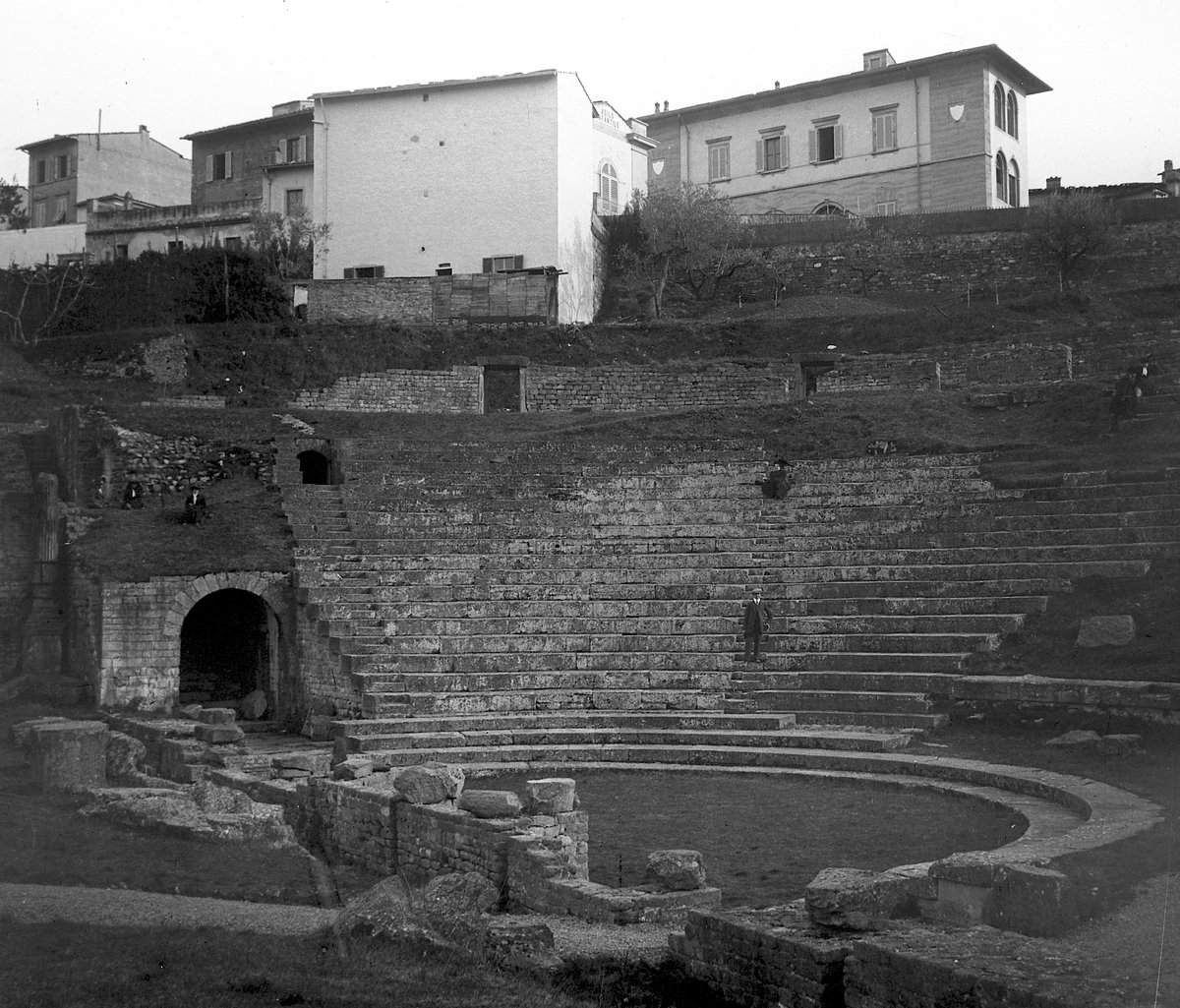
History of Teatro Romano di Fiesole
Origins and Construction
The Teatro Romano di Fiesole was constructed during the reign of Emperor Augustus in the 1st century BCE, a period marked by the expansion of Roman influence across Italy. Built into the natural slope of a hill, the theater benefits from excellent acoustics and a stable foundation, common features in Roman theater construction.
Architectural Features
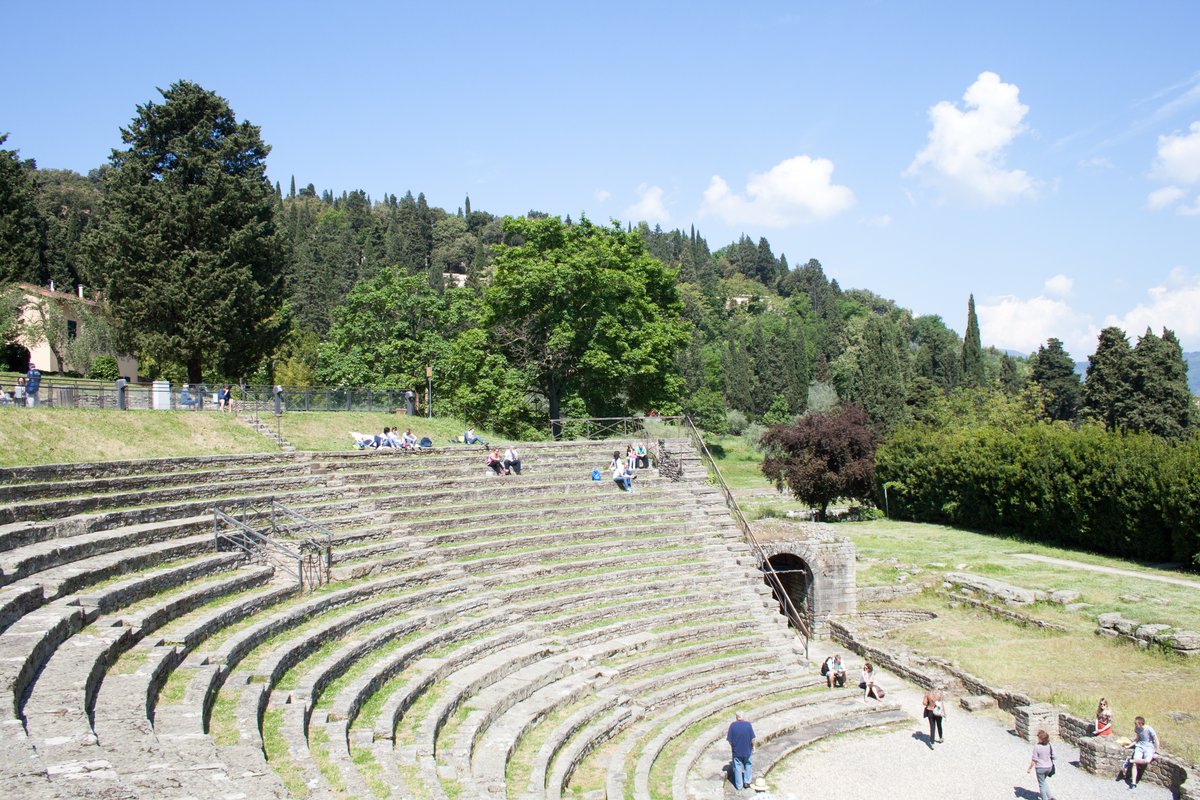
Designed to accommodate around 3,000 spectators, the theater showcases a typical Roman layout with a semi-circular cavea (seating area), an orchestra (performance space), and a scaenae frons (stage backdrop). The cavea's three tiers reflect the social hierarchy of the era, and the construction materials—local stone and marble—highlight the wealth and sophistication of Fiesole's inhabitants. The scaenae frons, adorned with columns and statues, adds to the theater's grandeur.
Cultural Significance
Beyond entertainment, the theater served as a cultural hub, hosting plays, musical performances, and public speeches, all integral to Roman social and political life. It was also a venue for religious ceremonies and festivals, which honored the gods and celebrated important dates in the Roman calendar.
Decline and Rediscovery
With the fall of the Roman Empire, the theater fell into disuse and was gradually buried. Its rediscovery in the 19th century, driven by a renewed interest in classical antiquity, revealed a well-preserved structure that provides valuable insights into Roman architecture and culture.
Visitor Information
Ticket Prices and Visiting Hours
The Teatro Romano di Fiesole is open to the public year-round. Ticket prices are as follows:
- Adults: €10
- Students and seniors: €7
- Children under 12: Free
Visiting hours are:
- April to October: 9:00 AM - 7:00 PM
- November to March: 10:00 AM - 5:00 PM
Travel Tips and Nearby Attractions
Located just a short bus ride from Florence, the theater is an ideal day trip for history enthusiasts. Nearby attractions include the Fiesole Archaeological Museum, which houses artifacts from the site, and the stunning views of the Tuscan countryside. Consider combining your visit with a stroll through Fiesole's charming streets and a meal at a local trattoria.
Accessibility
The site is partially accessible to visitors with mobility impairments. While the main areas are reachable, some sections may pose challenges due to uneven terrain. It is advisable to check accessibility details in advance (Fiesole Archaeological Area Visitor Information).
Special Events and Guided Tours
The Teatro Romano di Fiesole continues to host a variety of cultural events, including plays, concerts, and dance performances. Guided tours are available, offering deeper insights into the theater's history and architecture. These tours can be booked in advance through the official website.
Photographic Spots
The theater's picturesque setting provides numerous photographic opportunities. The hilltop location offers panoramic views of the surrounding countryside, making it a perfect spot for capturing memories of your visit.
FAQ
Q: What are the Teatro Romano di Fiesole visiting hours? A: The theater is open from 9:00 AM to 7:00 PM (April to October) and 10:00 AM to 5:00 PM (November to March).
Q: How much do tickets cost? A: Tickets are €10 for adults, €7 for students and seniors, and free for children under 12.
Q: Is the theater accessible for visitors with mobility impairments? A: The site is partially accessible. Some areas may be challenging to navigate due to uneven terrain.
Q: Are guided tours available? A: Yes, guided tours can be booked in advance through the official website.
Discover More
Stay updated on the latest events and news from Teatro Romano di Fiesole by downloading the Audiala mobile app, exploring related posts on our site, and following us on social media.
Listen to the full story in the app
The whole Roman Theatre, Fiesole,
told well.
Audio guides for 1,100+ cities across 96 countries. History, stories, and local insight — offline ready.
Verified, and shown.
Researched and written by the Audiala editorial team from historical records, architectural archives, and local expertise.
Researched from Wikidata, Wikipedia & official sources · fact-checked · How we make our guides →