Plan and listen to Ponte Alla Carraia with Audiala.
Audio guide in your pocket, itinerary in your browser. Built for the way you actually visit.
Introduction
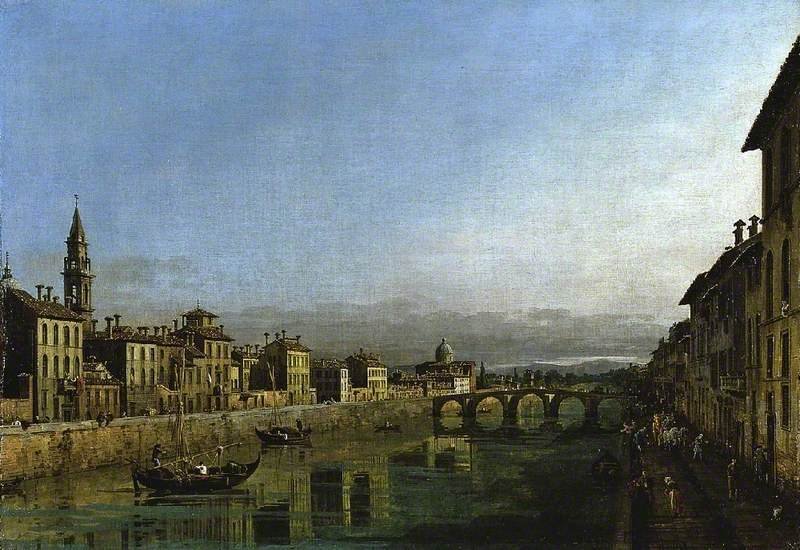
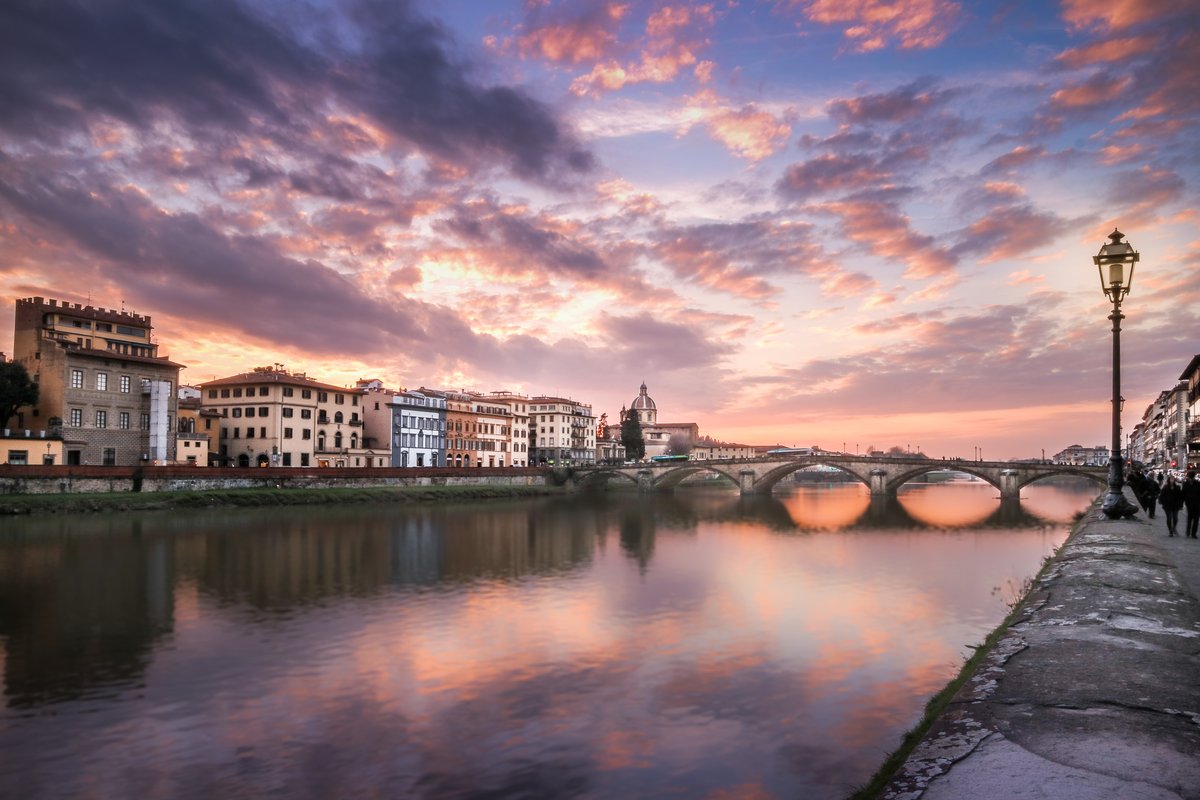
The Ponte alla Carraia stands as one of Florence's oldest and most cherished bridges, embodying centuries of rich history and architectural ingenuity. Situated across the Arno River, this iconic bridge has witnessed Florence's vibrant past, from its medieval origins to its contemporary significance. Constructed in 1218 and initially known as Ponte Nuovo, the bridge was vital in facilitating the movement of goods and people, bolstering Florence's economic and social fabric. Over the centuries, the Ponte alla Carraia has undergone several reconstructions due to natural disasters and wartime devastation, each phase adding layers to its historical and architectural narrative (Florence Inferno). Today, the bridge is not only a functional crossing but also a vantage point offering breathtaking views of the Arno River and the surrounding cityscape. This guide delves into the bridge's fascinating history, provides practical visitor information, and offers tips for exploring this enduring symbol of Florence's resilience and creativity.

History of Ponte alla Carraia
Early Beginnings
The Ponte alla Carraia, originally known as Ponte Nuovo, was constructed in 1218 to facilitate the movement of goods and people across the Arno River. It was built to connect the bustling commercial district of Oltrarno with the city center, enhancing trade and communication within Florence.
Medieval Reconstruction
The bridge's early years were marked by reconstructions due to natural disasters. In 1304, a catastrophic flood destroyed the original wooden structure, prompting a rebuild using stone, a more durable material.
Renaissance Enhancements
In 1557, another flood led to a complete overhaul of the bridge. The renowned architect Bartolomeo Ammannati was commissioned to design a new structure with five elegant arches, reflecting the architectural advancements of the Renaissance period.
19th Century Modifications
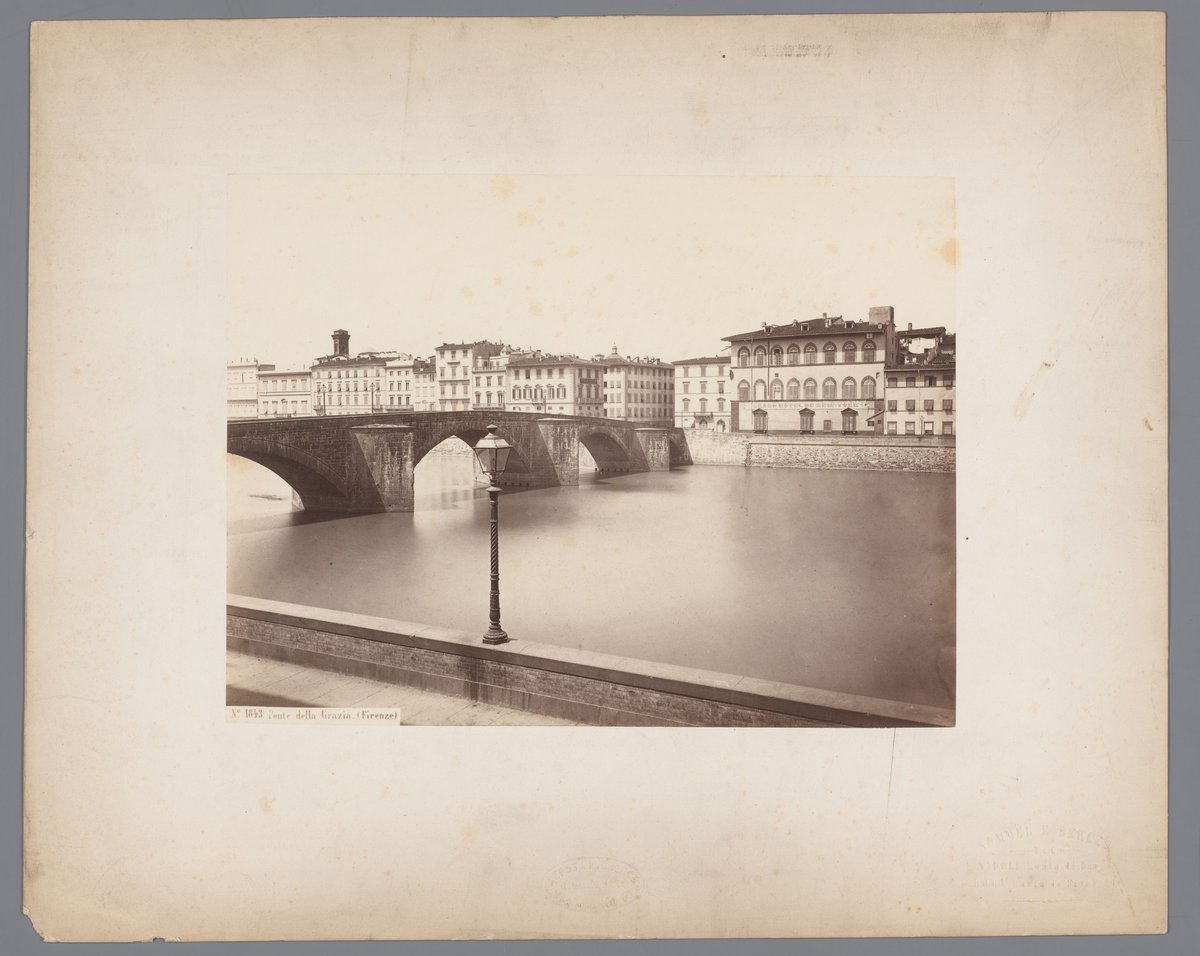
In 1867, the bridge was widened to accommodate increasing traffic. This expansion was part of a broader urban development plan aimed at modernizing Florence's infrastructure.
World War II Destruction and Reconstruction
In 1944, retreating German forces destroyed the bridge. Post-war reconstruction efforts were swift, and by 1948, the bridge was rebuilt, retaining its historical five-arch design.
Visitor Information
Visiting Hours
The Ponte alla Carraia is accessible 24/7, offering both day and night-time experiences of the Arno River and Florence's skyline.
Tickets
Visiting the bridge is free of charge. However, guided tours of Florence's historical sites often include the Ponte alla Carraia in their itineraries.
Accessibility
The bridge is fully accessible to pedestrians, including those with mobility impairments. The cobblestone paving may require some caution.
Nearby Attractions
- Piazza Santo Spirito - A lively square known for its nightlife and cultural events.
- Pitti Palace - A grand Renaissance palace housing several museums and galleries.
- Basilica di Santo Spirito - A beautiful church showcasing Renaissance art and architecture.
Tips for Exploring
- Best Time to Visit - Early morning or late afternoon for fewer crowds and beautiful lighting for photographs.
- Photographic Spots - Capture stunning views of the Arno River and Florence’s skyline from the center of the bridge.
- Special Events - Look out for art installations and performances that occasionally take place on the bridge.
Architectural Features
The current structure of the Ponte alla Carraia showcases a blend of historical and modern elements. The five stone arches provide both structural support and visual elegance. The bridge's roadway is paved with traditional cobblestones, enhancing its historical ambiance.
Cultural Impact
Throughout its history, the Ponte alla Carraia has been a focal point for various events and activities. During the Renaissance, it was a popular spot for public gatherings. Today, it continues to be a vibrant part of Florence's cultural scene.
Preservation Efforts
Florence's municipal authorities prioritize the preservation of the Ponte alla Carraia. Regular maintenance and restoration efforts ensure that the bridge remains in excellent condition, preserving its historical and architectural integrity.
Visitor Experience
Walking across the Ponte alla Carraia provides stunning views of the Arno River and the city's skyline. Its central location makes it an ideal starting point for exploring Florence's many attractions.
FAQ
What are the visiting hours for Ponte alla Carraia?
- The bridge is accessible 24/7.
Are there guided tours available for Ponte alla Carraia?
- Yes, many guided tours of Florence's historical sites include the Ponte alla Carraia.
Is the Ponte alla Carraia accessible for visitors with mobility impairments?
- Yes, but caution is advised due to the cobblestone paving.
Tickets & tours.
These are guided options from our partners — same price as booking direct.
Prices are indicative — final pricing and availability are confirmed at checkout. Audiala may earn a commission from bookings made through these links.
Listen to the full story in the app
The whole Ponte Alla Carraia,
told well.
Audio guides for 1,100+ cities across 96 countries. History, stories, and local insight — offline ready.
Verified, and shown.
Researched and written by the Audiala editorial team from historical records, architectural archives, and local expertise.
Ponte alla Carraia
Ponte alla Carraia
Ponte alla Carraia
(2020, July). Ponte alla Carraia History
Ponte alla Carraia
Ponte alla Carraia
Researched from Wikidata, Wikipedia & official sources · fact-checked · How we make our guides →