Plan and listen to Pazzi Chapel with Audiala.
Audio guide in your pocket, itinerary in your browser. Built for the way you actually visit.
Introduction
Nestled within the Basilica di Santa Croce complex in Florence, Italy, the Pazzi Chapel (Cappella dei Pazzi) stands as one of the most celebrated masterpieces of early Renaissance architecture. Commissioned by the powerful Pazzi family in the 15th century, this chapel is a testament to Florence’s artistic and cultural heritage. Designed by Filippo Brunelleschi, the architect behind the iconic dome of Florence Cathedral, the chapel epitomizes Renaissance ideals—proportion, geometry, and humanist philosophy—while also bearing witness to dramatic chapters of Florentine history.
This comprehensive guide will take you through the chapel’s historical background, architectural and artistic significance, practical visitor information (hours, tickets, accessibility), travel tips, and frequently asked questions. Whether you are an art enthusiast or a curious traveler, use this resource to plan a seamless visit and fully appreciate one of Florence’s most treasured sites (Love from Tuscany; Santa Croce Opera; Britannica; FlorenceWise).

Historical Background
Origins and Patronage
The Pazzi Chapel was commissioned in 1429 by Andrea de’ Pazzi, patriarch of the influential Pazzi banking family, as both a private family mausoleum and the chapter house for the Franciscan monks of Santa Croce (Love from Tuscany; Santa Croce Opera). Constructed within the first cloister of the basilica, the chapel was a symbol of the Pazzi’s ambition to secure their legacy and rival the Medici’s influence in Florence (The History of Art).
Architectural Vision and Construction
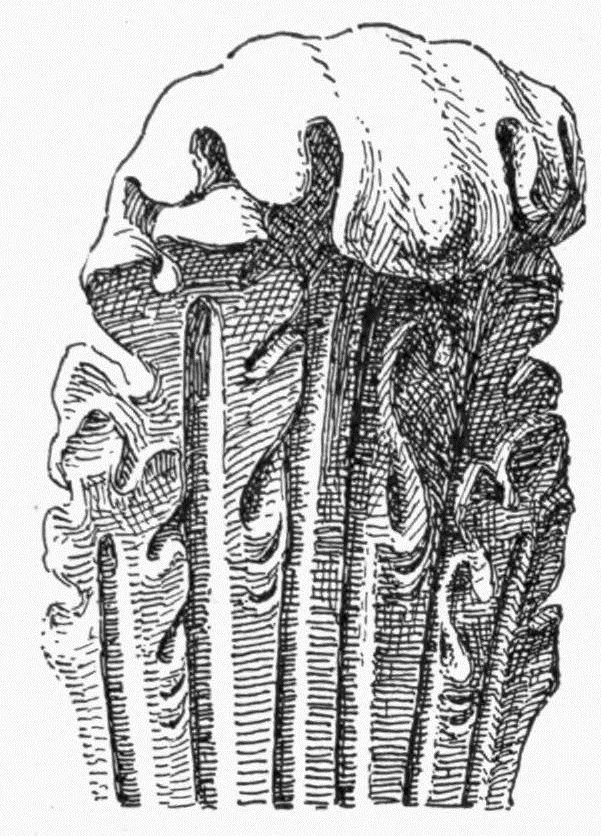
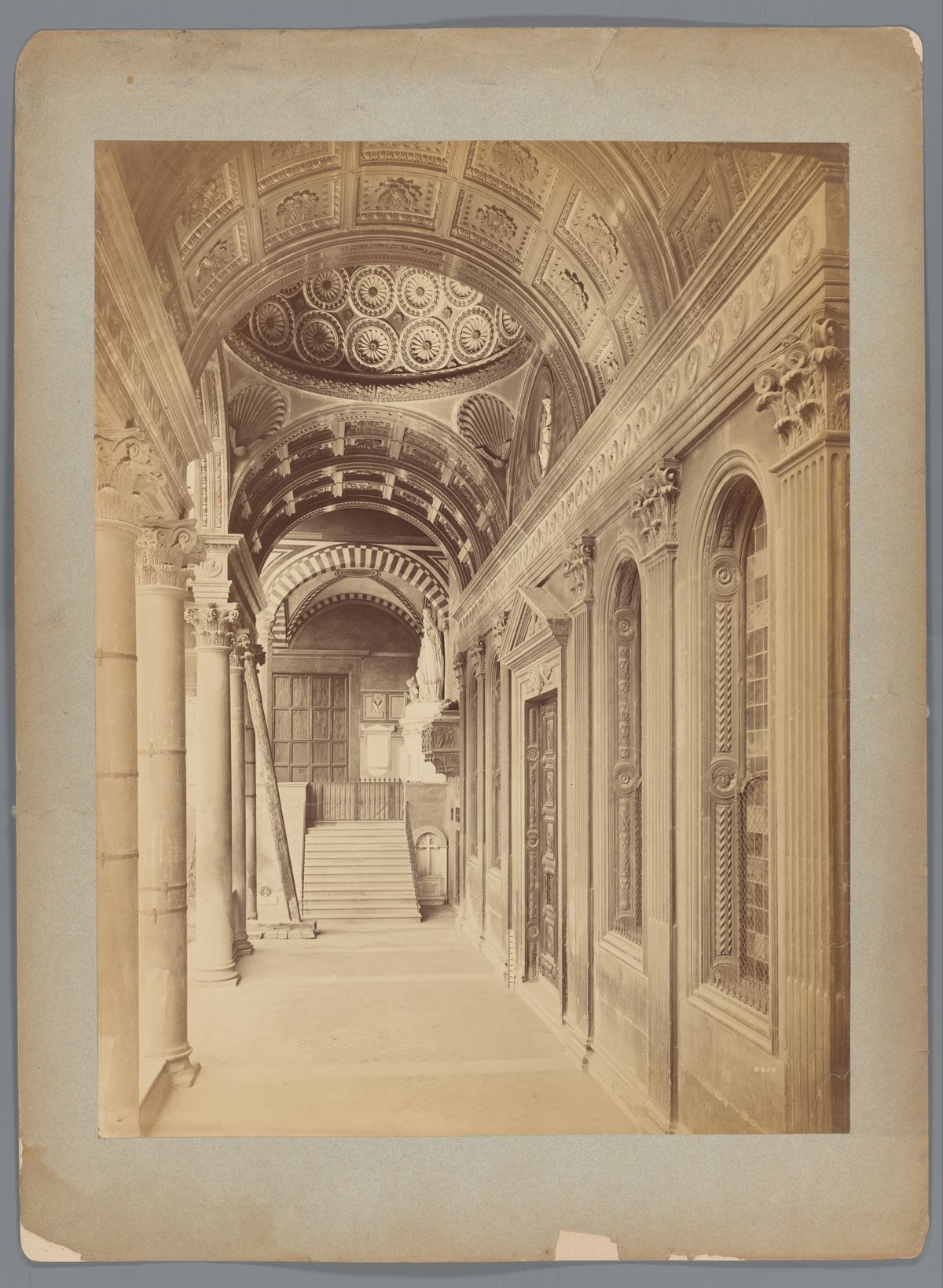
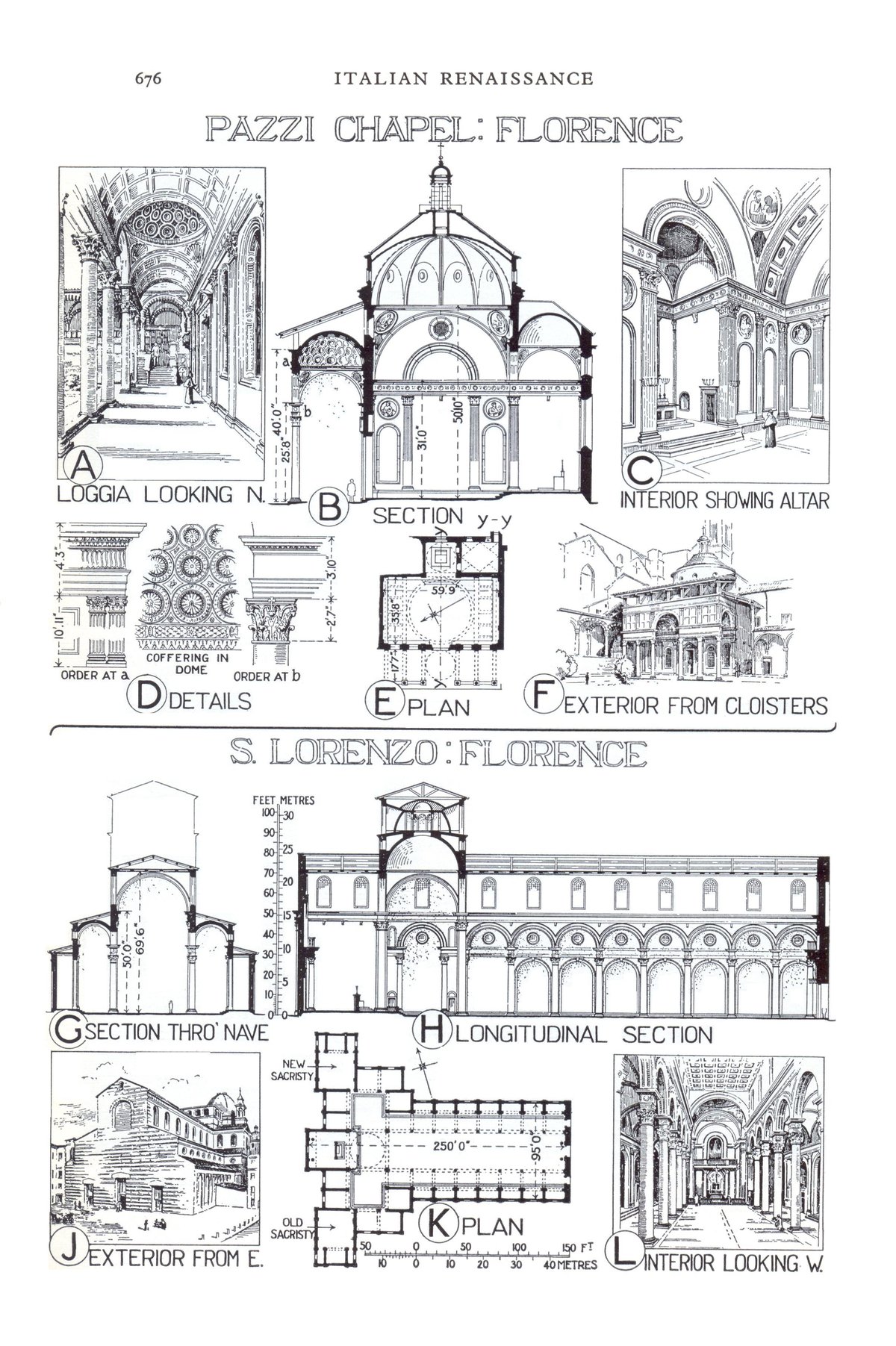
Filippo Brunelleschi, a pioneer of Renaissance architecture, is widely credited with the chapel’s design, although the final phases may have involved Giuliano da Maiano and Michelozzo after Brunelleschi’s death in 1446 (Britannica; Archeetect). The chapel exemplifies Brunelleschi’s mastery of geometric harmony, with a modular plan centered on squares and circles, a hemispherical dome, and a portico adorned with six Corinthian columns (Santa Croce Opera). The use of pietra serena, a local gray sandstone, against white plaster creates a luminous and serene interior (Archeetect).
Construction began in 1442, following delays due to a fire in the complex and subsequent funding (Santa Croce Opera). While the main structure was completed by 1444, decorative work continued for decades.
Art and Decoration
The Pazzi Chapel’s restrained decorative scheme reflects Renaissance values of clarity and balance. Luca della Robbia’s glazed terracotta roundels (tondi) depicting apostles and evangelists grace the dome and portico, providing vibrant blue-and-white accents (Love from Tuscany). The absence of a large altarpiece draws attention to the architecture and the interplay of light and space, while the Pazzi coat of arms is subtly integrated into the décor (Archeetect).
Historical Events and the Pazzi Conspiracy
The chapel’s history is indelibly linked to the Pazzi Conspiracy of 1478. The Pazzi family, in alliance with others and with papal support, attempted to assassinate Lorenzo de’ Medici and his brother Giuliano during mass at Florence Cathedral (Ancient Origins). While Giuliano was killed, Lorenzo survived, resulting in the Pazzi family’s exile and the confiscation of their assets, which brought construction and embellishment of the chapel to a halt (CAFTours).
Architectural & Artistic Significance
Design Principles
The Pazzi Chapel is a quintessential example of early Renaissance architecture, known for its symmetrical plan, harmonious proportions, and use of classical motifs (lionsinthepiazza.com; summerinitaly.com). The central square, covered by a hemispherical dome, and the portico’s temple-like façade reflect Brunelleschi’s dedication to geometric clarity (sfu.ca).
Brunelleschi’s Innovations
Brunelleschi’s use of pendentives to support the dome allowed for a spacious, open interior without intrusive supports—a technique inspired by Byzantine and Roman precedents (sfu.ca). The integration of structure and decoration, as seen in the interplay of gray pietra serena and white walls, demonstrates Renaissance ideals of order and rationality (florencetips.com).
Decorative Highlights
Luca della Robbia’s glazed terracotta tondi are among the chapel’s most celebrated features, adding color and spiritual symbolism. The frescoed dome, featuring a celestial motif, enhances the contemplative atmosphere (theflorenceinsider.com; summerinitaly.com).
Influence and Legacy
The Pazzi Chapel’s clear geometry and harmonious proportions influenced subsequent Renaissance buildings and remain a touchstone for architectural study (Christian.net; The History of Art). Its integration of architecture and decorative arts has inspired generations of architects and artists.
Practical Visitor Information
Location and Access
- Address: Piazza di Santa Croce, 16, 50122 Firenze FI, Italy
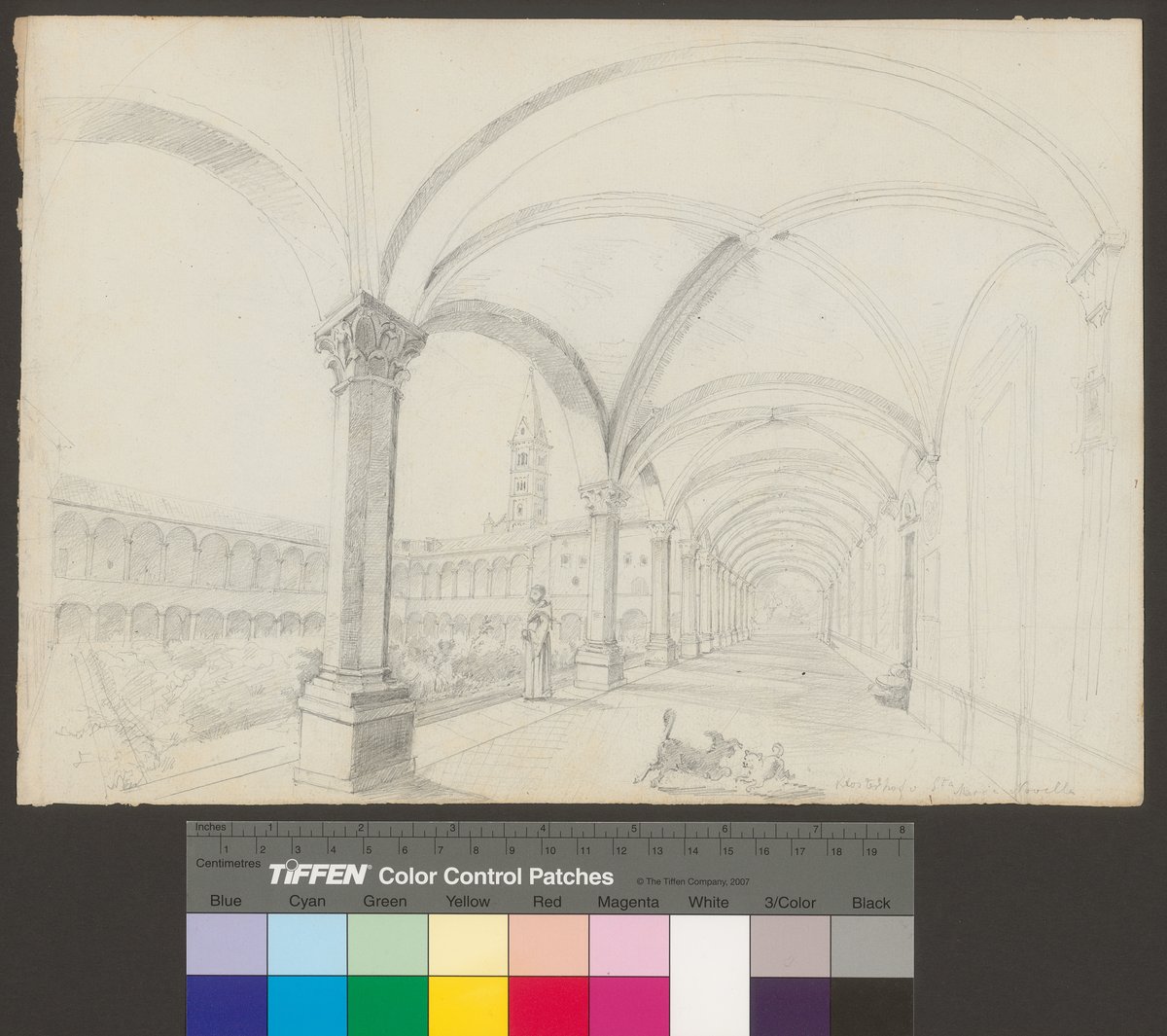
The chapel is accessed through the Santa Croce complex’s main entrance and is located in the first cloister (FlorenceWise; FirenzeLodging).
Visiting Hours
- Monday to Saturday: 9:30 AM – 5:30 PM
- Sundays & religious holidays: 12:30 PM – 5:45 PM
Last admission is 45 minutes before closing. Always verify current times on the official website.
Tickets and Booking
- Included with Santa Croce admission
- Ticket prices (as of June 2025):
- Adults: €8–€12
- Reduced: €6–€9 (students, seniors)
- Children under 11: Free
- How to buy:
- Online via Santa Croce Opera or authorized resellers
- At the ticket office (booking ahead recommended during peak season)
Accessibility
- The entire Santa Croce complex, including the Pazzi Chapel, is wheelchair accessible with ramps and adapted restrooms. Contact the basilica ahead for assistance.
Travel Tips
- Best times: Early morning or late afternoon, especially in April–May for fewer crowds (TravellersWorldwide).
- Dress code: Modest attire (shoulders and knees covered) is required.
- Photography: Allowed without flash or tripods; respect any posted restrictions.
- Allow at least 1.5–2 hours to explore the whole Santa Croce complex.
Facilities
- Restrooms and cloakroom available
- Gift shop and nearby cafés in Piazza Santa Croce
Nearby Florence Historical Sites
- Basilica di Santa Croce: Tombs of Michelangelo, Galileo, Machiavelli
- Piazza della Signoria & Palazzo Vecchio
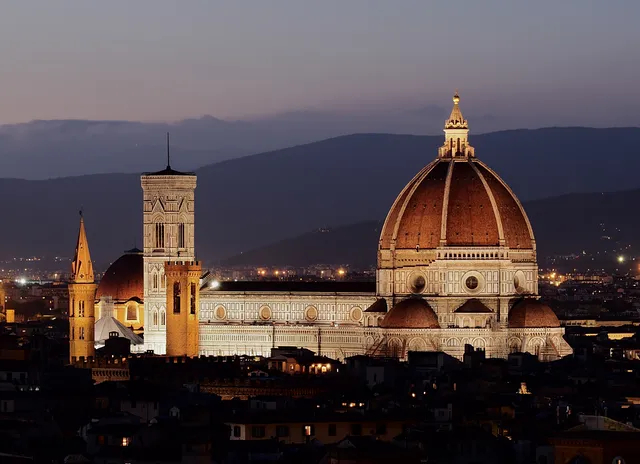
- Florence Cathedral (Duomo) and Baptistery
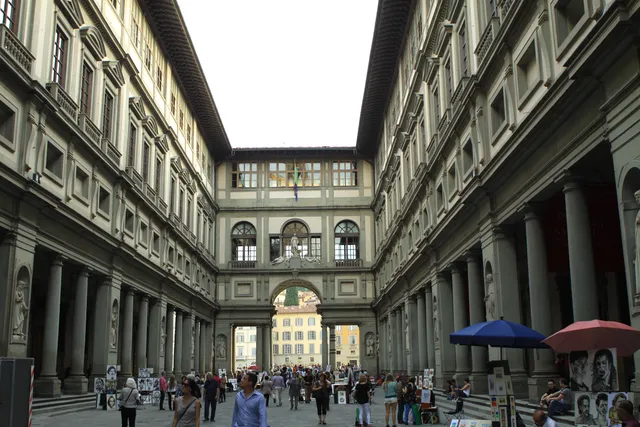
- Uffizi Gallery
All within walking distance, allowing for a rich day of Florentine discovery.
Frequently Asked Questions (FAQ)
Q: What are the Pazzi Chapel opening hours?
A: Monday to Saturday 9:30 AM–5:30 PM; Sundays and holidays 12:30 PM–5:45 PM. Last admission 45 minutes before closing.
Q: How can I buy Pazzi Chapel tickets?
A: Tickets are included with Santa Croce admission; buy online or at the entrance.
Q: Is the Pazzi Chapel wheelchair accessible?
A: Yes, ramps and accessible restrooms are available.
Q: Can I take photos inside?
A: Yes, non-flash photography is permitted.
Q: When is the best time to avoid crowds?
A: Early mornings, late afternoons, and months like April or May.
Summary and Final Tips
The Pazzi Chapel is a serene masterpiece of Renaissance architecture and a vital piece of Florence’s rich tapestry of history. Its harmonious proportions, innovative design, and evocative decorations encapsulate the spirit and ingenuity of the era. For the best experience, book tickets in advance, visit during off-peak hours, and consider a guided tour to deepen your appreciation. Respect the sacred nature of the site by dressing modestly and maintaining decorum. Use the Audiala app for expert audio guides and the latest updates. Embrace the opportunity to witness first-hand the harmony and innovation that continue to inspire admiration centuries after its creation (Santa Croce Opera; FlorenceWise; Love from Tuscany).
Listen to the full story in the app
The whole Pazzi Chapel,
told well.
Audio guides for 1,100+ cities across 96 countries. History, stories, and local insight — offline ready.
Verified, and shown.
Researched and written by the Audiala editorial team from historical records, architectural archives, and local expertise.
Researched from Wikidata, Wikipedia & official sources · fact-checked · How we make our guides →