Introduction
In the heart of Florence’s historic center, Palazzo Bartolini Salimbeni embodies Renaissance innovation and Florentine classicism. Commissioned by the influential Bartolini Salimbeni family in the early 16th century, its bold architectural design by Baccio d’Agnolo revolutionized local building traditions and signaled the city’s embrace of High Renaissance ideals. Today, the palazzo is both a testament to Florence’s rich artistic legacy and a vibrant venue for modern and contemporary art exhibitions. This detailed guide covers everything you need to know: history, architectural highlights, visiting hours, ticket details, accessibility, and tips for making the most of your visit—along with recommendations for nearby attractions.
Authoritative sources for this guide include Museo Firenze, Collezione Roberto Casamonti, The Florentine, and Itinerari nell’Arte.
- Historical Overview
- Architectural Significance
- Notable Residents and Cultural Legacy
- Role in Florentine History
- Visiting Hours & Ticket Information
- Visitor Tips & Facilities
- Nearby Attractions
- FAQ
- Summary & Call to Action
- References
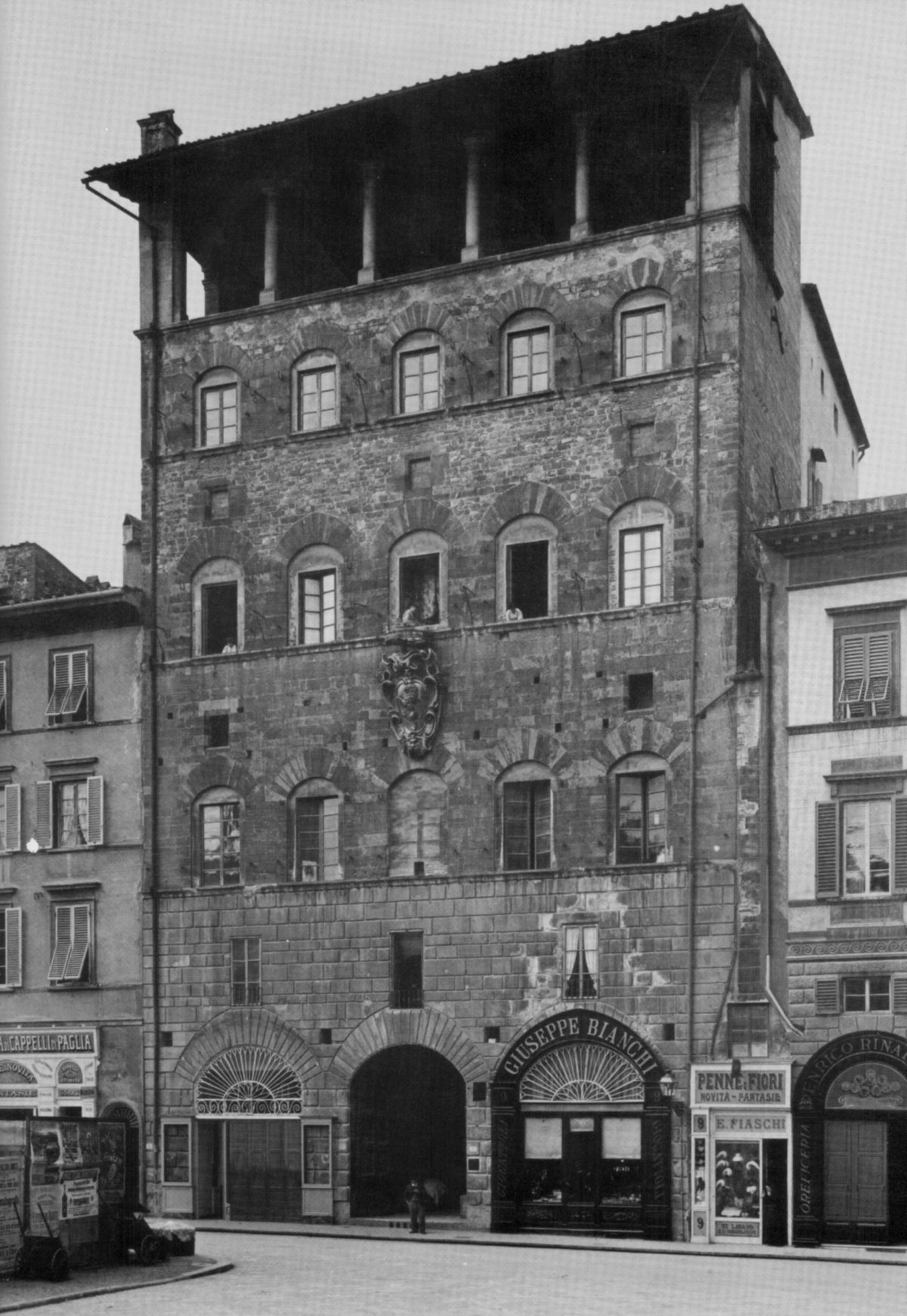
Palazzo Bartolini Salimbeni was constructed between 1520 and 1523 for Bartolomeo Bartolini Salimbeni, a prominent Florentine merchant. The family commissioned Baccio d’Agnolo, known for his mastery of woodcarving and architecture, to build a residence that would distinguish itself from the prevalent medieval styles (Museo Firenze).
This period in Florence was marked by the decline of the first Medici rule and a flourishing of Renaissance humanism. The palace replaced earlier medieval structures on Piazza Santa Trinita, reflecting the rise of private patronage and the desire among elite families to assert status through innovative architecture (Visit Florence).
Architectural Significance
Design Innovations
Palazzo Bartolini Salimbeni is recognized as Florence’s first High Renaissance palace, introducing architectural elements inspired by Roman models:
- Rusticated Ground Floor: Uncommon in Florence at the time, giving the building a robust presence.
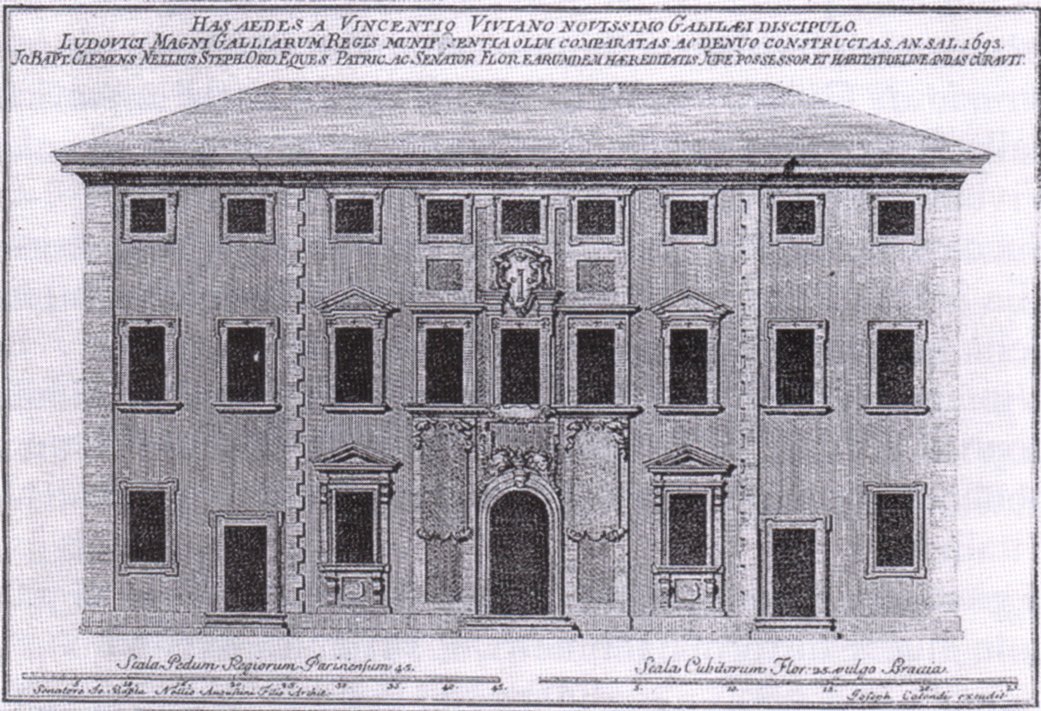
- Classical Portal & Windows: The main entrance is framed by columns and a triangular pediment, with windows topped by alternating triangular and segmental pediments (Florence Inferno).
- Symmetry & Proportionality: The façade’s balanced proportions broke from the asymmetry of earlier Florentine palaces.
- Central Courtyard: The interior features a light-filled courtyard surrounded by a loggia with classical columns and rounded arches.
Contemporary Florentines initially criticized these “foreign” elements. In response, the family inscribed above the entrance: Carpere promptius quam imitari (“It is easier to criticize than to imitate”), signaling confidence in their innovation (Museo Firenze).
Artistic Details
- Façade: Smooth ashlar masonry, pilasters, and pronounced cornices reflect classical order.
- Decorative Elements: The Bartolini Salimbeni crest, stone lions, and the family motto “Per non dormire” (“For not sleeping”) underscore nobility and vigilance.
- Interior: Grand staircases, coffered ceilings, frescoed rooms, and sgraffito courtyard decorations evoke Renaissance opulence (ArtTrav).
Notable Residents and Cultural Legacy
The palace remained in the Bartolini Salimbeni family for centuries, symbolizing their enduring prominence. In the 19th century, antiquarian Stefano Bardini used the building as a private museum (Museo Bardini). The 20th and 21st centuries saw careful restoration and a renewed cultural role.
Today, Palazzo Bartolini Salimbeni houses the Collezione Roberto Casamonti, a major collection of modern and contemporary art (Collezione Roberto Casamonti), while also serving as a venue for special events and scholarly gatherings (The Florentine).
Role in Florentine History
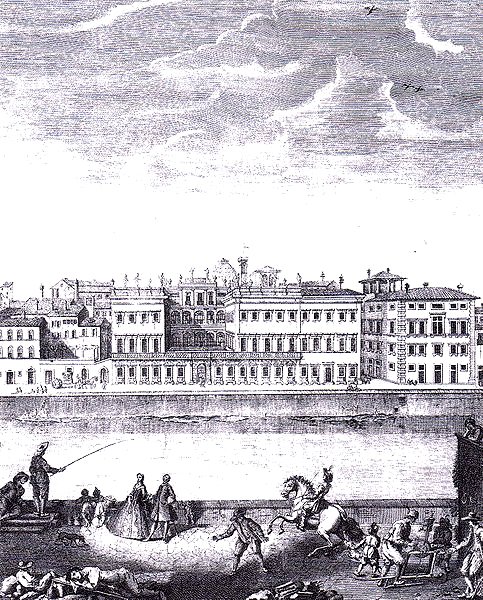
Palazzo Bartolini Salimbeni marked a turning point for Florentine architecture, paving the way for broader acceptance of Renaissance innovations from Rome. Its prominent location on Piazza Santa Trinita, opposite the church and near Ponte Santa Trinita, places it at the heart of the city’s historical and artistic landscape (Visit Florence).
The palazzo has also been a silent witness to dramatic moments, including wartime upheavals and the 1966 Florence flood, underscoring its role as a guardian of the city’s memory.
Visiting Hours & Ticket Information
Opening Hours
- Collezione Roberto Casamonti (piano nobile):
- Tuesday to Saturday: 10:00 a.m. – 1:00 p.m. and 2:00 p.m. – 7:00 p.m.
- Last entry: 30 minutes before closing
- Ticket office closes: 15 minutes before closing
- Closed: Sundays, Mondays, and public holidays
- Note: Hours may vary during special events; check the official website before visiting.
Ticket Prices
- Full Price: €12.00
- Reduced: €10.00 (visitors over 65, groups of 10+, select card holders)
- Youth (6–25 years): €8.00
- Free Admission: Children under 6, visitors with disabilities and carers, group leaders, professional journalists, tour guides, FirenzeCard holders
- Audioguide: €5.00
Tickets can be purchased online or at the ticket office. Advance booking is recommended, especially during peak seasons.
Guided Tours
- English-language tours: Fridays at 4:30 p.m. (€15, includes admission; no discounts)
- Booking: Required via phone (+39 055 602030) or email ([email protected])
Group visits must be booked in advance.
Accessibility
- The main exhibition is on the first floor, accessible via stairs. Visitors with mobility challenges should contact the museum in advance; elevator access can be arranged (Itinerari nell’Arte).
Visitor Tips & Facilities
- Amenities: Restrooms, limited cloakroom, museum shop
- Photography: Non-flash photography allowed (some restrictions may apply)
- Wi-Fi: Not guaranteed; inquire at the ticket desk
- Visitor Conduct: Silence and respect required, no food/drink in exhibition spaces, children must be supervised
Best times to visit: Weekday mornings or early afternoons for a quieter experience
Recommended visit duration: 60–90 minutes
Dress code: Smart casual recommended
Nearby Attractions
- Ponte Santa Trinita: Iconic Renaissance bridge
- Via de’ Tornabuoni: Florence’s luxury shopping street
- Santa Trinita Church: Famous for Sassetti Chapel frescoes (Santa Trinita Church)
- Piazza della Repubblica & Duomo: Within walking distance
Nearby dining options include historic cafés such as Caffè Gilli and Procacci. The museum shop offers art books and catalogues.
FAQ
Q: Is the palazzo wheelchair accessible?
A: The main exhibition floor is accessed by stairs; elevator access is possible if arranged in advance.
Q: Can I buy tickets online?
A: Yes, via the official website.
Q: Are guided tours available in languages other than English?
A: English tours are weekly; contact the museum for other language options.
Q: Is photography allowed?
A: Non-flash photography is permitted, with some restrictions.
Q: Are children allowed?
A: Yes; children under 6 enter free and must be supervised.
Visuals and Virtual Tours
Explore high-quality images and virtual tours on the Collezione Roberto Casamonti website. Alt tags include “Palazzo Bartolini Salimbeni Renaissance façade,” “Palazzo Bartolini Salimbeni central courtyard,” and “Collezione Roberto Casamonti exhibition space.”
Discover More
Palazzo Bartolini Salimbeni is a cornerstone of Florence’s Renaissance heritage and a vibrant cultural destination. Its blend of historical architecture and contemporary art makes it essential for any Florence itinerary. For up-to-date details on visiting hours, tickets, and events, visit the Collezione Roberto Casamonti website and follow official social media channels. Enhance your cultural experience with guided tours and pair your visit with nearby historical sites. Download the Audiala app for personalized travel tips, and immerse yourself in the story of Florence’s artistic evolution.
Listen to the full story in the app
Your Personal Curator, in Your Pocket.
Audio guides for 1,100+ cities across 96 countries. History, stories, and local insight — offline ready.
Audiala App
Available on iOS & Android
Join 50k+ Curators
Sources
- verified
- verified
- verified
- verified
- verified
- verified
- verified
Last reviewed: