Introduction
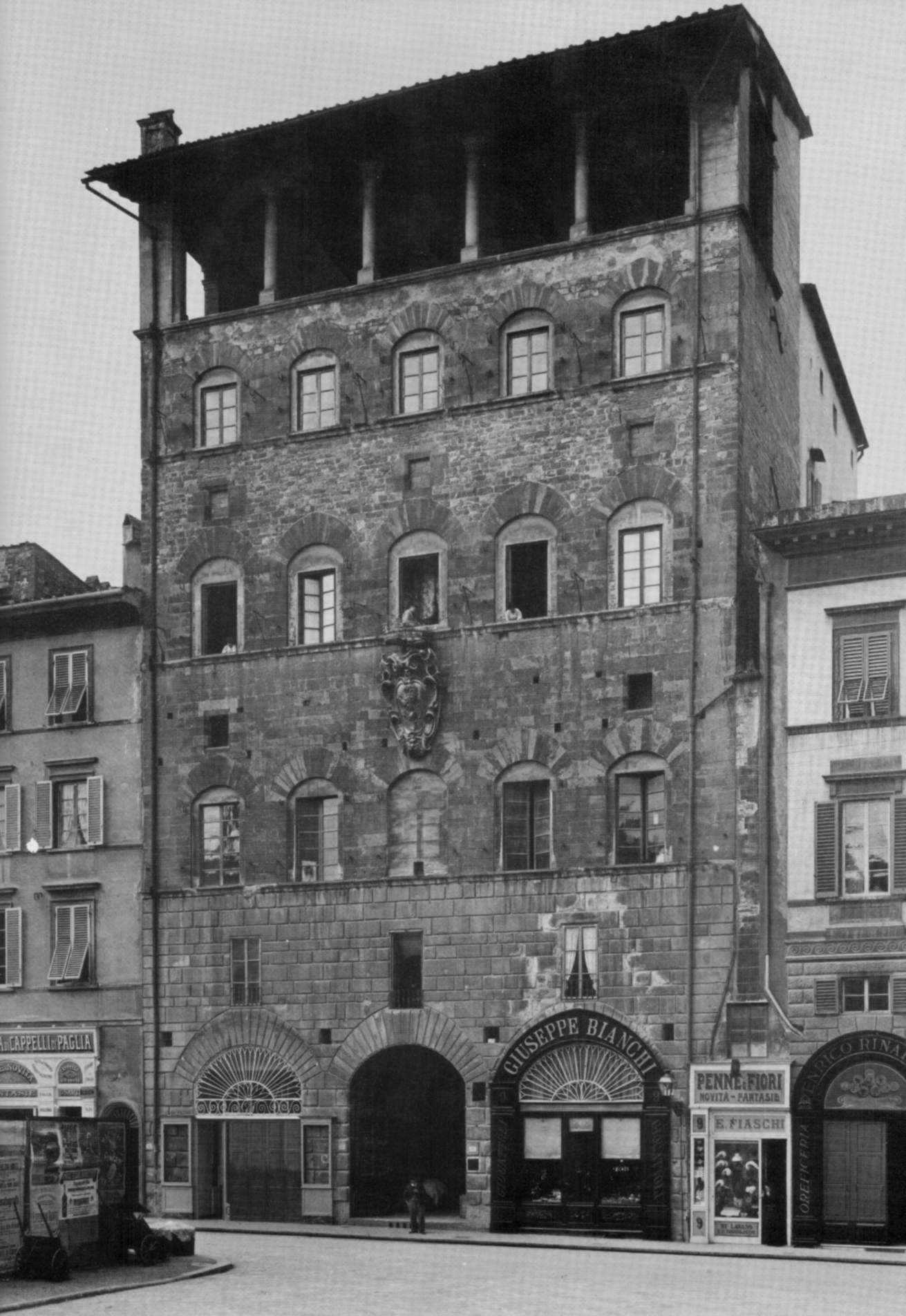
Nestled in the heart of Florence, the Palazzo Medici Riccardi—often referred to as Palazzetto Medici—stands as a hallmark of Renaissance art, architecture, and political history. Commissioned in the mid-15th century by Cosimo de’ Medici and designed by Michelozzo di Bartolomeo, this palace marks the Medici family's ascent from wealthy bankers to powerful rulers, setting a standard for urban design and cultural patronage in Florence. The building’s distinctive rusticated stone façade, elegant internal courtyard, and interior masterpieces, like Benozzo Gozzoli’s Chapel of the Magi frescoes, not only showcase artistic innovation but also reflect the Medici’s political ambitions and influence (Palazzo Medici Riccardi Official Site, 2024; Florence Web Guide, 2024; Roaming Historian, 2024).
Today, Palazzo Medici Riccardi is both a museum and an administrative building, inviting visitors to explore its Renaissance and Baroque interiors, discover its artistic treasures, and experience the legacy of one of Italy’s most influential families. This comprehensive guide provides detailed information on visiting hours, ticketing, architectural highlights, accessibility, and tips to enhance your visit to this essential Florence historical site (Italy Magazine, 2024).
Origins and Construction
Commissioned by Cosimo de’ Medici in 1444 and designed by Michelozzo di Bartolomeo, the Palazzo Medici Riccardi was among the first true Renaissance residences in Florence. The Medici chose Michelozzo’s refined and restrained design over more ostentatious proposals, reflecting their desire to assert power without inciting the envy of rival families. Built on Via Larga (now Via Cavour), the palace’s location provided both strategic privacy and accessibility to the Medici’s other properties. The family moved in by 1458, and Cosimo resided there until his death in 1464 (Florence Web Guide, 2024).
Architectural Innovations and Features
Façade and Urban Context
The palace’s facade exemplifies Renaissance ideals of harmony and order, featuring three horizontal layers:
- Ground Floor: Heavy rustication for strength and stability.
- Piano Nobile: Smoother stone signifying the residential and ceremonial function.
- Upper Floor: The smoothest masonry, capped by a pronounced cornice, signaling refinement.
This gradation and the use of classical motifs established a new architectural language in Florence, influencing later palaces across the city (World History Journal, 2025).
Interior Courtyard and Layout
Inside, the palace centers around a harmonious courtyard with arcaded loggias, slender columns, and rounded arches, serving both private and public functions. The piano nobile housed opulent suites and the family’s private chapel, while upper floors accommodated guests and seasonal apartments (Wikipedia, 2024).
Chapel of the Magi
A highlight is the Cappella dei Magi, adorned with Benozzo Gozzoli’s fresco cycle (1459–1461), depicting the Procession of the Magi with contemporary portraits of Medici family members and allies. This not only served devotional purposes but also reinforced Medici political prestige (Roaming Historian, 2024).
The Medici Era: Art, Power, and Influence
Under Cosimo and, later, Lorenzo the Magnificent, the palace became a vibrant center of humanism and artistic patronage. Philosophers like Marsilio Ficino and artists such as Botticelli, Ghirlandaio, and even a young Michelangelo found support and inspiration here. The Medici used art as a means of soft power, enhancing their reputation and solidifying alliances across Europe (Italy Magazine, 2024).
The palace also witnessed dramatic events, including the 1478 Pazzi Conspiracy, an assassination attempt against Lorenzo and Giuliano de’ Medici, which ultimately consolidated Medici dominance in Florence (Roaming Historian, 2024).
Baroque Transformation and the Riccardi Family
After the Medici moved to the Palazzo Vecchio and later Palazzo Pitti, the original palace was sold in 1659 to the Riccardi family. The Riccardis nearly doubled the building’s size and introduced ornate Baroque elements, most notably the Galleria degli Specchi (Mirror Gallery), with its gilded stuccoes and Luca Giordano’s frescoes, including the “Apotheosis of the Medici” (Roaming Historian, 2024).
Modern Era: Museum and Public Space
Since the late 19th century, Palazzo Medici Riccardi has served as the seat of local government and a public museum, allowing visitors to explore its Renaissance and Baroque spaces, historic courtyards, and world-class artworks (Palazzo Medici Riccardi Official Site, 2024).
Visiting Information
Visiting Hours
- Palazzo Medici Riccardi: Open Tuesday–Sunday, typically from 9:00 AM to 7:00 PM (last entry 45 minutes before closing). Closed Mondays and major holidays (Palazzo Medici Riccardi Official Site, 2024).
- Chapel of the Magi: Access is limited to small groups for short visits to preserve the frescoes.
Tickets and Admission
- Ticket Prices: Standard tickets range from €10 to €15, with reduced rates for EU citizens aged 18–25, students, and seniors. Free for children under 18 and Florence residents. Prices may vary by season.
- Purchase: Buy online through the official website or at the ticket office. Advance booking is recommended, especially for the Chapel of the Magi.
Accessibility
- The palace offers wheelchair ramps and elevators for most areas, though some historic sections may be challenging. Assistance is available upon request.
Guided Tours and Audio Guides
- Multilingual guided tours and audio guides are available and can be booked online or on-site.
Travel Tips
- Visit early or late in the day to avoid crowds.
- Allow 1–1.5 hours to fully appreciate the palace’s art and architecture.
- Combine your visit with other nearby Florence historical sites such as the Duomo, Palazzo Vecchio, and Uffizi Gallery.
Palazzetto Medici in the Oltrarno: A Hidden Gem
While Palazzo Medici Riccardi is the iconic Medici palace, Palazzetto Medici in the Oltrarno district (Via Santo Spirito 58 rosso) offers a more intimate, artisan-focused experience. This three-story building, unified in the 15th century and remodeled in the 17th, is now home to the Angela Caputi jewelry atelier (Angela Caputi Official Site). Entry is free via the boutique during business hours (typically 10:00 AM–7:00 PM), and visitors can admire the architectural details and vibrant artisan atmosphere. Accessibility is limited to the ground floor, and there are no formal guided tours, though some walking tours of Oltrarno include the site (Fearlessly Italy).
Frequently Asked Questions (FAQ)
Q: How do I purchase tickets for Palazzo Medici Riccardi?
A: Tickets are available online via the official site or at the ticket office. Advance booking, especially for the Chapel of the Magi, is strongly advised.
Q: Are guided tours available?
A: Yes, in several languages. Book in advance for the best availability.
Q: Is the palace accessible for visitors with disabilities?
A: Most areas are wheelchair accessible; check in advance for specific needs.
Q: Can I take photos inside?
A: Non-flash photography is generally permitted, but restrictions apply in the Chapel of the Magi.
Q: Are there special exhibitions or events?
A: The palace hosts temporary exhibitions and events. Consult the official calendar for details.
Visuals and Interactive Elements
- High-quality images and virtual tours are available on the Palazzo Medici Riccardi website.
- For Palazzetto Medici, images and additional details are found on the Angela Caputi website.
Summary Table: Essential Visitor Information
| Aspect | Palazzo Medici Riccardi | Palazzetto Medici (Oltrarno) |
|---|---|---|
| Location | Via Cavour, Florence | Via Santo Spirito 58 rosso, Florence |
| Visiting Hours | Tue–Sun, 9:00 AM–7:00 PM (check schedule) | Typically 10:00 AM–7:00 PM (check boutique website) |
| Entry Fee | €10–€15 (reductions available) | Free (via boutique) |
| Guided Tours | Yes, multiple languages | Not regularly; some walking tours include stop |
| Accessibility | Wheelchair accessible (most areas) | Ground floor only, limited access upstairs |
| Key Highlights | Chapel of the Magi, Galleria degli Specchi, Renaissance courtyard | Artisan atelier, historic façade, boutique shopping |
| Nearby Attractions | Duomo, Palazzo Vecchio, Uffizi Gallery | Palazzo Pitti, Boboli Gardens, artisan workshops |
Cultural and Symbolic Significance
Palazzo Medici Riccardi is not just an architectural masterpiece but a living emblem of Florence’s Renaissance identity. Its harmonious proportions, innovative design, and world-class art reflect ideals of beauty, civic pride, and enlightened patronage that shaped modern Europe. Visiting this site offers unique insight into the social and cultural forces of the Renaissance (World History Journal, 2025; Italy Magazine, 2024).
Discover More
Palazzo Medici Riccardi is a cornerstone of Florence’s Renaissance legacy, offering an unparalleled journey through the art, politics, and culture that shaped the city and Europe as a whole. Secure your tickets in advance, plan your itinerary to include nearby historical sites, and consider guided tours for a deeper understanding. For more tips, event updates, and exclusive guided tours, download the Audiala app and follow us on social media. Make Palazzo Medici Riccardi a highlight of your Florentine adventure!
Listen to the full story in the app
Your Personal Curator, in Your Pocket.
Audio guides for 1,100+ cities across 96 countries. History, stories, and local insight — offline ready.
Audiala App
Available on iOS & Android
Join 50k+ Curators
Sources
- verified
- verified
- verified
- verified
Last reviewed: