Introduction
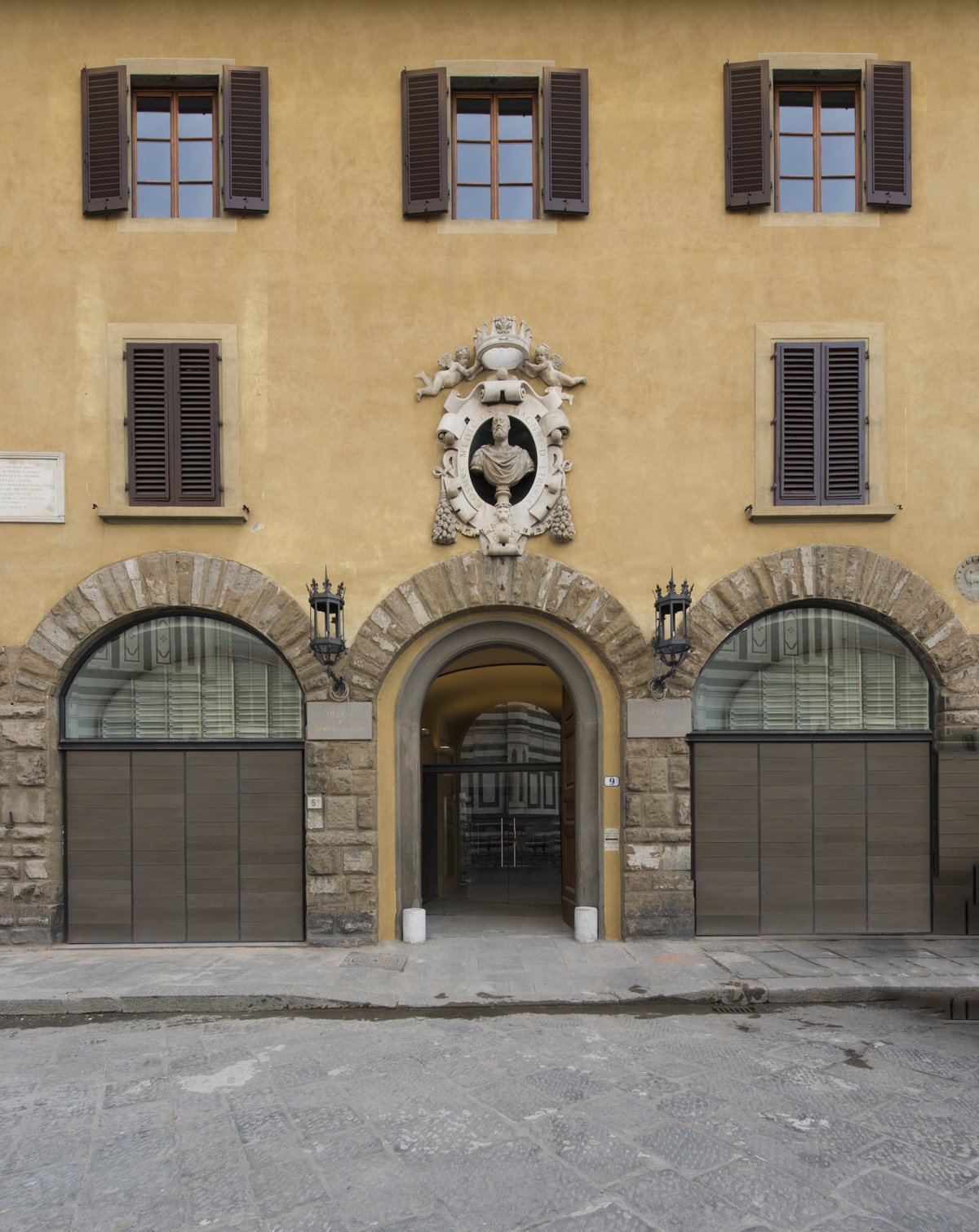
The Cappella dei Principi, also known as the Chapel of the Princes, stands as a remarkable testament to the grandeur and influence of the Medici family, one of the most powerful and influential families in Renaissance Florence. Conceived in the 16th century by Cosimo I de' Medici, the first Grand Duke of Tuscany, this magnificent mausoleum was intended to serve as the final resting place for the grand dukes of the Medici family. The chapel, an octagonal masterpiece of Florentine Baroque architecture, features breathtaking marble work, intricate mosaics, and precious stones, all reflecting the wealth and artistic patronage of the Medici dynasty. Architect Matteo Nigetti, following the plans of Bernardo Buontalenti, oversaw the construction that began in 1604 and spanned over two centuries (Visit Florence). From the opulent tombs of six grand dukes to the magnificent frescoes adorning the dome, the Cappella dei Principi is a symphony of art and craftsmanship that continues to captivate visitors with its beauty and historical significance. This comprehensive guide aims to provide you with all the necessary information, including the chapel's rich history, practical visitor tips, and everything you need to know for a memorable experience.
The Medici Vision - A Chapel for a Dynasty
The Medici family, prominent bankers and later rulers of Florence, envisioned a grand chapel to showcase their power and legacy. The idea for the Cappella dei Principi was first conceived in the 16th century by Cosimo I de' Medici, the first Grand Duke of Tuscany. He desired a magnificent mausoleum for himself and future generations of his family, a monument that would rival the grandeur of the Old Sacristy, the burial place of earlier Medici generations, located just across the Basilica di San Lorenzo (The Medici Project).
A Legacy in Stone and Marble - Construction and Design
Construction of the chapel began in 1604 under the guidance of architect Matteo Nigetti, who based his design on the earlier plans by Bernardo Buontalenti. The project was a massive undertaking, spanning over two centuries and involving numerous artists and craftsmen. The result was a masterpiece of Florentine Baroque architecture, an octagonal space crowned by a massive dome, the second largest in Florence after Brunelleschi's dome at the Duomo (Visit Florence).
The interior of the chapel is nothing short of opulent. The lower level features the sarcophagi of six grand dukes, each encased in precious stones like jasper, granite, porphyry, and lapis lazuli. The intricate designs and the sheer size of these tombs are a testament to the wealth and power the Medici family wielded.
A Symphony of Art and Craftsmanship - The Dome and Decorations
Above the tombs, the dome soars upwards, adorned with magnificent frescoes depicting biblical scenes. Painted by Pietro Benvenuti in the 19th century, these frescoes replaced an earlier design and depict scenes of the Creation, the Fall, and the stories of Noah, Abraham, Jacob, and Joseph. The dome itself is a marvel of engineering, designed to be both beautiful and structurally sound.
The chapel's decoration is a testament to the Medici's patronage of the arts. The family spared no expense in employing the finest artists and craftsmen of the day. From the intricate marble work to the vibrant mosaics, every detail speaks to the Medici's desire to create a space of unparalleled beauty and grandeur.
Visiting Information - Tickets, Hours, and Tips
To visit the Cappella dei Principi, you will need to purchase tickets. The chapel is part of the Medici Chapels Museum, and tickets can be bought online or at the entrance. It is advisable to book in advance, especially during peak tourist seasons.
- Tickets: Prices vary, with discounts available for students, seniors, and groups. Check the official website for the latest prices and availability.
- Visiting Hours: The chapel is open from Monday to Sunday, with varying hours depending on the season. Typically, it opens at 8:15 AM and closes at 1:50 PM. Always check the current schedule before planning your visit.
- Accessibility: The site is wheelchair accessible, and guided tours are available in multiple languages.
Travel Tips and Nearby Attractions
- Best Time to Visit: Early morning or late afternoon to avoid the crowds and enjoy a quieter experience.
- Photography: Photography is allowed, but flash and tripods are prohibited to preserve the delicate artwork.
- Nearby Attractions: Don't miss the Basilica di San Lorenzo, the Medici Riccardi Palace, and the bustling San Lorenzo Market, all within walking distance.
Special Events and Guided Tours
The Cappella dei Principi occasionally hosts special events and exhibitions. Guided tours offer deeper insights into the history and art of the chapel. Check the official website for current events and tour schedules.
FAQ
Q: Can I buy tickets on the day of my visit? A: Yes, but it is recommended to book in advance to avoid long lines.
Q: Are there any restrictions on what I can bring into the chapel? A: Large bags and backpacks are not allowed, and there are no locker facilities on-site.
Q: Is the chapel suitable for children? A: Yes, but young children should be supervised due to the delicate nature of the artwork.
Listen to the full story in the app
Your Personal Curator, in Your Pocket.
Audio guides for 1,100+ cities across 96 countries. History, stories, and local insight — offline ready.
Audiala App
Available on iOS & Android
Join 50k+ Curators
Sources
- verified
- verified
- verified
Last reviewed: