Plan and listen to Church Of St. Mary Of The Angels with Audiala.
Audio guide in your pocket, itinerary in your browser. Built for the way you actually visit.
Introduction
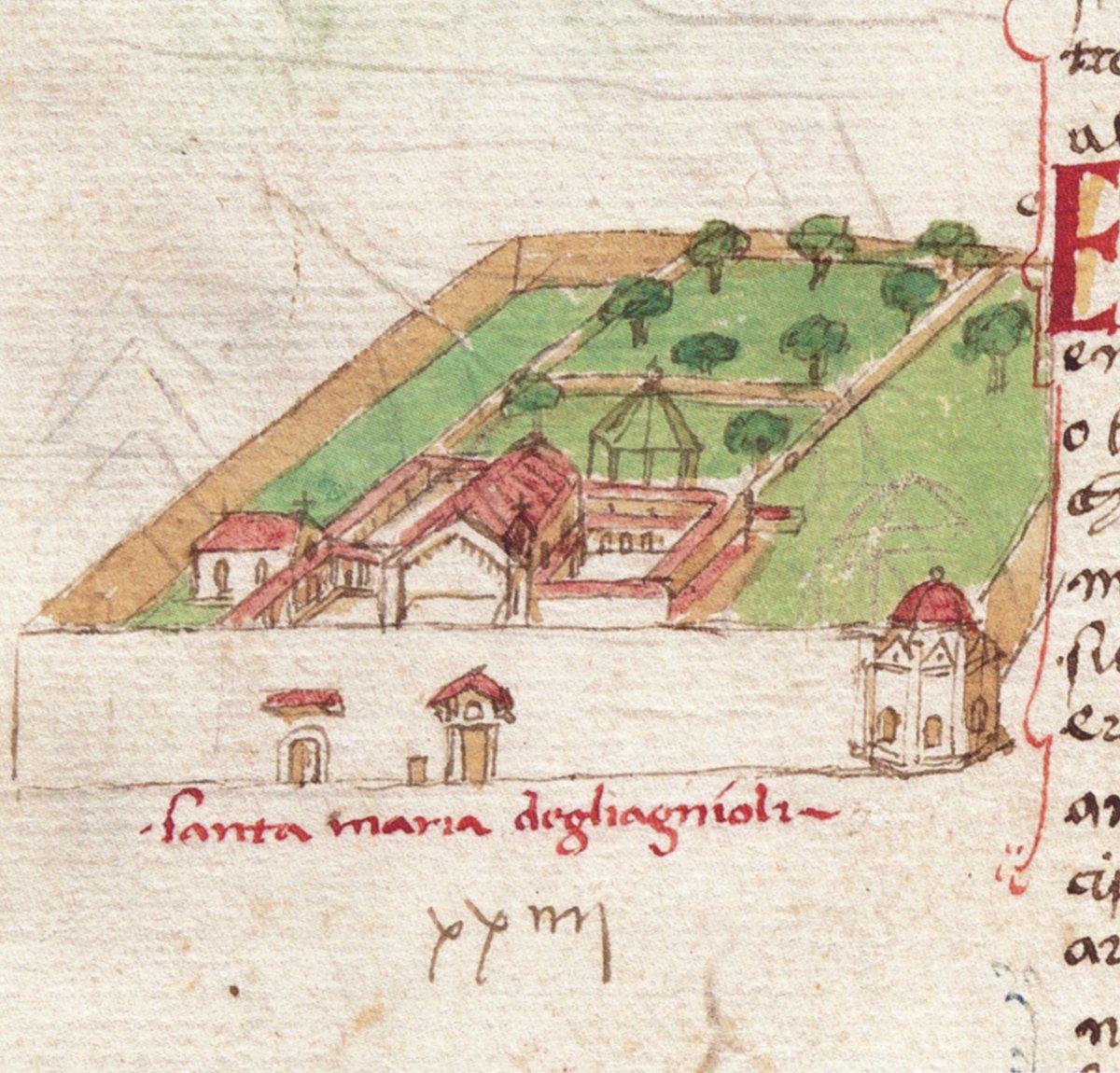
Nestled within the historic core of Florence, the Church of St. Mary of the Angels (Santa Maria degli Angeli) stands as a testament to the city’s Renaissance ingenuity and religious devotion. Originally conceived as part of a Camaldolese monastery in the early 15th century, the church reflects Florence’s dynamic period of cultural flourishing and spiritual intensity. Designed by Filippo Brunelleschi, famed architect of Florence’s Cathedral dome, Santa Maria degli Angeli is notable for its revolutionary octagonal plan—a bold departure from traditional basilica layouts, embodying Renaissance ideals of divine harmony, proportion, and geometry.
Though left unfinished due to financial and political challenges, the church’s remaining structures serve as an enduring symbol of human aspiration and Florence’s continuous pursuit of artistic and architectural excellence. Today, Santa Maria degli Angeli offers visitors a unique opportunity to explore its tranquil spaces, architectural innovations, and rich spiritual history, all within walking distance of Florence’s most iconic landmarks.
This comprehensive guide presents everything you need to plan your visit: historical context, architectural highlights, ticketing and accessibility details, tour options, nearby attractions, travel tips, and answers to common questions. Whether you are an architecture enthusiast, history lover, pilgrim, or curious traveler, Santa Maria degli Angeli promises a memorable and authentic Florentine experience.
For official updates and additional resources, consult Architecture of Cities: Florence, Visit Florence, and consider using the Audiala app for expert audio guides and curated tours.

Historical Background
Origins and Foundation
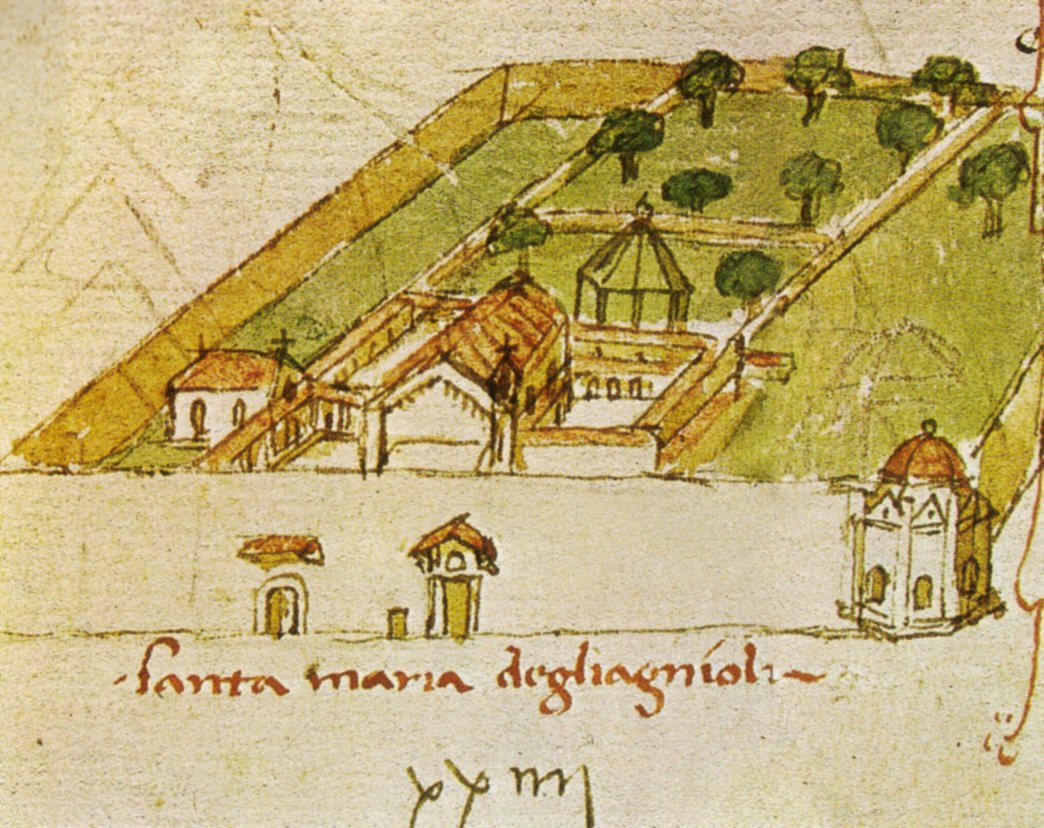
The Church of St. Mary of the Angels traces its roots to the early 15th century, during Florence’s golden era of religious, cultural, and architectural expansion. Founded as part of a Camaldolese monastery, the church was intended to embody the order’s ideals of contemplative solitude and intellectual pursuit. Supported by Florence’s powerful patron families, including the Medici, the project was conceived as both a spiritual haven and a monument to Marian devotion—a central theme in Florentine religious life.
Architectural Evolution: Brunelleschi’s Vision
In 1434, Filippo Brunelleschi was commissioned to design the new oratory for the monastery. His plan marked a radical departure from the traditional Latin cross layout, introducing a centralized octagonal structure surrounded by eight chapels and enclosed within a 16-sided exterior. The intended dome, smaller but reminiscent of the Duomo’s, was to crown the space, reflecting Renaissance ideals of geometric harmony and spatial innovation.
Construction began with great ambition but soon stalled due to financial constraints and shifting priorities. Only the lower portions were completed during Brunelleschi’s lifetime, and the project remained unfinished—a poignant reminder of the era’s challenges. Despite this, Brunelleschi’s design influenced subsequent Florentine architecture, inspiring works like the Pazzi Chapel and Medici Chapel (Architecture of Cities: Florence).
Cultural and Artistic Significance
Santa Maria degli Angeli became a center of spiritual retreat, theological study, and artistic creation. The monastery’s scriptorium produced illuminated manuscripts celebrated across Europe, and its spaces were adorned by artists such as Nardo di Cione. Although many artworks have since been relocated, the church’s architectural features continue to inspire admiration and scholarly interest. The site’s unfinished state has imbued it with a unique sense of historical resonance—a bridge between aspiration and reality.
Visitor Information
Location and Accessibility
Santa Maria degli Angeli is located near Piazza della Santissima Annunziata, within easy walking distance of the Florence Cathedral (Duomo), Accademia Gallery, and other major landmarks. The church is accessible by foot, city bus (ATAF), and is about a 15-minute walk from Santa Maria Novella train station.
- Accessibility: The main entrance is at street level, and ramps are available. Some historic sections may have uneven flooring. Wheelchair users and visitors with mobility needs should check ahead with the Florence tourism office for the most current accessibility details (Visit Florence).
Visiting Hours and Tickets
- Standard Hours: Tuesday–Sunday, 9:00 AM–6:00 PM (last admission 5:30 PM). Closed on Mondays and major public holidays.
- Entry: General admission €8 for adults, with discounts for students, seniors, and groups. Children under 12 enter free. In some periods, entry may be free with donations encouraged—verify on the official tourism site prior to visiting (Visit Florence).
- Tickets: Purchase online in advance or at the entrance. Special events may require separate tickets.
- Guided Tours: Available daily in English and Italian. Audio guides can be rented, and private tours can be arranged through local operators.
Dress Code and Etiquette
- Attire: Cover shoulders and knees. Remove hats inside.
- Behavior: Maintain silence and respect, especially during services. Photography is allowed for personal use (no flash or tripods), except where restricted.
Guided Tours and Audio Guides
Guided tours offer in-depth insight into the church’s history, art, and architecture. Audio guides are available for rent. Booking in advance is recommended, especially during peak tourist seasons.
Nearby Attractions
- Piazza della Santissima Annunziata: Ospedale degli Innocenti and Basilica della Santissima Annunziata.
- Florence Cathedral (Duomo): A short walk away.
- Accademia Gallery: Home to Michelangelo’s David.
- San Marco Museum: Renowned for Fra Angelico’s frescoes.
- Villa Stibbert and Parco delle Cascine: Nearby parks and museums.
Explore more in our articles on Florence’s Historic Churches and Top Florence Museums.
Facilities and Amenities
- Restrooms: Limited availability inside the church; public restrooms nearby.
- Shops & Cafes: Not available on-site, but plentiful in the surrounding area.
- Safety: The church is a safe and peaceful environment; standard city precautions apply.
Frequently Asked Questions (FAQ)
Q: What are the church’s visiting hours?
A: Tuesday–Sunday, 9:00 AM–6:00 PM (last admission 5:30 PM). Closed Mondays and public holidays.
Q: How much are tickets?
A: General admission €8 for adults, with discounts for students, seniors, and groups. Children under 12 free.
Q: Is the church accessible for visitors with disabilities?
A: Yes, the main areas are accessible, though some historic sections may be challenging. Check with Florence tourism for up-to-date guidance.
Q: Are guided tours or audio guides available?
A: Yes. Guided tours (English/Italian) and audio guides can be arranged; booking ahead is advised.
Q: Can I take photos inside?
A: Yes, for personal use (no flash/tripods). Always observe posted restrictions.
Q: Is there a dress code?
A: Yes. Shoulders and knees must be covered. Hats off inside.
Practical Tips for Visitors
- Plan Ahead: Confirm visiting hours, ticket availability, and special events before your visit.
- Dress Appropriately: Modest clothing is required for entry.
- Respect the Space: Maintain silence and decorum, especially during religious services.
- Combine Visits: Take advantage of the church’s central location to explore other Florence historical sites.
- Hydration: Bring water, especially in warmer months.
- Book Early: Secure accommodation and tours in advance during peak travel seasons (Travellers Worldwide).
- Accessibility: For visitors with mobility needs, check accessibility details or contact the tourism office ahead of time.
Listen to the full story in the app
The whole Church Of St. Mary Of The Angels,
told well.
Audio guides for 1,100+ cities across 96 countries. History, stories, and local insight — offline ready.
Verified, and shown.
Researched and written by the Audiala editorial team from historical records, architectural archives, and local expertise.
Mary of the Angels in Florence: History, Tickets, and Travel Tips, 2025, Audiala
Mary of the Angels Florence: Visiting Hours, Tickets & Practical Tips, 2025, Visit Florence
Researched from Wikidata, Wikipedia & official sources · fact-checked · How we make our guides →