Plan and listen to Brancacci Chapel with Audiala.
Audio guide in your pocket, itinerary in your browser. Built for the way you actually visit.
Introduction to Cappella Brancacci
The Cappella Brancacci, often hailed as the 'Sistine Chapel of the Early Renaissance,' is a cornerstone of artistic and cultural heritage in Florence, Italy. Nestled within the Church of Santa Maria del Carmine, this chapel is renowned for its exquisite frescoes that mark a pivotal moment in the history of Renaissance art. Commissioned around 1423 by Felice Brancacci, a wealthy merchant and politician, the chapel was intended to serve both as a private place of worship and a testament to the Brancacci family's prestige (Forever Vacation). The initial frescoes were painted by Masolino da Panicale and his pupil Masaccio, whose innovative use of linear perspective and chiaroscuro techniques introduced a new level of realism and three-dimensionality to the art world (The Geographical Cure). Tragically, Masaccio died at the young age of 26, leaving the work unfinished, which was later completed by Filippino Lippi in the 1480s. This guide aims to provide a comprehensive look at the history, artistic significance, and practical tips for visiting this monumental site.

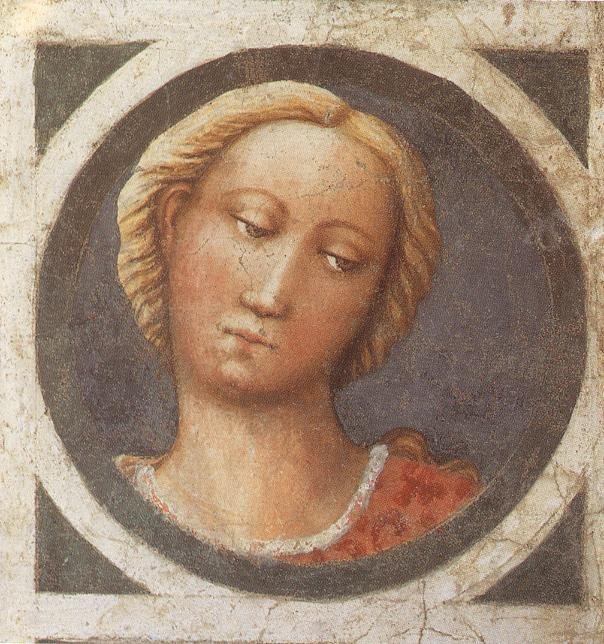
History of Cappella Brancacci
Commission and Early Construction
The Cappella Brancacci, located within the Church of Santa Maria del Carmine in Florence, Italy, was commissioned around 1423 by Felice Brancacci, a wealthy merchant and politician. He aimed to create a private place of worship that also showcased his family's prestige (Forever Vacation). Construction began in 1422, and the initial frescoes were painted by Masolino da Panicale and his pupil, Masaccio (Wikipedia).
Artistic Contributions
Masolino and Masaccio's frescoes were groundbreaking, employing techniques that defined Renaissance art. Masaccio's use of linear perspective and chiaroscuro gave his figures unprecedented three-dimensionality and realism (The Geographical Cure). Tragically, Masaccio died at 26, leaving the work unfinished. Filippino Lippi completed the remaining frescoes in the 1480s (Forever Vacation).
Key Frescoes and Their Significance
The Tribute Money
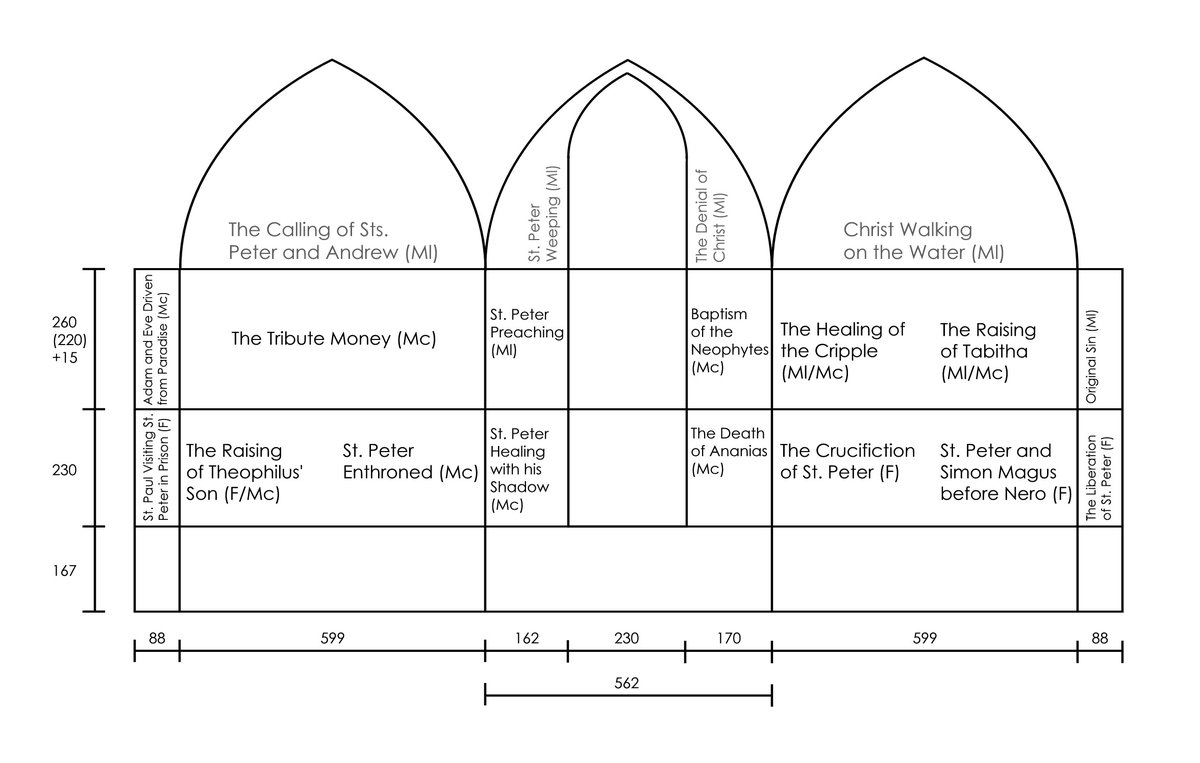
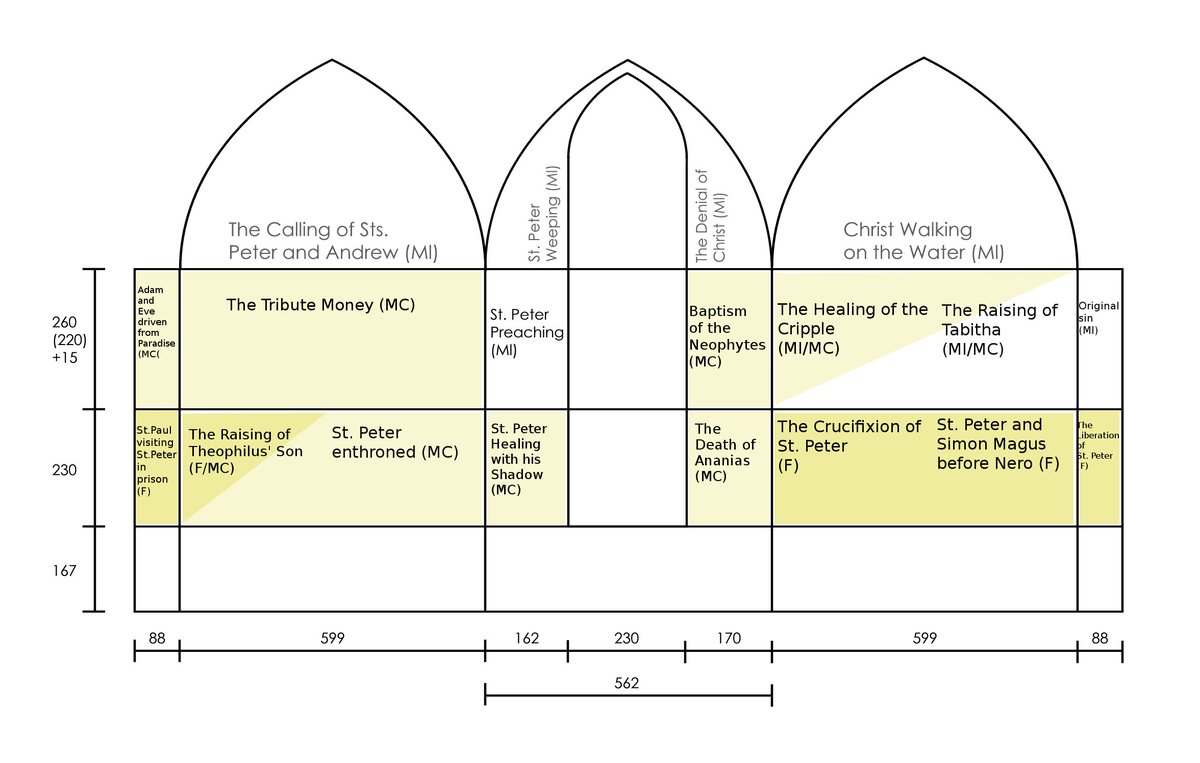
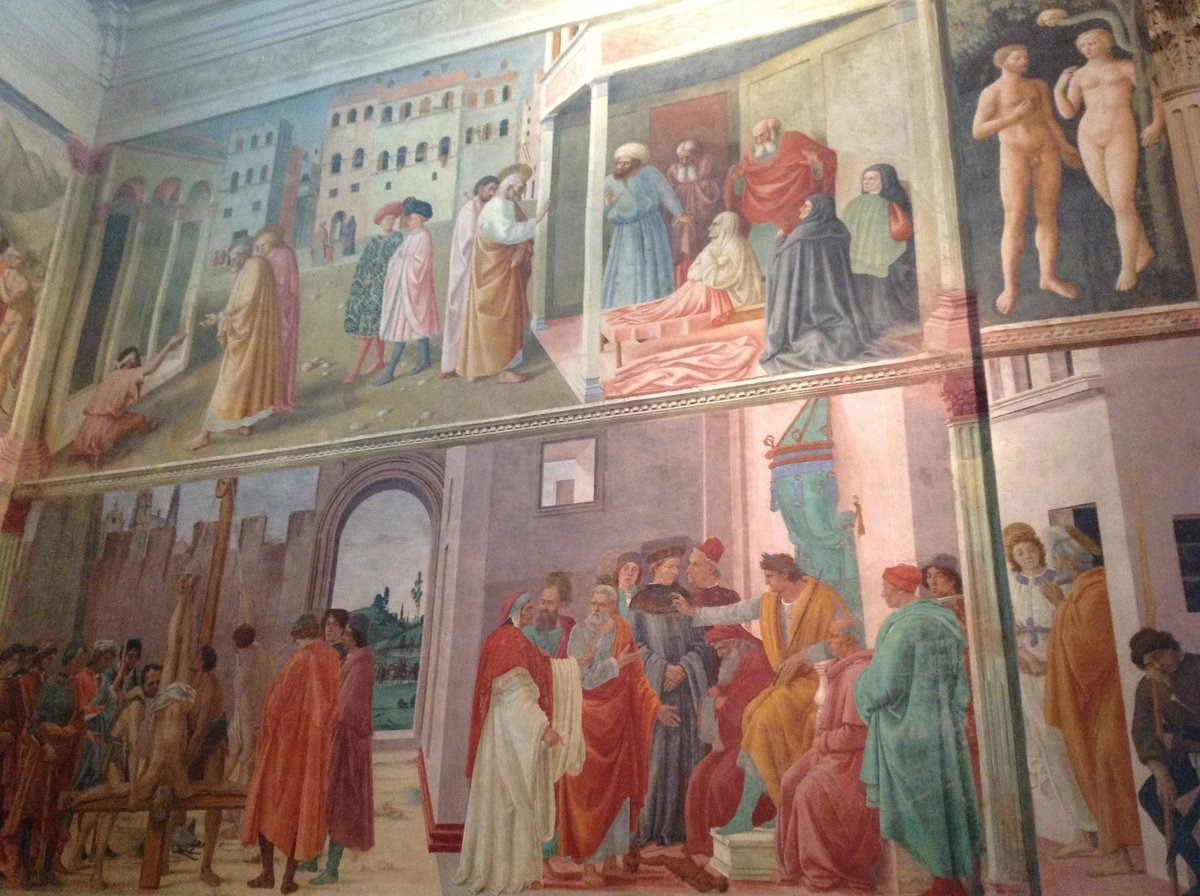
One of the most famous frescoes is 'The Tribute Money' by Masaccio. Celebrated for its use of perspective and narrative complexity, it depicts three different moments in a single panel - Christ instructing Peter to find a coin in the mouth of a fish, Peter retrieving the coin, and Peter paying the tax collector (The Geographical Cure).
The Expulsion from the Garden of Eden
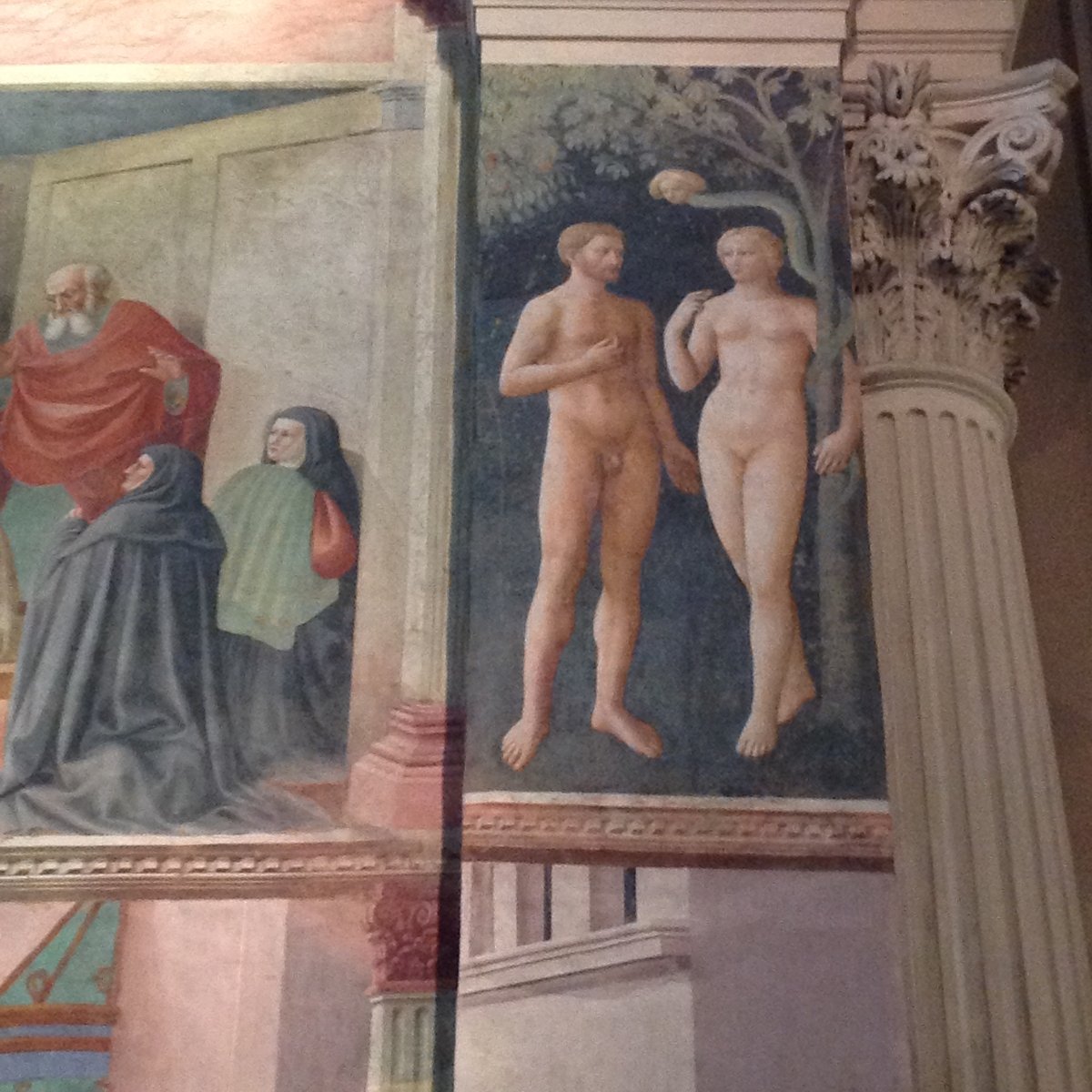
Another significant work by Masaccio is 'The Expulsion from the Garden of Eden.' Notable for its emotional intensity and realistic portrayal of Adam and Eve's anguish, the use of light and shadow enhances the three-dimensionality of the figures (Florence Art Museums).
Restoration and Preservation
Over the centuries, the Brancacci Chapel has survived numerous threats, including a devastating fire in 1771 that destroyed much of the Church of Santa Maria del Carmine. Remarkably, the chapel and its frescoes remained intact (Journeys to Italy). Extensive restoration, most notably in the 1980s, removed centuries of grime and overpainting, revealing the original vibrant colors (Forever Vacation).
Influence on Renaissance Art
The frescoes in the Brancacci Chapel profoundly influenced subsequent generations of artists. Michelangelo and Leonardo da Vinci studied these works, drawing inspiration from Masaccio's innovative use of perspective and realistic portrayal of human figures (The Geographical Cure). The chapel served as an open-air classroom for artists, making it a cornerstone in Western art history.
Architectural Features
The chapel is a marvel of architectural design, situated in the south transept of the Basilica of Santa Maria del Carmine, built by Carmelite friars from Pisa in the mid-thirteenth century (Within Florence). It features two horizontal levels of frescoes illustrating the life of Saint Peter (Florence Italy).
Visitor Experience
Practical Information
The Brancacci Chapel is open to the public with specific visiting hours. It is advisable to book tickets in advance to ensure entry, as the chapel can only accommodate a limited number of visitors at a time. The ticket office closes 45 minutes before the chapel's closing time (Florence Art Museums). The chapel is closed on certain holidays, including New Year's Day, Easter Sunday, and Christmas Day (Muse Firenze).
Accessibility
An elevator is available to allow people with motor impairments to access the chapel (Feel Florence).
Guided Tours and Special Events
Guided tours are often available, providing a deeper understanding of the artistic importance and historical context of the frescoes (Forever Vacation). Keep an eye on the official website for any special events or exhibitions that may be scheduled during your visit.
Travel Tips
The chapel is accessible through a museum route that goes from the square to the Cloister and the Sala Capitolare. It's best to visit early in the morning or late in the afternoon to avoid crowds. Consider combining your visit with nearby attractions such as the Pitti Palace or the Boboli Gardens for a full day of exploration.
FAQ
Q: What are the visiting hours for the Cappella Brancacci? A: The chapel has specific visiting hours and is closed on certain holidays. It is advisable to check the official website for the most up-to-date information.
Q: How much do tickets cost? A: Ticket prices vary, and it is recommended to book in advance. Please check the official site for the latest pricing information.
Q: Are guided tours available? A: Yes, guided tours are available and provide valuable insights into the chapel's history and art.
Q: Is the chapel accessible to people with disabilities? A: Yes, an elevator is available to accommodate visitors with motor impairments.
Summary and Key Takeaways
The Cappella Brancacci stands as an enduring testament to the artistic innovation and cultural significance of the Early Renaissance. Its frescoes by Masolino, Masaccio, and Filippino Lippi continue to captivate and inspire visitors with their groundbreaking use of perspective and emotional intensity. Despite surviving numerous threats, including a devastating fire in 1771, the chapel remains remarkably well-preserved, thanks to extensive restoration efforts (Journeys to Italy). The influence of these frescoes on subsequent generations of artists, including Michelangelo and Leonardo da Vinci, underscores their lasting impact on Western art history. For modern visitors, the chapel offers not only a glimpse into the past but also a deeply enriching cultural experience. Whether you're an art enthusiast, history buff, or casual traveler, a visit to the Cappella Brancacci is an unmissable opportunity to explore one of Florence's most treasured landmarks. Don't forget to check the official website for the latest visiting hours and ticket information, and consider downloading our mobile app Audiala for more travel tips and guides.
Tickets & tours.
These are guided options from our partners — same price as booking direct.
Prices are indicative — final pricing and availability are confirmed at checkout. Audiala may earn a commission from bookings made through these links.
Listen to the full story in the app
The whole Brancacci Chapel,
told well.
Audio guides for 1,100+ cities across 96 countries. History, stories, and local insight — offline ready.
Verified, and shown.
Researched and written by the Audiala editorial team from historical records, architectural archives, and local expertise.
Brancacci Chapel
Guide to the Brancacci Chapel
Brancacci Chapel
Brancacci Chapel
Brancacci Chapel: A Renaissance Marvel in Florence's Santa Maria del Carmine Church
Cappella Brancacci
Brancacci Chapel Florence
Cappella Brancacci Florence Oltrarno
Art History in Florence: The Brancacci Chapel
Researched from Wikidata, Wikipedia & official sources · fact-checked · How we make our guides →