Introduction
The first surprise in Florence, Italy is how quickly your senses switch channels: espresso steam, church bells, wet stone, then Brunelleschi's dome filling the sky. In a short walk, you pass from Renaissance power symbols to late-night piazzas where glasses clink and scooters thread through the dark. Florence is compact enough to feel intimate, but dense enough to keep changing meaning as you look again.
Start with the famous quartet, but read them as a system: the Duomo complex, Uffizi, Accademia, and the Pitti-Boboli side of the Arno. In Piazza del Duomo, Giotto's Bell Tower asks for 414 steps, while the Baptistery vault mosaics are still under long restoration work. At the Uffizi, the Vasari Corridor reopened to the public on December 21, 2024, and the museum's historic entrance reopened on March 3, 2026, which subtly changed how the visit flows.
What keeps Florence from feeling embalmed is daily life in its neighborhoods. Sant'Ambrogio mornings smell of produce, bread, and simmering tripe; San Lorenzo gives you market breakfasts and old trattorie where ribollita and bistecca still set the tone. Meals run later than many US visitors expect, aperitivo is a social ritual, and the city rewards people who slow down enough to notice workshops, paper shops, restorers, and goldsmith benches still working by hand.
Florence also insists on being present tense: Scoppio del Carro on April 5, 2026, the Maggio Musicale festival from April 19 to July 1, and contemporary programming from Palazzo Strozzi to Murate Art District. For perspective, do the classic panorama at Piazzale Michelangelo, then continue to quieter San Miniato al Monte as evening light turns the stone pink. You leave understanding that Florence is not a relic of the Renaissance, but a city still negotiating beauty, labor, and public life in real time.
Places to Visit
The Most Interesting Places in Florence
Uffizi Gallery
The Galleria degli Uffizi in Florence, Italy, stands as a monumental testament to Renaissance art and culture.
Florence Cathedral
The Florence Cathedral, officially known as the Cattedrale di Santa Maria del Fiore, stands as an architectural and cultural icon in the heart of Florence,…
Basilica of Santa Croce
The Basilica di Santa Croce, located in the heart of Florence, Italy, stands as a monumental testament to the city's rich cultural, artistic, and religious…
Basilica of Santa Maria Novella
Santa Maria Novella, an architectural jewel in the heart of Florence, Italy, is a destination that beckons history buffs, art aficionados, and casual…
Basilica of San Lorenzo
Nestled in the heart of Florence, Italy, the Basilica of San Lorenzo stands as a monumental testament to the city’s rich Renaissance heritage and the profound…
Bargello National Museum
The Palazzo del Bargello, located in the heart of Florence, Italy, is a monumental edifice that stands as a testament to the city’s rich and tumultuous history.
Piazza Della Signoria
Welcome to Piazza della Signoria, a historical and cultural gem located in the heart of Florence, Italy.
David
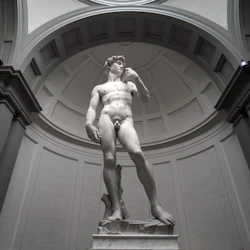
Michelangelo's David stands as a monumental masterpiece of Renaissance art, captivating millions of visitors each year with its intricate detail and profound…
National Central Library of Florence
Nestled in the historic Santa Croce district of Florence along the picturesque Arno River, the National Central Library of Florence (Biblioteca Nazionale…
Boboli Gardens
Nestled within the heart of Florence, Italy, the Giardino degli Ananassi, or Pineapple Garden, is an exquisite testament to the city's rich historical and…
Palazzo Vecchio
Palazzo Vecchio, an iconic symbol of Florence's rich historical tapestry, stands as a testament to the city's architectural grandeur and political significance.
Museum of San Marco
Florence, the cradle of the Renaissance, is a city renowned for its artistic and architectural marvels.
What Makes This City Special
Renaissance, Compressed
Florence’s surprise is density: in a short walk you move from Brunelleschi’s dome engineering to Giotto’s tower, then into rooms where Botticelli and Michelangelo still set the emotional temperature. The UNESCO core feels less like a district and more like a living argument about beauty, faith, and civic ambition.
A City of Stone and Power
Don’t read Florence as painting alone; the Bargello, Medici Chapels, and Orsanmichele reveal a city built through sculpture, guild money, and dynastic theater. In places like Piazza della Signoria, politics and art still share the same stone stage.
Oltrarno Craft Culture
Across the Arno, San Frediano and Santo Spirito still smell of leather, paper, wood dust, and varnish from workshops that keep Florence tactile. This is where Renaissance know-how mutates into contemporary making, one bench and small atelier at a time.
Hilltop Light and Garden Views
The classic skyline from Piazzale Michelangelo is only half the story; continue to San Miniato al Monte for quieter bells and longer shadows over terracotta roofs. Bardini and Boboli add layered, hillside gardens where cypress lines and stone stairs frame the city like a theater set.
Historical Timeline
Stone, Gold, and Floodwater: Florence Through the Centuries
From Etruscan crossroads to Renaissance engine to modern city of memory and reinvention
Etruscan Roots on the Arno
Before Rome, the basin below Fiesole sat in the Etruscan sphere, with hill settlements watching the Arno plain. Florence began as a strategic crossing zone, where routes, river access, and defensible ground mattered long before monumental stone did.
Florentia Is Founded
Rome founded the colony of Florentia, likely for veterans, and imposed a castrum grid on the plain. That Roman geometry still peeks through the historic center, where straight alignments interrupt medieval twists.
Capital of Tuscia et Umbria
Florence was elevated to capital of Tuscia et Umbria, a bureaucratic upgrade with practical force. Administrative offices, fiscal traffic, and military attention pulled the city into a wider imperial circuit.
Stilicho Breaks the Siege
During the Radagaisus invasion, Florence endured siege until Stilicho defeated the attackers near Fiesole. The city survived a moment when many urban centers did not, preserving its strategic role into a fragmenting late empire.
Carolingian School City Emerges
Under Lothar, Florence became a regional center for clerical education. Its influence in this period came less from armies than from scriptoria, church networks, and trained administrators.
Baptistery Consecrated at San Giovanni
Pope Nicholas II consecrated the Baptistery of San Giovanni, likely expanding an older sacred site. The octagon became Florence's ritual heart, where civic identity and religious life fused under shimmering mosaics.
Gold Florin Changes Trade
Florence introduced the gold florin, trusted across Europe for its stable content. The coin amplified Florentine banking power and let a commune on the Arno set terms in faraway markets.
Dante Is Born in Florence
Dante grew up in a city of guild politics, factional feuds, and theological argument. Florence shaped his language and imagination so deeply that even exile later sounded like a conversation with its streets.
Building Begins on the Duomo
Construction began on Santa Maria del Fiore, a cathedral scaled to civic ambition as much as devotion. Stone yards, cranes, and guild financing turned decades of labor into a skyline project visible from every quarter.
Dante Is Sent into Exile
After Black Guelf dominance, Florence condemned Dante to exile he would never escape. The city lost a major political voice, and Europe gained a poet writing from the ache of separation.
Arno Flood Destroys Bridges
A violent Arno flood destroyed Florence's bridges and ripped through commercial arteries. The disaster forced expensive rebuilding and reminded the republic that prosperity here always lives one storm away from ruin.
Plague Halves the Population
The Black Death cut Florence's population by about half, leaving workshops silent and parishes hollowed out. Labor, inheritance, and social hierarchy were renegotiated in the long shadow of mass mortality.
Brunelleschi Is Born
Born into Florence's hard-edged craft culture, Brunelleschi learned to treat building as experiment. His later work on the cathedral dome would turn local technical rivalry into a European turning point in architecture.
Ciompi Revolt Shakes Republic
Underrepresented wool workers, the Ciompi, briefly seized political space in a city built on textile wealth. Their uprising exposed the social pressure beneath Florence's republican language and mercantile success.
Florence Conquers Pisa
The conquest of Pisa gave Florence direct maritime access and stronger control over Tuscan trade routes. The city-state's horizon widened from inland banking power to territorial and coastal strategy.
Cosimo Returns, Power Rewired
Cosimo de' Medici returned from exile and mastered politics without formally abolishing republican institutions. Credit, patronage, and calibrated alliances became Florence's new operating system.
The Dome Seals Skyline
With Brunelleschi's dome completed and the cathedral consecrated, Florence gained an engineering marvel built without traditional wooden centering. The interior's vast volume changed how sermons, ceremony, and music sounded in the city.
Lorenzo the Magnificent Is Born
Lorenzo de' Medici inherited a Florence where diplomacy, poetry, and finance were inseparable arts of rule. His patronage culture helped turn the city into a workshop of Renaissance thought and image-making.
Machiavelli Is Born in Florence
Machiavelli's political intelligence was forged in Florentine chancery practice and diplomatic missions. The city's volatile alliances and sudden reversals became raw material for his unsentimental analysis of power.
Medici Expelled, Republic Reborn
As Charles VIII invaded Italy, the Medici were driven out and Florence returned to republican rule. The city swung from courtly refinement to moral austerity, revealing how quickly civic identity could be rewritten.
Republic Falls to Duchy
After siege and imperial pressure, the Florentine Republic was replaced by the Duchy of Florence. The political center shifted from guild-based participation to dynastic command.
Galileo in Medici Orbit
Galileo's Florentine trajectory, deepened through Medici patronage and later residence near Arcetri, tied science to court politics. In and around Florence, observation and mathematics began to challenge inherited cosmic certainty.
Vasari Corridor Stitches City
The Vasari Corridor linked Palazzo Vecchio, the Uffizi, and Pitti above the streets and over Ponte Vecchio. It was a moving corridor of authority, allowing rulers to cross the city in controlled visibility.
Medici Line Ends
With Gian Gastone's death, the Medici dynasty ended and Tuscany passed to Habsburg-Lorraine control. Florence remained culturally immense, but its governing dynasty and reform agenda were now imported.
Florence Becomes Italy's Capital
From 1865 to 1870, Florence served as capital of the Kingdom of Italy. Ministries and parliament transformed daily rhythms, while urban renewal demolished much of the medieval walls to create ring boulevards.
Liberation and Broken Bridges
On 11 August 1944, resistance forces rose as Florence was liberated from Nazi occupation. Retreating German troops destroyed all Arno bridges except Ponte Vecchio, blowing up buildings at its approaches and leaving a corridor of rubble.
Flood of Mud and Memory
On 4 November 1966, a wave about 3 meters high rushed through Florence at roughly 60 km/h. In Santa Croce, the water mark reached 4.92 meters; mud swallowed archives and artworks, then drew an international rescue effort.
UNESCO Inscribes Historic Center
Florence's historic center was added to the UNESCO World Heritage List in 1982. The recognition framed the city as a rare urban whole, where Roman traces, medieval streets, and Renaissance inventions remain densely entangled.
Georgofili Bombing Hits Uffizi
At 1:04 a.m. on 27 May 1993, a mafia bomb on Via dei Georgofili killed five people and tore into the museum district. The Uffizi recorded damage to 173 paintings and 56 sculptures, turning cultural heritage into direct witness to violence.
Vasari Corridor Reopens Publicly
On 21 December 2024, the Vasari Corridor reopened after eight years of closure and restoration. A Medici-era instrument of controlled movement became, again, a public route through Florence's layered architecture of power.
Notable Figures
Dante Alighieri
1265-1321 · PoetDante learned how power worked in Florence before exile turned the city into a lifelong ache and a literary engine. You can still feel that tension in the old center: private devotion, public argument, and sharp civic pride packed into narrow streets. He would recognize a city still debating identity in every piazza.
Niccolo Machiavelli
1469-1527 · Political thinker and diplomatMachiavelli wrote from the pressure-cooker of Florentine politics, where alliances shifted as fast as fortunes. His ideas were not abstract philosophy but survival notes from real civic chaos. Today's Florence, polished on the surface and fiercely strategic underneath, still feels like his laboratory.
Filippo Brunelleschi
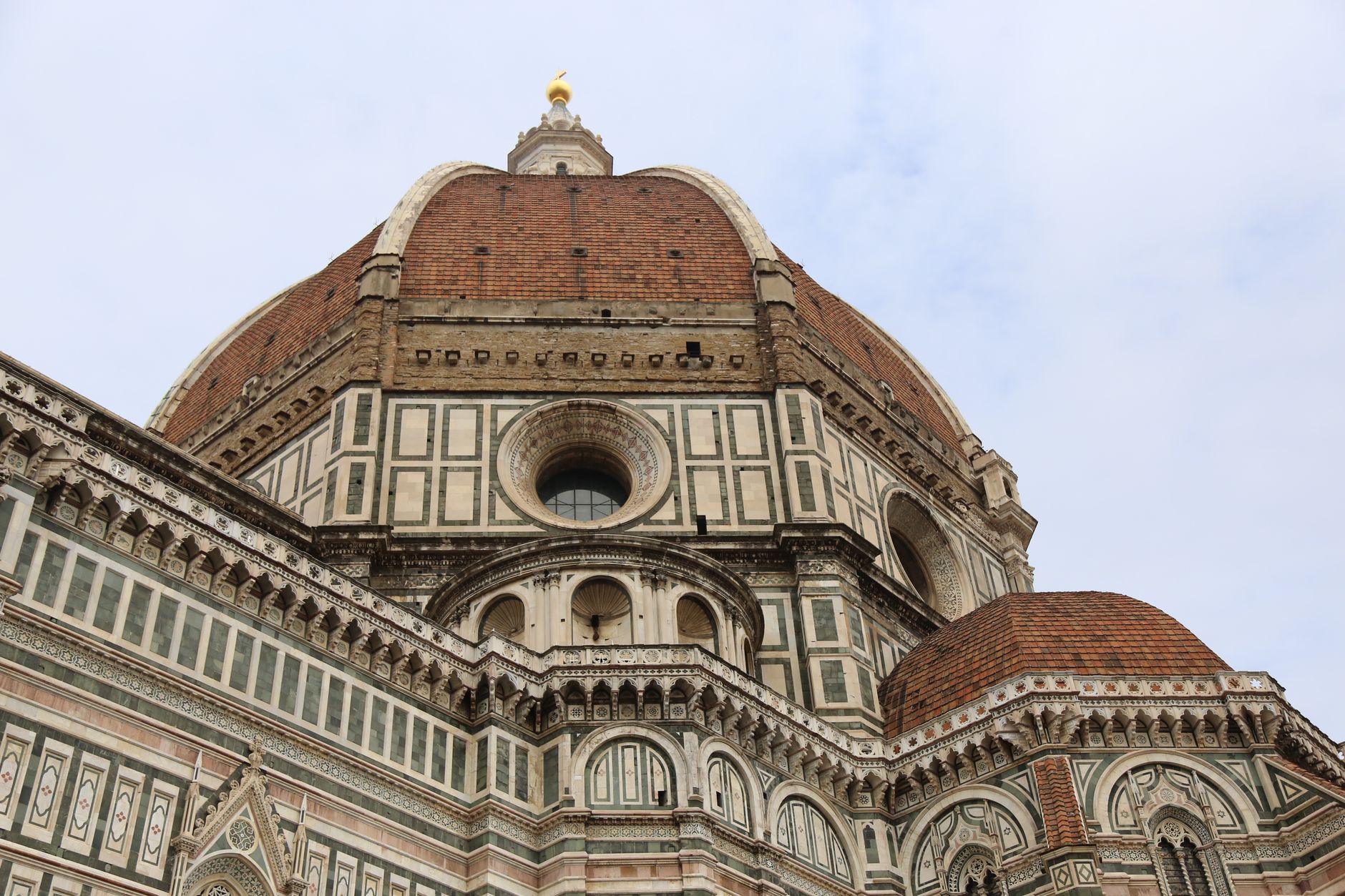
1377-1446 · Architect and engineerBrunelleschi solved the Duomo dome as an engineering dare that many thought impossible. Stand below it and you still feel the audacity: mathematics turned into skyline. He would probably approve that six centuries later, people still enter Florence by looking up first.
Sandro Botticelli
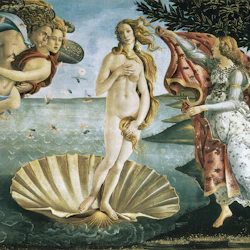
c. 1445-1510 · PainterBotticelli painted myth as if it were local weather, elegant and slightly restless. In Florence, his worlds were shaped by Medici taste, religious anxiety, and courtly performance all at once. He might be startled by the crowds, but not by the city's appetite for beauty with a sharp edge.
Michelangelo Buonarroti
1475-1564 · Sculptor, painter, architectMichelangelo's Florence story is youth, ambition, and stone pushed to emotional extremes. David still feels less like a monument and more like a civic argument in marble. He would likely see today's queues as proof that the city never stopped measuring itself against impossible standards.
Galileo Galilei
1564-1642 · Astronomer and physicistGalileo's later life near Florence was marked by both patronage and constraint, brilliance and surveillance. Arcetri reminds you that Florence nurtured science while also policing ideas. He might admire how openly the city now celebrates the kind of curiosity that once put him on trial.
Lorenzo de' Medici
1449-1492 · Ruler and patronLorenzo made patronage a political instrument, funding culture while stabilizing power. Many places visitors photograph as pure art were also tools of influence in his Florence. He would instantly understand the modern city: culture still works here as prestige, memory, and soft power.
Francesca Caccini
1587-after 1641 · Composer and singerFrancesca Caccini turned Medici court culture into sound, becoming one of early Baroque Europe's defining women musicians. Her Florence was a place where politics, spectacle, and experimental art shared the same rooms. She would likely hear today's festival scene as a continuation of that old civic theater.
Plan your visit
Practical guides for Florence — pick the format that matches your trip.
Florence Money-Saving Passes & Cards
Florence pass guide updated April 2026. Firenze Card vs Duomo pass vs Amici degli Uffizi with real break-even math, hidden exclusions and scam warnings.
Florence First-Time Visitor Tips From a Savvy Local
First-time Florence tips from a local angle: how to book the Dome, avoid common scams, use the tram from the airport, and skip the worst tourist mistakes.
Photo Gallery
Explore Florence in Pictures
The stunning marble facade and campanile of the Florence Cathedral, also known as the Duomo, glow under the night sky in Italy.
Ivan Dražić on Pexels · Pexels License
A stunning elevated perspective of Florence, Italy, showcasing the iconic Ponte Vecchio bridge spanning the Arno River amidst historic terracotta-roofed buildings.
Ming Hsi Hsieh on Pexels · Pexels License
A stunning low-angle view of Brunelleschi's magnificent dome atop the Cathedral of Santa Maria del Fiore in Florence, Italy.
Robert Casazza on Pexels · Pexels License
A stunning elevated view of Florence, Italy, highlighting the iconic Ponte Vecchio bridge spanning the calm waters of the Arno River.
Hub JACQU on Pexels · Pexels License
The stunning Renaissance architecture of the Florence Cathedral stands out against a moody, overcast sky in Italy.
Efrem Efre on Pexels · Pexels License
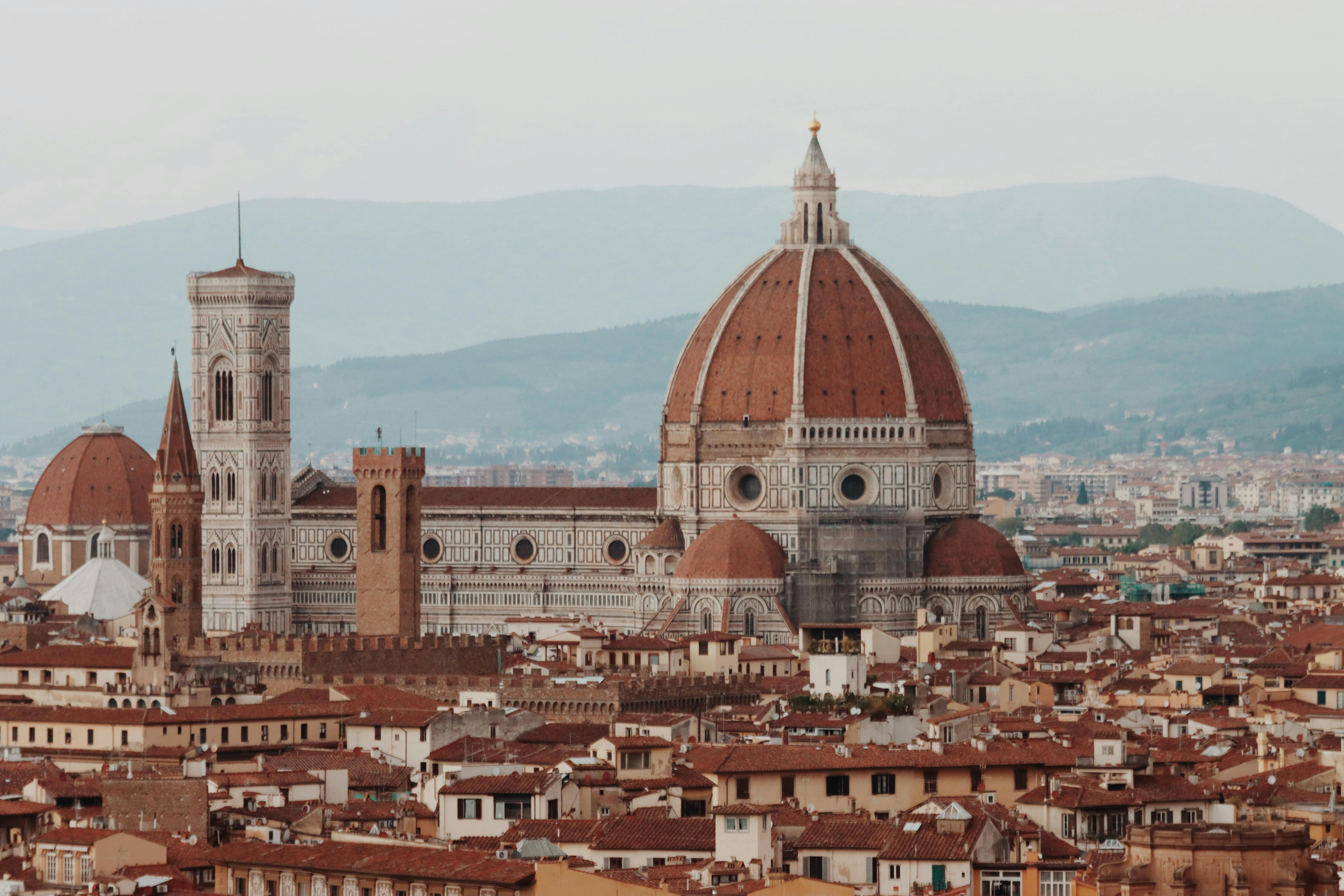
A breathtaking elevated view of Florence, Italy, showcasing the historic terracotta rooftops and the magnificent dome of the Cathedral of Santa Maria del Fiore.
Anna Holodna on Pexels · Pexels License
The iconic Ponte Vecchio bridge in Florence, Italy, glows under the warm, golden light of the late afternoon sun.
Fatih AltuntaÅŸ on Pexels · Pexels License
A stunning panoramic view of Florence, Italy, showcasing the historic skyline with the Duomo and Ponte Vecchio under a soft, natural light.
Irina Balashova on Pexels · Pexels License
A moody, overcast day in Florence, Italy, captures the timeless beauty of the Arno River and its iconic stone bridges.
William Posser on Pexels · Pexels License
Practical Information
Getting There
As of 2026, Florence’s main airport is Amerigo Vespucci Airport (FLR), about 4 km from the center, with Pisa International Airport (PSA) as the common secondary gateway. Main rail hubs are Firenze Santa Maria Novella, Firenze Campo di Marte, and Firenze Rifredi. By road, the key links are the A1/E35 (north-south spine), the A11 Firenze-Mare (toward Prato, Lucca, Pisa), and the FI-PI-LI corridor toward Pisa/Livorno.
Getting Around
Florence has no metro/subway; in 2026 the urban backbone is tram + bus, with 2 tram lines (T1 and T2) and T2 serving the airport. Urban tickets are €1.70 for 90 minutes, with a 10-ride carnet at €15.50, and contactless Tip Tap works on buses and trams. The city also has about 113 km of cycling infrastructure, and the Firenzecard is €85 for 72 hours of museum access (with participating-entry rules).
Climate & Best Time
Spring runs roughly 16-24C by day, summer 28-32C, autumn 15-27C, and winter about 11-13C with colder nights near 2-3C. Rain is usually lowest in July (around 36.7 mm) and highest in November (around 113.6 mm). For the best balance of light, temperatures, and walkability, target late April to June or September to October; July-August are hottest and most crowded.
Language & Currency
Italian is the local language, but visitor services are strong in English and several other languages at the Firenze Welcome Center (Piazza Stazione 5). Currency is the euro (€), and cards are widely accepted, including Visa, Mastercard, and American Express. Tipping is optional rather than mandatory; around 10% is appreciated for notably good service.
Safety
The practical risk is petty theft, especially around Santa Maria Novella station, tram/bus interchanges, and crowded zones near the Duomo, Uffizi, and Ponte Vecchio. Keep bags closed in queues and on public transport, and never leave luggage visible in parked cars. Emergency number is 112, with central Carabinieri points near Piazza della Stazione, Via Castellani, and Piazza Pitti.
Where to Eat
Don't Leave Without Trying
All’Antico Vinaio
quick biteOrder: A stuffed schiacciata with Tuscan cold cuts and pecorino (add truffle cream if you want the classic indulgent version).
This is Florence’s most famous quick bite for a reason: bold fillings, great bread, and nonstop energy. Go off-peak and treat it as a serious lunch, not just a snack.
Caffè Gilli
cafeOrder: An espresso with a classic Italian pastry, then come back later for an aperitivo in the piazza-facing salon.
One of the city’s grande dame cafes, with old-world interiors and a prime people-watching corner. It’s polished and expensive, but very Florence.
Eataly Firenze
marketOrder: Build a casual meal around a salumi-and-cheese board, then add a pasta course and a glass of Tuscan red.
Useful when your group wants options without sacrificing quality. It’s central, reliable, and easy for a mixed lunch or early dinner.
The Antico Ristoro di Cambi
local favoriteOrder: Bistecca alla fiorentina for the table, plus peposo if you want a deep, peppery Florentine classic.
A dependable Oltrarno-side address for old-school Tuscan cooking done with confidence. It feels lived-in, not staged.
Ditta Artigianale
cafeOrder: A filter coffee or espresso-forward drink with a pastry; if you are hungry, go for a proper brunch plate.
One of the city’s modern coffee anchors in a very traditional food town. It’s where you reset between heavy Tuscan meals.
Grand Hotel Baglioni
fine diningOrder: Book dinner with a view and focus on Tuscan meat or seasonal pasta, then linger over dessert and wine.
A historic property with one of the more atmospheric dining settings near Santa Maria Novella. Good pick when you want comfort and a polished service style.
Ristorante Buca Mario
local favoriteOrder: Bistecca alla fiorentina by weight, plus a simple contorno and house red.
Big-room, high-energy Florence where the kitchen leans into tradition. It’s one of the safer center-city bets for a celebratory meat-focused dinner.
Trattoria Ponte Vecchio - Ristorante Firenze
local favoriteOrder: Start with crostini, then go for ribollita or a grilled meat main with house wine.
The location by Ponte Vecchio is hard to beat, but the menu still delivers recognizable Tuscan staples. Useful when you want a scenic stop that still eats well.
Amorino Gelato - Firenze Via del Corso
quick biteOrder: A rose-shaped cone with pistachio and dark chocolate, or fruit sorbet if you want something lighter.
A very solid gelato stop in the thick of the center, especially for late-night dessert walks. Convenient and consistently good texture.
Tijuana
local favoriteOrder: Share starters, then go for a grilled meat dish and a cocktail if you are leaning into a lively dinner.
Reliable for groups and later meals when many traditional kitchens are done for the night. The mood is social and informal.
Trattoria La Madia
local favoriteOrder: Pappardelle with wild boar-style ragù, then a grilled Florentine-style meat course.
Near the station area but far from generic tourist food if you order Tuscan classics. Strong value for the quality and central location.
Rifrullo Firenze
cafeOrder: A spritz with small plates or a light sandwich spread, especially at aperitivo hour.
San Niccolò locals treat this as a neighborhood living room from morning coffee to late drinks. Great stop before or after a walk up to Piazzale Michelangelo.
Dining Tips
- check Tipping is light: round up or leave about 5-10% only for very good service.
- check Check for coperto and sometimes service charge on the bill; both are common in Florence.
- check Cards are widely accepted, but carry some cash for small counters, markets, and quick bites.
- check Book popular dinner spots at least a few days ahead, especially Thursday-Sunday.
- check Typical meal rhythm: lunch 12:30-14:30, dinner 19:30-22:30.
- check For bistecca alla fiorentina, ask weight and price per kilo before ordering.
- check Aperitivo usually runs around 18:30-20:30 and can cover a light dinner.
- check Many kitchens close between lunch and dinner, so always verify opening hours the same day.
Restaurant data powered by Google
Tips for Visitors
Use T2 First
From Florence Airport (FLR), take tram T2 to the center in about 20 minutes instead of a taxi. Service runs daily from 05:00, with later night runs on Friday and Saturday.
Tap Every Boarding
Florence buses and trams accept contactless payment, but you must tap each time you board. One bank card covers only one passenger, so families need separate taps/cards.
Guard Bags In Crowds
Petty theft risk is highest around SMN station, packed tram stops, and the Duomo-Uffizi-Ponte Vecchio corridor. Keep your phone and wallet in zipped front pockets, especially on transit.
Prebook Big Museums
Reserve timed entries for the Duomo complex, Uffizi, and Accademia well ahead, especially spring and fall. Florence's highest-demand slots can sell out days in advance.
Eat Beyond Duomo
For better value and more local rhythm, eat in Sant'Ambrogio, Santo Spirito, San Frediano, or San Niccolo rather than around Piazza del Duomo. Start with market areas for lunch, then move to Oltrarno for aperitivo.
Stack Transit Savings
A single urban ticket is EUR 1.70, but the 10-ride carnet at EUR 15.50 lowers your per-ride cost. If you are museum-heavy, compare that with Firenzecard (EUR 85/72 hours) before arrival.
Avoid Driving Center
The historic center is camera-controlled ZTL, so accidental entries can trigger fines. Use tram, bus, and walking inside the core, then rent a car only for day trips outside town.
Choose Shoulder Seasons
Late April to June and September to October usually give the best balance of light, temperatures, and walkability. July-August are hottest, while November is typically the wettest month.
Explore the city with a personal guide in your pocket
Your Personal Curator, in Your Pocket.
Audio guides for 1,100+ cities across 96 countries. History, stories, and local insight — offline ready.
Audiala App
Available on iOS & Android
Join 50k+ Curators
Frequently Asked
Is florence worth visiting? add
Yes, Florence is absolutely worth visiting, especially if you want world-class art in a compact, walkable city. Few places combine the Duomo complex, Uffizi, Accademia, and Oltrarno workshops within such short distances. It also rewards repeat visits because civic museums, markets, and hilltop viewpoints add depth beyond blockbuster galleries.
How many days in florence? add
Plan 3-4 days for Florence itself. That gives enough time for the Duomo area, Uffizi, Accademia, one Oltrarno day, and at least one sunset viewpoint. Add a 5th day if you want a day trip to Fiesole, Siena, or Chianti.
How do I get from Florence airport to the city center? add
The easiest way is tram line T2 from Peretola Aeroporto. The ride to central Florence takes about 20 minutes, and the stop is a short walk from arrivals. A taxi is faster door-to-door in light traffic, but usually costs more than tram plus a short walk.
Does Florence have a metro, and is public transport good enough? add
Florence does not have a metro; the system is tram plus bus. In practice, it works well for visitors because T1/T2 and central bus lines cover major areas and stations. Combine transit with walking, since many key sights are close together.
Is Florence safe for tourists at night? add
Florence is generally safe, but pickpocketing is a real risk in crowded zones and on transit. Be extra alert around SMN station, airport links, and dense historic-center crowds. Keep valuables out of back pockets and avoid leaving anything in parked cars.
Is Florence expensive, and how can I keep costs down? add
Florence can be expensive in peak season, but you can control costs with planning. Use the EUR 15.50 10-ride carnet, book major museums early, and eat in Sant'Ambrogio or Oltrarno instead of the Duomo core. Free or low-cost highlights like piazzas, bridges, and hill views keep days rich without constant ticket spending.
Is Firenzecard worth it in Florence? add
Firenzecard is worth it if you will visit many paid museums within 72 hours. At EUR 85, it suits travelers doing a dense museum schedule, and under-18 family members of the cardholder enter free in participating sites. If your plan is slower and outdoors-focused, individual tickets may cost less.
What is the best month to visit Florence? add
May and September are usually the sweet spot. You get warm weather, long daylight, and better walking conditions than the hottest summer weeks. April-June and September-October are the most balanced overall windows.
What is the easiest day trip from Florence without a car? add
Fiesole is the easiest half-day or day trip without a car. You can reach it by city bus and quickly switch from Renaissance streets to hill views and archaeological sites. It gives a strong contrast to central Florence with minimal logistics.
Sources
- verified GEST Tramvia Firenze - Airport T2 — Airport-to-center tram connection details, schedules, and travel time.
- verified Autolinee Toscane - Ticket and Passes — Current Florence urban fares, carnet pricing, and usage rules.
- verified AT Bus - Tip Tap Contactless FAQ — Contactless payment rules including one card per passenger and boarding validation.
- verified Feel Florence - Bus and Tram in Florence — Visitor-oriented transport guidance, tram lines, and useful routes.
- verified Opera di Santa Maria del Fiore - Baptistery Mosaic Restoration — Current restoration status of Baptistery vault mosaics.
- verified Uffizi Galleries - Vasari Corridor — Official reopening and visitor information for the Vasari Corridor.
- verified Firenzecard Official Site — Current city museum pass pricing, validity, and inclusion details.
- verified U.S. Department of State - Italy Travel Advisory — Safety guidance including theft and pickpocket risk in crowded transport and tourist areas.
- verified Destination Florence - Neighborhood Guides — Local-neighborhood context for food, markets, and non-core city life.
- verified Britannica - Florence-Linked Biographies — Biographical grounding for major Florence-linked figures (Dante, Machiavelli, Brunelleschi, Donatello, and others).
Last reviewed: