Plan and listen to Palazzo Dei Diamanti with Audiala.
Audio guide in your pocket, itinerary in your browser. Built for the way you actually visit.
Introduction
Located in the heart of Ferrara, Italy, the Palazzo dei Diamanti is a crowning achievement of Renaissance architecture and urban design. Commissioned by Sigismondo d’Este in 1492 and designed by Biagio Rossetti, this iconic palace is famed for its façade adorned with over 8,500 diamond-shaped marble blocks. More than a symbol of the Este family's wealth and power, the palace is also a touchstone for modern urban planning, cultural innovation, and artistic excellence. Today, it houses the Pinacoteca Nazionale di Ferrara and hosts prestigious international exhibitions, making it a must-visit destination for art lovers, history enthusiasts, and travelers alike.
This guide provides comprehensive information for visitors, including the palace’s history, architectural details, up-to-date visiting hours, ticketing options, accessibility, and tips for exploring Ferrara’s broader cultural network. For planning and the latest updates, always consult the official Palazzo dei Diamanti website and further resources (Smarthistory; Ferrara4All; ItaloAmericano).

Renaissance Vision and the Este Family
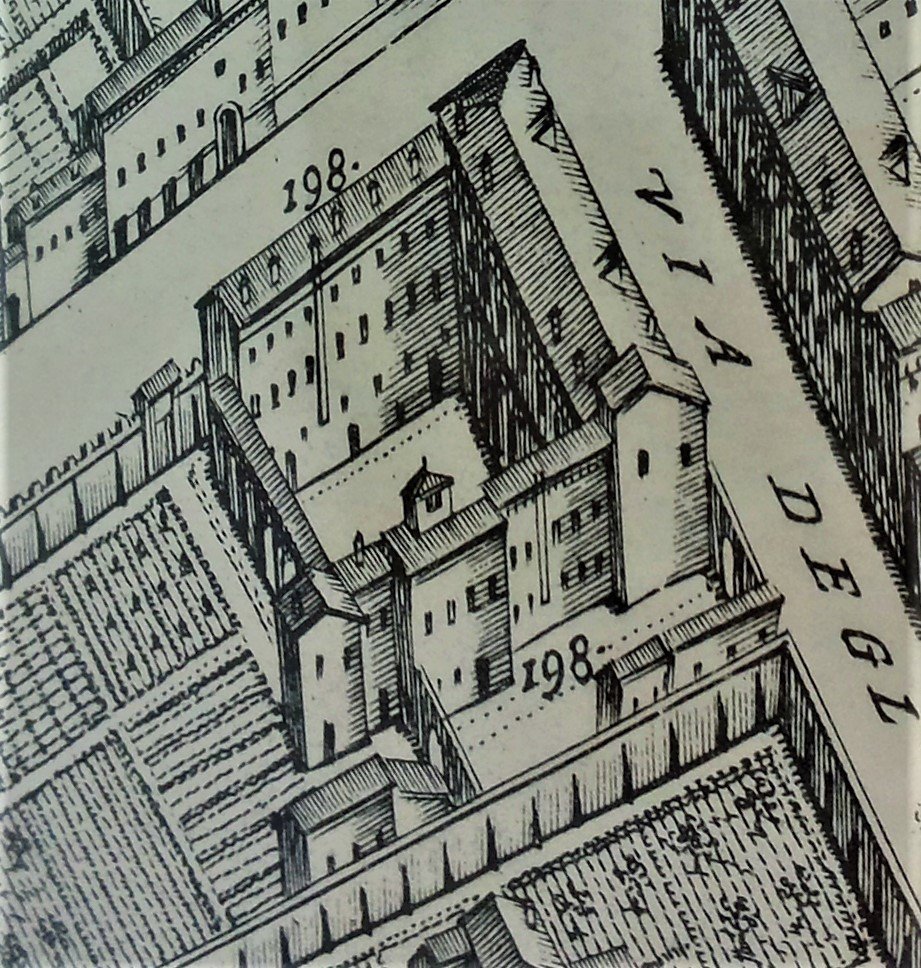
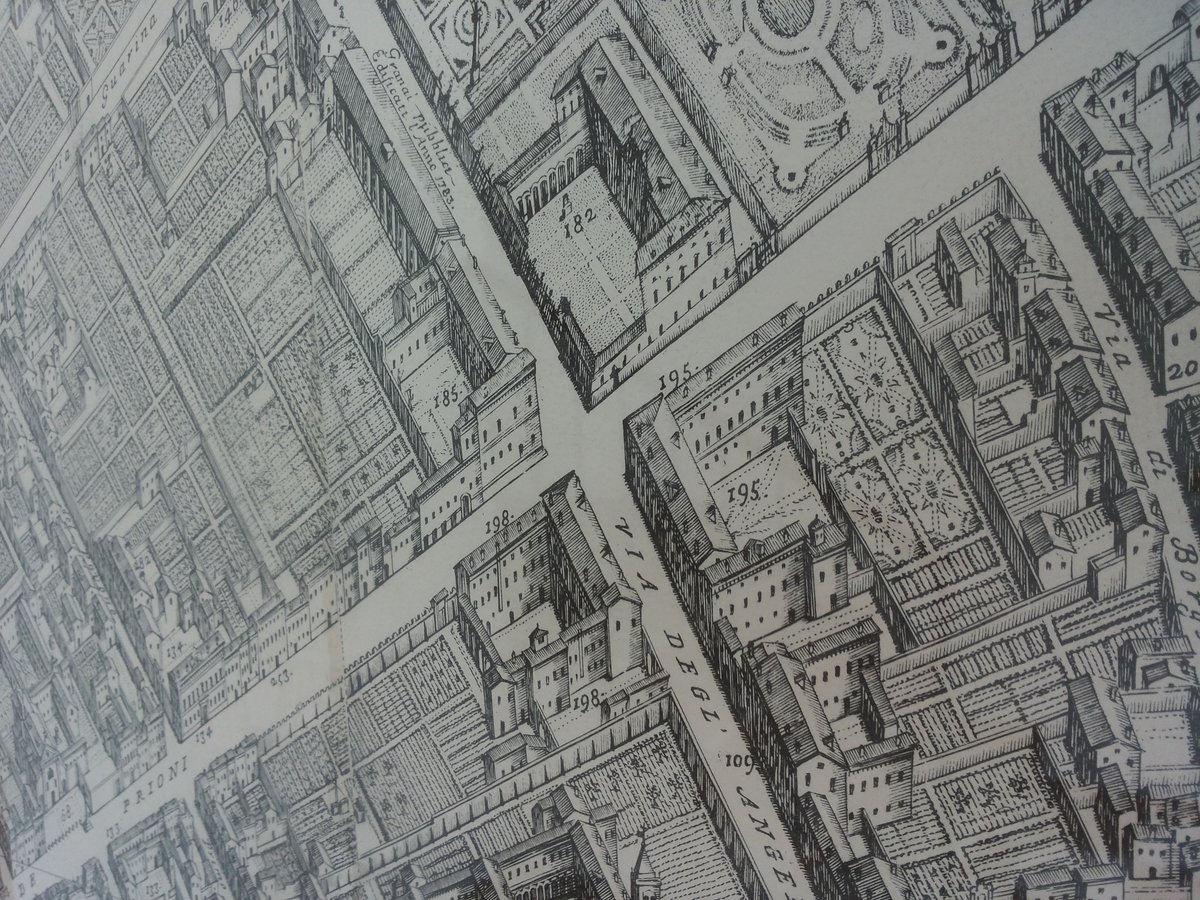
The construction of Palazzo dei Diamanti began in 1493, reflecting the ambitions of the Este dynasty and the innovative spirit of the Renaissance. Biagio Rossetti, Ferrara’s leading architect, integrated the palace into the "Addizione Erculea," a comprehensive urban expansion commissioned by Duke Ercole I d’Este. This project doubled Ferrara’s size, introducing a rational street grid that positioned the Palazzo at the Quadrivio degli Angeli, the intersection of the city's two main axes—making it both a visual and urban focal point (Smarthistory; Wikipedia; Ferrara4All).
Originally a residence for Este nobility—including Cesare d’Este and Virginia de’ Medici—the palace’s role evolved over centuries, eventually becoming a public institution after Ferrara’s devolution to the Papal States in 1598 (Ferrara4All).
Architectural Significance and Restoration
The Diamond-Point Façade
Palazzo dei Diamanti’s most distinguishing feature is its rusticated marble exterior, composed of thousands of diamond-shaped (bugnato) blocks. These were ingeniously arranged to maximize the interplay of light and shadow, giving the building a shimmering, multifaceted appearance throughout the day. The diamond motif not only reflected the Este family’s status but also symbolized strength and innovation (Smarthistory; Azure Magazine; palazzodiamanti.it).
Other architectural highlights include candelabra and plant-inspired motifs at the corners, sculpted by Gabriele Frisoni, and a Renaissance courtyard with a marble well. The interior boasts well-preserved 16th-century ceilings and the notable apartment of Virginia de’ Medici (nomads-travel-guide.com).
Restoration and Adaptive Reuse
Throughout its history, the palace has undergone restorations to preserve its facade and adapt its interiors for museum and exhibition use. The building survived significant wartime damage in 1944, followed by careful restorative campaigns. Recent updates by Labics have improved accessibility and visitor circulation, with the addition of amenities like a bookshop and coffee shop (palazzodiamanti.it; Detail).
The Palazzo as a Cultural Institution
Pinacoteca Nazionale di Ferrara
The upper floor houses the Pinacoteca Nazionale di Ferrara, which features masterpieces from the Ferrarese school, covering the 13th to 18th centuries. Notable artists include Cosmè Tura, Dosso Dossi, Garofalo, and Gentile da Fabriano. The collection provides deep insight into Ferrara’s pivotal role in the development of Renaissance and Baroque art (palazzodiamanti.it; Italia.it).
Ferrara Arte Foundation and Temporary Exhibitions
Since 1991, the ground floor has been dedicated to world-class temporary exhibitions curated by the Ferrara Arte Foundation. Collaborations with leading international museums (such as the Metropolitan Museum of Art and the Prado) have resulted in exhibitions on artists like Giovanni Boldini, Claude Monet, and M.C. Escher (inferrara.it; palazzodiamanti.it). In 2025, the palace will host parallel exhibitions on Alphonse Mucha and Giovanni Boldini (finestresullarte.info).
Visiting Information: Hours, Tickets, and Accessibility
Opening Hours
- Palazzo dei Diamanti Temporary Exhibitions: Daily, 9:30 am – 7:30 pm (palazzodiamanti.it)
- Pinacoteca Nazionale: Tuesday–Sunday, 10:00 am – 6:00 pm (last entry at 5:30 pm), closed on non-holiday Mondays
Occasional late openings until 11:30 pm may occur during special events. Always check the official visiting page for seasonal updates.
Ticket Information
- Standard Admission: €15 (temporary exhibitions)
- Concessions: €13 (ages 6–18, over 65, university students, visitors with disabilities under 67% with carer)
- Combined Ticket: €17 (temporary exhibition + Pinacoteca Nazionale)
- Free Admission: Children under 6, visitors with disabilities over 67% (with carer), journalists, licensed guides
- Flexible Advance Ticket: €18 (undated, valid throughout exhibition period)
- Online Booking: Recommended, with a possible €1.50 booking fee (palazzodiamanti.it)
Accessibility
- Fully wheelchair accessible, with ramps and elevators throughout
- Audioguides available (included with admission; accessible via smartphone)
- Assistance upon request for visitors with special needs (palazzodiamanti.it; Inferrara)
Getting There and Local Amenities
- Address: Corso Ercole I d’Este 21, 44121 Ferrara, Italy
- By Car: Use A13 BO-PD highway, exit Ferrara Nord or Sud. The Parcheggio Diamanti, open 24/7, is nearby (palazzodiamanti.it).
- By Train: Ferrara station connects to major Italian cities and is about 2 km from the palace (Trenitalia; Italo).
- By Bus: Bus No. 3 from the station to the palace; Bus No. 4 for the return (Tper).
- By Plane: Bologna G. Marconi Airport (about 50 km away) with shuttle links to Ferrara (Ferrara Bus & Fly).
Facilities: Bookshop, restrooms, cloakroom (availability may vary), and nearby cafés and restaurants. The city is bike-friendly, making it ideal for exploring by bicycle (Italia.it).
Highlights of the Pinacoteca Nazionale and Temporary Exhibitions
- Pinacoteca Nazionale: Renaissance masterpieces and Ferrarese school art from the 13th–18th centuries.
- Temporary Exhibitions (2024–2025): Major shows include M.C. Escher, Alphonse Mucha, and Giovanni Boldini.
- Renaissance Cloister: A tranquil courtyard with a marble well, ideal for reflection and photography.
Visit Duration: Plan 1.5–2 hours to fully experience both exhibitions and the permanent collection (TripHobo).
Nearby Attractions in Ferrara
- Castello Estense: The Este family’s moated fortress.
- Ferrara Cathedral: Romanesque-Gothic architecture in the city center.
- Palazzo Schifanoia: Known for Renaissance frescoes.
- Via delle Volte: Picturesque medieval street.
All sites are within walking or biking distance, making Ferrara ideal for a cultural day out (Savoring Italy).
Frequently Asked Questions (FAQ)
Q: What are the Palazzo dei Diamanti visiting hours?
A: The palace is open daily for exhibitions (9:30 am–7:30 pm); the Pinacoteca Nazionale is open Tuesday to Sunday, 10:00 am–6:00 pm (last entry 5:30 pm).
Q: How much are tickets?
A: Standard exhibition tickets are €15, with discounts and combined tickets available. Pinacoteca-only admission varies; check the official website.
Q: Is Palazzo dei Diamanti accessible for visitors with disabilities?
A: Yes, the building is fully wheelchair accessible and offers assistance services.
Q: Can I book tickets online?
A: Yes, advance booking is recommended (palazzodiamanti.it).
Q: Are guided tours available?
A: Yes, group and individual tours are available; inquire at the ticket office or via email.
Q: Is photography allowed?
A: Photography is generally permitted without flash or tripods.
Q: Is parking available nearby?
A: Yes, Parcheggio Diamanti offers convenient paid parking.
Tickets & tours.
These are guided options from our partners — same price as booking direct.
Prices are indicative — final pricing and availability are confirmed at checkout. Audiala may earn a commission from bookings made through these links.
Listen to the full story in the app
The whole Palazzo Dei Diamanti,
told well.
Audio guides for 1,100+ cities across 96 countries. History, stories, and local insight — offline ready.
Verified, and shown.
Researched and written by the Audiala editorial team from historical records, architectural archives, and local expertise.
Researched from Wikidata, Wikipedia & official sources · fact-checked · How we make our guides →