
Historical Background
Early Origins and Construction
The Cattedrale di Santa Maria Assunta, located in Pesaro, Italy, has a rich and layered history that dates back to the early centuries of Christianity. The site where the cathedral stands today was originally occupied by a pagan temple, which fell into disuse with the spread of Christianity. It is believed that the first Christian church on this site was erected by Bishop Fiorenzo around the mid-3rd century AD, on the ruins of the palace of Matrona Teodosia (source).
Romanesque and Medieval Periods
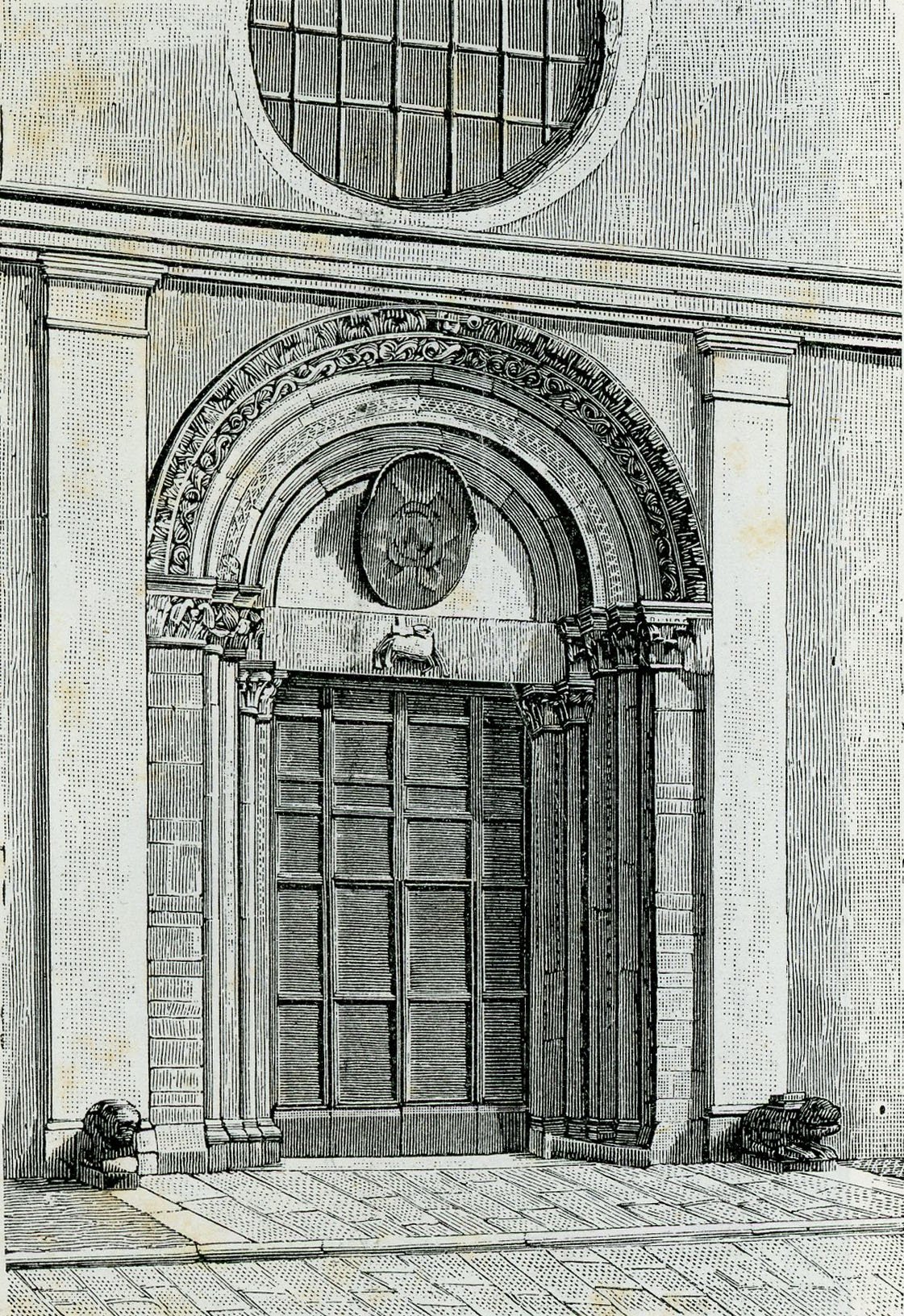
The cathedral underwent significant transformations during the Romanesque period. The current structure retains elements from its medieval reconstruction between 1282 and 1312. The façade, made of brick, showcases the architectural style of the Romanesque basilica, featuring a rose window, pilasters, and a series of ogival arches. The Gothic-style portal, flanked by two Istrian stone pilasters, is adorned with a pointed arch and trilobate frame (source).
The Role of Bishop Terenzio
Initially dedicated to Saint Terenzio, the patron saint and bishop of Pesaro, the cathedral played a crucial role in the religious life of the city. The relics of Saint Terenzio were housed here from the earliest times, making it a significant pilgrimage site. The church was later rededicated to Santa Maria Assunta, reflecting the evolving religious sentiments and practices of the local community (source).
Architectural Evolution
The cathedral's architecture reflects various periods of reconstruction and restoration. After a devastating earthquake in 751 AD and a fire set by Saracens in 848 AD, the church was rebuilt multiple times. The most radical reconstruction occurred under Bishop Clemente Fares (1856-1896), culminating in its consecration in 1903 by Bishop Carlo Bonaiuti (source).
Artistic Heritage
The interior of the cathedral is a treasure trove of artistic works spanning several centuries. Notable among these is the 1635 painting by Giovan Giacomo Pandolfi, 'Madonna del Popolo with Saint Luke and Blessed Michelina,' originally created to house an ancient devotional icon. The right nave features a 15th-century wooden crucifix, believed to be a miraculous artifact donated by Bernardino da Siena to Blessed Felice Meda of Pesaro (source).
The Cappella di San Terenzio
One of the most significant additions to the cathedral is the Cappella di San Terenzio, designed by Carducci and inaugurated in 1909. This chapel houses the relics of Saint Terenzio, which were previously kept under the main altar. The chapel's altar features an exquisite Annunciation painting attributed to Luca Frosino, dating back to 1510. The walls are adorned with contemporary icons of Saint Terenzio, Saint Decenzio, and Saint Germano, created by artist Francesca Pari (source).
Archaeological Significance
Beneath the cathedral lies an archaeological area that reveals the layered history of the site. Excavations have uncovered mosaic pavements from different periods, with the lower layer dating back to the 4th century and the upper layers spanning the 6th to 12th centuries. These findings suggest that the site has been a continuous place of worship and significance for over a millennium (source).
Modern Restorations
The most recent restorations have aimed to preserve the cathedral's historical and artistic heritage while making it accessible to modern visitors. These efforts include the conservation of frescoes, paintings, and architectural elements that reflect the cathedral's long and varied history. The cathedral remains a vibrant center of worship and a testament to the enduring legacy of faith and art in Pesaro (source).
Visitor Information
Visiting Hours
The Cattedrale di Santa Maria Assunta is open to visitors daily from 8:00 AM to 7:00 PM. However, these hours may vary during religious holidays and special events, so it is advisable to check the official website or contact the cathedral for the most up-to-date information.
Tickets
Entrance to the cathedral is free, but donations are welcome to help with the maintenance and restoration of the building. Guided tours are available for a fee and can be booked in advance through the cathedral's official website or visitor center.
Travel Tips
- Location The cathedral is located in the historic center of Pesaro, easily accessible by foot from most major landmarks in the city.
- Nearby Attractions While visiting the cathedral, consider exploring other nearby historical sites such as the Rocca Costanza and the Palazzo Ducale.
- Accessibility The cathedral is wheelchair accessible. For further assistance, contact the visitor center in advance.
- Photography Photography is allowed inside the cathedral, but please be respectful of ongoing services and other visitors.
FAQ
What are the visiting hours for Cattedrale di Santa Maria Assunta?
The cathedral is open daily from 8:00 AM to 7:00 PM, though hours may vary during religious holidays and special events.
How much are tickets to Cattedrale di Santa Maria Assunta?
Entrance is free, but donations are welcome. Guided tours are available for a fee.
Is the cathedral wheelchair accessible?
Yes, the cathedral is wheelchair accessible. For further assistance, contact the visitor center in advance.
Summary and Final Thoughts
The Cattedrale di Santa Maria Assunta is more than just a historical monument; it is a living testament to the enduring legacy of faith, art, and culture in Pesaro. From its early origins as a pagan temple to its current status as a cathedral, the site encapsulates centuries of religious and architectural evolution. Visitors can marvel at the Romanesque façade, the neoclassical interior, and the rich collection of artistic treasures that include frescoes, mosaics, and relics of saints. The cathedral not only serves as a place of worship but also as a significant cultural landmark, attracting tourists and pilgrims alike. Whether you are exploring the archaeological layers beneath the cathedral or admiring the 15th-century wooden crucifix in the Chapel of the Crucifix, each element tells a story of resilience and devotion. This guide provides all the necessary information to make your visit to the Cattedrale di Santa Maria Assunta a memorable and enriching experience (source).