Plan and listen to Giovio Musaeum with Audiala.
Audio guide in your pocket, itinerary in your browser. Built for the way you actually visit.
Introduction to the Giovio Museum and Its Cultural Significance
Nestled in the picturesque city of Como, Italy, the Giovio Museum (Museo Archeologico Paolo Giovio) stands as a beacon of Renaissance humanism, archaeological heritage, and museological innovation. Established in the 16th century by the visionary scholar Paolo Giovio, the original Musaeum was among the earliest purpose-built public museums in Europe. It was designed to foster civic pride and education through an extensive collection of portraits and artifacts. Today, the museum continues to captivate visitors with archaeological displays ranging from prehistoric cultures like the Golasecca to Roman-era artifacts, all housed within the elegant Palazzo Giovio and its adjoining structures.
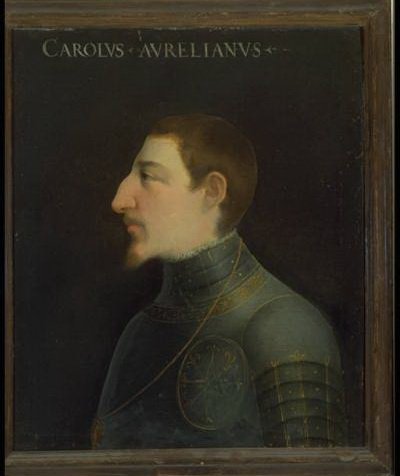
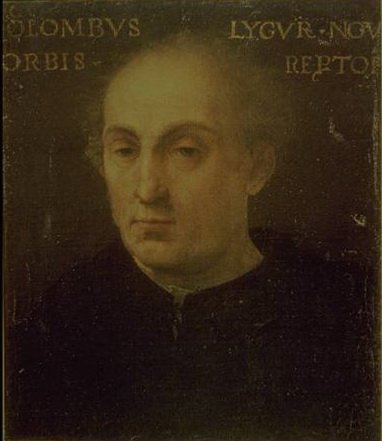
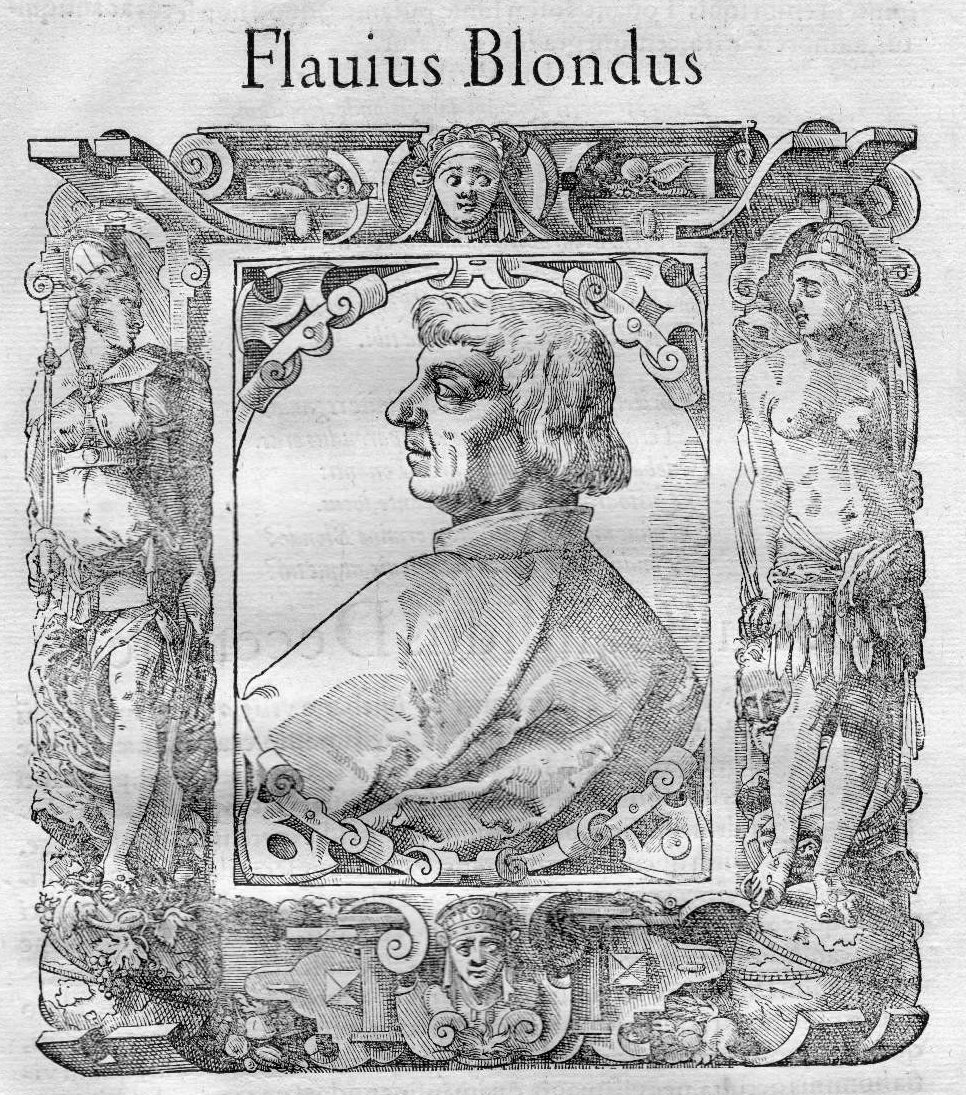
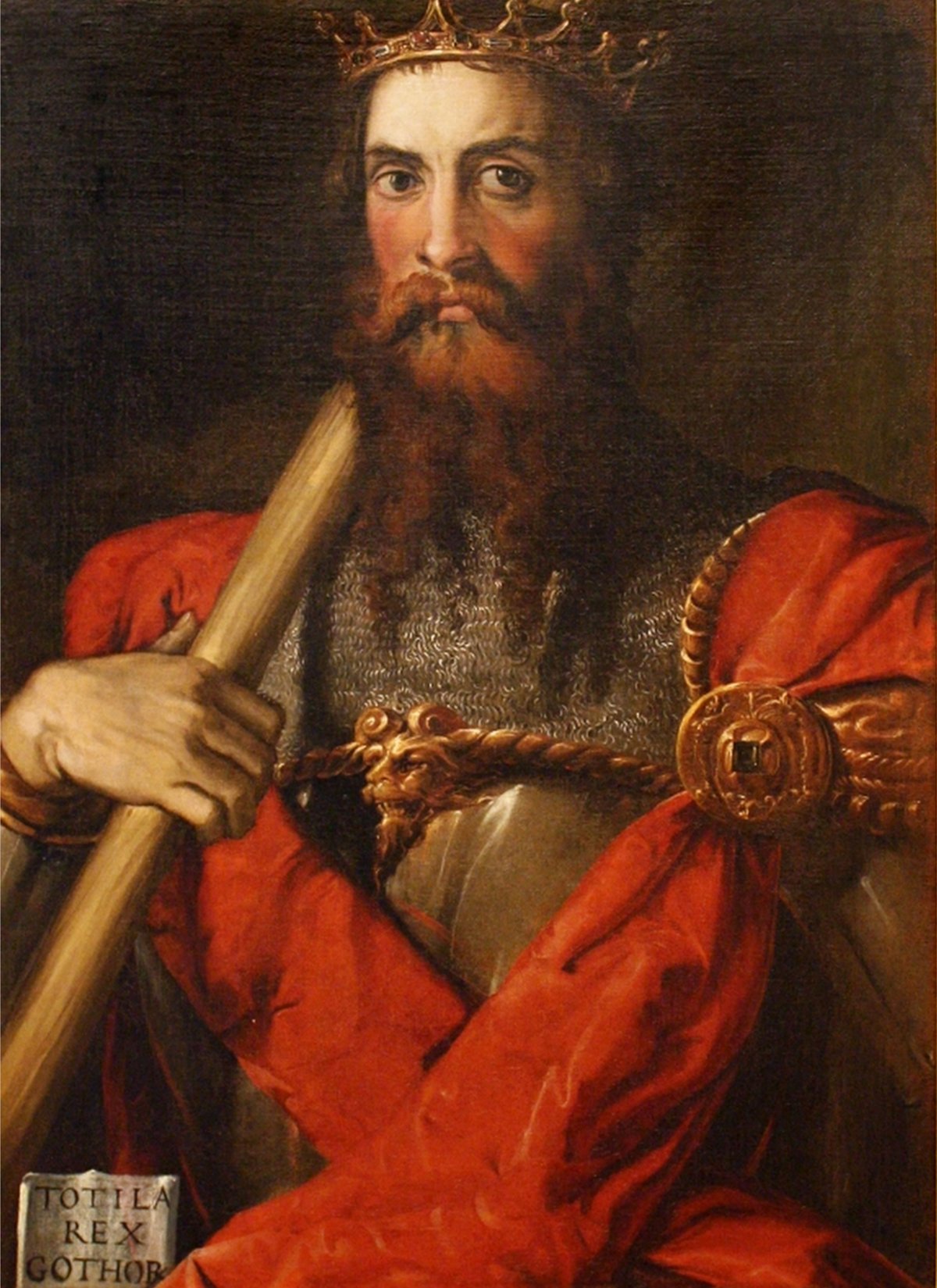
Paolo Giovio’s pioneering vision of a "museum" as a public educational institution set the foundation for modern museology. His original collection included over 400 portraits, each accompanied by biographical commentaries—a model that influenced future galleries and museums across Europe. Though many original works and the original building have been lost, the legacy endures in Como’s Museo Archeologico Paolo Giovio, which preserves significant archaeological treasures and Renaissance architecture.
This guide delivers everything you need to plan a fulfilling visit: detailed information about the museum’s origins, collections, visiting hours, ticketing, accessibility, and nearby attractions. For up-to-date information and interactive visitor aids, consult official resources and consider downloading the Audiala app for audio guides and cultural insights. Experience the enduring allure of the Giovio Museum—a landmark where history, art, and scholarship converge (Explore Lake Como; Visit Como; Wikipedia: Giovio Series; Finestre sull’Arte).

Origins and History
The Giovio Musaeum’s story begins with the influential Giovio family, prominent residents of Como since the 13th century. Their family home, Palazzo Giovio, became a center of cultural and intellectual activity. During the 1500s, Paolo Giovio and his brother Benedetto expanded and enhanced the palazzo, creating a pioneering portrait gallery that embodied the ideals of the Renaissance (Explore Lake Como).
Paolo Giovio: Life and Vision
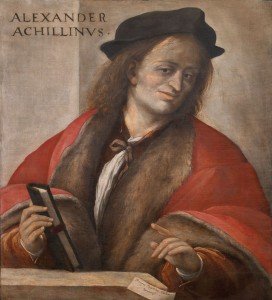
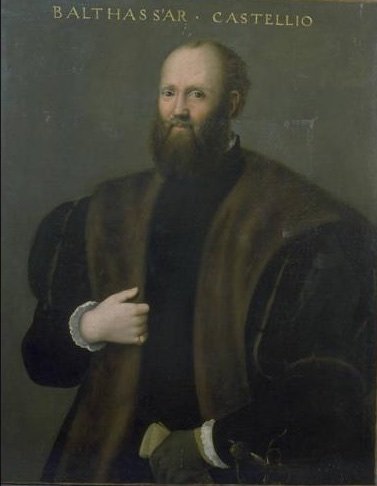
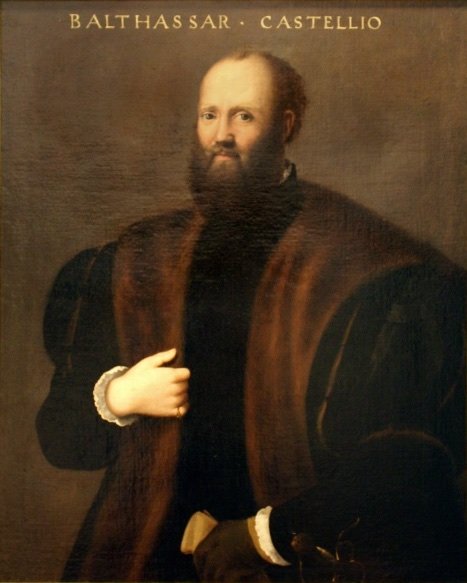
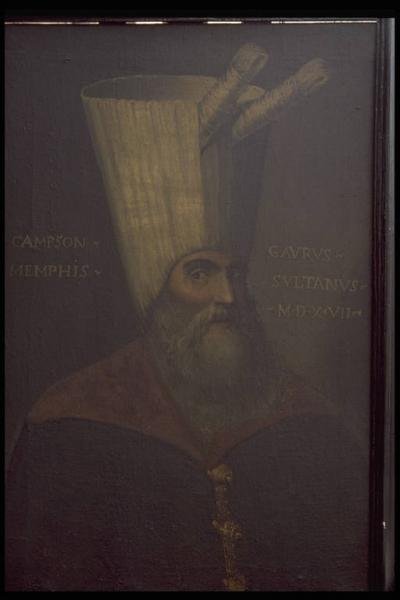
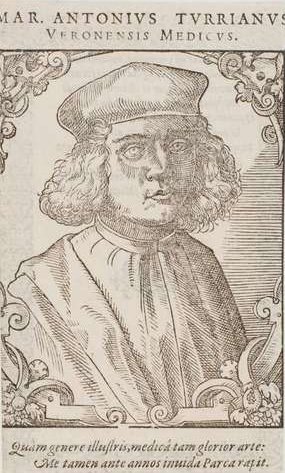
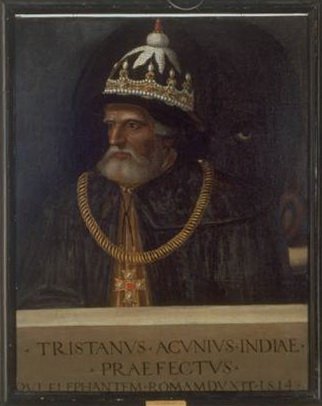
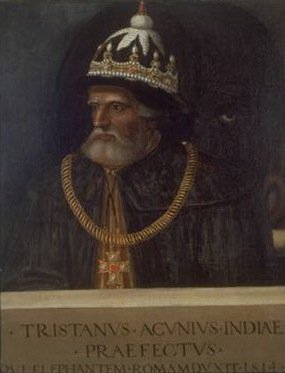
Paolo Giovio (1483–1552) was a Renaissance physician, historian, and biographer. Driven by his passion for commemorating notable individuals, he assembled the famed Giovio Series—an extensive collection of portraits representing poets, rulers, artists, and other luminaries of his era. Giovio’s goal was educational: to inspire visitors by presenting these portraits alongside concise biographies (Wikipedia: Giovio Series).
The Original Musaeum and Collection
Constructed between 1537 and 1543 in Como’s Borgo Vico district, the Musaeum was designed as a public space for displaying its remarkable collection. The original gallery included 484 works divided into categories: living and deceased writers, artists, and dignitaries such as kings, popes, and generals. Each portrait was paired with a brief biography, later published in two volumes (Wikipedia: Giovio Series).
Giovio prioritized authenticity, commissioning portraits from life or reliable sources. Artists included renowned names like Dosso Dossi and Francesco Salviati. The diversity of subjects ranged from popes and monarchs to unique personalities like the Turkish tightrope walker Halis and Fausta Mancini (Google Arts & Culture: Pinacoteca Civica di Como).
Significance and Influence
The Giovio Musaeum was revolutionary as one of the first public portrait galleries meant to educate and inspire through examples of virtue and achievement. Its influence can be seen in collections like the Uffizi Gallery in Florence, which houses copies made by Cristofano dell’Altissimo. The practice of pairing portraits with biographies became a standard for later galleries and historians (Wikipedia: Giovio Series).
Fate of the Collection and Palazzo Giovio Today
After Paolo Giovio’s death, the original villa was destroyed and the portrait collection dispersed. Today, 39 original paintings survive in Como’s Pinacoteca Civica di Palazzo Volpi. Palazzo Giovio has undergone multiple renovations and, since 1897, has housed the Museo Archeologico Paolo Giovio, preserving the spirit of the original Musaeum (Explore Lake Como).
Visiting the Giovio Museum: Practical Information
Location: Palazzo Giovio, Via Odescalchi, 11, Como, Italy
Opening Hours: Tuesday to Sunday, 10:00 AM – 6:00 PM; closed Mondays and public holidays
Tickets: General admission €8; reduced €5 for students and seniors; children under 12 free
Accessibility: Wheelchair accessible with elevators and ramps
Guided Tours: Available on weekends and by appointment; audio guides in several languages
Special Events: Temporary exhibitions, lectures, and cultural events occur regularly—check the official website for updates
Nearby Attractions: Como Cathedral, Lake Como promenade, and Tempio Voltiano are within walking distance
Photography: Allowed without flash; highlights include the portrait gallery and frescoed rooms
Museo Archeologico Paolo Giovio: Museological Insights
The Birth of Modern Museum Concepts
Paolo Giovio’s Musaeum is widely recognized as a foundational institution in museum history, being the first to use the term "museum" in its modern sense. The building in Borgovico, completed in 1543, was purpose-built for collecting, preserving, and exhibiting objects for public education—a significant innovation in European museology (Finestre sull’Arte; Incuriosire).
Giovio’s approach blended classical tradition with Renaissance ideals, creating a "place sacred to the Muses" that inspired learning and civic virtue (Finestre sull’Arte).
Collection Highlights and Legacy
The museum’s collection included around 400 portraits of significant historical figures, coins, medals, and antiquities, all curated with an educational and commemorative mission (Incuriosire). Giovio’s scholarly commentaries provided context, setting a precedent for future museums.
Modern Museum and Palazzo Giovio Today
The current Museo Archeologico Paolo Giovio is located in the historic Palazzo Giovio in central Como (Visit Como). Opened in 1894, it now focuses on the preservation and education of Como’s archaeological heritage, featuring:
- Prehistory and Protohistory: Ceramics and artifacts from early settlements
- Roman Section: Sculptures, inscriptions, coins, and artifacts from Roman Como
- Lapidarium: Tombstones and stone sculptures, including the "Tomba del Carrettino"
- Collectibles: Egyptian, Greek, and Magna Graecia artifacts, bronze statuettes, and gems (Nomads Travel Guide)
The Palazzo Giovio itself is a cultural landmark, with Lombard Baroque architecture and frescoes by notable artists, enhancing the visitor experience (Summer in Italy).
Museum Layout, Must-See Exhibits, and Visitor Experience
Architectural Setting and Access
The museum is housed in the historic Palazzo Giovio, featuring elegant gardens, a grand staircase, and a nymphaeum (Comune di Como). Exhibition spaces are organized chronologically and thematically:
- Prehistoric and Protohistoric Section: Bronze and Iron Age artifacts, focusing on the Golasecca culture and Ca’ Morta necropolis
- Roman Section: Monumental architectural fragments, mosaics, and everyday objects from Roman Como (Novum Comum)
- 19th-Century Collections: Egyptian antiquities, Greek vases, Roman bronzes from the Garovaglio Donation and Regazzoni Collection
- Lapidary Section: Latin inscriptions, milestones, and funerary plaques
Must-see exhibits include:
- Golasecca culture artifacts
- Roman mosaic floor from Via Perti
- Monumental frieze and sculptural bases
- Egyptian sarcophagus and Mediterranean antiquities
- Prehistoric tools and ornaments
The museum is compact, allowing for a thorough visit in 1–2 hours. Facilities include accessible entrances and elevator access (WhichMuseum).
Practical Tips and Nearby Attractions
Visiting Hours: Tuesday to Sunday, 9:00 AM–6:00 PM; closed Mondays and public holidays.
Tickets: Adults €5; reduced €3 (EU citizens aged 18–25); free for EU citizens under 18, over 65, and disabled visitors.
Getting There: Central Como, Piazza Medaglie d’Oro Comasche. Walkable from Como San Giovanni train station; note ZTL zone for vehicles.
Accessibility: Elevator access and accessible restrooms, though some areas may have limitations due to the historic architecture.
Special Events and Guided Tours: Periodic exhibitions and educational programs; guided tours in Italian and English can be arranged in advance.
Nearby Cultural Sites:
- Como Cathedral
- Tempio Voltiano
- Museo Storico Giuseppe Garibaldi
- Pinacoteca Civica di Como
- Villa Olmo
Dining: Como’s old town offers cafes and restaurants serving regional specialties like risotto con pesce persico and polenta uncia.
Frequently Asked Questions (FAQs)
Q: What are the current visiting hours?
A: As of June 2025, the museum is temporarily closed. Check the official website for reopening updates.
Q: How can I buy tickets?
A: When open, tickets can be purchased online or at the museum entrance. Check current procedures in advance.
Q: Is the museum accessible for visitors with disabilities?
A: Yes, with elevator access and accessible restrooms, though some areas may have limitations.
Q: Are guided tours available in English?
A: Guided tours are offered in Italian and English—book in advance.
Q: Is photography allowed inside the museum?
A: Non-flash photography is generally permitted. Always check specific exhibit rules.
Q: What are the best nearby attractions?
A: Como Cathedral, Museo Storico Giuseppe Garibaldi, lakeside promenade, and Pinacoteca Civica di Como.
Visual Highlights

The historic Palazzo Giovio in Como, housing the museum.

One of the renowned portrait displays featuring Renaissance figures.
Listen to the full story in the app
The whole Giovio Musaeum,
told well.
Listen to sourced travel stories with local history and practical context — ready offline.
Verified, and shown.
Researched and written by the Audiala editorial team from historical records, architectural archives, and local expertise.
Built from cited sources · see the method · How we make our guides →

