Introduction: The Historic Tramway of Lake Como
The Como–Cernobbio–Maslianico–Ponte Chiasso Tramway is a landmark of early 20th-century transportation, once threading the elegant western shore of Lake Como with a metre-gauge electric tram line. Inaugurated in 1911, the tramway linked Como’s bustling city center to the Swiss border, spurring economic growth, cultural exchange, and tourism in the region. Although the tramway ceased operation in 1938, its route remains central to the urban landscape, echoed in scenic promenades, historic villas, and modern public transport corridors. Today, visitors can explore remnants of the route on foot, by bike, or via local buses, immersing themselves in the rich heritage of Lake Como’s transport history.
This guide covers the tramway’s history, cultural significance, practical visitor information, travel tips, and recommended attractions. Whether you’re a history enthusiast, a traveler seeking scenic walks, or someone interested in cross-border adventures, this resource will help you make the most of your journey along the former tramway corridor.
For more details, visit the Como Tourism website, ASF Autolinee, and the Museo della Seta. For historical background, consult TrenieBinari and Rossiwrites.
The Como–Cernobbio–Maslianico–Ponte Chiasso tramway exemplified technological progress in Lombardy, connecting towns along Lake Como to the Swiss border. The 1000 mm gauge electric trams ran along the lakeside, supporting Como’s renowned silk industry and fostering regional mobility. The tramway democratized travel, promoted tourism, and contributed to the area’s economic and cultural development. Its closure in 1938 marked a transition to trolleybuses and later to modern buses, but its imprint endures in the region’s infrastructure and identity (treniebinari.it, rossiwrites.com).
Photo Gallery
Explore Como–Cernobbio–Maslianico–Ponte Chiasso Tramway in Pictures

Historic yellow tram running on cobblestone street in the picturesque town of Cernobbio, Italy, showcasing classic European transportation and charming urban scenery.

Scenic view of a tram traveling along the lakeside road in Cernobbio, Italy, showcasing beautiful lake and mountain surroundings

An image showing a tram running through the town of Maslianico, capturing local public transportation and scenic urban environment.

An interurban tram servicing the line to Cernobbio traveling along Strada Regina by the shore of Lake Como, with Villa del Grumello visible in the background.

An interurban tram in service on the Como-Cernobbio line along Strada Regina, running beside Lake Como. The fence of the Museo Studio del Tessuto is visible on the left side, highlighting the historical and cultural context.
Mapping and Exploring the Historic Route
Original Route:
- Start: Villa Salazar (Como) near the city center and lakeside promenade
- Path: Strada Regina (SS340), passing through Tavernola, Cernobbio, Maslianico
- End: Ponte Chiasso at the Swiss border
- Highlights: 22-meter iron bridge over the Breggia River; picturesque lakeside views
Distances:
- Como to Cernobbio: ~2.9 km
- Cernobbio to Maslianico: via bifurcation near Cernobbio
- Maslianico to Ponte Chiasso: ~2.1 km
Much of the route is now a mix of pedestrian promenades, public roads, and modern bus lines (OpenHistoricalMap, it.wikipedia).
Key Modern Landmarks:
- Villa Olmo: Neoclassical villa with public gardens, exhibitions (open daily, 9:00–19:00) (lakecomotravel.com)
- Cernobbio Piazza and Lakeside: Cafés, shops, and scenic promenades
- Villa Erba: Event venue with gardens (hours depend on events, lagodicomo.com)
- Villa d’Este: Luxury hotel with historic gardens, public access during certain events
Visiting Hours, Tickets, and Accessibility
Tramway Route Access:
- Outdoor portions of the route are accessible year-round, free of charge.
- Walking and cycling paths between Como and Cernobbio are well maintained and mostly flat.
Museums and Exhibits:
- Museo della Seta (Como): Tuesday–Sunday, 9:00–18:00. Exhibits on local industry, including transport history.
- Tempio Voltiano (Como): Tuesday–Sunday, 9:00–18:00.
Tickets:
- No ticket required for walking/cycling the route.
- Bus tickets (ASF Autolinee): €1.50–€2.50 per ride, available at newsstands, tobacconists, or via mobile apps (ASF Autolinee)
- Museum and villa entry: Varies by site; check official websites for details.
Accessibility:
- Lakeside promenades are wheelchair-friendly.
- Modern buses are equipped for reduced mobility.
- Most museums offer accessible entrances; check ahead for specific needs.
Modern Transport Alternatives and Travel Tips
Bus Services:
- ASF Autolinee lines 1, 6, and C50 follow the historical corridor, running every 20–30 minutes during the day (ASF Autolinee).
- Ticket purchase: newsstands, tobacconists, onboard (with surcharge).
Train Services:
- Como San Giovanni station connects to Ponte Chiasso and Swiss destinations (Rome2Rio).
Boat Services:
- Navigazione Lago di Como ferries connect Como, Cernobbio, and nearby towns (Navigazione Lago di Como).
Parking:
- Como: Area Ippocastano, Tavernola, and coach parking at Via Regina Teodolinda (VisitComo Getting Here).
- Cernobbio: Public parking at Via Filzi, Via Regina, and Piazzale dei Caduti (MyLakeComo Parking).
Walking and Cycling:
- The promenade between Como and Cernobbio offers a scenic, accessible route ideal for walkers and cyclists.
Points of Interest Along the Route
Historic Villas and Gardens:
- Villa Olmo (Como): Exhibitions, public gardens
- Villa Erba (Cernobbio): Gardens, event venue
- Villa d’Este (Cernobbio): Historic luxury hotel and gardens
Cultural and Natural Attractions:
- Lakefront promenades
- The former Breggia River iron bridge site
Museums:
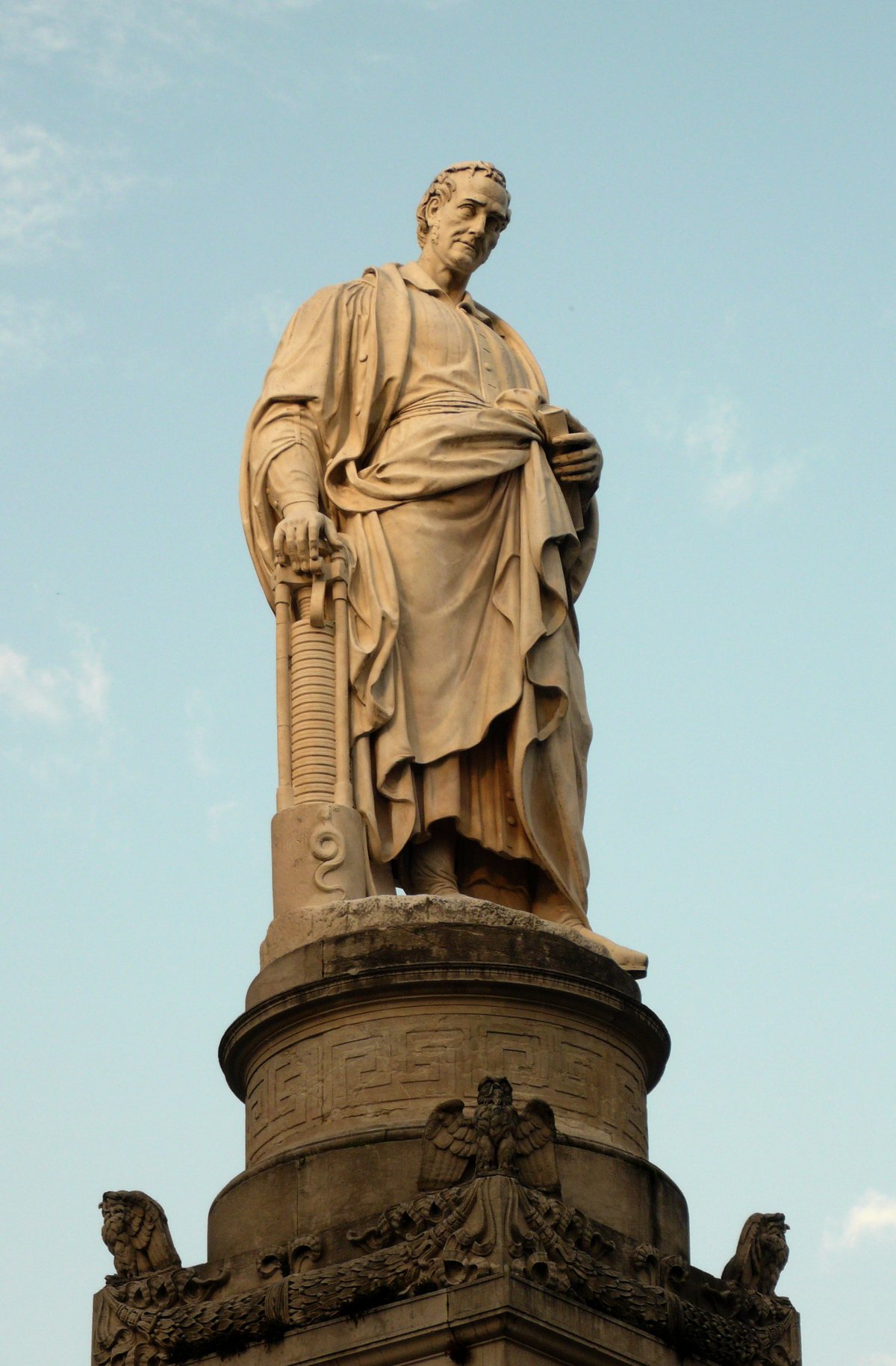
- Tempio Voltiano: Dedicated to Alessandro Volta
- Museo della Seta: Industrial and transport history
Local Experiences:
- Dine on regional specialties at lakeside cafés
- Browse local markets and artisan shops in Cernobbio
Cross-Border Travel at Ponte Chiasso
- Pedestrian and train crossings into Switzerland at Ponte Chiasso/Chiasso
- Valid ID required for border control (ViaMichelin Como–Chiasso)
- Currency: Swiss Franc (CHF) in Switzerland; roaming charges may apply
Frequently Asked Questions (FAQs)
Can I ride the Como–Cernobbio tramway today?
No, the tramway ceased operation in 1938. The route is now served by buses, trains, and pedestrian paths.
Where can I learn more about the tramway’s history?
Como’s museums, such as Museo della Seta, offer insights. Local tourism offices and treniebinari.it have further resources.
Is the route accessible for wheelchairs and strollers?
Yes, especially the promenade between Como and Cernobbio, and most modern buses.
How do I navigate the former route?
Use digital maps or brochures from local tourism offices. OpenHistoricalMap provides overlays of the historic tramway.
Are there guided tours?
Occasionally, historical societies and tourism offices offer themed walks. Check local calendars for special events.
Practical Visitor Tips
- Best Seasons: Spring and early autumn for mild weather and fewer crowds.
- Tickets: Buy bus tickets in advance to avoid surcharges.
- Local Cuisine: Sample fish from Lake Como, risotto, and gelato.
- Events: Villa Erba and Cernobbio host festivals and cultural events—check local listings.
- Cross-Border: Remember your passport or ID for travel into Switzerland.
Listen to the full story in the app
Your Personal Curator, in Your Pocket.
Audio guides for 1,100+ cities across 96 countries. History, stories, and local insight — offline ready.
Audiala App
Available on iOS & Android
Join 50k+ Curators
Sources
- verified
- verified
- verified
- verified
Last reviewed: