Plan and listen to Porta Venezia with Audiala.
Audio guide in your pocket, itinerary in your browser. Built for the way you actually visit.
Introduction
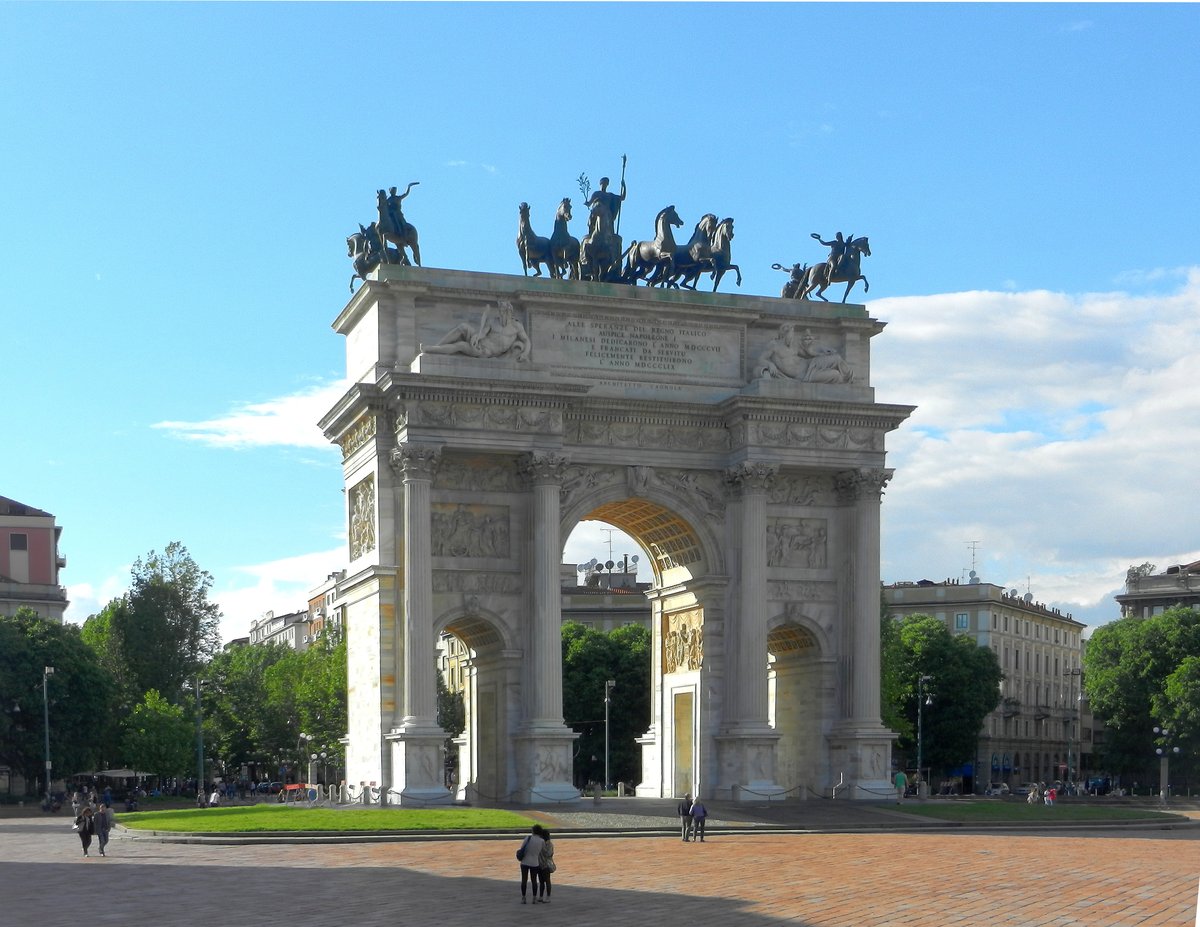
Porta Venezia is an essential stop for anyone exploring Milan, Italy. This iconic historical site, known for its fascinating blend of rich history, vibrant culture, and architectural beauty, attracts numerous visitors each year. Originally named Porta Orientale, the gate served as a critical entry point to Milan from the east during the Roman era. Over the centuries, it has undergone several transformations, reflecting Milan's evolving political and cultural landscape (Exploring Porta Venezia).
Today, Porta Venezia is more than just an architectural landmark; it is a vibrant cultural and social hub. The surrounding area is home to several significant cultural institutions, such as the Museo Civico di Storia Naturale and the Galleria d'Arte Moderna. The neighborhood also boasts an eclectic mix of shops, restaurants, and annual events like the Milano Pride parade, making it a lively destination for both locals and tourists (Complete Guide to Visiting Porta Venezia).
For those planning to visit, Porta Venezia offers a plethora of attractions, including the Giardini Pubblici Indro Montanelli, the Villa Reale, and the historic Casa Museo Boschi Di Stefano. The area is easily accessible by public transportation, making it convenient for visitors to explore its many offerings. This comprehensive guide will delve into the history, cultural significance, and practical visitor information for Porta Venezia, ensuring you make the most of your visit (Top Attractions in Porta Venezia).
Origins and Early History
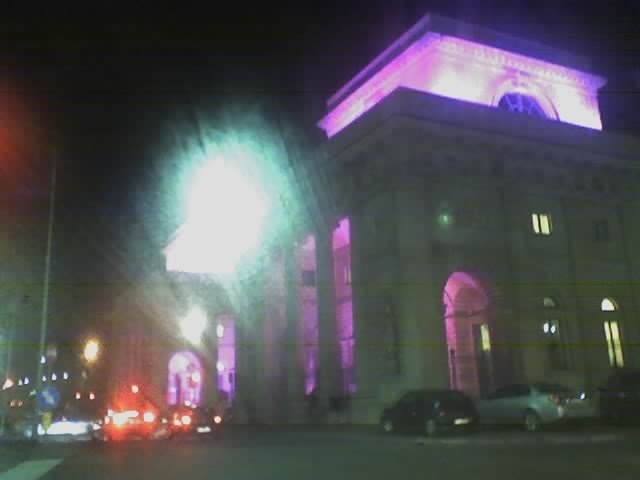
Porta Venezia, originally known as "Porta Orientale" or "Eastern Gate," has a history dating back to Roman times. As a crucial entry point from the east, it was integral to Milan's defense system. The gate's strategic location made it a vital part of the city's fortifications. Over centuries, Porta Venezia was rebuilt and renamed to reflect Milan's evolving political and cultural landscape.
Medieval and Renaissance Periods
During the medieval period, Porta Venezia underwent significant transformations. In the 12th century, it was reconstructed as part of the city's new defensive walls. The Renaissance era brought further changes, with architect Giuseppe Meda redesigning the gate in the 16th century to include decorative elements and enhanced defenses, reflecting Renaissance ideals of symmetry and proportion.
19th Century Developments
The 19th century was a period of significant change. In 1827, the gate was renamed "Porta Venezia" in honor of Venice, which had been incorporated into the Kingdom of Lombardy-Venetia. This renaming aimed to strengthen cultural and political ties between Milan and Venice. The construction of the Milan-Venice railway line in the mid-19th century further enhanced Porta Venezia's importance as a transportation hub.
Architectural Evolution
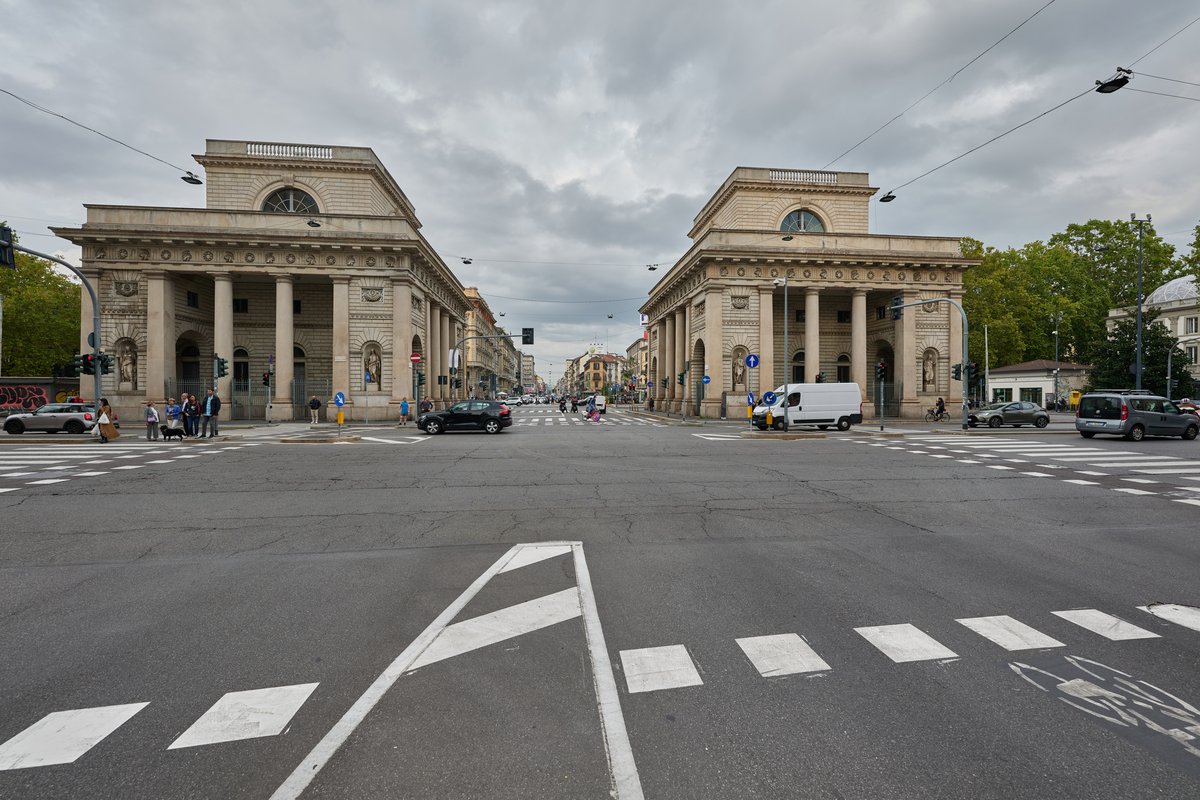
Porta Venezia's architectural evolution mirrors Milan's broader urban development. The current design is the result of several phases of reconstruction and renovation. In the late 19th century, architect Giuseppe Mengoni, known for his work on the Galleria Vittorio Emanuele II, undertook a major renovation, incorporating neoclassical elements such as columns, pediments, and decorative friezes. Two pavilions were also constructed to serve as customs houses.
20th Century and Beyond
During World War II, Porta Venezia suffered damage from bombing raids but was subsequently restored. In the post-war period, it became a symbol of Milan's resilience and recovery. The surrounding area developed significantly, transforming Porta Venezia into a vibrant urban district known for its diverse cultural scene, historic architecture, and vibrant street life.
Visitor Information
Porta Venezia Visiting Hours - The gate itself is open to visitors at all times, but specific attractions like the Civic Museum of Natural History and the Gallery of Modern Art have their own visiting hours.
Porta Venezia Tickets - There is no fee to visit the gate, but entrance fees may apply to nearby museums and attractions.
Nearby Attractions - The area around Porta Venezia is home to several important cultural institutions, including the Museo Civico di Storia Naturale and the Galleria d'Arte Moderna. The neighborhood is also known for its eclectic mix of shops, restaurants, and cultural events.
Travel Tips - Porta Venezia is easily accessible by public transportation, including the Milan Metro (Line 1) and several bus and tram lines. The area is also pedestrian-friendly, making it easy to explore on foot.
Unique Aspects
Porta Venezia hosts several annual events, including the "Milano Pride" parade, celebrating the city's LGBTQ+ community. The area's historic buildings, tree-lined streets, and vibrant street art make it a popular destination for photographers and art enthusiasts.
FAQ
Q - What are the visiting hours for Porta Venezia?
A - The gate is open to visitors at all times, but specific attractions have their own visiting hours.
Q - Are there any entrance fees?
A - There is no fee to visit the gate itself, but nearby museums and attractions may charge entrance fees.
Q - How can I get to Porta Venezia?
A - Porta Venezia is accessible by public transportation, including the Milan Metro (Line 1) and several bus and tram lines.
Listen to the full story in the app
The whole Porta Venezia,
told well.
Audio guides for 1,100+ cities across 96 countries. History, stories, and local insight — offline ready.

Verified, and shown.
Researched and written by the Audiala editorial team from historical records, architectural archives, and local expertise.
Researched from Wikidata, Wikipedia & official sources · fact-checked · How we make our guides →