History and Origins
Etruscan and Roman Heritage
Il Prato and the village of Casale Marittimo boast a history rooted in the Etruscan civilization. Archaeological excavations have revealed settlements dating back to the 7th century BCE, including the remarkable 5th-century BCE Tholos tomb at Poggiarella. The Etruscan Necropolis and unearthed artifacts such as ceramics and jewelry testify to the area’s sophisticated social and trade networks (Visit San Vincenzo).
Following the Etruscans, the Romans established rural villas in the area, as evidenced by remains at La Pieve and Il Poggio. These sites highlight the region's ongoing importance as an agricultural and trade hub in the ancient world.
Medieval Development
During the Middle Ages, Casale Marittimo became a fortified hilltop borgo. Defensive castles and stone walls—some of which are still visible—were constructed to protect the village from raids and rival factions. Il Prato emerged as the village’s communal heart, surrounded by buildings dating from the 12th and 13th centuries. The space served as a venue for markets, public gatherings, and local festivals, reflecting the tradition of the Tuscan piazza as a nucleus of social life (Comune di Casale Marittimo).
Architectural and Cultural Features
Il Prato is framed by a harmonious blend of medieval and Renaissance architecture. Stone houses with flower-filled windows overlook the gently sloping meadow, shaded by mature cypress and olive trees. Notable landmarks adjacent to Il Prato include:
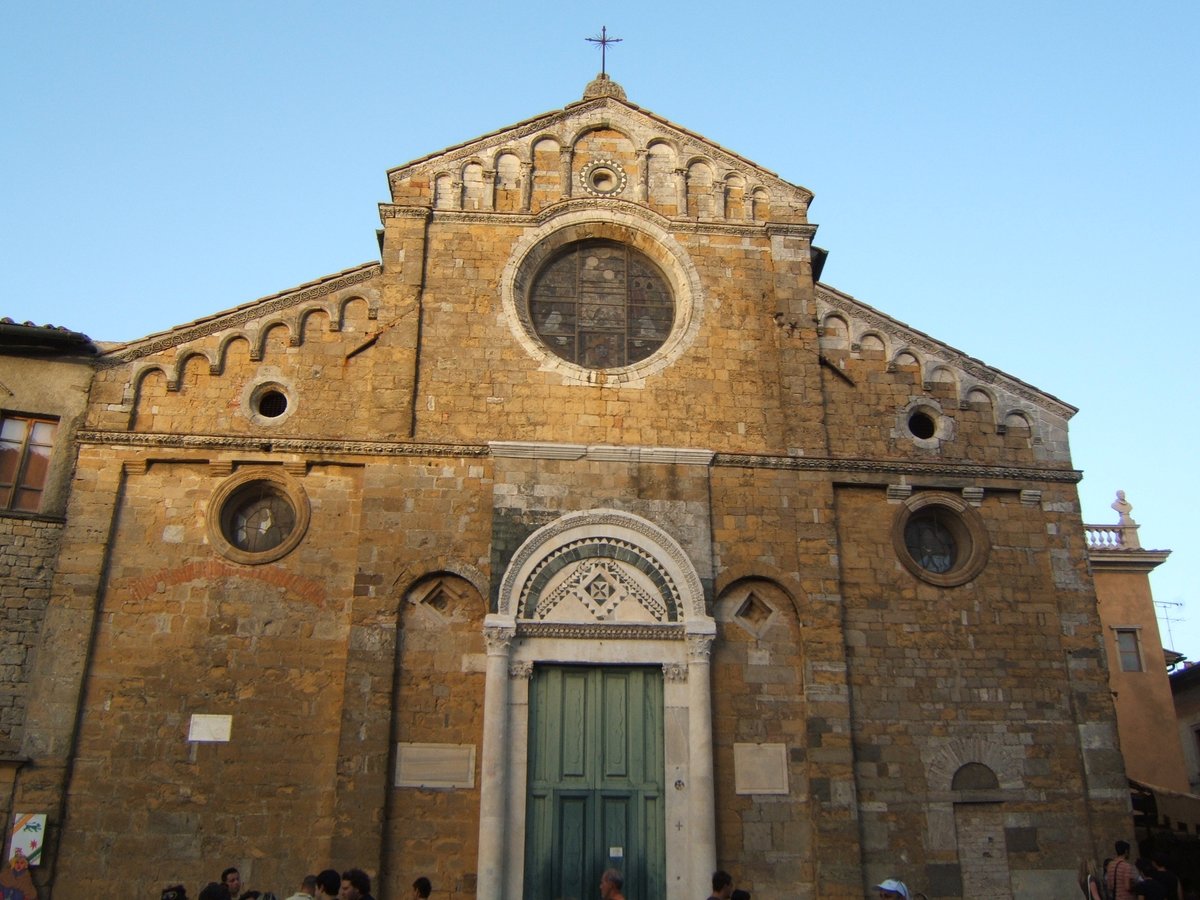
- Church of Sant’Andrea A Romanesque church from the 12th century, housing religious artworks and offering insight into the region’s ecclesiastical history.
- Remnants of Ancient Walls These fortifications narrate stories of medieval defense and village resilience.
- Narrow Cobblestone Alleys Radiating from Il Prato, these lead to panoramic viewpoints and secluded courtyards, perfect for exploration and photography.
The meadow continues to be the focal point for social interaction, hosting impromptu gatherings, open-air concerts, and artisan markets throughout the year (Visit Tuscany).
Visiting Hours and Ticket Information
Il Prato
- Open Access Il Prato is a public space, accessible daily from dawn until dusk and illuminated in the evenings during events.
- Admission Free entry; no tickets required for the meadow itself.
Archaeological and Historical Sites
- Etruscan Necropolis and Tholos Tomb Open from 9:00 AM to 6:00 PM (seasonal variations may apply). Ticket price is approximately €5 for adults, with discounts for seniors, students, and groups.
- Church of Sant’Andrea and Other Sites Typically open during daytime hours; some may require a nominal fee or donation.
Always check the Comune di Casale Marittimo or local tourism portals for the most current information.
Guided Tours
Guided walking tours, available seasonally through local providers, offer in-depth exploration of Etruscan sites, medieval architecture, and village traditions. Advance booking is recommended during peak periods.
Festivals, Events, and Local Traditions
Annual Festivals
- Sagra delle Chiocciole (Snail Festival) Held in July, this event transforms Il Prato into a festive open-air restaurant, serving traditional snail dishes and local specialties alongside live music and folk performances (Visit Tuscany).
- Sagra del Cinghiale (Wild Boar Festival) In August, the focus shifts to wild boar cuisine, with communal dining, wine tastings, and cultural entertainment.
- Festa di San Sebastiano A religious festival in January with processions and community feasts.
- Summer Concerts and Artisan Markets Hosted in Il Prato, showcasing local crafts, foods, and music.
Social and Agricultural Traditions
Il Prato remains the setting for spontaneous social gatherings, communal meals, religious processions, and agricultural celebrations linked to harvest cycles. The surrounding countryside’s production of olive oil, honey, and Montescudaio DOC wine is celebrated through tastings and local markets (Tuscany Planet).
Practical Visitor Tips and Accessibility
Best Time to Visit
- Spring (April–June) and Early Autumn (September–October) Enjoy mild weather, vibrant landscapes, and active festival schedules.
- Summer Ideal for festivals and outdoor events, though crowds may increase.
Getting There
- By Car About 70 km from Pisa and 110 km from Florence; parking available at the village entrance.
- By Public Transport Regional buses connect Casale Marittimo to Cecina train station, with onward taxis or local buses to the village.
- On Foot The historic center and Il Prato are mostly pedestrianized.
Accessibility
- The cobblestone streets and slopes typical of Tuscan hill towns may challenge those with mobility issues. Some improvements have been made around Il Prato; inquire locally for specific accommodations.
Amenities
- Dining Family-run trattorias, wine bars, and artisan shops surround Il Prato.
- Restrooms and Seating Facilities are available in the vicinity.
- Tourist Information Maps, event schedules, and guides can be found at local info points.
Nearby Attractions
- Etruscan Archaeological Sites Explore ancient tombs and relics just outside the village.
- Bolgheri Wine Route Renowned vineyards and tasting tours are a short drive away.
- Beaches of the Etruscan Coast Less than 15 km from Casale Marittimo, ideal for seaside excursions.
- Macchia della Magona Nature Reserve Offers hiking, biking, and wildlife observation amid protected woodlands.
FAQs
Q: What are Il Prato’s opening hours?
A: Il Prato is accessible daily from dawn until dusk, with no entrance gate.
Q: Is there an entrance fee for Il Prato?
A: No, access to the meadow is free. Archaeological sites may charge a modest fee.
Q: Are guided tours available?
A: Yes, local tourism providers offer seasonal guided tours of historical sites and the village.
Q: How do I get to Casale Marittimo?
A: By car from Pisa or Florence, or by bus from Cecina train station.
Q: Is Il Prato accessible for people with mobility issues?
A: Some accessibility improvements exist, but cobblestone streets may pose challenges. Check with local providers as needed.
Q: When are the main festivals held?
A: The Snail Festival is in July, the Wild Boar Festival in August, and additional events occur throughout the year.
Internal Links
- Discover the Etruscan Coast Wine Route
- Top Medieval Villages in Tuscany
- Guide to Visiting Casale Marittimo