Introduction
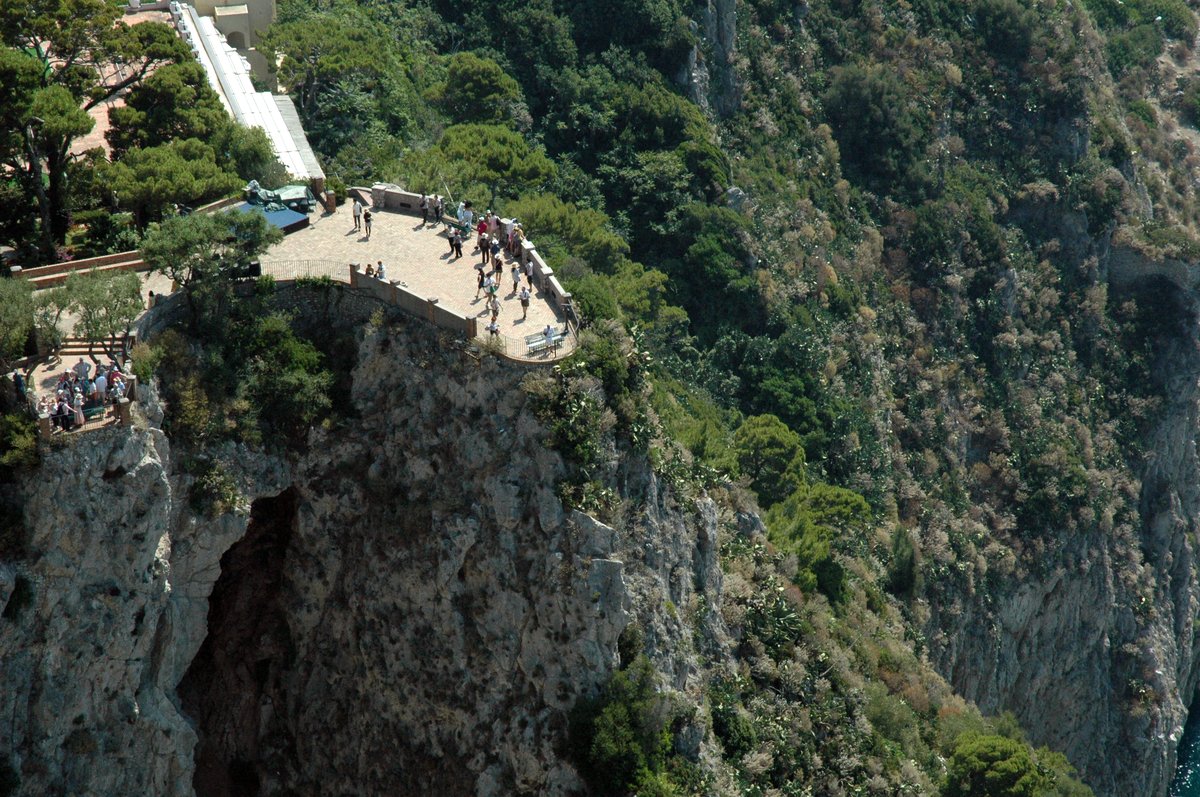
The Scala Fenicia, or Phoenician Steps, stands as a significant historical and architectural landmark on the island of Capri, Italy. Contrary to its name, the steps were constructed by Greek colonists between the 7th and 6th centuries BC, not the Phoenicians, a misattribution that has persisted through centuries (source). This marvel of ancient engineering consists of 921 stone steps that once served as the only connection between the towns of Marina Grande and Anacapri. The steps have long been a testament to the resilience and ingenuity of Capri's inhabitants, particularly the women who historically carried goods up and down the steep incline (source). The Scala Fenicia is not only a physical pathway but also a cultural lifeline, reflecting the island's rich Greek heritage and its strategic importance in antiquity. Today, it continues to draw tourists eager to experience its breathtaking views and historical significance, making it a must-visit destination for any Capri adventure.
Historical Background
Greek Origins
Despite its misleading name, the Scala Fenicia was constructed by Greek colonists between the 7th and 6th centuries BC. The Greeks settled on Capri around 2800 years ago and founded the town of Anacapri, which remains one of the island's most significant settlements. The Greeks inhabited the island for nearly 800 years until the arrival of Augustus Caesar in the 30s or 20s BC, which marked the beginning of Capri's dehellenization and subsequent Latinization (source).
Misnomer - The Phoenician Steps
The name "Phoenician Steps" is a result of historical misattribution. During the 17th century, Neapolitan scholars, influenced by a phenomenon known as "Phoenicianomania," sought to prove the presence of Phoenicians on Capri. This led to arbitrary historical reconstructions and the erroneous attribution of the steps to the Phoenicians. However, there is no archaeological or historical evidence to support Phoenician settlement on the island (source).
Architectural Significance
The Scala Fenicia is an architectural feat, consisting of 921 stone steps that were meticulously chiseled out of the rock face. These steps connect the seaside village of Marina Grande with Anacapri, ascending hundreds of feet above the Mediterranean Sea. Before the construction of a carriage road in 1877, the steps were the only means of transporting goods and people between these two points. The steps were used extensively by the island's inhabitants, particularly women who carried heavy vases of water and other goods on their heads (source).
Strategic Importance
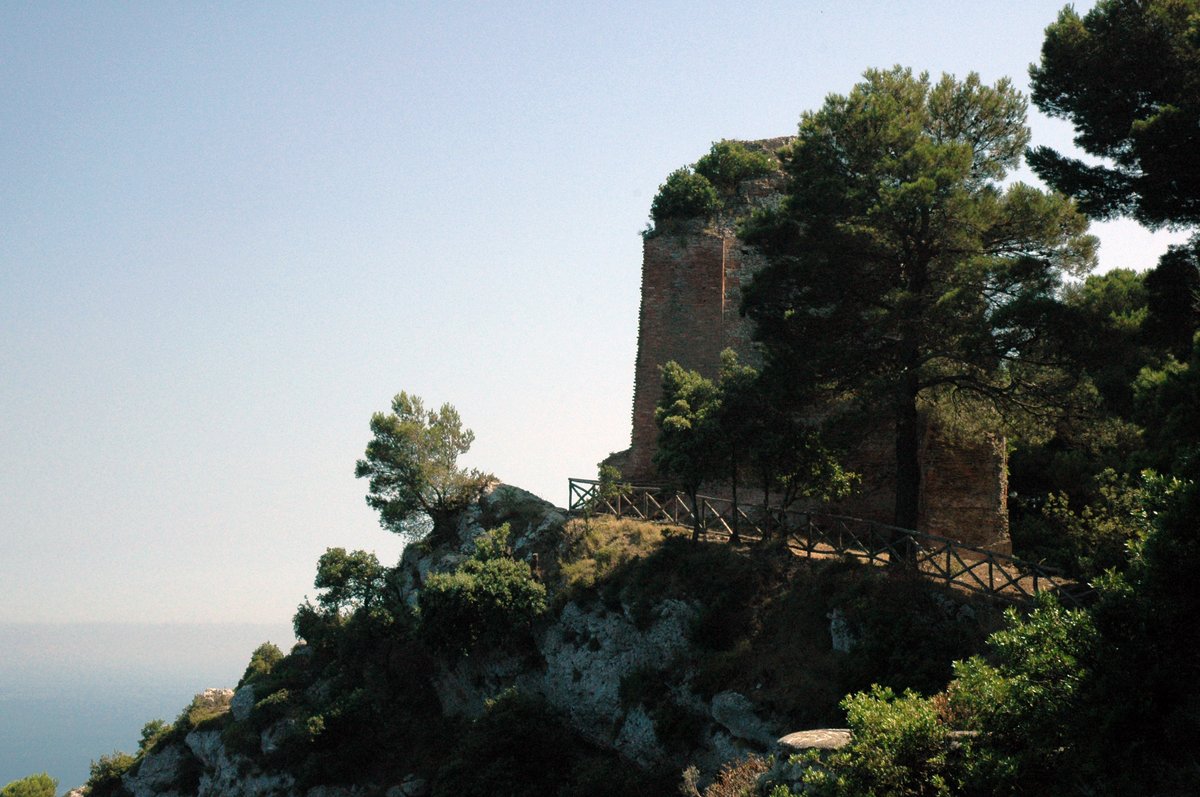
Beyond their practical use, the steps also held strategic importance. The commanding views from the top of the steps provided a lookout point for spotting incoming pirates and invading navies. This vantage point was crucial for the island's defense during ancient times. The steps' location and design were likely influenced by the need for such strategic oversight (source).
Cultural Impact
The Scala Fenicia has left a lasting cultural impact on Capri. The steps are not only a testament to the island's ancient Greek heritage but also a symbol of the resilience and ingenuity of its inhabitants. The arduous task of climbing the steps, often with heavy loads, reflects the daily struggles and strength of the island's women. This cultural heritage is celebrated and remembered by the locals and visitors alike (source).
Visitor Information
Visiting Hours and Tickets
The Scala Fenicia is accessible year-round. There are no official visiting hours or ticket requirements, making it a free attraction. However, it is advised to visit during daylight hours for safety reasons.
Travel Tips
- Footwear: Wear sturdy footwear as the steps can be slippery, especially after rain.
- Hydration: Bring water for the climb, as it can be strenuous.
- Weather: Check the weather forecast before your visit to avoid slippery conditions.
Accessibility
The Scala Fenicia is not recommended for those with mobility issues due to the steep and uneven nature of the steps. There are resting spots along the way, but the climb can be physically demanding.
Special Events and Guided Tours
While there are no regular guided tours specifically for the Scala Fenicia, visitors can join general tours of Capri that often include the steps in their itinerary. Photographers will find numerous scenic spots along the climb.
Modern-Day Relevance
Today, the Scala Fenicia is a popular tourist attraction, drawing visitors who are eager to experience its historical significance and breathtaking views. The steps offer a unique way to explore the island, providing a physical connection to its ancient past. Visitors are advised to wear sturdy footwear and bring water, as the climb can be strenuous. The steps can be slippery after rain, so caution is advised. The journey up or down the steps takes about 45 minutes, with several spots along the way to rest and take in the scenery (source).
Villa San Michele
At the top of the Phoenician Steps lies Villa San Michele, a must-visit site for anyone exploring the steps. Built by the Swedish physician and author Axel Munthe, the villa offers stunning views and houses a collection of ancient and modern artifacts. The villa and its gardens are considered one of the best spots on the island, providing a serene and picturesque setting for visitors (source).
FAQ
What are the visiting hours for Scala Fenicia?
The Scala Fenicia is accessible year-round, but it is recommended to visit during daylight hours for safety.
Is there an entrance fee for the Scala Fenicia?
No, there is no entrance fee; it is a free attraction.
How long does it take to climb the Scala Fenicia?
The climb takes about 45 minutes, depending on your pace and number of rest stops.
What should I bring with me when visiting the Scala Fenicia?
Wear sturdy footwear, bring water, and check the weather forecast.
Are there guided tours available?
While there are no specific guided tours for the steps, general tours of Capri often include the Scala Fenicia.
Listen to the full story in the app
Your Personal Curator, in Your Pocket.
Audio guides for 1,100+ cities across 96 countries. History, stories, and local insight — offline ready.
Audiala App
Available on iOS & Android
Join 50k+ Curators
Sources
- verified
- verified
- verified
- verified
Last reviewed: