Plan and listen to Passeggiata Coperta Bastione Saint Remy with Audiala.
Audio guide in your pocket, itinerary in your browser. Built for the way you actually visit.
Introduction
Nestled in Cagliari’s historic heart, the Bastione di Saint Remy and its Passeggiata Coperta are architectural icons and vibrant cultural hubs. Rising above medieval and Spanish fortifications, this neoclassical complex offers breathtaking views of the city and the Gulf of Cagliari. Since its construction at the turn of the 20th century, the bastion has evolved from a Belle Époque promenade into a center for exhibitions, concerts, and community events, embodying the city’s layered history and social life.
This comprehensive guide provides up-to-date visitor information, including opening hours, ticketing, accessibility, and nearby attractions. Whether you’re planning a leisurely stroll or attending a special event, use this resource for practical travel tips, insights into the bastion’s architectural marvels, and recommendations for making the most of your visit.
For the latest details and event schedules, consult official sources: Cagliari Turismo, Comune di Cagliari, and Monumenti Aperti. The Audiala app also offers guided audio tours and insider tips (Strictly Sardinia).
Origins and Construction
The Bastione di Saint Remy was conceived during Cagliari’s urban renewal at the end of the 19th century. Planned to unify the historic districts of Castello, Villanova, and Marina, it was built atop older fortifications, including the bastions of Zecca, Sperone, and Santa Caterina. The bastion is named for Don Filippo Guglielmo Pallavicino, Baron of Saint Remy, the first Piedmontese viceroy of Sardinia (Italiana Cagliari).
Architectural Design
Engineers Giuseppe Costa and Fulgenzio Setti designed the bastion in 1896, blending neoclassical grandeur with local limestone. Hallmarks of the design include the grand double-ramped staircases, a triumphal arch, Corinthian columns, and the luminous façade. The Passeggiata Coperta—an elegant, vaulted gallery—was inaugurated in 1902, quickly becoming a symbol of Cagliari’s Belle Époque (Monumenti Aperti; Me and Sardinia).
Transformations and Restorations
Over its history, the Bastione has served many functions—from a social gathering spot and market venue to a WWII bomb shelter and temporary school. Wartime damage in 1943 required extensive restoration, completed in 1958. Ongoing preservation efforts have added modern safety features and improved accessibility, ensuring the site remains open and secure for all visitors (Monumenti Aperti).
Social and Cultural Significance
The Bastione is woven into Cagliari’s civic identity. It has hosted Sardinia’s first trade fair (1948), major rallies, art exhibitions, and remains a beloved gathering place. Its terraces and galleries are often the stage for concerts, cultural festivals, and public ceremonies, reinforcing its role as a living symbol of Cagliari’s collective memory (Medium; Unione Sarda).
Architectural Features of the Passeggiata Coperta
Structure and Materials
The Passeggiata Coperta is a monumental covered gallery built into the limestone ramparts of the bastion. Its architecture features white and yellow Bonaria limestone, imparting both strength and brightness (Cagliari Turismo).
Key spaces include:
- Galleria Umberto I: Located at the top of the marble staircase, this gallery is both a historic and architectural focal point.
- Terrazza Umberto I: An open-air terrace 24 meters above Piazza Costituzione, offering panoramic city and sea views.
Spatial Layout
The gallery’s interior is defined by high vaulted ceilings, symmetrical arches, and marble floors with geometric motifs. The layout encourages a leisurely promenade, with wide corridors and spaces for exhibitions and events (Alessandria Today).
Decorative and Artistic Elements
- Columns and Arches: Corinthian columns line the gallery, supporting a rhythmic series of arches that enhance the play of light and shadow.
- Interior Finishes: Natural light and a refined color palette create an inviting ambiance. The intricate marble floors reflect the craftsmanship of the period (Cagliari Turismo).
Integration with Older Fortifications
The Passeggiata Coperta is seamlessly integrated with medieval and Spanish-era defensive works. The Galleria dello Sperone—accessible from the main gallery—features 16th-century military architecture, cisterns, cannon rooms, and even former prison cells, offering visitors a glimpse into the bastion’s layered history (Monumenti Aperti; La Senti Questa Voce).
Restoration Efforts
Post-war restoration and later improvements have preserved the bastion’s neoclassical integrity while enhancing safety and accessibility for today’s visitors (Monumenti Aperti).
Artistic and Community Functions
Since its inception, the Passeggiata Coperta has hosted banquets, exhibitions, and cultural events. Recent highlights include exhibitions dedicated to figures such as Enrico Berlinguer and performances by local bands (Vistanet; Comune di Cagliari).
Visitor Information
Opening Hours and Tickets
- Passeggiata Coperta: Open during scheduled exhibitions and events, generally from late morning to early evening. Standard admission is €8.00, with reductions for children, students, seniors, and groups (Comune di Cagliari).
- General Bastione di Saint Remy: Open daily, typically from 9:00 AM to 7:00 PM, with extended hours during summer. General access to the terraces is free; special exhibitions may require a ticket.
Booking: Advance reservation is recommended, especially for popular events. Book by phone (+39 366 2562826 or +39 070 6777900) or email ([email protected]).
Getting There
- Location: The Bastione is located in Piazza Costituzione, at the intersection of Cagliari’s Castello, Villanova, and Marina districts.
- Transport: Easily reached on foot from the city center. Several bus lines stop nearby. Parking is available but limited.
- Directions: Ascend the grand marble staircase to access the Passeggiata Coperta and the panoramic terrace (Strictly Sardinia).
Accessibility
- Mobility: Ramps and elevators provide access for visitors with reduced mobility. Some historic areas have uneven flooring—contact the cultural office for specific accessibility questions.
- Facilities: Restrooms are available; information is provided in Italian and English.
Facilities and Services
- Languages: Exhibition information is usually in Italian and English.
- Amenities: Cafés and restaurants are located nearby in Piazza Costituzione; no food facilities inside the gallery itself.
- Photography: Permitted except during certain exhibitions or performances.
Special Events and Guided Tours
The Passeggiata Coperta regularly hosts art exhibitions, concerts, science events, and community gatherings. Guided tours—often available during special programming—deeply enrich the visitor experience. Check the official events page for current offerings.
Nearby Attractions and Photo Spots
- Terrazza Umberto I: Panoramic views, especially at sunset.
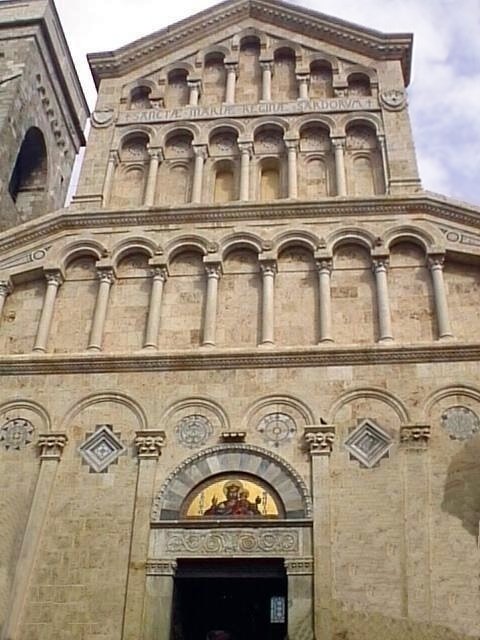
- Castello District: Medieval streets, Torre dell’Elefante, Cattedrale di Santa Maria.
- Marina District: Vibrant market, dining, and cafes.
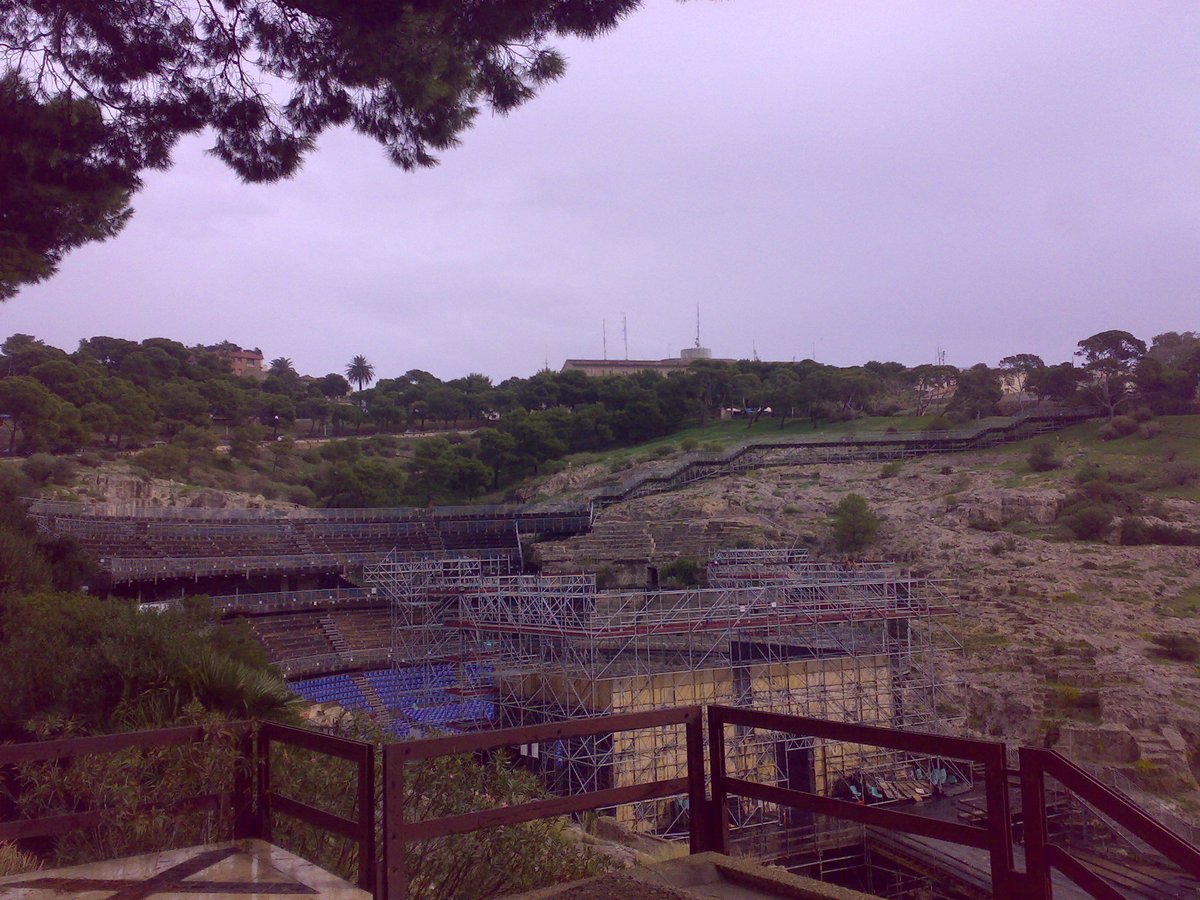
- Roman Amphitheatre: A short walk away.
Frequently Asked Questions (FAQ)
Q: Are tickets required for the Passeggiata Coperta?
A: Yes, standard admission is €8.00; reductions and free entry days are available. General bastion access is free.
Q: What are the opening hours?
A: Generally 9:00 AM–7:00 PM for the bastion; Passeggiata Coperta follows event schedules.
Q: Is the site accessible for people with disabilities?
A: Yes, with ramps and elevators, though some historic areas are uneven.
Q: Are guided tours available?
A: Yes, especially during special events or upon request.
Q: Can I take photos inside?
A: Generally yes, except during some exhibitions or performances.
Q: How do I reach the Bastione from the city center?
A: It’s within walking distance; several buses serve the area.
Tips for a Memorable Visit
- Book in advance for exhibitions or special events.
- Time your visit for early morning or late afternoon for the best light and cooler temperatures.
- Combine your tour with a stroll through the Castello district and a coffee in Piazza Costituzione.
- Bring a camera for the interplay of light in the Passeggiata Coperta and sweeping terrace views.
- Check event calendars for temporary exhibitions and performances to enrich your experience.
Visual Highlights


Listen to the full story in the app
The whole Passeggiata Coperta Bastione Saint Remy,
told well.
Audio guides for 1,100+ cities across 96 countries. History, stories, and local insight — offline ready.

Verified, and shown.
Researched and written by the Audiala editorial team from historical records, architectural archives, and local expertise.
Researched from Wikidata, Wikipedia & official sources · fact-checked · How we make our guides →