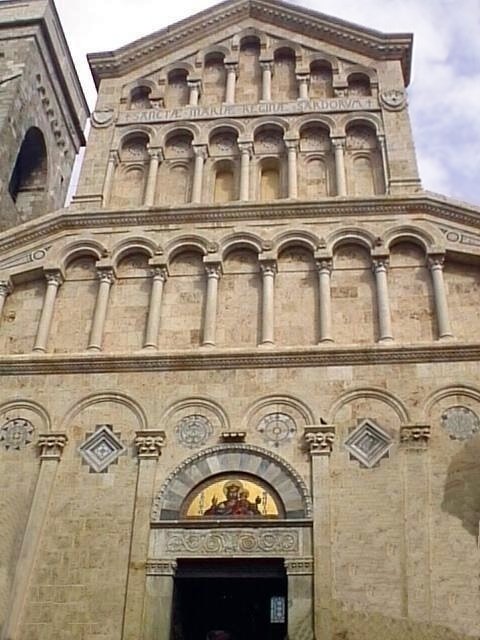
Plan and listen to Necropoli San Saturnino with Audiala.
Audio guide in your pocket, itinerary in your browser. Built for the way you actually visit.
Introduction
In the vibrant city of Cagliari, Sardinia, the Necropoli San Saturnino stands as a testament to millennia of religious devotion and cultural transformation. This guide offers a comprehensive overview—blending history, archaeological details, visiting tips, and practical information—to help travelers, history enthusiasts, and pilgrims alike get the most from their visit. Whether you're drawn by ancient Christian traditions, unique architecture, or Sardinia’s layered history, Necropoli San Saturnino is an essential stop on any Cagliari itinerary (Sardegna Cultura).
- Historical Overview
- Archaeological and Cultural Significance
- Visiting Information
- Travel Tips
- Frequently Asked Questions (FAQ)
- Conclusion and Next Steps
- References
Early Origins and Development
The Necropoli di San Saturnino, situated at the foot of Bonaria hill in Piazza San Cosimo, traces its origins back to the late Punic era (3rd–2nd century BCE). Over centuries, it evolved into a major Roman burial ground, marked by an impressive array of tombs—ranging from simple graves to elaborate mausoleums—reflecting the city’s diverse and multicultural past (Sardegna Cultura; History Tools).
Saint Saturninus and Christian Heritage
The site's spiritual significance grew profoundly with the martyrdom of Saint Saturninus in 304 CE, during the Diocletianic persecutions. His burial place became a focal point for early Christian worship and pilgrimage. By the 5th–6th centuries CE, the necropolis had transformed into a major Christian cemetery, crowned by the construction of the Basilica di San Saturnino—Sardinia’s oldest church (Sardegna Turismo; Monumenti Aperti).
Architectural and Archaeological Highlights
The basilica was originally built with a Greek cross layout and a central dome, drawing architectural inspiration from eastern Christian traditions and the Byzantine world. Excavations have revealed hundreds of Christian tombs, many adorned with symbols like the Chi-Rho and fish, documenting the transition from pagan to Christian burial practices (Progetto Storia dell’Arte).
Transformation Across Centuries
Throughout the Middle Ages, the site underwent repeated modifications—first by the Benedictines in the 11th century, then through periods of neglect and restoration. Despite damage during conflicts and World War II, 20th-century conservation efforts have preserved the basilica and necropolis as vital heritage assets (Rai News). Today, the site is managed by the Italian Ministry of Culture (Ministero della Cultura).
2. Archaeological and Cultural Significance
Necropolis Layout and Tomb Types
The necropolis extends beneath and around the basilica, featuring:
- Simple inhumation graves with stone slabs or tiles
- Arcosolia (arched recesses) typical of late antique Christian cemeteries
- Family mausolea indicating the presence of affluent Christian families (Ministero della Cultura)
These burial forms illustrate the evolution of funerary rites and the social fabric of early Christian Cagliari.
The Basilica’s Unique Architecture
The Basilica di San Saturnino, with its Greek cross plan and central dome, stands as the oldest Christian church in Sardinia. Surviving structures include parts of the dome’s supports and the eastern arm. The basilica’s construction above the martyr’s tomb echoes early Christian traditions of venerating saints at their burial sites (SardegnaBlu.it; Monumenti Aperti).
Religious Importance and Preservation
The necropolis played a central role in the spread of Christianity across Sardinia. Annual religious festivities on Saint Saturninus’ feast day and ongoing worship underscore its lasting cultural relevance. Conservation, supported by major investments, ensures the site’s preservation for future generations (Rai News; Finestre sull’Arte).
3. Visiting Information
Location and Getting There
- Address: Piazza San Cosimo, 09127 Cagliari, Italy (Cagliari Turismo)
- By Public Transport: Buses 5, 6, and 30 from the city center serve the area.
- By Car: Limited parking available nearby; public lots recommended.
- On Foot: 15–20 minutes from the Marina or Castello districts.
Opening Hours
- Tuesday to Sunday: 9:00 AM – 1:00 PM and 3:00 PM – 6:00 PM
- Closed: Mondays and certain public holidays
Always check the official website for the latest updates, as restoration work or special events may alter hours.
Tickets and Guided Tours
- Admission: Usually free; donations encouraged. Special exhibitions/guided tours may charge a fee (€3–€5).
- Guided Tours: Highly recommended, available in Italian and, seasonally, in other languages. Private tours start at €10–€20 per person (Ichnussa Archeo Tour).
- Booking: Not required for individuals, but groups and tours should book in advance (Cultura.gov.it).
Accessibility
- Physical Access: Partially accessible for wheelchair users; some uneven terrain and steps remain.
- Assistance: Contact the site in advance for specific needs (Sardegna Turismo).
- Families: Strollers not recommended; children should be supervised.
Site Etiquette
- Modest dress required (shoulders and knees covered).
- Maintain silence, especially during religious services.
- No eating/drinking on site; photography is allowed but flash/tripods may be restricted.
- Respect all signage and avoid touching artifacts or tombs.
4. Travel Tips
What to Wear and Bring
- Clothing: Modest, comfortable attire; avoid shorts, mini-skirts, sleeveless tops (Savoring Italy).
- Footwear: Sturdy shoes for uneven ground.
- Essentials: Hat, sunscreen, water—especially in summer.
Best Times to Visit
- Spring (April–June) and Autumn (September–October): Best weather and manageable crowds.
- Early mornings or late afternoons: Recommended in summer.
- Special Events: The feast day of San Saturnino on October 30th features processions and festivities (Vistanet).
Nearby Attractions
- Bonaria Sanctuary: Major pilgrimage site.
- Castello District: Medieval center and cathedral.
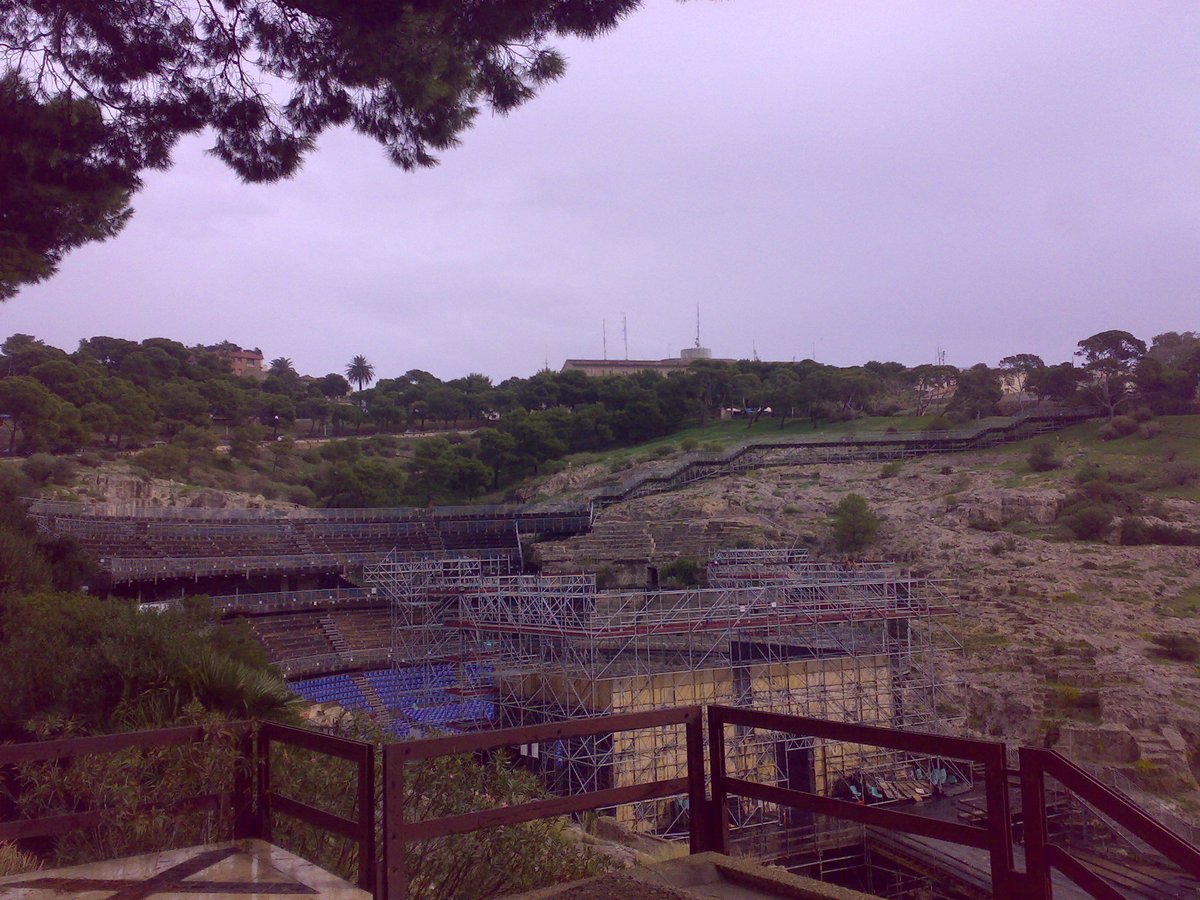
- Roman Amphitheatre: Ancient arena.
- Museo Archeologico Nazionale: Sardinian artifacts (Nomads Travel Guide).
5. Frequently Asked Questions (FAQ)
Q: What are the opening hours?
A: Tuesday to Sunday, 9:00 AM – 1:00 PM and 3:00 PM – 6:00 PM; closed Mondays and select holidays.
Q: Is there an entry fee?
A: Usually free; small charges may apply for tours or exhibitions.
Q: Are guided tours available?
A: Yes, in Italian and other languages during peak seasons; advance booking is recommended.
Q: Is the site accessible for wheelchair users?
A: Partially; contact the site for assistance.
Q: What should I wear?
A: Modest clothing, sturdy shoes.
Q: Are there amenities?
A: No restrooms on-site; nearby cafés and public toilets are available.
Listen to the full story in the app
The whole Necropoli San Saturnino,
told well.
Audio guides for 1,100+ cities across 96 countries. History, stories, and local insight — offline ready.

Verified, and shown.
Researched and written by the Audiala editorial team from historical records, architectural archives, and local expertise.
Researched from Wikidata, Wikipedia & official sources · fact-checked · How we make our guides →