Plan and listen to Museo Ferroviario Sardo with Audiala.
Audio guide in your pocket, itinerary in your browser. Built for the way you actually visit.
Introduction
Nestled in the heart of Cagliari, the Museo Ferroviario Sardo is the island’s premier railway museum, offering an immersive experience into Sardinia’s rail heritage. Whether you are a railway enthusiast, a history buff, or a traveler exploring Cagliari’s historical sites, the museum provides an exceptional opportunity to discover over 150 years of railway history. From the pioneering days of the 19th century through the golden age of steam, and into the era of preservation, the Museo Ferroviario Sardo highlights not only technological evolution but also the profound social and economic changes brought to the island by the railways.
This comprehensive guide details the museum’s significance, historical background, visiting hours, ticket information, collection highlights, accessibility, and tips for making the most of your visit.
Historical Background
Origins of Sardinian Railways
Sardinia’s railway history began in 1862 with the opening of the Cagliari–Villasor line. The development of the rail network was essential in breaking the island’s geographic isolation, connecting principal cities and mining districts, and fostering economic integration. By the early 20th century, the Sardinian rail system spanned over 600 kilometers, including both standard and narrow-gauge lines. These lines, operated by Ferrovie della Sardegna (FdS), played a crucial role in linking rural communities and supporting the island’s mining and agricultural industries (Ferrovie dello Stato Italiane, Museo Ferroviario Sardo - Official Site).
Establishment of the Museo Ferroviario Sardo
The museum was founded in the late 20th century, with some sources citing 1985 and others 1996, as a response to the need to preserve Sardinia’s unique railway heritage. It was spearheaded by railway enthusiasts and former workers and is housed in a historic railway depot—either in Cagliari’s main station or in Monserrato, just outside Cagliari, depending on the source (Museitaliani, Cagliari Turismo). The location itself is emblematic of the industrial era and stands as a living testament to Sardinia’s rail legacy.
Visiting Hours and Tickets
-
Opening Hours:
- Most commonly, the museum is open Tuesday to Sunday, 9:00 AM to 5:00 or 6:00 PM.
- Closed on Mondays and public holidays.
- Seasonal variations and special events may affect opening times—always check the museum’s official website or Cagliari Turismo for current hours.
-
Tickets:
- Admission is often free, especially at the Cagliari station location (WhichMuseum), though a nominal fee may apply for special events or guided tours.
- Where charged, general admission is typically €8 for adults, with reductions for children, students, and seniors.
- Children under 6 usually enter free.
-
Group Visits and Guided Tours:
- Guided tours are available by appointment and recommended for groups and those seeking in-depth insights.
- Educational workshops and special events are occasionally offered.
-
Accessibility:
- The museum is generally wheelchair accessible, with ramps and accessible restrooms at most locations.
Collection Highlights
The Museo Ferroviario Sardo’s collection chronicles the evolution of Sardinian railways, illustrating both technological advancement and the human stories behind the rails:
- Steam Locomotives:
- Notably, the preserved FS 744.003, which once operated the Cagliari–Olbia route, and the legendary FdS 400 series (WhichMuseum, Trenino Verde).
- Royal Train Carriage:
- The luxurious saloon carriage used by King Vittorio Emanuele III until 1943, with custom furnishings.
- Vintage Rolling Stock:
- Historic passenger and freight carriages from the late 19th and early 20th centuries.
- Communication and Signaling Devices:
- Early telegraphs, signal lamps, and clocks from the Real Railways and Compagnia Reale delle Ferrovie Sarde.
- Railway Tools and Maintenance Equipment:
- Tools, uniforms, and devices used by railway workers.
- Photographic and Documentary Archives:
- Maps, blueprints, timetables, and photographs documenting Sardinia’s railway development.
- Working Models and Dioramas:
- Includes a model of the ferry ship Gennargentu, illustrating the island’s maritime-railway connection.
- Railway Library:
- A resource for researchers and enthusiasts, available during museum hours (Wikipedia).
Social and Economic Impact
The arrival and expansion of the railway in Sardinia were transformative. Railways enabled the movement of people and goods, connected remote communities, and stimulated industrial growth in mining, agriculture, and tourism. The museum’s exhibits and educational programs highlight these pivotal changes and the role railways played in shaping modern Sardinian identity (Regione Autonoma della Sardegna).
Preservation and Restoration
A core mission of the museum is the preservation and restoration of railway artifacts. Skilled volunteers, many of them retired railway workers, restore locomotives and carriages to their former glory. The museum collaborates with the “Trenino Verde,” a heritage railway that allows visitors to experience vintage train journeys through Sardinia’s landscapes (Trenino Verde).
Visiting Experience and Accessibility
-
Location:
- The museum is centrally located at Via Sassari 24 in Cagliari’s main train station or in Monserrato, depending on the collection (Cagliari Turismo, Google Maps).
- Easily accessible by train, bus, taxi, or on foot from the city center.
-
Facilities:
- Restrooms and waiting areas are available within the train station.
- No café inside the museum, but numerous options in or near the station.
- The museum is suitable for families, with accessible displays and facilities.
-
Atmosphere:
- The setting is an authentic ex-warehouse or depot, offering an industrial archaeology experience.
- Exhibits are well-organized and labeled, with some English signage—translation apps may be helpful.
Nearby Attractions
Combine your museum visit with other Cagliari historical sites:
- Castello District: Medieval fortifications and panoramic city views.
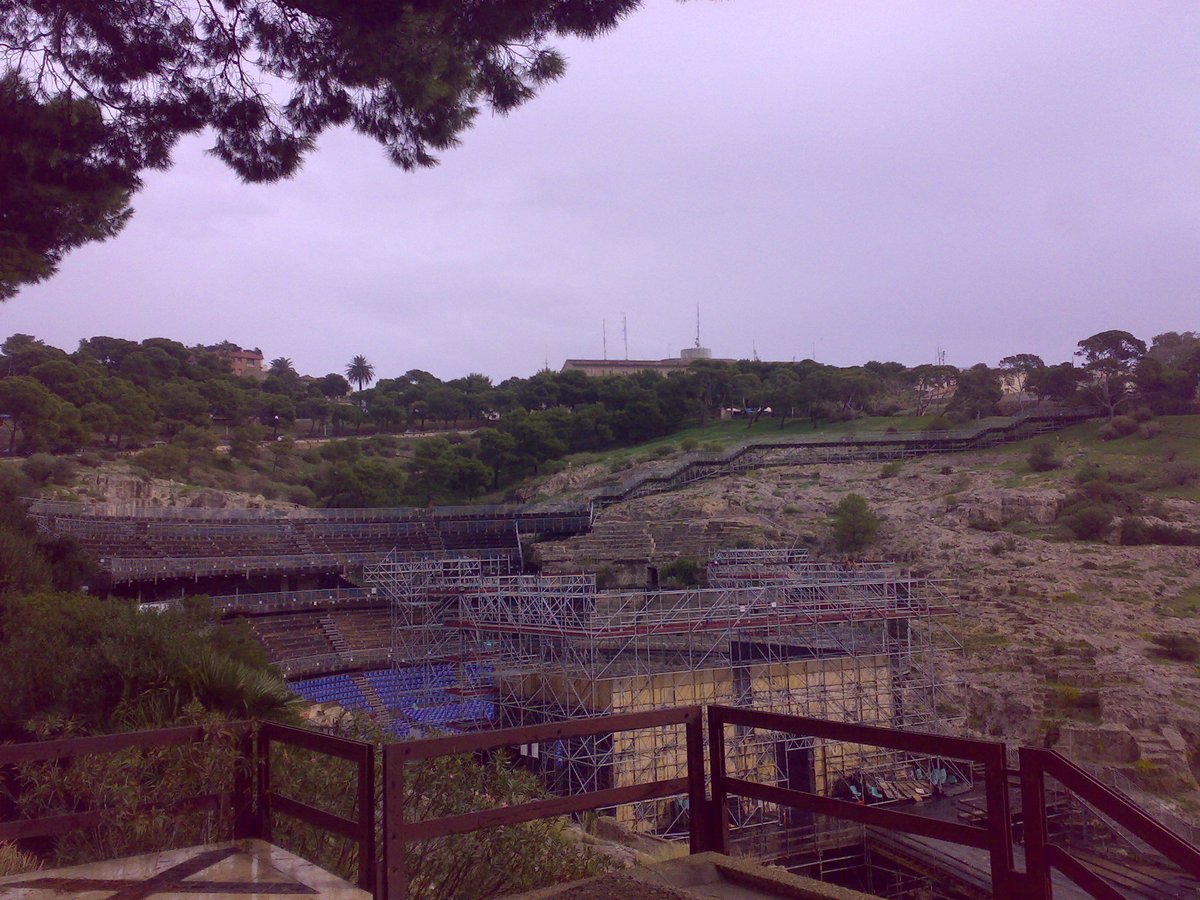
- Roman Amphitheatre: Ancient Roman ruins in the city center.
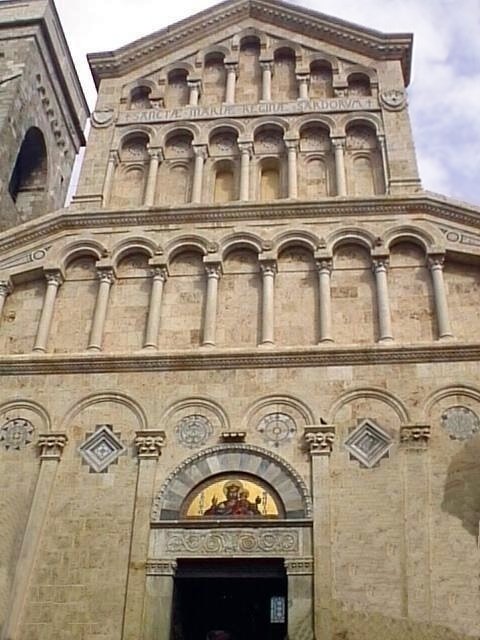
- Cagliari Cathedral: Iconic religious architecture.
- Bastione di Saint Remy: A scenic terrace overlooking the city.
- Mercato di San Benedetto: One of Italy’s largest indoor markets.
Frequently Asked Questions (FAQ)
Q: What are the Museo Ferroviario Sardo visiting hours?
A: Generally Tuesday to Sunday, 9:00 AM to 5:00 or 6:00 PM, but check the official website for up-to-date information.
Q: Is there an admission fee?
A: Admission is usually free, but a fee may apply for special events or guided tours.
Q: Is the museum accessible for people with disabilities?
A: Yes, the museum is generally accessible, though some areas may have uneven flooring due to its industrial heritage.
Q: Are guided tours available?
A: Yes, by appointment. Group and educational tours can be arranged.
Q: Can I take photographs inside the museum?
A: Photography is allowed, but flash and tripods may be restricted.
Q: Are there amenities on site?
A: Restrooms and waiting areas are available within the station; food and drink options nearby.
Listen to the full story in the app
The whole Museo Ferroviario Sardo,
told well.
Audio guides for 1,100+ cities across 96 countries. History, stories, and local insight — offline ready.

Verified, and shown.
Researched and written by the Audiala editorial team from historical records, architectural archives, and local expertise.
Researched from Wikidata, Wikipedia & official sources · fact-checked · How we make our guides →